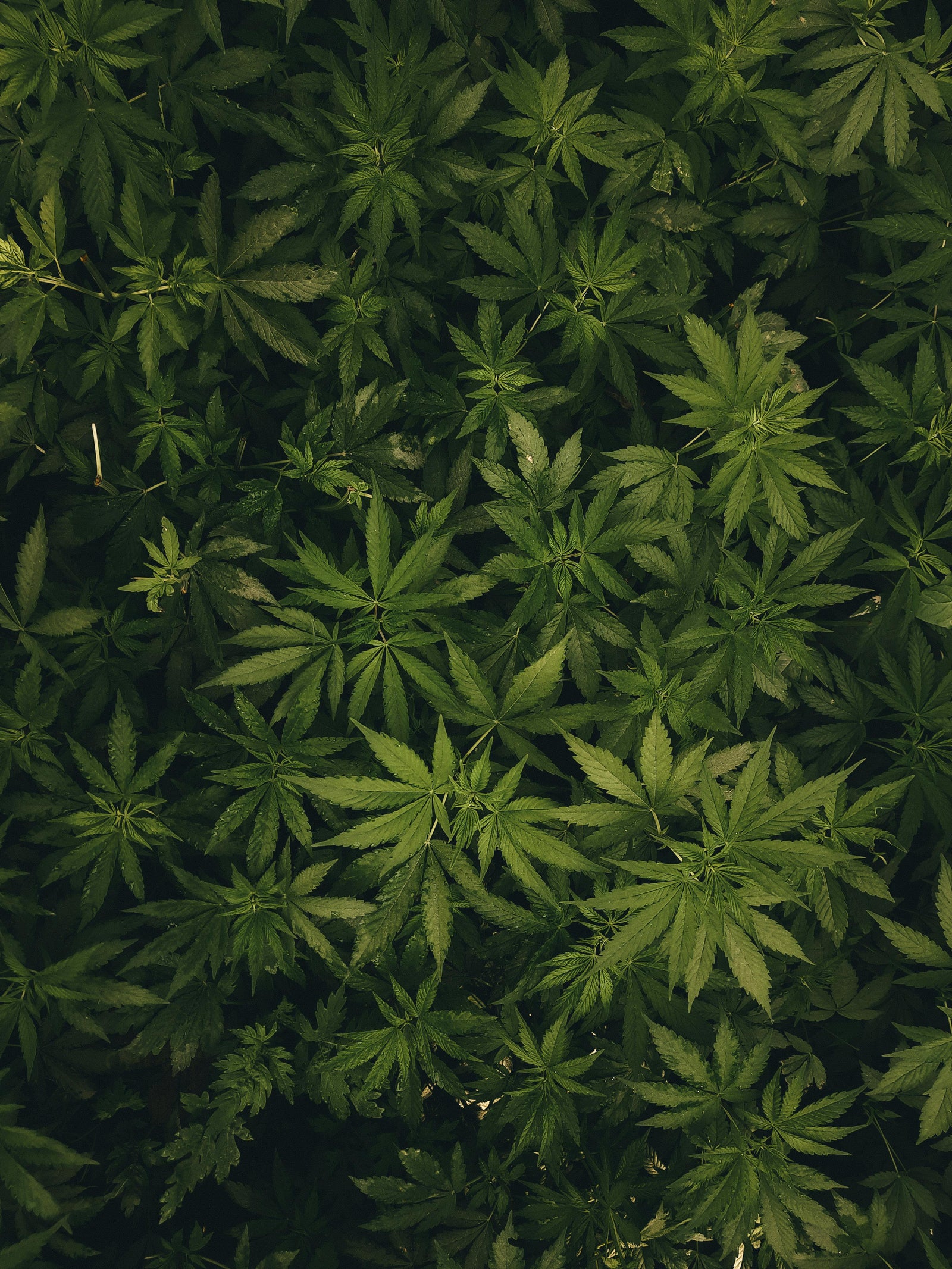
Das Jahr 2026 markiert einen Wendepunkt für legale High-Produkte. Seit der europaweiten Debatte rund um Cannabisregulierung, synthetische Cannabinoide, Novel-Food-Gesetze und digitale Smartshop-Märkte hat sich die Frage, wie ein legales High aussieht, grundlegend verändert. Konsumenten suchen nach Alternativen, die klar definiert sind, wissenschaftlich nachvollziehbar wirken und rechtlich stabil bleiben. Zugleich entstehen neue Cannabinoide, die weder in klassische THC-Strukturen passen noch unter das Betäubungsmittelgesetz fallen. Diese Stoffe eröffnen neue Wege eines Rauscherlebens, das zwar psychoaktiv, aber nicht illegal sein soll.
Doch was bedeutet „legal“ im Jahr 2026? Und was bedeutet „High“ in einem Markt, der sich von grauen Experimenten zu regulierten, analytisch überprüften Produkten bewegt? Viele Konsumenten berichten, dass sie Produkte wie HHC, H4CBD oder PHC nutzten, weil diese ein Gefühl der Entspannung erzeugen, ohne in den strafrechtlichen Bereich zu rutschen. Gleichzeitig beobachten Behörden, Wissenschaftler und Konsumenten, wie sich Wirkmechanismen, Sicherheitsstandards und Gesetzeslagen verschieben. Der Wunsch nach Alternativen ist ungebrochen stark, doch die Qualität der Informationen wurde lange vernachlässigt.
Happy Flower, das sich als Premium-Shop für Cannabinoide, Edibles, Vapes und Smartshop-Produkte etabliert hat, folgt in diesem Kontext einem klaren Qualitätsansatz: transparente Lab-Reports, geprüfte Reinheit, fair kalkulierte Produkte und die Möglichkeit, CBD zu kaufen, HHC zu kaufen, hochwertige Vapes auszuwählen oder moderne Smartshop-Innovationen kennenzulernen. Doch auch bei klaren Strukturen bleibt die Verantwortung bei jedem Konsumenten selbst – und das Jahr 2026 zeigt, dass informierte Entscheidungen wichtiger denn je sind.


Key Takeaways
- Legale High-Produkte entwickeln sich 2026 weiter zu klar definierten, analysierten und strukturell geprüften Cannabinoid-Derivaten, die psychoaktive Effekte erzeugen können, ohne unter das Betäubungsmittelgesetz zu fallen.
- H4CBD, PHC, HHC und 10-OH-HHC gehören zu den Molekülen, die voraussichtlich weiterhin legal bleiben, weil sie chemisch eindeutig von THC abweichen und toxikologisch besser einschätzbar geworden sind.
- Die Wirkung legaler Cannabinoide unterscheidet sich biochemisch deutlich von THC: schwächere CB1-Bindung, allosterische Modulation, metabolische Aktivierung oder CB2-dominierte Effekte.
- Reinheit ist 2026 entscheidender als Intensität. Die größten Risiken entstehen durch unsaubere Herstellungsprozesse – nicht durch die Cannabinoide selbst.
- Laboranalysen (COAs) sind das zentrale Qualitätsmerkmal. Produkte ohne nachweisbares Cannabinoid-, Terpen- und Reinheitsprofil sollten nicht konsumiert werden.
- Die Dosierung erfordert Bewusstsein und Erfahrung. Langsam beginnen, metabolische Verzögerungen berücksichtigen und individuelle Sensitivität beobachten.
- Der rechtliche Rahmen bleibt in Bewegung, doch stabile Molekülarchitektur und belastbare toxikologische Daten erhöhen die Chance legaler Beständigkeit.
- Smartshop-Produkte ergänzen 2026 das Spektrum legaler Highs, oft mit funktionellen, sensorisch verstärkenden oder stimmungsmodulierenden Effekten ohne klassische Psychoaktivität.
- HappyFlower setzt auf Transparenz, Reinheit und faire Preise, wodurch Konsumenten fundierte Entscheidungen treffen können – ob beim CBD kaufen, HHC kaufen oder bei modernen Vapes.
- Ein legales High bleibt eine bewusste Entscheidung. Auch legale Moleküle können Wahrnehmung und Motorik beeinflussen und sollten verantwortungsvoll konsumiert werden.
- 1. Key Takeaways
- 2. Legale High-Produkte im Jahr 2026: Warum der Markt sich neu sortiert
- 3. Was macht ein legales High eigentlich aus?
-
4. Die wichtigsten legalen High-Produkte 2026 – wissenschaftlich erklärt
- 4.1 H4CBD: Ein hydriertes Cannabinoid mit besonderem Profil
- 4.2 HHC: Das Molekül, das die Diskussion veränderte
- 4.3 10-OH-HHC: Die ruhigere, rundere Variante
- 4.4 PHC: Ein Prodrug-ähnlicher Ansatz
- 4.5 Legale Smartshop-Innovationen jenseits klassischer Cannabinoide
- 4.6 Warum Reinheit im Jahr 2026 über die Zukunft legaler Cannabinoide entscheidet
- 5. Wie wirken legale High-Produkte 2026? Eine biochemische Betrachtung
- 6. Wie dosiert man legale High-Produkte sicher?
- 7. Risiken legaler High-Produkte 2026
- 8. Die rechtliche Lage 2026: Was legal bleibt und warum
- 9. Worauf Du beim Kauf legaler High-Produkte achten solltest
- 10. Der Happy Flower-Qualitätsansatz 2026
- 11. Legale High-Produkte 2026 – ein Markt zwischen Wissenschaft, Regulierung und bewusster Entscheidung
- 12. Frequently asked questions (FAQs)

Legale High-Produkte im Jahr 2026: Warum der Markt sich neu sortiert
Der Begriff „legales High“ wirkt auf den ersten Blick paradox, doch beschreibt letztlich nur einen chemischen und regulatorischen Zustand, nicht eine moralische Wertung. Entscheidend ist, dass entsprechende Moleküle keine verbotenen Strukturen tragen, nicht unter das Betäubungsmittelgesetz fallen und hinreichend erforscht sind, um nicht als unmittelbare Gefahr eingestuft zu werden. 2026 entsteht ein Markt, der versucht, genau diesen Zwischenraum klarer zu definieren.
Vier Entwicklungen bestimmen diese neue Realität:
- Die Legalisierungsdebatte rund um THC hat viele Konsumenten dazu gebracht, Alternativen auszuprobieren, bevor klare Regelungen verabschiedet wurden.
- Neue Cannabinoid-Derivate wie H4CBD, PHC oder 10-OH-HHC bieten Wirkmechanismen, die sich deutlich von klassischen Synthetika unterscheiden und näher an botanische Prozesse rücken.
- Lab-basierte Qualitätsstandards werden zur Norm: Ohne analytische Rückverfolgbarkeit verliert ein Produkt seine Berechtigung.
- Europäische Regulierungen rücken stärker in den Fokus: Novel-Food-Anforderungen, toxikologische Bewertungen und strukturelle Gesetzesanalysen verlangen präzisere Definitionen.
In dieser Gemengelage entwickelten sich mehrere legale High-Produkte, die 2026 eine stabile Basis behalten könnten – vorausgesetzt, dass ihre chemischen Profile und Wirkmechanismen nachweislich sicher genug für einen regulierten Markt gelten.
Was macht ein legales High eigentlich aus?
Ein legales High entsteht durch Moleküle, die psychoaktive oder sensorisch veränderte Effekte hervorrufen, ohne die Strukturmerkmale klassifizierter illegaler Substanzen zu erfüllen. Dafür müssen drei Bedingungen erfüllt sein:
- Die chemische Struktur darf keinem gesetzlich verbotenen Cannabinoid entsprechen.
- Das Molekül muss toxikologisch vertretbar sein – also keine akut gefährlichen Reaktionsmechanismen im Körper auslösen.
- Die Herstellung muss rückverfolgbar und sauber erfolgen, was 2026 stärker durch Laboranalysen kontrolliert wird.
Wissenschaftlich betrachtet entsteht ein High, wenn Wirkstoffe mit dem Endocannabinoid-System interagieren oder indirekt modulierend auf Neurotransmitter wirken. Viele legale Cannabinoide beeinflussen die CB1-Rezeptoren schwächer als THC, einige umgehen diesen Rezeptor fast vollständig und wirken eher an sekundären Bindungsstellen oder über allosterische Mechanismen.
Beispiel:
H4CBD, eines der interessantesten Moleküle 2026, bindet nur schwach an CB1, besitzt aber dennoch Eigenschaften, die viele Konsumenten als beruhigend, gedämpft oder leicht euphorisch beschreiben. Dieses Empfinden entsteht durch Veränderungen in der Rezeptorsensitivität, nicht durch eine klassische THC-ähnliche Aktivierung.
PHC wiederum erzeugt Effekte, die näher an THC liegen, weil es nach metabolischer Umwandlung partiell auf CB1 wirkt – jedoch ohne die gleiche Strukturformel wie THC aufzuweisen.
Damit entsteht eine neue Kategorie psychoaktiver, aber rechtlich definierter Cannabinoid-Derivate.
Die wichtigsten legalen High-Produkte 2026 – wissenschaftlich erklärt
H4CBD: Ein hydriertes Cannabinoid mit besonderem Profil
H4CBD ist eines der Moleküle, das 2026 vermutlich weiterhin Bestand hat, weil es chemisch klar vom THC abweicht und gleichzeitig ein sanftes, entspannendes Erlebnis erzeugt. Es entsteht durch Hydrierung von CBD, ähnlich wie die Hydrierung von Pflanzenölen. Die Bindung an CB1 ist schwach, doch nicht bedeutungslos: Viele Konsumenten berichten von einer milden Euphorie, gesteigerter Körperwahrnehmung und einem Gefühl innerer „Weichheit“, das jedoch nicht in eine starke psychoaktive Veränderung kippt.
Aus regulatorischer Sicht ist H4CBD besonders interessant, da es strukturell eindeutig CBD zugeordnet werden kann, aber dennoch psychoaktive Eigenschaften besitzt – ein ungewöhnlicher Befund, der auch forschungsseitig große Aufmerksamkeit erhält.
HHC: Das Molekül, das die Diskussion veränderte
Hexahydrocannabinol (HHC) war das bekannteste legale Cannabinoid, bevor einzelne Staaten begannen, es intensiver zu regulieren. 2026 bleibt HHC in einigen EU-Ländern legal, in anderen streng eingeordnet, abhängig von isomeren Profilen und Herstellungswegen. In Deutschland gilt weiterhin die Vorgabe, dass eine Bewertung anhand des Einzelfalls erfolgt, insbesondere im Zusammenhang mit HHC-Acetaten und HHC-Derivaten.
Aus Wirkstoffsicht ist HHC ein hydriertes THC-Analogon, das direkt an CB1 wirkt – jedoch oft schwächer als Δ9-THC. Viele Nutzer berichten von einem High, das weniger chaotisch wirkt, klarer bleibt und körperlich weniger belastend ist. Gleichzeitig existieren Risiken: Eine zu hohe Dosierung führt zu Überreizung, Müdigkeit oder kurzzeitigem Beschleunigen der Herzfrequenz. Der entscheidende Faktor ist Reinheit: Rückstände aus Hydrierungsprozessen, nicht das Molekül selbst, stehen toxikologisch im Fokus.
HappyFlower setzt daher stark auf analytisch geprüfte HHC-Formate. Beim HHC kaufen ist es wichtig, Lab-Reports einzusehen, ein sauberes Isomerprofil zu erkennen und keine ungeklärten Rückstände zu akzeptieren.
10-OH-HHC: Die ruhigere, rundere Variante
10-OH-HHC entsteht metabolisch aus HHC, kann aber inzwischen auch direkt hergestellt werden. Das Molekül wirkt glatter und weniger abrupt. Viele Konsumenten beschreiben es als „ausgeglichenere“ Variante, die weniger Verwirrung erzeugt, aber dennoch ein deutlich spürbares psychoaktives Empfinden mitbringt.
Biochemisch relevant ist, dass 10-OH-HHC stärker über CB2-Rezeptoren wirkt und damit weniger intensives Kopf-High, dafür aber entspannende Körperwahrnehmungen erzeugt.
PHC: Ein Prodrug-ähnlicher Ansatz
PHC (Tetrahydrocannabiphorol-Hexylcarboxamid) gehört zu den Molekülen, die 2026 als besonders vielversprechend gelten, weil es nach Resorption in eine aktive Form umgewandelt wird, die THC-ähnliche Eigenschaften besitzt, ohne THC selbst zu sein. Das bedeutet: Die psychoaktive Wirkung entsteht erst im Körper, nicht vorher. Dieser Mechanismus erinnert an pharmakologische Prodrugs, die inaktive Moleküle zu aktiven Metaboliten umwandeln.
PHC erzeugt oft ein warmes, klares, leicht euphorisches High, das weniger chaotisch ist als starke synthetische Stoffe. Viele Nutzer beschreiben es als „sanften THC-Verwandten“, ohne die typische Schwere, die THC in hohen Dosen erzeugen kann.


Legale Smartshop-Innovationen jenseits klassischer Cannabinoide
2026 existiert ein wachsender Markt funktioneller High-Produkte, die nicht auf Cannabinoidstrukturen basieren, aber dennoch Zustände von Entspannung, Fokus oder milden Veränderungen der Wahrnehmung erzeugen können. Dazu gehören adaptogene Pilze (ohne psychoaktive Tryptamine), funktionelle Kräuterformeln und terpene-basierte Profile, die sensorische Intensität erzeugen, ohne psychoaktive Rezeptoren direkt zu aktivieren.
Diese Bereiche überschneiden sich zunehmend mit dem Smartshop-Markt, der Produkte anbietet, die weder thc-basiert noch synthetisch sind, sondern auf der natürlichen Interaktion von Pflanzenstoffen, Terpenen, Flavonoiden und ätherischen Ölen beruhen.
Warum Reinheit im Jahr 2026 über die Zukunft legaler Cannabinoide entscheidet
Viele Risiken legaler High-Produkte entstehen nicht durch die Moleküle selbst, sondern durch Herstellungsprozesse. Hydrierungsreaktionen, katalytische Verfahren oder Lösungsmitteleinsatz können Rückstände hinterlassen, die unerwünscht oder toxikologisch unklar sind. Aus diesem Grund werden Lab-Reports, Reinheitszertifikate und chromatografische Analysen zum zentralen Qualitätskriterium.
HappyFlower folgt hier einem klaren Prinzip: Nur Produkte, deren chemisches Profil vollständig nachvollziehbar ist, gelangen ins Sortiment. Dadurch entsteht eine neue Transparenzkultur, die für den gesamten Markt zukunftsweisend sein könnte.

Wie wirken legale High-Produkte 2026? Eine biochemische Betrachtung
Die Wirkung eines legalen Highs entsteht nicht durch ein einzelnes Prinzip, sondern durch das Zusammenspiel verschiedener Rezeptoren, Enzyme und Metaboliten im Körper. Um zu verstehen, warum Moleküle wie H4CBD, PHC oder 10-OH-HHC psychoaktive oder sensorisch veränderte Effekte erzeugen, lohnt sich ein Blick auf das Endocannabinoid-System.
Dieses System besteht im Wesentlichen aus:
- CB1-Rezeptoren, die vor allem im zentralen Nervensystem vorkommen und psychoaktive Effekte vermitteln
- CB2-Rezeptoren, die stärker im Immunsystem lokalisiert sind und entzündungsmodulierende sowie entspannende Wirkungen beeinflussen
- endogenen Liganden wie Anandamid oder 2-AG
- Enzymen wie FAAH, die Cannabinoide abbauen
Bei THC entstehen Effekte durch eine direkte und relativ starke Bindung an CB1. Legale High-Produkte nutzen hingegen alternative Wege: schwächere Bindung, allosterische Modulation oder metabolische Aktivierung.
H4CBD
H4CBD bindet nur mäßig an CB1, wirkt aber stabilisierend auf Rezeptorantworten. Das führt oft zu einem „weichen“, beruhigenden Zustand. Neurobiologisch lässt sich dies als abgeschwächte postsynaptische Aktivierung beschreiben, die dennoch spürbare Wahrnehmungsveränderungen mitbringt.
HHC
Bei HHC handelt es sich um ein Molekül, das dem THC strukturell ähnlicher ist und dadurch stärker psychoaktive Effekte erzeugt. Die CB1-Bindung ist variabel, abhängig vom Verhältnis der Isomere (9R/9S). Ein höherer 9R-Anteil führt zu deutlicherem Head-High, während 9S milder bleibt.
10-OH-HHC
10-OH-HHC wirkt stärker körperlich und weniger mental, weil es an CB2-affinen metabolischen Prozessen beteiligt ist. Der Effekt ist ein entspannender Druckabbau, begleitet von einem klareren Kopfgefühl.
PHC
PHC wirkt indirekt: Erst durch enzymatische Spaltung entstehen Metaboliten, die CB1 modulieren. Die entstehenden Effekte ähneln THC, sind jedoch sanfter und weniger abrupt.
Terpenprofile
Terpene wie Myrcen, Limonen oder Caryophyllen tragen zur sensorischen Wahrnehmung bei. 2026 werden sie gezielt kombiniert, um legale Cannabinoide zu „runden“, ohne psychoaktiv zu werden. Myrcen kann sedationähnliche Effekte verstärken, Limonen hebt die Stimmung, Caryophyllen interagiert mit CB2.
Wie dosiert man legale High-Produkte sicher?
Die Frage der Dosierung ist 2026 zentral, denn die Bandbreite psychoaktiver Moleküle hat sich stark erweitert. Anders als bei klassischem THC, bei dem Erfahrungswerte seit Jahrzehnten existieren, sind legale Derivate für viele Konsumenten neu.
Die Grundprinzipien bleiben jedoch:
Langsam beginnen
Ein legales High kann stärker wirken als erwartet, vor allem wenn die Rezeptorbindung individuell ausgeprägter ist. Viele Konsumenten berichten, dass sie mit 1–2 Zügen eines Vapes beginnen oder bei Edibles Mengen zwischen 5 und 15 Milligramm der jeweiligen Substanz wählen.
Bei HHC, PHC oder 10-OH-HHC hängt viel von der Reinheit und der Konzentration im Produkt ab. Ein Vape kann sehr schnell wirken, ein Edible braucht 30–90 Minuten.
Metabolisierung beachten
Produkte wie PHC oder Edibles basieren auf metabolischen Reaktionen. Die Leber wandelt Moleküle um, bevor sie wirken. Das bedeutet:
- die Wirkung setzt später ein
- sie bleibt länger
- sie kann intensiver sein
Viele Konsumenten unterschätzen diesen Effekt und dosieren zu früh nach. 2026 wird deshalb stärker betont, dass Edibles vorsichtiger konsumiert werden sollten als Vapes oder Blütenalternativen.
Rezeptorsensitivität ist individuell
Stress, Schlaf, Ernährung, Hormone und genetische Faktoren beeinflussen, wie intensiv ein legales High empfunden wird. Wissenschaftlich basiert dies auf CB1-Dichte, endogenen Anandamidwerten und individuellen FAAH-Enzymaktivitäten.
Risiken legaler High-Produkte 2026
Kein psychoaktiver Wirkstoff ist risikofrei – auch nicht, wenn er legal ist. 2026 rückt die Forschung stärker in den Vordergrund, vor allem bei hydrierten und metabolischen Cannabinoiden.
Die wichtigsten Risiken umfassen:
Überdosierung
Legale Cannabinoide können in höheren Mengen unangenehme Effekte erzeugen, darunter:
- schnelle Herzfrequenz
- Schwitzen
- Wahrnehmungsschärfe oder -verzerrung
- Müdigkeit
- mentale Überforderung
Diese Effekte entstehen meist durch zu hohe Dosen oder zu kurze Abstände zwischen einzelnen Konsumphasen.
Wechselwirkungen
Einige Cannabinoide interagieren mit Medikamenten, insbesondere solchen, die Leberenzyme wie CYP3A4 oder CYP2C9 beeinflussen. Diese Interaktionen können den Abbau der Substanzen verzögern oder beschleunigen.
Qualitätsrisiken
Die größte Gefahr legaler High-Produkte ist 2026 nicht das Molekül selbst, sondern:
- Rückstände aus Hydrierungsprozessen
- unsaubere Katalysatoren
- Lösungsmittelreste
- ungeprüfte Derivate
Genau deshalb setzt HappyFlower auf geprüfte Produkte, bei denen Labore Reinheit und Strukturform bestätigen. Qualitative Unterschiede sind real – und sie entscheiden zwischen einem sicheren und einem unsicheren Konsumerlebnis.

Die rechtliche Lage 2026: Was legal bleibt und warum
Gesetze ändern sich, doch die Grundlogik bleibt: Verbotslisten definieren Moleküle. Wenn ein Stoff chemisch nicht verboten ist, fällt er nicht automatisch unter das BtMG. 2026 sind mehrere Cannabinoide in einer stabilen Grauzone, aber weiterhin legal, weil:
- sie keine THC-identische Struktur bilden
- sie keine gefährlichen Syntheseprodukte erzeugen
- die EU bislang keine spezifische Regulierung eingeführt hat
- toxikologische Daten ausreichende Sicherheit nahelegen
H4CBD
Strukturell CBD-nah, medizinisch und toxicologisch verhältnismäßig gut dokumentiert. Hohe Chance, legal zu bleiben.
HHC / 10-OH-HHC
Die rechtliche Bewertung erfolgt differenziert. Einige Isomere könnten strenger reguliert werden; andere bleiben legal, solange keine Gefährdung eingestuft wird.
PHC
Weil es als Prodrug gilt und nicht THC ist, aber erst metabolisch verwandte Effekte erzeugt, bleibt PHC wahrscheinlich legal – vorausgesetzt, toxicologische Daten stützen diese Einschätzung.
Smartshop-Produkte
Da sie nicht cannabinoidbasiert sind und keine klassischen psychoaktiven Strukturen tragen, gelten sie in den meisten Fällen als Nahrungsergänzungsmittel oder Aromaprodukte – je nach Zusammensetzung.
Worauf Du beim Kauf legaler High-Produkte achten solltest
2026 kaufen informierte Konsumenten bewusst – und das aus gutem Grund. Die wichtigsten Faktoren:
1. Laboranalysen
Ein Produkt ohne COA (Certificate of Analysis) sollte nicht konsumiert werden. Gute Analysen zeigen:
- Cannabinoidprofil
- Terpenprofil
- Lösungsmittelrückstände
- Schwermetalle
- mikrobiologische Sicherheit
Beim CBD kaufen, HHC kaufen oder der Auswahl neuer Vapes ist dies unverzichtbar.
2. Transparenz der Produktionskette
Woher stammen die Rohstoffe? Sind die hydrierten Cannabinoide sauber verarbeitet? Gibt es Angaben zu Katalysatoren? Diese Fragen entscheiden über Qualität und Sicherheit.
3. Reinheit vor Intensität
Ein starkes High ist kein Qualitätsmerkmal. Ein sauberes High hingegen ist eines. Konsumenten berichten 2026 zunehmend, dass ein „klarer“ Rausch mit gutem Körpergefühl deutlich wertvoller ist als ein chaotischer Effekt.
4. Klare Produktkategorien
- Vapes: schnelle Wirkung
- Edibles: langsame, intensive Wirkung
- Blütenalternativen: sensorisch, mild psychoaktiv
- Smartshop-Produkte: funktionell, nicht zwingend berauschend
5. Verantwortungsvoller Konsum
Legale Produkte sind kein Freifahrtschein. Auch legale Highs beeinflussen Dein Verhalten und gehören nicht in Situationen, in denen Konzentration oder Motorik wichtig sind.
Der Happy Flower-Qualitätsansatz 2026
Happy Flower folgt drei Prinzipien:
Transparenz
Jedes Produkt verfügt über vollständige Lab-Reports. Die chemischen Profile sind öffentlich einsehbar, die Herstellungswege nachvollziehbar.
Reinheit
Nur Moleküle mit toxikologisch vertretbaren Synthesewegen und klaren Kontaminationsgrenzen gelangen ins Sortiment. Das schützt Konsumenten und setzt Standards.
Fairness
Der Preis orientiert sich nicht an Trends, sondern an realen Produktionskosten, Laborarbeit und Rohstoffqualität. Der Markt 2026 ist voller überteuerter oder minderwertiger Produkte – ein seriöser Shop grenzt sich davon ab.
Legale High-Produkte 2026 – ein Markt zwischen Wissenschaft, Regulierung und bewusster Entscheidung
Das Jahr 2026 markiert einen Wendepunkt in der Geschichte legaler High-Produkte. Die Entwicklung verläuft nicht mehr chaotisch oder trendgetrieben, sondern folgt zunehmend wissenschaftlichen, regulatorischen und qualitativen Kriterien. Was früher als kurzer Hype über soziale Medien lief, ist heute ein eigenständiger Markt, der sich professionalisiert und gleichzeitig differenzierter wird. Konsumenten erwarten mehr als nur „irgendeinen legalen Rausch“. Sie verlangen Transparenz, nachvollziehbare biochemische Mechanismen, rechtliche Klarheit und ein Erlebnis, das nicht durch Verunreinigungen oder unkontrollierte Syntheseprozesse getrübt wird.
Legale Cannabinoide wie H4CBD, HHC, 10-OH-HHC oder PHC bilden 2026 ein Spektrum, das von sanften Wahrnehmungsveränderungen bis hin zu deutlich spürbaren psychoaktiven Effekten reicht, ohne klassische THC-Strukturen zu erfüllen. Diese Moleküle zeigen, dass ein High nicht zwingend illegal sein muss, sondern eine Frage der chemischen Architektur und der regulatorischen Einordnung ist. Gleichzeitig zeigen sie, wie wichtig informierte Entscheidungen sind: Rezeptorbindung, Metabolisierung, Isomerverhältnisse und Reinheit bestimmen das Erlebnis – nicht die Werbeversprechen eines Herstellers.
Der rechtliche Rahmen bleibt dynamisch, doch 2026 zeichnet sich ab, dass Moleküle, die transparent analysiert, toxikologisch vertretbar und strukturell eindeutig zuordenbar sind, weiterhin Bestand haben werden. Die Zukunft wird wahrscheinlich durch klare Qualitätsstandards geprägt sein, nicht durch ständige Verbote. Staaten beginnen zu verstehen, dass differenzierte Regulierung sicherer ist als pauschale Verbotslisten – denn nur was verstanden wird, lässt sich sinnvoll kontrollieren.
HappyFlower bewegt sich innerhalb dieser neuen Realität bewusst: mit Lab-Transparenz, Reinheitsanalysen und der Möglichkeit, Produkte wie CBD zu kaufen, HHC zu kaufen, moderne Vapes auszuwählen und qualitative Smartshop-Produkte kennenzulernen. Doch so klar die Standards auch formuliert sind – der verantwortungsvolle Konsum bleibt immer Deine Aufgabe. Ein legales High ist kein Freifahrtschein, sondern ein Angebot, das Wissen und Aufmerksamkeit verlangt.
Die Zukunft legaler High-Produkte wird nicht durch Zufall entschieden, sondern durch Forschung, Regulierung und den bewussten Umgang von Konsumenten. Wer seine eigenen Bedürfnisse kennt, Wirkmechanismen versteht und Qualität zu schätzen weiß, kann 2026 ein legales High erleben, das sowohl sicher als auch bereichernd ist.
1. Welche legalen High-Produkte gelten 2026 als besonders stabil im Gesetz?
2026 gelten Moleküle wie H4CBD, PHC und einige HHC-Varianten als relativ stabil, weil sie chemisch deutlich von THC abweichen und toxikologisch vertretbar erscheinen. Die Beurteilung erfolgt jedoch immer im Kontext nationaler Regulierungen und kann sich je nach EU-Mitgliedstaat unterscheiden.
2. Sind legale High-Produkte gesundheitlich unbedenklich?
Nicht automatisch. Die gesundheitliche Sicherheit hängt stark von Reinheit, Herstellungsmethoden und individueller Empfindlichkeit ab. Moleküle wie H4CBD gelten als vergleichsweise mild, während HHC und PHC deutlich psychoaktiver sind. Verunreinigungen stellen 2026 das größte Risiko dar, nicht das Molekül selbst.
3. Wie unterscheiden sich legale Cannabinoide von THC?
THC bindet stark an CB1-Rezeptoren und erzeugt ein intensives psychoaktives High. Legale Cannabinoide wie H4CBD oder PHC wirken schwächer, indirekter oder über alternative Rezeptoren. Diese Unterschiede in Rezeptorbindung, Metabolismus und Struktur erklären, warum sie legal bleiben können, obwohl sie psychoaktive Effekte erzeugen.
4. Sind legale High-Produkte im Straßenverkehr erlaubt?
Nein. Auch wenn ein Molekül legal ist, kann es Deine Reaktionszeit, Wahrnehmung und Koordination beeinflussen. Der Konsum vor oder während der Teilnahme am Straßenverkehr ist nicht verantwortungsvoll und kann strafrechtliche Folgen haben, wenn eine Beeinträchtigung festgestellt wird.


🏪 Smartshop bei Happyflower entdecken
Laborgeprüft · Diskret versandt · ⭐ 4,6/5 (750+ Bewertungen)
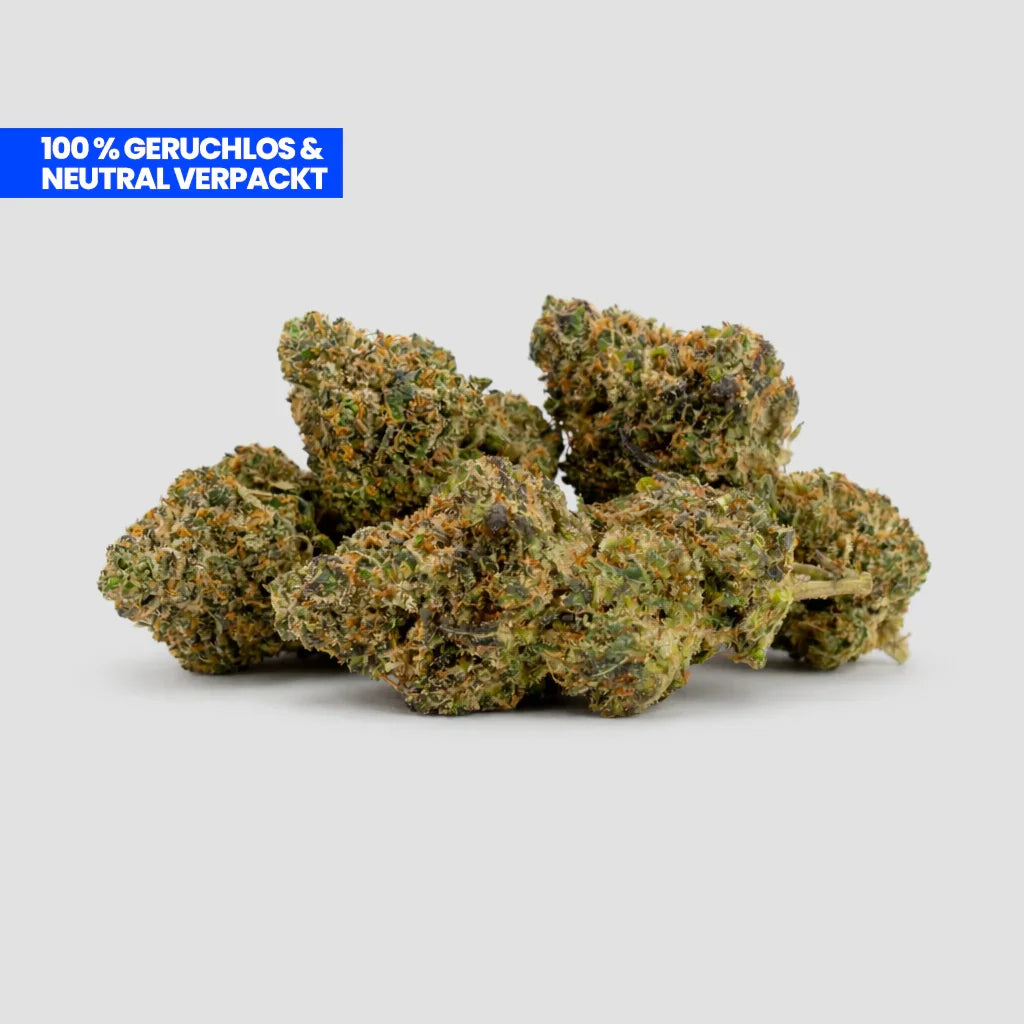
Jetzt Smartshop ansehen →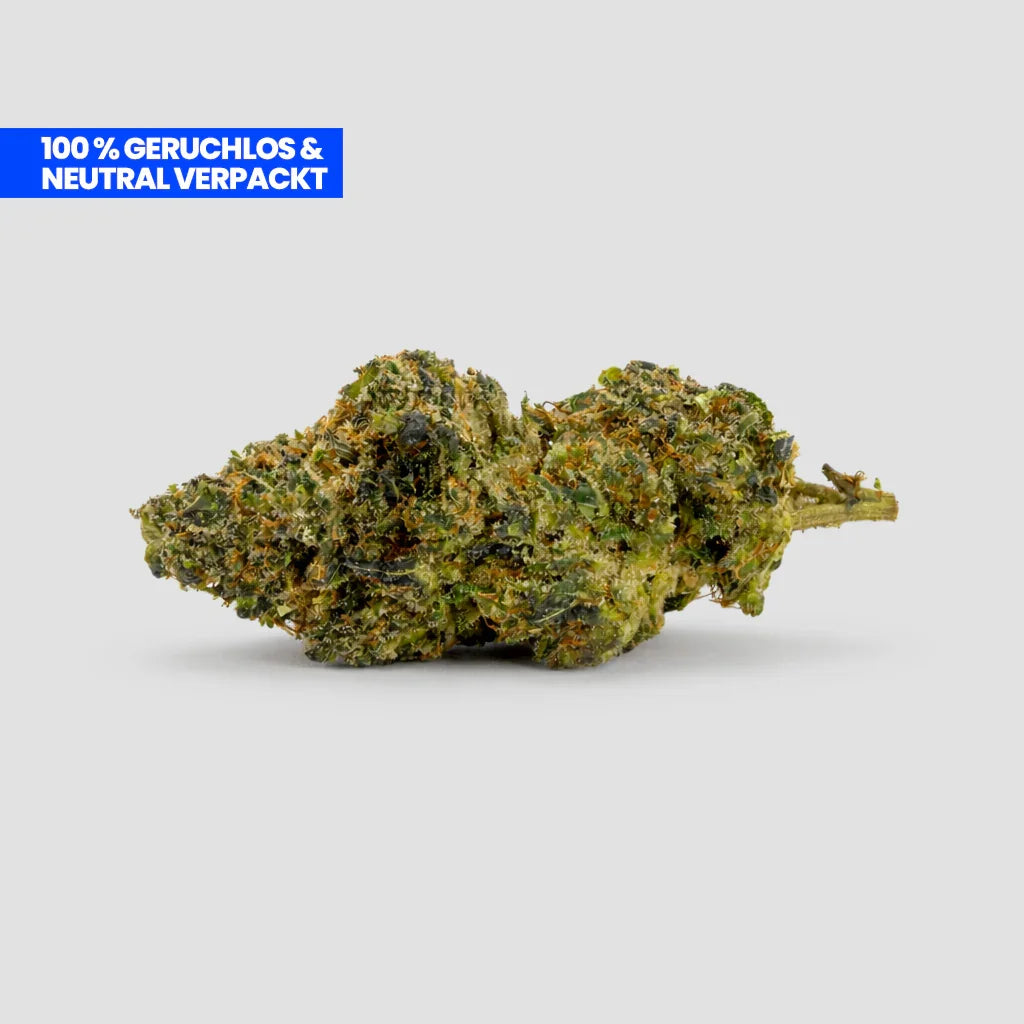

Share:
Legale Cannabinoide 2026 – Ein umfassender Guide zu Wirkung, Risiken und Gesetzeslage
Wie wirkt THCA? Ein wissenschaftlich fundierter Überblick über ein missverstandenes Cannabinoid