Legale Cannabinoide gehören zu den dynamischsten Substanzen, die 2026 in Deutschland diskutiert werden. Kaum ein anderes Feld verbindet so viele gesellschaftliche, wissenschaftliche und politische Strömungen miteinander wie die Welt der Hanfwirkstoffe. Während die Cannabislegalisierung in Stufen erfolgt, wächst parallel ein Markt, der sich seit Jahren unabhängig davon entwickelt: der Markt der „legalen Cannabinoide“. Darunter versteht man Stoffe wie PHC, 9H-HHC oder CBG-9, die je nach chemischer Struktur, THC-Gehalt, Herstellungsmethode und psychoaktiver Potenz weder unter das Betäubungsmittelgesetz noch unter das NpSG fallen. HHC und 10-OH-HHC gehörten früher in diese Gruppe, sind seit Juni 2024 beziehungsweise November 2025 aber verboten. Doch diese scheinbare Einfachheit ist in Wahrheit hochkomplex, denn rechtliche Definitionen ändern sich, wissenschaftliche Erkenntnisse entwickeln sich weiter, und Konsumenten suchen zunehmend nach verlässlichen Informationen, um verantwortungsbewusst Entscheidungen zu treffen.
Viele Menschen interessieren sich für legale Cannabinoide aus sehr unterschiedlichen Gründen. Manche möchten bewusst einen milderen Effekt als klassischen THC-Cannabis erleben. Andere sind auf der Suche nach Alternativen, weil sie THC rechtlich oder gesundheitlich vermeiden wollen. Wieder andere probieren Edibles und Vapes aus Neugier oder als Teil einer modernen Genusskultur. Gleichzeitig berichten zahlreiche Nutzer, dass die Effekte sich teilweise deutlich von THC unterscheiden, obwohl die Stoffe ähnliche Rezeptoren im Körper ansprechen. Diese Vielfalt macht klare Einordnung notwendig: Was wirkt wie? Welche Risiken gibt es? Welche Cannabinoide sind 2026 legal? Und wie unterscheiden sie sich wissenschaftlich?
All diese Fragen sind nicht nur relevant für erfahrene Konsumenten, sondern auch für diejenigen, die den Markt erst jetzt entdecken. 2026 verändert sich die Cannabinoidlandschaft so rasant wie lange nicht. Die Gesetzgebung wurde mehrfach angepasst, die wissenschaftliche Forschung nimmt Fahrt auf, und Anbieter wie HappyFlower setzen vermehrt auf Laboranalysen, Transparenz und nachvollziehbare Qualitätsstandards. Genau deshalb braucht es einen Guide, der nicht von Werbung, sondern von Wissen getragen ist – und der zeigen kann, welche Rolle legale Cannabinoide in der modernen Cannabiswelt wirklich spielen.


Key Takeaways – Legale Cannabinoide 2026
- Legale Cannabinoide sind 2026 eine eigene Wirkstoffkategorie, die nicht unter das Betäubungsmittelgesetz fällt, solange Struktur, Herstellung und THC-Gehalt den gesetzlichen Vorgaben entsprechen.
- HHC, PHC und 10-OH-HHC wirken psychoaktiv, jedoch je nach Molekülstruktur unterschiedlich intensiv: PHC mild, HHC moderat, 10-OH-HHC deutlich stärker.
- Die Wirkung entsteht über das Endocannabinoid-System, insbesondere die Bindung an CB1- und CB2-Rezeptoren. Unterschiede in Rezeptoraffinität erklären die verschiedenen Wahrnehmungen.
-
Darreichungsform bestimmt die Intensität:
Vapes wirken schnell und gut steuerbar, Edibles setzen spät ein, halten länger und können stärker sein. - Risiken bestehen, sind aber meist moderat: Mundtrockenheit, Müdigkeit, Herzfrequenzanstieg oder Unruhe. Hauptfaktor bleibt Überdosierung, besonders bei Edibles.
-
Qualität entscheidet über Sicherheit:
Nur Produkte mit transparenten Lab-Reports (Cannabinoidprofil, THC-Gehalt, Lösungsmittel, Schwermetalle, Mikrobiologie) gewährleisten Reinheit und korrekte Dosierung. - Rechtlich bleibt der Markt dynamisch, doch 2026 gelten klare Kriterien: legale Herkunft (CBD aus Nutzhanf), keine THC-Analoga, definierte Grenzwerte.
- Dosierung immer niedrig starten, da Cannabinoide individuell unterschiedlich wirken und insbesondere bei Edibles unvorhersehbar stärker ausfallen können.
- 1. Key Takeaways – Legale Cannabinoide 2026
- 2. Was sind „legale Cannabinoide“? – Definition, Chemie und Abgrenzung
- 3. Die wichtigsten legalen Cannabinoide 2026 im Überblick
- 4. HHC – seit Juni 2024 verboten
- 5. 10-OH-HHC – seit November 2025 verboten
- 6. PHC – sanft, stabil und beliebt bei Einsteigern
- 7. Die rechtliche Lage 2026 – warum manche Cannabinoide legal sind und andere nicht
- 8. Wie wirken legale Cannabinoide? – Biochemie, Rezeptoren und Unterschiede zu THC
- 9. Anwendung & Dosierung – wie Du legale Cannabinoide sicher konsumierst
- 10. Risiken & Nebenwirkungen – was Konsumenten wissen sollten
- 11. Qualitätsstandards 2026 – wie Happy Flower Reinheit, Transparenz und Sicherheit sicherstellt
- 12. Kaufberatung – worauf Du 2026 achten solltest
- 13. Frequently asked questions (FAQs)
Was sind „legale Cannabinoide“? – Definition, Chemie und Abgrenzung
Legale Cannabinoide sind chemische Verbindungen, die strukturell und funktional den natürlichen Cannabinoiden ähneln, jedoch nicht unter das deutsche Betäubungsmittelgesetz fallen. Die Legalität ergibt sich aus mehreren Faktoren: dem exakten Molekülaufbau, dem THC-Gehalt, der psychoaktiven Potenz und – besonders entscheidend – der EU-Novel-Food- und Betäubungsmittelgesetzgebung. Trotz komplexer Rahmenbedingungen lassen sich legale Cannabinoide grob in drei Bereiche einteilen: natürlich vorkommende Stoffe wie CBD, halbsynthetische Verbindungen wie PHC und 9H-HHC sowie nicht psychoaktive Varianten wie CBG-9 kaufen" href="https://happyflower.io/collections/10-oh-hhc?_pos=4&_psq=10-o&_ss=e&_v=1.0" target="_blank">10-OH-HHC.
Biochemisch betrachtet funktionieren alle Cannabinoide über das sogenannte Endocannabinoid-System (ECS), ein Netzwerk aus Rezeptoren, Enzymen und körpereigenen Signalmolekülen. Die wichtigsten Rezeptoren heißen CB1 und CB2. CB1-Rezeptoren sitzen vor allem im Gehirn und sind für psychoaktive Effekte zuständig, während CB2-Rezeptoren eher im Immunsystem aktiv sind. Die Stärke, mit der ein Cannabinoid an diesen Rezeptoren bindet, nennt man Affinität. THC beispielsweise hat eine starke CB1-Affinität, was seinen typischen berauschenden Effekt erklärt. HHC oder PHC besitzen ebenfalls CB1-Affinität, häufig jedoch schwächer oder anders distribuierbar, was zu abweichenden Effekten führen kann.
Viele Konsumenten berichten, dass legale Cannabinoide seltener zu Paranoia oder starker innerer Unruhe führen als THC. Das gilt nicht für alle Nutzer, und es ist kein wissenschaftlicher Konsens, doch es zeigt, wie wichtig das individuelle Rezeptorprofil ist. Auch Terpene spielen eine Rolle. Sie beeinflussen den „Entourage-Effekt“, der erklärt, warum Kombinationen aus Cannabinoiden und Terpenen eine andere Wirkung haben können als isolierte Einzelstoffe. Dieser Effekt ist seit Jahren Gegenstand intensiver Forschung, aber weit von vollständiger wissenschaftlicher Einigkeit entfernt. Dennoch ist er relevant für Edibles, Vapes und Blüten, da er ihre Wahrnehmung maßgeblich prägt.
Rechtlich betrachtet dürfen legale Cannabinoide nur verkauft werden, wenn sie keine verbotenen THC-Grenzwerte überschreiten und die chemische Struktur nicht unter die illegalen Stoffgruppen fällt. Deshalb ist es wichtig, dass seriöse Anbieter – darunter HappyFlower – Laborberichte veröffentlichen. Diese Reports zeigen Gehalt, Reinheit, Lösungsmittelrückstände und mikrobiologische Sicherheit. Eine transparente Dokumentation ist besonders entscheidend, weil der Markt schnell wächst und regulatorische Lücken bestehen können. Seriöse Shops versuchen diese Lücken durch interne Qualitätsstandards zu schließen.

Die wichtigsten legalen Cannabinoide 2026 im Überblick
HHC – seit Juni 2024 verboten
HHC (Hexahydrocannabinol) war jahrelang das bekannteste halbsynthetische Cannabinoid: aus CBD aus EU-Nutzhanf gewonnen, moderat psychoaktiv, verbreitet in Vapes, Edibles und Blüten. Seit dem 27. Juni 2024 ist damit Schluss – HHC fällt unter das Neue-psychoaktive-Stoffe-Gesetz (NpSG). Herstellung, Handel und Einfuhr sind seitdem strafbar.
Eine NpSG-Besonderheit: Der Besitz zum Eigenkonsum ist nicht strafbar, weitergeben oder verkaufen darf man die Produkte trotzdem nicht. Wer heute noch HHC-Ware im Handel findet, sollte die Finger davon lassen – seriöse Shops haben ihr Sortiment 2024 umgestellt.
Die legalen Nachfolger mit vergleichbarem Profil sind 9H-HHC (nicht vom NpSG erfasst, Grauzone), 9H-THC und PHC.
10-OH-HHC – seit November 2025 verboten
10-OH-HHC galt als potenteres Derivat mit schnellerem Wirkeintritt. Mit der 6. NpSG-Änderungsverordnung, in Kraft seit Ende November 2025, wurde die Stoffgruppen-Definition erweitert – 10-OH-HHC und 10-OH-HHCP fallen seitdem unter das NpSG. Handel und Erwerb sind strafbar, der Besitz zum Eigenkonsum nicht.
Auch hier gilt: Was jetzt noch als 10-OH-HHC angeboten wird, ist entweder Restbestand oder falsch deklariert. Die aktuell legalen Optionen mit spürbarer Wirkung sind 9H-HHC und PHC; wer Wirkung ohne Rausch sucht, greift zu CBG-9 oder CBD.


PHC – sanft, stabil und beliebt bei Einsteigern
PHC ist ein weiteres halbsynthetisches Cannabinoid, das aus CBD gewonnen wird. Viele Konsumenten schätzen PHC für seine gleichmäßige Wirkung, die häufig als weniger psychoaktiv und eher körperlich entspannend beschrieben wird. PHC bindet schwächer an CB1-Rezeptoren und gilt als einsteigerfreundlich. Es eignet sich für Nutzer, die zwar eine spürbare Wirkung möchten, aber nicht das Intensitätslevel klassischer Cannabinoide suchen.
PHC ist 2026 legal, da es strukturell nicht mit verbotenen Stoffgruppen identisch ist. Allerdings müssen Hersteller strenge Reinheitskriterien erfüllen. Seriöse Anbieter stellen ausführliche Lab-Reports bereit, in denen Cannabinoidgehalte, Pestizidrückstände, Schwermetalle und sonstige Analysen aufgeführt werden. Auch hier bieten Vapes und Edibles eine verlässliche Option für kontrollierte Dosierung und klare Wirkprofile.
Die rechtliche Lage 2026 – warum manche Cannabinoide legal sind und andere nicht
Die rechtliche Situation rund um Cannabinoide war in Deutschland selten so komplex wie 2026. Der entscheidende Punkt ist, dass die Legalität eines Stoffes nicht davon abhängt, wie er wirkt, sondern wie er chemisch eingeordnet wird. THC bleibt ein kontrollierter Wirkstoff, dessen Herstellung, Verkauf und Besitz – außerhalb der neuen staatlichen Strukturen innerhalb der Cannabislegalisierung – weiterhin geregelt und in vielen Punkten eingeschränkt sind. Legale Cannabinoide hingegen fallen nicht unter diese Definition, solange sie bestimmte Kriterien erfüllen. Diese Kriterien sind präzise, gleichzeitig aber so technisch, dass viele Konsumenten Mühe haben, sie nachzuvollziehen.
Erstens spielt der THC-Gehalt eine zentrale Rolle. Produkte müssen unter den gesetzlich festgelegten Grenzwerten liegen, die je nach Darreichungsform unterschiedlich sein können. Zweitens ist die exakte Molekülstruktur entscheidend. Das bedeutet: Zwei Stoffe, die völlig unterschiedlich wirken können, werden juristisch ausschließlich nach ihren chemischen Eigenschaften beurteilt. Wenn ein Cannabinoid nicht explizit im Betäubungsmittelgesetz aufgeführt ist und keine strukturelle Ähnlichkeit besitzt, die unter die Analogregel fällt, bleibt es legal. Drittens muss der Herstellungsprozess nachweislich aus legalen Ausgangsstoffen erfolgen – meistens CBD aus zertifiziertem Nutzhanf.
Diese Kombination aus strengen, aber eng definierten Kriterien führt dazu, dass Substanzen wie PHC oder 9H-HHC auch 2026 legal bleiben, solange die Produktionskette dokumentiert und der THC-Gehalt kontrolliert ist. 10-OH-HHC ist davon ausgenommen: Es fällt seit November 2025 unter das NpSG und ist in Deutschland nicht mehr legal erhältlich (Hintergrund: 10-OX-Cannabinoid-Faktencheck). Als legale Alternative führen wir 9H-HHC. Gleichzeitig ist das Umfeld dynamisch. Gesetzgeber beobachten den Markt sehr genau und passen Regelungen immer wieder an. Viele Experten gehen davon aus, dass die Regulierung künftig stärker standardisiert wird, möglicherweise ähnlich wie beim Umgang mit Alkohol und Nikotin. Die wissenschaftliche Forschung spielt dabei eine maßgebliche Rolle, denn sie liefert Argumente, wie diese Stoffe langfristig einzuordnen sind.
Für Konsumenten bedeutet das: Die Legalität kann sich zwar ändern, folgt aber nachvollziehbaren logischen Mustern. Wer sich informiert, Lab-Reports prüft und Produkte aus seriösen Quellen wählt, bewegt sich im sicheren Rahmen. Anbieter wie HappyFlower arbeiten bewusst mit transparenten Analysen, um die Rechtslage nicht nur einzuhalten, sondern überzuerfüllen. Das schafft Vertrauen in einem Markt, der sich schnell entwickelt und deshalb klare Qualitätsmaßstäbe braucht.

Wie wirken legale Cannabinoide? – Biochemie, Rezeptoren und Unterschiede zu THC
Die Wirkung legaler Cannabinoide entsteht durch ihre Interaktion mit dem Endocannabinoid-System, einem Netzwerk, das seit den 1990er-Jahren wissenschaftlich beschrieben wird. Dieses System reguliert grundlegende Vorgänge wie Stimmung, Schmerzverarbeitung, Schlaf, Appetit und kognitive Funktionen. Die Bindung an CB1- und CB2-Rezeptoren erzeugt die bekannten Effekte – von Entspannung über Wahrnehmungsveränderungen bis hin zu körperlicher Beruhigung.
THC ist ein starker CB1-Agonist. Es sorgt für intensive psychoaktive Effekte und beeinflusst unter anderem Gedächtnisprozesse, Koordination und Emotionen. Legale Cannabinoide besitzen teilweise ähnliche Eigenschaften, allerdings mit abweichender Rezeptorbindungsstärke. HHC beispielsweise bindet schwächer an CB1, weshalb viele Konsumenten einen weniger starken, aber körperlich angenehmen Effekt erleben. PHC wiederum zeigt ein deutlich moderateres Rezeptorprofil, was die sanftere Wirkung erklärt. 10-OH-HHC hingegen besitzt eine höhere Affinität als HHC, wodurch die Wirkung intensiver ausfallen kann.
Ein weiterer wichtiger Faktor ist die Decarboxylierung, also die Aktivierung eines Cannabinoids durch Wärme. THC entsteht im Cannabis erst dann vollständig, wenn THCA erhitzt wird. Bei legalen Cannabinoiden entfällt dieser Schritt häufig, da viele Substanzen bereits in aktiver Form vorliegen. Bei Vapes spielt dies eine besonders große Rolle, weil das Erhitzen direkt den Wirkstoff freisetzt und die Bioverfügbarkeit erhöht. Edibles funktionieren anders: Sie werden im Magen-Darm-Trakt verarbeitet und über die Leber metabolisiert. Das kann zu veränderten Metaboliten führen, die bei manchen Menschen intensiver wirken als bei der Inhalation. Diese pharmakokinetischen Unterschiede erklären, warum Edibles oft stärker empfunden werden und länger anhalten.
Der Entourage-Effekt beeinflusst die Wahrnehmung zusätzlich. Terpene wie Myrcen, Limonen oder Beta-Caryophyllen können die Rezeptoraktivität modulieren. Viele Nutzer berichten, dass Vapes oder Blüten mit bestimmten Terpenprofilen sanfter, fokussierter oder körperlicher wirken. Auch wenn der wissenschaftliche Beleg teilweise noch aussteht, ist die Evidenzlage inzwischen stabil genug, um diese Beobachtung ernst zu nehmen. Für Deinen Konsum bedeutet das, dass nicht nur das Cannabinoid selbst zählt, sondern das gesamte Profil eines Produktes.
Anwendung & Dosierung – wie Du legale Cannabinoide sicher konsumierst
Viele Menschen unterschätzen die Unterschiede zwischen verschiedenen Darreichungsformen. Vapes, Edibles und Blüten wirken jeweils anders, und diese Unterschiede sollten bewusst berücksichtigt werden. Vapes haben eine schnelle Anflutung, meist innerhalb weniger Minuten. Sie eignen sich für Konsumenten, die eine gut steuerbare Wirkung wünschen. Edibles brauchen deutlich länger. Die Effekte setzen manchmal erst nach 30 bis 90 Minuten ein und können intensiver ausfallen, weil der Körper Cannabinoide anders verarbeitet. Für Neulinge kann diese verzögerte Wirkung irritierend sein, weshalb vorsichtige Dosierung besonders wichtig ist.
Eine einfache Faustregel lautet: Immer mit der niedrigsten möglichen Dosis beginnen. Viele Nutzer steigen bei Vapes mit einem einzigen, kurzen Zug ein und warten mindestens zehn Minuten. Bei Edibles kann eine Anfangsdosis zwischen 2 und 5 mg je nach Cannabinoid angemessen sein. Das Ziel ist nicht, schnell starke Effekte zu erreichen, sondern kontrollierte, nachvollziehbare Wirkungen. Wer zu viel konsumiert, erlebt möglicherweise unerwünschte Begleiterscheinungen wie Müdigkeit, leichte Unruhe oder Konzentrationsschwierigkeiten. Diese Effekte klingen in der Regel von selbst ab, können aber unangenehm sein.
Konsumenten berichten häufig, dass legale Cannabinoide weniger „überfordernd“ wirken als THC, aber dennoch klar psychotrop sein können. PHC gilt als besonders gut steuerbar. 10-OH-HHC ist seit November 2025 durch das NpSG verboten und bei Happy Flower nicht mehr erhältlich (Hintergrund: 10-OX-Cannabinoid-Faktencheck). Die individuelle Toleranz spielt eine bedeutende Rolle. Menschen, die selten Cannabinoide konsumieren, reagieren oft empfindlicher als regelmäßige Nutzer.
Beim Mischkonsum – etwa Alkohol plus legale Cannabinoide – ist Vorsicht geboten. Alkohol verstärkt die Wirkung vieler Cannabinoide und kann die motorischen Fähigkeiten zusätzlich beeinträchtigen. Auch der gleichzeitige Konsum mehrerer Cannabinoide, zum Beispiel HHC plus CBD, kann Effekte verändern. CBD wirkt antagonistisch zu CB1-Rezeptoren und kann psychoaktive Effekte teilweise abmildern. Manche Konsumenten nutzen das bewusst, um die Intensität besser zu kontrollieren.

Risiken & Nebenwirkungen – was Konsumenten wissen sollten
Auch legale Cannabinoide sind wirkaktive Substanzen. Ihre Risiken sind nicht identisch mit THC, überschneiden sich jedoch in einigen Bereichen. Die häufigsten Nebenwirkungen umfassen Mundtrockenheit, Schläfrigkeit, gesteigerte Herzfrequenz und in seltenen Fällen leichte Unruhe. Bei empfindlichen Personen können psychoaktive Effekte stärker ausfallen. Wissenschaftlich relevante schwere Nebenwirkungen sind derzeit selten dokumentiert, doch die Forschung steht noch am Anfang. Deshalb ist ein verantwortungsvoller Umgang entscheidend.
Ein besonderes Augenmerk verdient die Qualität der Produkte. Verunreinigungen durch Lösemittel oder Pestizide können gesundheitliche Risiken erhöhen. Seriöse Shops arbeiten deshalb mit externen Laboren zusammen, die Cannabinoidgehalte, Metalle, organische Lösungsmittel und mikrobiologische Parameter prüfen. Ohne solche Analysen ist nicht sicherzustellen, dass Produkte rein und frei von Rückständen sind.
Ein weiterer Risikofaktor sind Überdosierungen durch Edibles. Die verzögerte Wirkung führt dazu, dass Konsumenten manchmal zu früh nachlegen. Das kann zu einer stärkeren Erfahrung führen, als beabsichtigt. Zwar sind solche Zustände gesundheitlich meist unbedenklich, aber sie können unangenehm sein. Die sicherste Methode besteht darin, erst abzuwarten, bevor nachdosiert wird. Viele Nutzer berichten, dass ruhige Umgebung, Wasser und leichte Snacks helfen, die Erfahrung angenehmer zu gestalten.
Für Menschen mit Herzproblemen, Angststörungen oder empfindlichen Reaktionen auf psychoaktive Substanzen ist Konsultation eines Arztes sinnvoll. Auch wenn legale Cannabinoide nicht unter das klassische Betäubungsmittelrecht fallen, besitzen sie pharmakologische Wirkung. Die individuelle Reaktion variiert, und diese Unterschiede sollten ernst genommen werden.
Qualitätsstandards 2026 – wie Happy Flower Reinheit, Transparenz und Sicherheit sicherstellt
Da der Markt für legale Cannabinoide schnell wächst, sind klare Qualitätskriterien entscheidend. Happy Flower verfolgt einen Ansatz, der auf vollständiger Transparenz basiert. Jede Charge wird durch unabhängige Labore analysiert. Die Ergebnisse umfassen Cannabinoidprofil, THC-Gehalt, Lösungsmittelrückstände, Terpenprofil, Schwermetalle und mikrobiologische Sicherheit. Nutzer können diese Dokumente einsehen und sich selbst ein Bild machen. Diese Praxis schafft Vertrauen, weil sie nachvollziehbar zeigt, was sie konsumieren.
Zweitens setzt Happy Flower auf stabile Herstellungsprozesse. Die Ausgangsstoffe stammen aus EU-zertifiziertem Nutzhanf, der definierte Grenzwerte einhält. Produkte wie Edibles oder Vapes werden unter Bedingungen hergestellt, die Industrie- und Lebensmittelstandards entsprechen. Das reduziert Verunreinigungsrisiken und ermöglicht eine präzise Dosierung.
Viele Konsumenten berichten, dass sie gezielt Shops bevorzugen, die ihre Rohstoffe offenlegen und klare Informationen bieten. Das ist nicht nur eine Frage der Sicherheit, sondern auch des Respekts gegenüber Konsumenten, die bewusst und informiert entscheiden möchten. In einem Markt, der sich erst stabilisiert, ist diese Haltung ein wesentlicher Faktor für langfristige Qualität.
Kaufberatung – worauf Du 2026 achten solltest
Beim Kauf legaler Cannabinoide helfen einige Kriterien, um die richtige Wahl zu treffen. Zu den wichtigsten gehören Lab-Reports, genaue Deklaration der Inhaltsstoffe und klare Angaben zu Herkunft und Herstellung. Produkte, die keine Analysen vorlegen, sollten gemieden werden. Außerdem ist es sinnvoll, auf angemessene Preisstrukturen zu achten. Sehr günstige Produkte bergen die Gefahr, dass bei Qualitätssicherung oder Rohstoffen gespart wurde.
Ein weiterer Tipp ist, die eigene Erfahrung zu berücksichtigen. Viele Konsumenten wählen PHC oder HHC für einen moderaten Einstieg, während erfahrenere Nutzer 10-OH-HHC oder stärker ausgeprägte Terpenprofile bevorzugen. Wer unsicher ist, profitiert von Produkten mit klarer Dosierungsangabe. Vapes eignen sich für kontrollierte Anflutung, Edibles für länger anhaltende Wirkung.
Das wichtigste Kriterium bleibt jedoch Transparenz: Anbieter, die vollständige Informationen bereitstellen, signalisieren Qualität. Shops wie HappyFlower bieten interne Verlinkungen zu Kategorien wie CBD kaufen, HHC kaufen, Edibles, Vapes oder Smartshop, wodurch Konsumenten leichter passende Produkte finden. Diese offene Struktur erleichtert informierte Entscheidungen.
1. Sind HHC und PHC 2026 in Deutschland legal?
PHC ja, HHC nein. PHC ist Stand Juli 2026 weder im Betäubungsmittelgesetz noch im NpSG gelistet und legal erhältlich, solange die Substanz aus legalem Nutzhanf stammt und der THC-Gehalt der Endprodukte unter den gesetzlichen Grenzwerten liegt. HHC dagegen fällt seit dem 27. Juni 2024 unter das NpSG: Herstellung und Handel sind strafbar. Wer ein vergleichbares Profil sucht, greift zu 9H-HHC oder PHC. 10-OH-HHC ist davon ausgenommen — es fällt seit November 2025 unter das NpSG und ist in Deutschland nicht mehr legal erhältlich. Hintergrund: 10-OX-Cannabinoid-Faktencheck. Als legale Alternativen führen wir 9H-HHC, 9H-THC und PHC.
2. Welche Wirkung haben legale Cannabinoide im Vergleich zu THC?
Sie wirken psychoaktiv, jedoch mit variierender Intensität. HHC ist moderat, PHC eher sanft, während 10-OH-HHC deutlich stärker wirken kann. Alle interagieren mit CB1- und CB2-Rezeptoren.
3. Wie dosiert man legale Cannabinoide richtig?
Immer niedrig beginnen. Bei Vapes ein kurzer Zug, bei Edibles 2–5 mg je nach Substanz. Die Wirkung abwarten, bevor nachdosiert wird.
4. Welche Risiken gibt es?
Typische Cannabinoid-Nebenwirkungen wie Mundtrockenheit, Müdigkeit oder gelegentliche Unruhe. Stärkere Nebenwirkungen entstehen meist durch Überdosierung oder schlechte Qualität der Produkte.


🏪 legale Cannabinoide bei Happyflower entdecken
Laborgeprüft · Diskret versandt · ⭐ 4,6/5 (750+ Bewertungen)
Jetzt legale Cannabinoide ansehen →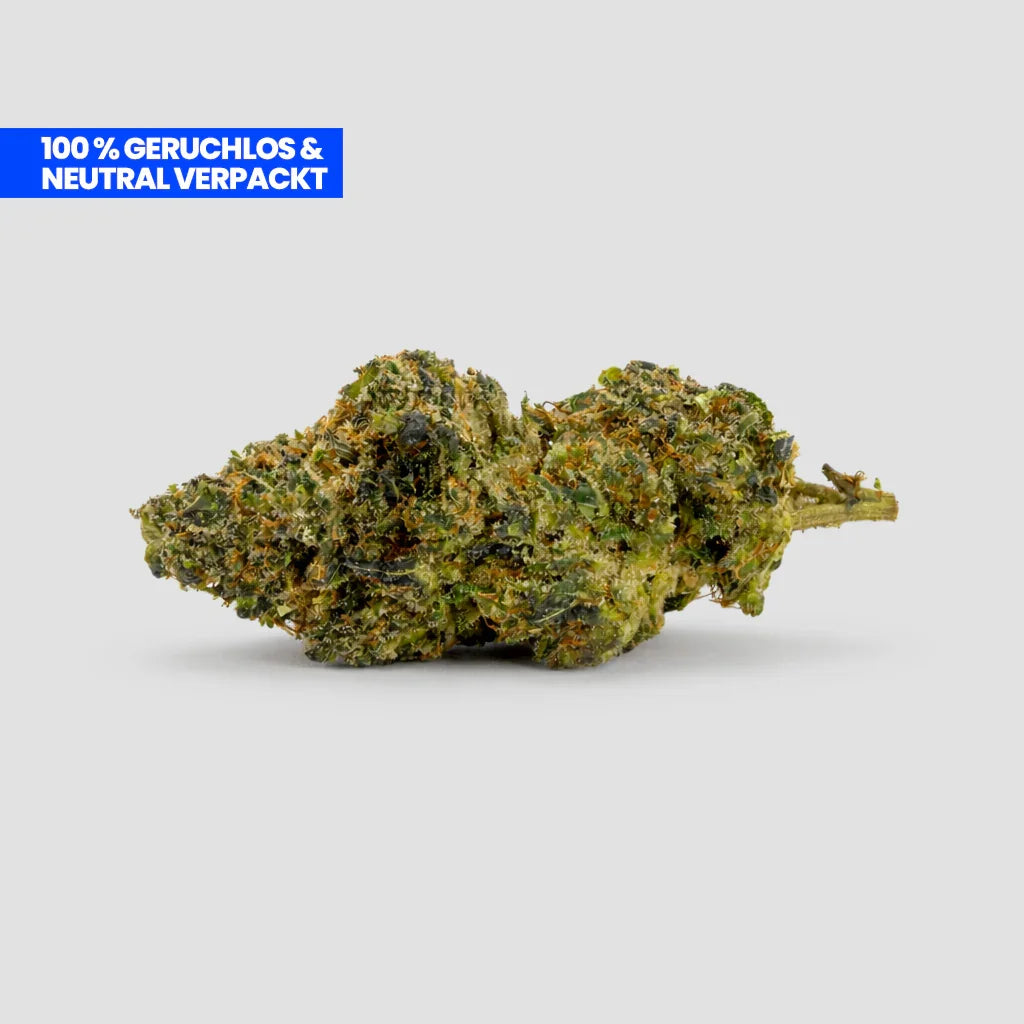

Share:
HHC vs THC: Wirkung, Unterschiede, Risiken & moderne Anwendung
Legale High-Produkte 2026: Was bleibt erlaubt – und was verändert sich?