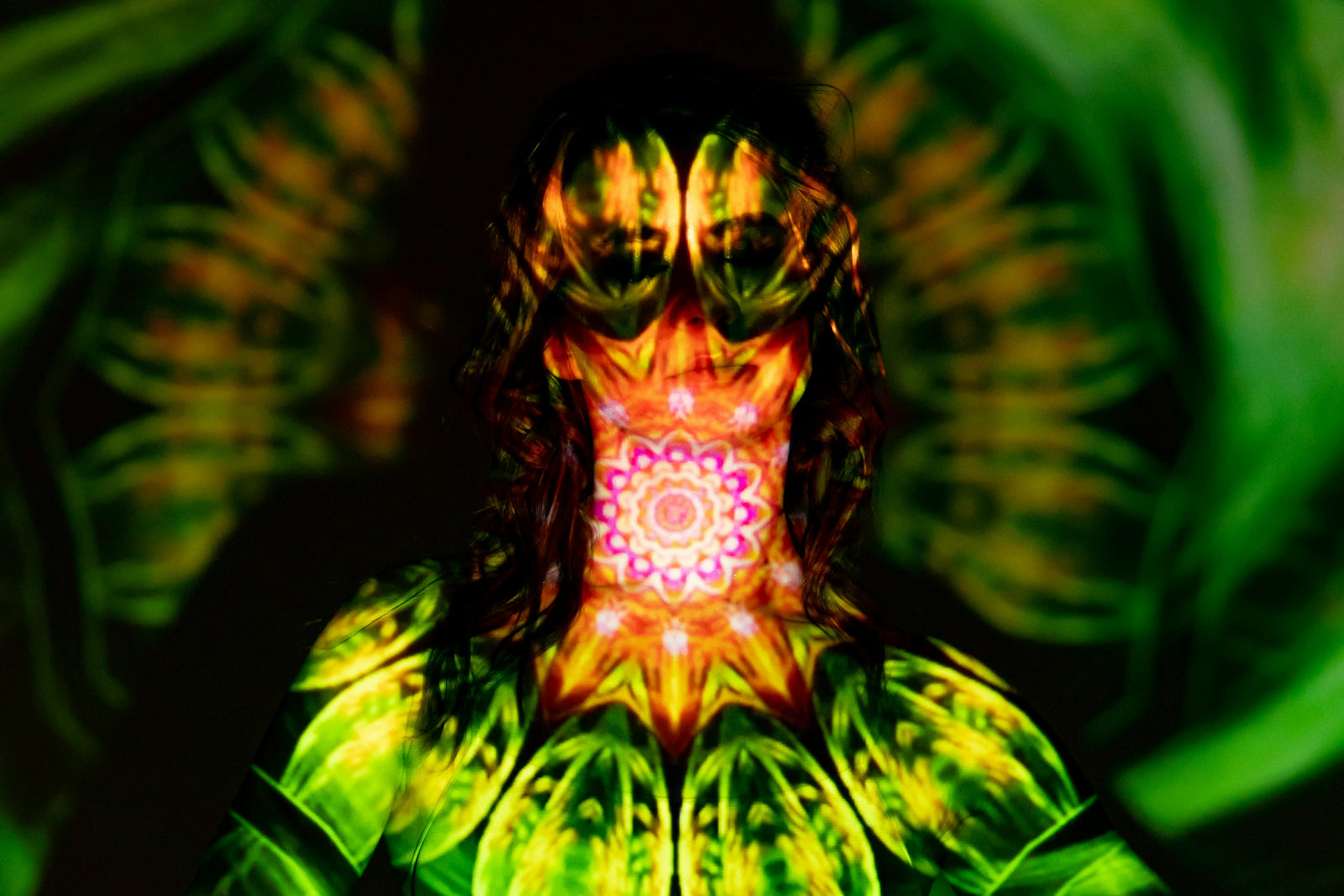
Psychedelische Substanzen haben über Jahrzehnte hinweg zwischen Faszination, Ablehnung und wissenschaftlicher Neugier gependelt. 2026 ist die Diskussion lebendiger denn je: Neue klinische Studien erforschen mögliche therapeutische Effekte, Microdosing wird in Start-up-Kulturen diskutiert und immer mehr Menschen interessieren sich dafür, welche Stoffe in Deutschland und der Europäischen Union legal erhältlich sind. Gleichzeitig wächst die Unsicherheit: Was gilt als Psychedelikum, welche Varianten sind reguliert, welche Lücken existieren im Betäubungsmittelrecht, und worauf müssen Konsumenten achten, um nicht unbeabsichtigt gesetzliche Grenzen zu überschreiten?
Dieser Artikel nimmt all diese Fragen ernst, denn gerade beim Thema Psychedelika ist klare, faktenbasierte Information entscheidend. Die Szene rund um legale, halb-legale und bald regulierte Substanzen ist komplex. Viele Wirkstoffe ähneln sich chemisch, unterscheiden sich aber rechtlich deutlich. Und während einige Derivate synthetischer Lysergamide 2026 tatsächlich eine rechtlich nicht geregelte Grauzone darstellen, unterliegen klassische Psychedelika wie LSD-25, Psilocybin, DMT und Mescalin nach wie vor strengen Kontrollen.
Um Orientierung zu bieten, erklärt dieser Artikel wissenschaftlich fundiert, wie Psychedelika im Körper wirken, welche Substanzen legal sind, welche Risiken bestehen und warum 2026 ein entscheidendes Jahr für Regulierung und Forschung sein könnte. Dabei steht nicht im Vordergrund, wie man Substanzen konsumiert oder wo man sie kaufen kann, sondern ein klarer, journalistischer Blick auf Fakten, Biochemie, Recht und gesellschaftliche Entwicklungen.
Key Takeaways
- Klassische Psychedelika bleiben verboten. LSD-25, Psilocybin, DMT und Mescalin sind 2026 weiterhin klar BtMG-gelistet und damit nicht legal verfügbar.
- Derivate befinden sich in rechtlichen Grauzonen. Moleküle wie 1cP-LSD, 1V-LSD oder 1D-LSD sind nicht explizit verboten, können aber ähnlich wirken und werden von Behörden beobachtet.
- LSA ist legal, aber nicht risikofrei. LSA-haltige Pflanzen (Hawaiian Baby Woodrose, Morning Glory) sind legal erhältlich, besitzen aber deutliche Nebenwirkungen und eine unvorhersehbare Potenz.
- Biochemisch wirken Psychedelika über den 5-HT2A-Rezeptor. Diese Aktivierung verändert Wahrnehmung und Denken, unabhängig davon, ob es sich um klassische oder moderne Substanzen handelt.
- Microdosing bleibt ein Trend, aber wissenschaftlich nicht eindeutig belegt. Viele Nutzer berichten von besserem Fokus oder Stimmung, gleichzeitig zeigen Studien starke Placebo-Anteile.
- Reinheit und Laboranalysen sind entscheidend. Bei unregulierten Derivaten können Wirkstoffgehalt und Qualität variieren; Tests wie HPLC oder LC-MS sind zentral für die Einschätzung.
- Risiken sind real und abhängig von Set & Setting. Psychedelika können emotionale Prozesse intensivieren und sind für Menschen mit bestimmten psychischen Belastungen problematisch.
- Die Gesetzeslage ist dynamisch. 2026 passen EU-Staaten zunehmend ihre NPS-Regeln an; Derivate können zukünftig reguliert oder gelistet werden.
- Forschung prägt den öffentlichen Diskurs. Klinische Studien zu Psilocybin und MDMA fördern Akzeptanz, führen aber nicht automatisch zu einer breiteren Legalisierung.
- Verantwortungsvoller Umgang bleibt zentral. Legal bedeutet nicht automatisch sicher; informierte Entscheidungen, Dosierungskenntnis und Reinheit sind entscheidend.


- 1. Key Takeaways
- 2. Was Psychedelika 2026 ausmacht – wissenschaftliche Einordnung
- 3. Welche Psychedelika 2026 in Deutschland legal sind
- 4. Wie psychedelische Substanzen im Körper wirken
- 5. Wie Psychedelika 2026 angewendet werden – Microdosing, Makrodosing und kulturelle Kontexte
- 6. Risiken und Nebenwirkungen legaler Psychedelika
- 7. Rechtliche Lage 2026 – Deutschland, EU und internationale Entwicklungen
- 8. Was Konsumenten 2026 beachten müssen – Sicherheit und Qualität
- 9. Forschungstrends 2026 – warum Psychedelika wieder im Mittelpunkt stehen
- 10. Frequently asked questions (FAQs)
Was Psychedelika 2026 ausmacht – wissenschaftliche Einordnung
Psychedelika sind eine Gruppe psychoaktiver Substanzen, die vor allem durch ihre Wirkung auf das serotonerge System charakterisiert wird. Der wichtigste Mechanismus besteht in der Aktivierung des 5-HT2A-Rezeptors, der eine Schlüsselrolle in Wahrnehmung, Emotion, Selbstreflexion und kognitiver Flexibilität spielt. Durch diese Rezeptorbindung verändern Psychedelika die Interaktion neuronaler Netzwerke, besonders des Default Mode Network (DMN), das für Selbstwahrnehmung und autobiografisches Denken verantwortlich ist.
Wird das DMN durch Psychedelika moduliert, berichten viele Anwender von veränderten Denkprozessen, intensiven visuellen Mustern, gesteigerter emotionaler Offenheit und einer gelockerten Ich-Grenze. Diese Effekte sind wissenschaftlich eindeutig beschrieben, doch ihre Intensität unterscheidet sich stark zwischen einzelnen Wirkstoffen und Dosierungen.
Klassische Psychedelika vs. neuartige legale Derivate
Zu klassischen Psychedelika gehören:
- LSD-25
- Psilocybin
- Psilocin
- Mescalin
- DMT
Diese Substanzen sind in Deutschland und der EU (mit wenigen Ausnahmen) umfassend reguliert und gelten als nicht legal verfügbar.
Dem gegenüber steht eine neue Gruppe von Molekülen, die chemisch eng verwandt sind, aber strukturell modifiziert wurden, etwa:
- 1cP-LSD
- 1V-LSD
- 1D-LSD
- LSA (natürlicher Lysergamid-Vorläufer aus Morning Glory oder Hawaiian Baby Woodrose)
Diese Substanzen besitzen ähnliche biochemische Grundlagen, werden jedoch rechtlich oft anders bewertet, weil sie bei ihrer Markteinführung nicht explizit im Betäubungsmittelgesetz gelistet waren. Ihre Wirkung ist meist schwächer oder verzögert im Vergleich zu LSD-25, dennoch interagieren viele von ihnen nach enzymatischer Umwandlung im Körper (sogenannte Prodrugs) ebenfalls mit dem serotonergen System.
Warum 2026 ein Wendepunkt ist
2026 ist deshalb ein Schlüsseljahr, weil mehrere Entwicklungen gleichzeitig stattfinden:
- Reform der Betäubungsmittelgesetze in Teilen Europas, insbesondere durch EU-weite Anpassungen der Novel-Psychoactive-Substances-Richtlinien.
- Zunehmend präzise chemische Klassifizierungen, die neuartige Derivate erfassen.
- Fortschreitende klinische Forschung zu Psilocybin und MDMA, was politische Diskussionen über regulierte medizinische Nutzung befeuert.
- Öffentliche Debatte über Microdosing, die Druck auf Behörden ausübt, klare Abgrenzungen zu schaffen.
In der Kombination führt dies dazu, dass die rechtliche Lage dynamischer ist als in früheren Jahren. Viele Konsumenten fragen sich daher zurecht, was tatsächlich erlaubt ist.

Welche Psychedelika 2026 in Deutschland legal sind
Die zentrale Frage ist, welche Substanzen rechtlich zulässig, nicht eindeutig geregelt oder klar verboten sind. Der Status kann sich je nach EU-Mitgliedsstaat leicht unterscheiden, doch die Grundstruktur ist vergleichbar.
Klar verboten – die klassischen Wirkstoffe
In Deutschland sind nach Anlage I BtMG weiterhin verboten:
- LSD-25
- Psilocybin / Psilocin
- DMT
- Mescalin
Diese zählen zu den am strengsten regulierten Substanzen. Besitz, Handel, Anbau oder Verarbeitung sind strafbar, unabhängig von Menge oder Zweck. Die therapeutische Nutzung ist, abgesehen von streng kontrollierter Forschung, nicht erlaubt.
Legal oder nicht geregelt – Lysergamid-Derivate
1cP-LSD, 1V-LSD, 1D-LSD und vergleichbare Moleküle besitzen 2026 keine eindeutige gesetzliche Einstufung im BtMG. Das bedeutet nicht automatisch „legal im Sinne von unbedenklich“, sondern „derzeit nicht gelistet“.
Warum?
Weil viele dieser Stoffe als Prodrugs fungieren. Sie sind chemisch leicht verändert, sodass sie im Gesetz nicht aufgeführt sind, aber nach Einnahme zum aktiven Molekül (etwa LSD-25) metabolisiert werden können. Die Behörden bewerten diese Stoffe daher laufend neu und schließen Lücken nach und nach, besonders wenn Missbrauchsmuster entstehen oder toxikologische Daten fehlen.
2026 gilt dennoch für die genannten Substanzen:
Sie unterliegen nicht dem BtMG, solange sie rein strukturell nicht von der Gesetzgebung erfasst sind.
Sie können jedoch unter das Neue-Psychoaktive-Stoffe-Gesetz (NpSG) fallen, wenn sie als Stoffgruppen definiert werden. Das ist insbesondere für Tryptamin-Derivate relevant.

Natürliche Vorläufer – LSA und psychoaktive Saaten
LSA (D-Lysergsäureamid) ist in Deutschland nicht BtMG-gelistet. Pflanzen, die LSA natürlich enthalten, wie:
- Hawaiian Baby Woodrose
- Morning Glory
sind legal erhältlich. Der Umgang damit bewegt sich jedoch in einer Grauzone, da die Extraktion oder potenzielle Herstellung stärkerer Derivate problematisch sein kann.
Wie psychedelische Substanzen im Körper wirken
Um die Debatte über Legalität und Anwendung zu verstehen, ist es notwendig, die biochemischen Mechanismen nachzuvollziehen. Psychedelika sind keine klassischen Stimulanzien oder Depressiva. Ihre Wirkung entsteht durch komplexe Interaktionen mehrerer Rezeptorsysteme, allen voran:
- 5-HT2A – primär für psychedelische Effekte
- 5-HT1A/1B – modulierend für Angst, Stimmung und Gedankenklarheit
- Dopamin-D2 – spielt eine untergeordnete Rolle, kann aber kognitive Effekte beeinflussen
- Glutamaterges System – veränderte thalamokortikale Filterprozesse
Decarboxylierung und enzymatische Umwandlung – warum Prodrugs funktionieren
Viele neuere Psychedelika besitzen eine funktionelle Gruppe, die im Körper abgespalten wird, wodurch das aktive Molekül entsteht. Dieser Vorgang ähnelt der Decarboxylierung in der Cannabinoidchemie.
Beispiele für Prodrugs:
- 1cP-LSD → LSD-25
- 1D-LSD → vermutlich ebenfalls LSD-25 oder ein nahe verwandtes Molekül
- LSA → enzymatische Konversion in diverse Lysergamide
Die Geschwindigkeit dieser Umwandlung beeinflusst Wirkungseintritt, Intensität und Dauer.
Wirkungserleben – subjektive Berichte 2026
Viele Anwender beschreiben bei legalen Psychedelika:
- leichte bis mittlere visuelle Muster
- introspektives Denken
- gesteigerte Kreativität
- emotionale Offenheit
- verändertes Zeitempfinden
Diese Berichte ähneln klassischen Psychedelika, sind aber häufig weniger intensiv. Unterschiede ergeben sich oft aus der Dosierung, Bioverfügbarkeit und individuellen Neurochemie.
Wie Psychedelika 2026 angewendet werden – Microdosing, Makrodosing und kulturelle Kontexte
Wenn Menschen heute über Psychedelika sprechen, geht es selten nur um „Trips“. Das moderne Interesse ist vielschichtiger. Ein großer Teil der öffentlichen Debatte dreht sich um zwei Anwendungsmuster, die sich sowohl subjektiv als auch biochemisch unterscheiden: Microdosing und Makrodosing.

Microdosing – geringe Mengen mit subtiler Wirkung
Beim Microdosing werden sehr kleine Mengen eines psychedelischen Stoffes eingenommen, in der Regel zwischen 5–10 % einer klassischen psychoaktiven Dosis. Ziel ist nicht, halluzinogene Effekte zu erzeugen, sondern Stimmung, Konzentration oder Kreativität leicht zu modulieren. Die Idee entstand nicht in den sozialen Medien, sondern aus der psychedelischen Forschung der 1960er Jahre, wurde jedoch ab 2015 durch Silicon-Valley-Geschichten populär.
Was Anwender häufig beschreiben:
• gleichmäßigere Stimmung
• gesteigerte Problemlösefähigkeit
• fokussierteres Arbeiten
• eine leichte Verbesserung des Wohlbefindens
Diese Effekte sind individuell und nicht systematisch belegt. Die wissenschaftliche Datenlage ist gemischt: Einige Studien beobachten eine leicht erhöhte kognitive Flexibilität, andere finden Placebo-Effekte. Dennoch gilt Microdosing 2026 als kulturelles Phänomen, das weit über Subkulturen hinausreicht.
Bei legalen Psychedelika wie 1cP-LSD oder 1V-LSD ist Microdosing besonders interessant, weil die Dosierungen präziser bestimmbar sind. Dennoch ist Vorsicht wichtig: Auch geringe Mengen beeinflussen neurobiologische Prozesse und können bei bestimmten Vorerkrankungen ungeeignet sein.
Makrodosing – klassische psychedelische Erfahrung
Makrodosing bezeichnet den bewussten Konsum einer vollen psychedelischen Dosis, meist mit intensiven Effekten. Diese Anwendung wird oft mit Begriffen wie „Trip“, „Erfahrung“ oder „Sitzung“ beschrieben. Viele Nutzer berichten von tiefen emotionalen Einsichten, visuellen Mustern, biografischer Reflexion und veränderter Selbstwahrnehmung.
Die Intensität hängt ab von:
• der Substanz
• der Dosierung
• der Umgebung (Set & Setting)
• der Erwartungshaltung
• der individuellen Neurochemie
Bei legalen Psychedelika 2026 ist Makrodosing möglich, aber nicht ohne Risiken. Auch wenn Derivate rechtlich nicht BtMG-gelistet sind, können sie vergleichbare Wirkmechanismen besitzen. Die Forschung zeigt, dass hohe Aktivierung des 5-HT2A-Rezeptors sowohl positive als auch belastende emotionale Effekte hervorrufen kann.
Risiken und Nebenwirkungen legaler Psychedelika
Die Diskussion über Psychedelika wird 2026 häufig von der Vorstellung begleitet, die Substanzen seien grundsätzlich sicher. In der Forschung wird jedoch betont: Psychedelika sind pharmakologisch aktiv, beeinflussen Wahrnehmung, Denken und Emotionen tiefgreifend und können sowohl positive als auch negative Erfahrungen auslösen.
Akute Risiken – was während der Wirkung auftreten kann
Akute Nebenwirkungen klassischer und moderner Psychedelika können sein:
• erhöhte emotionale Sensibilität
• Angst oder Unsicherheit, insbesondere bei ungeeignetem Setting
• Verwirrung und Desorientierung
• Übelkeit (bei LSA und tryptaminhaltigen Pflanzen häufiger)
• erhöhter Puls oder Blutdruck
• selten: herausfordernde oder überwältigende Gedanken
Rein chemisch betrachtet sind psychedelische Lysergamide nicht toxisch im klassischen Sinn. Sie wirken jedoch neuropsychologisch tiefgreifend, was für sensible Personen belastend sein kann. Ängste oder „Bad Trips“ entstehen meist aus Erwartungshaltungen, Umgebungseinflüssen und ungelösten psychischen Themen.
Langfristige Risiken – was Forschung und Erfahrungsberichte zeigen
Psychedelika verursachen kein klassisches körperliches Abhängigkeitspotenzial und keine Organschäden. Dennoch existieren langfristige Risiken, vor allem bei häufiger oder unsachgemäßer Anwendung:
• gestörte Verarbeitung intensiver emotionaler Inhalte
• mögliche Verstärkung bestehender psychischer Probleme
• Auswirkungen auf Schlafrhythmen
• selten: persistierende Wahrnehmungsveränderungen (HPPD-ähnliche Phänomene)
Besonders wichtig ist die Abgrenzung: Es gibt kein gesichertes Wissen, dass moderne legale Derivate langfristig sicherer oder gefährlicher als LSD-25 sind. Die Datenlage zu 1cP-LSD, 1V-LSD oder anderen analogen Substanzen ist begrenzt. Viele Erkenntnisse stammen aus Analogieschlüssen und toxikologischen Voruntersuchungen.
Interaktionen mit anderen Substanzen
Die größte wissenschaftlich belegte Vorsicht betrifft Interaktionen zwischen Psychedelika und:
• Antidepressiva (SSRIs, SNRIs)
• MAO-Hemmern
• Medikamenten für Bipolare Störungen
• Stimulanzien
• Alkohol
Die serotonerge Aktivität kann in Kombination mit bestimmten Medikamenten zu einer Überstimulation führen. Während serotonerges Syndrom bei Psychedelika allein kaum beschrieben ist, kann die Kombination das Risiko potenziell erhöhen.

Rechtliche Lage 2026 – Deutschland, EU und internationale Entwicklungen
Die Frage „Was ist legal?“ ist komplizierter als eine einfache Liste. Psychedelika unterliegen einem Zusammenspiel aus Betäubungsmittelrecht, NPS-Gesetzgebung, Chemikalienrecht und EU-Richtlinien. 2026 ist diese Regulierung in Bewegung wie selten zuvor.
Deutschland – klare Verbote und flexible Grauzonen
In Deutschland bleiben klassische Psychedelika wie LSD-25, Psilocybin, Psilocin, DMT und Mescalin streng verboten. Daran hat sich auch 2026 nichts geändert. Die spannende Frage betrifft die Derivate, insbesondere Lysergamide.
Deutschland unterscheidet hier zwischen:
- BtMG-gelisteten Stoffen (klar verboten)
- NpSG-gelisteten Stoffgruppen (unzulässig zu Verkehrszwecken)
- nicht geregelten Molekülen (rechtlich offen, aber beobachtet)
Viele Derivate fallen (Stand 2026) nicht eindeutig unter das NpSG, weil sie strukturell anders definiert sind. Dennoch ist die Situation dynamisch: Behörden können Stoffe jederzeit einstufen, wenn Missbrauchsmuster entstehen oder neue Daten vorliegen.
EU – ähnliche Strukturen, unterschiedliche Details
EU-Länder wie die Niederlande, Österreich, Spanien oder Tschechien unterscheiden sich hinsichtlich:
• der Definition von Prodrugs
• der rechtlichen Behandlung psychoaktiver Trüffel
• der nationalen Umsetzung der NPS-Richtlinien
• der Praxis der Strafverfolgung
Die Niederlande etwa erlauben weiterhin psilocybinhaltige Trüffel, nicht aber klassische Pilze. Österreich hat 2016 das NPS-Gesetz verschärft, Dänemark verfolgt Derivate teilweise strenger, während Tschechien liberalere Tendenzen zeigt.
USA und Forschung – globaler Einfluss auf Europa
Obwohl US-Recht für die EU nicht bindend ist, beeinflussen amerikanische Entwicklungen den europäischen Diskurs erheblich. Die FDA stufte MDMA-Assisted Therapy bereits als „Breakthrough Therapy“ ein, was den Weg für kontrollierte Zulassung eröffnet hat. Ähnliches gilt für Psilocybin-Therapien bei therapieresistenter Depression. Diese Entwicklungen erzeugen politischen Druck in Europa.
Auch die US-Staaten Colorado, Oregon und Kalifornien diskutieren oder implementieren regulierte psychedelische Therapiesysteme. Diese Veränderungen beeinflussen 2026 auch das öffentliche Bewusstsein in Deutschland, obwohl die rechtliche Umsetzung hier weit konservativer bleibt.
Was Konsumenten 2026 beachten müssen – Sicherheit und Qualität
Die größte Herausforderung im Umgang mit legalen Psychedelika ist nicht die Gesetzeslage, sondern die fehlende Regulierung. Viele Derivate werden nicht medizinisch überprüft, es existieren keine standardisierten Reinheitsanforderungen und Qualitätsschwankungen sind möglich.
Laboranalysen – warum sie entscheidend sind
Seriöse Anbieter nutzen moderne analytische Methoden wie:
• HPLC (Hochleistungsflüssigchromatografie)
• LC-MS (Massenspektrometrie)
• NMR (Kernspinresonanzspektroskopie)
Diese Verfahren bestimmen Reinheit, Identität und mögliche Verunreinigungen. Ohne solche Analysen bleibt unklar, welche Substanz tatsächlich vorliegt und in welcher Menge.
Die toxikologische Forschung betont: Schon geringe Abweichungen in der chemischen Struktur können die Wirkung deutlich verändern, insbesondere bei Lysergamiden.
Dosierungsgenauigkeit und Spezifikationen
Ein weiteres Thema ist die Frage, ob die tatsächliche Wirkstoffmenge der angegebenen entspricht. Abweichungen von ±20 % sind bei unregulierten Märkten nicht ungewöhnlich. Das kann bei Microdosing oder sensiblen Personen relevante Effekte haben.
Set & Setting – psychologischer Kontext
2026 wird psychologisches Wissen stärker in den öffentlichen Diskurs integriert. Die Forschung zeigt:
• Erwartungen, Stimmungslage und Umgebung beeinflussen die Wirkung stark.
• Unfamiliarität, Stress oder Konflikte begünstigen herausfordernde Erfahrungen.
• Eine ruhige, sichere Umgebung reduziert akute Risiken signifikant.
Forschungstrends 2026 – warum Psychedelika wieder im Mittelpunkt stehen
2026 ist ein Jahr, in dem Psychedelika sowohl gesellschaftlich als auch wissenschaftlich eine neue Rolle einnehmen. Klinische Studien zu Psilocybin bei therapieresistenter Depression, MDMA-unterstützter Traumatherapie und neuartigen Tryptaminen führen dazu, dass viele Staaten ihre Gesetzgebung überdenken. Obwohl diese Studien strenge medizinische Rahmenbedingungen verlangen, beeinflussen sie die öffentliche Wahrnehmung. Viele Menschen interessieren sich stärker für Wirkmechanismen, Risiken und rechtliche Grauzonen, besonders bei legalen Derivaten.
Biochemisch betrachtet zeigen psychedelische Substanzen weiterhin einen klaren Wirkansatz: die Aktivierung des 5-HT2A-Rezeptors und die Modulation des Default Mode Network. Neuere Daten legen nahe, dass diese temporäre „Entkopplung“ neuronaler Muster das Potenzial hat, eingefahrene kognitive Prozesse aufzulockern. Gleichzeitig wird betont, dass dieser Effekt ohne therapeutischen Rahmen weder vorhersagbar noch automatisch positiv ist.
2026 wächst deshalb nicht nur das Interesse an der Wirkung, sondern auch an der sicheren Anwendung: Laboranalysen, Reinheit, Dosierungen und psychologische Vorbereitung werden viel stärker betont als noch vor einigen Jahren. Die Szene entfernt sich zunehmend von improvisierten Experimenten und nähert sich einem bewussteren, kontrollierten Umgang mit legalen Psychedelika an.
1. Welche Psychedelika sind 2026 in Deutschland legal?
Klassische Substanzen wie LSD-25, Psilocybin, DMT oder Mescalin bleiben verboten. Legal bzw. nicht BtMG-geregelt sind einige Lysergamid-Derivate wie 1cP-LSD, 1V-LSD oder 1D-LSD sowie LSA-haltige Pflanzen. Diese Einstufungen können sich jedoch jederzeit ändern, da Behörden neue Moleküle laufend prüfen.
2. Sind legale Psychedelika sicherer als klassische Varianten?
Nicht automatisch. Viele Derivate wirken pharmakologisch ähnlich wie LSD-25, da sie im Körper enzymatisch zu aktiveren Molekülen umgewandelt werden können. Reinheit, Dosierung und individuelle Faktoren beeinflussen die Sicherheit stark. Die langfristige Datenlage zu neueren Derivaten ist begrenzt.
3. Wie unterscheiden sich legale Derivate wie 1cP-LSD von LSD-25?
Strukturell besitzen sie zusätzliche funktionelle Gruppen, die sie im Betäubungsmittelgesetz nicht explizit erfassen. Im Körper können sie jedoch durch enzymatische Prozesse zu LSD-ähnlichen Molekülen umgewandelt werden. Wirkung und Dauer sind oft etwas milder oder verzögert.
4. Warum wird Microdosing so viel diskutiert?
Microdosing nutzt sehr geringe Mengen psychedelischer Substanzen, um subtile Effekte wie verbesserte Stimmung, Kreativität oder Konzentration zu erzielen. Die Forschung ist jedoch uneinheitlich: Einige Studien finden kleine Effekte, andere sehen starke Placebo-Komponenten. Sicher belegt ist, dass die Wirkung individuell stark variiert.


🔮 legale Psychedelika bei Happyflower entdecken
Laborgeprüft · Diskret versandt · ⭐ 4,6/5 (750+ Bewertungen)
Jetzt legale Psychedelika ansehen →

Share:
3,4-ETMC Alternative – Legale Wege zu Fokus, Energie und Klarheit
Die richtige 10-OH-HHC Dosierung finden