
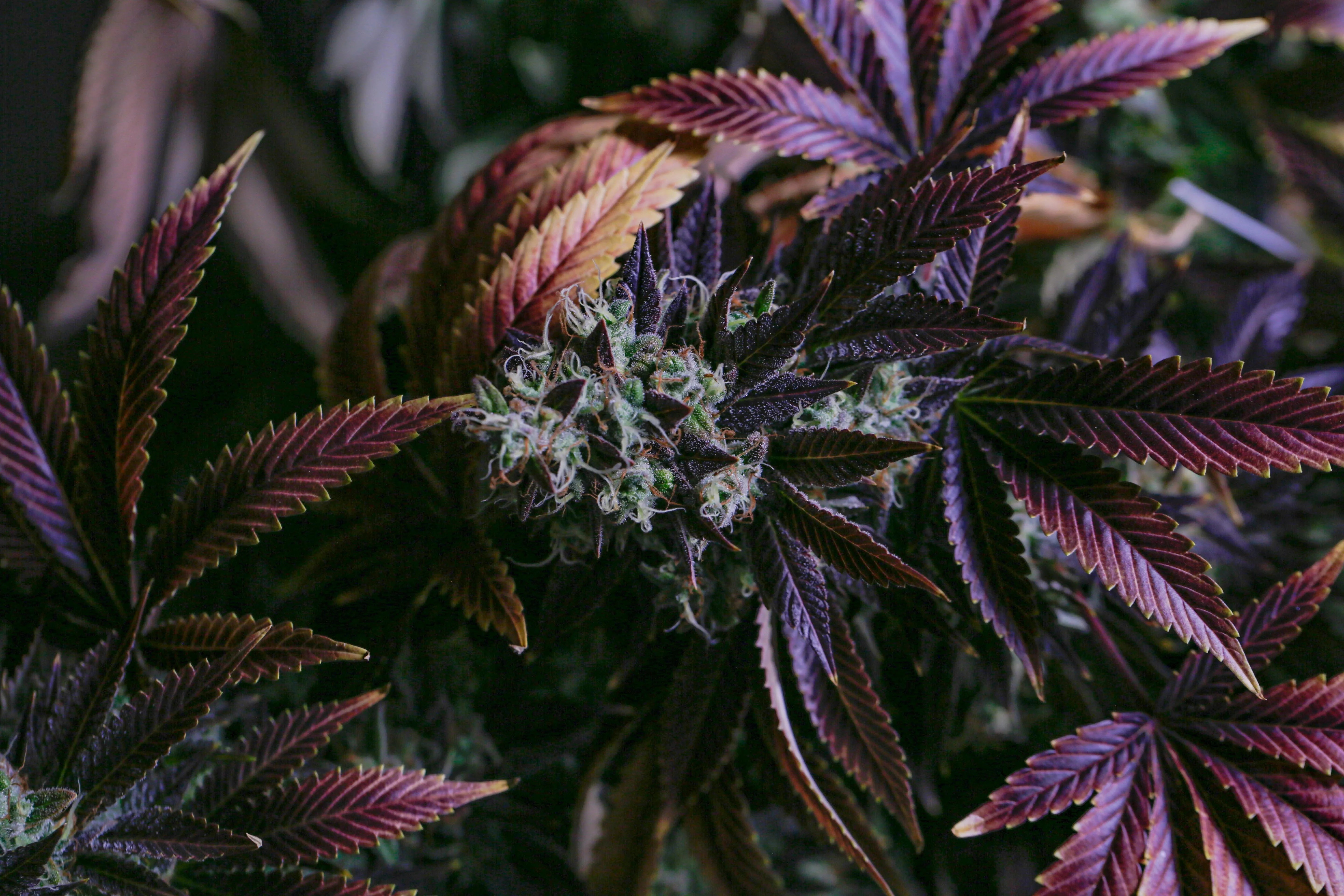
THCA gehört zu den Cannabinoiden, die in den letzten Jahren besonders viel Aufmerksamkeit erhalten haben. Während klassische Cannabinoide wie THC, HHC oder CBD seit Jahrzehnten intensiv diskutiert und erforscht werden, taucht THCA häufig in einem Zwischenraum aus Neugier, Missverständnissen und juristischer Komplexität auf. Viele Konsumenten stolpern zum ersten Mal über THCA, wenn sie Produkte aus dem Ausland sehen, die mit „100 % legal“ beworben werden oder als „nicht psychoaktiv“ gelten sollen, obwohl die tatsächliche Rechtslage viel komplizierter ist. Genau hier beginnt die Verwirrung – und auch der Bedarf an einem wissenschaftlich fundierten, klaren Überblick.
Denn THCA ist ein spannender, biochemisch hochinteressanter Stoff. Es handelt sich um die saure Vorstufe von THC, also ein Molekül, das die Cannabispflanze von Natur aus produziert, bevor es durch Hitze oder lange Lagerung zu THC decarboxyliert. In frischen Blüten ist THC selbst kaum vorhanden; stattdessen findet man überwiegend THCA. Das bedeutet: Ohne THCA gäbe es praktisch kein THC. Doch obwohl dieser Zusammenhang wissenschaftlich eindeutig ist, wird er im Alltag häufig ignoriert oder bewusst verwässert.
Hinzu kommt: In Deutschland – und in vielen anderen EU-Ländern – wird THCA gesetzlich nicht getrennt von THC betrachtet. Der Grund ist biochemisch logisch: THCA wird beim Erhitzen zu psychoaktivem THC, und genau dieser Prozess ist nicht hypothetisch, sondern zuverlässig vorhersehbar. Für Gesetzgeber ist es daher irrelevant, ob ein Stoff vor der Einnahme psychoaktiv ist. Entscheidend ist, ob er bei typischer Konsumweise psychoaktiv wird. Und bei THCA lautet die Antwort eindeutig: ja. Diese Erkenntnis – wissenschaftlich trivial, rechtlich hochrelevant – verändert die gesamte Bewertung.


Um all das verständlich zu machen, erklärt dieser Artikel Schritt für Schritt, wie THCA biochemisch funktioniert, wie der Körper darauf reagiert, welche Rolle Enzyme und Decarboxylierung spielen, wie THCA im Labor gemessen wird, welche Risiken bestehen, warum viele Konsumenten THCA-Blüten mit THC-Blüten verwechseln und warum THCA-Produkte in Deutschland nur sehr eingeschränkt verkauft werden dürfen. Gleichzeitig lernst Du, worauf Du bei modernen Cannabinoiden achten solltest, warum Lab-Reports entscheidend sind und welche Alternativen bei CBD kaufen, HHC kaufen oder Vapes sinnvoll sein können.
- 1. Key Takeaways
- 2. Was ist THCA? Die Grundlagen einfach erklärt
- 3. Die Biochemie der Decarboxylierung: Warum THCA beim Erhitzen zu THC wird
- 4. Wie wirkt THCA im menschlichen Körper?
- 5. THCA vs. THC: Die wichtigsten Unterschiede
- 6. Rechtliche Lage in Deutschland: Warum THCA-Blüten nicht legal sind
- 7. Warum THCA online oft als „legal“ dargestellt wird
- 8. Anwendungsmöglichkeiten: Wie THCA konsumiert wird (und warum es relevant ist)
- 9. Risiken und Nebenwirkungen von THCA
- 10. Qualität & Sicherheit: Worauf Du beim Kauf von Cannabinoid-Produkten achten solltest
- 11. THCA fachlich verstehen – und rechtlich einordnen
- 12. Frequently Asked Questions (FAQs)

Key Takeaways
- THCA ist die saure Vorstufe von THC und kommt natürlicherweise in frischen Cannabispflanzen vor. Psychoaktiv wird es erst durch Decarboxylierung, also durch Hitzeeinwirkung.
- Beim Rauchen, Vapen oder Backen wandelt sich THCA fast vollständig zu THC um. Dadurch entsteht dieselbe psychoaktive Wirkung wie bei klassischem Cannabis.
-
In Deutschland gilt THCA rechtlich als THC-relevant. Labore berechnen den THC-Gesamtgehalt nach der Formel:
Δ9-THC + 0,877 × THCA.
Damit gelten THCA-Blüten rechtlich als THC-Produkte und sind im Handel nicht erlaubt. - Internationale Shops bewerben THCA-Blüten oft als „legal“, weil in einigen US-Bundesstaaten ausschließlich der reine Δ9-THC-Wert zählt. Diese Logik gilt in Deutschland nicht.
- THCA selbst ist nicht psychoaktiv, besitzt aber mögliche biologische Effekte wie entzündungshemmende oder neuroprotektive Eigenschaften. Die Forschung beim Menschen ist jedoch begrenzt.
- Die typische Konsumform entscheidet über die Wirkung. Nur bei rohem oder kalt verarbeitetem THCA bleibt das Molekül nicht-psychoaktiv. Jeder erhitzte Konsum führt dagegen zu THC.
- Qualität und Sicherheit sind entscheidend. Seriöse Anbieter stellen Laboranalysen, Terpenprofile, Reinheitstests und chargenbasierte COAs bereit – wichtig für alle legalen Alternativen wie CBD, HHC oder Vapes.
- Für Verbraucher besteht kein Graubereich: THCA-Blüten sind in Deutschland nicht legal. Sichere Alternativen sind geprüfte Produkte wie CBD-Blüten, HHC oder Vapes.
Was ist THCA? Die Grundlagen einfach erklärt
THCA steht für Tetrahydrocannabinolsäure (engl. tetrahydrocannabinolic acid). Chemisch betrachtet handelt es sich um die carboxylierte Vorstufe des bekannten psychoaktiven Cannabinoids THC. Diese Vorstufe entsteht direkt in der Cannabispflanze, wenn Enzyme in den Harzdrüsen aus Cannabigerolsäure (CBGA) unterschiedliche Cannabinoidsäuren synthetisieren. THCA ist dabei eines der wichtigsten Endprodukte.
Im biochemischen Kontext gehört THCA zur Gruppe der phytogenen Cannabinoidsäuren, also jener Stoffe, die in frischen, unverarbeiteten Cannabisblüten vorkommen. In diesem Zustand besitzt THCA keine nennenswerte psychoaktive Wirkung, da die Carboxylgruppe am Molekül verhindert, dass es effizient an CB1-Rezeptoren im Gehirn bindet. Genau an diesen Rezeptoren entfaltet THC seine bekannten Effekte wie veränderte Wahrnehmung, Euphorie oder gesteigerte sensorische Wahrnehmung.
Viele Konsumenten berichten jedoch, dass sie beim Kontakt mit THCA – beispielsweise beim Rauchen oder Vaporisieren – Wirkungen erleben, die mit klassischem THC identisch sind. Das ist kein Widerspruch, sondern die logische Folge der Decarboxylierung, dem chemischen Umwandlungsprozess, der THCA in THC verwandelt.
Um THCA zu verstehen, müssen wir diesen Prozess in aller Tiefe betrachten.

Die Biochemie der Decarboxylierung: Warum THCA beim Erhitzen zu THC wird
Decarboxylierung bezeichnet den chemischen Verlust einer Carboxylgruppe (CO₂) durch Hitze oder Zeit. Bei Cannabinoiden ist dieser Prozess essenziell, weil die psychoaktive Wirkung vieler Verbindungen erst dadurch möglich wird.
Dieser Prozess findet bei Temperaturen zwischen 105 °C und 145 °C besonders effizient statt – genau dort, wo Vaporizer arbeiten oder wo Glut beim Rauchen entsteht. Je nach Temperatur, Dauer und Feuchtigkeit decarboxyliert THCA zu einem sehr hohen Anteil. Typische Umwandlungsraten liegen im Bereich von 70–98 %, was bedeutet, dass nahezu das gesamte THCA aus einer Blüte beim Konsum zu THC wird.
Die entscheidende Konsequenz:
THCA gilt nicht als legaler Ersatz für THC, denn das Molekül wird beim üblichen Konsum zuverlässig psychoaktiv.
Aus diesem Grund bewerten Laboratorien den THC-Gesamtgehalt, der sich aus zwei Komponenten berechnet. Eine Blüte mit „20 % THCA“ ist faktisch eine Blüte mit fast 18 % THC – und damit im geltenden deutschen Recht voll illegal. Genau deshalb wird THCA-Blütenmaterial rechtlich identisch zu THC-haltigem Cannabis bewertet.
Wie wirkt THCA im menschlichen Körper?
THCA ist im rohen Zustand nicht psychoaktiv. Das bedeutet jedoch nicht, dass es wirkungslos ist. Erste Untersuchungen deuten darauf hin, dass THCA eine Reihe potenzieller Eigenschaften besitzt, die sich von THC unterscheiden. Dazu gehören entzündungshemmende, antiemetische oder neuroprotektive Effekte in vitro oder in Tiermodellen. Ob sich diese Effekte im Menschen ähnlich verhalten, ist wissenschaftlich noch nicht abschließend untersucht.
Der Grund für die fehlende psychoaktive Wirkung ist strukturell: Die Carboxylgruppe hindert das Molekül daran, effizient durch die Blut-Hirn-Schranke zu gelangen und an den CB1-Rezeptor zu binden. THC dagegen passt perfekt in die Bindungstasche des CB1-Rezeptors, weshalb es dort die typischen Effekte auslöst.
Beim Erhitzen jedoch verändert sich die Struktur, und die psychoaktive Wirkung tritt ein. In typischen Konsumformen wie Rauchen, Bong, Pipe oder Vaporizer ist dieser Prozess unvermeidbar. Selbst beim Backen oder Kochen decarboxyliert THCA teilweise oder vollständig, abhängig von Temperatur und Dauer.
Daher ist die häufig gehörte Aussage „THCA ist nicht psychoaktiv“ im Alltag nur sinnvoll, wenn Konsumenten die Substanz nicht erhitzen – etwa in rohen Auszügen oder kaltgepressten Präparaten. In den gängigen Konsumformen jedoch verwandelt sich THCA zuverlässig in THC.

THCA vs. THC: Die wichtigsten Unterschiede
Die Unterschiede zwischen THCA und THC sind sowohl chemischer als auch rechtlicher Natur. THCA ist eine Cannabinoidsäure und in der Pflanzenmatrix stabiler, während THC die decarboxylierte Form darstellt, die psychoaktive Effekte hervorruft.
In Bezug auf Wirkung, pharmakologische Interaktion und rechtliche Einstufung existieren klare Unterschiede:
-
Psychoaktivität
THCA: nicht psychoaktiv vor der Hitzeeinwirkung
THC: hochgradig psychoaktiv -
Rezeptorbindung
THCA: kaum funktionelle Bindung an CB1
THC: effiziente Bindung an CB1 → psychoaktive Effekte -
Rechtliche Bewertung
THCA wird in Deutschland als Teil des THC-Gesamtgehalts bewertet.
Produkte mit hohem THCA-Gehalt gelten daher faktisch als THC-Produkte. -
Darreichungsformen
THCA existiert primär in frischem Pflanzenmaterial.
THC entsteht erst durch Trocknung, Lagerung oder Hitze.
Rechtliche Lage in Deutschland: Warum THCA-Blüten nicht legal sind
Die rechtliche Lage ist klar und eindeutig:
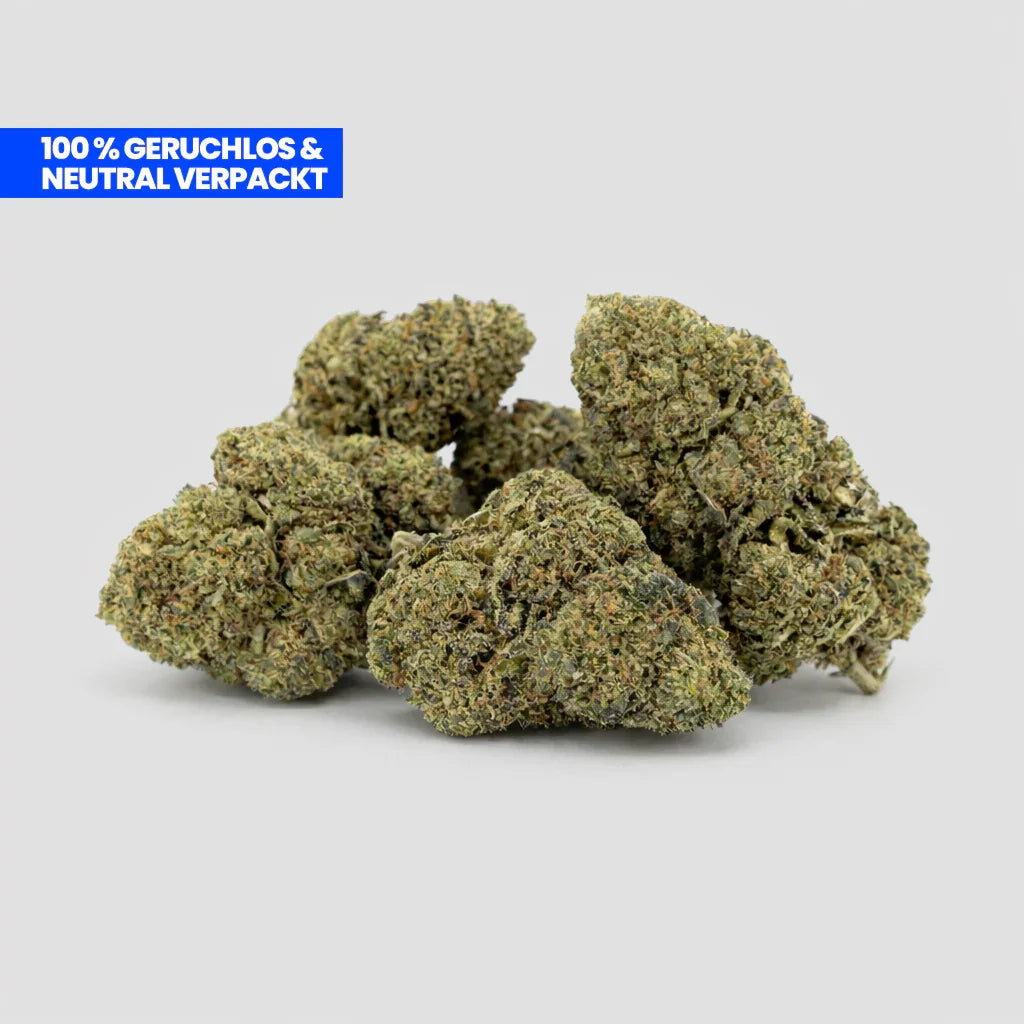
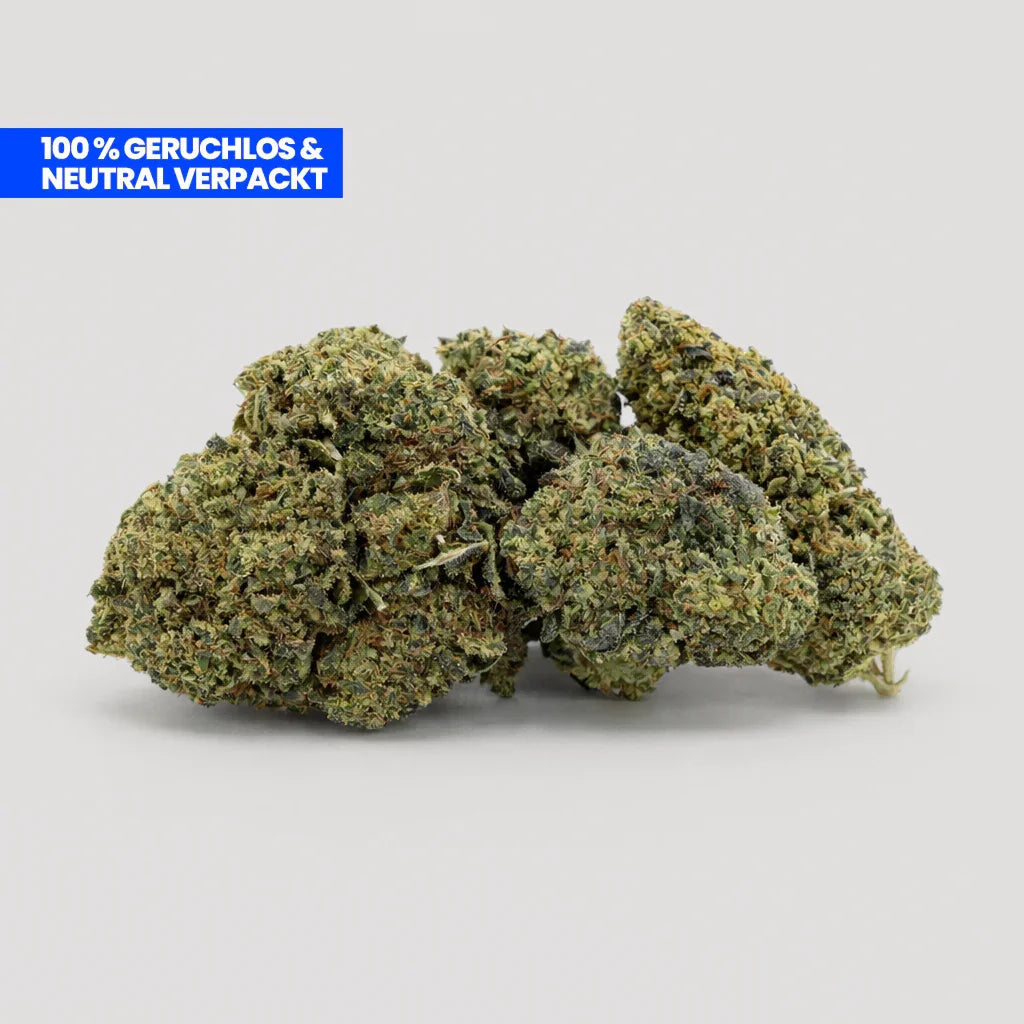
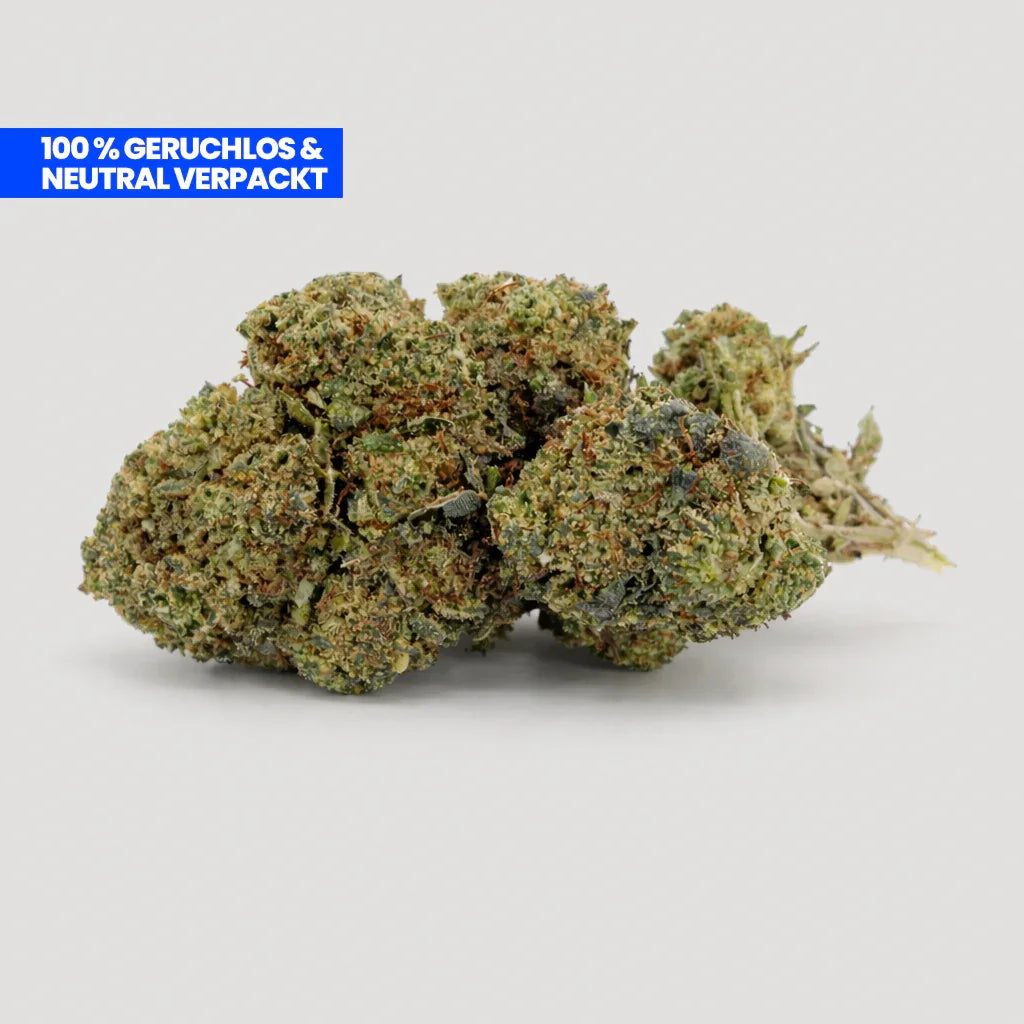
THCA-Blüten gelten in Deutschland nicht als legale Produkte.
Der Grund liegt in der bereits beschriebenen Umrechnung von THCA in THC und der damit verbundenen psychoaktiven Wirkung bei typischem Konsum. THCA wird im Betäubungsmittelrecht (BtMG) und in den gängigen Analysen als Bestandteil des THC-Gesamtgehalts gewertet. Dadurch fallen THCA-Blüten unter dieselben gesetzlichen Regelungen wie THC-Blüten.
Selbst die Neuformulierung des Cannabisgesetzes (2024/25), die bestimmte Besitzmengen erlaubt, ändert daran nichts, denn sie betrifft Privatpersonen, nicht gewerbliche Händler. Gewerblicher Vertrieb von THC oder THC-äquivalentem Material bleibt ohne spezielle Lizenz vollständig verboten.
This means:
- THCA-Blüten dürfen in Deutschland nicht verkauft werden.
- Onlineshops, die THCA-Blüten als „legal“ anpreisen, sind rechtlich irreführend.
- Die Einfuhr von THCA-Blüten aus dem Ausland kann strafbar sein.
- Analyselabore weisen THCA immer als „Total THC“ aus.
Für Konsumenten ist es daher wichtig zu wissen: Der Vertrieb solcher Produkte ist in Deutschland nicht erlaubt, und der Besitz kann je nach Menge strafrechtliche Folgen haben.
Warum THCA online oft als „legal“ dargestellt wird
Viele internationale Shops – insbesondere in den USA – bewerben THCA-Blüten als legale Alternative zu THC-Blüten. Das liegt an der sich unterscheidenden Gesetzgebung. Einige US-Bundesstaaten definieren Legalität anhand des reinen Δ9-THC-Gehalts, ohne THCA in die Formel einzubeziehen. Dadurch entstehen Produkte mit 0,3 % Δ9-THC, aber 20 % THCA – und somit mit de facto 18 % psychoaktivem THC beim Konsum.
In Deutschland und den meisten EU-Ländern ist diese Auslegung jedoch nicht zulässig. Hier gilt die wissenschaftliche Realität der Decarboxylierung als rechtliche Basis. Deshalb ist die Werbung „THCA ist legal“ in Deutschland nicht haltbar.
Anwendungsmöglichkeiten: Wie THCA konsumiert wird (und warum es relevant ist)
Roh konsumiertes THCA – etwa in Säften oder kalt extrahierten Präparaten – hat eine eigene Nische in der alternativen Cannabinoidforschung. In diesen Darreichungsformen bleibt THCA weitgehend stabil und entfaltet möglicherweise andere biologische Wirkungen als THC. Die Forschung hierzu ist noch im Anfangsstadium, und die klinische Datenlage ist begrenzt.
Die Realität der Konsumkultur sieht jedoch anders aus: Die überwältigende Mehrheit der Konsumenten verwendet THCA-Blüten wie THC-Blüten. Beim Rauchen oder Vaporisieren gilt:
- THCA decarboxyliert vollständig
- THC wird psychoaktiv
- der Effekt entspricht klassischem Cannabis
Das ist der zentrale Grund für die rechtliche Bewertung und die regulatorische Einstufung.
Risiken und Nebenwirkungen von THCA
Da THCA beim Erhitzen zu THC wird, gelten dieselben Risiken wie bei klassischem Cannabis:
- akute Veränderungen der Wahrnehmung
- increase in heart rate
- Koordinationsstörungen
- Angst oder Paranoia
- mögliche Belastung der Atemwege beim Rauchen
- Entwicklungsrisiken bei Jugendlichen
- Abhängigkeitspotenzial
Hinzu kommt die Unsicherheit auf dem Markt: THCA-Produkte, die international vertrieben werden, unterliegen oft keiner standardisierten Qualitätskontrolle. Ohne zertifizierte Lab-Reports, Schwermetalltests oder Pestizidanalysen sind Konsumenten einem erheblichen Risiko ausgesetzt.
Qualität & Sicherheit: Worauf Du beim Kauf von Cannabinoid-Produkten achten solltest
Auch wenn THCA-Blüten in Deutschland nicht legal vertrieben werden dürfen, gibt es zahlreiche andere Cannabinoidprodukte, bei denen hohe Qualität und Transparenz entscheidend sind. Dazu gehören:
- CBD-Blüten
- HHC products
- PHC-Produkte
- 10-OH-HHC
- Edibles
- Vapes


Ein seriöser Anbieter stellt immer folgende Informationen bereit:
- Cannabinoid profile
- Terpenanalyse
- Purity tests
- Schwermetall- und Lösungsmittelanalysen
- Transparente Produktbeschreibungen
- Chargenbasierte Lab-Reports
HappyFlower setzt auf zertifizierte Laboranalysen, transparente Produktionsketten und faire Preise, ohne den Eindruck zu erwecken, Substanzen seien legal, wenn sie es nicht sind. Dieser verantwortungsvolle Ansatz schützt Konsumenten und trägt zu einem sicheren Markt bei.
THCA fachlich verstehen – und rechtlich einordnen
THCA ist ein faszinierendes Cannabinoid mit eindeutig biochemisch definierter Rolle. Als natürliche Vorstufe von THC spielt es eine zentrale Rolle in der Cannabispflanze und bestimmt letztlich die psychoaktive Potenz der Blüte. Wissenschaftlich betrachtet ist THCA im rohen Zustand nicht psychoaktiv, doch beim Erhitzen decarboxyliert es zuverlässig zu THC. Genau dieser Prozess macht THCA-Blüten in Deutschland rechtlich nicht zulässig. Für Konsumenten bedeutet das: THCA ist spannend, aber keine Grauzone.
Wenn Du moderne Cannabinoidprodukte konsumieren möchtest, achte auf geprüfte Qualität, Transparenz und Laboranalysen. Eine verantwortungsvolle Auswahl – ob CBD kaufen, HHC kaufen oder Vapes – ist der wichtigste Schritt zu einem sicheren, aufgeklärten Umgang mit Cannabinoiden.
1. Is THCA legal in Germany?
Nein. THCA wird in Deutschland als Teil des THC-Gesamtgehalts gewertet. Da THCA beim Erhitzen zu psychoaktivem THC wird, gelten THCA-Blüten als THC-Produkte. Sie dürfen nicht verkauft oder eingeführt werden.
2. Does THCA automatically turn into THC when smoked?
Ja. Beim Erhitzen decarboxyliert THCA nahezu vollständig zu THC. Dieser Prozess findet sowohl beim Rauchen als auch im Vaporizer statt. Deshalb wirken THCA-Blüten psychoaktiv.
3. Ist THCA psychoaktiv?
Im rohen Zustand nein. Beim Erhitzen jedoch ja, da THCA zu THC wird. In den typischen Konsumformen entsteht daher eine klassische THC-Wirkung.
4. Warum verkaufen US-Shops THCA-Blüten?
Einige US-Bundesstaaten definieren Legalität ausschließlich anhand des Δ9-THC-Gehalts und berücksichtigen THCA nicht. In Deutschland gilt hingegen der THC-Gesamtgehalt, inklusive decarboxylierbarer THCA-Anteile.


🍪 Discover edibles at Happyflower
Lab-tested · Discreet shipping · ⭐ 4.6/5 (750+ reviews)
View edibles now →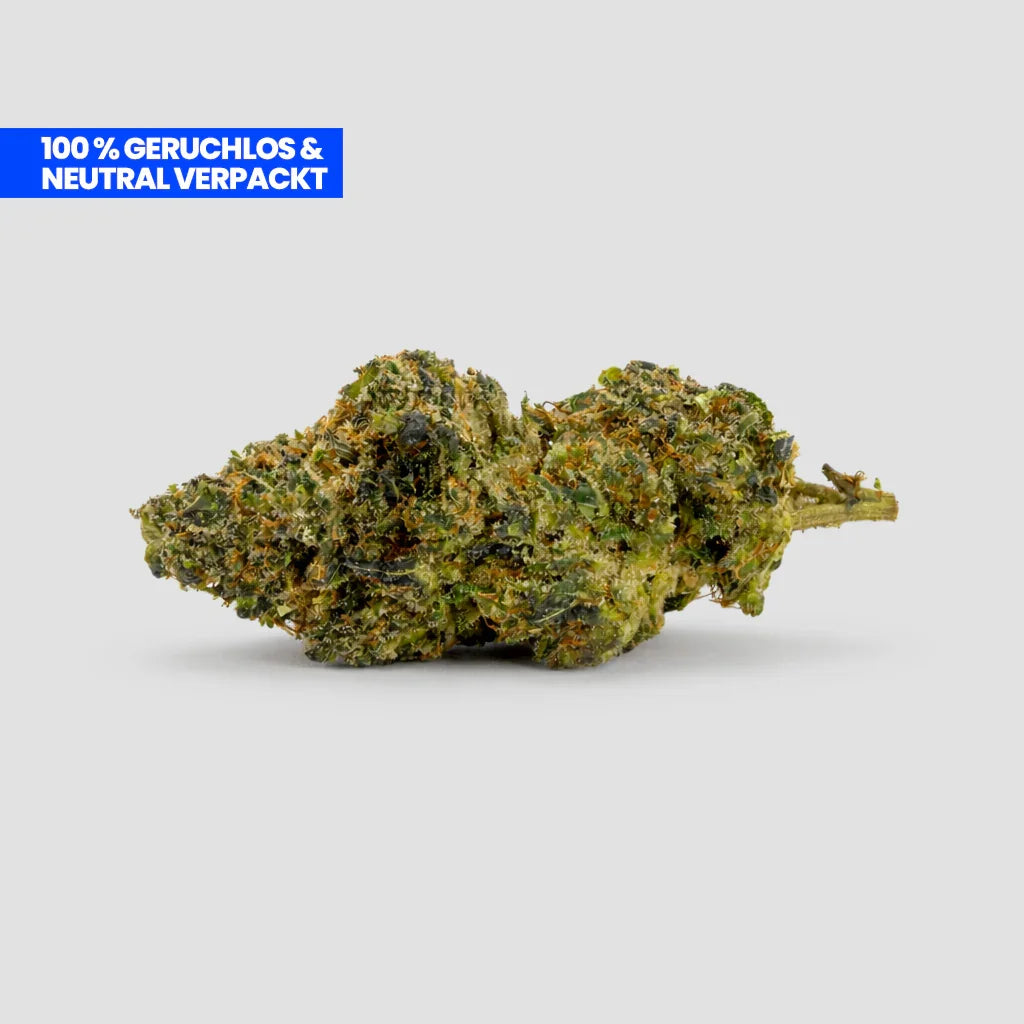




Share:
Black Friday 2025: An Overview of Legal THC & HHC Deals
Is THCA legal in Germany?