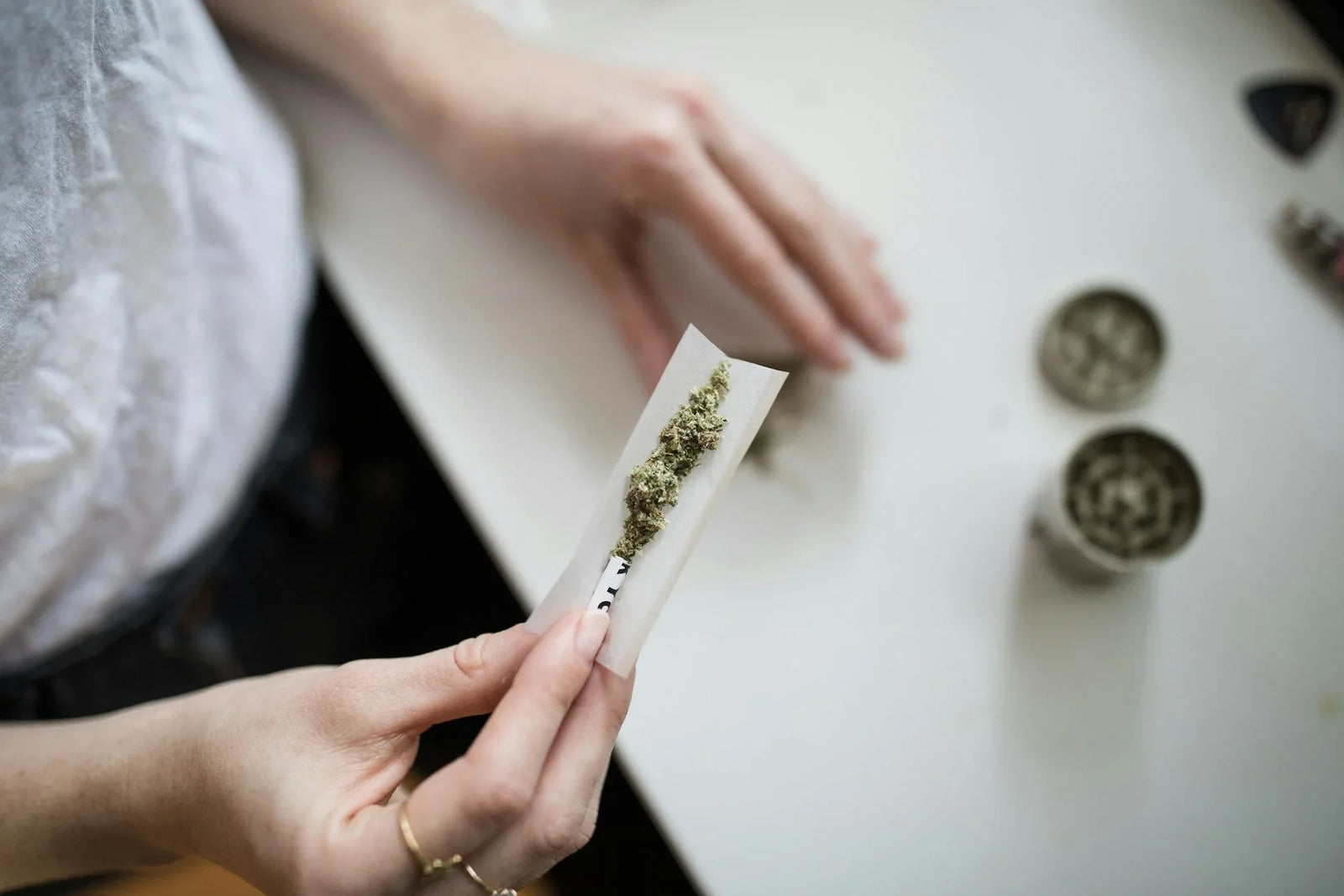
Kaum ein Cannabinoid sorgt aktuell für so viel Verwirrung wie THCA. In sozialen Medien kursieren Videos, in denen Konsumenten von angeblich „legalem Weed“ aus US-Shops berichten, während internationale Anbieter THCA-Blüten als natürliche, frei verkäufliche Alternative zu THC bewerben. Doch dieser Eindruck entsteht nur durch eine amerikanische Gesetzeslücke – und trifft auf Deutschland nicht zu. Hier gilt eine wissenschaftlich eindeutige und juristisch klar definierte Bewertung: THCA ist die direkte Vorstufe von THC, wird beim Erhitzen zuverlässig psychoaktiv und fällt deshalb unter dieselben Regelungen wie THC selbst.
Während manche Länder ausschließlich den Δ9-THC-Wert betrachten, berücksichtigt Deutschland – wie nahezu alle EU-Staaten – auch das potenzielle THC, das aus THCA entsteht. Dadurch können Blüten, die offiziell „0,3 % THC“ enthalten, rechtlich dennoch als vollwertige THC-Produkte gelten. Wer THCA-Blüten raucht, vaporisiert oder zu Edibles verarbeitet, konsumiert de facto THC – und genau deshalb sind THCA-Blüten hier nicht legal.
Für Konsumenten wird damit entscheidend, zwischen rechtlich erlaubten Cannabinoiden wie CBD-Blüten, Vapes oder HHC-Produkten und irreführend beworbenen Importen zu unterscheiden.
Key Takeaways
- THCA ist die direkte Vorstufe von THC und kommt in frischen Cannabisblüten fast ausschließlich in saurer Form vor. Psychoaktiv wird es erst durch Hitze.
- Beim Rauchen, Vapen oder Backen decarboxyliert THCA zuverlässig zu THC. Dadurch entsteht dieselbe psychoaktive Wirkung wie bei klassischem Cannabis.
- In Deutschland gilt die Total-THC-Formel:
THC_total = Δ9-THC + 0,877 × THCA.
Dadurch werden THCA-Blüten rechtlich wie THC-Blüten behandelt – unabhängig vom angegebenen Δ9-THC-Wert. - Der gewerbliche Verkauf von THCA-Blüten ist in Deutschland verboten. Die Cannabisreform 2024/25 ändert daran nichts, da sie nur Privatpersonen betrifft.
- Internationale Shops dürfen THCA-Blüten oft verkaufen, weil manche US-Gesetze nur Δ9-THC regulieren. Diese Logik ist in Deutschland nicht anwendbar.
- THCA ist nur roh nicht psychoaktiv. In der realen Konsumpraxis entsteht fast immer THC, weshalb THCA juristisch als THC-relevant gilt.
- Sicher konsumieren kannst Du nur geprüfte, legale Alternativen wie CBD, HHC, PHC, Edibles oder Vapes – idealerweise mit transparenten Laboranalysen.


- 1. Key Takeaways
- 2. Was ist THCA? Wissenschaftliche Grundlagen eines komplexen Cannabinoids
- 3. Decarboxylierung: Warum THCA beim Erhitzen zuverlässig zu THC wird
- 4. Der THC-Gesamtgehalt: Die entscheidende Formel der deutschen Behörden
- 5. Rechtliche Bewertung: Warum THCA in Deutschland nicht als legaler Stoff gilt
- 6. Warum internationale Shops THCA als „legal“ verkaufen – und warum das in Deutschland nicht gilt
- 7. Wie wirken THCA-Blüten bei Konsum wirklich? Ein Blick in die Praxis
- 8. Wird THCA immer psychoaktiv? Die Rolle der Konsumform
- 9. Rechtslage 2024/25: Warum die Legalisierung nichts an THCA ändert
- 10. Wie Labore THCA messen: Die Praxis der deutschen Analytik
- 11. Risiken und Nebenwirkungen: Was THCA problematisch macht
- 12. Worauf Du beim Kauf von Cannabinoiden achten solltest
- 13. THCA ist in Deutschland nicht legal – und das aus gutem Grund
- 14. Frequently asked questions (FAQs)
Was ist THCA? Wissenschaftliche Grundlagen eines komplexen Cannabinoids
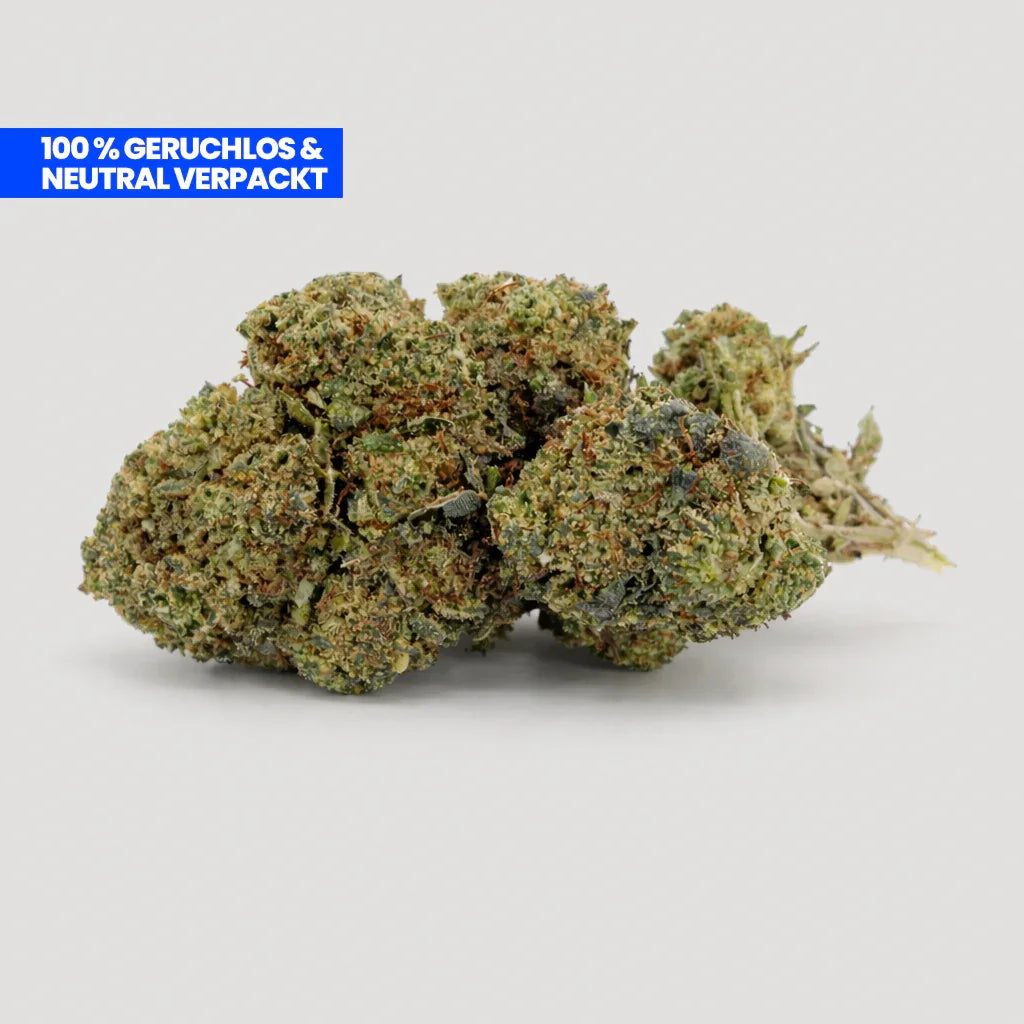
THCA, ausgeschrieben Tetrahydrocannabinolsäure, ist eines der wichtigsten Cannabinoide in frischem Cannabis. Während viele Menschen davon ausgehen, dass Cannabis von Natur aus THC enthält, stimmt das nur eingeschränkt. Die Pflanze produziert THC nicht direkt, sondern synthetisiert die meisten Cannabinoide zuerst in ihrer sauren Form. Bei THC bedeutet das: In unverarbeiteten Blüten liegt der Wirkstoff fast ausschließlich als THCA vor, häufig zu über 90 Prozent des gesamten THC/THCA-Pools.
Biochemisch entsteht THCA aus der Cannabigerolsäure (CBGA), die häufig als „Mutter aller Cannabinoide“ bezeichnet wird. Die Pflanze verfügt über spezifische Enzyme, die CBGA in verschiedene Cannabinoidsäuren umwandeln, darunter THCA, CBDA und CBCA. Diese Prozesse finden in den Trichomen, den harzproduzierenden Drüsen der Blüte, statt. THCA ist in diesem Zustand relativ stabil und weist keine psychoaktive Wirkung auf, weil das Molekül eine Carboxylgruppe trägt, die verhindert, dass es effizient an die CB1-Rezeptoren im Gehirn bindet.
In seiner sauren Form wird THCA häufig als nicht psychoaktiv bezeichnet – und rein biochemisch betrachtet stimmt das. Doch diese Aussage führt häufig zu Missverständnissen, weil sie den wichtigsten Aspekt auslässt: THCA bleibt nur so lange nicht psychoaktiv, wie es nicht erhitzt wird. Sobald Hitze ins Spiel kommt, beginnt die Decarboxylierung, ein chemischer Prozess, der CO₂ abspaltet und THCA in THC umwandelt. Diese Umwandlung ist nicht nur theoretisch möglich, sondern in der Praxis nahezu unvermeidbar und hochgradig effizient.

Decarboxylierung: Warum THCA beim Erhitzen zuverlässig zu THC wird
Decarboxylierung ist ein grundlegender chemischer Vorgang, der Cannabinoidsäuren in ihre aktiven Formen umwandelt. Der Prozess ist sowohl biochemisch als auch physikalisch gut untersucht. Sobald die Temperatur eines THCA-haltigen Materials rund 105 °C überschreitet, beginnt die Carboxylgruppe, sich vom Molekül abzuspalten. Dabei entsteht THC, das durch seine stabile Struktur und optimale Passform für den CB1-Rezeptor unmittelbar psychoaktiv wirkt.
Je höher die Temperatur und je länger die Hitzeeinwirkung, desto vollständiger ist die Umwandlung. In Vaporizern, die oft zwischen 160 °C und 210 °C arbeiten, ist die Decarboxylierung fast vollständig. Beim Rauchen entstehen ebenfalls Temperaturen, die weit über diesen Bereichen liegen, sodass auch hier nahezu das gesamte THCA zu THC umgewandelt wird. Selbst beim Backen oder Kochen findet Decarboxylierung statt, wenn auch mit variablen Umwandlungsraten abhängig von Feuchtigkeit, Dauer und Temperatur.
Dieser Prozess ist genau der Grund, warum THCA rechtlich nicht als eigenständiges, harmloses Cannabinoid bewertet wird. Chemische Notwendigkeiten lassen sich nicht aushebeln, und niemand kann THCA-Blüten konsumieren, ohne THCA in THC zu verwandeln. Daher stufen deutsche Behörden THCA nicht nach seinem „rohen“ Zustand ein, sondern nach seinem typischen Konsumverhalten. Wenn ein Stoff bei normalem Gebrauch ein Betäubungsmittel erzeugt, wird er selbst als solches behandelt. Genau dieser Gedanke steckt hinter der Bewertung des Gesamttetrahydrocannabinols.
Der THC-Gesamtgehalt: Die entscheidende Formel der deutschen Behörden
Die deutsche Rechtslage basiert nicht auf Marketingversprechen oder auf der Frage, ob THCA als „nicht psychoaktiv“ gilt, sondern auf einer präzisen wissenschaftlichen Formel. Ein Produkt wird nicht nach seinem Gehalt an Δ9-THC bewertet, sondern nach dem sogenannten THC-Gesamtgehalt. Dieser berücksichtigt sowohl das bereits vorhandene THC als auch das potenzielle THC, das durch Decarboxylierung aus THCA entsteht. Die Formel lautet:
THC_total = Δ9-THC + 0,877 × THCA
Der Faktor 0,877 ergibt sich aus der molaren Masse des Moleküls und der Menge CO₂, die bei der Decarboxylierung verloren geht. Mit anderen Worten: 1 Gramm THCA ergibt beim Erhitzen rund 0,877 Gramm THC. Labore verwenden diese Formel standardisiert, unabhängig davon, ob das Produkt für den Konsum erhitzt wird oder nicht. Diese Herangehensweise ist nicht willkürlich, sondern basiert auf jahrzehntelanger chemischer Forschung.
Für Konsumenten bedeutet das: Eine Blüte, die beispielsweise 20 Prozent THCA enthält, wird in Deutschland wie eine Blüte mit rund 17,5 Prozent THC bewertet – unabhängig von ihrem Δ9-THC-Wert. Selbst wenn auf dem Papier „unter 0,3 Prozent THC“ steht, wäre das Produkt illegal, weil der THCA-Wert die entscheidende Rolle spielt. Genau hier beginnt das Missverständnis, das THCA-Blüten so irreführend macht. Internationale Anbieter verwenden häufig die amerikanische Farm Bill als Maßstab, die ausschließlich auf Δ9-THC abstellt. In der EU – und besonders in Deutschland – spielt diese Regelung jedoch keine Rolle.

Rechtliche Bewertung: Warum THCA in Deutschland nicht als legaler Stoff gilt
Rein juristisch ist die Lage eindeutig: THCA-Blüten gelten in Deutschland als illegal. Selbst wenn internationale Shops behaupten, die Produkte seien frei von „psychoaktivem THC“, stimmt das nur dann, wenn man die Chemie ignoriert. Da THCA beim Erhitzen fast vollständig zu THC wird, fällt es unter dieselbe rechtliche Bewertung wie THC-haltiges Cannabis. Der gewerbliche Verkauf solcher Blüten ist daher verboten, ebenso deren Bewerbung als „legal“.
Die Cannabisreform von 2024/25, die den privaten Besitz und Anbau von Cannabis unter bestimmten Bedingungen erlaubt hat, verändert diese Tatsache nicht. Diese Reform bezieht sich ausschließlich auf Privatpersonen und nicht auf kommerzielle Händler. Für Händler bleibt Cannabis mit THC-Gehalt – einschließlich potenziell decarboxylierbarem THCA – ein Betäubungsmittel, das nur unter strengen Lizenzen vertrieben werden darf. Für THCA-Blüten existiert keine solche Lizenzform.
Warum internationale Shops THCA als „legal“ verkaufen – und warum das in Deutschland nicht gilt
Dass THCA-Blüten in internationalen Shops oft als „100 % legal“ beworben werden, hat wenig mit Chemie zu tun, sondern mit Gesetzgebung. In den USA gilt die sogenannte Farm Bill, die lediglich den Δ9-THC-Gehalt begrenzt, nicht aber den THCA-Gehalt. Das bedeutet: Eine Blüte kann 0,2 % Δ9-THC und gleichzeitig 25 % THCA enthalten und wird trotzdem als „Hanfprodukt“ eingestuft – zumindest solange niemand sie erhitzt. Da die amerikanische Gesetzgebung keine Total-THC-Bewertung vornimmt, entsteht eine gigantische Lücke, die viele Händler aktiv ausnutzen.
Doch diese Lücke existiert in Deutschland nicht. Hier orientiert sich die rechtliche Bewertung an der chemischen Realität. Ein Stoff, der beim typischen Gebrauch zuverlässig zu einem Betäubungsmittel wird, gilt selbst als Betäubungsmittel. Diese Logik ist nicht neu, sondern entspricht der jahrzehntelang etablierten Rechtspraxis im Betäubungsmittelrecht. Schon in früheren Urteilen arbeiteten deutsche Gerichte mit der Total-THC-Formel, lange bevor Cannabinoid-Trends in der breiten Öffentlichkeit angekommen waren.
Diese Bewertung hat auch einen pragmatischen Hintergrund: Behörden müssen nicht zwischen „potenziell psychoaktiven“ und „in der Praxis psychoaktiven“ Substanzen unterscheiden. Der Konsum von THCA-Blüten führt bei üblicher Anwendung zwangsläufig zu THC-Aufnahme. Das genügt für eine Einstufung. Auch die Europäische Lebensmittelbehörde EFSA und das Bundesinstitut für Risikobewertung (BfR) orientieren sich an dieser wissenschaftlichen Linie.
Wer THCA-Blüten nach Deutschland importiert – auch privat – bewegt sich daher schnell im strafbaren Bereich. Selbst wenn ein Paket durch den Zoll rutscht, ändert das nichts am rechtlichen Status. Der Besitz von THCA-Blüten wird rechtlich wie der Besitz von THC-haltigem Cannabis bewertet, sofern keine Ausnahmegenehmigung vorliegt. Diese gibt es in Deutschland ausschließlich für medizinisches Cannabis und nur innerhalb eines eng begrenzten Rahmens.

Wie wirken THCA-Blüten bei Konsum wirklich? Ein Blick in die Praxis
Die Wirkung von THCA-Blüten wird häufig missverstanden. Viele Nutzer glauben, THCA sei „sanfter“ oder „weniger psychoaktiv“. Das stimmt nur, wenn THCA nicht erhitzt wird. Sobald Hitze im Spiel ist, entsteht THC – ganz unabhängig davon, woher die Blüte stammt oder wie sie beworben wird.
Wer THCA-Blüten raucht, erlebt die typischen THC-Effekte:
- veränderte sensorische Wahrnehmung
- zeitliche Verzerrung
- intensivere Musik- und Farbwahrnehmung
- gesteigerter Appetit
- möglicherweise Entspannung
- mögliche kognitive Reaktionen wie Euphorie oder Gedankenfluss
Die Intensität hängt vom THC-Gesamtgehalt ab und nicht davon, ob das Produkt als „THCA-Blüte“ oder „THC-Blüte“ verkauft wird. Viele Konsumenten berichten, dass THCA-Blüten sogar besonders starke Effekte haben. Das liegt am hohen THCA-Gehalt, der beim Konsum zu hohen THC-Konzentrationen führt. Paradoxerweise sind THCA-Blüten oft potenter als manche klassischen Cannabisblüten, was deutlich zeigt, wie irreführend der Begriff „legal“ in diesem Kontext ist.
Wird THCA immer psychoaktiv? Die Rolle der Konsumform
Es gibt zwar Konsumformen, bei denen THCA nicht decarboxyliert wird. Dazu zählen:
- rohe Pflanzenextrakte
- kalt verarbeitete Säfte
- nicht erhitzte Tinkturen
- manche pharmazeutische Anwendungen
In diesen Fällen bleibt THCA chemisch stabil und zeigt möglicherweise ganz andere, nicht-psychoaktive Effekte. Einige frühe Studien deuten auf antiemetische, entzündungshemmende oder neuroprotektive Eigenschaften hin, doch die klinische Datenlage ist begrenzt.
Diese Konsumformen spielen im Alltag jedoch kaum eine Rolle. Die überwältigende Mehrheit konsumiert Cannabinoide durch Erhitzen – sei es durch Vaporizer, Bong, Pipe, Joint oder beim Kochen. Dieser Punkt ist entscheidend für die rechtliche Bewertung: THCA ist nur theoretisch nicht psychoaktiv. Praktisch wird es durch Konsum immer zu THC.
Rechtslage 2024/25: Warum die Legalisierung nichts an THCA ändert
Die Cannabisgesetzgebung in Deutschland hat sich 2024/2025 stark verändert. seitdem dürfen volljährige Personen unter bestimmten Bedingungen Cannabis besitzen, konsumieren und in begrenztem Umfang anbauen. Cannabisclubs wurden eingeführt, der private Eigenanbau gesetzlich geregelt. Dennoch blieb eines völlig unangetastet:
Der gewerbliche Verkauf von Cannabis bleibt verboten, außer im Rahmen medizinischer Versorgung.
Das bedeutet:
- Händler dürfen keine THC-Blüten verkaufen.
- Händler dürfen keine THCA-Blüten verkaufen.
- Händler dürfen keine Produkte verkaufen, die beim Erhitzen THC freisetzen.
THCA fällt damit eindeutig in die Kategorie der verbotenen Stoffe. Das Gesetz definiert keine Ausnahme für THCA, weil der psychoaktive Effekt beim Konsum identisch ist. Auch das neue Cannabisgesetz erkennt die Total-THC-Bestimmung an und ändert sie nicht. THCA bleibt also rechtlich genauso eingeordnet wie klassisches THC aus Blüten oder Extrakten.
Wie Labore THCA messen: Die Praxis der deutschen Analytik
Deutsche und europäische Labore nutzen etablierte Methoden wie HPLC (High Performance Liquid Chromatography), um Cannabinoidprofile zu bestimmen. Im Gegensatz zu GC-MS (Gaschromatographie mit Massenspektrometrie) decarboxyliert HPLC die Probe nicht, wodurch THCA und THC getrennt sichtbar bleiben. Der THC-Gesamtgehalt wird dann rechnerisch bestimmt. Dies ermöglicht eine präzise, objektive Bewertung, unabhängig davon, ob das Produkt erhitzt wurde oder nicht.
Diese Vorgehensweise verhindert Manipulationen und stellt sicher, dass Produkte mit hohem THCA-Gehalt nicht als „THC-arm“ verkauft werden können. Internationale Anbieter, die ausschließlich den Δ9-THC-Wert publizieren, erfüllen damit nicht den europäischen Standard. Fehlt die Total-THC-Bewertung, ist das ein Hinweis auf unzureichende Analysen oder absichtliche Irreführung.
Seriöse Shops wie HappyFlower veröffentlichen deshalb vollständige Laborberichte inklusive THCA, THC, Total THC, Terpenprofilen und Reinheitsanalysen. Das schützt Konsumenten und schafft Vertrauen in Produkte wie CBD, HHC, 10-OH-HHC oder hochwertige Vapes.
Risiken und Nebenwirkungen: Was THCA problematisch macht
Da THCA beim Konsum zu THC wird, gelten dieselben Risiken wie bei starkem Cannabis:
- erhöhtes Risiko für Angst oder Paranoia
- motorische Beeinträchtigung
- Herzfrequenzanstieg
- mögliche Abhängigkeit
- Atemwegsbelastung beim Rauchen
- mögliche Wechselwirkungen mit Medikamenten
THCA-Blüten sind oft besonders potent, weil der THCA-Gehalt hoch ist. Konsumenten können sich bei vermeintlich „sanften“ Produkten schnell verschätzen. Viele Erfahrungsberichte zeigen, dass die Wirkung stärker einsetzt als erwartet, was besonders bei unerfahrenen Konsumenten problematisch sein kann.
Worauf Du beim Kauf von Cannabinoiden achten solltest
Da THCA-Blüten in Deutschland illegal sind, sollten Konsumenten unbedingt zwischen legalen und illegalen Angeboten unterscheiden. Folgende Produkte sind in Deutschland regulär erhältlich:


Bei allen legalen Cannabinoiden gilt:
Laboranalysen sind unverzichtbar.
Ein seriöser Shop veröffentlicht:
- Cannabinoidprofil
- Terpenprofil
- Reinheitstests
- Schwermetallanalysen
- Lösungsmitteltests
- chargenspezifische COAs
Happy Flower arbeitet ausschließlich mit geprüften Laboren, transparenten Cannabinoidprofilen und klaren Angaben zu Reinheit und Herkunft. Der Shop bewirbt keine Produkte als „legal“, wenn sie es nicht sind – ein entscheidender Punkt in einem Markt, der oft von Fehlinformationen dominiert wird.
THCA ist in Deutschland nicht legal – und das aus gutem Grund
THCA ist ein spannendes Molekül, das wissenschaftlich eine wichtige Rolle im Cannabinoidstoffwechsel spielt. Doch die rechtliche Bewertung ist eindeutig: Da THCA beim Erhitzen zuverlässig zu THC wird, fällt es unter dieselben Bestimmungen wie klassisches Cannabis mit hohem THC-Gehalt. Quelle, Herkunft oder Marketing ändern daran nichts. Deshalb sind THCA-Blüten in Deutschland nicht legal, weder im stationären Handel noch online.
Für Konsumenten bedeutet das: Verlasse Dich auf geprüfte, legale Cannabinoidprodukte mit transparenten Laboranalysen. Produkte wie CBD, HHC oder hochwertige Vapes bieten echte Sicherheit, klare Cannabinoidprofile und verlässliche Qualität. Verantwortungsbewusster Konsum beginnt immer mit richtiger Information – und die beginnt hier.
1. Ist THCA in Deutschland legal?
Nein. THCA wird in Deutschland als Bestandteil des THC-Gesamtgehalts bewertet. Da es beim Erhitzen zu THC wird, gelten THCA-Blüten als illegal.
2. Wird THCA beim Rauchen automatisch zu THC?
Ja. Durch die Hitze decarboxyliert THCA fast vollständig und erzeugt psychoaktives THC.
3. Warum gelten THCA-Blüten als THC-Blüten?
Weil Labore den THC-Gesamtgehalt beurteilen, nicht nur den Δ9-THC-Wert. THCA trägt mit dem Faktor 0,877 zum THC-Gehalt bei.
4. Sind THCA-Produkte aus den USA in Deutschland erlaubt?
Nein. Auch wenn US-Shops sie als „legal“ verkaufen, sind sie in Deutschland illegal.


🧬 THC-A bei Happyflower entdecken
Laborgeprüft · Diskret versandt · ⭐ 4,6/5 (750+ Bewertungen)
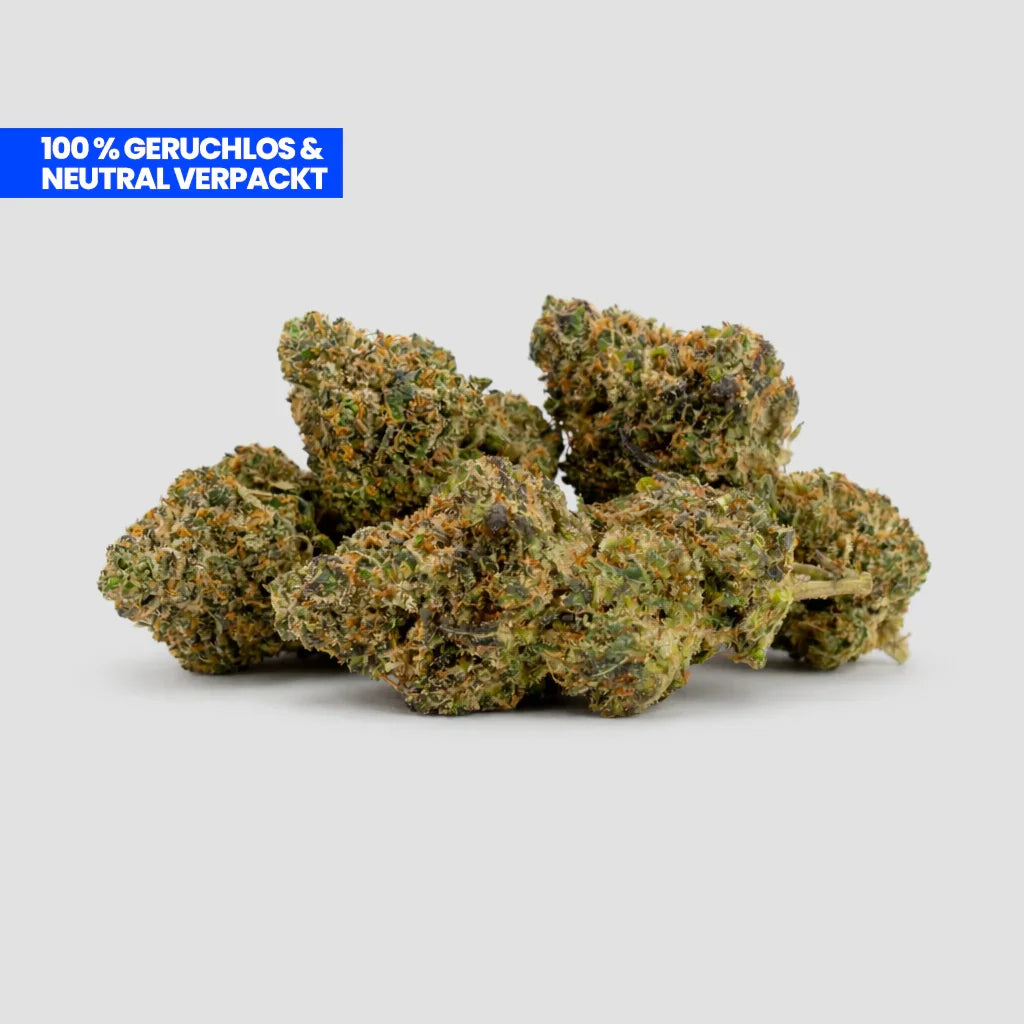
Jetzt THC-A ansehen →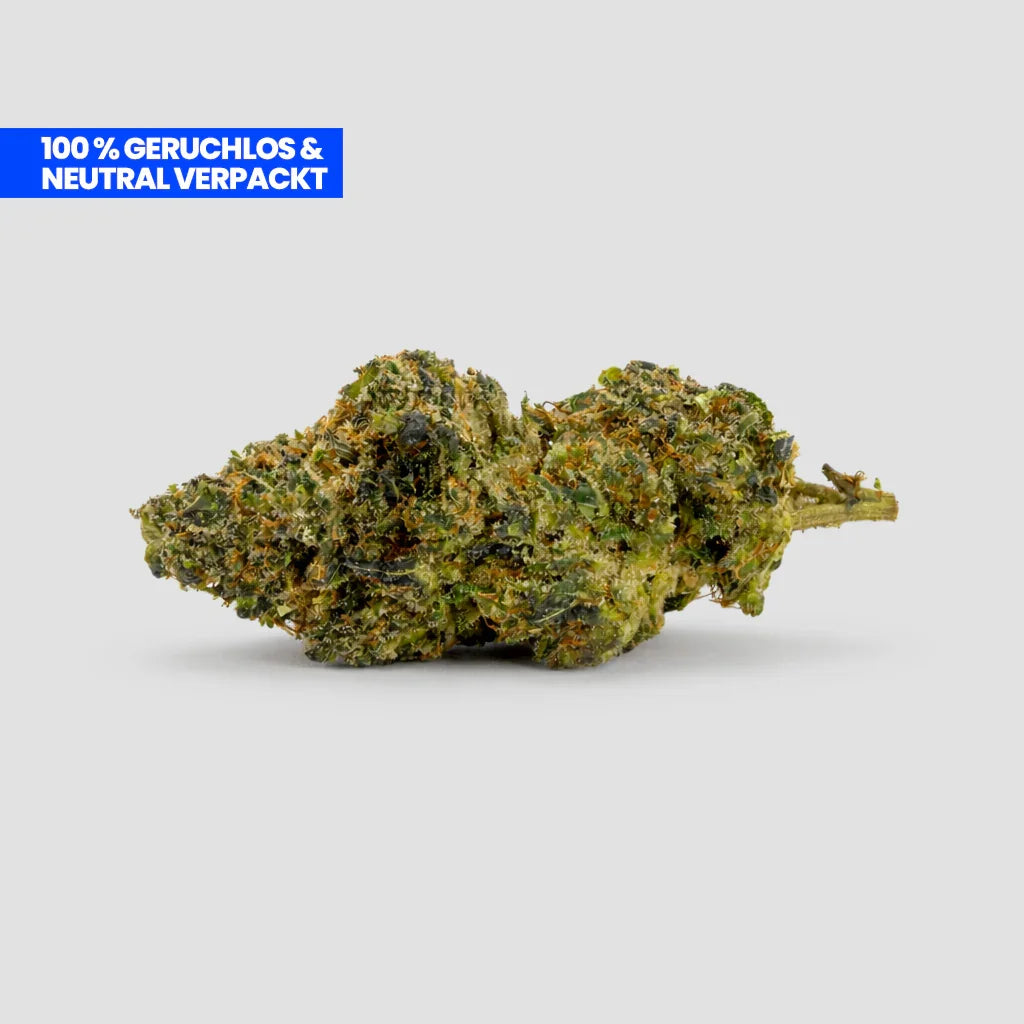

Share:
Black Friday 2025: Legale THC- & HHC-Deals im Überblick
2-FDCK: Wirkung, Biochemie & wissenschaftliche Einordnung