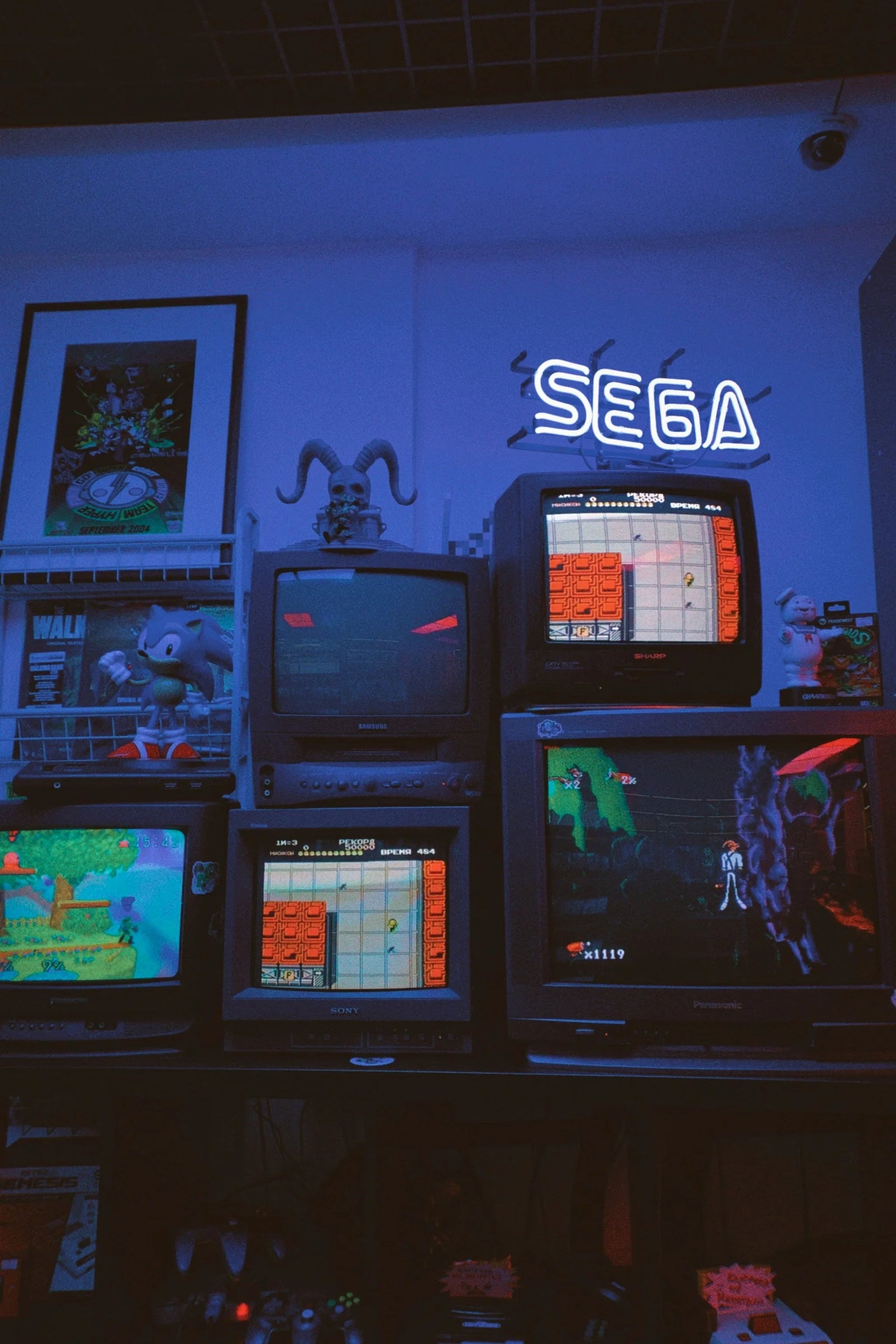
Smartshops sind im Jahr 2025 längst keine exotische Randerscheinung mehr. Im Gegenteil: Sie haben sich fest in der europäischen Subkultur verankert und teilweise sogar den Sprung in den Mainstream geschafft. Ob CBD-Öl im Drogeriemarkt oder ein 1S-LSD-Mikrodosing-Kit im Online-Shop – wer heute solche Produkte kauft, macht sich oft gar nicht bewusst, wie sehr sich die Szene in den letzten 20 Jahren gewandelt hat. Denn zu Beginn der 2000er-Jahre sah die Smartshop-Kultur noch völlig anders aus: Damals fand man alternative Substanzen meist nur in verrauchten Headshops mit Bob-Marley-Postern an den Wänden, gläsernen Bong-Vitrinen und geheimnisvollen, bunt verpackten „Räuchermischungen“, auf deren Tütchen meist „nicht für den menschlichen Verzehr“ stand . Diese Läden waren mehr Untergrund-Treffpunkt als moderner Store – ein bisschen verrucht, ein bisschen abenteuerlich.
Von diesen Anfängen an entwickelte sich die Szene in rasantem Tempo weiter. Online-Shops tauchten auf, die ersten „Legal Highs“ machten Schlagzeilen, und Gesetzesänderungen stellten das Angebot immer wieder auf den Kopf. Aus dem ehemals wilden Underground entstand allmählich ein professioneller Markt: Moderne Smartshops werben heute mit Transparenz, Labortests zur Reinheit der Produkte und freundlichem Kundenservice, während sie gleichzeitig innovative Neuheiten wie HHC, 1S-LSD oder THC-P pushen .


Dabei geht es in der Smartshop-Kultur um mehr als nur Produkte. Es geht um die Community, gemeinsame Erlebnisse auf Festivals und in Foren – kurz: um eine Subkultur, die sich ihren Platz zwischen Underground und Mainstream erkämpft hat. Hier stellt sich die Frage: Wie viel Underground steckt eigentlich noch in einer Szene, die immer kommerzieller wird? Und wohin führt die Reise in Zukunft?
Key Takeaways
- Smartshops haben sich seit den 2000ern stark gewandelt: von verrauchten Headshops zu professionellen Online-Stores mit wesentlich größerer Reichweite.
- Produkte im Wandel: Früher Spice & Salvia, heute CBD, HHC & 1S-LSD – die Angebotspalette hat sich komplett verändert.
- Community & Image: Vom geheimen Underground-Forum zur stylishen Social-Media-Präsenz und Lifestyle-Marke – die Szene ist offener und sichtbarer geworden.
- Gesetze als Gamechanger: Staatliche Regulierungen (z. B. das NpSG 2016) haben die Kultur geprägt und zu mehr Sicherheit und Seriosität geführt.
- Zielgruppen-Wachstum: Neben Hardcore-Psychonauten interessieren sich heute auch Wellness-Fans, Biohacker und spirituelle Entdecker für Smartshop-Produkte.
- Zukunft: Neue Substanzen, fortschreitende Legalisierung und technische Innovationen halten die Kultur dynamisch – sie bewegt sich weiterhin im Spannungsfeld zwischen Kommerzialisierung und lebendiger Subkultur.
- 1. Frühe 2000er: Wurzeln, Headshops und Goa-Boom
- 2. Mitte der 2000er: Der Sprung ins Internet
- 3. 2010er: Gesetzeswelle und Umbruch
- 4. Heute: Professionalisierung, Lifestyle & Mainstream
- 5. Neue Konsummuster und wachsende Zielgruppen
- 6. Subkultur vs. Mainstream: Spannungsfelder
- 7. Internationale Unterschiede
- 8. Psychedelik-Renaissance: Wissenschaft und Imagewandel
- 9. Zukunft der Smartshop-Kultur
- 10. FAQ
- 11. Disclaimer
Frühe 2000er: Wurzeln, Headshops und Goa-Boom
In den frühen 2000ern war die Welt der Smartshops eine völlig andere als heute . Damals gab es noch keine flächendeckenden Online-Shops, und wer nach „alternativen Substanzen“ suchte, musste persönlich in einen physischen Headshop gehen. Die Wurzeln dieser Szene liegen tatsächlich in den 90er-Jahren in den Niederlanden: 1993 eröffnete in Amsterdam der erste Smartshop namens Conscious Dreams, und bis 2001 schossen bereits rund 150 Smartshops im ganzen Land aus dem Boden . Im restlichen Europa stieg die Zahl solcher Läden Anfang der 2000er ebenfalls an – vor allem in Großstädten. Diese frühen Headshops versprühten einen ganz eigenen Charme: Sie waren oft klein, etwas schummrig und voller kurioser Accessoires – von Bong-Vitrinen bis zu Schwarzlicht-Postern. Kunden trafen sich dort nicht nur zum Einkaufen, sondern zum Plaudern und Erfahrungsaustausch, sodass der Shop oft zugleich Szene-Treffpunkt war.
Produkte: Zu den Favoriten jener Zeit gehörten sogenannte Räuchermischungen, die als vermeintlich harmlose Kräuterbündel verkauft wurden. In Wirklichkeit steckten dahinter oft mit synthetischen Cannabinoiden getränkte Kräuter, die beim Rauchen cannabisähnliche – teilweise sogar erheblich stärkere – Effekte erzielten. Ein bekannter Name aus dieser Ära ist Spice, eine Kräutermischung, die Mitte der 2000er plötzlich enorm an Popularität gewann und als legale Cannabis-Alternative durch die Decke ging. Ebenfalls hoch im Kurs war Salvia divinorum, ein damals legales, aber sehr potentes natürliches Halluzinogen (Wahrsagesalbei). Darüber hinaus fand man in den Regalen exotische Ethnobotanika wie Hawaiische Holzrosen (LSA-haltige Samen), Kratom-Pulver oder energiegeladene Kapseln mit Guarana und Ephedra. All diese Produkte waren relativ leicht verfügbar, doch ihre tatsächliche Wirkung war für viele Kunden ein Experiment mit unbekanntem Ausgang. Fast alle Artikel trugen aus rechtlichen Gründen den Aufdruck „not for human consumption“ – nicht zum menschlichen Verzehr –, was natürlich niemanden vom Ausprobieren abhielt .
Kultur: Die Szene der frühen 2000er war eng mit der Goa- und Psytrance-Kultur verzahnt. Bunte Open-Air-Festivals und verrauchte Kellerclubs boten den Nährboden für Experimente mit bewusstseinserweiternden Substanzen. Headshops fungierten nicht nur als Verkaufsorte, sondern auch als soziale Hubs: Man tauschte sich über Erlebnisse aus, gab sich Tipps oder stöberte gemeinsam in obskuren Produktkatalogen. Die Community war klein, eingeschworen und vom Underground-Charakter geprägt – viele kannten sich aus Internetforen oder von den immer gleichen Festival-Spots. Marketing existierte kaum in professioneller Form. Neuigkeiten über das neueste “Wundermittel” verbreiteten sich meist per Mundpropaganda oder allenfalls mittels Flyer, die in Clubs auslagen. Die Betreiber der Shops blieben gerne unter dem Radar; zu viel Aufmerksamkeit durch Medien oder Behörden wollte man lieber vermeiden.
Ein typischer Kauf in jenen Tagen: Ein Päckchen Spice oder eine Tüte Salvia, oft ohne Inhaltsangabe oder Dosierungshinweis. Dass manche dieser Legal Highs extrem potent oder gesundheitlich riskant sein konnten, wurde in der Öffentlichkeit selten thematisiert. Man bewegte sich in einer rechtlichen Grauzone und hoffte einfach das Beste. Die Kehrseite dieser unregulierten Freiheit zeigte sich in manchen negativen Schlagzeilen – doch dazu später mehr.
Mitte der 2000er: Der Sprung ins Internet
Mit dem Aufstieg des Internets Mitte der 2000er begann ein neues Kapitel der Smartshop-Kultur. Plötzlich konnte man Legal Highs & Co. bequem von zu Hause aus bestellen – anonym und diskret. Die ersten Online-Smartshops gingen live, oftmals als simple Webseiten, die nicht gerade durch schickes Design glänzten, aber dafür ein klares Versprechen gaben: „Diskreter Versand – 100% legale Alternativen!“. Für viele Konsumenten war das revolutionär: Kein schummeriger Laden mehr und keine neugierigen Blicke – stattdessen klickte man sich durchs virtuelle Sortiment und ließ sich die Ware per Post liefern. Das Internet machte Smartshop-Produkte damit einem viel breiteren Publikum zugänglich, auch abseits der Großstädte. Wer sich früher nicht in einen Headshop traute oder keinen in der Nähe hatte, brauchte nun nur noch ein paar Mausklicks.
Shops & Produkte: Neben den altbekannten Kräutermischungen tauchten in dieser Zeit die ersten Research Chemicals (RCs) auf. Dabei handelte es sich um neuartige, chemische Verwandte bekannter Drogen, die (noch) legal waren. Beispielsweise wurden 2C-B-Analoga (Varianten des psychedelischen 2C-B) beliebt, und erste experimentelle LSD-Derivate kursierten in der Szene. Auch neuartige stimulierende Party-Pillen und sogenannte Badesalze (synthetische Cathinone) eroberten den Markt. Die Produktpalette explodierte förmlich: Was immer noch legal war, wurde von findigen Shops angeboten. So konnten Konsumenten etwa BZP-haltige Aufputschpillen als vermeintlich harmlose Alternative zu Ecstasy kaufen, bis auch diese schließlich verboten wurden. In dieser goldenen Phase des “Chemie-Baukastens” fühlte es sich an, als käme jeden Monat etwas Neues heraus, das getestet werden wollte.
Community: Mit den Online-Shops wuchsen auch die Online-Communities. Internationale Foren wie Erowid und Bluelight sowie deutsche Plattformen wie Land der Träume oder Eve&Rave wurden zur Wissensbasis der Szene. Hier entstanden ausführliche Tripberichte, Diskussionen über Dosierungen und erste Warnungen vor Risiken – das geballte Schwarmwissen der Psychonauten wurde ausgetauscht. Erstmals konnten sich Konsumenten über Ländergrenzen hinweg direkt vernetzen: Ein Erfahrungsbericht aus Berlin wurde von jemandem in Amsterdam oder London gelesen und kommentiert, und umgekehrt. Dieses digitale Netzwerk erhöhte die Transparenz: Man war nicht mehr alleine mit seinen Experimenten, sondern lernte von den Fehlern und Erfolgen anderer. Die Szene begann, globaler zu denken und zu agieren.
Diese neue Online-Welt veränderte die Dynamik der Smartshop-Kultur grundlegend. Wissen verbreitete sich schneller, Trends schwappten innerhalb kürzester Zeit von einem Land ins nächste. Wer früher isoliert im eigenen Freundeskreis experimentierte, konnte nun von den Erfahrungen hunderter anderer lernen – ein echter Gamechanger für Sicherheit und Gemeinschaftsgefühl. Heutige Online-Smartshops sind zudem deutlich komfortabler und vertrauenswürdiger gestaltet als ihre Vorfahren. Wo damals schlichte HTML-Seiten genügten, erwartet dich heute ein durchdachtes Einkaufserlebnis – auch bei uns im Shop 😉. Doch bis es soweit war, sollte die Szene noch einige Hürden nehmen müssen…

Tabelle: Entwicklung der Smartshop-Kultur seit 2000
| Zeitraum | Typische Produkte | Szene/Community | Besonderheiten |
| Frühe 2000er | Räuchermischungen, Salvia divinorum, Ethnobotanik (Kräuter, Samen) | Goa- & Psytrance-Szene, Headshops als Treffpunkte | Kaum Infos, viel Mundpropaganda; rechtliche Grauzone |
| Mitte 2000er | Spice, erste RC-Pillen (2C-B-Analoga), BZP-Pillen | Online-Foren, globaler Austausch, erste Online-Shops | Start des Online-Handels; Legal Highs boomen kurzfristig |
| 2010–2015 | “Badesalze” (z. B. Mephedron), 2C-X & NBOMe, Trüffel (legale Pilz-Alternativen) | Foren + Festivals, wachsende Medienaufmerksamkeit | Erste große Verbotswellen (Analogs Act, EU-weite Bans); Negativschlagzeilen in Medien |
| Ab 2016 | CBD-Öle und -Blüten, Kratom, legale RCs (z. B. 1P-LSD) | Social Media, YouTube, Lifestyle-Magazine | NpSG in DE (2016) → Professionalisierung; Qualität und Seriosität im Fokus |
| Heute (2025) | HHC, THC-P, 1S-LSD, Microdosing-Kits, CBD & Nootropika | Breite Zielgruppe (von Kenner bis Neuling), Mainstream-Interesse | Labortests, Transparenz, Mainstreamisierung der Szene |
2010er: Gesetzeswelle und Umbruch
Die 2010er-Jahre brachten der Smartshop-Szene stürmische Zeiten – eine regelrechte Regulierungswelle rollte über die bis dahin fast unkontrollierte Landschaft. In Deutschland, Österreich und vielen anderen EU-Ländern begannen die Regierungen, mit sogenannten Analogiegesetzen und speziellen Neue-psychoaktive-Stoffe-Gesetzen (NpSG) ab 2010 zahlreiche Substanzen zu verbieten . Insbesondere das deutsche NpSG von 2016 markierte einen Wendepunkt: Es trat in Kraft und machte schlagartig ganze Produktkategorien illegal . Ähnlich drastisch ging Großbritannien mit dem Psychoactive Substances Act 2016 vor, der nahezu alle psychoaktiven Substanzen (ausgenommen etablierte Drogen wie Alkohol, Nikotin etc.) pauschal verbot. Diese Gesetze waren eine Reaktion auf die unüberschaubare Flut neuer Drogen und einige dramatische Vorfälle – sie zogen einen Schlussstrich unter das zuvor wild sprießende Legal-High-Angebot.
Folge für Shops: Viele der einst beliebten Produkte verschwanden quasi über Nacht aus den Regalen. Händler bekamen Listen mit Substanzen, die von einem Tag auf den anderen nicht mehr verkauft werden durften. Einige Smartshops mussten infolgedessen schließen, während andere ihren Sitz ins Ausland verlegten, um weiter operieren zu können. Für die Szene war das ein Schock – aber zugleich ein Weckruf zur Anpassung.
Neue Trends: Aus der Not heraus entstanden neue Chancen. Statt riskanter RC-Cocktails rückten nun Substanzen in den Fokus, die legal geblieben waren. Der wohl größte Gewinner dieser Entwicklung war CBD: Produkte aus der Hanfpflanze ohne Rauschwirkung (Öle, Blüten, Edibles) eroberten den Markt und zogen ein völlig neues Publikum an. Auch Kratom (ein Pflanzenpulver mit milder opioidähnlicher Wirkung aus Südostasien) sowie diverse räucherbare Kräuter und Adaptogene füllten die Lücke. Dieser grüne Markt entwickelte sich explosionsartig . Daneben tauchten auch weiterhin legale Research Chemicals auf – nun oft als Nischenprodukte und mit betont wissenschaftlicher Aufmachung. Die Szene suchte nach sicheren Häfen und fand sie in Naturprodukten und sanfteren Alternativen.
Kulturwandel: Mit den Gesetzesänderungen ging ein spürbarer Imagewechsel einher. Der Fokus verschob sich weg von reißerisch beworbenen “Legal Highs” hin zu Seriosität und Sicherheit . Smartshops reagierten mit mehr Transparenz und Professionalität: Labortests und Reinheitszertifikate wurden zum Standard, die Webshops übersichtlicher und informativer, die Sprache gegenüber Kunden sachlicher. Das Bild wandelte sich – vom verruchten Headshop hin zu einem vertrauenswürdigen Online-Anbieter】 . Viele Shops betonten nun Aspekte wie Qualität, Beratung und verantwortungsvollen Umgang. Begriffe wie “Räuchermischung” oder “Badesalz” verschwanden zugunsten von neutraleren Bezeichnungen. Kurz: Die Smartshop-Kultur reifte. Aus dem experimentierfreudigen Untergrund wurde ein Markt, der um Glaubwürdigkeit bemüht ist – nicht zuletzt, um langfristig überleben zu können.
Heute: Professionalisierung, Lifestyle & Mainstream
Moderne Smartshops sind anno 2025 kaum wiederzuerkennen. Sie setzen auf Branding, Social-Media-Marketing und ein Kundenerlebnis, das eher an eine Lifestyle-Marke erinnert als an einen Underground-Laden . Viele Anbieter präsentieren sich heute bewusst stylish: mit Instagram-Feeds voller Produktfotos, Influencer-Kooperationen und Blogs (so wie diesem hier) rund um das Thema. Ein Besuch im Online-Smartshop soll Spaß machen und Vertrauen erwecken – ganz anders als die schummrige Geheimniskrämerei von einst.
Produkte heute: Das Sortiment hat sich den neuen Regeln und Trends angepasst. Klassiker wie CBD-Blüten, Öle oder Hanf-Gummibärchen gehören mittlerweile zum Standardrepertoire beinahe jedes Shops. Dazu kommen neue Trend-Substanzen: etwa HHC (ein halbsynthetisches Cannabinoid mit mildem Cannabis-ähnlichem Effekt), THC-P (ein extrem potentes Cannabinoid-Derivat) oder 1S-LSD (eine legale Variante des LSD-Moleküls, beliebt fürs Microdosing). Auch legale Microdosing-Produkte auf Pilzbasis (z. B. Trüffel-Mikrodosen) und nootropische Lifestyle-Substanzen (etwa Fokus-Kapseln mit Lion’s Mane oder Ashwagandha) sprechen heute ein breites Publikum an. Die Vielfalt ist riesig – und für jeden Nutzer findet sich etwas Passendes, vom entspannten CBD-Teetrinker bis zum experimentierfreudigen Psychonauten.
Zielgruppe: Die Kundschaft ist breiter geworden als je zuvor . Nicht mehr nur Festivalgänger, Goa-Freaks und Kiffer fühlen sich angesprochen, sondern auch Neugierige ohne Szene-Hintergrund, Wellness- und Selfcare-Enthusiasten sowie Karrieremenschen auf der Suche nach dem gewissen Kick (Stichwort Microdosing). Selbst ältere Semester und gesundheitsbewusste Personen interessieren sich – dank CBD & Co. – plötzlich für Smartshop-Produkte. Was früher ein kleines Grüppchen Eingeweihter war, ist heute gesellschaftsfähig. Ein Betreiber eines Online-Shops in UK berichtete bereits 2009, dass seine Kunden vom Studenten bis zum Universitätsprofessor reichen – sogar ein Professor, ein Fotograf und ein Yacht-Verkäufer gehörten zur regelmäßigen Kundschaft . Er stellte fest: „Unsere Kunden sind nicht nur 18-jährige Kiffer, da draußen gibt es eine ganze Kultur vernünftiger Leute.“ Dieses Zitat von vor über 15 Jahren zeigt eindrücklich, wie sehr sich das Bild des typischen Konsumenten gewandelt hat.
Transparenz & Sicherheit: Moderne Shops punkten mit Vertrauen. Lab Reports, Analysenzertifikate und klare Sicherheitshinweise sind heute selbstverständlich einsehbar . Man legt Wert auf Aufklärung: Dosierungsanleitungen, Hinweise zu Wechselwirkungen und FAQs (siehe unten) sind oft auf den Webseiten zu finden. Viele Anbieter kooperieren mit Testlaboren oder veröffentlichen Chargen-Analysen, um Qualität zu garantieren. Diese Transparenz hätte man sich in den 2000ern gewünscht – heute ist sie Standard. Das Ergebnis: Kunden können deutlich sicherer sein, was sie konsumieren, als noch vor 20 Jahren.
Durch all diese Entwicklungen ist die Smartshop-Szene im Mainstream angekommen. Man findet CBD-Produkte inzwischen sogar in Drogeriemärkten oder Einkaufszentren; Microdosing wird in Lifestyle-Magazinen und Podcasts diskutiert; und Begriffe wie Psychedelika oder Ayahuasca sind in der Mitte der Gesellschaft keine Tabuwörter mehr. Gleichzeitig existiert weiterhin ein Untergrund, in dem härtere RCs zirkulieren und experimentiert wird. Die Kultur hat sich quasi zweigeteilt: kommerziell-professionell auf der einen Seite, subkulturell-experimentell auf der anderen . Beide Sphären koexistieren und beeinflussen einander – eine große, öffentliche Szene mit legalen Angeboten und eine kleine, verborgene mit geheimen Experimenten. Doch beide teilen die gleiche Wurzel: die Faszination für bewusstseinserweiternde Erfahrungen.

Neue Konsummuster und wachsende Zielgruppen
Früher ging es vielen Konsumenten vor allem um eines: Rausch und Party. Die Smartshop-Produkte der 2000er wurden meist auf Festivals, in Clubs oder im Freundeskreis konsumiert, um Spaß zu haben oder Neues auszuprobieren. Heute hingegen zeichnet sich ein deutlich verändertes Konsumverhalten ab. Immer mehr Menschen nutzen diese Substanzen bewusst und zielgerichtet – sei es zur Selbstoptimierung, zur Entspannung oder für spirituelle Zwecke.
Ein prominentes Beispiel ist der Trend zum Microdosing. Darunter versteht man die regelmäßige Einnahme minimaler Dosen von Psychedelika (z. B. LSD oder Psilocybin), ohne dabei voll in einen Rauschzustand zu geraten. Dieses Phänomen hat eine ganz neue Nutzergruppe geschaffen: die Selbstoptimierer. Sie versprechen sich von winzigen Mengen LSD am Morgen einen Kreativitäts- und Konzentrationsschub für den Arbeitstag. Was einst als Hippie-Spinnerei belächelt wurde, wird nun von Start-up-Gründern und Kreativdirektoren als Geheimtipp gehandelt. In Tech-Kreisen rund um Silicon Valley ist Microdosing beinahe Mainstream – und auch hierzulande interessieren sich immer mehr Berufstätige für diese Form des Brainhacking.
Auch Naturverbundene und Wellness-Fans entdecken die Smartshop-Welt für sich. Viele von ihnen bevorzugen pflanzliche Substanzen und Extrakte anstelle synthetischer Drogen. Sie experimentieren mit traditionellen Entheogenen wie Peyote-Kakteen, Magic Mushrooms (bzw. legal erhältlichen Trüffeln) oder Ayahuasca-Ansätzen im Rahmen von Retreats, um persönliche Erkenntnisse zu gewinnen – fernab von Party und Lärm. Andere greifen zu Adaptogenen und sanften Helfern für den Alltag, etwa Kräutermischungen für besseren Schlaf oder Microdoses von heilenden Pilzen (nicht-psychoaktive Sorten wie Lion’s Mane für kognitive Funktionen). Für sie steht die Gesundheit und Selbstfindung im Vordergrund, nicht der Kick.
Eine weitere wachsende Gruppe sind spirituelle Nutzer. Sie nutzen psychedelische Erfahrungen gezielt für persönliche Entwicklung, Meditation oder Therapie. Anstatt reinem Genusskonsum geht es ihnen um Selbsterkenntnis – etwa alte Traumata aufarbeiten, die eigene Kreativität entfesseln oder ein tiefes Verbundenheitsgefühl mit der Natur erleben. Die erneute wissenschaftliche Beschäftigung mit Psychedelika und Berichte über deren therapeutisches Potenzial haben dieser Gruppe Auftrieb gegeben. Was früher im Untergrund schamanischer Zeremonien stattfand, rückt heute dank Netflix-Dokus und Bestsellern ins Licht der Öffentlichkeit. Plötzlich diskutieren auch eher konservative Menschen über die seelischen Benefits eines psilocybinunterstützten Coachings.
Insgesamt lässt sich der typische Smartshop-Kunde heute kaum noch in eine Schublade stecken. Er oder sie kann 20 oder 60 Jahre alt sein, in der Bank arbeiten oder als Yogalehrer – und völlig unterschiedliche Absichten verfolgen. Diese Öffnung der Konsumkultur zeigt, wie sehr sich die Szene gewandelt hat: vom eingeschworenen Kreis Eingeweihter hin zu einer breiten Community, in der Neugier, Eigenverantwortung und persönliches Wachstum zentrale Rollen spielen.
Subkultur vs. Mainstream: Spannungsfelder
Die Smartshop-Kultur lebt seit jeher von einem Spannungsfeld zwischen Underground und Mainstream . Jetzt, da sie immer mehr Anerkennung findet, wird dieses Spannungsfeld deutlicher denn je. Früher war die Szene klein, rebellisch und unkommerziell – stark mit bestimmter Musik (Goa, Psytrance, Techno) verbunden und mit einer gewissen Gegenkultur-Attitüde . Heute sind Smartshops professionelle Shops mit schicker Aufmachung, Influencer-Werbung und Social-Media-Präsenz . Was früher im Verborgenen gemunkelt wurde, springt einen jetzt als Werbeanzeige auf Instagram an.
Das wirft die Frage auf: Geht der Szene dabei ihre „Seele“ verloren? Oder war dieser Schritt zur Professionalisierung nicht vielleicht notwendig, um Konsumenten mehr Sicherheit zu geben ? Die Meinungen in der Community sind gespalten. Manche altgediente Veteranen trauern den “goldenen Zeiten” nach, als alles kleiner, geheimer und in ihren Augen authentischer war. Sie befürchten, dass die Kommerzialisierung der Kultur ihren ursprünglichen Spirit nimmt – die Experimentierfreude, den Gemeinschaftssinn, das Rebellische. Neueinsteiger hingegen begrüßen die heutige Offenheit. Endlich muss man sich nicht mehr schämen oder fürchten, wenn man ein legales High ausprobieren will. Die Transparenz und Qualität von 2025 gibt vielen ein Gefühl von Sicherheit, das früher fehlte – und ermöglicht es mehr Menschen, überhaupt neugierig zu werden.
Wahrscheinlich liegt die Wahrheit wie so oft in der Mitte. Die Smartshop-Kultur steht nun vor der Herausforderung, ihre Wurzeln und die kreative Subkultur lebendig zu halten, während sie gleichzeitig im Mainstream größer wird. Es gilt, den Spagat zu schaffen: Das Lebensgefühl und die Innovation der Underground-Renaissance zu bewahren, aber auch die Vorteile der Professionalisierung – bessere Produkte, mehr Sicherheit, breitere Akzeptanz – zu nutzen. Dieses Spannungsfeld zwischen Authentizität und Kommerz wird die Szene wohl auch in Zukunft begleiten.
Internationale Unterschiede
Die Smartshop-Kultur ist stark vom Land abhängig – jedes Land hat seine eigenen Gesetze und damit eine eigene Ausprägung der Szene . Schauen wir auf einige Beispiele in Europa:
- Niederlande: Hier begann alles. Die Niederlande sind der unangefochtene Pioniermarkt für Smartshops. In Amsterdam öffnete bereits in den 1990ern der erste Smartshop seine Türen, und bis heute sind solche Läden dort legal etabliert. Man kann offen Trüffel, Salvia, CBD und Microdosing-Produkte kaufen . Nach dem Verbot von getrockneten Magic Mushrooms 2008 wichen die Shops einfach auf die weiterhin legalen Magic Truffles (Psilocybin-haltige Sklerotien) aus – ein Beleg für die kreative Anpassungsfähigkeit. Die offene Drogenpolitik sorgt dafür, dass man in Amsterdam ganz unbefangen im Laden über Microdosing sprechen kann, während in anderen Ländern vieles hinter verschlossenen Türen bleibt . Insgesamt hat die tolerante Haltung in NL eine lebendige, auch touristisch geprägte Smartshop-Kultur hervorgebracht, in der Aufklärung und Qualität großgeschrieben werden.
- Deutschland: Hier ist die Lage deutlich restriktiver. Online-Smartshops müssen sich in rechtlichen Grauzonen bewegen, physische Läden mit großer Produktauswahl gibt es so gut wie keine . Wer in Deutschland Smartshop-Artikel verkaufen will, tut dies meist online und oft mit dem Hinweis “nur für Forschungszwecke” (um dem Arzneimittelgesetz zu entgehen). Headshops vor Ort beschränken sich meist auf Zubehör wie Bongs, Grinder und Samen – psychoaktive Produkte führen sie kaum, da viele Substanzen dem Betäubungsmittelgesetz unterliegen. Die Folge: In Deutschland läuft vieles diskret ab, und die Szene ist vergleichsweise klein. Während man in Amsterdam offen im Geschäft über Microdosing plaudert, geschieht in Berlin vieles noch hinter vorgehaltener Hand . Positiv zu vermerken ist, dass mittlerweile CBD und Hanfprodukte auch hier bekannter werden – doch insgesamt ist die Smartshop-Kultur in Deutschland eher vorsichtig und versteckt.
- Spanien: In Spanien prägen die Cannabis Social Clubs die alternative Drogenszene. Diese mitgliederbasierten Clubs (vor allem in Katalonien) erlauben Cannabis-Konsum in privaten Rahmen und genießen eine geduldete Stellung. Smartshops im klassischen Sinn sind eher ein Nebensegment. Es gibt zwar Headshops und einige Läden, die z. B. Kräuterextrakte, Samen oder psychedelische Trüffel-Kits verkaufen, doch die breite Öffentlichkeit nimmt eher die Cannabis-Kultur wahr. Eine Besonderheit in Spanien ist die lebendige Festival-Szene (z. B. Psytrance-Festivals), wo durchaus auch Smartshop-Produkte kursieren – aber die Infrastruktur drumherum ist nicht so ausgeprägt wie in NL.
- Österreich & Schweiz: Beide Länder sind in ihrer Gesetzgebung ähnlich strikt wie Deutschland, haben aber teils eigene Schwerpunkte. In Österreich wurde das Neue-Psychoaktive-Substanzen-Gesetz bereits 2012 eingeführt, was der Legal-High-Szene früh den Garaus machte. Headshops konzentrieren sich hier – soweit vorhanden – auf CBD und klassische Raucherbedarfsartikel. In der Schweiz sind kleine Mengen Cannabis seit einigen Jahren entkriminalisiert, und CBD-Hanf (bis 1% THC) ist legal, was zu einem kleinen Boom von CBD-Shops geführt hat. Dafür sind andere Substanzen (Psychedelika, RCs) genauso verboten wie in den Nachbarländern. Insgesamt heißt das: Was in einem Land offen im Laden steht, kann im nächsten streng verboten sein. Grenzüberschreitendes Online-Shopping ist daher für viele Interessierte üblich. So bestellen manche Deutsche ihre Trüffel in den Niederlanden – stets mit Blick auf die Gesetzeslage.
Psychedelik-Renaissance: Wissenschaft und Imagewandel
In den letzten Jahren erleben wir eine wahre Renaissance der Psychedelika – und das bleibt nicht ohne Einfluss auf die öffentliche Wahrnehmung. Renommierte Universitäten und Forschungszentren weltweit – von der Johns Hopkins University in den USA bis zum Imperial College London – haben neue Programme zur Erforschung psychedelischer Substanzen aufgelegt . Substanzen wie LSD, Psilocybin (aus Magic Mushrooms) oder MDMA, die einst als gefährliche Rauschmittel verschrien waren, werden nun in klinischen Studien auf ihr therapeutisches Potenzial untersucht. Erste Ergebnisse sind vielversprechend: So berichteten in einer Studie rund 71% der Patienten, die Psilocybin gegen schwere Depression erhielten, von einer mindestens halbierten Symptomatik – bei der Hälfte verschwanden die Depressionssymptome sogar ganz. Solche Schlagzeilen machen aus ehemals verrufenen “Hippie-Drogen” plötzlich potenzielle Heilmittel.
Parallel dazu lockern einige Regionen die Gesetze. In mehreren US-Bundesstaaten wurden psychedelische Therapien jüngst legalisiert oder Substanzen zumindest entkriminalisiert . Auch in Europa diskutiert man vorsichtig über medizinischen Einsatz (etwa Psilocybin in der Psychotherapie). Die Medien sprechen bereits vom “psychedelic revival”. Populäre Netflix-Dokus und Bestseller-Bücher (z. B. von Journalist Michael Pollan) haben das Thema in bürgerliche Wohnzimmer gebracht.
All das trägt zu einem Imagewandel bei. Psychedelische Substanzen werden zunehmend als ernstzunehmende Tools für Therapie und persönliches Wachstum betrachtet, anstatt pauschal als Teufelszeug abgetan zu werden. Das alte Stigma bröckelt. Für die Smartshop-Kultur ist diese Entwicklung ein Segen: Das gestiegene öffentliche Interesse und die wissenschaftliche Legitimation erleichtern es, über Substanzen offen zu sprechen und neue Kundengruppen anzusprechen. Wenn angesehene Forscher LSD & Co. eine potenzielle positive Wirkung bescheinigen, trauen sich plötzlich auch Menschen in den Smartshop, die früher niemals daran gedacht hätten. Natürlich gibt es weiterhin Skepsis in Teilen der Bevölkerung – aber insgesamt weicht die Angst zunehmend einer neugierigen Offenheit. Und diese Offenheit schafft Raum für weitere Fortschritte und Innovationen in der Szene.

Zukunft der Smartshop-Kultur
Die Zukunft der Smartshop-Kultur verspricht spannend zu bleiben. Viel hängt von der weiteren Legalisierungsdebatte ab: Sollte etwa Cannabis in immer mehr Ländern legal werden (Deutschland plant z. B. 2024 erste Schritte), könnten Smartshops dadurch neuen Auftrieb erhalten – oder aber Konkurrenz durch staatlich lizenzierte Verkaufsstellen bekommen. Einerseits würde eine Legalisierungswelle solche Angebote weiter normalisieren (wer THC-Produkte frei kaufen darf, hat weniger Berührungsängste mit anderen Smartshop-Waren). Andererseits könnten große Firmen oder Pharmaunternehmen in den Markt drängen, was für die bisherigen Anbieter neuen Wettbewerbsdruck bedeutet.
Neue Substanzen: Sicher ist: Die Chemie-Branche bleibt erfinderisch. Es werden ständig neue Cannabinoid-Varianten und Design-Psychedelika entwickelt, um den rechtlichen Grauzonen einen Schritt voraus zu sein. Schon jetzt experimentieren Hersteller mit Verbindungen wie HHC-O oder THC-O (Acetate, die noch stärker wirken sollen) und neuartigen Lysergamiden – Varianten des LSD-Grundgerüsts, die (noch) legal sind. Solche Innovationen werden weitergehen und voraussichtlich die Trends von morgen setzen . Die Szene hat in der Vergangenheit gezeigt, dass sie sich schnell anpasst: Kaum ist ein Wirkstoff verboten, steht der nächste in den Startlöchern. Dieses Katz-und-Maus-Spiel zwischen Chemikern und Gesetzgebern dürfte uns also erhalten bleiben.
Technologie & Vertrieb: Auch technisch dürfte sich einiges tun. E-Commerce und Digitalisierung werden das Smartshop-Erlebnis weiter verbessern. Denkbar sind z. B. personalisierte Empfehlungen per KI – Shops, die anhand deines Profils das optimale Microdosing-Produkt vorschlagen. Oder spezielle Apps, die einen sicheren Konsum unterstützen (etwa Timer für Dosierungsabstände, Communities zum Erfahrungsaustausch). Vielleicht werden wir auch VR-Erlebnisse auf Messen und Festivals sehen, bei denen man die Wirkung virtuell simulieren kann, bevor man kauft. Und in puncto Versand könnten künftig Lieferdrohnen oder ultraschnelle Zustelldienste den Online-Kauf noch attraktiver machen. Kurz gesagt: Die Technologisierung wird die Smartshop-Szene wahrscheinlich noch bequemer und vernetzter machen.
Kommerz vs. Nische: Denkbar ist zudem, dass sich die bereits erwähnte Zweiteilung der Szene weiter verstärkt . Ein großer Teil wird hochprofessionell und massentauglich – vielleicht sehen wir eines Tages offizielle Regale für bestimmte Smartshop-Produkte in normalen Läden. Parallel dazu wird es aber immer Nischen-Communities geben, die abseits des Mainstreams experimentieren und neue Subkulturen bilden. Diese kleinen Zirkel könnten sich auf besonders ausgefallene neue Substanzen stürzen oder alte Rituale (z. B. traditionelle Pflanzenmedizin) pflegen, unabhängig vom kommerziellen Treiben. Beide Strömungen – der große Markt und die kleinen Untergrund-Inseln – werden weiterhin koexistieren und sich gegenseitig inspirieren.
So oder so – die Smartshop-Kultur bleibt in Bewegung. Für Enthusiasten und Neugierige heißt das: Es gab noch nie einen besseren Zeitpunkt, um sich selbst ein Bild zu machen. Entdecke jetzt die bunte Welt unseres Smartshops und finde heraus, was dich am meisten fasziniert. Dein nächstes Kapitel in dieser Geschichte wartet schon darauf, geschrieben zu werden!
FAQ
Wann begann die Smartshop-Szene in Europa?
Die Wurzeln liegen in den späten 1990ern in den Niederlanden. Richtig Fahrt nahm die Szene aber Anfang der 2000er auf – mit Headshops in Großstädten, die legale Alternativen zu damals illegalen Drogen anboten. Von dort aus verbreitete sie sich schnell in andere Länder.
Welche Produkte dominierten damals?
In den 2000ern waren vor allem Räuchermischungen (wie etwa Spice) und Salvia divinorum sehr beliebt. Daneben gab es ein Sammelsurium an pflanzlichen Extrakten, Samen und ersten synthetischen Research Chemicals, die noch legal waren. Diese Produkte prägten die Frühphase der Smartshops, bevor später CBD & Co. auftauchten.
Wie haben Gesetze die Szene verändert?
Gesetze haben einen riesigen Einfluss gehabt. Durch diverse Verbote ab den 2010ern (z. B. NpSG 2016 in Deutschland) verschwanden viele ursprüngliche Legal Highs vom Markt. Das hat die Szene gezwungen, sich neu zu erfinden: Heute stehen statt Spice & Co. eher CBD, HHC und andere verbleibende legale Stoffe im Vordergrund. Insgesamt wurden die Angebote durch Regulierungen zwar eingeschränkt, aber auch sicherer und professioneller.
Sind Smartshops heute sicherer als früher?
Ja – zumindest bei seriösen Anbietern sind Smartshop-Produkte heute deutlich sicherer als früher. Es gibt Labortests, Reinheitszertifikate und klare Infos zu Wirkung und Dosierung, was früher selten der Fall war. Natürlich bleibt ein Restrisiko, aber im Vergleich zu den unbeschrifteten Päckchen der 2000er hat sich viel zum Positiven verbessert.
Disclaimer
Dieser Artikel dient ausschließlich zu Informationszwecken und möchte niemanden zum Konsum von 3-FPO oder ähnlichen Produkten verleiten. Unsere Produkte sind ausschließlich für wissenschaftliche Zwecke gedacht. Bitte informiere dich vor dem Kauf stets über die aktuelle Gesetzeslage in deinem Land.


🏪 Smartshop bei Happyflower entdecken
Laborgeprüft · Diskret versandt · ⭐ 4,6/5 (750+ Bewertungen)
Jetzt Smartshop ansehen →
Share:
THC Space Shots erklärt: Wirkung, Risiken & Hype 2025
Research Chemicals erklärt – Chancen, Risiken und die Rolle von Smartshops