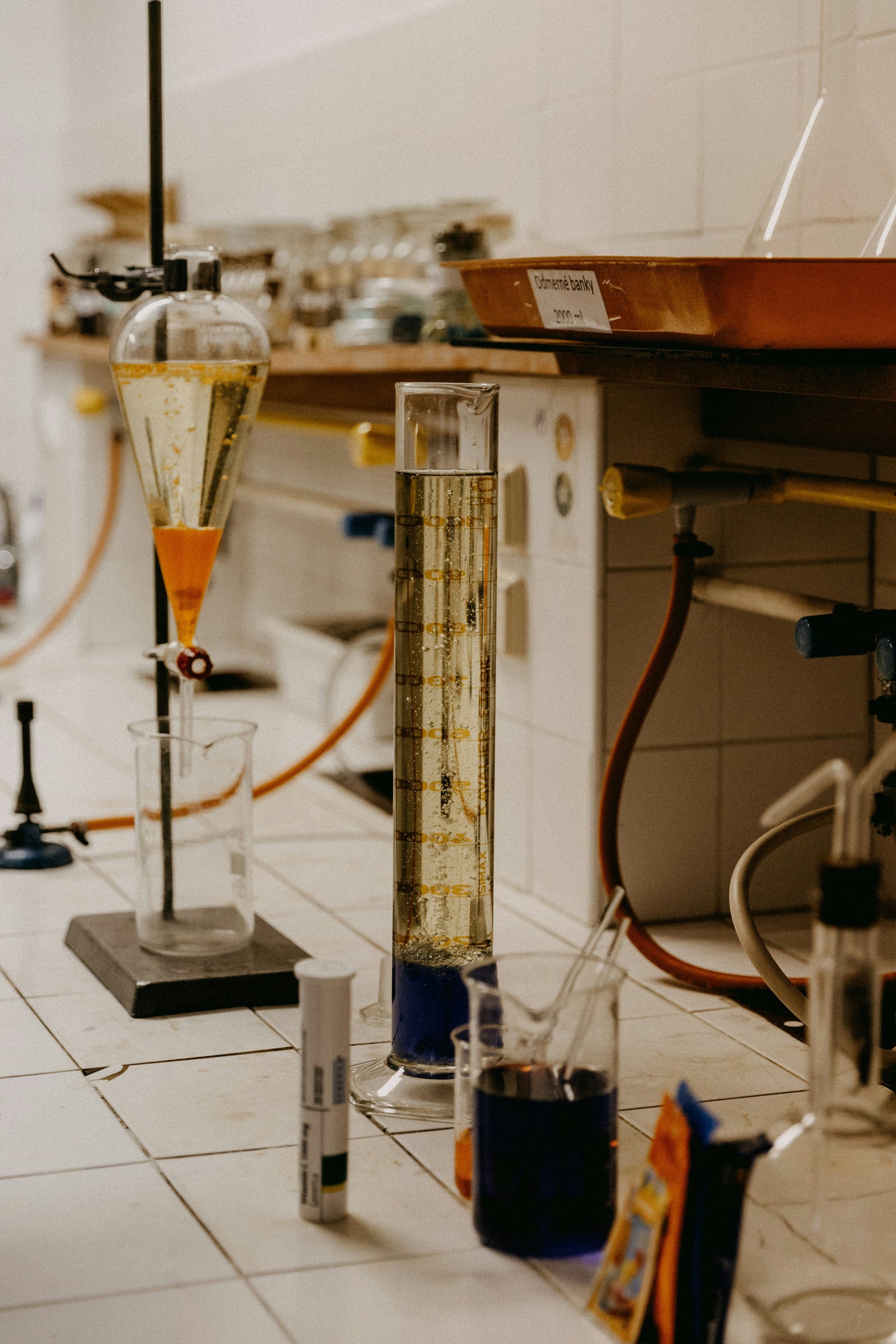
Kurz beantwortet: Research Chemicals (RCs) sind neue psychoaktive Substanzen, die ausschließlich zu Forschungszwecken gehandelt werden. In Deutschland zieht das NpSG die Grenzen, was verkehrsfähig ist, ändert sich mit jeder Stoffgruppen-Anpassung. Dieser Guide erklärt Chancen, Risiken und woran Du seriöse Smartshops erkennst. Research Chemicals kaufen – ausschließlich für Forschungszwecke. Ein Beispiel für sauber dokumentierte Forschungssubstanzen: unser 4-Pro-MET-Guide.
Was sind Research Chemicals?
Der Begriff Research Chemicals (RCs) bezeichnet neuartige psychoaktive Substanzen, die meist durch leichte chemische Abwandlungen bekannter Drogen entstehen. Das Ziel dieser Modifikationen ist oft, bestehende Drogengesetze zu umgehen – die Moleküle werden so verändert, dass sie (noch) nicht unter das Betäubungsmittelgesetz fallen . Die Wirkung bleibt dabei ähnlich oder kann sogar verstärkt sein . Kurz gesagt: RCs sind Designerdrogen oder Legal Highs, die (vorerst) legal erhältlich sind.
Typischerweise deklarieren Hersteller Research Chemicals als „Nur für Forschungszwecke – nicht für den menschlichen Konsum geeignet“ . Dieser Warnhinweis ist rechtlich taktisch: Was offiziell nicht zum Verzehr bestimmt ist, fällt in vielen Ländern nicht unter die Arznei- oder Betäubungsmittelgesetze. So bewegen sich RCs in einer Grauzone. Für Konsument*innen bedeutet das einerseits legalen Zugang, andererseits fehlen oft Qualitätskontrollen wie bei regulierten Arzneimitteln.
Beispiele:
- 1S-LSD – ein Derivat des klassischen LSD, mit ähnlicher halluzinogener Wirkung (ein legales Psychedelikum in einigen Ländern).
- HHC – ein halbsynthetisches Cannabinoid, verwandt mit THC, das als legaler Cannabis-Ersatz angeboten wird.
Diese Beispiele zeigen das Prinzip: Bekanntes Molekül leicht verändern, neuen Namen vergeben und legal verkaufen. Doch was macht man mit diesen Substanzen, woher kommen sie und wie haben sie sich entwickelt?


Key Takeaways
- Was sind RCs? Research Chemicals sind synthetische Substanzen und oft legale Alternativen zu verbotenen Drogen – z.B. LSD-Derivate oder neue Cannabinoide. Sie werden meist mit dem Hinweis „nicht für den menschlichen Konsum“ verkauft, um gesetzliche Grauzonen zu nutzen .
- Chancen: Legalität (kein Konflikt mit dem Gesetz), große Vielfalt an Substanzen, innovative Wirkstoffe und Wirkungen, potentiell neue therapeutische Möglichkeiten (z.B. Microdosing).
- Risiken: Unklare Dosierungen, kaum Langzeitstudien, mögliche Verunreinigungen und unkalkulierbare Wirkungen (Bad Trips, psychische Belastungen). Außerdem kann heute legales RC morgen verboten sein.
- Smartshops : Smartshops machen RCs leicht zugänglich und setzen auf Aufklärung, laborgeprüfte Qualität und legale Rahmenbedingungen. Als moderne Smartshops prägen sie Trends, bieten sichere Bezugsquellen und klären über Harm Reduction auf.
- Sicherer Umgang: Beim Research Chemicals kaufen gilt: nur RCs legal kaufen (über vertrauenswürdige Shops), klein anfangen, Substanzen testen lassen und Risiken bewusst managen – dann steht einem positiven Erlebnis wenig im Wege.
- 1. Was sind Research Chemicals?
- 2. Die Entstehungsgeschichte der RCs
- 3. Typen von Research Chemicals und ihre Wirkungen
- 4. Chancen und Vorteile von Research Chemicals
- 5. Risiken und Gefahren transparent eingeordnet
- 6. Die Rolle der Smartshops – Aufklärung und sichere Bezugsquellen
- 7. Research Chemicals kaufen
- 8. – Tipps für einen sicheren & legalen Kauf
- 9. Ausblick: Ein neues Zeitalter für bewusste Konsument*innen
-
10. FAQ zu Research Chemicals
- 10.1 Was sind Research Chemicals?
- 10.2 Sind Research Chemicals legal?
- 10.3 Welche Wirkung haben Research Chemicals?
- 10.4 Sind Research Chemicals sicher?
- 10.5 Warum über Smartshops kaufen und nicht auf dem Schwarzmarkt?
- 10.6 Welche Research Chemicals sind besonders beliebt?
- 10.7 Kann man mit Research Chemicals Microdosing betreiben?
- 10.8 Wie finde ich die richtige Dosierung bei Research Chemicals?
- 10.9 Welche Rolle spielt HappyFlower bei Research Chemicals?
Die Entstehungsgeschichte der RCs
Research Chemicals sind keine brandneue Erfindung. Bereits in den 1960ern experimentierte der Chemiker Alexander Shulgin mit neuen Tryptaminen und Phenethylaminen und veröffentlichte seine Ergebnisse später in legendären Büchern wie PiHKAL und TiHKAL . Shulgin entdeckte dutzende neuartige Psychedelika – der Startschuss für eine Entwicklung, die bis heute anhält.
Richtig Fahrt nahm die RC-Welle aber erst ab den 1990ern auf. In dieser Zeit fluteten die ersten Designer-Drogen den Markt: Beispielsweise wurde die von Shulgin entwickelte Partydroge 2C-B zeitweise legal verkauft, und in Kräutermischungen wie Spice fanden sich synthetische Cannabinoide als legale Alternativen zu Cannabis. Jedes Mal, wenn Behörden reagierten und eine Substanz verboten, schufen clevere Chemiker bereits die nächsten Varianten:
- Spice-Verbot? → Neue synthetische Cannabinoide wurden entwickelt, um das Verbot zu umgehen.
- LSD reguliert? → Es tauchten neuartige Lysergamide (LSD-Analoga) auf wie 1cP-LSD, 1V-LSD oder 1S-LSD.
- Cannabis-Boom? → Halb- und vollsynthetische Cannabinoid-Derivate wie HHC, THC-O oder Delta-10 eroberten den Markt.
Mit jeder Gesetzesänderung entstand also eine neue Generation von RCs. Die Szene ist ständig in Bewegung – neue Substanzen entstehen schneller, als Gesetze greifen können . So wurden in Europa bis Ende 2023 bereits über 950 neue psychoaktive Substanzen erfasst . Aktuell kommt im Durchschnitt jede Woche etwa ein neuer Stoff hinzu . Dieser rasante Zyklus gleicht einem Katz-und-Maus-Spiel zwischen Herstellern und Gesetzgebern.
Wussten Sie schon? Deutschland hat 2016 mit dem Neue-psychoaktive-Stoffe-Gesetz (NpSG) ganze Stoffgruppen pauschal verboten, um der RC-Flut Herr zu werden. Doch selbst dieses Gesetz muss ständig erweitert werden, da findige Entwickler immer wieder chemische Strukturen finden, die nicht erfasst sind .
Typen von Research Chemicals und ihre Wirkungen
So vielfältig wie die Welt der Drogen ist, so abwechslungsreich ist die RC-Wirkung – je nach Substanzklasse bieten Research Chemicals unterschiedliche Effekte. Hier ein Überblick über typische RC-Typen und Beispiele:
Legale Psychedelika (Lysergamide & Tryptamine)
Hierzu zählen LSD-ähnliche Moleküle (Lysergamide) und DMT-Analoga (Tryptamine). Sie werden als legale Psychedelika gehandelt, da sie intensive halluzinogene Erfahrungen ermöglichen, aber (noch) nicht dem BtMG unterliegen. Beispiele sind 1cP-LSD, 1V-LSD und 1S-LSD – alles Derivate des klassischen LSD. Ihre Wirkung umfasst oft farbenprächtige Visionen, verändertes Zeitgefühl und tiefe introspektive Gedanken wie bei LSD, teilweise mit leichten Variationen in Intensität oder Dauer. Auch 4-AcO-DMT oder 4-Pro-MET gehören dazu – synthetische Verwandte des Pilzwirkstoffs Psilocin/DMT, die bunte, psychedelische Trips hervorrufen. Viele Psychonauten schätzen diese RC-Psychedelika, weil sie neue Nuancen des „Trip-Erlebens“ bieten und in microdosierten Mengen sogar für Kreativität und Fokus im Alltag eingesetzt werden.
Synthetische Cannabinoide (Cannabis-Alternativen)
Diese RCs richten sich an Fans des Cannabis-Rausches. Synthetische Cannabinoide wie HHC, HHC-O oder THC-P ahmen die Wirkung von THC nach – Entspannung, leichtes High, oft auch gesteigerter Appetit und Euphorie. Sie werden teils als Öle, Vapes oder mit CBD-Blüten vermischte Produkte verkauft. Der Reiz: Sie sind (je nach aktueller Gesetzeslage) legal erhältlich und bieten teilweise eine stärkere oder anders akzentuierte Wirkung als natürliches THC. Beispielsweise berichten Nutzer, HHC habe eine milde, klare Euphorie mit weniger Intensität als reguläres Cannabis – ideal für Einsteiger. Allerdings können andere Vertreter wie THC-P sehr potent sein, teils stärker wirksam als THC selbst . Hier ist also Vorsicht bei der Dosierung geboten. Insgesamt erweitern diese RC-Cannabinoide das Spektrum für Konsument*innen, die auf der Suche nach legalen Alternativen zu Cannabis sind.
Stimulierende und empathogene RCs (Stimulanzien & Entactogene)
Im Bereich der Stimulanzien gibt es Research Chemicals, die den Effekten von Amphetaminen, MDMA oder Kokain nahekommen. Cathinone wie 3-MMC (Ersatz für das verbotene 4-MMC/Mephedron) oder MDPV sowie diverse Phenethylamine (z.B. Varianten der 2C-B- oder NBOMe-Familie) fallen in diese Kategorie. Ihre Wirkung: gesteigerte Energie, Wachheit, Euphorie und teils empathiefördernde Effekte – aber auch ein erhöhtes Risiko für Herz-Kreislauf-Stress. Ein bekanntes Beispiel war die „Badesalz“-Welle um 2010, wo cathinonhaltige RCs für Partys beliebt wurden. Moderne Smartshops führen solche stark stimulierenden RCs jedoch seltener im Sortiment, da die Nachfrage sich mehr auf Psychedelika und Cannabis-Alternativen fokussiert. Nichtsdestotrotz existieren sie auf dem Markt und zeigen, wie breit gefächert die RC-Palette ist.
(Hinweis: Daneben gibt es noch weitere RC-Gruppen, z.B. neuartige Benzodiazepine oder Opioide. Diese spielen in Smartshops allerdings kaum eine Rolle, da sie primär in Online-Nischen und nicht öffentlich beworben verkauft werden. Außerdem sind die Risiken dort besonders hoch, weshalb Einsteiger besser bei oben genannten, moderateren Kategorien bleiben sollten.)

Chancen und Vorteile von Research Chemicals
Warum überhaupt zu Research Chemicals greifen? Trotz aller Vorsicht bieten RCs tatsächlich einige Chancen und Vorteile, besonders für mündige Konsument*innen, die sich informieren:
- Legalität & weniger Risiko: Viele RCs kann man legal kaufen, ohne Gesetzeskonflikt oder Strafangst. Solange eine Substanz nicht gelistet ist, macht man sich beim Besitz nicht strafbar. Das ermöglicht Zugang zu psychoaktiven Erfahrungen, ohne in kriminelle Milieus abzudriften. Zudem entfällt durch die Legalität oft der Kontakt zum Schwarzmarkt – sicherer Kauf statt dubioser Deal auf der Straße. (Wichtig: Die Gesetzeslage sollte man natürlich im Blick behalten, da sich Verbote ändern können.)
- Vielfalt & Innovation: Der RC-Markt bietet eine enorme Vielfalt an Molekülen. Für nahezu jede klassische Droge gibt es innovative Alternativen. Lust auf einen Trip, aber LSD ist nicht verfügbar? Probiere 1V-LSD oder 4-Pro-MET. Auf der Suche nach einem Cannabis-Ersatz? HHC oder andere Cannabinoid-Derivate stehen bereit. Diese Innovation ermöglicht neue Erfahrungen, die es so zuvor nicht gab – ein Plus an Experimentierfreude und Anpassung an individuelle Vorlieben.
- Kontrollierte Dosierung & Reinheit: Ein oft genannter Vorteil ist, dass man RCs in Smartshops in klar definierten Dosierungen und meist reiner Form erhält. Seriöse Anbieter lassen ihre Produkte labortesten und deklarieren den Wirkstoffgehalt . Im Vergleich zum Straßenkauf – wo Streckmittel und unbekannte Konzentrationen ein Problem sind – hat man so mehr Kontrolle über das, was man konsumiert. (Tipp: Achte auf Shops, die Analysenzertifikate oder Reinheitsangaben bereitstellen.)
- Potentieller therapeutischer Nutzen: Einige Research Chemicals könnten in Zukunft auch therapeutisch interessant sein. Beispielsweise wird Microdosing mit LSD-Analoga wie 1P-LSD oder 1S-LSD erprobt, um Kreativität, Konzentration und Stimmung zu verbessern . Auch neuartige Substanzen wie Ketamin-Derivate oder MDMA-Analoga werden auf ihr therapeutisches Potenzial z.B. in der Psychotherapie untersucht. Als Konsument*in kann man im legalen Rahmen bereits Erfahrungen sammeln, die später vielleicht anerkannte Behandlungen inspirieren.
Zusammengefasst ermöglichen RCs einen relativ sicheren und legalen Zugang zu einem breiten Spektrum psychoaktiver Wirkungen, fördern Innovation und geben den Konsument*innen mehr Wahlmöglichkeiten. Besonders in Ländern mit strikter Drogenpolitik sind RCs für erwachsene Psychonauten eine willkommene Option, um Neugier und Selbsterfahrung auszuleben – ohne Gesetz und Gesellschaft zu brüskieren.

Chancen von RCs – auf einen Blick:Legalität: Zugang ohne Strafverfolgung, kein Schwarzmarktrisiko. Vielfalt: Große Auswahl neuer Substanzen und Effekte. Qualität: Bei guten Smartshops laborgeprüfte Produkte und klare Dosierungen. Innovation: Neue Erlebnisse und potentiell neue therapeutische Anwendungen.
Risiken und Gefahren transparent eingeordnet
Trotz aller positiven Aspekte gilt es, die Risiken & Gefahren von Research Chemicals nicht zu unterschätzen. Legal bedeutet nämlich nicht automatisch harmlos. Wer RCs ausprobieren möchte, sollte sich dieser Punkte bewusst sein:
- Unklare Dosierung & Potenz: Kleine chemische Änderungen können die Wirkstärke drastisch verändern. Schon geringfügige Dosierungsfehler können bei RCs riesige Effekte auslösen . Beispiel: 1P-LSD wird im Körper zu LSD umgewandelt – ein halber Tropfen zu viel kann bereits einen deutlich intensiveren Trip bedeuten als geplant. Das Fehlen etablierter Dosierungsempfehlungen macht RCs tückisch.
- Fehlende Langzeitforschung: Für die meisten RCs liegen kaum Langzeitstudien vor . Welche Folgen hat jahrelanger Gebrauch? Diese Frage ist oft unbeantwortet. Bei neuen Cannabinoiden etwa ist unklar, ob sie z.B. Lungenschäden verursachen können. Unbekannte Langzeitrisiken erfordern daher Zurückhaltung und Selbstbeobachtung beim Konsum.
- Reinheit & Qualitätsschwankungen: Nicht alle Anbieter sind seriös. Manche „Research Chemicals“ können Verunreinigungen enthalten oder nicht den deklarierten Wirkstoff. Ohne Labortest weiß man nie ganz sicher, was man bekommt. Zwar werben Smartshops mit laborgeprüfter Qualität, doch schwarze Schafe gibt es immer. Zudem stammen RCs oft aus Untergrund-Laboren in Fernost; Produktionsfehler können zu Verwechslungen oder schwankender Potenz führen.
- Psychische Belastungen & Bad Trips: Gerade Psychedelika und starke Stimulanzien bergen die Gefahr schwieriger Erfahrungen. Unerwartet intensive Halluzinationen oder Panikattacken („Bad Trip“) sind möglich, insbesondere da RC-Erfahrungen weniger dokumentiert sind. Auch Abhängigkeit kann bei bestimmten RCs ein Thema sein – z.B. stimulierenden Cathinonen oder beruhigenden Benzodiazepin-Analoga, die ein hohes Suchtpotenzial haben. Die psychische und körperliche Belastung sollte nicht unter den Tisch gekehrt werden .
- Rechtliche Unsicherheit: Heute gekauft – morgen illegal? Die Gesetzeslage rund um RCs ändert sich ständig. Ein Beispiel: In manchen Ländern wurden bekannte LSD-Derivate wie 1P-LSD plötzlich verboten, obwohl sie beim Kauf legal waren . Wer größere Mengen auf Vorrat kauft, könnte sich später strafbar machen, falls das RC nachträglich dem BtMG unterstellt wird. Auch bei Auslandsbestellungen lauern rechtliche Risiken, wenn ein Stoff zwar im Herkunftsland legal, aber im Bestimmungsland verboten ist.
Trotz dieser Risiken kann man verantwortungsvoll mit RCs umgehen, wenn man aufgeklärt ist. Wichtig ist, die Harm Reduction ernst zu nehmen – dazu gleich mehr. Es gilt: RCs respektieren, nicht unterschätzen. Wer die Gefahren sachlich abwägt, kann das Risiko aber auf ein vertretbares Maß reduzieren und vor allem die positiven Seiten genießen.
Risiko-Checkliste: Kenne stets Substanz und Dosierung, prüfe die Legalität, verwende Test-Kits, sorge für ein passendes Umfeld und höre auf Deinen Körper. So minimierst Du negative Erlebnisse.
(Transparenzhinweis: Dieser Artikel klärt sachlich über Risiken auf, ohne den Konsum verherrlichen zu wollen. RCs sind kein Spielzeug – informiere Dich vorab und handle verantwortungsbewusst. Dann steht dem sicheren Experimentieren nichts im Wege.)*
Die Rolle der Smartshops – Aufklärung und sichere Bezugsquellen
Smartshops spielen in der Welt der Research Chemicals eine entscheidende Rolle. Diese speziellen Läden – ob online oder in liberalen Ländern auch als Ladengeschäfte – sind das Schaufenster für RCs . Moderne Smartshops wie HappyFlower haben sich darauf spezialisiert, legale psychoaktive Produkte anzubieten und dabei Kundenservice und Sicherheit großzuschreiben. Doch was macht einen guten Smartshop aus, und warum sind sie für Einsteiger besonders wertvoll?
- Legale Vielfalt unter einem Dach: Smartshops kuratieren das RC-Angebot. Sie entscheiden, welche neuen Substanzen ins Sortiment kommen, und prägen so Trends. Aktuell beliebt sind z.B. HHC-Produkte, 1S-LSD oder legal erhältliche Magic Truffles (Psilocybin-haltige Trüffel) – all das findet man im Smartshop. Für Dich als Kunde bedeutet das: Du musst nicht im Darknet suchen oder riskante Quellen nutzen, sondern kannst bequem und legal aus einem geprüften Angebot wählen.
- Qualitätssicherung und Transparenz: Renommierte Shops wie HappyFlower setzen auf Qualitätssicherung. Das umfasst labortechnische Analyse der Produkte, saubere Produktion und klare Angaben zu Inhaltsstoffen und Konzentrationen . Oft werden Chargen geprüft und Reinheitszertifikate ausgestellt. Zudem geben Smartshops ausführliche Produktbeschreibungen und Anwendungshinweise – etwas, das auf dem Schwarzmarkt undenkbar ist. Diese Transparenz schafft Vertrauen und erhöht die Sicherheit für Konsument*innen enorm.
- Aufklärung und Beratung: Ein seriöser Smartshop will nicht nur verkaufen, sondern aufklären. So betreiben viele Shops Blogs (wie diesen hier) und Informationsseiten, um über Wirkungen, Dosierungen und Risiken zu informieren. Einige bieten sogar Kundensupport für Fragen oder verweisen auf unabhängige Beratungsstellen. HappyFlower zum Beispiel hebt die Bedeutung von Harm Reduction hervor und gibt Tipps zum verantwortungsvollen Umgang. Durch diese Bildungsarbeit tragen Smartshops dazu bei, dass Konsument*innen informierte Entscheidungen treffen – ein klarer Gewinn für die Sicherheit.
- Sichere Bezugsquelle statt Straßenkauf: Smartshops bieten einen geregelten Vertriebskanal. Produkte sind originalverpackt, es gibt Altersverifikationen (Jugendschutz) und meist einen rechtlich einwandfreien Bestellprozess. Im Gegensatz dazu birgt der Kauf bei Straßendealern oder unbekannten Onlinequellen hohe Risiken (Verunreinigungen, Betrug, strafrechtliche Folgen). Smartshops schaffen hier eine sichere Alternative, in der Komfort und Legalität vereint sind – von der Online-Bestellung bis zur diskreten Lieferung nach Hause.
- Kommerzialisierung mit Verantwortung: Kritiker merken an, dass Smartshops durch die Kommerzialisierung den Eindruck von völliger Unbedenklichkeit erwecken könnten . Tatsächlich liegt hier Verantwortung bei den Shops: Gute Anbieter klären eben gerade über Risiken auf und verkaufen nicht ungeprüft alles, was der Markt hergibt. So fungieren sie als Filter: Nicht jeder dubiose RC schafft es ins Sortiment, sondern bevorzugt sichere, gefragte Substanzen. Das schützt letztlich die Konsumenten. Natürlich wollen Smartshops Gewinne machen, aber die Besten unter ihnen – wie HappyFlower – tun dies mit einem Bewusstsein für Kundenwohl und Produktqualität.
Kurzum: Smartshops sind für interessierte Konsument*innen und Einsteiger die erste Anlaufstelle, um Research Chemicals legal zu kaufen. Sie verbinden Verkauf mit Aufklärung und Qualitätssicherung. Gerade wer neu in der RC-Welt ist, profitiert enorm von einem Anbieter, der guidet und nicht nur verkauft. In Europa haben sich besonders in den Niederlanden physische Smartshops etabliert, aber auch online wächst die Szene rasant – mit deutschen Shops, die legal agieren und nach Hause liefern.
(Tipp: Achte bei der Wahl des Smartshops auf Kundenbewertungen, Transparenz der Herstellerangaben und darauf, dass keine Heilsversprechen gemacht werden. Ein guter Shop wird immer ehrlich über Chancen und Risiken informieren – so wie wir es hier tun.)
Research Chemicals kaufen
– Tipps für einen sicheren & legalen Kauf
Nachdem wir nun Chancen, Risiken und die Rolle der Shops kennen, stellt sich die praktische Frage: Wie und wo kann man RCs beziehen? Speziell für Einsteiger haben wir hier eine kleine Kaufanleitung, damit der Schritt vom Interesse zum sicheren Experiment gelingt:
- Informiere Dich vorab: Bevor Du irgendein Produkt in den Warenkorb legst, lies Dich schlau. Welche Wirkung interessiert Dich (psychedelisch, stimulierend, entspannend)? Welche Substanzen kommen dafür in Frage? Schau Dir Erfahrungsberichte und Beschreibungen an. Wissen ist der beste Schutz vor Fehlkäufen.
- Wähle einen vertrauenswürdigen Smartshop: Nutze etablierte Anbieter (wie z.B. HappyFlower), die RCs legal verkaufen und einen guten Ruf genießen. Achte auf Zertifizierungen oder Prüfberichte auf der Website. Ein schneller Versand nützt nichts, wenn die Qualität nicht stimmt – prüfe also Bewertungen und ob der Shop offen mit Informationen umgeht.
- Rechtslage prüfen: RC legal kaufen bedeutet, die aktuelle Gesetzeslage zu kennen. Stelle sicher, dass die gewünschte Substanz in Deinem Land (noch) legal ist. Seriöse Shops listen oft die rechtliche Situation oder verkaufen gar nicht in Länder, wo es verboten wäre. Im Zweifel recherchiere selbst kurz den Status. So vermeidest Du Probleme mit Zoll oder Behörden.
- Klein anfangen: Bestelle zunächst kleine Mengen. Gerade zum Ausprobieren reicht eine geringe Menge aus – viele Shops bieten Probiergrößen. So kannst Du erst testen, ob Dir die Substanz zusagt, bevor Du mehr bestellst. Außerdem: Sollte das RC doch nichts für Dich sein, hast Du nicht unnötig viel Geld ausgegeben.
- Harm-Reduction-Tools nutzen: Überlege, gleich sinnvolle Zubehör mit zu bestellen: z.B. Reagenz-Testkits für Substanzidentifikation, eine Feinwaage zur genauen Dosierung oder Kapseln/Träger, um Microdosing sauber abzumessen. Ein verantwortungsvoller Konsum beginnt bei der Vorbereitung. Investiere ein paar Euro extra, um sicherzugehen, dass Dein RC auch das ist, was es sein soll.
- Passendes Setting vorbereiten: Sobald Dein Produkt da ist, nimm Dir Zeit für den ersten Versuch. Schaffe ein sicheres, angenehmes Umfeld. Gerade bei legale Psychedelika (LSD-Analoga etc.) plane einen Trip, wenn Du frei hast, und sorge für eine vertraute Umgebung und eventuell einen nüchternen Tripsitter bei intensiveren Erfahrungen. Bei Cannabis-Alternativen wie HHC denke an gemütliche Atmosphäre, Snacks und Getränke bereitstellen, etc. – behandle es ähnlich wie das Original.
- Dokumentiere Deine Erfahrungen: Es mag zunächst übertrieben klingen, aber ein Konsumprotokoll hilft Dir und anderen langfristig. Notiere Dir nach dem Ausprobieren, wie die Dosis war, wie die Wirkung eintrat, was positiv oder negativ auffiel. So lernst Du schneller, was für Dich passt, und hast im Falle einer Toleranzentwicklung oder Wechselwirkung mit anderen Substanzen einen Anhaltspunkt. Viele in der RC-Community teilen solche Erfahrungsberichte anonym online – davon profitieren alle.

Ausblick: Ein neues Zeitalter für bewusste Konsument*innen
Die Welt der Research Chemicals befindet sich erst am Anfang ihrer Entwicklung. Jedes Jahr kommen neue Substanzen, Trends und Möglichkeiten hinzu. Smartshops werden hierbei weiterhin eine zentrale Rolle spielen – als Trendsetter, Gatekeeper und Aufklärer. Vielleicht etabliert sich eines Tages ein RC so sehr, dass es den Sprung in den Mainstream schafft (man denke an Cannabis, das vom „Teufelszeug“ zum medizinisch anerkannten Stoff wurde). Oder aber es bleibt ein ständiges Rennen zwischen Innovation und Gesetzgebung.
Als interessierter Konsumentin lebst Du in spannenden Zeiten: Nie zuvor war die Auswahl an (legalen) Rauschmitteln so groß und zugänglich. Wenn Du die Chancen nutzt, die Research Chemicals bieten – Vielfalt, Legalität, Innovation – und die Risiken dank guter Information im Griff behältst, steht Dir eine ganze Palette neuer Erfahrungen offen. Moderne Smartshops wie HappyFlower sorgen dafür, dass Du diese Entdeckungsreise sicher und informiert antreten kannst.
Call-to-Action: Bist Du neugierig geworden? Stöbere doch einmal im Sortiment von HappyFlower oder anderen vertrauenswürdigen Smartshops. Dort findest Du legale Psychedelika, neuartige Cannabis-Alternativen und mehr – inklusive ausführlicher Beschreibungen. Entdecke die Welt der Research Chemicals auf eigene Faust, verantwortungsvoll und mit Vorfreude auf das, was Du erleben wirst. Die Zukunft des bewussten Rauschs hat begonnen – sei dabei!
FAQ zu Research Chemicals
Was sind Research Chemicals?
Research Chemicals (RCs) sind neu entwickelte psychoaktive Substanzen, die meist durch kleine Änderungen an bekannten Molekülen entstehen. Dadurch sind sie in vielen Ländern legal erhältlich und bieten Konsument*innen neue Wirkungen und Erfahrungen – oft als Alternative zu klassischen Drogen wie LSD, MDMA oder Cannabis.
Sind Research Chemicals legal?
Die Legalität hängt vom jeweiligen Land und der Substanz ab. Viele RCs sind legal, weil sie nicht im Betäubungsmittelgesetz aufgeführt sind. Allerdings kann sich der Status schnell ändern, da Regierungen regelmäßig neue Stoffe verbieten. Wer RCs kauft, sollte sich daher immer über die aktuelle Gesetzeslage informieren. Seriöse Smartshops wie Happy Flower achten darauf, nur legale Produkte anzubieten.
Welche Wirkung haben Research Chemicals?
Die Wirkung hängt stark von der Substanzklasse ab:
- Psychedelische RCs (z. B. 1S-LSD, 4-Pro-MET) erzeugen halluzinogene Trips ähnlich wie LSD oder Psilocybin.
- Cannabinoid-Derivate (z. B. HHC, THC-P) wirken entspannend und berauschend wie Cannabis.
- Stimulanzien (z. B. Cathinone) steigern Energie, Euphorie und Wachheit.
Smartshops geben in der Regel genaue Infos zur erwarteten Wirkung.
Sind Research Chemicals sicher?
„Legal“ bedeutet nicht automatisch „ungefährlich“. Risiken sind u. a. unbekannte Langzeitfolgen, schwankende Dosierungen oder psychische Belastungen (z. B. Bad Trips). Mit einem seriösen Anbieter, sauberer Dosierung und Harm-Reduction-Strategien (klein anfangen, Testkits nutzen, Setting beachten) lässt sich das Risiko jedoch deutlich reduzieren.
Warum über Smartshops kaufen und nicht auf dem Schwarzmarkt?
Smartshops wie HappyFlower bieten geprüfte Qualität, transparente Infos und legale Produkte. Auf dem Schwarzmarkt dagegen besteht Gefahr durch Verunreinigungen, falsche Dosierungen oder rechtliche Probleme. Ein Smartshop ist also die sichere und bequeme Wahl für alle, die Research Chemicals verantwortungsvoll ausprobieren möchten.
Welche Research Chemicals sind besonders beliebt?
Aktuell zählen zu den beliebtesten RCs:
- 1S-LSD & 1V-LSD – legale LSD-Analoga für Psychedelika-Fans.
- HHC – halbsynthetisches Cannabinoid als Cannabis-Alternative.
- 4-Pro-MET – Tryptamin mit farbenfrohen, leichten psychedelischen Effekten.Diese Substanzen sind in Smartshops legal erhältlich und besonders bei Einsteiger*innen gefragt.
Kann man mit Research Chemicals Microdosing betreiben?
Ja, viele RC-Psychedelika eignen sich für Microdosing. Gerade LSD-Analoga wie 1S-LSD oder 1cP-LSD werden von Konsument*innen in Kleinstmengen eingesetzt, um Kreativität, Fokus und Stimmung zu verbessern – ohne einen vollständigen Trip zu erleben. Wichtig: Mit sehr kleinen Mengen beginnen und Dosierungen genau abmessen.
Wie finde ich die richtige Dosierung bei Research Chemicals?
Da RCs oft sehr potent sind, gilt: immer niedrig anfangen. Eine Feinwaage oder vorgefertigte Einheiten (z. B. Blotter, Kapseln) helfen, die richtige Menge einzuhalten. Erfahrungsberichte und Infos im Smartshop geben ebenfalls Orientierung. Bei Unsicherheit lieber weniger nehmen – nachlegen kann man immer.
Welche Rolle spielt HappyFlower bei Research Chemicals?
HappyFlower ist ein moderner Smartshop, der sich auf legale Psychedelika, Cannabinoide und weitere RCs spezialisiert hat. Kunden profitieren von geprüfter Qualität, ausführlicher Aufklärung und einem sicheren, diskreten Bestellprozess. Das macht HappyFlower zu einer vertrauenswürdigen Quelle für alle, die Research Chemicals legal kaufen möchten.


🏪 Smartshop bei Happyflower entdecken
Laborgeprüft · Diskret versandt · ⭐ 4,6/5 (750+ Bewertungen)
Jetzt Smartshop ansehen →


Share:
Smartshop-Kultur: Wie sich die Szene seit den 2000ern verändert hat
Legal Highs kaufen – Wirkung, Vorteile und Risiken legaler Drogen