PHC vs THCA ist eine dieser Gegenüberstellungen, bei der die zwei Kürzel ähnlich klingen, aber kaum etwas gemeinsam haben. Das eine gilt als mildes, einsteigerfreundliches Cannabinoid. Das andere ist eine nicht-aktivierte Vorstufe, die in ihrer Rohform ganz anders tickt. Wer durch das Sortiment scrollt und beide Begriffe nebeneinander sieht, fragt sich zurecht: Worin liegt der echte Unterschied? Wir nehmen beide auseinander, ehrlich und ohne Marketing-Nebel. Es geht um Herkunft, um das Profil und vor allem um die Rechtslage, die bei Cannabinoiden im Graubereich der entscheidende Punkt ist.

Worum geht es bei PHC und THCA überhaupt?
PHC steht für ein halbsynthetisches Cannabinoid, das in der Szene als sanfter Vertreter gehandelt wird. Es taucht in den letzten Jahren immer öfter in Blüten und Vapes auf, weil es als zugänglich gilt. THCA dagegen ist Tetrahydrocannabinolsäure, die natürliche Vorstufe von THC, wie sie in der frischen Hanfpflanze vorkommt.
Der Knackpunkt: THCA ist in seiner rohen Form nicht psychoaktiv. Die Pflanze produziert nicht direkt THC, sondern diese Säure-Variante. Erst durch Hitze verändert sich die Molekülstruktur. Solange das nicht passiert, verhält sich THCA anders als das, was viele unter klassischem THC verstehen.
PHC funktioniert hier nach einer anderen Logik. Es ist von Anfang an als das gedacht, was es ist, und braucht keine Umwandlung, um sein Profil zu zeigen. Wenn Du tiefer in die Wirkweise einsteigen willst, lohnt sich ein Blick darauf, wie PHC wirkt und welche Eigenschaften ihm zugeschrieben werden.
Damit wir uns nicht missverstehen: Wir reden hier nicht über Wirkung im pharmakologischen Sinn und auch nicht über Konsum. Beide Substanzen werden bei Happy Flower als Aromaprodukte gehandelt und sind nicht zum Verzehr bestimmt. Worum es in diesem Vergleich geht, ist die nüchterne Einordnung: Wo kommt das Molekül her, wie wird es chemisch beschrieben und welchen rechtlichen Status hat es Stand 2026? Genau diese drei Achsen, Herkunft, Profil und Recht, machen den Unterschied zwischen PHC und THCA aus. Alles andere ist Beiwerk.
Die Natur: halbsynthetisch vs pflanzliche Vorstufe
Der größte konzeptionelle Unterschied liegt in der Herkunft. THCA ist ein Original aus der Pflanze. Es entsteht ganz natürlich während des Wachstums und ist in jeder unverarbeiteten Hanfblüte präsent, oft in erheblichen Mengen. Du findest es dort, wo nichts erhitzt oder weiterverarbeitet wurde.
PHC entsteht über einen anderen Weg. Es wird auf Basis von Hanfextrakten hergestellt und gilt als halbsynthetisches Cannabinoid, ähnlich wie viele der neueren Vertreter, die in den letzten Jahren auf den Markt kamen. Das macht es nicht schlechter, aber es erklärt, warum sein Profil als gleichmäßig und kalkulierbar beschrieben wird.
Diese unterschiedliche Natur hat Konsequenzen. Ein pflanzliches Vorstufen-Molekül wie THCA wird rechtlich und chemisch anders eingeordnet als ein halbsynthetisches Produkt. Wer beide vergleicht, vergleicht im Grunde zwei verschiedene Kategorien von Substanzen, die zufällig im selben Regal landen. Mehr Hintergrund zur Vorstufe gibt es in unserem Beitrag dazu, was THCA genau ist.
Was bedeutet halbsynthetisch konkret? Der Begriff klingt technischer, als er ist. Halbsynthetisch heißt: Ausgangspunkt ist ein natürlicher Rohstoff, in diesem Fall Hanf, der anschließend in einem kontrollierten Schritt weiterverarbeitet wird. Das Molekül ist also nicht komplett im Labor erfunden, sondern leitet sich aus einem Pflanzenstoff ab. Genau dieser Mittelweg zwischen rein natürlich und vollsynthetisch sorgt dafür, dass das Profil vieler halbsynthetischer Cannabinoide als besonders gleichmäßig beschrieben wird. THCA dagegen durchläuft gar keinen solchen Schritt: Es ist einfach da, sobald die Pflanze wächst.
Dieser Herkunftsunterschied ist auch der Grund, warum die beiden in der öffentlichen Wahrnehmung so verschieden behandelt werden. THCA profitiert vom Image der natürlichen Vorstufe, während halbsynthetische Cannabinoide wie PHC oft im selben Atemzug mit anderen neueren Vertretern genannt werden, die regulatorisch unter Beobachtung stehen. Für die Praxis heißt das: Du solltest nie vom Namen oder vom Image auf den rechtlichen Status schließen. Beide bewegen sich Stand 2026 im Graubereich, nur eben aus unterschiedlichen Gründen.

PHC vs THCA: Die Vergleichstabelle
Damit Du die wichtigsten Punkte auf einen Blick hast, hier die direkte Gegenüberstellung. Beachte besonders die Zeile zur Legalität, denn dort liegt bei beiden der heikelste Punkt.
| Kriterium | PHC | THCA |
|---|---|---|
| Natur | Halbsynthetisch, aus Hanfextrakt | Natürliche Vorstufe aus der Pflanze |
| Profil (Rohform) | Gilt als mild und einsteigerfreundlich | Roh nicht psychoaktiv |
| Verändert sich durch Hitze? | Kein Umwandlungsschritt nötig | Ja, wandelt sich beim Erhitzen zu THC (Decarboxylierung) |
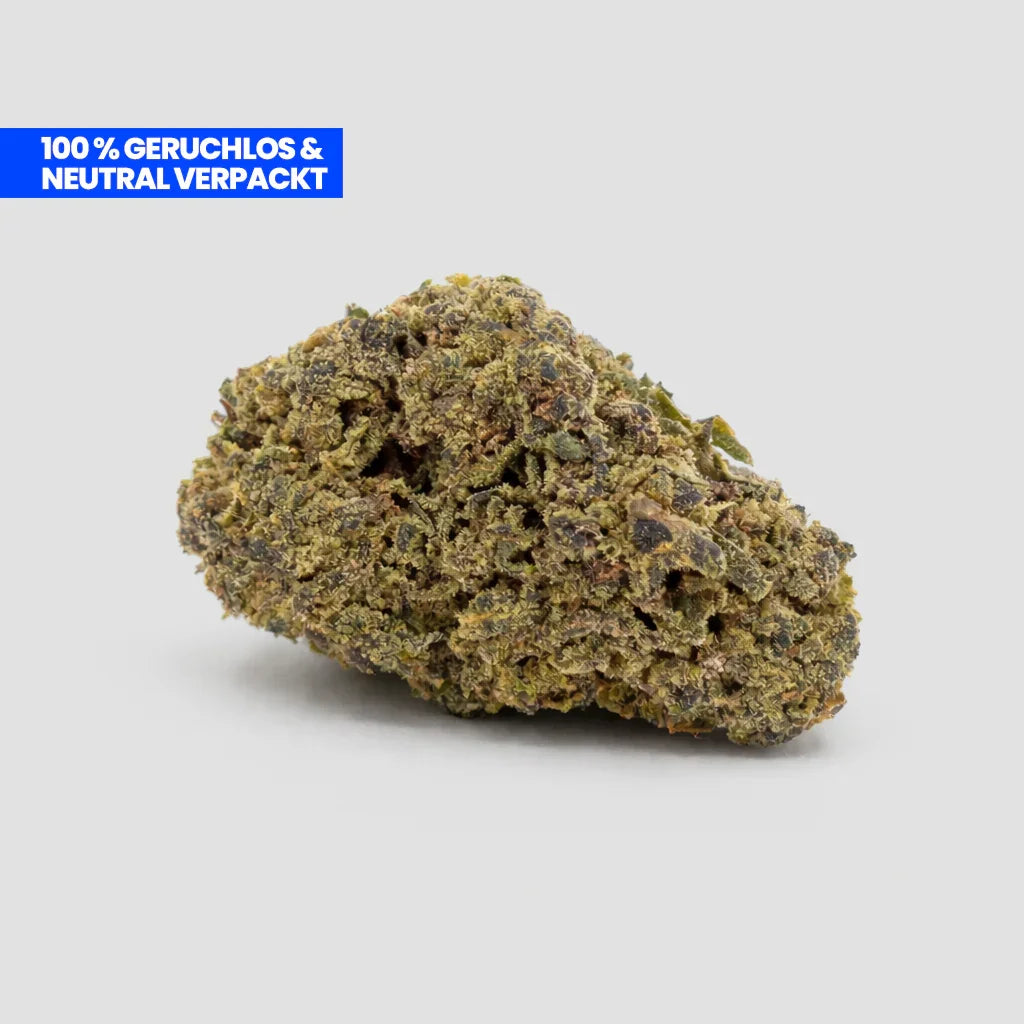
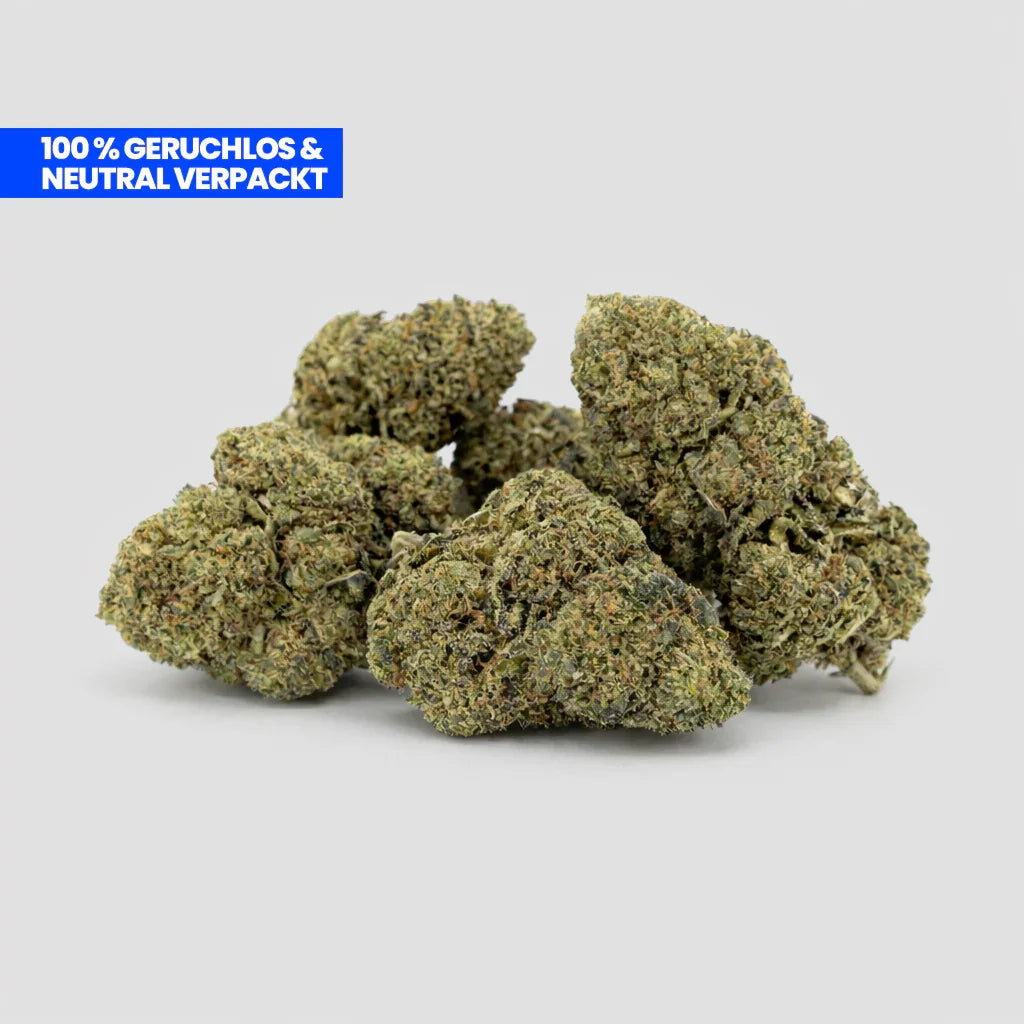
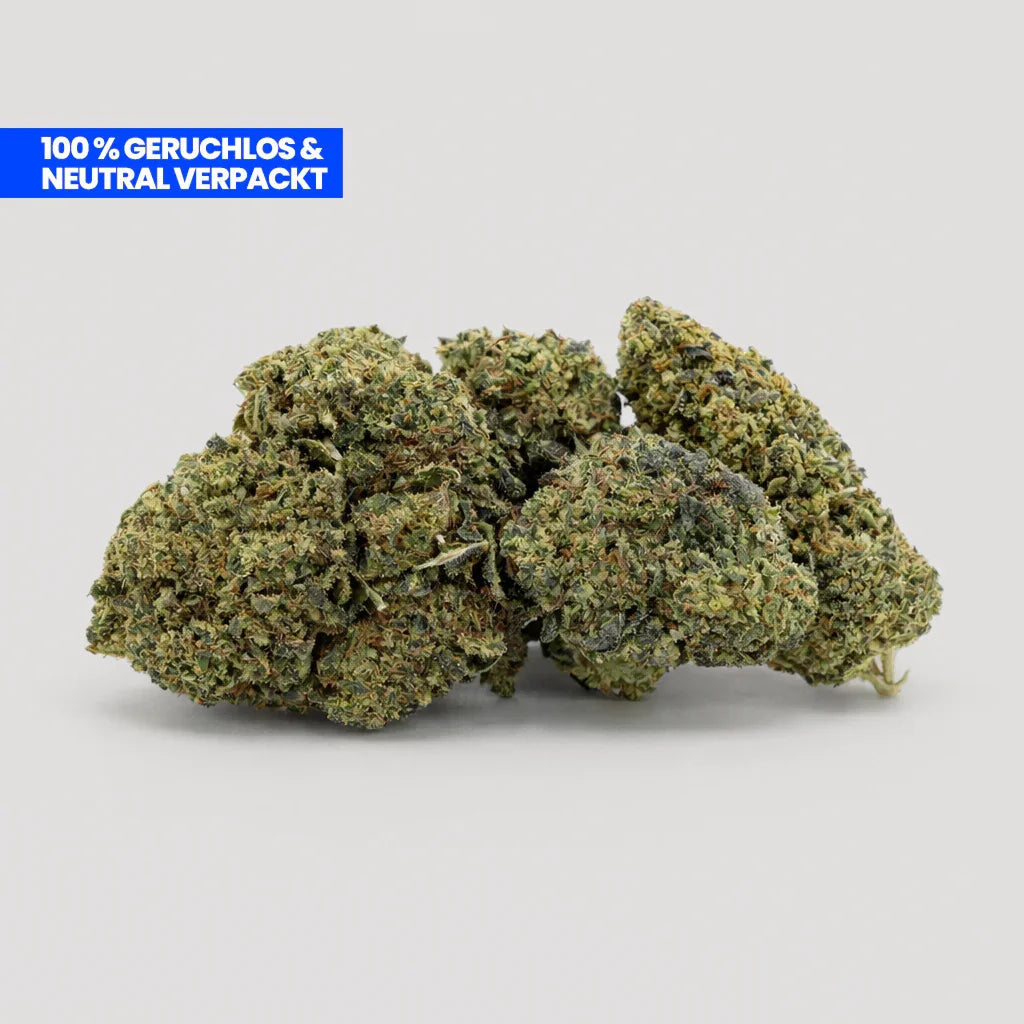
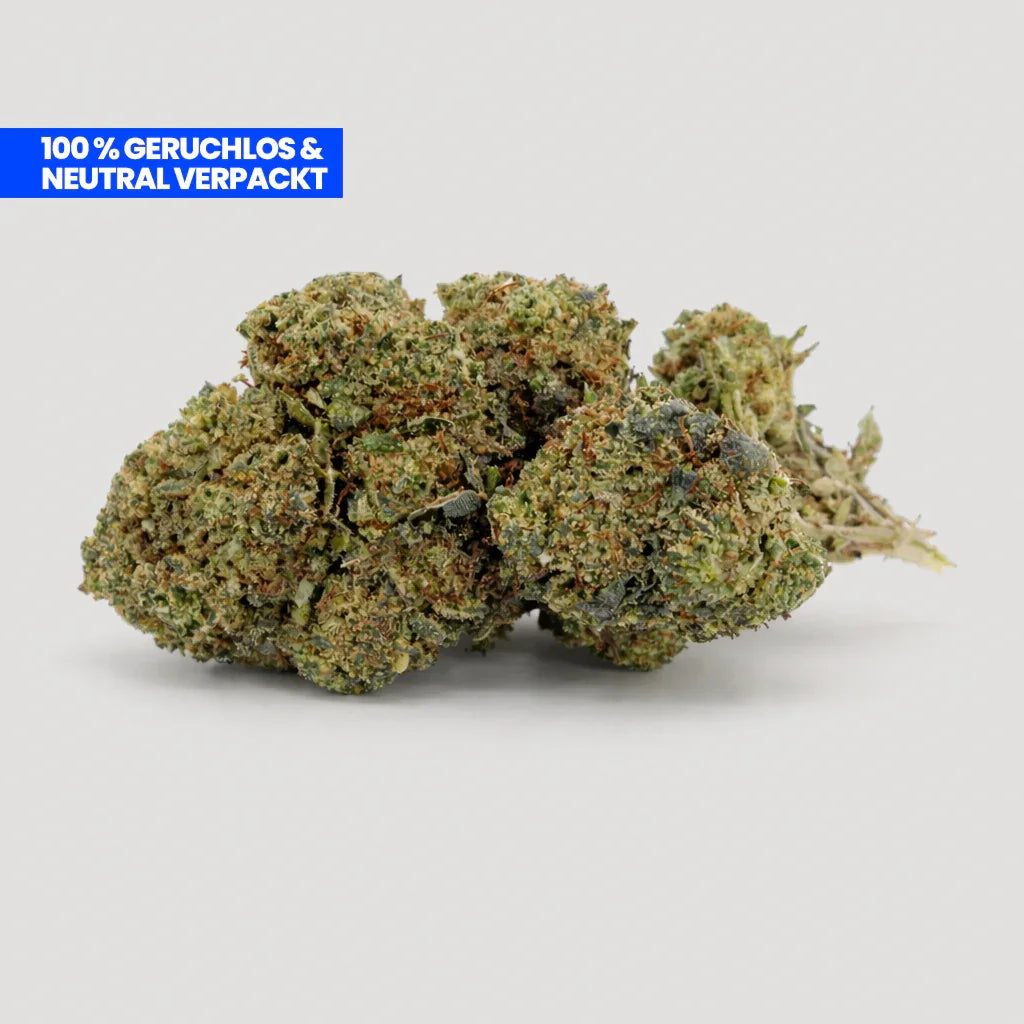
| Typische Produkte | Blüten und Vapes (großes Sortiment) | Blüten |
| Einsteigertauglichkeit | Hoch, gilt als zugänglich | Hängt stark vom Zustand ab |
| Legalität (Stand 2026) | Graubereich: nicht ausdrücklich reguliert, unter Beobachtung | Graubereich: roh nicht psychoaktiv, als nicht-aktiviertes Cannabinoid gehandelt |
| Status als Handelsware | Aromaprodukt, nicht zum Verzehr bestimmt | Aromaprodukt, nicht zum Verzehr bestimmt |
Die Tabelle macht etwas deutlich, das im Fließtext leicht untergeht: Bei fast jeder Zeile stehen sich zwei grundverschiedene Konzepte gegenüber. Einzig in den letzten beiden Zeilen treffen sie sich wieder, beim Status als Aromaprodukt und beim Graubereich. Merke Dir vor allem die Legalitäts-Zeile, denn sie ist der Punkt, an dem sich Marketing-Versprechen und Realität am häufigsten reiben.
Das Profil: warum PHC oft als Einstieg gewählt wird
PHC hat sich einen Ruf als sanfter Kandidat aufgebaut. Wer zum ersten Mal mit neueren Cannabinoiden in Berührung kommt, landet häufig hier, weil das Profil als weniger überwältigend beschrieben wird als bei stärkeren Vertretern. Genau diese Zugänglichkeit ist der Grund, warum das PHC-Sortiment bei Happy Flower so breit aufgestellt ist, von Blüten bis hin zu Vapes.
Die Bandbreite gibt Dir Spielraum. Manche bevorzugen die klassische Blütenform als Aromaprodukt, andere greifen lieber zur Vape. Beides bedient denselben Wunsch nach einem kalkulierbaren, milden Profil. Wenn Du wissen willst, worauf es beim Kauf ankommt und welche Punkte Du checken solltest, haben wir das in unserem Ratgeber zu PHC kaufen, Wirkung und Produkten 2026 festgehalten.
Wichtig bleibt der Rahmen: PHC-Produkte werden als Aromaprodukte gehandelt und sind nicht zum Verzehr bestimmt. Das ist keine Floskel, sondern der rechtliche Status, in dem sich diese Kategorie bewegt.
Worauf solltest Du bei PHC-Produkten konkret achten? Drei Dinge stechen heraus. Erstens die Transparenz des Anbieters: Seriöse Shops benennen offen, dass es sich um ein halbsynthetisches Cannabinoid im Graubereich handelt, und versprechen keine Wunder. Zweitens die Produktbeschreibung: Wenn ein Shop mit konkreten Wirk- oder Heilversprechen wirbt, ist das ein Warnsignal, denn das passt nicht zum Status eines Aromaprodukts. Drittens die Bandbreite: Ein breites Sortiment aus Blüten und Vapes deutet darauf hin, dass der Anbieter die Kategorie ernst nimmt und nicht nur ein einzelnes Restprodukt verkauft. Bei Happy Flower findest Du genau diese Bandbreite, kombiniert mit einer ehrlichen Einordnung des rechtlichen Rahmens.
Das Profil: warum THCA ein Sonderfall ist
THCA ist deshalb so spannend, weil es sich in zwei völlig verschiedenen Zuständen zeigt. In der rohen Blüte ist es die nicht-aktivierte Säure, die nicht psychoaktiv wirkt. Erst die Decarboxylierung, also die Veränderung durch Hitze, wandelt THCA in THC um. Das ist reine Chemie und erklärt, warum dieselbe Substanz so unterschiedlich eingeordnet wird.
Genau dieser Mechanismus macht THCA zu einem Sonderfall im Sortiment. Es wird als nicht-aktiviertes Cannabinoid gehandelt, und der ganze Reiz liegt in der Vorstufen-Natur. Wir gehen hier bewusst nicht darauf ein, wie man diesen Umwandlungsprozess auslöst, denn das wäre eine Konsumanleitung und die hat hier nichts zu suchen. Es bleibt bei der sachlichen Erklärung.
Wer das Molekül und seine Eigenheiten genauer verstehen möchte, findet die Details in unserem Beitrag dazu, wie THCA wirkt. Auch THCA-Blüten gelten als Aromaprodukt und sind nicht zum Verzehr bestimmt.
Ein Wort zur Decarboxylierung, weil der Begriff oft falsch verstanden wird. Decarboxylierung beschreibt schlicht, dass eine sogenannte Carboxylgruppe (die Säure-Komponente am Molekül) abgespalten wird. Aus der Säure THCA wird dabei das aktivierte THC. Dieser Vorgang ist der ganze Grund, warum THCA in seiner rohen Form rechtlich und chemisch anders bewertet wird als aktiviertes THC. Für Dich als Käufer heißt das: THCA-Blüten werden genau in diesem rohen, nicht-aktivierten Zustand als Aromaprodukt angeboten. Der Reiz liegt im Molekül selbst und in seiner besonderen Stellung als Vorstufe, nicht in einer Anwendung, die wir hier weder beschreiben noch empfehlen.
Die Rechtslage: hier wird es ernst
Beim Thema Recht hört der Spaß auf, und genau hier liegt der wichtigste Teil dieses Vergleichs. Beide Cannabinoide bewegen sich Stand Juni 2026 im Graubereich. Das ist keine Schwäche der einzelnen Produkte, sondern der Zustand des gesamten Marktes für neuere Cannabinoide.
PHC ist Stand 2026 nicht ausdrücklich reguliert. Es steht nicht klar auf einer Verbotsliste, aber es ist auch nicht abgesichert. Das bedeutet konkret: Graubereich, unter Beobachtung. Niemand kann seriös behaupten, PHC sei dauerhaft oder klar legal, denn das wäre schlicht falsch. Der Status kann sich ändern.
THCA ist ein etwas anderer Fall. In der Rohform nicht psychoaktiv, wird es als nicht-aktiviertes Cannabinoid gehandelt und bewegt sich ebenfalls im Graubereich. Die rechtliche Einordnung hängt stark davon ab, wie man die Vorstufe bewertet, und auch hier gilt: keine Garantien.
Zur Einordnung des Gesamtbilds lohnt der Blick auf verwandte Substanzen. 9H-HHC etwa ist Stand 2026 nicht im NpSG oder BtMG gelistet, gilt aber als Graubereich und steht unter Beobachtung. Mit der 7. NpSG-Änderung, die für Herbst 2026 erwartet wird, ist ein Verbot durchaus möglich. Solche Entwicklungen betreffen das gesamte Feld. Wer das große Ganze verstehen will, sollte unbedingt unseren Cannabinoid Legal Guide lesen. Für die spezielle Lage rund um die Vorstufe gibt es zudem den Beitrag zu THCA und Legalität in Deutschland.
Warum ist das so wichtig? Weil der Graubereich kein dauerhafter Zustand ist, sondern eine Momentaufnahme. Die Regulierung neuer Cannabinoide bewegt sich in Deutschland und auf EU-Ebene schubweise: Es kommt eine Phase relativer Ruhe, dann folgt eine Gesetzesänderung, die ganze Substanzgruppen auf einmal neu einordnet. Das NpSG (Neue-psychoaktive-Stoffe-Gesetz) arbeitet genau nach diesem Muster, indem es Stoffgruppen statt einzelner Moleküle erfasst. Für Dich bedeutet das: Was heute als Aromaprodukt im Graubereich gehandelt wird, kann nach der nächsten Änderung anders aussehen. Wer das ignoriert und sich auf vermeintlich dauerhafte Legalität verlässt, sitzt einem Marketing-Märchen auf.
Ein zweiter Punkt, der oft untergeht: Der Status als Aromaprodukt ist eng mit der rechtlichen Einordnung verknüpft. Produkte werden ausdrücklich nicht zum Verzehr angeboten, weil genau das den Rahmen sprengen würde, in dem sie sich bewegen dürfen. Wenn ein Anbieter diesen Rahmen aufweicht und doch Konsum- oder Dosierhinweise gibt, riskiert er den Status der ganzen Produktkategorie. Seriosität erkennst Du also auch daran, dass ein Shop diesen Rahmen konsequent einhält. Genau das ist bei Happy Flower der Standard: klare Sprache, kein Verzehrversprechen und ehrliche Einordnung in den Graubereich.
Der ehrliche Stand: Beide sind Stand Juni 2026 nicht verboten, aber beide sind Graubereich. Die Rechtslage kann sich ändern, und das solltest Du bei jeder Kaufentscheidung im Hinterkopf behalten.
Welches passt zu Dir?
Die Wahl hängt davon ab, was Du suchst. Wer einen milden, kalkulierbaren Einstieg möchte, landet oft bei PHC, weil das Profil als zugänglich gilt und das Sortiment von Blüten bis Vapes reicht. Die Breite gibt Dir Flexibilität bei der Form.
THCA ist eher etwas für Leute, die sich für die natürliche Vorstufe und die Besonderheit des nicht-aktivierten Zustands interessieren. Es ist konzeptionell ein anderes Tier und spricht ein anderes Bedürfnis an. Beide haben ihren Platz, nur eben aus verschiedenen Gründen.
Wenn wir es ganz praktisch herunterbrechen: Gehörst Du zu den Leuten, die ein gleichmäßiges, gut kalkulierbares Profil und eine große Auswahl an Produktformen schätzen, ist PHC die naheliegende Wahl. Reizt Dich dagegen das Konzept einer pflanzlichen Vorstufe und die chemische Besonderheit eines nicht-aktivierten Moleküls, dann ist THCA spannender für Dich. Es gibt hier kein besser oder schlechter, sondern nur ein anders. Genau deshalb führen wir beide.
Ein Punkt bleibt für beide gleich: Du kaufst Aromaprodukte im Graubereich. Informiere Dich vor dem Kauf, behalte die Rechtslage im Auge und triff Deine Entscheidung mit offenen Augen. Genau dafür ist dieser ehrliche Vergleich gedacht.
Häufige Fragen zu PHC und THCA
Ist PHC dasselbe wie THCA?
Nein. PHC ist ein halbsynthetisches Cannabinoid aus Hanfextrakt, das als mild gilt. THCA ist die natürliche, nicht-aktivierte Vorstufe von THC aus der Pflanze. Sie klingen ähnlich, gehören aber zu verschiedenen Kategorien.
Warum gilt THCA roh als nicht psychoaktiv?
THCA ist die Säure-Vorstufe von THC. In dieser Rohform verhält es sich anders als klassisches THC. Erst durch Hitze, die sogenannte Decarboxylierung, verändert sich die Molekülstruktur. Solange das nicht passiert, bleibt es nicht-aktiviert.
Sind PHC und THCA in Deutschland legal?
Stand Juni 2026 sind beide nicht ausdrücklich verboten, bewegen sich aber im Graubereich. Sie werden als Aromaprodukte gehandelt und sind nicht zum Verzehr bestimmt. Die Rechtslage kann sich jederzeit ändern.
Welches Cannabinoid eignet sich besser für Einsteiger?
PHC wird häufig als einsteigerfreundlich beschrieben, weil das Profil als mild und kalkulierbar gilt. THCA ist ein Sonderfall durch seine Vorstufen-Natur. Welches passt, hängt davon ab, was Du suchst.
Welche PHC- und THCA-Produkte gibt es bei Happy Flower?
Happy Flower führt ein großes PHC-Sortiment mit Blüten und Vapes sowie THCA-Blüten. Alle werden als Aromaprodukte angeboten und sind nicht zum Verzehr bestimmt.
Fazit
PHC und THCA klingen verwandt, sind aber zwei Paar Schuhe. PHC ist das halbsynthetische, milde und einsteigerfreundliche Cannabinoid mit großem Produktangebot. THCA ist die natürliche, roh nicht-aktivierte Vorstufe von THC, ein echter Sonderfall in der Cannabinoid-Welt. Unsere ehrliche Empfehlung: Wenn Du einen zugänglichen, kalkulierbaren Einstieg suchst, ist PHC die naheliegende Wahl. Interessiert Dich die Vorstufen-Natur und das Konzept des nicht-aktivierten Cannabinoids, dann lohnt sich der Blick auf THCA. In beiden Fällen gilt Stand Juni 2026: Graubereich, Aromaprodukt, nicht zum Verzehr bestimmt. Informiere Dich, behalte die Rechtslage im Auge und entscheide bewusst.
Entdecke das PHC-Sortiment bei Happy Flower
Mildes Profil, große Auswahl an Blüten und Vapes. Schau Dir an, was als einsteigerfreundliches Aromaprodukt zu Dir passt.
PHC-Produkte ansehen →


Share:
Was ist PHC? Wirkung, Recht & Sorten 2026 erklärt
9H-HHC vs PHC: Welches Cannabinoid passt zu Dir?