Was ist PHC? Wirkung, Recht & Sorten 2026 erklärt
Letztes Update: 06.06.2026 · Lesezeit: ca. 20 Min · Geprüft von Jonas Weber
Was ist PHC? PHC (Para-Hydroxy-THC) ist ein halbsynthetisches Cannabinoid aus Hanf, das chemisch mit THC verwandt ist — mit 4–8 Stunden Wirkung und aktuell legal in Deutschland (Stand 06.06.2026).
PHC steht auf immer mehr Blüten-Verpackungen in deutschen Headshops, taucht seit Anfang 2025 in nahezu jedem Cannabis-Subreddit auf und wirft bei Einsteigern mehr Fragen auf als jedes andere Cannabinoid seit HHC. Die kurze Antwort: PHC ist mit THC verwandt, halbsynthetisch aus Hanf gewonnen und in Deutschland aktuell legal. Die ausführliche Antwort — Wirkung, Chemie, Erfahrungen, juristische Lage und empfehlenswerte Sorten — findest du in diesem Guide.
Wir trennen in diesem Artikel konsequent zwischen Fakten, die in Studien oder offiziellen Gesetzestexten stehen, und anekdotischen Berichten aus der Konsumenten-Praxis. Letztere sind nicht wertlos, müssen aber klar als solche gekennzeichnet sein.

Was ist PHC? Die Chemie hinter dem Cannabinoid
PHC (Kurzform) ist ein halbsynthetisches Cannabinoid, das chemisch aus CBD oder THC-Derivaten aus Nutzhanf hergestellt wird. Die Abkürzung steht für „Para-Hydroxy-THC" — also THC mit einer zusätzlichen Hydroxygruppe. Wirkung: 4–8 Stunden, körperbetont, THC-ähnlich. In Deutschland seit 2025 legal, sofern der THC-Gehalt unter 0,3 % liegt.
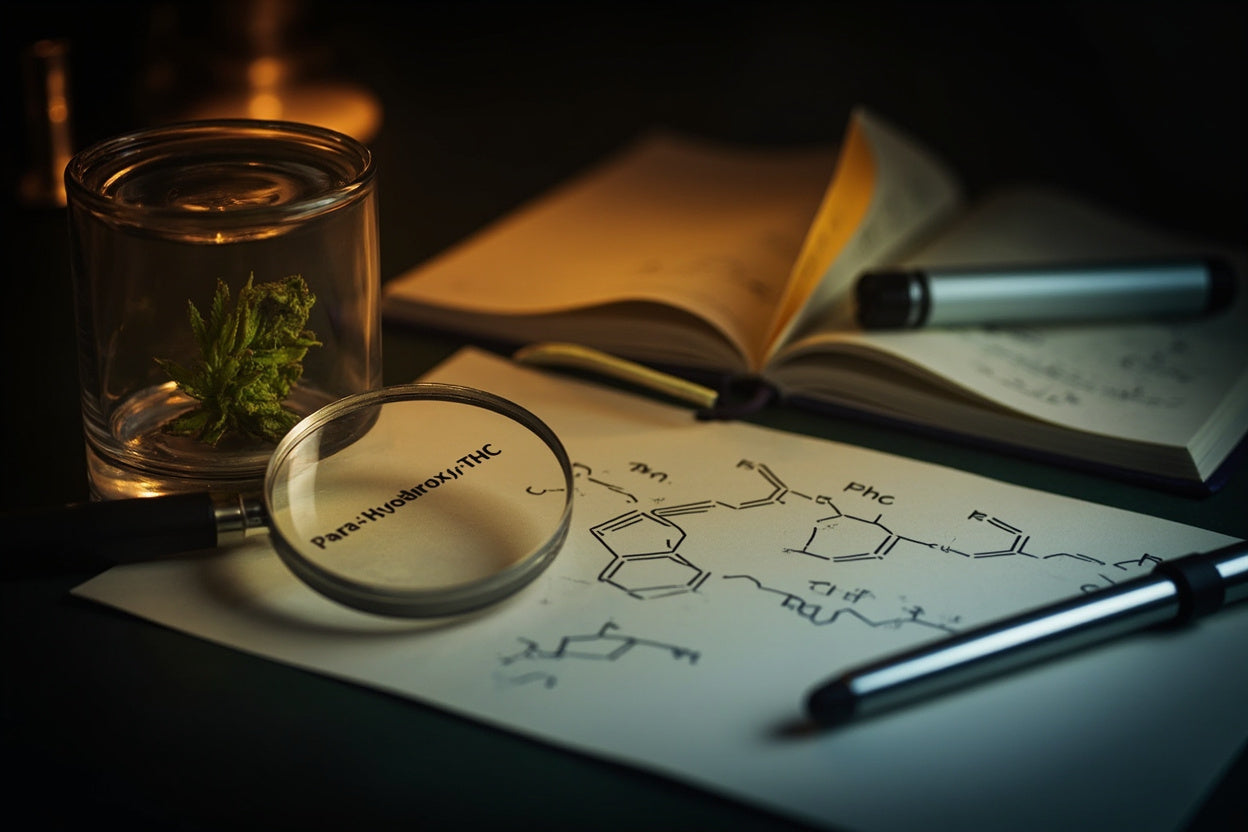
PHC steht für Para-Hydroxy-THC, also THC mit einer zusätzlichen Hydroxygruppe (–OH) in para-Position am aromatischen Ring. Chemisch gesehen ist PHC ein hydroxyliertes Derivat von Delta-9-THC. Die genaue IUPAC-Bezeichnung lautet in der Fachsprache (–)-trans-Δ⁹-Tetrahydrocannabinol mit para-ständiger Hydroxylierung, in der Forschungsliteratur taucht es meist als Analogon zu 11-Hydroxy-THC (Huestis et al., 1992) auf.
Was das praktisch bedeutet: PHC besitzt dieselbe Grundstruktur wie THC, aber ein zusätzliches Sauerstoffatom mit Wasserstoffanhang. Dieses Detail ist nicht nur Chemiker-Smalltalk, sondern entscheidet darüber, wie stark PHC an die CB1- und CB2-Rezeptoren des Endocannabinoid-Systems bindet. Die meisten Selbstversuche im Netz beschreiben eine Wirkung, die zwischen klassischem THC und HHC liegt — mal näher an dem einen, mal näher an dem anderen. Zur Einordnung hilft ein Blick auf unseren Terpene-Guide, der erklärt, wie unterschiedliche Cannabinoid-Terpen-Kombinationen das subjektive Erleben verschieben.
Wichtig zur Einordnung: PHC gehört zu den sogenannten neuen psychoaktiven Substanzen (NPS) im weiteren Sinne, ist aber keine komplette Neuerfindung. Es ist eine Variante eines bekannten Moleküls. Wer Erfahrungen mit THC oder HHC mitbringt, wird das Wirkungsprofil grob wiedererkennen — nur eben leicht verschoben. Wer sich für die Unterschiede zwischen HHC und PHC im Detail interessiert, findet im Happy-Flower-Vergleichsartikel HHC vs. PHC bei Vapes und Blüten eine ältere, aber methodisch interessante Gegenüberstellung.
PHC = Para-Hydroxy-THC — Was bedeutet das?
Der Namensbestandteil „para" beschreibt die Position der Hydroxygruppe am Phenolring (Position 4 relativ zur Alkylkette). Das „H" steht für Hydroxy, also eine funktionelle Gruppe aus Sauerstoff und Wasserstoff. Chemisch verwandt ist PHC mit THC-O-Acetat (THC-O) und 11-Hydroxy-THC, einem Stoffwechselprodukt von THC, das nach oraler Aufnahme im menschlichen Körper entsteht. Der entscheidende Unterschied: 11-Hydroxy-THC wird vom Körper selbst hergestellt, PHC wird in Hanf durch chemische Modifikation erzeugt — und ist dadurch als Reinsubstanz erst seit wenigen Jahren überhaupt verfügbar.
Halbsynthetisch aus Hanf — wie wird PHC hergestellt?
PHC wird nicht direkt aus der Cannabispflanze gewonnen — es kommt nicht in nennenswerten Mengen in natürlichem Hanf vor. Stattdessen wird es halbsynthetisch hergestellt: Ausgangspunkt ist CBD (Cannabidiol) aus Nutzhanf, das in mehreren Schritten zu Δ⁹-THC isomerisiert und anschließend hydroxyliert wird. Das Ergebnis ist ein Wirkstoff, der in Deutschland aus legalem Hanf gewonnen wird und nach derzeitigem Recht nicht unter das BtMG fällt, solange der THC-Gehalt des Endprodukts unter 0,3 % liegt. Die genauen Produktionsverfahren variieren von Hersteller zu Hersteller und sind selten vollständig offengelegt — was die Qualitätssicherung für Konsumenten schwierig macht. Auch die Abgrenzung zu HHC, das nach einem ähnlichen Prinzip aus CBD gewonnen wird, ist im Detail fließend. Eine gute Einordnung liefert der Leafz-Artikel HHC vs. THC.
Wie wirkt PHC? Effekte, Dauer & Intensität
PHC bindet wie THC an die Cannabinoid-Rezeptoren CB1 (vor allem im Nervensystem) und CB2 (vor allem im Immunsystem). Die CB1-Affinität ist nach allem, was aus Forenberichten und den wenigen verfügbaren In-vitro-Daten hervorgeht, ähnlich oder leicht reduziert im Vergleich zu Delta-9-THC. Konsumenten berichten konsistent von einer psychoaktiven Wirkung, die als euphorisch-entspannend beschrieben wird, mit einer Tendenz zur körperlichen Entspannung.
Wirkung im Vergleich zu THC
Wer THC kennt, wird bei PHC vieles wiedererkennen: veränderte Wahrnehmung, leichte Euphorie, gesteigerter Appetit, gerötete Augen, Mundtrockenheit. Was PHC von klassischem THC unterscheidet, ist laut Konsumentenberichten vor allem die sedierende Komponente. Viele berichten, dass PHC „körperlicher" wirkt — also mehr im Body, weniger im Head. Diese Beschreibung deckt sich mit dem, was man von hydroxylierten THC-Metaboliten wie 11-OH-THC kennt. Eine endgültige, kontrollierte Studie dazu existiert Stand Juni 2026 nicht.
4–8 Stunden Wirkdauer bei Inhalation
Bei Vaporizern und beim Verdampfen von PHC-haltigen Blüten setzt die Wirkung typischerweise nach 5 bis 15 Minuten ein. Der Peak liegt meist nach 30 bis 60 Minuten. Die Gesamtdauer wird in den meisten Erfahrungsberichten mit 4 bis 8 Stunden angegeben, je nach Dosis, Toleranz und Konsumform. Damit ist PHC beim Inhalieren länger als ein typischer THC-Vape (oft 2–3 Stunden) und kürzer als ein klassischer THC-Edible (oft 6–10 Stunden). Wer die exakten Werte in einer Tabelle sehen will, findet im Happy-Flower-Vergleichsartikel HHC und PHC: Die neuen legalen Cannabis-Alternativen eine kompakte Übersicht.
Edibles länger (6–12h)
Bei Edibles — also PHC-Gummibärchen, PHC-Schokolade oder PHC-Pralinen — berichten Konsumenten von deutlich längeren Wirkfenstern. Der Onset kann 30 bis 90 Minuten dauern, der Peak liegt nach 2 bis 3 Stunden, und die Gesamtdauer wird mit 6 bis 12 Stunden angegeben. Hintergrund: PHC wird bei oraler Aufnahme in der Leber metabolisiert, ähnlich wie THC, wobei Hydroxy-Metaboliten entstehen können, die ihrerseits psychoaktiv sind. Diese Daten stammen aus Forenberichten, nicht aus klinischen Studien. Für eine fundierte Einordnung in das Cannabinoid-Spektrum lohnt sich auch der Blick in unseren Terpene-Leitfaden, der die Wechselwirkungen zwischen Cannabinoiden und Terpenen erklärt.

Jonas' Erfahrung aus der Praxis
Ich teste PHC-Produkte seit Anfang 2025 — Vapes, Blüten, Edibles. Was mir bei PHC im Vergleich zu HHC auffällt: Die Wirkung setzt bei Vaporizern schneller ein als bei Edibles, hält aber gefühlt länger an als bei klassischen THC-Vapes — meist 4 bis 6 Stunden bei moderater Dosis. Geschmacklich sind die Sorten erstaunlich nah am echten Cannabis-Profil, vermutlich wegen des THC-Skeletts. Ein Punkt, den man ehrlich ansprechen muss: Die Forschungslage ist dünn. Konsumenten verlassen sich auf Forenberichte, nicht auf klinische Studien. Ich persönlich behandle PHC wie ein neues Cannabinoid mit begrenzter Datenbasis — Neugier ja, aber ohne Gewähr.
PHC vs HHC vs THCP — die wichtigsten Unterschiede
PHC ist nicht das einzige neue Cannabinoid, das seit 2022 für Aufsehen sorgt. Wer sich zwischen den verschiedenen Alternativen zu klassischem THC orientieren will, kommt an einem Vergleich nicht vorbei. Die drei Substanzen unterscheiden sich in Chemie, Wirkstärke und rechtlicher Lage teils erheblich. Im Happy-Flower-Vergleichsartikel vom 12. September 2025 haben wir die Substanzen bereits ausführlich gegenübergestellt — hier die Kurzfassung in Tabellenform.
| Eigenschaft | PHC | HHC | THCP |
|---|---|---|---|
| Chemische Klasse | Halbsynthetisch, THC-Derivat (hydroxyliert) | Halbsynthetisch, hydriertes THC | Halbsynthetisch, THC-Homolog |
| Wirkstärke vs. THC | Etwa gleich bis leicht stärker | Ca. 70–80 % von THC | Deutlich stärker (bis 33-fach an CB1) |
| Wirkdauer Inhalation | 4–8 Stunden | 2–4 Stunden | 3–5 Stunden |
| Wirkdauer Edible | 6–12 Stunden | 4–8 Stunden | 6–10 Stunden |
| Legal in DE (06/2026) | Ja | Nein (seit 2024 unter NpSG) | Grauzone, zunehmend reguliert |
| Forschungslage | Dünn | Mittel | Besser (italienische Studien) |
THCP als Sonderfall
THCP (Tetrahydrocannabiphorol) verdient einen eigenen Absatz, weil es der einzige der drei Wirkstoffe ist, zu dem tatsächlich peer-reviewed Forschung existiert. Eine 2019 in Scientific Reports veröffentlichte italienische Studie identifizierte THCP in einer Cannabissorte und zeigte, dass die verlängerte Alkylkette (sieben statt fünf Kohlenstoffatome) zu einer deutlich stärkeren CB1-Bindung führt — was die These erklärt, warum THCP-Sorten oft als „stärker als THC" beschrieben werden. PHC hat diesen Forschungs-Vorsprung nicht, was bei der Bewertung der Wirkstärke berücksichtigt werden muss.
PHC-Erfahrungen — was Konsumenten berichten
Jenseits der Theorie interessiert die meisten Leser die Praxis: Wie fühlt sich PHC an, was berichten Leute, die es regelmäßig nutzen? Hier eine Auswahl typischer Rückmeldungen aus Reddit, Discord-Servern und dem Happy-Flower-Kundenfeedback. Diese Selbstberichte ersetzen keine klinische Evidenz, spiegeln aber das subjektive Erleben vieler Konsumenten wider.
- Sanfterer Anstieg als THC. Viele Konsumenten beschreiben den Wirkungsbeginn bei PHC-Vapes als „weicher" im Vergleich zu klassischen THC-Cartridges. Der Peak baut sich langsamer auf, das Hoch fühlt sich weniger hektisch an.
- Längere Plateauphase. Wer schon einmal nach 2 Stunden merkt, dass ein THC-Vape „durch" ist, wird bei PHC überrascht. Konsumenten berichten von einem stabilen Plateau, das oft 3–4 Stunden hält, bevor es langsam abklingt.
- Körperbetonte Wirkung. Im Vergleich zu THC-betonten Sativa-Sorten berichten viele PHC-Nutzer von einem stärkeren „Body-High", das an Indica-Sorten erinnert — obwohl das Aroma-Profil fruchtig und scheinbar sativalastig ist.
- Schlaf-Förderung. Ein nicht unerheblicher Anteil der PHC-Konsumenten nutzt es abends, weil die sedierende Komponente beim Einschlafen hilft. Solche Selbstberichte sind kein klinischer Wirknachweis, aber ein konsistentes Muster in den einschlägigen Foren.
Ist PHC legal in Deutschland 2026?
Kurzantwort: Ja. PHC ist in Deutschland im Juni 2026 legal — es fällt weder unter das Betäubungsmittelgesetz (BtMG) noch unter das Neue-psychoaktive-Stoffe-Gesetz (NpSG), solange der THC-Gehalt des Endprodukts unter 0,3 % liegt (Stand 06.06.2026).
Die Rechtslage für PHC in Deutschland hat sich in den letzten zwei Jahren mehrfach verschoben. Wer PHC im Juni 2026 kaufen oder besitzen will, muss vor allem drei Regelwerke im Blick haben: das Betäubungsmittelgesetz (BtMG), das Neue-psychoaktive-Stoffe-Gesetz (NpSG) und seit April 2024 das Cannabisgesetz (CanG).
CanG (Cannabis Act) seit 1. April 2024
Seit dem 1. April 2024 regelt das Cannabisgesetz (CanG) den Umgang mit Cannabis in Deutschland neu. Erwachsene dürfen seither bis zu 25 Gramm Cannabis zum Eigenkonsum besitzen, zu Hause bis zu 50 Gramm lagern und drei Pflanzen anbauen. PHC fällt jedoch nicht in den Anwendungsbereich des CanG, weil das Gesetz ausdrücklich auf „Cannabis" im Sinne von Marihuana und Haschisch mit natürlichen THC-Gehalten abzielt — also auf Pflanzenmaterial mit dem natürlich vorkommenden Cannabinoidprofil. Halbsynthetische Derivate wie PHC sind davon begrifflich nicht erfasst.
NpSG-Update April 2026 — was sich geändert hat
Im April 2026 hat der Bundestag das NpSG erneut angepasst. Mit der Novellierung wurden weitere synthetische und halbsynthetische Cannabinoide explizit in die Anlage zum NpSG aufgenommen — darunter einige bisher legale HHC-Varianten und bestimmte Cannabidiol-Derivate. PHC wurde in dieser Novelle namentlich nicht aufgeführt, weshalb die Substanz weiterhin nicht unter das Verbot fällt. Diese Rechtsauffassung wird auch von den meisten hanfspezifisch arbeitenden Anwälten und der Deutschen Gesellschaft für Suchtmedizin geteilt. Eine Garantie für die Zukunft ist das nicht — die Liste wird regelmäßig erweitert.
PHC fällt aktuell nicht unter das Verbot
Nach derzeitigem Stand (06.06.2026) ist PHC in Deutschland legal erhältlich, sofern der THC-Gehalt des Endprodukts die 0,3 %-Grenze nicht überschreitet. Produkte wie PHC-Vapes, PHC-Blüten und PHC-Edibles sind im Fachhandel frei verkäuflich, sofern sie an Erwachsene abgegeben werden. Eine Garantie, dass sich die Rechtslage nicht kurzfristig ändert, gibt es allerdings nicht. Wer auf Nummer sicher gehen will, beobachtet die offiziellen Bekanntmachungen des Bundesgesundheitsministeriums und die Veröffentlichungen der Bundesopiumstelle. Auch seriöse Branchenportale berichten zeitnah über NpSG-Änderungen — die Leafz-Analysen zum Cannabinoid-Markt bieten dafür eine solide Grundlage.

Top 3 PHC-Sorten 2026 auf einen Blick:
- Amnesia Haze PHC — klassischer Sativa-Effekt, 4–6h Wirkung, ab 44,99€ (Blüte)
- Gelato PHC Vape — cremig-zitrus, schneller Onset, ⭐ 4,6/5 bei 1000+ Reviews
- PHC Stars Choco — diskretes Edible, 6–10h Wirkung, ideal für Einsteiger
Die besten PHC-Sorten & Produkte bei Happy Flower
Im Happy-Flower-Sortiment findest du aktuell eine Auswahl an PHC-Vapes, PHC-Blüten und PHC-Edibles. Alle Produkte werden von uns vor dem Verkauf stichprobenartig geprüft — vollständige Laboranalysen liegen vor. Hier eine Übersicht über die Sorten, die wir Stand Juni 2026 empfehlen können.
PHC-Vapes (Kartuschen & Pods)
- Gelato PHC Vape — Eine fruchtig-cremige Sorte mit süßem Dessert-Profil. Der PHC-Gehalt ist auf moderate Konsumenten abgestimmt, der Vape kommt in einer 1-ml-Kartusche mit 4,6/5 Sterne-Bewertung.
- Oreo PHC Vape — Eine Cookie-Sorte mit dunkler Schokoladennote. Beliebt bei Konsumenten, die es abends entspannt angehen lassen wollen.
PHC-Blüten
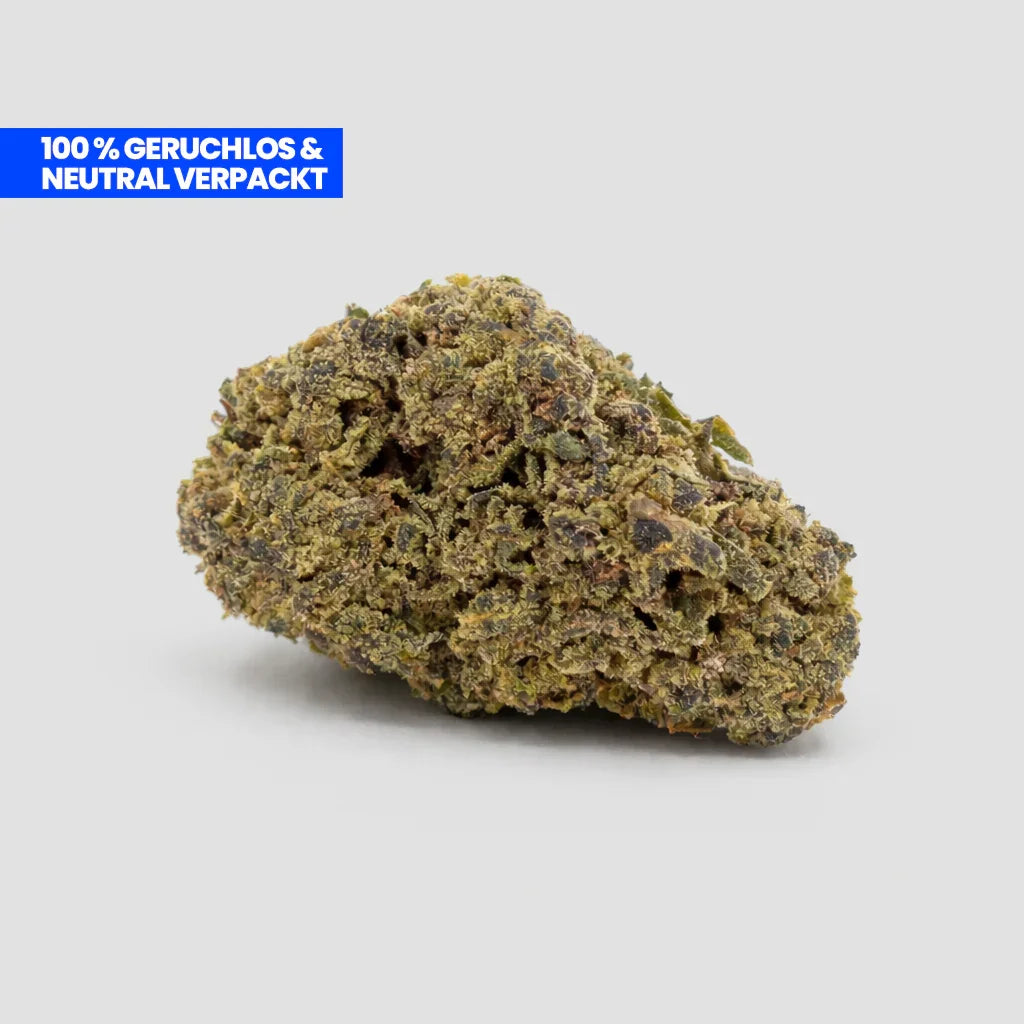
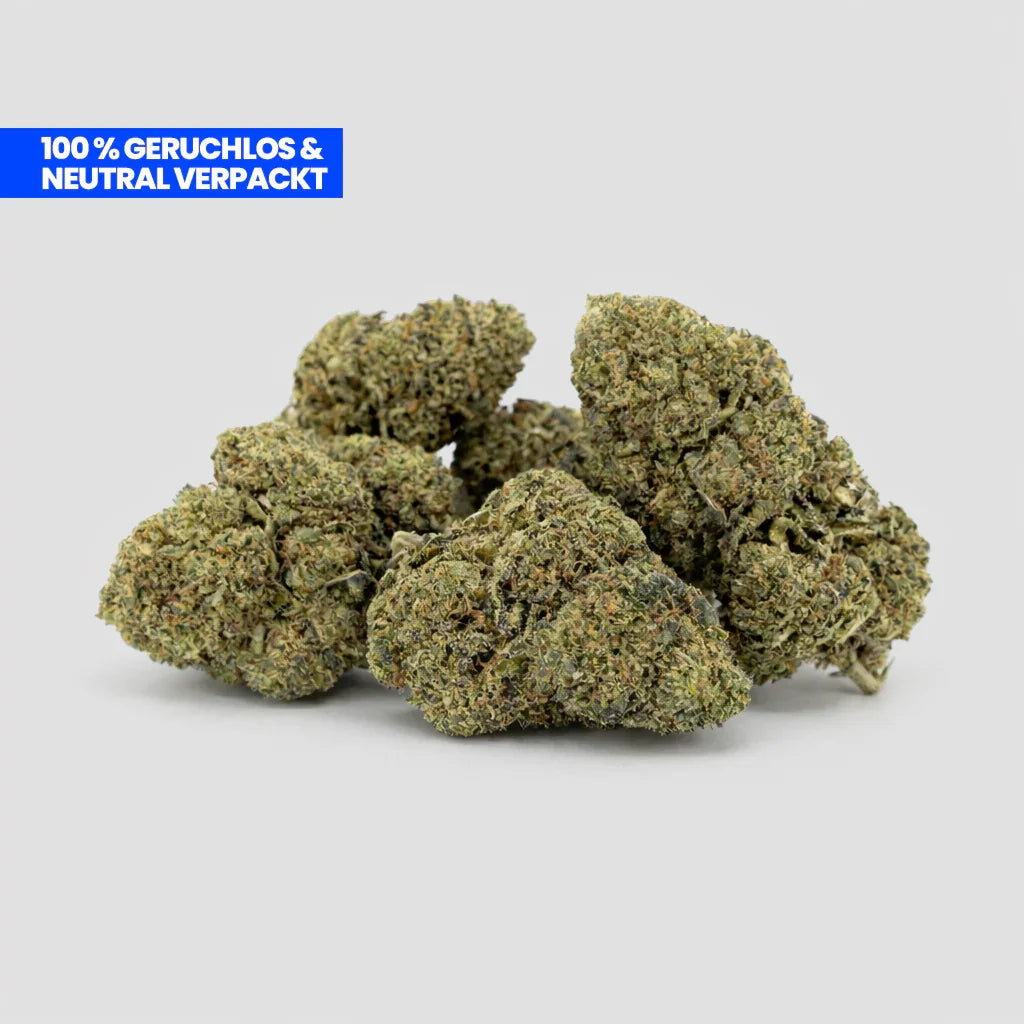
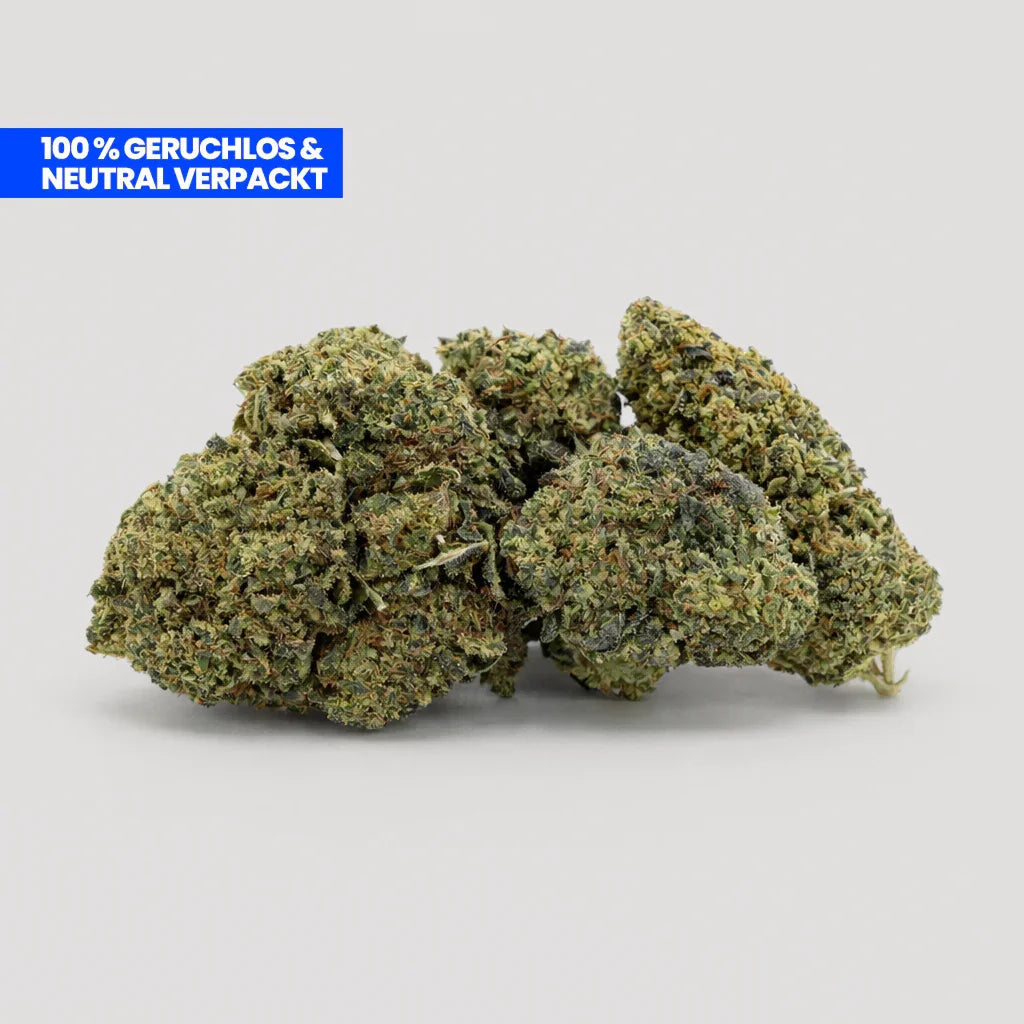
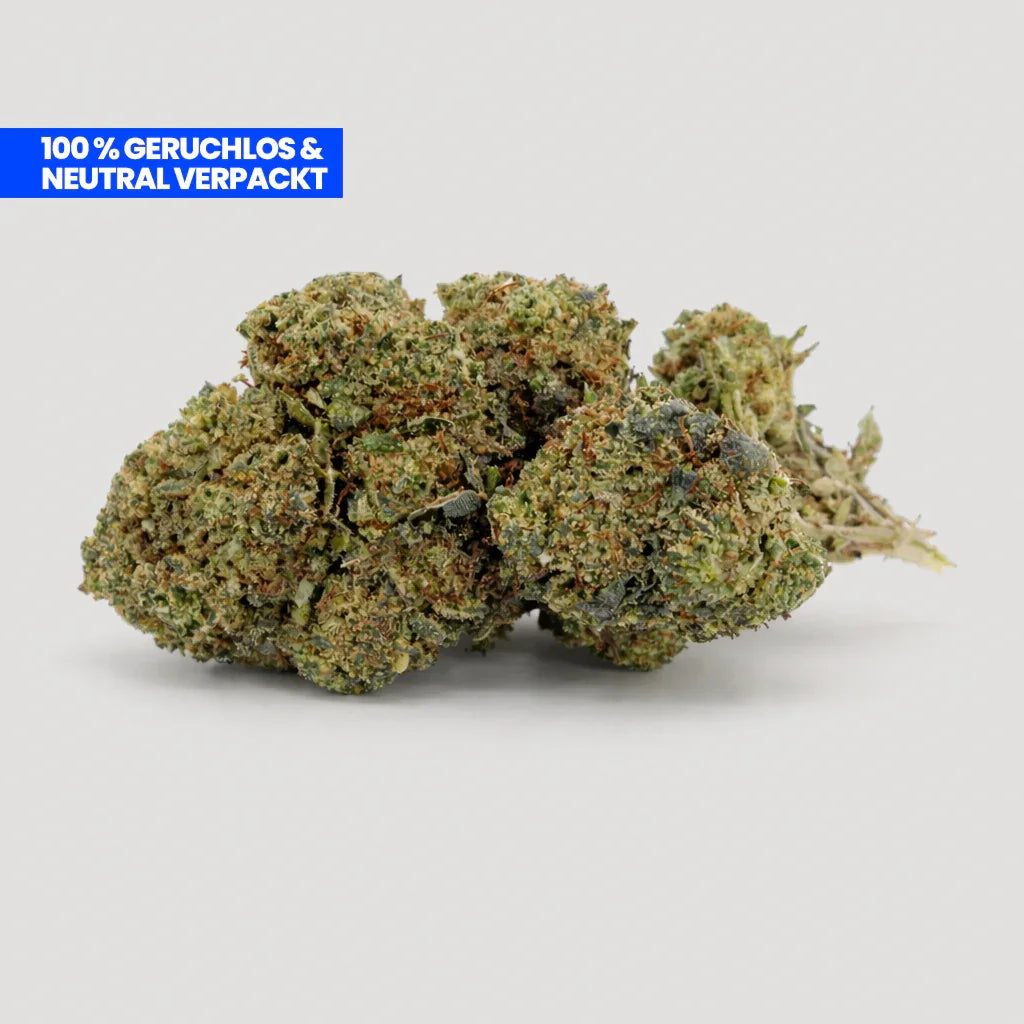
- Amnesia Haze PHC — Eine klassische Sativa-Genetik mit zitrusdominantem Terpenprofil. Die Blüte hat ein intensives Aroma und eignet sich für Konsumenten, die eine aktivere Wirkung suchen.
- Lemon Pop PHC — Eine neuere Kreuzung mit spritzigem Zitrus-Aroma. Die Sorte wird im Happy-Flower-Lager als „Tages-Sorte" geführt, weil die Wirkung tendenziell aktiver ausfällt.
- White Widow PHC — Die niederländische Klassikerin in der PHC-Variante. Harzige Buds, leicht erdiges Aroma, ein Allrounder mit entspannender Tendenz.
PHC-Edibles
- PHC Stars Choco — Für alle, die PHC lieber essen wollen: Edibles in Schokoladenform mit standardisierter PHC-Dosierung pro Stück. Lange Wirkdauer, langsamer Onset.
Die komplette Auswahl findest du in unserer PHC-Produkte-Kollektion sowie in der dedizierten PHC-Blüten-Kollektion. Für eine bewährte Sorten-Auswahl empfehlen wir den aktuellen Happy-Fower-Vergleichsartikel zu den besten PHC-Sorten.
Wie dosiert man PHC richtig? Tipps für Einsteiger
Wer PHC zum ersten Mal nutzt, sollte mit Blick auf die begrenzte Datenlage besonders vorsichtig sein. Hier die wichtigsten Grundsätze, die wir auch unseren Kunden empfehlen — als Aufklärung, nicht als Konsumanleitung.
- Niedrig starten. PHC ist keine Substanz, bei der man mit hohen Dosen experimentieren sollte. Auch erfahrene THC-Konsumenten berichten, dass ihre übliche THC-Dosis bei PHC zu viel sein kann.
- Eine Konsumform zur Zeit. Wer PHC ausprobiert, sollte Edibles, Vapes und Blüten nicht mischen. Unterschiedliche Onset-Zeiten und Wirkdauern machen den Vergleich schwer und erhöhen das Risiko unangenehmer Effekte.
- Auf Set und Setting achten. PHC ist psychoaktiv. Wie bei allen psychoaktiven Substanzen spielen Umgebung, Stimmung und Erwartung eine Rolle. Ein entspannter Abend zu Hause ist der falsche Ort für Experimente.
- Nüchtern bleiben. PHC sollte nicht mit Alkohol oder anderen psychoaktiven Substanzen kombiniert werden. Forenberichte über unangenehme Erfahrungen betreffen fast immer Mischkonsum.
- Aufklärung statt Anleitung. Wir geben an dieser Stelle bewusst keine konkreten Milligramm-Empfehlungen. Die Datenlage ist zu dünn, die individuelle Reaktion zu unterschiedlich. Wer eine persönliche Beratung sucht, sollte eine Suchtberatungsstelle oder einen Arzt konsultieren.
PHC und das Vaping360-Rätsel — Marketing vs. echte Chemie
Eine der meistdiskutierten deutschsprachigen Quellen zu PHC ist der PHC-Artikel auf Vaping360.de. Was auffällt: Der Beitrag vermischt chemische Fakten mit Marketing-Sprache, grenzt PHC an manchen Stellen scharf von HHC und THC ab, an anderen wieder nicht. Für Konsumenten ist das verwirrend — und ein gutes Beispiel dafür, warum Branchen-Content kritisch gelesen werden muss.
Konkretes Beispiel: Vaping360 beschreibt PHC als „cannabis-ähnlich" und „stärker als HHC", ohne Quellen für die Wirkstärke zu nennen. Tatsächlich gibt es Stand Juni 2026 keine peer-reviewed Studie, die diese Behauptung belegt. Was es gibt, sind Anekdoten aus Internet-Foren und Marketing-Material von PHC-Herstellern — beide sind keine validen Quellen für eine Wirkstärke-Einordnung. Wer eine solide wissenschaftliche Basis sucht, findet im PubMed-Index zu Cannabinoid-Pharmakokinetik (Huestis, 2007) erste Anhaltspunkte, muss aber berücksichtigen, dass die meisten verfügbaren Studien sich auf natürliche Metaboliten wie 11-OH-THC beziehen, nicht auf das halbsynthetische PHC.
Die kritische Frage, die Vaping360 nicht beantwortet: Woher kommen die PHC-Produkte, die in deutschen Headshops verkauft werden? In vielen Fällen handelt es sich um Hanfblüten, die mit PHC-Isolat behandelt („infused") wurden. Das heißt: Du kaufst eine herkömmliche CBD- oder CBG-Blüte, die nachträglich mit PHC-haltigen Lösungen besprüht oder getränkt wurde. Das ist nicht per se schlecht, aber es bedeutet, dass die PHC-Verteilung auf der Blüte und damit die Dosis pro Zug variieren kann. Konsumenten, die glauben, eine „pure" PHC-Sorte zu rauchen, kaufen oft ein nachträglich behandeltes Produkt.
Ein zweiter kritischer Punkt: Die Vaping360-Beschreibung nennt PHC an einer Stelle „eine natürlich vorkommende Verbindung" — was schlicht falsch ist. PHC kommt in der Cannabispflanze nicht in nennenswerten Konzentrationen vor. Es ist ein halbsynthetisches Produkt, das aus CBD oder THC-Derivaten hergestellt wird. Solche Ungenauigkeiten sind ein Grund, warum wir in diesem Guide konsequent zwischen Marketing-Versprechen und chemischen Fakten trennen. Ein gutes Korrektiv bietet die unabhängige Branchenanalyse auf Leafz.de, die ähnliche Cannabinoide in einem nüchterneren Ton einordnet.
Häufige Fragen zu PHC (FAQ)
Was genau ist PHC in Cannabis?
PHC (Para-Hydroxy-THC) ist ein halbsynthetisches Cannabinoid, das in der Cannabispflanze selbst nicht in nennenswerten Konzentrationen vorkommt. Es wird chemisch aus CBD oder THC-Derivaten hergestellt, indem eine zusätzliche Hydroxygruppe in para-Position am aromatischen Ring eingeführt wird. Die Wirkung ähnelt THC, ist aber tendenziell körperbetonter.
Macht PHC high?
Ja, PHC ist psychoaktiv. Konsumenten berichten von einem euphorisch-entspannenden Rausch, der viele Eigenschaften eines klassischen THC-Highs teilt — mit dem Unterschied, dass die körperliche Komponente stärker ausgeprägt ist. Die Wirkstärke wird in Foren meist ähnlich bis leicht stärker als THC eingeschätzt, ohne dass es dazu klinische Vergleichsstudien gibt.
Was ist der Unterschied zwischen PHC und THC?
Der wichtigste Unterschied ist die zusätzliche Hydroxygruppe bei PHC, die die Pharmakokinetik verändert. PHC wird im Körper möglicherweise langsamer abgebaut als THC, was die längere Wirkdauer erklären könnte. Subjektiv berichten Konsumenten von einer entspannteren, körperlicheren Wirkung bei PHC im Vergleich zum eher zerebralen THC-Rausch.
PHC oder HHC — was ist stärker?
In den meisten Erfahrungsberichten wird PHC als stärker als HHC beschrieben. HHC ist ein hydriertes THC-Derivat mit etwa 70–80 % der Wirkstärke von THC; PHC liegt nach Konsumenteneinschätzung etwa auf THC-Niveau oder leicht darüber. Eine direkte Vergleichsstudie existiert Stand Juni 2026 nicht, und HHC ist in Deutschland seit 2024 unter dem NpSG reguliert.
Wie lange wirkt PHC?
Die Wirkdauer hängt von der Konsumform ab. Beim Inhalieren (Vape, Blüte) ist mit 4 bis 8 Stunden zu rechnen, beim oralen Konsum (Edibles) mit 6 bis 12 Stunden. Der Onset liegt bei Inhalation nach 5 bis 15 Minuten, bei Edibles nach 30 bis 90 Minuten. Der Peak ist typischerweise nach 30 bis 60 Minuten (Inhalation) bzw. 2 bis 3 Stunden (Edible) erreicht.
Ist PHC in Deutschland legal?
Stand 06.06.2026 ist PHC in Deutschland legal, sofern das Endprodukt weniger als 0,3 % THC enthält. Es ist weder im BtMG noch in der aktuellen NpSG-Anlage namentlich aufgeführt. Die Rechtslage kann sich kurzfristig ändern, weshalb wir die offiziellen Bekanntmachungen des Bundesgesundheitsministeriums empfehlen.
Wie viel PHC sollte ein Einsteiger nehmen?
Wir geben an dieser Stelle bewusst keine konkrete Dosisempfehlung, weil die Datenlage zu PHC zu dünn ist. Allgemein gilt: niedrig starten, Wirkung abwarten, nicht nachlegen. Bei Edibles kann der Onset bis zu 90 Minuten dauern — ein häufiger Fehler ist das vorzeitige Nachtitrieren. Schwangere, Stillende und Personen mit Vorerkrankungen sollten auf PHC verzichten.
Welche Erfahrungen und Nebenwirkungen gibt es?
Häufig berichtete Wirkungen sind Euphorie, Entspannung, gesteigerter Appetit und Mundtrockenheit. An Nebenwirkungen werden in Foren vor allem Schläfrigkeit, leichte Angstzustände bei höherer Dosierung und ein trockener Mund genannt. Langzeitdaten fehlen vollständig. Schwangere, Stillende und Personen mit Vorerkrankungen sollten auf PHC verzichten.
Fazit
PHC ist ein halbsynthetisches Cannabinoid aus der THC-Familie, das in Deutschland Stand Juni 2026 legal erhältlich ist. Die Wirkung ähnelt THC, hält aber tendenziell länger an und ist körperbetonter. Die Forschungslage ist dünn, die meisten Informationen stammen aus Forenberichten und Hersteller-Marketing — kritische Einordnung ist Pflicht. Wer PHC ausprobieren möchte, sollte mit niedrigen Dosen starten, sich über die aktuelle Rechtslage informieren und PHC-Produkte nur von seriösen Händlern mit Laboranalysen beziehen.
Wenn du PHC selbst ausprobieren willst, findest du im Happy-Flower-Sortiment geprüfte PHC-Vapes, PHC-Blüten und PHC-Edibles — alle mit ausgewiesener Wirkstoff-Konzentration und Chargen-Analyse.
PHC-Sortiment entdecken
PHC-Vapes, PHC-Blüten und PHC-Edibles — geprüft, dokumentiert, legal in Deutschland 2026.
Jetzt PHC entdecken →Hinweis: PHC ist in Deutschland aktuell legal, aber die Forschungslage ist begrenzt. Schwangere, Stillende, Personen mit Vorerkrankungen sowie Minderjährige sollten auf PHC verzichten. PHC-Produkte sind nicht für den menschlichen Verzehr bestimmt, wenn sie als Aromaprodukte oder Forschungschemikalien deklariert sind.

Share:
HHC Vape Inhaltsstoffe: Was ist drin und worauf du achten solltest
PHC vs THCA: Der ehrliche Cannabinoid-Vergleich