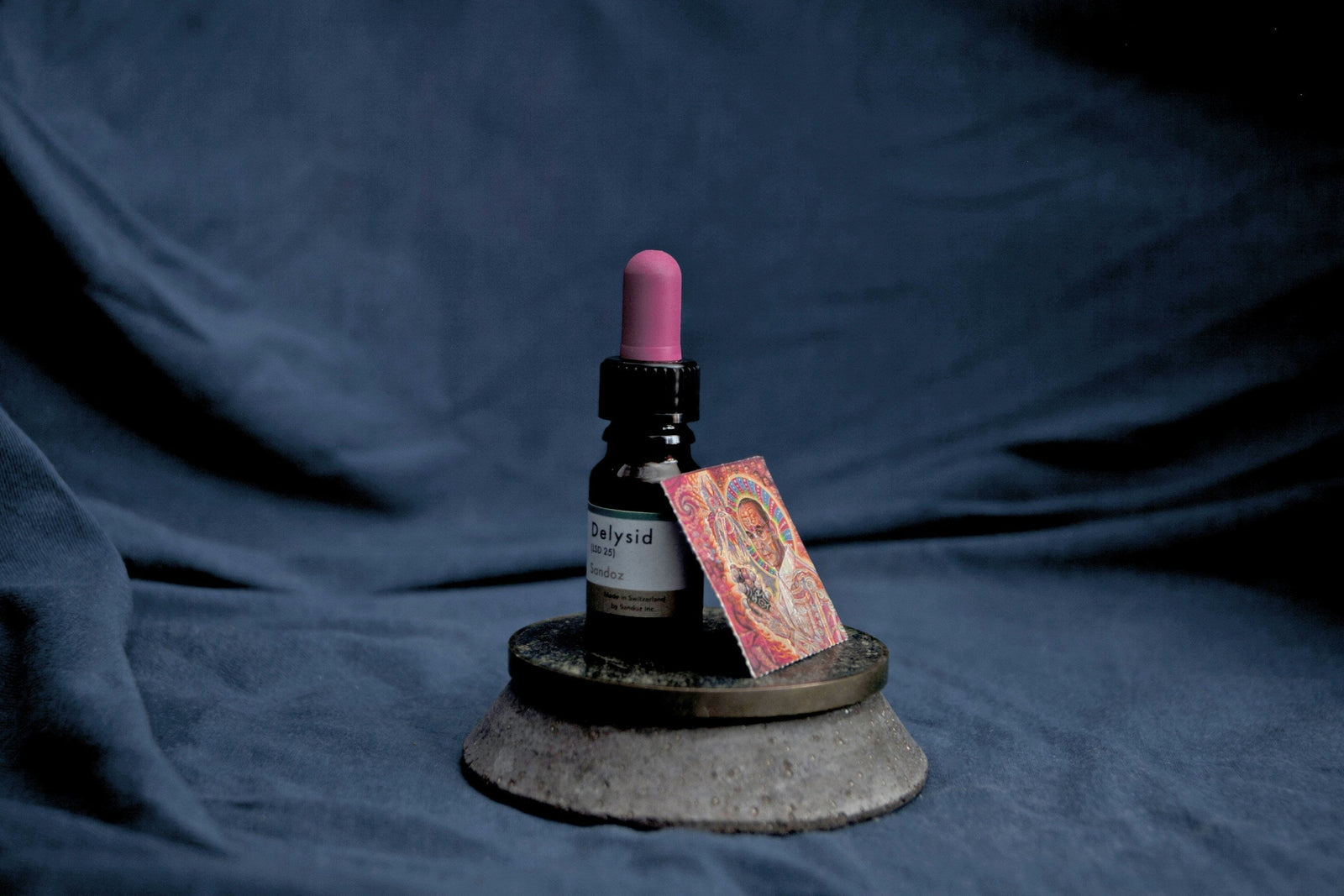
Microdosing – also im Fall von 1S-LSD die Einnahme winziger Mengen eines LSD-Derivats – erlebt seit einigen Jahren einen regelrechten Hype. Vor allem in kreativen Branchen, bei Start-up-Gründern und unter Biohackern gilt Microdosing als Geheimtipp für mehr Fokus, Kreativität und emotionale Balance. Da LSD selbst in Deutschland und vielen anderen Ländern verboten ist, greifen manche auf 1S-LSD als legale Alternative zurück . 1S-LSD wird in Smartshops und online als “Research Chemical” angeboten und verspricht ähnliche Effekte wie klassisches LSD – jedoch ohne rechtliche Konsequenzen, solange es nicht unter das Betäubungsmittelgesetz fällt . Doch was steckt genau hinter 1S-LSD? Wie wirkt es im Körper, insbesondere bei Mikrodosierung? Welche Chancen und Nutzen werden diskutiert, was berichten Nutzer:innen aus eigener Erfahrung, und was sagt die Wissenschaft dazu? Ebenso wichtig: Welche Risiken gibt es und wie ist die rechtliche Lage? Im Folgenden liefern wir einen umfassenden, klar strukturierten Überblick über den aktuellen Kenntnisstand zu 1S-LSD und Microdosing – unter Bezug auf wissenschaftliche Studien, Expertenmeinungen und seriöse Quellen.
Key Takeaways:
- 1S-LSD = legales LSD-Derivat, seit 2024 erhältlich.
- Microdosing (5–20 µg) soll Fokus, Kreativität & Stimmung fördern.
- Erste Studien: subtile Effekte, Placebo spielt große Rolle.
- Risiken: Toleranz, Dosierungsfehler, Kopfschmerzen, Schlafprobleme.
- Langzeitfolgen & Sicherheit noch unklar.
- Recht: in DE aktuell legal, aber Grauzone & jederzeit veränderbar.
- 1. Was ist 1S-LSD? Chemischer Hintergrund und Abgrenzung zu LSD & Co.
- 2. Wirkmechanismus im Körper (besonders bei Mikrodosierung)
- 3. Chancen und Nutzen von Mikrodosierung (Konzentration, Kreativität, emotionales Gleichgewicht)
- 4. Subjektive Erfahrungen: Was berichten Nutzer:innen?
- 5. Wissenschaftliche Forschung: Studienlage zu 1S-LSD und Microdosing
- 6.
Risiken, Nebenwirkungen und rechtliche Lage
- 7. Rechtliche Lage von 1S-LSD
- 8. FAQs
Was ist 1S-LSD? Chemischer Hintergrund und Abgrenzung zu LSD & Co.
1S-LSD (vollständiger chemischer Name: 1-(3-(Trimethylsilyl)propionyl)-Lysergsäurediethylamid) ist ein neuartiges Derivat von LSD aus der Klasse der Lysergamide . Chemisch gesehen handelt es sich um LSD (Lysergsäurediethylamid), das an der 1-Position um eine Trimethylsilyl-Propionylgruppe erweitert wurde . Dadurch entsteht ein Molekül, das zwar LSD sehr ähnlich ist, aber gerade so modifiziert wurde, dass es nicht unter die bestehenden LSD-Verbote vieler Länder fällt. Tatsächlich wurde 1S-LSD gezielt entwickelt, um gesetzliche Grauzonen auszunutzen: Es kam 2024 auf den Markt, nachdem in Deutschland frühere LSD-Analoga wie 1D-LSD per Neue-psychoaktive-Stoffe-Gesetz (NpSG) verboten wurden . Durch die Einführung der Trimethylsilyl-Gruppe, die im NpSG nicht erwähnt war, konnte 1S-LSD zunächst legal angeboten werden . Kurz gesagt: 1S-LSD ist eine “legale” Variante von LSD, die strukturell leicht verändert wurde, um nicht als LSD im juristischen Sinne zu gelten .
Zur Einordnung lohnt ein Blick auf verwandte LSD-Derivate: 1P-LSD (1-Propionyl-LSD) zum Beispiel ist ein seit 2015 bekanntes LSD-Analogon, das LSD um eine Propionylgruppe erweitert . Studien haben gezeigt, dass 1P-LSD im Körper rasch zu LSD umgewandelt wird und praktisch als Prodrug von LSD fungiert . Die subjektiven Effekte von 1P-LSD gelten als nahezu identisch mit denen von LSD . 1D-LSD wiederum (chemisch wohl 1-(1,2-Dimethylcyclobutanecarbonyl)-LSD) wurde 2023/24 als nächste Generation eingeführt. Anwender berichten auch hier von praktisch gleichen Wirkungen wie beim “originalen” LSD – die chemische Struktur ist nur minimal anders . 1D-LSD erlangte einige Bekanntheit, weil es zeitweise sogar in frei zugänglichen Automaten (etwa in Mannheim) verkauft wurde und so eine Debatte auslöste . Warum waren diese Derivate legal? In Deutschland (und vielen Ländern) gilt: Was nicht explizit illegal gelistet ist, ist zunächst legal . So war 1D-LSD anfangs legal erhältlich, bis am 14. Juni 2024 der Bundesrat beschloss, 1D-LSD ins NpSG aufzunehmen . Ähnlich waren zuvor schon 1cP-LSD und 1V-LSD verboten worden . Es entwickelte sich ein Katz-und-Maus-Spiel: Kaum wurde ein LSD-Derivat verboten, kam ein neues auf den Markt, das chemisch gerade außerhalb der gesetzlichen Definition lag . 1S-LSD ist genau in diesem Kontext entstanden – als Nachfolger von 1D-LSD, der die neue Gesetzeslücke nutzt . Die Trimethylsilyl-Gruppe (TMS) am Molekül ist ein strategischer Kniff, um aktuellen Regulierungen zu entgehen .
Fazit: 1S-LSD ist ein dem LSD sehr ähnlicher Wirkstoff, der sich chemisch nur durch die angehängte TMS-Propionylgruppe von LSD unterscheidet. Diese Veränderung reicht aus, um es (vorerst) legal zu machen, ohne die grundsätzliche Wirkung stark zu verändern . Praktisch kann man 1S-LSD als funktionellen Analogstoff oder “Designerdroge” betrachten, die im Körper vermutlich wieder zu LSD oder einem gleichwirkenden Metaboliten umgewandelt wird (ähnlich wie 1P-LSD) . Anwender und erste Berichte deuten darauf hin, dass 1S-LSD in Wirkung und Stärke mit klassischem LSD vergleichbar ist – nur der rechtliche Status unterscheidet es bislang vom verbotenen Urvater LSD .

Wirkmechanismus im Körper (besonders bei Mikrodosierung)
LSD und seine Derivate wirken primär auf das serotonerge System des Gehirns. Insbesondere dockt LSD als partieller Agonist an den 5-HT₂A-Rezeptoren an – spezielle Serotoninrezeptoren, deren Aktivierung für die psychedelischen Effekte verantwortlich ist . Darüber hinaus bindet LSD an eine Reihe weiterer Rezeptoren (u.a. andere Serotonin-Untertypen wie 5-HT₁A/₂B/₂C sowie Dopamin- und Adrenalinrezeptoren), was zu seinem komplexen Wirkprofil beiträgt. Bei einer üblichen Trip-Dosis (100 µg und mehr) führt die starke 5-HT₂A-Aktivierung zu tiefgreifenden Bewusstseinsveränderungen, Halluzinationen und veränderter Wahrnehmung. Doch was passiert bei einer Mikrodosis von z.B. 10–20 µg?
Bei solch einer sehr geringen Dosis werden die gleichen Rezeptorsysteme in weit geringerem Ausmaß stimuliert. Die Idee hinter Microdosing ist, genug Wirkstoff zu nehmen, um positive subtile Effekte zu erzielen, aber nicht so viel, dass die klassischen Halluzinationen oder „Ego-Auflösungen“ eines LSD-Trips auftreten. Das bedeutet, im Gehirn laufen unterhalb der Bewusstseinsschwelle Veränderungen ab: Moderate Aktivierung von 5-HT₂A-Rezeptoren kann bereits Einfluss auf Stimmung, Aufmerksamkeit und Kreativität nehmen, ohne überwältigende sensorische Störungen zu verursachen . Neurowissenschaftliche Studien untermauern, dass selbst Mikrodosen nachweisbare Effekte im Gehirn zeigen: So fand eine placebokontrollierte fMRI-Studie mit 13 µg LSD eine erhöhte Konnektivität zwischen der Amygdala (Emotionszentrum) und Regionen wie dem frontalen Cortex und Kleinhirn . Diese Netzwerke sind an emotionaler Verarbeitung beteiligt und bei Depression verändert – die verstärkte Kommunikation könnte also mit stimmungsaufhellenden Effekten zusammenhängen.
Physiologisch bleibt eine Mikrodosis weit unter der Schwelle akuter toxischer Effekte. In Studien mit niedrigen Dosen wurden keine ernsthaften Veränderungen von Herzfrequenz, Blutdruck oder Körpertemperatur festgestellt . Allerdings berichten einige Nutzer von subtilen körperlichen Empfindungen: leichten Kopfschmerzen, minimal erhöhtem Puls oder Temperaturgefühl sowie Schlafänderungen. Interessanterweise deuten neuere Daten darauf hin, dass Microdosing sogar den Schlaf verbessern könnte – in einer Untersuchung schliefen Probanden nach 20 µg LSD in der Nacht danach durchschnittlich 24 Minuten länger als die Placebogruppe . Dies zeigt, dass Mikrodosen nicht einfach wirkungslos sind, sondern vielfältige feine Veränderungen auslösen.
Ein wichtiger Aspekt ist die Toleranzentwicklung: Wie bei allen Psychedelika gewöhnt sich der Körper auch an LSD-ähnliche Substanzen sehr schnell. Bei täglicher Einnahme stumpft die Wirkung innerhalb weniger Tage deutlich ab, da die Serotoninrezeptoren weniger empfindlich reagieren (Downregulation) . Deshalb empfehlen erfahrene Anwender Protokolle mit Pausentagen (z.B. einen Tag Einnahme, zwei Tage Pause), um die Toleranzbildung gering zu halten. Insgesamt lässt sich sagen: Der Wirkmechanismus von 1S-LSD beim Microdosing beruht auf einer milden, aber messbaren Aktivierung jener Hirnrezeptoren und Netzwerke, die LSD auch in hohen Dosen beeinflusst – jedoch in abgeschwächter Form. Diese subtile Stimulation kann ausreichen, um Stimmung und Denken leicht zu modulieren, ohne Bewusstseinsverzerrungen hervorzurufen.


Chancen und Nutzen von Mikrodosierung (Konzentration, Kreativität, emotionales Gleichgewicht)
Befürworter des Microdosings mit LSD bzw. 1S-LSD verweisen auf eine Reihe von möglichen positiven Effekten im Alltag. Auch wenn die empirische Beweislage noch dünn ist (dazu mehr im Forschungskapitel), decken sich viele Erfahrungsberichte und erste Studienhinweise in folgenden Punkten:
- Verbesserte Konzentration und Produktivität: Mikrodosierer berichten häufig von einem gesteigerten Fokus. Alltägliche Aufgaben fallen leichter, man schweift mental weniger ab. Einige vergleichen die Wirkung mit Koffein, aber ohne Nervosität . In kleinen Placebo-Studien mit gesunden Probanden zeigte sich tatsächlich, dass Dosen um 5–20 µg LSD die Aufmerksamkeit in bestimmten kognitiven Tests leicht erhöhen konnten . Dabei trat kein berauschender Effekt ein – die Teilnehmer fühlten sich einfach „wach und im Flow“.
- Mehr Kreativität und „Out-of-the-Box“-Denken: Insbesondere in kreativen Berufen wird Microdosing eingesetzt, um neue Ideen zu fördern. Anwender beschreiben, dass Gedanken freier fließen und festgefahrene Denkmuster aufgebrochen werden . Eine oft zitierte (wenn auch kleine) Studie der Universität Maastricht 2021 deutete auf gesteigerte Kreativität unter Mikrodosierung hin . Kreative Problemaufgaben wurden nach einer Mikrodosis LSD angeblich flexibler gelöst. Allerdings fand eine andere Untersuchung keine objektiven Kreativitätszuwächse, außer bei Teilnehmern, die vermuteten, die aktive Substanz erhalten zu haben – was auf einen Placebo-Effekt hindeuten könnte.
- Stimmungsaufhellung und emotionale Balance: Viele Microdoser schätzen die subtile antidepressive Wirkung. Ohne eine „Euphorie“ wie bei klassischen Drogen zu erzeugen, berichten sie von besserer Laune, mehr Ausgeglichenheit und weniger Neigung zu Grübeleien . In Umfragen unter Anwendern schneiden Microdoser hinsichtlich Depressions- und Angstsymptomen tatsächlich besser ab als Nicht-Microdoser . Klinische Daten sind hier vorsichtig vielversprechend: In einer placebo-kontrollierten Pilotstudie mit Personen, die unter leichten Depressionstendenzen litten, führte eine 26 µg LSD-Dosis zu erhöhter Zufriedenheit und Energie sowie geringeren Depressionswerten zwei Tage nach der Einnahme im Vergleich zur Placebogruppe . Allerdings waren diese Effekte zeitlich begrenzt (siehe unten).
- Mehr Empathie und soziales Wohlbefinden: Anwender beschreiben manchmal, dass sie sich durch Microdosing offener und sozial verbundener fühlen. Kleine Alltagssorgen oder soziale Ängste treten in den Hintergrund, Gespräche fallen leichter . Diese Wirkung ist subjektiv und schwer messbar, doch passt ins Bild: LSD kann in höherer Dosis tiefes Verbundenheitsgefühl auslösen; in Mikro-Mengen könnte eine milde Version davon auftreten, die im sozialen Umgang zu mehr Entspanntheit führt .
- Potenziales therapeutisches Nutzen: Die vielleicht größten Hoffnungen ruhen darauf, Microdosing könnte bei psychischen Störungen helfen. Diskutiert werden Einsatzmöglichkeiten bei Depressionen, Angststörungen und ADHS . Vorstellbar wäre, dass regelmäßige kleine Dosen stimmungsaufhellend wirken und z.B. Antrieb und Fokus bei depressiven Patienten verbessern, ohne die Nebenwirkungen hoher Psychedelika-Dosen. In der Praxis haben einige Betroffene inoffiziell damit experimentiert und Besserungen berichtet. Wissenschaftlich wurden inzwischen erste Studien gestartet: 2022 etwa eine offene Pilotstudie mit depressiven Patienten (LSD 10–20 µg mehrmals wöchentlich). Diese zeigte positive Trends – einige Depressions-Scores verbesserten sich –, aber mangels Kontrollgruppe sind das keine Beweise . Ebenfalls läuft Forschung, ob Microdosing bei ADHS die Konzentration erhöhen kann. Theoretisch passt das, da LSD auf ähnliche Neurotransmitter wirkt wie manche ADHS-Medikamente. Ergebnisse hierzu sind aber noch ausstehend oder bisher uneinheitlich (eine erste kleine Studie fand keinen signifikanten Vorteil gegenüber Placebo ).

Subjektive Erfahrungen: Was berichten Nutzer:innen?
Einen tiefen Einblick in die Wirkung von 1S-LSD bei Mikrodosierung liefern die vielen Erfahrungsberichte aus der Praxis – ob in Online-Foren, persönlichen Blogs oder Erzählungen im Bekanntenkreis. Diese Berichte sind selbstverständlich anekdotisch, zeigen aber ein recht konsistentes Bild der subjektiven Wahrnehmungen.
In einschlägigen Foren wie Reddit (r/microdosing) oder dem deutschen Forum Land der Träume schildern Nutzer überwiegend positive Alltagseffekte. Beispiele sind Aussagen wie: „Ich fühle mich fokussierter und stabiler.“ oder „Meine kreative Arbeit fließt leichter.“ . Viele berichten, dass sie an Microdosing-Tagen einfach etwas produktiver und gut gelaunter seien – vergleichbar mit einem leicht verbesserten Grundzustand, ohne dass es explizit “psychedelisch” wirkt. Dinge, die man sonst vor sich herschiebt, gingen plötzlich müheloser von der Hand. Auch das bereits erwähnte Gefühl reduzierter sozialer Hemmungen wird von einigen hervorgehoben: „Soziale Ängste sind reduziert“, so der Eindruck eines Anwenders , der dank Microdosing bei Meetings und im Team lockerer auftrat.
Natürlich gibt es auch kritische Stimmen und weniger positive Erfahrungen. Einige Nutzer bemerken, dass nach anfänglicher Euphorie die Wirkung mit der Zeit nachlässt: „Effekte nach einigen Wochen deutlich schwächer“, wie ein Forenschreiber ernüchtert feststellte . Dies deckt sich mit dem Phänomen der Toleranzentwicklung – häufiges Microdosing hintereinander reduziert spürbar den Benefit (daher sind Pausen wichtig). Als Nebenwirkungen werden in Berichten immer mal wieder leichte Nervosität oder Kopfschmerzen genannt . Vor allem an den ersten Tagen einer Mikrodosierungs-Routine fühlen sich manche etwas „kribbelig“ oder haben minimale Spannungskopfschmerzen, die jedoch oft nach kurzer Zeit verschwinden. In seltenen Fällen berichteten Nutzer von erhöhter Reizbarkeit oder einem Stimmungsabfall an den Tagen ohne Microdosing – eine Art Mini-Entzug oder einfach das Empfinden, im Vergleich zum Dosistag fehle etwas.
Spannend ist, dass manche Anwender sehr individuelle Effekte schildern: So gibt es Berichte, dass Microdosing bei Migräne oder Cluster-Kopfschmerz hilft – ein Anwender etwa führt an, seit regelmäßigen LSD-Mikrodosen deutlich weniger Migräneattacken zu haben (dies wird auch in der Forschung als potenzielle Anwendung diskutiert) . Andere wiederum verspüren bei gleicher Dosis kaum etwas und fragen sich, ob es bei ihnen wirkt oder ob sie vielleicht Placeboeffekte erleben. Dieses Spektrum zeigt, dass die Erfahrung mit Microdosing sehr persönlich und von vielen Faktoren (Set, Setting, individuelle Neurobiologie) abhängig ist.
Wissenschaftliche Forschung: Studienlage zu 1S-LSD und Microdosing
Die wissenschaftliche Erforschung von Microdosing steckt noch in den Kinderschuhen. Speziell zu 1S-LSD als Substanz gibt es derzeit so gut wie keine publizierten Studien – es handelt sich um einen neuen Wirkstoff, der erst seit 2024 auf dem Markt ist und vor allem als legaler Ersatzstoff dient. Daher muss man bei der Forschungslage auf Untersuchungen zu LSD selbst oder anderen Analoga (wie 1P-LSD) und natürlich auf Studien zu Microdosing mit klassischen Psychedelika (z.B. Psilocybin) zurückgreifen.
In den letzten 5 Jahren hat das Thema Microdosing immerhin Einzug in klinische Studien gehalten. Einige Schlüsselerkenntnisse aus der bisherigen Forschung:
- Akute Wirkungen: Eine gut kontrollierte Studie (Univ. Chicago, 2020) fand, dass 13 µg LSD – also eine typische Mikrodosis – messbar die Stimmung verbessert. Die Probanden berichteten am Einnahmetag von erhöhter Euphorie und Energie, und selbst 48 Stunden später fühlten sich Teilnehmer mit zuvor depressiver Verstimmung noch leicht gebessert gegenüber Placebo . Hier zeigte sich also ein kurzfristiger therapeutischer Effekt. Allerdings war die Stichprobe klein. Andere Untersuchungen bestätigen zumindest positive akute Effekte auf die Stimmung: In einem Home-Use Experiment in England (Family et al. 2023) führte 20 µg LSD bei gesunden Freiwilligen zu besserer Laune und Gelassenheit am Dosistag, verglichen mit Placebo .
- Kognition und Kreativität: Die Daten sind gemischt. Eine Studie aus den Niederlanden (Hutten et al. 2020) testete verschiedene niedrige Dosen (5, 10, 20 µg) in kognitiven Aufgaben. Ergebnis: Aufmerksamkeit und einige Exekutivfunktionen waren bei 20 µg leicht verbessert, wohingegen Denkflexibilität/Kreativität nicht signifikant stieg . Interessanterweise berichteten aber einige Probanden von vermehrter Verwirrtheit und Ängstlichkeit bei 20 µg – ein Hinweis, dass höhere Mikrodosen auch unerwünschte Effekte haben können. Eine andere Untersuchung mit Psilocybin-Mikrodosierung fand keine objektiven Verbesserungen von Kreativität oder Wohlbefinden, außer bei den Teilnehmern, die korrekt errieten, dass sie kein Placebo erhielten . Das deutet stark auf Placebo-Einflüsse hin.
- Therapeutischer Nutzen für Klinische Populationen: Hier laufen aktuell die ersten echten klinischen Studien. Eine offene Pilotstudie (LSD-Depressionsstudie LSD-Dep1, 2022/23) verabreichte Patienten mit Major Depression über 6 Wochen alle drei Tage 10–20 µg LSD. Die Resultate zeigten, dass das Verfahren gut verträglich war und einige Depressionswerte sich während der Mikrodosierungsphase verbesserten – allerdings ohne Kontrollgruppe kann man Placeboeffekte nicht ausschließen . Derzeit läuft eine größere, placebokontrollierte Phase-2-Studie (LSD-Dep2), um belastbare Daten zur Wirksamkeit von LSD-Microdosing bei Depression zu erhalten . Im Bereich ADHS wurde 2021 eine erste Doppelblind-Studie durchgeführt: Erwachsene mit ADHS bekamen über einige Wochen LSD-Mikrodosen. Die publizierten Ergebnisse zeigten keine signifikante Verbesserung der ADHS-Symptome gegenüber Placebo . Dies dämpft etwas die Hoffnung, wobei hier ggf. Dosis und Stichprobengröße eine Rolle spielten. Insgesamt betonen Forscher wie Dr. Kim Kuypers (Maastricht University), dass microdosing bislang keine klaren Vorteile in klinischen Tests gezeigt hat: In einer ihrer Studien gab es keinen Unterschied in Wohlbefinden zwischen Mikro-LSD und Placebo, was auf starke Erwartungseffekte hinweist . Dennoch suchen sie nun nach Untergruppen – vielleicht sprechen manche Menschen (z.B. mit bestimmten Genvarianten oder Symptommustern) auf Microdosing an, während andere es nicht tun .
- Langzeitwirkungen und Neurobiologie: Weil die meisten Studien kurz sind, wissen wir wenig über die längerfristigen Effekte. In der bislang längsten kontrollierten Studie (6 Wochen, 10 µg LSD alle 3 Tage) wurden keine nachhaltigen Veränderungen in EEG-Hirnaktivitätsmaßen festgestellt, allerdings zeigten Feinanalysen subtile Änderungen in der Synapsenstärke in der Sehrinde . Das spricht für sehr dezente neuroplastische Effekte. Mehrere Forschungsgruppen untersuchen auch, ob Microdosing auf das Gehirn ähnlich antidepressiv wirken könnte wie Makrodosen – zum Beispiel durch Förderung von neuronalen Verbindungen. Erste Hinweise wie der Anstieg von BDNF im Blut sind interessant, aber ob das klinisch relevant ist, bleibt offen. Experten sind insgesamt zurückhaltend: Dr. Robin Carhart-Harris und Kollegen stellten 2022 die provokante Frage “Ist Microdosing nur Placebo?” und verwiesen darauf, dass viele Vorteile, von denen Menschen berichten, wissenschaftlich (noch) nicht solide nachweisbar sind .
Was sagen Expert:innen dazu? Fachleute auf dem Gebiet weisen meist darauf hin, dass man den Microdosing-Trend mit gesunder Skepsis betrachten sollte. Dr. Matthias Liechti, der in Basel zahlreiche LSD-Studien durchgeführt hat, betont, dass es an kontrollierten Daten fehlt, um Behauptungen wie “Microdosing macht kreativer und konzentrierter” zu untermauern . Die bisherigen Studien zeigen bestenfalls kurzfristige Effekte am Einnahmetag, jedoch keine anhaltenden Verbesserungen über die Dosierungsperiode hinaus . So verbesserte sich das Wohlbefinden in Versuchen nur am Tag der Mikrodosis, nicht in den Tagen danach – ein Hinweis, dass Microdosing anders als erhofft keine kumulative Wirkung hat, sondern immer nur eine kurzfristige Stimulation . Ebenso fand sich kein belastbarer Effekt auf Kreativität in objektiven Tests.
Felix Müller, Oberarzt an den Unikliniken Basel und ebenfalls LSD-Forscher, warnt davor, Microdosing auf die leichte Schulter zu nehmen. Es handle sich letztlich um einen experimentellen Selbstversuch, da Langzeitrisiken und optimale Dosispläne wissenschaftlich noch gar nicht geklärt sind . Er zieht den Vergleich: Das sei, als würde man ein Medikament nehmen, das noch in der Erprobung ist – ohne genau zu wissen, welche Nebenwirkungen bei monatelanger Einnahme auftreten könnten . Die Wissenschaft wird hier in den nächsten Jahren hoffentlich Antworten liefern. Bis dahin gilt: Microdosing ist ein faszinierendes Feld mit viel Potenzial, aber harte Belege für die vielfältigen behaupteten Nutzen stehen noch aus . Viele Ergebnisse sind anekdotisch oder durch Placebo erklärbar, weshalb aktuell in mehrere große, gut kontrollierte Studien investiert wird . Die Expertenmeinung lässt sich vielleicht so zusammenfassen: Microdosing ist interessant und meist gut verträglich, aber es ist kein erwiesenes Wundermittel. Wer es probiert, sollte realistische Erwartungen haben und die Entwicklungen der Forschung im Auge behalten.

Risiken, Nebenwirkungen und rechtliche Lage
man kennen sollte. Einige davon betreffen alle LSD-ähnlichen Substanzen, andere sind spezifisch für das Vorgehen des Mikrodosierens:
- Toleranzbildung: Wie schon erwähnt, gewöhnt sich der Körper schnell an LSD. Bei zu häufiger Einnahme in kurzen Abständen lässt die Wirkung rasch nach . Man braucht dann entweder höhere Dosen für denselben Effekt oder spürt kaum noch etwas. Dies ist kein klassisches Sucht-Phänomen, sondern eher eine physiologische Anpassung der Rezeptoren. Die Europäische Drogenbehörde (EMCDDA) stuft LSD zwar generell als nicht körperlich abhängig machend ein und sieht keine Entzugserscheinungen in dem Sinne , dennoch muss man bei Microdosing aufpassen, nicht in einen täglichen Gebrauch zu verfallen, der letztlich wirkungslos wird (und Ressourcen verschwendet).
- Dosisunsicherheit / Überdosierung: Ein praktisches Problem beim LSD-Microdosing ist die exakte Dosierung. LSD kommt meist auf getränkten Papierbättern (Blotter) mit z.B. 100 µg pro Viereck, die man für Microdosen zerteilen muss . Auch flüssige Lösungen zum Dosieren sind im Umlauf. Doch in beiden Fällen gilt: Man weiß nie ganz genau, wie viele Mikrogramm man tatsächlich erwischt . Selbst mit sorgfältigem Abmessen kann eine Mikrodosis leicht statt der gewünschten 10 µg vielleicht 20–30 µg enthalten – was schon spürbare psychedelische Effekte auslösen kann. Ein paar µg zu viel können zu überraschend intensiven Erfahrungen führen . Während körperlich keine akute Gefahr besteht (LSD ist auch in höheren Dosen nicht toxisch für Organe) , können solche versehentlichen „Minitrips“ den Alltag erheblich stören. Man stelle sich vor, man geht leicht unbeschwert zur Arbeit und merkt dann, dass man visuelle Verzerrungen bekommt – solche Berichte gibt es in Microdosing-Foren tatsächlich ab und an. Fazit: Ohne Drug-Checking und Laborausrüstung ist die Mikrodosierung ungenau. Daher immer vorsichtig herantasten und im Zweifel lieber etwas zu wenig als zu viel nehmen.
- Psychische Belastungen und Risiken: Auch geringe Mengen eines Psychedelikums sind nicht komplett frei von psychischen Effekten. Insbesondere Personen mit instabiler mentaler Verfassung sollten vorsichtig sein. Eine Mikrodosis kann latente Ängste verstärken oder Unruhe auslösen, insbesondere am Anfang der Einnahme . In klinischen Mikrodosis-Studien kam es vor, dass Teilnehmer aufgrund erhöhter Angstgefühle ausschieden – was zeigt, dass selbst kleinste Mengen bei manchen eine unangenehme Wirkung haben . Theoretisch besteht auch die Gefahr, dass bei Personen mit Neigung zu Psychosen eine regelmäßige Serotonin-Rezeptor-Stimulierung problematisch ist (auch wenn Mikrodosen wohl kaum akute Psychosen auslösen, ist Vorsicht geboten). Stimmungsumschwünge sind ebenfalls möglich: Einige Anwender berichten an den “Off-Tagen” von schlechterer Laune oder Energielosigkeit, was einen Rebound-Effekt andeutet . Diese Nebenwirkung ist noch wenig untersucht.
- Physische Nebenwirkungen: Akut sind Mikrodosen LSD körperlich sehr verträglich. Keine gravierenden Nebenwirkungen wurden in Studien beobachtet . Dennoch gibt es leichte unerwünschte Effekte, die auftreten können. Kopfschmerzen gehören zu den häufigsten – interessanterweise berichten manche, Microdosing helfe gegen Migräne, während andere von leichten Spannungskopfschmerzen als Nebeneffekt sprechen . Schlaf: Während eine kleine Studie eine Verlängerung der Schlafdauer fand, klagen einige Nutzer, dass spätes Microdosing abends zu Einschlafschwierigkeiten führen kann – vermutlich individuell unterschiedlich. Magen-Darm-Unruhe oder Appetitveränderung sind selten, aber möglich (Serotoninrezeptoren gibt es auch im Verdauungstrakt). Zudem wurde von erhöhter Herzfrequenz und Blutdruck in Einzelfällen berichtet, was zur leichten Anspannung passen könnte . Alles in allem sind die körperlichen Effekte aber mild und transient, sofern man bei niedrigen Dosen bleibt.
- Unklare Langzeitfolgen: Der vielleicht größte Unsicherheitsfaktor sind die langen Zeiträume. Viele Microdoser nehmen über Monate hinweg zweimal pro Woche ihre Minidosis. Für solche Szenarien fehlen schlicht die wissenschaftlichen Daten, um zu beurteilen, ob das auf Dauer wirklich unbedenklich ist . Experten weisen speziell auf eine mögliche Gefahr hin: LSD und seine Derivate aktivieren auch den 5-HT₂B-Rezeptor, der an Herzmuskelzellen vorkommt . Früher gab es Medikamente (Appetitzügler), die über chronische 5-HT₂B-Stimulation Herzklappenschäden verursachten. Könnte Microdosing über lange Zeit ähnliches bewirken? Felix Müller erklärt, man habe anfangs vermutet, dass wiederholtes LSD in Mini-Dosen eventuell Herzklappenveränderungen auslösen könnte, eben weil es am gleichen Rezeptor ansetzt . Bisher gibt es dafür keine Hinweise – die bisherigen Studien fanden keine kardialen Auffälligkeiten –, aber diese Untersuchungen liefen auch nur einige Wochen. Kim Kuypers bestätigt, dass „Valvulopathie“ (Herzklappenerkrankung) durch Microdosing diskutiert wird, auch wenn noch nichts dazu publiziert sei . Bis das geklärt ist, bleibt ein Restrisiko bestehen, wenn man über Monate/Jahre mikrodosiert.


Rechtliche Lage von 1S-LSD
Die Legalität von 1S-LSD ist ein dynamisches Thema, das von Land zu Land unterschiedlich gehandhabt wird. Stand Ende 2025 lässt sich folgendes Bild zeichnen:
- Deutschland: Hier ist 1S-LSD (noch) legal erhältlich. LSD selbst unterliegt dem BtMG (Betäubungsmittelgesetz) und ist verboten, aber 1S-LSD fällt (noch) nicht darunter . Es ist weder im BtMG noch – bislang – im NpSG (Neue-psychoaktive-Stoffe-Gesetz) gelistet . Das NpSG wurde im Juni 2024 zuletzt erweitert, um 1D-LSD und HHC zu verbieten . Da 1S-LSD chemisch neuartig (Stichwort: Trimethylsilyl-Gruppe) ist, war es von dieser Änderung nicht erfasst . Somit kann 1S-LSD derzeit in Deutschland legal verkauft, gekauft und besessen werden. Viele Anbieter nutzen allerdings juristische Grauzonen: Sie verkaufen 1S-LSD als “Research Chemical” oder zu “wissenschaftlichen Zwecken” – oft mit dem Hinweis, es sei nicht für den menschlichen Konsum bestimmt (so versucht man, Arzneimittel- oder Analogie-Gesetze zu umgehen). Wichtig: Am 14. Juni 2024 wurde der Vertrieb von 1D-LSD verboten , doch der Besitz blieb straffrei . Es ist wahrscheinlich, dass künftige Gesetzesänderungen auch 1S-LSD ins Visier nehmen werden . Prognosen von Szene-Kennern gingen davon aus, dass 1S-LSD mindestens bis Mitte 2025 legal bleibt . Da die Substanz sehr bekannt geworden ist, könnte aber in absehbarer Zeit eine Anpassung des NpSG erfolgen. Bis dahin befindet sich 1S-LSD in einer rechtlichen Grauzone: Legal im Handel (unter bestimmten Auflagen), doch natürlich nicht offiziell zugelassen oder reguliert wie ein Arzneimittel.
- Österreich und Schweiz: Österreich hat eigene NPS-Gesetze, die LSD-Derivate einschließen. Hier war z.B. 1V-LSD 2021 schon kurzfristig erhältlich und wurde dann verboten. 1S-LSD dürfte Stand jetzt ebenfalls unter die neuen psychoaktiven Substanzen fallen; wer sich in AT informiert, sollte aktuelle Listen prüfen. In der Schweiz sind LSD-Analoga in der Regel dem BetmG gleichgestellt, sofern sie im Körper zu LSD umgewandelt werden. Es gibt Hinweise, dass dort 1cP-LSD und ähnliche bereits als verboten angesehen werden. 1S-LSD ist so neu, dass Behörden sich evtl. noch nicht geäußert haben. Im Zweifel wäre aber auch hier Vorsicht geboten.
- Andere Länder (EU/USA): In vielen Ländern greift das Analoggesetz oder ähnliche Bestimmungen. In den USA z.B. könnte 1S-LSD als Analogon von LSD gelten und damit als Schedule I (illegal) betrachtet werden, sobald es für Konsumzwecke verkauft wird . In der EU haben Länder wie Frankreich, Großbritannien, Schweden etc. teils explizite Verbote für LSD-Analoge oder generelle NPS-Regularien. Beispielsweise ist 1P-LSD in etlichen europäischen Ländern bereits illegal . Für 1S-LSD gibt es noch keine flächendeckende Regulierung, aber es ist nur eine Frage der Zeit, bis hier nachgezogen wird. Wer international reist oder 1S-LSD ins Ausland bestellen will, muss sich dringend vorab informieren, da in vielen Jurisdiktionen erhebliche Strafen drohen, wenn die Substanz als LSD-Äquivalent bewertet wird .
FAQs
Ist 1S-LSD „das gleiche“ wie LSD?
Nein. Strukturell verwandt, aber modifiziert (TMS an N-1). Pharmakologisch ähnlich, doch nicht identisch; direkte Human-Daten sind 2025 begrenzt.
Was versteht man unter Microdosing?
Die Einnahme sehr kleiner Mengen weit unterhalb der klassischen psychedelischen Schwelle. Ziel: subtile Modulation, keine intensiven Wahrnehmungsveränderungen.
Macht Microdosing kreativer und fokussierter?
Kurzfristig berichten viele subjektive Verbesserungen; objektiv fallen die Ergebnisse gemischt aus und hängen oft von Erwartungen ab.
Gibt es klinische Belege (Depression/ADHS)?
Hinweise, aber keine Beweise. Offene Pilotstudien zeigen Trends; streng geblindete Studien finden teils keine Überlegenheit gegenüber Placebo.
1S-LSD Microdosing – Chancen, Erfahrungen und Forschung ergibt 2025 ein differenziertes Bild:
- Ja: Es gibt messbare Kurzzeitsignale (Stimmung/Vigilanz, teils Schlaf).
- Aber: Nachhaltige Vorteile über Wochen/Monate sind nicht belegt; Kreativitäts-/Kognitionsdaten bleiben uneinheitlich.
- Risiken: Vor allem Toleranz und Dosisvariabilität im Mikrogramm-Bereich, plus individuelle psychische Reaktionen; Langzeitfragen offen.
- Recht: Bewegliches Ziel – nur aktuelle Gesetzeslage zählt.
- Kompass: Evidenznah bleiben, Erwartungen realistisch halten, rechtlich informiert sein und medizinische Fragen professionell klären.
Transparenz & Verantwortung: Diese Darstellung dient der neutralen Information. Sie ist keine Handlungs-/Konsumeinladung, ersetzt keine medizinische oder rechtliche Beratung und gibt keine Dosierempfehlungen.


🔮 1S-LSD bei Happyflower entdecken
Laborgeprüft · Diskret versandt · ⭐ 4,6/5 (750+ Bewertungen)
Jetzt 1S-LSD ansehen →
Share:
3-FPO Dosierung 2025: Präzision statt Übermut – der Guide für neugierige Köpfe
3-FPO: Wirkung, Dosierung, Legalität & Risiken (Guide 2026)