
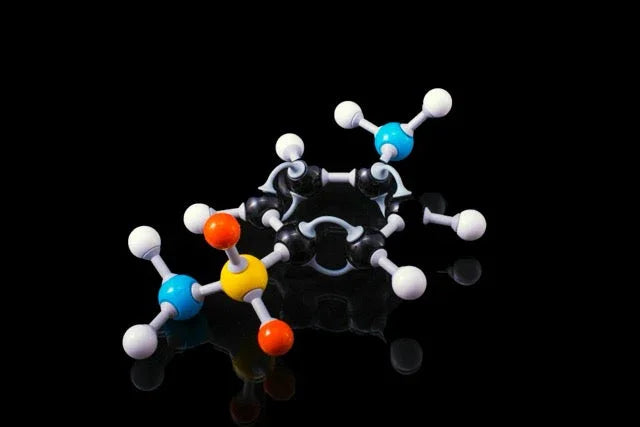
Du magst Weed, brauchst aber manchmal cleanen Fokus ohne Chaos im Kopf? In Foren taucht plötzlich 3-FPO auf — als "neues Stimulans", "funktional", "research only". Klingt spannend. Aber was steckt wirklich dahinter? Hier kommt der Deep-Dive: locker erklärt, faktenbasiert, ehrlich zu Risiken, Recht und Mythen.
Wir verlinken dir interne HappyFlower-Ressourcen für mehr Tiefe: Smartshop Legal Highs für den Einstieg, die 3-FPO Kategorie für aktuelle Verfügbarkeiten und den Cannabinoid Legal Guide Deutschland 2026 für die rechtliche Gesamtlage.
Key Takeaways — 3-FPO im Überblick
- Was ist 3-FPO? Ein neues Stimulans aus dem Research-Chemical-Spektrum mit Fokus auf Dopamin- und Noradrenalin-Pfaden. Subjektiv „clean und fokussiert" — wissenschaftlich allerdings noch dünn publiziert.
- Wirkung: Klarer Fokus, sauberes Wachgefühl, weniger „dröhnig" als klassische Stimulanzien. Pharmakologisch orientiert man sich an Daten zu 3-FPM.
- Onset/Dauer: Oral 30–60 min Onset, 4–6 h Wirkdauer. Nasal schneller, aber kürzer.
- Risiken: Typische Stim-Nebenwirkungen (Herz, Schlaf, Stimmung), Langzeitprofil unklar, Wechselwirkungen mit Stimmungsaufhellern problematisch.
- Legalität DE (Mai 2026): 3-FPO ist nicht explizit im NpSG gelistet — gilt also rechtlich aktuell nicht als verbotener Stoff. Die nächste NpSG-Änderungsverordnung kann das aber jederzeit ändern.
- Qualität: Ohne COA, HPLC/NMR und Batch-Transparenz ist jede „Forschung" wertlos. Reinheit entscheidet.
Was ist 3-FPO?
3-FPO ist ein Research-Chemical-Stimulans mit eigenem chemischen Gerüst — unter anderem auf Basis eines Oxadiazol-Motivs. Es ist nicht einfach „das nächste Amphetamin", sondern ein eigenständiger Ansatz aus der Design-Stimulanz-Ecke. Strukturell und funktional wird es häufig in Nähe zu 3-FPM (3-Fluorophenmetrazin) und Methylphenidat-Analoga eingeordnet — also eine funktionale, eher dopamin- und noradrenalin-lastige Stimulation statt breit serotonerg.
Da peer-reviewte Literatur zu 3-FPO selbst kaum öffentlich ist, wird das Profil meist über die deutlich besser dokumentierte 3-FPM-Datenlage hergeleitet. Für 3-FPM existieren WHO-Berichte und Fachpublikationen zu Transporter-Interaktion, Metabolismus und Rechtslage — übertragbar auf 3-FPO, aber nur mit Vorsicht.
Wichtig: „Research Chemical" meint Labor- und Analyse-Kontext. Diese Seite ist keine Konsumanleitung. Mehr zur verwandten Substanzgruppe findest du im Vergleich ETMC vs. 4-DMC.
Woher kommt 3-FPO?
RC-Märkte funktionieren wie ein Katz-und-Maus-Game: Wird Substanz A reguliert, wandern Hersteller chemisch zu Substanz B. 3-FPO ist ein Ergebnis dieser Pipeline — der Versuch, funktionale Stimulation mit neuem chemischen Korsett zu kombinieren. Die Genealogie führt über 3-FPM (Phenylmorpholine-Ableitung) und die Methylphenidat-Verwandtschaft Richtung „klarer" Upper mit Fokus-Vibes.
3-FPO vs. 3-FPM vs. Amphetamin — der Schnellvergleich
- 3-FPO vs. 3-FPM: Community-Berichte beschreiben 3-FPO als klarer und wacher, teils direkter im Antritt. 3-FPM gilt eher als „funktional-entspannt".
- 3-FPO vs. Amphetamin: Amphetamin ist euphorisierend und körperlich treibend. 3-FPO wird als fokussierend und clean beschrieben.
- Reality-Check: Diese Einordnungen stammen aus Anekdoten, nicht aus Doppelblind-Studien. Individuelle Unterschiede sind groß.
Wirkung von 3-FPO
Im Labor-Framing wird 3-FPO als Stimulans diskutiert, das primär Dopamin- und Noradrenalin-Bahnen adressiert — also Wachheit, Antrieb, Konzentration. Nutzerberichte und anekdotische Profile sprechen von:
- Kopf: klarer Fokus, sauberes Wachgefühl, weniger „dröhnig" als klassische Stimulanzien.
- Stimmung: von neutral-motiviert bis leicht euphorisch — stark setting-abhängig.
- Körper: Puls- und Blutdruckanstieg, Wärmegefühl, Mundtrockenheit — typische Stim-Marker.
- Fokus/Kognition: Vigilanz und Reaktionszeit können sich subjektiv verbessern. Doppelblind-Daten dazu fehlen für 3-FPO.
Diese Subjektprofile sind nicht gleichbedeutend mit klinischen Daten — sie bieten allenfalls Hypothesen für künftige Forschung. Verlässliche Mechanismen sind über die 3-FPM-Literatur (Transporter-Interaktion) besser belegt und werden vorsichtig auf 3-FPO übertragen. Wer den Vergleich zu Cannabinoid-basiertem Fokus sucht, findet bei 9H-THC Wirkung ein anderes Profil.
Onset, Peak & Dauer
Auch wenn belastbare pharmakokinetische Daten zu 3-FPO selbst rar sind, ergeben sich aus Berichten und Vergleichen zu 3-FPM grobe Zeitfenster:
| Konsumform | Onset | Peak | Dauer |
|---|---|---|---|
| Oral | 30–60 min | 1–2 h | 4–6 h |
| Nasal | 5–15 min | 30–60 min | 2–4 h |
Nasal kommt schneller, hält aber kürzer und ist tendenziell intensiver. Oral baut sich sanfter auf und ist leichter steuerbar. Die individuelle Streuung ist erheblich — Stoffwechsel, Toleranz und Setting beeinflussen alles. Nach 24 Stunden sollte ein klares Re-Dose-Verbot stehen, sonst kippt das Profil schnell ins Negative.
Dosierung von 3-FPO — was du wissen solltest
Wir geben hier bewusst keine Verzehrempfehlung. Was du dir merken kannst: Bei Research Chemicals gilt der Grundsatz „start low, go slow" als Standard in der Harm-Reduction-Community. Bei strukturell verwandten Substanzen wie 3-FPM bewegen sich aktive Forschungsdosen im niedrigen zweistelligen Milligramm-Bereich — präzise Aussagen für 3-FPO sind mangels Studien nicht seriös.
Was real entscheidend ist:
- Eine Feinwaage mit 0,001 g Auflösung ist Pflicht — Augenmaß ist bei RCs ein No-Go.
- Re-Dosing erhöht die Wahrscheinlichkeit für Crash, Herzrasen und Schlafentzug überproportional.
- Toleranz baut sich bei wiederholter Anwendung schnell auf — Dosis-Eskalation ist die typische Falle.
- Mehr Tiefe zur Dosierungs-Logik findest du im verlinkten 3-FPO Bereich.
Nebenwirkungen und Risiken
Stimulanzien-Pharmakologie bringt ein erwartbares Risikoprofil mit. Bei 3-FPO sind die folgenden akuten Effekte plausibel:
- Kardiovaskulär: Herzfrequenz hoch, Blutdruck hoch, Vasokonstriktion. Vorerkrankte (Herz, Hypertonie) sind besonders gefährdet.
- Schlaf: Einschlafstörungen über viele Stunden, oft bis zu 12 h nach Wirkende.
- Stimmung: Reizbarkeit, Angst, gedrückte Stimmung im Comedown. Bei Vorbelastung (Depression, Angst) Vorsicht.
- Vegetativ: Mundtrockenheit, Schwitzen, Appetitverlust, Kieferpressen.
Langzeitprofil: Für 3-FPO existieren keine Langzeitdaten. Bei strukturell verwandten Stimulanzien gibt es Hinweise auf Neurotoxizitäts-Risiken bei wiederholtem hochfrequentem Konsum — das gilt es konservativ auch hier zu unterstellen.
Wechselwirkungen: Kombinationen mit MAO-Hemmern, SSRIs, anderen Stimulanzien oder Tramadol sind potenziell gefährlich (Serotonin-Syndrom, hypertensive Krisen, Herzrhythmusstörungen). „No-Mix" ist Harm-Reduction-Konsens. Auch Alkohol maskiert die Wirkung und kippt das Risiko.
Reinheit, COA und Laboranalysen
Bei einem so jungen Molekül wie 3-FPO ist Reinheit kein Bonus, sondern der Kern. Ohne Labor-Verifikation hängt jede Diskussion in der Luft. Was du als Indikator für Qualität erwarten solltest:
- COA (Certificate of Analysis) pro Batch — keine Sammel-Dokumente.
- HPLC für Reinheitsbestimmung (Soll: ≥98 %).
- NMR für Strukturidentifikation — bestätigt, dass tatsächlich 3-FPO und kein anderes Isomer vorliegt.
- Batch-Tracking über Chargennummern, idealerweise mit GMP- oder ISO-Bezug auf Produzentenseite.
- Optik: weißes bis schwach gelbliches kristallines Pulver, geruchsneutral. Verfärbungen, Klumpenbildung oder Geruch sind Red Flags.
Anbieter ohne COA verkaufen dir effektiv eine Black Box. Bei einem Stoff mit dünner Sicherheitsdatenlage ist das das größte vermeidbare Risiko.
Legalität von 3-FPO in Deutschland (Stand 2026)
Die zentrale Frage: Ist 3-FPO Stand Mai 2026 in Deutschland legal? Aktuelle Einordnung:
- BtMG (Betäubungsmittelgesetz): 3-FPO ist nicht in den Anlagen I–III des BtMG gelistet.
- NpSG (Neue-psychoaktive-Stoffe-Gesetz): Das NpSG arbeitet mit Stoffgruppen-Definitionen. Stand Mai 2026 ist 3-FPO nicht explizit von den im NpSG-Anhang aufgeführten Stoffgruppen erfasst. Die Beurteilung ist hier allerdings juristisch nicht trivial und kann sich mit jeder Änderungsverordnung verschieben.
- 7. NpSG-Änderungsverordnung: Wird laut Branchenkommunikation für Herbst 2026 erwartet. Erfahrungsgemäß werden dabei Stoffgruppen erweitert, sodass strukturähnliche neue Designerdrogen mit erfasst werden.
- Arzneimittelgesetz: Wer 3-FPO als Arzneimittel verkauft oder mit Heilversprechen bewirbt, läuft unabhängig vom NpSG-Status in AMG-Verstöße.
Praktisch heißt das: Der Handel mit 3-FPO als ausgewiesenes Research Chemical ist Stand Mai 2026 in DE in einem rechtlichen Graubereich, der nicht durch das NpSG abgedeckt ist — aber jederzeit erfasst werden kann. In Österreich (NPSG) und der Schweiz (Btm-Verordnung mit expliziter Listung von 3-FPM) ist die Lage tendenziell strenger. Den vollständigen Stand findest du im Cannabinoid Legal Guide Deutschland 2026.
3-FPO im Vergleich zu ähnlichen Research Chemicals
Zur Einordnung — wo steht 3-FPO neben benachbarten Stoffen?
| Substanz | Klasse | Status DE 2026 | Wirkungsdauer |
|---|---|---|---|
| 3-FPO | Stimulans (RC, Oxadiazol-Motiv) | nicht im NpSG (Mai 2026) | 4–6 h (oral) |
| 3-FPM | Stimulans (Phenmetrazin-Analog) | NpSG-erfasst (Phenmetrazin-Gruppe) | 5–7 h |
| 4-DMC | Stimulans (Cathinon-Derivat) | NpSG-erfasst (Cathinone) | 3–5 h |
| ETMC (3,4-EtMC) | Empathogen (Cathinon) | NpSG-erfasst | 3–4 h |
| Amphetamin | Klassisches Stimulans | BtMG Anlage III | 6–8 h |
Der Vergleich zeigt: 3-FPO ist Stand Mai 2026 das einzige der genannten Moleküle mit einem Profil außerhalb der gängigen NpSG-Stoffgruppen. Genau dieser Status ist aber fragil — die nächste Änderungsverordnung kann das verschieben. Wer tiefer in die Cathinon-Ecke einsteigen will: Im Artikel ETMC vs. 4-DMC haben wir die direkte Verwandtschaft auseinandergedröselt. Eine weitere Smartshop-Alternative ist 4-PRO-MET aus der Psilocybin-Analog-Linie.
Drogentest: Ist 3-FPO nachweisbar?
Standard-Schnelltests (Immunoassays) wie sie bei Verkehrskontrollen oder am Arbeitsplatz benutzt werden, sind auf bekannte Drogenklassen geeicht — primär Amphetamine, MDMA, Kokain, THC, Opiate, Benzodiazepine. 3-FPO ist strukturell weder ein klassisches Amphetamin noch ein Cathinon, sondern ein eigenes Gerüst mit Oxadiazol-Motiv. Es ist daher unwahrscheinlich, aber nicht ausgeschlossen, dass Standard-Tests anschlagen.
Was du wissen solltest:
- Schnelltests: Vermutlich kein direkter Treffer. Kreuzreaktivität zu Amphetamin-Antikörpern ist bei neuen RCs aber nicht ausgeschlossen.
- GC-MS / LC-MS: Gezielte Analytik weist 3-FPO und seine Metaboliten zuverlässig nach — wenn das Labor explizit darauf screent.
- Haaranalyse: Theoretisch detektierbar bei entsprechendem Screening, in der Praxis selten standardmäßig getestet.
- Nachweisfenster: Urin vermutlich 1–3 Tage (analog 3-FPM), Blut Stunden bis Tag eins. Belastbare 3-FPO-spezifische Daten fehlen.
Wo kann man 3-FPO kaufen? — worauf achten
Wer 3-FPO sucht, findet im RC-Markt vom seriösen Forschungsanbieter bis zur dubiosen Telegram-Quelle alles. Die Differenz ist real und manchmal lebenswichtig. Worauf du achten solltest:
- Transparenz: Impressum, gewerbliche Adresse, erreichbarer Support. Anonyme Shops sind Red Flag.
- COA pro Batch: Aktuelle Analysezertifikate für genau die Charge, die du bekommst.
- Zahlungswege: Sichere Zahlungsmethoden mit Käuferschutz statt Krypto-Only.
- Versand: Diskrete, gepolsterte Verpackung, Tracking, EU-Lager.
- Kommunikation: Auf konkrete Nachfragen zu Reinheit, Herkunft, Synthese-Route gibt ein seriöser Anbieter belastbare Antworten.
- Preis: Extrem niedrige Preise sind verdächtig — Reinheit kostet.
Unsere kuratierte Auswahl an Smartshop-Produkten findest du in der Smartshop Legal Highs Collection und speziell zu 3-FPO im 3-FPO Sortiment.
Häufige Fragen zu 3-FPO (FAQ)
Ist 3-FPO Stand Mai 2026 in Deutschland legal?
3-FPO ist Stand Mai 2026 nicht im NpSG gelistet und nicht im BtMG erfasst. Das macht den reinen Besitz zu Forschungszwecken aktuell rechtlich nicht strafbar — die Lage kann sich aber mit der erwarteten 7. NpSG-Änderungsverordnung im Herbst 2026 ändern. Vor jeder Handlung den aktuellen Stand verifizieren.
Wie unterscheidet sich 3-FPO von 3-FPM?
Beide sind Stimulanzien mit Fokus auf Dopamin und Noradrenalin. 3-FPM ist deutlich besser erforscht und unter die NpSG-Phenmetrazin-Stoffgruppe in Deutschland erfasst. 3-FPO ist strukturell verwandt, aber mit einem Oxadiazol-Motiv und gilt anekdotisch als klarer und etwas direkter im Antritt.
Wie lange wirkt 3-FPO?
Oral 4–6 Stunden mit Peak nach 1–2 Stunden. Nasal kürzer (2–4 Stunden) und intensiver. Individuelle Streuung ist groß. Belastbare pharmakokinetische 3-FPO-Daten fehlen — die Angaben sind anekdotisch.
Wird 3-FPO bei einer Verkehrskontrolle nachgewiesen?
Standard-Schnelltests sind auf 3-FPO nicht direkt geeicht. Kreuzreaktivität zu Amphetamin-Antikörpern ist nicht völlig ausgeschlossen. Gezielte GC-MS- oder LC-MS-Analytik weist 3-FPO zuverlässig nach, wird aber nur bei begründetem Verdacht angeordnet.
Welche Nebenwirkungen sind typisch?
Erhöhte Herzfrequenz und Blutdruck, Schlafstörungen, Appetitverlust, Kieferpressen, Mundtrockenheit. Im Comedown Reizbarkeit und gedrückte Stimmung. Bei Vorerkrankungen (Herz, Hypertonie, Angststörungen, Depression) deutlich erhöhtes Risiko.
3-FPO im Kontext der Smartshop-Szene 2026
Der Smartshop-Markt in Deutschland hat sich 2025 und 2026 deutlich verschoben. Mit dem CanG (Cannabis-Gesetz) wurde der Cannabis-Markt teil-reguliert, während Cannabinoide wie HHC, HHC-P und THCP unter das NpSG fielen. Die Folge: Eine Welle neuer, regulatorisch nicht abgedeckter Designerstoffe — 3-FPO ist einer davon. Das ist kein Zufall, sondern Markt-Mechanik. Verbraucher suchen funktionale Wirkprofile, Hersteller liefern Moleküle, die unterhalb der Regulierungs-Schwelle bleiben.
Was das praktisch bedeutet:
- Die Halbwertszeit eines „legalen" RC-Status in DE liegt erfahrungsgemäß bei 12–24 Monaten. Wer einsteigt, sollte die Möglichkeit eines schnellen Listings einkalkulieren.
- Hochwertige Anbieter ziehen vor jedem erwarteten Regulierungsschritt das Sortiment bereits zurück oder kennzeichnen klar. Wer nach einem expliziten NpSG-Update noch unverändert verkauft, ist ein Red-Flag-Anbieter.
- Die Qualitätsstreuung im Markt ist hoch. Zwischen GMP-zertifizierter Synthese in spezialisierten Laboren und Heimkocher-Produktion liegen Welten — und die Optik des Pulvers hilft dir bei der Unterscheidung nicht.
- Der grenzüberschreitende Versand aus EU-Nachbarstaaten verschiebt das Risiko: Was in NL oder PL legal angeboten wird, kann beim Zoll in DE als unerlaubter Import durchgehen, wenn die Substanz hier erfasst ist.
Wer sich grundlegend für die Smartshop-Logik interessiert, findet im Smartshop Legal Highs-Bereich kuratierte Produkte mit klarer Compliance-Linie.
Setting, Mindset und Harm Reduction
Bei einem Stoff mit dünner Datenlage entscheidet das Setting darüber, ob aus einem kontrollierten Forschungsversuch ein riskanter Ausflug wird. Stimulanzien wie 3-FPO verstärken alles, was vorher da war — Fokus, aber auch Nervosität, Schlafdruck, mentale Vorbelastung. Wer mit unklarem Mindset einsteigt, riskiert Angstspiralen und einen harten Comedown.
Praktische Anker für die Harm-Reduction-Disziplin:
- Reagenztests vor jeder neuen Charge: Marquis, Mecke, Mandelin und Liebermann geben dir ein schnelles Bild, ob du wirklich 3-FPO und nicht ein verschnittenes Pulver hast. Reagenztests sind kein Ersatz für GC-MS, aber sie filtern offensichtliche Fälschungen raus.
- Hydration und Elektrolyte: Stimulanzien verschieben den Flüssigkeitshaushalt und reduzieren das Durstempfinden. Über den Tag verteilt 2–3 Liter Wasser, idealerweise mit Magnesium und Kalium ergänzt.
- Schlafhygiene: Spätestens 8 Stunden vor dem geplanten Bedtime ist Schluss. Schlafentzug verstärkt die Toxizität jedes Stimulans.
- Soziales Setting: Im Solo-Modus mit unklarer Substanz und ohne Backup-Person ist das Risiko unverhältnismäßig.
- Kein Stacking: Koffein, Nikotin und andere Stimulanzien addieren die Herz-Kreislauf-Belastung. Bei einer hochaktiven Substanz wie 3-FPO ist das eine vermeidbare Eskalation.
- Pausen-Disziplin: Mindestens 7 Tage zwischen zwei Anwendungen, besser länger. Stimulanzien-Toleranz baut sich schnell auf — und der Drang zur Eskalation ist die typische Falle.
Wer den Übergang zu legalen Cannabinoid-basierten Alternativen sucht, findet im Cannabinoid Legal Guide Deutschland 2026 einen Überblick. Für klar fokussiertes Wachgefühl mit besser dokumentierter Sicherheitsdatenlage ist das eine ernstzunehmende Alternative.
Metabolismus und Ausscheidung — was bekannt ist
Wissenschaftlich solide Aussagen zum 3-FPO-Metabolismus sind Mangelware. Vorhandene Daten aus 3-FPM-Studien liefern aber Anhaltspunkte. Was plausibel ist:
- Phase-I-Metabolismus: Wahrscheinlich CYP450-vermittelte Oxidation, mit dem Oxadiazol-Motiv als möglicher metabolischer Schwachstelle.
- Phase-II-Konjugation: Glucuronidierung und Sulfatierung der Hydroxy-Metaboliten — standardisierter Weg für Stimulanzien dieser Klasse.
- Renale Ausscheidung: Hauptweg über den Urin, sowohl unverändert als auch als Metaboliten.
- Halbwertszeit: Anekdotisch im Bereich von 4–6 Stunden, was zur beobachteten Wirkungsdauer passt.
Das ist Hypothese, nicht harte Pharmakokinetik. Wer mit Medikamenten mit CYP-Interaktionsprofil (viele Antidepressiva, Antibiotika, manche Herzmittel) hantiert, sollte das Wechselwirkungs-Risiko ernst nehmen.
Mythen, die rund um 3-FPO kursieren
Im RC-Forum-Diskurs zirkulieren ein paar Behauptungen, die einer Faktenprüfung nicht standhalten:
- Mythos „völlig nebenwirkungsfrei": Falsch. Jedes Stimulans mit Dopamin- und Noradrenalin-Aktivität hat ein erwartbares Nebenwirkungsprofil. Wer das Gegenteil behauptet, verkauft.
- Mythos „nicht abhängig machend": Falsch. Stimulanzien dieser Klasse haben dokumentiertes Suchtpotenzial. Psychische Abhängigkeit baut sich schnell auf, besonders bei chronischer Anwendung gegen Müdigkeit oder Fokusprobleme.
- Mythos „legaler Ritalin-Ersatz": Irreführend. Methylphenidat (Ritalin) ist verschreibungspflichtig und unterliegt dem BtMG. 3-FPO ist kein zugelassenes Arzneimittel und keine Behandlung für ADHS — wer es so verkauft, bricht das Arzneimittelgesetz.
- Mythos „bei jedem gleich": Falsch. Genetische Varianten in CYP-Enzymen, Körpergewicht, Toleranz und Tagesform machen die individuelle Reaktion stark unterschiedlich.
- Mythos „mit Alkohol entspannter": Falsch und gefährlich. Alkohol maskiert die Stim-Wirkung, verschiebt das Wahrnehmungsvermögen und erhöht das Risiko für kardiovaskuläre Zwischenfälle.
Wer sollte 3-FPO grundsätzlich meiden?
Auch wenn das hier keine medizinische Beratung ist — bei bestimmten Konstellationen ist das Risikoprofil schlicht zu hoch:
- Personen mit Herz-Kreislauf-Erkrankungen, Bluthochdruck oder Rhythmusstörungen.
- Menschen mit Angststörungen, Panikattacken oder akuter Depression.
- Schwangere und Stillende.
- Personen unter 21 Jahren mit noch in Entwicklung befindlichem zentralem Nervensystem.
- Wer aktuell SSRIs, MAO-Hemmer, Stimmungsstabilisierer oder andere ZNS-aktive Medikamente nimmt.
- Personen mit Schilddrüsenüberfunktion oder Diabetes-Typ-1 unter komplexem Insulin-Regime.
Fazit
3-FPO ist 2026 ein Paradebeispiel für die RC-Logik: neues Gerüst, funktionales Profil, regulatorische Lücke. Wer sich seriös informiert, sieht auch die Schwachstellen — dünne Datenlage, kein Langzeitprofil, fragiler Legal-Status. Wenn du dich aus Forschungsinteresse mit 3-FPO beschäftigst, ist Qualität (COA, HPLC, NMR), Harm-Reduction-Disziplin (No-Mix, Feinwaage, keine Re-Dosing-Spirale) und ein klarer Blick auf die juristische Lage entscheidend. Alles andere ist Glücksspiel.
Quellen: Neue-psychoaktive-Stoffe-Gesetz (NpSG), Bundesgesundheitsministerium, EUDA Drug Profiles, WHO ECDD Critical Review zu 3-Fluorophenmetrazin (43rd Meeting). Stand: Mai 2026.
Suchst du legale Smartshop-Alternativen?
Laborgeprüfte Research Chemicals & Smartshop-Produkte — diskret, schnell, transparent. Ab 39,99€.
Smartshop entdecken →








Share:
1S-LSD: Microdosing, Wirkung, Recht & Sicherheit – nüchtern erklärt
1S‑LSD ‑ Verbot 2025 – Geschichte, Gesetzeslage und Zukunft der LSD‑Derivate