In unserem hektischen Alltag sehnen sich viele Menschen nach Entspannung und innerer Ruhe. Dauerstress im Job, Prüfungsdruck, familiäre Verpflichtungen oder finanzielle Sorgen rauben uns oft den Schlaf und sorgen für anhaltende Unruhe. Tatsächlich stuft mehr als die Hälfte der Erwachsenen in Deutschland ihr Stresslevel als hoch ein – 61 % fühlen sich stark bis sehr stark gestresst . Ähnlich alarmierend sind die Zahlen bei Jugendlichen und Studierenden. Anhaltender Stress kann zu Schlafproblemen, Ängsten oder depressiven Stimmungen führen. Da verwundert es nicht, dass manche Menschen nach Mitteln suchen, um abzuschalten – beispielsweise nach Produkten aus dem Hanf-Bereich. THC, der psychoaktive Wirkstoff der Cannabispflanze, steht hier oft im Fokus. Er verspricht mit Entspannung, gutem Schlaf und Gelassenheit zu helfen. Doch wie realistisch sind diese Hoffnungen? Und welche Risiken birgt das „Entspannungskraut“? In diesem Beitrag klären wir evidenzbasiert und empathisch, was THC für Körper und Psyche bedeutet, welche positiven Effekte in Studien berichtet wurden und wo Grenzen und Gefahren liegen. Dabei ist uns wichtig, sowohl Entlastung als auch Verantwortung zu betonen. Denn wer sich für THC interessiert, sollte gut informiert sein und wissen, wie man es richtig dosiert und einsetzt.
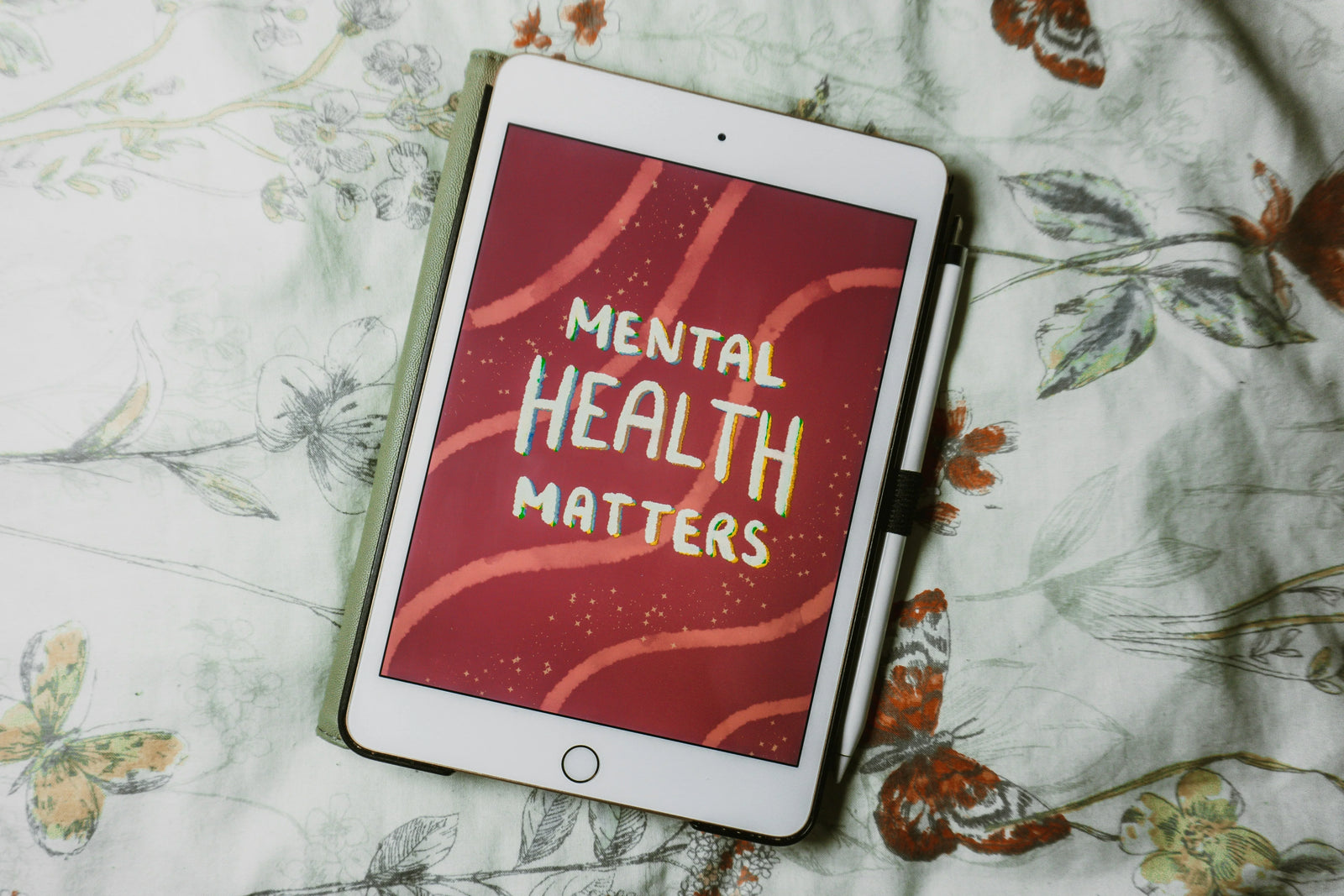
Stellt euch vor, ihr könntet euch so leicht und frei fühlen wie dieser Vogel – frei von Sorgen und Stress. THC wirkt auf manche Menschen offenbar wie ein innerer „Freifall“, der den Alltag zumindest zeitweise vergessen lässt. Doch wie geht dieser Impuls mit Achtsamkeit und Verantwortung zusammen? In diesem Artikel beleuchten wir die Fakten: vom biologischen Mechanismus im Gehirn bis zu konkreten Studien-Ergebnissen. Dabei ziehen wir verschiedene Quellen heran – von medizinischen Fachpublikationen über Gesundheitsbehörden bis hin zu Berichten und Produkten von HappyFlower – und vermitteln ehrliche Informationen. Ziel ist ein authentischer Ratgeber, der Vertrauen schafft und Orientierung gibt, ohne Risiken zu verschweigen. Am Ende steht ein Aufruf zu Balance und Selbstverantwortung: THC kann bei vielen Menschen Linderung bringen, aber nur, wenn wir es klug und umsichtig nutzen.
- 1. Key Takeaways – „THC & mentale Gesundheit“
- 2. Was ist THC und wie wirkt es im Gehirn?
- 3. Positive Effekte auf Stress, Angst und Schlaf
- 4. Risiken, Missbrauch und Abhängigkeit
- 5. Rechtliche Lage in Deutschland und international
- 6. Verantwortungsvoller Umgang mit THC
- 7. Unsere Produktempfehlungen und HappyFlower-Services
- 8. Balance zwischen Entlastung und Eigenverantwortung
- 9. Frequently asked questions (FAQs)
Key Takeaways – „THC & mentale Gesundheit“
- THC kann psychisch entlasten. Studien zeigen: Niedrige Dosen können Stress und Anspannung kurzfristig reduzieren und helfen, den Kopf abzuschalten – ideal bei mentaler Überlastung.
- Die Dosis entscheidet über Balance. Kleine Mengen wirken beruhigend und fördern Gelassenheit, hohe Dosen können dagegen Unruhe, Paranoia oder Angst verstärken.
- Bewusst konsumieren, nicht fliehen. THC kann helfen, Emotionen wahrzunehmen und Stress zu lösen – aber es ersetzt keine Therapie. Verwende es achtsam, nicht als Dauerlösung.
- Schlaf, Angst, Stimmung – gezielte Wirkung möglich. Medizinische Daten belegen positive Effekte auf Schlafqualität und Angstsymptome, vor allem bei moderatem Konsum.
- Mentale Stabilität zuerst. Menschen mit Depressionen, Angststörungen oder Psychose-Risiko sollten THC nur unter ärztlicher Begleitung verwenden.
- Individuelle Reaktion beachten. Jeder Mensch reagiert anders – setze auf Selbstbeobachtung und Dosierungstagebuch, um Deinen persönlichen Sweet Spot zu finden.
- Qualität schützt Deine Psyche. Nur laborgeprüfte, legale Produkte verwenden – Verunreinigungen oder synthetische Zusätze können negative Effekte verstärken.
- Start low, stay mindful. Beginne mit 2–5 mg THC (z. B. halber Gummy oder 1 ml Drink) und steigere erst nach mehreren Stunden, wenn Du Dich sicher fühlst.


Was ist THC und wie wirkt es im Gehirn?
THC steht für Δ⁹-Tetrahydrocannabinol – den wichtigsten psychoaktiven Wirkstoff der Hanfpflanze. Es ist fettlöslich und ähnelt in seiner Struktur den körpereigenen Endocannabinoiden (z.B. Anandamid). Diese Botenstoffe gehören zu unserem Endocannabinoid-System (ECS), das im ganzen Körper Nervenzellen und Organe miteinander vernetzt. Zwei zentrale Bausteine des ECS sind die Rezeptoren CB1 (hauptsächlich im Gehirn und Zentralnervensystem) und CB2 (vor allem im Immunsystem) sowie die körpereigenen Liganden wie Anandamid und 2-AG. Erst wenn ein Endocannabinoid oder ein äußerer Wirkstoff – etwa THC – an einen dieser Rezeptoren bindet, löst dies eine Wirkungskaskade aus .
THC verhält sich dabei als Agonist vor allem am CB1-Rezeptor im Gehirn. Das erklärt seinen psychischen Effekt. Es kann Gefühle wie Euphorie, Entspannung oder veränderte Sinneseindrücke auslösen. Typische direkte Effekte sind zum Beispiel ein „Flut“ von Sinneseindrücken (Musik klingt intensiver, visuelle Eindrücke bunter), ein gesteigerter Appetit („Fressflash“) und ein Gefühl von Glück oder Wohlbefinden. Viele Nutzer beschreiben ein Gefühl von Gelassenheit oder „Losgelöstheit“ nach einer mittleren Dosis.
Andererseits kann THC gerade in höheren Dosen auch unangenehme Nebenwirkungen hervorrufen. Dazu gehören Herzrasen, Angstzustände, Paranoia oder sogar Halluzinationen. Typisch sind ebenso Konzentrationsstörungen, Vergesslichkeit (kurzfristige Gedächtnislücken) und Mundtrockenheit (sog. „Cottonmouth“). In amtlichen Gesundheitsinformationen heißt es beispielsweise: „Die Wirkung von THC kann zu Sedierung, gesteigertem Sinneseindruck und verlangsamter Zeitwahrnehmung führen; ebenso können Euphorie aber auch Unruhe und Angst zunehmen, insbesondere in höheren Dosen“ . Man spricht darum oft vom „doppelt wirkenden“ Charakter des THC: Niedrige Dosen können entspannend wirken, während zu viel auf einmal Unruhe oder sogar Panik auslösen kann .
Fundamentaler Hinweis: Jede Wirkung ist dosisabhängig und individuell. Ob sich jemand entspannt oder nervös fühlt, hängt von der Dosis, der persönlichen Veranlagung und der aktuellen Gemütslage ab. Das zeigt zum Beispiel auch der HappyFlower-Blog: „Egal, welche Form du wählst: Achte immer auf Dosierung und deine Erfahrung! Anfänger*innen sollten klein anfangen – z.B. nur wenige Züge oder einen halben Gummibär – und abwarten .“
Positive Effekte auf Stress, Angst und Schlaf
Viele THC-Interessierte erhoffen sich von Cannabisprodukten eine spürbare Entlastung im Alltag. Tatsächlich gibt es Hinweise auf bestimmte positive Effekte – allerdings oft in einem engen Rahmen und abhängig von den Umständen:
- Stress und Entspannung: Einige Anwender berichten, dass ein kleiner „THC-Moment“ nach der Arbeit hilft, innere Anspannung loszulassen. In kontrollierten Studien wird aber deutlich: Die Effekte sind dosisabhängig. Bereits eine Übersichtsarbeit stellt fest, dass niedrige THC-Dosen entspannend wirken können, hohe Dosen jedoch tendenziell Ängste steigern . Entsprechend raten Experten: In Maßen genossen, kann THC vorübergehend zu einem ruhigen, „abgeschalteten“ Gefühl beitragen; bei Überdosierung drohen allerdings genau Panik oder Herzrasen .
- Angst und Angststörungen: Interessanterweise existieren auch Berichte über THC als Angstlöser. Eine erste Evidenz liefert etwa eine Analyse von Patientendaten (UK Medical Cannabis Registry): 302 Menschen mit generalisierter Angststörung, die medizinisches Cannabis erhielten, berichten von deutlich gesunkenen Angstwerten (GAD-7) nach zwölf Monaten. Vor allem Cannabisöle waren hier wirkungsvoll . Das deutschsprachige Portal Enmedify kommentiert hierzu: Ölpräparate zeigten die stärksten Verbesserungen bei Angst und Depression, während getrocknete Blüten vor allem beim Schlaf halfen . Wichtig ist jedoch: Diese Studien betrachten in der Regel Patienten mit ernsthaften Angststörungen unter ärztlicher Betreuung.
- Schlaf: Hier ist die Datenlage wohl am stärksten zugunsten von THC. Mehrere Untersuchungen zeigen, dass THC-haltige Präparate den Schlaf verbessern können. So fand eine Studie aus Australien (2021) bei älteren Patienten (mit medizinischer Verschreibung) heraus, dass ein THC-reiches Öl-Präparat das Durchschlafen um durchschnittlich 30 Minuten verlängerte und den körpereigenen Melatoninspiegel deutlich erhöhte . 60 % der Teilnehmer berichteten so von besserem Schlaf. Eine Metaanalyse von 1000 Personen ergab sogar, dass bis zu 80 % eine „starke Verbesserung“ ihrer Schlafqualität angaben, insbesondere bei schweren Schlafstörungen . Andere Studien berichteten, dass Cannabis (oft in Verbindung mit chronischen Schmerzen oder PTSD) half, schneller einzuschlafen und seltener aufzuwachen . Die Wirkung wird erklärt durch die sedierende Komponente: THC kann helfen, rascher runterzukommen und weniger wach zu liegen. (Interessanterweise kann auch das in Cannabis enthaltene CBD indirekt den Schlaf fördern, etwa durch Reduktion nächtlicher Ängste.)
- Stimmung und Depression: Ob THC gegen depressive Verstimmungen hilft, ist umstritten. Einige Konsumenten empfinden nach einer Dosis kurze Zeiten guter Laune – ähnlich wie ein „Stimmungsaufheller“. Wissenschaftlich gibt es bisher jedoch wenig Belege für eine antidepressive Wirksamkeit von Cannabis. Eine Übersichtsarbeit fasst zusammen, dass es kaum verwertbare Studien gibt, die Cannabis als Antidepressivum empfehlen würden . Im Gegenteil warnen Experten davor, Cannabis als Dauerlösung bei Depressionen zu verwenden. Vielmehr wurde in der NASEM-Studie 2017 festgestellt, dass Cannabis nicht nachweislich das Risiko für Depressionen senkt – und bei ständigem Konsum unter Umständen sogar mit vermehrten Suizidgedanken einhergehen kann .
Aktuelle Studienlage: Insgesamt deutet die Forschung an, dass kurzwirkende, moderate THC-Mengen vorübergehend entspannend wirken können, schwere oder regelmäßige Dosierungen aber leicht ins Gegenteil kippen. So berichten Tierstudien und erste Humanversuche von einer doppelten Wirkung: Niedrig dosiertes THC lindert Angst und Schmerz, während höhere Dosen Angst und Nervosität steigern . In einer Reihe von Versuchen an gesunden Freiwilligen führte ein Anstieg der THC-Gaben zu messbar stärkerem Angstempfinden . Das bedeutet: In klinischen Studien zeigt sich bei gesunden Probanden eher eine angstauslösende Wirkung von THC, besonders über 10–25 mg .
Trotzdem gibt es realistische Einsatzfelder: Als Entspannungshelfer am Abend können THC-Produkte (etwa Edibles oder Drinks) funktionieren – bei entsprechender Dosiskontrolle. In der Palliativmedizin etwa verwenden Ärzte THC (Dronabinol) zur Linderung von Schmerzen und zur Beruhigung, was vielen Patienten Erleichterung bringt. Wichtig ist hierbei immer der medizinische Kontext: Für solche Anwendung gibt es verschreibungspflichtige Präparate.
Zusammenfassung Positive Effekte: Bei Stress, Angst oder Schlafproblemen berichten manche Nutzer von positiven Erlebnissen. Studien zeigen vor allem für den Schlaf echte Verbesserungen . Gegen Akutstress und soziale Ängste sind die Belege weniger klar – eher spielt hier CBD eine größere Rolle. THC kann aber helfen, sich nach Belastungen locker zu fühlen (niedrige Dosis) . Einige Beobachtungen bei Patienten bestätigen dies, z.B. fühlten sich Teilnehmer einer Anxiety-Studie nach Einnahme von Cannabisöl deutlich weniger angespannt . Allerdings ist dies nicht für jeden garantiert: Manchmal überwiegt die unerwünschte Wirkung (siehe nächstes Kapitel).

Risiken, Missbrauch und Abhängigkeit
Neben den potenziellen Vorteilen dürfen die Risiken nicht verschwiegen werden. THC ist ein stark wirksamer psychoaktiver Stoff, und insbesondere bei häufigem Konsum oder in hohen Dosen kann er ernsthafte Probleme verursachen:
- Akute Nebenwirkungen: Schon kurz nach dem Konsum können unerwünschte Effekte auftreten. Dazu zählen erhöhte Herzfrequenz, Blutdruckschwankungen, Schwindel und eben Angstzustände bis hin zu Panikattacken . Besonders THC-Neulinge, Menschen mit niedrigem Körpergewicht oder psychisch vorbelastete Personen reagieren oft sensibler auf die Rauschwirkung. Studien zeigen, dass bei 25 mg orales THC gesunde Versuchspersonen signifikant vermehrt Ängste und Nervosität berichteten . Das heißt: Eine starke Dosis kann sogar das Gegenteil von Entspannung bewirken.
- Psychische Erkrankungen: Zahlreiche Untersuchungen deuten darauf hin, dass regelmäßiger Cannabiskonsum das Risiko für Psychosen und Schizophrenie erhöht. Eine aktuelle kanadische Kohortenstudie fand, dass 12- bis 19-Jährige, die kiffen, ein elfmal höheres Risiko für eine spätere psychotische Störung haben als Gleichaltrige ohne Konsumerfahrung . Ein Grund dafür könnte sein, dass heutiges Cannabis oft viel höhere THC-Werte enthält als früher – von 6 % in den 1990er-Jahren bis weit über 20 % heute . Bereits die U.S.-Gesundheitsbehörde (NASEM) schließt aus ihrer umfassenden Übersicht, dass Cannabiskonsum sehr wahrscheinlich das Risiko für Schizophrenie und verwandte Psychosen steigert . Für Menschen mit einer familiären Vorbelastung für Psychosen gilt besondere Vorsicht: Cannabis kann hier einen Ausbruch erleichtern.
- Langzeitfolgen im Gehirn: Das jugendliche Gehirn reift bis ins frühe Erwachsenenalter. Daher ist Cannabis in der Adoleszenz besonders riskant: Studien warnen, dass starker Konsum bei jungen Menschen zu dauerhaften Veränderungen im Gehirn führen kann . Dies zeigt sich etwa in Lern- und Gedächtnisstörungen oder einer erhöhten Neigung zu Depressionen im Erwachsenenalter. Gesundheitsportale wie die BARMER betonen: „Für Heranwachsende besteht eine größere Gefahr, da das Gehirn noch nicht vollständig ausgereift ist“ . Kurzum: Je früher und intensiver kiffend begonnen wird, desto größer ist das Risiko für dauerhafte Schäden.
- Abhängigkeit: Entgegen mancher Märchen ist auch Cannabis nicht völlig harmlos. Die süchtigmachende Komponente mag geringer sein als bei Alkohol oder Nikotin, aber sie existiert . Langfristiger, regelmäßiger Gebrauch kann zu einer psychischen Abhängigkeit führen – dem starken Verlangen, immer wieder Cannabis zu konsumieren. In Deutschland gilt Cannabis-Abhängigkeit als eine der häufigsten Diagnosen in Suchtbehandlungen . Im Klartext: Ein Teil der Freizeitkonsumenten „gewöhnt“ sich an die Droge. Selbst HappyFlower schreibt offen, dass bei dauerhaftem Gebrauch eine gewisse Abhängigkeit entstehen kann, wenn auch der „Drang“ geringer sei als bei Alkohol oder Tabak . Hinzu kommt die Gefahr des Missbrauchs: Überdosierungen (beispielsweise durch zu viel Edibles) können zu intensiven Panikattacken oder selbstvergessenen Zuständen führen, die für Laien schnell bedrohlich wirken.
- Vulnerable Gruppen: Manche Menschen sind besonders gefährdet. Dazu zählen Jugendliche (siehe oben), aber auch Schwangere (THC kann die Entwicklung des ungeborenen Kindes beeinträchtigen) und Menschen mit psychischen Vorerkrankungen (z.B. schwerer Depression oder bipolaren Störung). In einer NASEM-Übersicht wurde auch festgestellt, dass starker Cannabiskonsum mit erhöhten Symptomen bei bipolarer Störung und mit mehr Suizidgedanken einhergeht . Kurz gesagt: Wer bereits unter Ängsten, Halluzinationen oder Instabilität leidet, sollte Cannabis eher meiden.
- Allgemeine Gefahren: Unter dem Einfluss von THC sollte man nicht Auto fahren oder Maschinen bedienen – Deutschland hat hierfür eine gesetzliche Grenze (0,3 % THC im Blutserum bzw. 3,5 ng/mlTHC im Blut), ab der es illegal und lebensgefährlich ist . Auch das Mischen von THC mit Alkohol oder anderen Drogen kann unerwartete (und gefährliche) Wirkungen verstärken.
Wissenschaftliche Studien betonen: Kurzfristige, maßvolle Anwendung ist für viele Erwachsene unbedenklich, langfristiger Dauerkonsum aber nicht . Die Bundeszentrale für gesundheitliche Aufklärung warnt zudem explizit vor den Risiken: „Cannabiskonsum gilt allgemein als Risikofaktor – besonders für Heranwachsende“ . Insgesamt sollte man also auch mögliche negative Szenarien ernst nehmen und den eigenen Konsum sehr bewusst dosieren.
Rechtliche Lage in Deutschland und international
Die Rechtslage für THC-Produkte hat sich 2024/25 in Deutschland grundlegend geändert. Zum 1. April 2024 trat das neue Cannabisgesetz in Kraft: Erwachsene dürfen nun bis zu 25 g Cannabis („Gras“) mit sich führen und bis zu 3 Pflanzen privat anbauen . Allerdings bleibt der Verkauf an Dritte in der Freizeit weiterhin strafbar – Ausnahme sind z.B. wissenschaftliche Modellprojekte. Wichtig ist auch: Der Besitz darf nur „für den eigenen Bedarf“ sein (die genauen Grenzwerte können je nach Bundesland leicht variieren). Für synthetische Cannabinoide wie HHC oder THCP gilt ab Juni 2024 ein generelles Verbot (neue Rauchverbotsgesetze des BfArM) .
International gibt es große Unterschiede: In einigen Ländern ist Cannabis komplett freigegeben, in anderen streng verboten. So ist Kanada seit 2018 flächendeckend legal – Erwachsene können dort frei einkaufen und mitführen. Ähnliches gilt für Uruguay (seit 2013) und mittlerweile auch einige US-Bundesstaaten. In Europa lockern immer mehr Staaten ihre Regeln. Luxemburg erlaubt Privatanbau, Malta betreibt legale „Cannabis Clubs“, die Niederlande sind für ihre Coffeeshop-Kultur bekannt. Andere Länder wie Frankreich, Polen oder viele in Osteuropa bleiben restriktiv. Allgemein gilt aber: Innerhalb der EU ist der Anbau von Nutzhanf (≤ 0,2–0,3 % THC) erlaubt , und daraus hergestellte CBD-Produkte sind legal, solange der THC-Gehalt minimal ist . HappyFlower nutzt diese Regel: Ihre „Space Shots“ enthalten beispielsweise Delta-9-THC aus europäischem Nutzhanf mit < 0,3 % – dadurch sind sie nach eigener Aussage legal , obwohl sie einen psychoaktiven Effekt haben.

Verantwortungsvoller Umgang mit THC
Wer sich trotz Risiken für THC entscheidet, sollte besonders achtsam sein. Hier einige Tipps für einen verantwortungsvollen Konsum:
- Niedrige Dosierung („Start low, go slow“): Beginne immer mit einer sehr kleinen Menge, z.B. 5–10 mg THC bei Edibles oder nur ein paar Züge bei einem Verdampfer . Warte nach der Einnahme lange genug (bei Esswaren bis zu 1–2 Stunden!), um die volle Wirkung abzuwarten. Das HappyFlower-Team empfiehlt ausdrücklich, lieber langsam zu steigern als zu viel auf einmal zu nehmen . Halte stets die maximale Dosis im Blick und stecke Reste sicher weg.
- Ruhe und Komfort: Konsumiere in einer sicheren Umgebung, möglichst entspannt und ohne Zeitdruck. Schaffe eine angenehme Atmosphäre (bequemes Sitzen, gedämpftes Licht, beruhigende Musik). Lasse belastende Gedanken so weit wie möglich los. Wenn du dich jedoch bereits ängstlich oder unruhig fühlst, ist THC kein geeignetes „Mittel zum Durchstarten“.
- Achte auf Qualität: Verwende nur hochwertige, laborgeprüfte Produkte , idealerweise aus vertrauenswürdigen Quellen. HappyFlower betont zum Beispiel, dass alle seine Edibles und Drinks streng getestet sind und aus zertifizierten Nutzhanfextrakten stammen . Vermeide unsichere „Straßenware“, da hier Reinheit und Dosierung völlig unklar sein können.
- Vermeide Mischkonsum: Alkohol, Benzos oder andere Drogen in Kombination mit THC können unvorhersehbar wirken. Vor allem Alkohol verstärkt oft die Nebenwirkungen von THC (Herzrasen, Übelkeit, Desorientierung).
- Kein Konsum im Straßenverkehr oder bei Verantwortung: Wie erwähnt gilt eine strenge Promille-ähnliche Grenze. Steige niemals betrunken oder „high“ ins Auto, Fahrrad oder an Maschinen.
- Regelmäßige Pausen: Gewöhne deinem Körper Pausen. Nutze THC nicht als Dauermedikament. Wenn du merkst, dass du täglich oder mehrmals pro Woche stark rauchen/eat, ist es Zeit für eine Abstinenzphase.
- Selbstbeobachtung: Führe vielleicht sogar ein kleines Tagebuch: Wann hast du THC genommen, wie viel, wie war deine Stimmung? Das hilft, ein Gefühl für Dosiswirkung zu entwickeln und mögliche Probleme früh zu erkennen.
- Beachte Gesundheitshinweise: Schwangeren, stillenden oder stark psychisch vorbelasteten Personen wird dringend vom Konsum abgeraten. Wenn du Medikamente nimmst oder Herz-Kreislauf-Probleme hast, spreche vor dem Ausprobieren mit einem Arzt.
Unsere Produktempfehlungen und HappyFlower-Services
Für alle, die trotzdem neugierig sind und THC-Produkte ausprobieren möchten, hat HappyFlower eine Auswahl zusammengestellt. Hier einige Kategorien, die sich bewährt haben:
- THC Edibles (Esswaren): Süße Cannabis-Snacks sind sehr beliebt, weil sie geruchsneutral sind und ein langanhaltendes High liefern . Dazu gehören fruchtige Gummibärchen mit 5–10 mg THC pro Stück, knackige Hanf-Kekse oder Schokoladenbrownies (z.B. das „Willy Wonka’s Hashbrownie“). HappyFlower bietet etwa ein „Peach Gummy Bears“ Sortiment an, laborgeprüft mit je 10 mg THC . Tipp: Dosierungshinweis beachten (Start 5–10 mg) und lange Wirkungseinsatzzeit (30–60 Minuten) einplanen .
- THC Drinks (Shots): Neu und innovativ sind Nanotechnik-Drinks. Die THC Space Shots enthalten pro Fläschchen 20 mg Nano-THC und wirken bereits nach 10–20 Minuten . Sie sind perfekt, wenn es schnell gehen soll (z.B. nach einem Stresstag), da der Körper das THC durch die Nano-Emulsion blitzschnell aufnehmen kann . Trotzdem gilt auch hier: Nicht zu schnell ganz austrinken, sondern portioniert trinken.
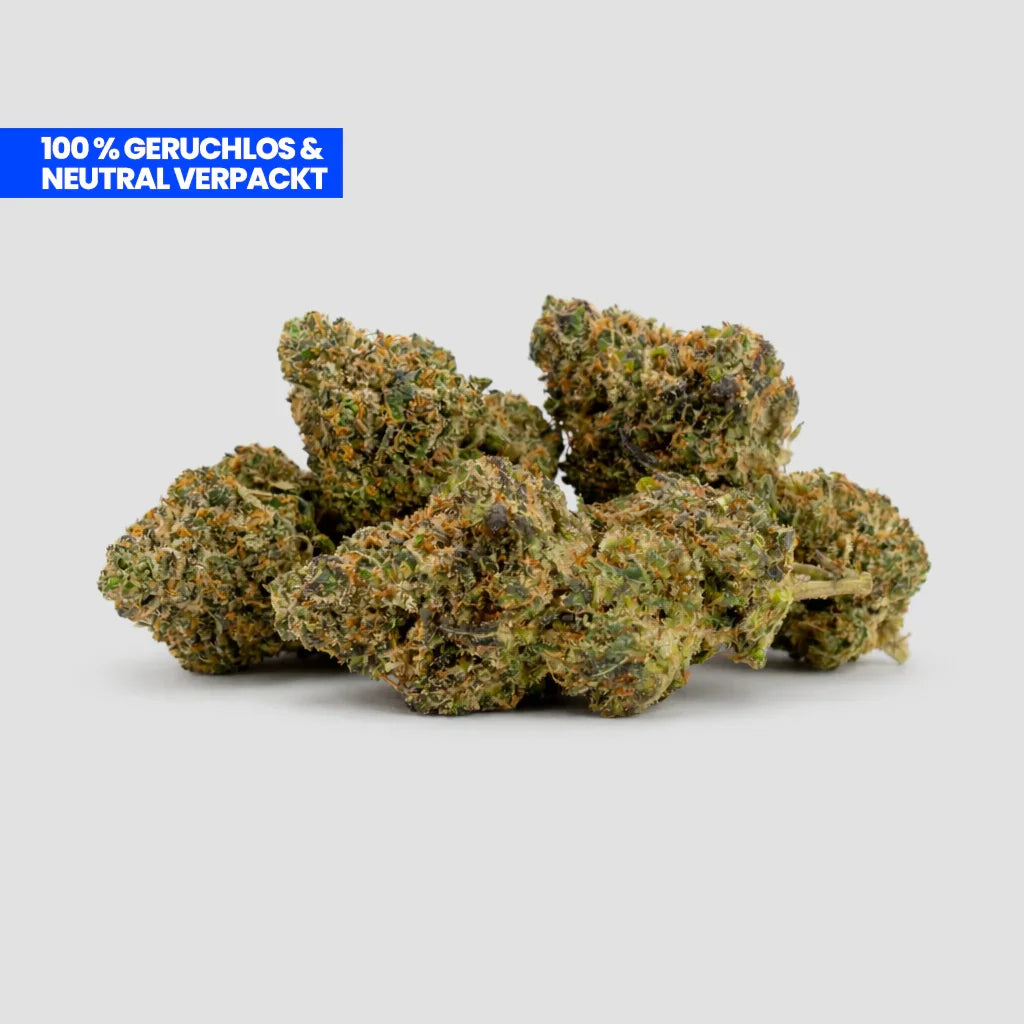
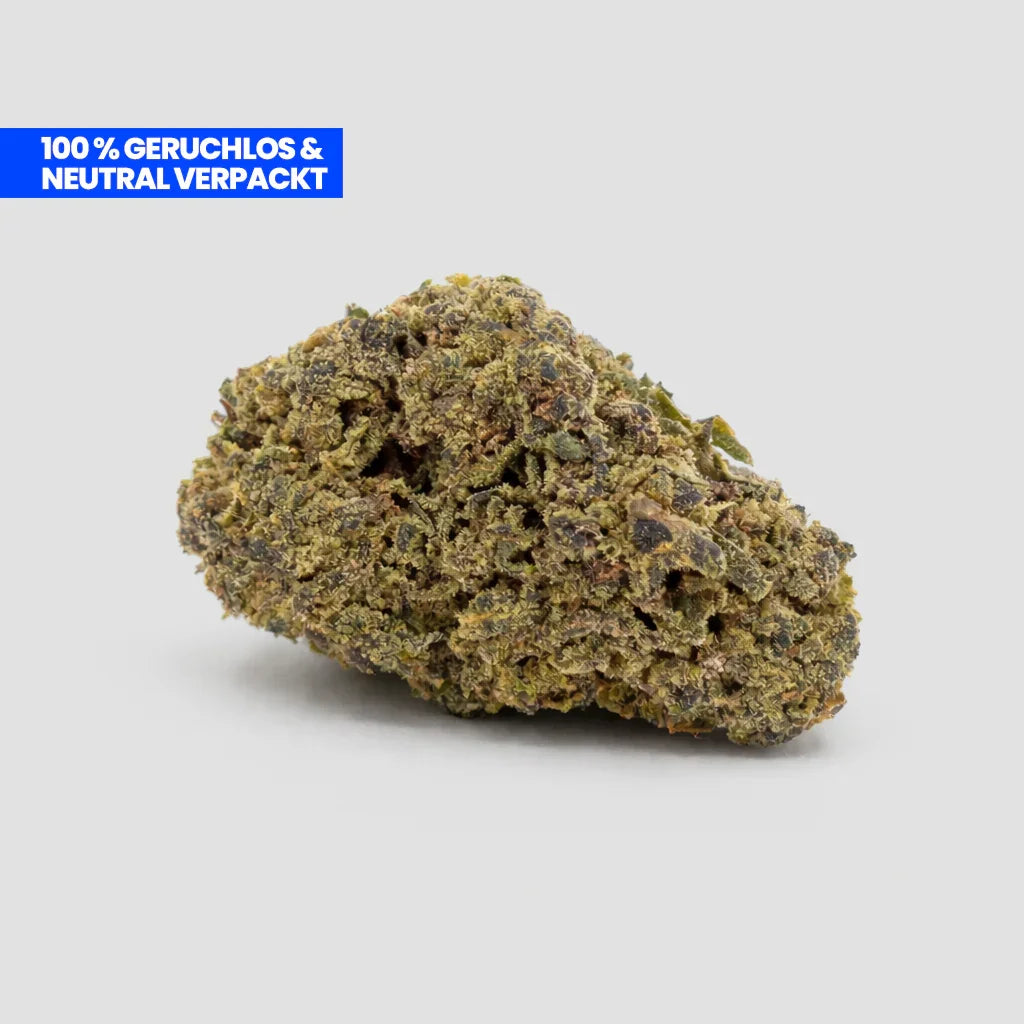
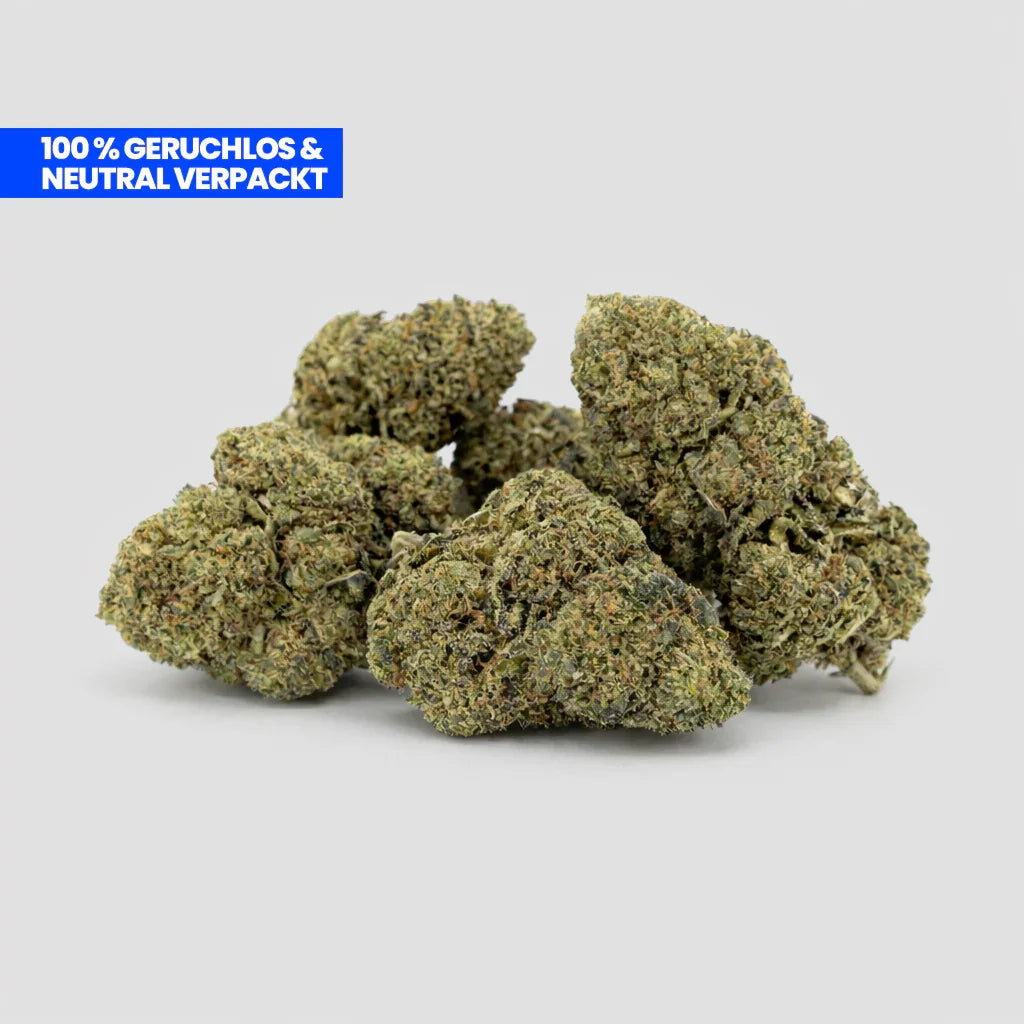
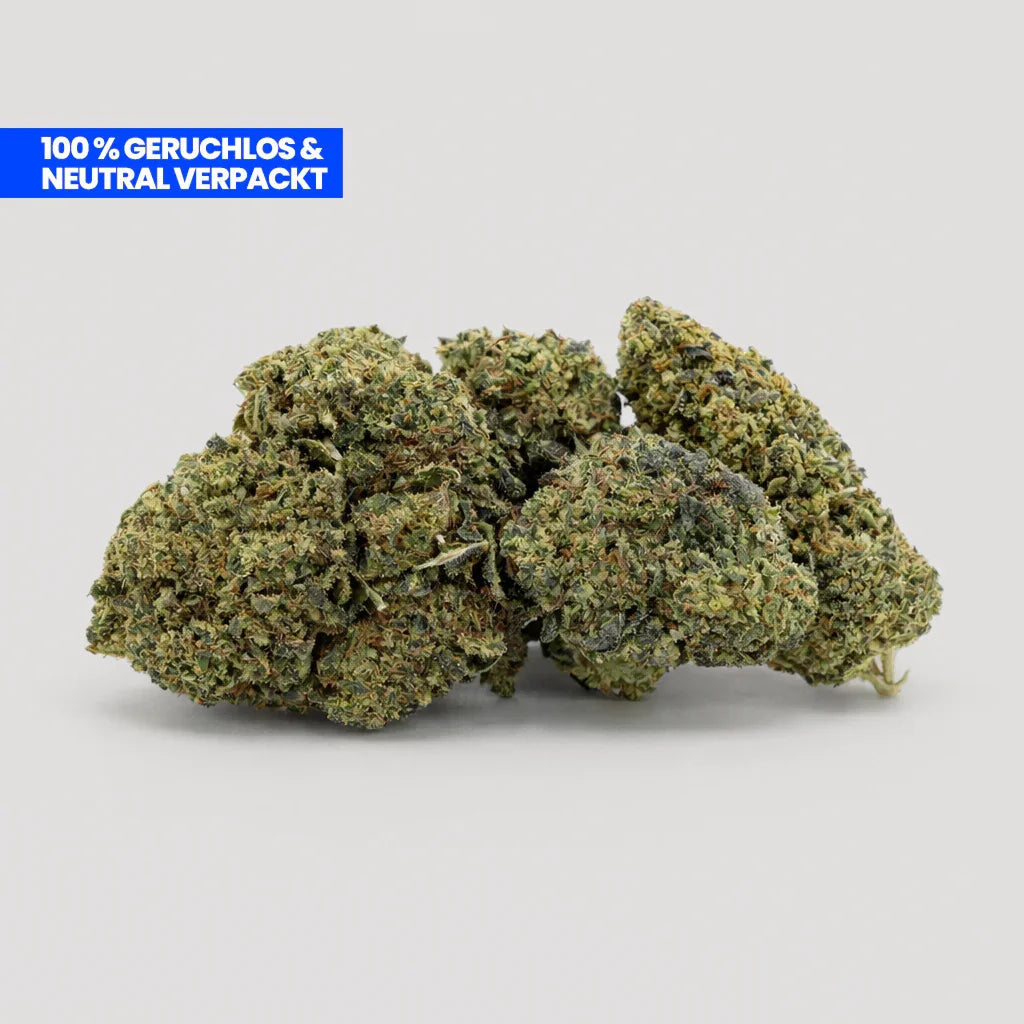
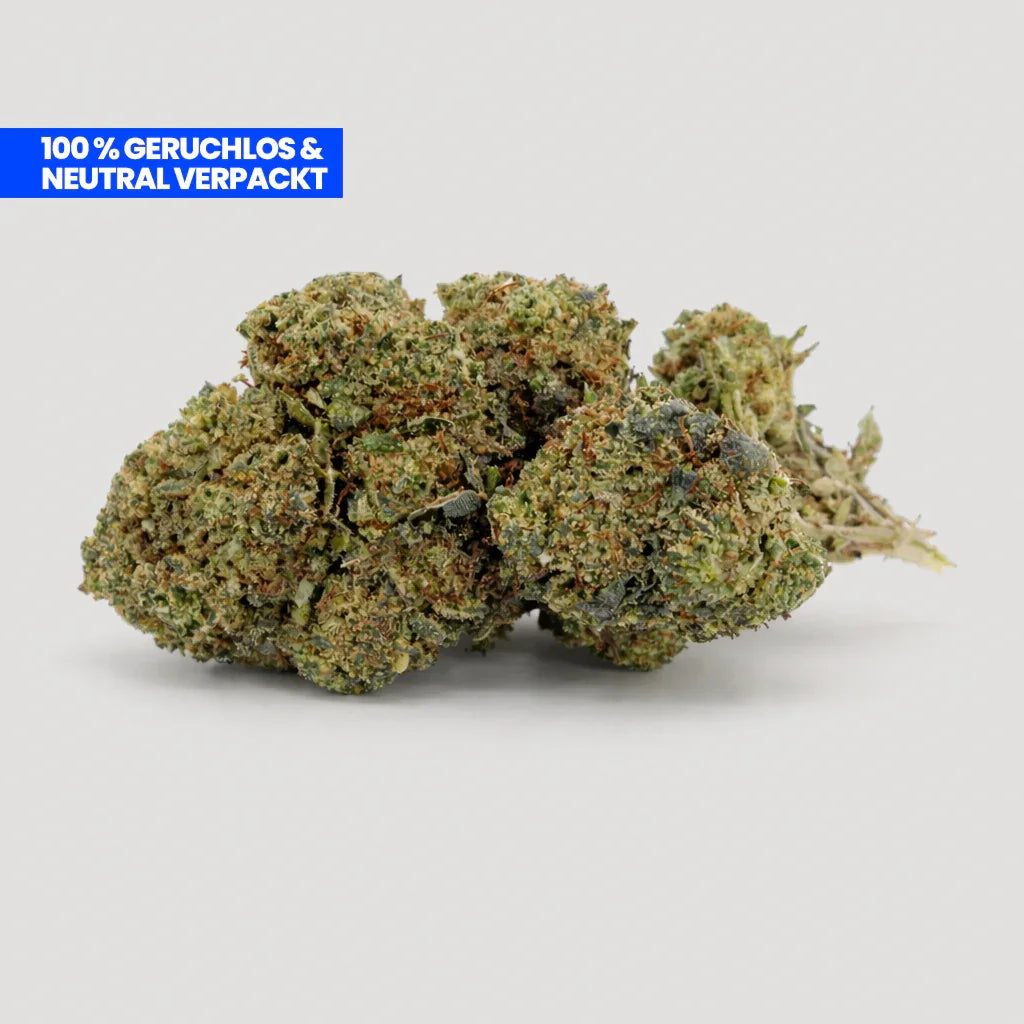
- Hochwertige Hanfblüten (PHC/HHC): Für erfahrene Nutzer gibt es getrocknete Nutzhanfblüten mit THC/CBD. Diese werden traditionell geraucht oder verdampft. HappyFlower bietet z.B. spezielle PHC-Blüten an – ebenfalls aus kontrolliertem EU-Anbau. (Hinweis: Blüten unter 0,3 % THC gelten als Nutzhanf und sind legal , sind aber generell schwächer als THC-Edibles.)
- Terpenreiche Sorten: Einige Kunden berichten, dass bestimmte Sorten mit hohem Myrcen- oder Limonengehalt besonders entspannend wirken (ähnlich wie CBD). Hier lohnt sich, in die Produktbeschreibungen zu schauen oder personalisierte Beratung in Anspruch zu nehmen.
Beim Einkauf legt HappyFlower viel Wert auf Qualität und Service: Jede Bestellung wird blitzschnell und diskret versendet, es gibt eine Nachhaltigkeits-Garantie bei Verpackung und Anbau . Das Shop-Team steht für Fragen bereit, und es gibt oft Aktionen (z.B. „Flash Sales“ auf Kombi-Sets). Schau einfach im HappyFlower-Shop unter den Kategorien THC Edibles und THC Space Shots vorbei. Mit einem Klick gelangst du zu ausgewählten Premium-Produkten, die wir für einen gelungenen Einstieg empfehlen.

Balance zwischen Entlastung und Eigenverantwortung
THC ist ein zweischneidiges Schwert: Für viele Menschen kann es eine willkommene Entlastung sein – sei es beim Stressabbau nach einem anstrengenden Tag, beim besseren Einschlafen oder beim Moment der lockereren Stimmung. Eine Reihe von Studien unterstützt zumindest die Schlaf- und Entspannungseffekte . Trotzdem lässt uns Wissenschaft nicht vergessen, dass Gefahren und Grenzen existieren: hohe Dosen oder täglicher Konsum können Ängste wecken, psychische Störungen verschlimmern und zu Abhängigkeit führen .
Deswegen lautet die Devise: „Weniger ist mehr“ und auf sich selbst aufpassen. Wer THC ausprobieren möchte, tut gut daran, sich vorher genau zu informieren, nur geprüfte Produkte zu nutzen und beim Konsum achtsam vorzugehen. Im Zweifel hilft es, sich Rat zu holen – etwa bei medizinischem Fachpersonal oder Beratungseinrichtungen (z.B. „cannabispraevention.de“ des BIÖG ). HappyFlower sieht sich dabei als Begleiter: mit hochwertigen Produkten, klaren Anwendungstipps und offener Kommunikation.
Was macht THC eigentlich mit meiner Psyche?
THC dockt an Rezeptoren des körpereigenen Endocannabinoid-Systems an und beeinflusst Botenstoffe wie Dopamin und Serotonin. In kleinen Mengen kann das beruhigend und stimmungsaufhellend wirken – zu viel THC hingegen kann Ängste, Herzrasen oder Unruhe auslösen. Entscheidend ist die Dosis und Dein persönlicher Zustand beim Konsum.
Hilft THC wirklich gegen Stress und Angst?
Teilweise ja. Studien zeigen: Niedrige THC-Dosen können kurzfristig Stress abbauen und Ängste lindern. Hohe Dosen wirken oft gegenteilig. Wenn Du Dich bereits gestresst oder ängstlich fühlst, kann THC diese Gefühle verstärken. Tipp: Starte mit Mikro-Dosierungen (z. B. halber Gummy oder 1 – 2 mg im Vape) und steigere langsam.
Kann THC bei Depressionen helfen?
THC kann kurzfristig stimmungsaufhellend wirken, ist aber kein Antidepressivum. Bei bestehenden Depressionen sollte der Konsum nur mit ärztlicher Begleitung erfolgen. Langfristiger, intensiver Konsum kann depressive Symptome sogar verstärken. Für anhaltend schlechte Stimmung ist CBD meist die bessere Wahl, da es angstlösend und stabilisierend wirkt, ohne High-Effekt.
Ist THC gefährlich für meine mentale Gesundheit?
Bei gelegentlichem, verantwortungsvollem Konsum nicht zwingend – aber bei regelmäßigem oder frühem Gebrauch (besonders in der Jugend) steigt das Risiko für psychische Probleme. THC kann bei genetischer Vorbelastung Psychosen oder Angststörungen triggern. Achte deshalb auf Dein Befinden, mache Pausen und höre auf Deinen Körper.
Wie merke ich, dass ich zu viel THC genommen habe?
Typische Anzeichen: starker Puls, Unruhe, Schwindel, Herzrasen, Paranoia oder das Gefühl, „die Kontrolle zu verlieren“. In diesem Fall: ruhig atmen, hinsetzen, Wasser trinken und abwarten. Die Wirkung klingt in der Regel nach 1–3 Stunden wieder ab. Beim nächsten Mal einfach weniger konsumieren – „Start low, go slow“.


🍬 THC Edibles bei Happyflower entdecken
Laborgeprüft · Diskret versandt · ⭐ 4,6/5 (750+ Bewertungen)
Jetzt THC Edibles ansehen →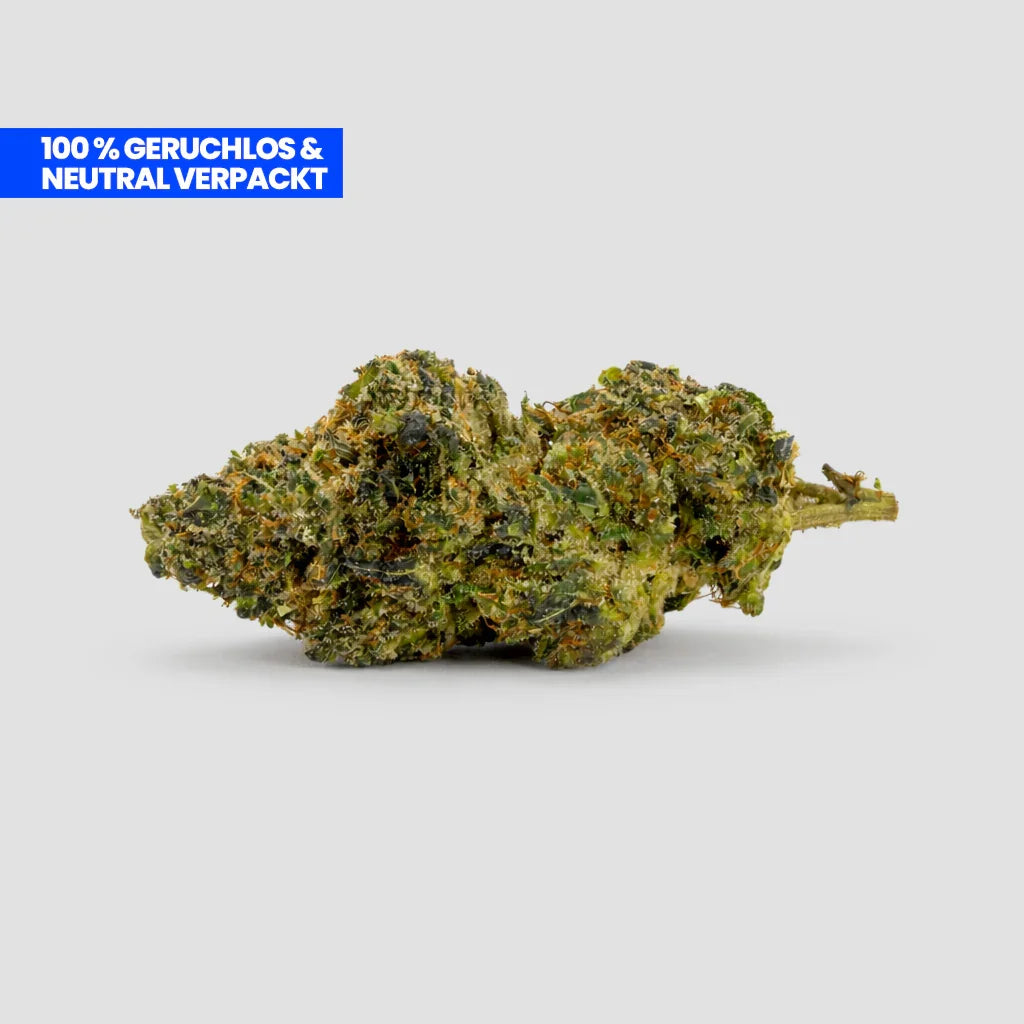
Share:
Weed kaufen an Black Friday – der smarte Guide für Deals, Recht & Qualität
Ist 3,4 ETMC legal?