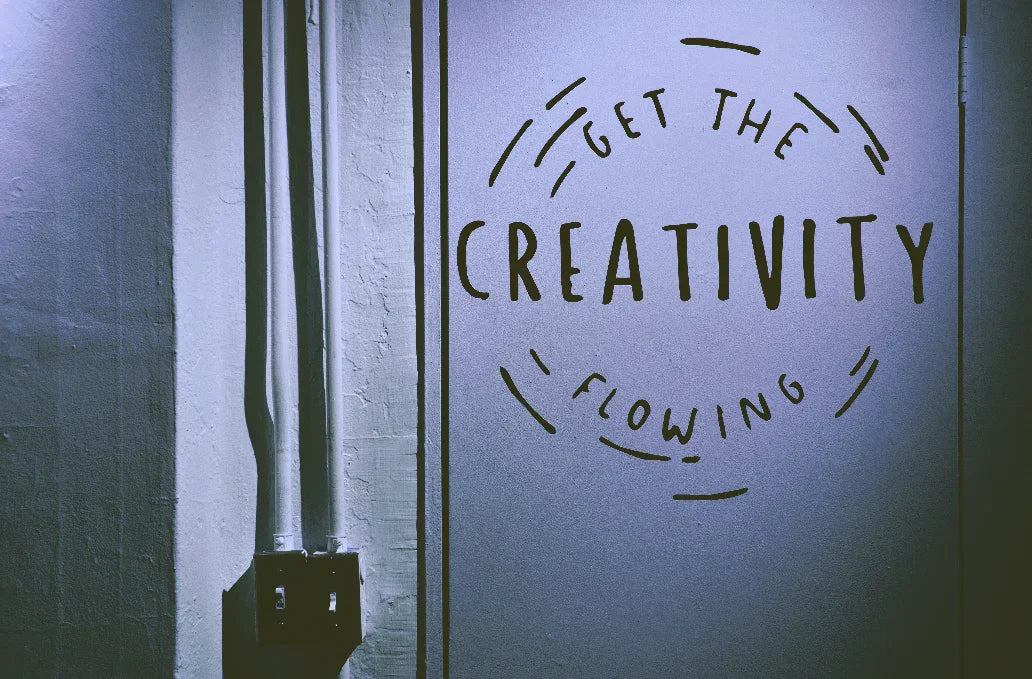
Stell dir vor, es ist spät am Abend. Vor dir liegt eine leere Leinwand, das Skizzenbuch oder das geöffnete Textdokument, doch die zündende Idee will einfach nicht kommen. Frust und kreative Blockaden kennen wir alle – diese Momente, in denen die Inspiration sich zu verstecken scheint. Während du in die Stille horchst, nimmst du einen tiefen Zug an einem duftenden Vaporizer. Plötzlich beginnen die Konturen deiner Gedanken sich zu bewegen: Farben leuchten intensiver, Worte formen sich zu neuen Mustern, und eine Melodie, die eben noch unerreichbar schien, nimmt klar Gestalt an. Das Gefühl, endlich in den kreativen Flow zu gleiten, stellt sich ein. Auf einmal spürst du ein Kribbeln – die kreativen Schleusen sind geöffnet. Ein Lächeln huscht über dein Gesicht, während du zum Stift greifst. Die Muse hat dich endlich geküsst. Könnte Cannabis das geheime Elixier sein, das der Muse Flügel verleiht? Für Kreative in den Zwanzigern ebenso wie für jene mit Jahrzehnten an Erfahrung ist dieser Gedanke ungemein verlockend.
Die Verbindung zwischen THC (dem psychoaktiven Wirkstoff der Cannabispflanze) und Kreativität fasziniert Menschen schon seit Jahrhunderten. Von mystischen Ritualen mit Hanf in der Antike bis zu den jammenden Jazz-Clubs der 1920er und den künstlerischen Experimenten der Hippie-Ära – immer wieder berichten Kreative, dass ein Joint oder ein paar Züge am Vape-Pen ihren Geist beflügeln. Berühmte Musiker wie Louis Armstrong schworen auf Cannabis als ihre Muse: Armstrong schrieb dem Kraut zu, dass es seine Kreativität schärfe und ihm half, in einen lockeren Flow zu kommen . Und Rap-Legende Snoop Dogg erklärt bis heute offen, dass er ohne seinen täglichen Joint gar nicht erst auf die Bühne ginge . Auch Schriftstellerinnen, Designerinnen und sogar Tech-Genies wie Steve Jobs erzählten, dass Cannabis ihnen half, neue Ideen zu finden oder entspannt und kreativ zu sein . Doch was ist dran an diesen Geschichten? Handelt es sich um überzeichnete Anekdoten, Wunschdenken von Kiffern – oder kann Wissenschaft erklären, wie THC unseren kreativen Prozess beeinflusst?


Dieser Blogbeitrag nimmt dich mit auf eine spannende Reise in die Welt von THC & Kreativität. Wir beleuchten die neurologischen Wirkmechanismen von THC im Gehirn, schauen auf historische und kulturelle Beispiele, analysieren den aktuellen Stand der wissenschaftlichen Studien und hören uns Praxisbeispiele aus Kunst, Musik und Design an. Zudem gehen wir den psychologischen Faktoren auf den Grund, warum Cannabis bei manchen Menschen den kreativen Funken zu entzünden scheint. Zum Schluss geben wir dir praktische Tipps zur Anwendung – von der richtigen Dosierung über geeignete Sorten bis hin zu kreativen Ritualen – damit du selbst ausprobieren kannst, wie du deinen kreativen Flow mit etwas Unterstützung von HappyFlower in Schwung bringen kannst.
Mach es dir bequem, lass dich neugierig machen und inspirieren. Egal ob du bereits Erfahrung mit Cannabis hast oder einfach mehr darüber wissen möchtest: Hier erfährst du, wie und warum Cannabis den kreativen Flow beeinflussen kann – und wie du diese Kraft vielleicht für dich nutzen kannst.
- 1. Key Takeaways
- 2. Neurologische Wirkmechanismen: Wie THC im Gehirn Kreativität beeinflusst
- 3. Historische und kulturelle Beispiele: Cannabis als Kreativitätsbooster durch die Zeit
- 4. Wissenschaftliche Erkenntnisse: Was sagen Studien über Cannabis und Kreativität?
- 5. Praxisbeispiele aus Kunst, Musik und Design: Wenn der Funke überspringt
- 6. Psychologische Hintergründe: Warum Cannabis den kreativen Flow begünstigen kann
- 7. Tipps für den kreativen Cannabis-Genuss
- 8. Frequently asked questions (FAQs)
Key Takeaways
- Low dose > High dose. Kleine THC-Mengen können das divergente Denken (Ideenfülle) begünstigen; hohe Dosen verschlechtern messbar die kreative Leistung.
- Gefühl vs. Ergebnis. Viele fühlen sich „kreativer“ nach Cannabis – objektiv messbare Kreativität steigt jedoch meist nicht, die Bewertung wird nur positiver eingefärbt (Jovialität-Effekt).
- CB1 & Fokus. THC wirkt v. a. über CB1-Rezeptoren (präfrontaler Cortex/Hippocampus). Zu viel THC kann Arbeitsgedächtnis & Aufmerksamkeit dämpfen – schlecht fürs Ausarbeiten guter Ideen.
- Person statt Pflanze. Der Unterschied liegt oft in der Persönlichkeit (Offenheit für Neues): Nutzer wirken kreativer, weil sie tendenziell offener sind – nicht primär wegen THC.
- Richtiger Einsatz im Workflow. Praxisnah: Brainstorming ggf. mit Mikrodosis, Ausarbeitung/Editing nüchtern – so nutzt Du Euphorie ohne Qualität zu riskieren. (Ableitungen aus obigen Studien; keine direkte Quelle)
- Setting zählt. Stimmung, Erwartung & Ritual (Musik, Licht, Journal) beeinflussen den Effekt stark – Placebo/Konditionierung spielen mit.
- Regelmäßigkeit ≠ Vorteil. Langfristiger/hochfrequenter Konsum bringt keinen Kreativ-Bonus und ist mit Leistungseinbußen bei Arbeitsgedächtnis/Frontallappen-Netzwerken assoziiert.
- Sortenwahl pragmatisch. Wichtiger als „Sativa/Indica“ ist Wirkprofil & Terpene sowie Dosissteuerung (z. B. per Vape). Teste, was bei Dir Ideenfluss + Klarheit balanciert. (Expertenkonsens/Reviews; siehe oben)
- Start low, go slow. Für kreative Sessions erst sehr niedrig dosieren (Mikrodosing), Wirkung abwarten, dann ggf. fein nachsteuern – Überdosierung killt Fokus.
- Klarer CTA. Wenn Du das ausprobieren willst: Vapes mit präziser Dosierung und mild dosierte Edibles helfen beim kontrollierten Mikrodosing – wähle Produkte mit transparentem Lab-Report (z. B. bei happyflower.io). (Handlungsempfehlung auf Basis obiger Evidenz)
Neurologische Wirkmechanismen: Wie THC im Gehirn Kreativität beeinflusst
Um zu verstehen, wie Cannabis den kreativen Flow beeinflussen kann, lohnt ein Blick ins Gehirn. THC (Delta-9-Tetrahydrocannabinol) dockt im Gehirn an spezielle Andockstellen an, die sogenannten Cannabinoid-Rezeptoren. Insbesondere die CB1-Rezeptoren sind im ganzen Zentralnervensystem verbreitet und finden sich in hoher Dichte in Regionen, die für Denken und Wahrnehmung wichtig sind – etwa im präfrontalen Cortex, der unsere Fähigkeit zum Planen, Assoziieren und Problemlösen steuert . Wenn THC an diese Rezeptoren bindet, entfaltet es eine Kaskade von Effekten: Es beeinflusst die Freisetzung von Neurotransmittern wie Dopamin, Glutamat und GABA . Dopamin ist zum Beispiel ein Botenstoff, der für Motivation und Belohnung zuständig ist – durch THC wird vermehrt Dopamin ausgeschüttet, was zu Gefühlen von Euphorie und gesteigerter geistiger Antriebskraft führen kann . Gleichzeitig moduliert THC auch hemmende und erregende Neurotransmitter (GABA bzw. Glutamat), was insgesamt die Gehirnaktivität neu ausbalanciert.
Durch diese neuronellen Anpassungen erklärt sich, warum Cannabis kurzfristig die Wahrnehmung verändern kann: Plötzlich wirken Farben intensiver und Gedanken weniger eingeengt. Wissenschaftler*innen vermuten, dass niedrige THC-Dosen neuronale Netzwerke begünstigen, die mit freiem Assoziieren zu tun haben. So zeigen Studien, dass geringe Mengen THC vorübergehend das divergente Denken verbessern können – also die Fähigkeit, viele verschiedene Ideen zu generieren . Das Gehirn schaltet dabei gewissermaßen in einen Modus erhöhter kreativer Flexibilität: Reize von außen werden intensiver wahrgenommen, und es entstehen unerwartete Verknüpfungen zwischen scheinbar zufälligen Gedankengängen. Dieses Phänomen nennt man gelegentlich auch “Hyper-Priming” – entfernte Assoziationen rücken näher zusammen, wodurch neuartige Ideen leichter aufblitzen können. Gleichzeitig sinkt die Aktivität in Hirnbereichen, die für Selbstkontrolle und strenge Bewertung zuständig sind. Kreatives Denken profitiert oft davon, wenn der “innere Zensor” eine Pause macht. THC unterdrückt beispielsweise bestimmte neuronale Schleifen im Frontalhirn, wodurch Geist und Fantasie freier schweifen können.
In der Kreativforschung spricht man hier auch von einer gesenkten latenten Inhibition: Das Gehirn filtert weniger Reize aus der Umgebung und dem Gedächtnis, so dass mehr Bausteine für Einfälle gleichzeitig zur Verfügung stehen. Dieses Mehr an Input kann die Ideenfindung befeuern, da auch entfernteste Assoziationen plötzlich verknüpft werden können . Allerdings kann ein Übermaß an Reizen auch ablenken – hier kommt es wieder auf die richtige Dosis an.
Allerdings hat diese Medaille zwei Seiten: In hohen Dosen bewirkt THC nämlich auch Effekte, die dem kreativen Prozess entgegenstehen. So kann eine starke Aktivierung der CB1-Rezeptoren dazu führen, dass die Konzentration und das Kurzzeitgedächtnis leiden . Wer sehr “stoned” ist, hat vielleicht grandiose Einfälle, vergisst sie aber wieder, weil die Speicherung im Hippocampus – unserem Gedächtniszentrum – gestört ist. Auch die oben erwähnte Dopamin-Ausschüttung hat ihren Preis: Zu viel Dopamin kann zu Gedankenrasen und Ablenkbarkeit führen. Neurowissenschaftler Mikael Kowal und sein Team vermuten beispielsweise, dass eine starke THC-Dosis die Kreativität sogar hemmt, weil Betroffene sich leichter ablenken lassen und weniger fokussiert Ideen ausarbeiten können . Hinzu kommt, dass THC in hoher Konzentration zeitweise die Durchblutung und Aktivität im Frontallappen mindern könnte – gewissermaßen wird das “Lenkrad” der Gedanken lockerer, was bei Übersteuerung jedoch im kreativen Chaos enden kann.
Zusammengefasst beeinflusst THC unser Gehirn zweischneidig: Einerseits öffnet es Schleusen für neue Eindrücke und ungewöhnliche Assoziationen, was den kreativen Funken entfachen kann. Andererseits kann zu viel THC die mentale Klarheit beeinträchtigen. Die Kunst liegt in der Balance – mit der richtigen Dosis und Stimmung kann Cannabis das Gehirn in einen flexibleren, inspirierteren Zustand versetzen, während Übermaß die Denkmotorik ins Stottern bringt. Warum manche Menschen unter THC wahre Ideenexplosionen erleben und andere eher Denkblockaden, dazu gleich mehr, wenn wir uns die psychologischen Aspekte und Studien näher ansehen.

Historische und kulturelle Beispiele: Cannabis als Kreativitätsbooster durch die Zeit
Die Idee, Cannabis könnte kreative Energie freisetzen, ist keineswegs ein Phänomen der Neuzeit. Bereits in der Antike wurde Hanf in verschiedenen Kulturen für rituelle und künstlerische Zwecke genutzt. In Indien etwa tranken Dichter und Priester das aus Cannabis gewonnene Bhang, um ihren Geist für spirituelle Visionen und kreative Inspiration zu öffnen. Auch in China gibt es Aufzeichnungen, wonach Hanf zur Erweiterung des Bewusstseins eingesetzt wurde . Jahrhunderte später, mitten in Paris des 19. Jahrhunderts, versammelte sich die intellektuelle Elite im legendären Club des Hashischins: Autoren wie Charles Baudelaire, Honoré de Balzac oder Alexandre Dumas experimentierten gemeinsam mit Haschisch, um die Pforten der Wahrnehmung zu öffnen und neue kreative Erfahrungen zu machen . Bei diesen monatlichen Treffen im Hôtel Lauzun am Ufer der Seine ließ man Pasten aus konzentriertem Cannabis (Dawamesc) zergehen und teilte die darauf folgenden exotischen Sinneseindrücke in wortgewaltigen Berichten. Baudelaire beschrieb später detailliert, wie das Haschisch die alltägliche Welt in ein fantastisches Schauspiel verwandelte – eine frühe Dokumentation der bewusstseins- und kreativtönenden Wirkung der Pflanze.
Auch in Deutschland suchten Künstler und Denker nach dem “künstlichen Paradies”: Der Philosoph Walter Benjamin beispielsweise führte 1927 in Berlin mit befreundeten Ärzten ausgedehnte Haschisch-Experimente durch. Er wollte herausfinden, welche philosophischen Einsichten der Rausch ermöglicht, und notierte akribisch seine Eindrücke. In seinem Protokoll schrieb er etwa: “Dein Denken folgt denselben Wegen wie sonst, aber sie scheinen mit Rosen bestreut” – ein poetisches Bild für die alltäglichen Gedanken, die plötzlich im Rausch in neuem Glanz erstrahlen.
Sprung in das frühe 20. Jahrhundert: In den Jazzclubs von New Orleans und Harlem wurde Cannabis zum heimlichen Motor einer musikalischen Revolution. Zahlreiche Jazzmusiker – man nannte sie damals augenzwinkernd “Viper” – schworen darauf, dass ein Joint vor der Jam-Session ihre Improvisationen beflügele. Der weltberühmte Trompeter Louis Armstrong etwa gab offen zu, dass er seit seinen frühen Tagen in New Orleans regelmäßig Marihuana rauchte, das er liebevoll “the gage” nannte. Für ihn war Cannabis nicht nur Genussmittel, sondern ein Werkzeug, das ihm half, Stress abzubauen und in einen positiven, freien Kopfzustand für seine Musik zu gelangen . Er schrieb der Pflanze zu, seine Spontaneität und Freude an der Musik gesteigert zu haben – Qualitäten, die man in seinen improvisierten Soli deutlich spürt. Auch Swing-Legenden wie Duke Ellington und Dizzy Gillespie besangen die anregende Wirkung des “reefer” in ihren Stücken. So entstand früh eine Verbindung zwischen Cannabis und den rhythmischen Kreativitätsausbrüchen des Jazz.
In den 1960er- und 70er-Jahren weitete sich dieses Phänomen auf die breite Gegenkultur aus. Die Hippie-Bewegung entdeckte Cannabis (neben psychedelischen Drogen) als Mittel, um neue Bewusstseinsebenen zu erkunden. Berühmte Rock-Bands wie die Beatles, die während ihrer Schaffensphase von Bob Dylan ans Kiffen herangeführt wurden, ließen sich zu experimentellen Klangwelten inspirieren. Songs wie “Rain” oder “Lucy in the Sky with Diamonds” (auch wenn Letzterer eher LSD referenziert) entstanden in einer Atmosphäre, in der Cannabis zur Kreativitätsförderung dazugehörte. Schriftsteller der Beat-Generation – Allen Ginsberg, Jack Kerouac und Co. – priesen das Rauchen von Gras als Befreiung von konventionellen Denkmustern. “Cannabis ist vor allem dazu gut, den ganzen Mist auszublenden, den dir die Gesellschaft ins Gehirn gepflanzt hat, damit du endlich DEIN eigenes Ding machen kannst”, schrieb sinngemäß ein Untergrund-Poet jener Zeit. Auch Hunter S. Thompson, berüchtigt für seinen Drogenkonsum, zählte Marihuana zu den Quellen seines bizarr-kreativen Schreibstils . In Jamaika wiederum erhob die Reggae-Legende Bob Marley Cannabis zum spirituellen Sakrament: Der “heilige Rauch” (Ganja) half ihm laut eigener Aussage, beim Songwriting tiefe Verbundenheit und Inspiration zu finden, was Welthits wie “One Love” prägte.
Heutzutage ist Cannabis in vielen kreativen Szenen nahezu Mainstream geworden. In der Hip-Hop- und Rap-Kultur gehört die “Blunt” ebenso zum Studioinventar wie das Mikrofon – zahlreiche Texte zeugen davon. Moderne Stilikonen wie Snoop Dogg (den wir bereits erwähnten) oder Wiz Khalifa haben die Verbindung von Weed und kreativer Leistung zu ihrem Markenzeichen gemacht. Aber auch abseits von Bühne und Bücherregal findet sich Cannabis als Inspirationsquelle: In der bildenden Kunst gibt es “420 Art Sessions”, in denen Maler*innen gemeinsam nach einem Vaporizergenuss zu Pinsel und Farbe greifen. Man kann sich solche Abende vorstellen wie einen Mal-Workshop in entspannter Runde: Ein Dutzend Kreative, einige Joints oder Vapes in der Mitte, leise inspirierende Musik – und alle lassen ihrer Fantasie freien Lauf auf der Leinwand. Diese Events zeigen, dass Cannabis längst ein Teil der Kreativkultur geworden ist. Digitale Designer in Startup-Büros im Silicon Valley berichten von Mikrodosen an THC, um quergedachte Lösungen für Programmierprobleme zu finden. Die kulturelle Botschaft ist deutlich: Cannabis und Kreativität gehören für viele zusammen. Dieser Mythos – oder diese Wahrheit? – hat Generationen von Kreativen begleitet und geprägt. Doch schauen wir nun genauer darauf, was die Wissenschaft zu diesen Erfahrungen sagt.
Wissenschaftliche Erkenntnisse: Was sagen Studien über Cannabis und Kreativität?
Nach den vielen Anekdoten stellt sich die Frage: Lässt sich der Kreativitätsschub durch THC auch wissenschaftlich nachweisen? Die Forschung hierzu liefert ein gemischtes Bild. Einige Untersuchungen deuten positive Effekte an, während andere zu eher ernüchternden Ergebnissen kommen. Oft zeigt sich eine Diskrepanz zwischen dem, was Konsumentinnen subjektiv empfinden*, und dem, was objektiv messbar ist.
Ein Schüsselstudie wurde 2015 an der Universität Leiden durchgeführt: Das Team um Mikael Kowal untersuchte in einem Experiment, wie sich verschiedene THC-Dosierungen auf kreative Aufgaben auswirken . 54 cannabis-erfahrene Probanden wurden drei Gruppen zugeteilt und inhalierten – in einem standardisierten Setting per Vaporizer – entweder eine hohe THC-Dosis (22 mg), eine niedrige Dosis (5,5 mg) oder ein Placebo ohne Wirkstoff . Anschließend lösten alle Teilnehmenden Kreativitätstests: zum einen einen Brainstorming-artigen Test für divergentes Denken (möglichst viele originelle Verwendungsideen für einen Alltagsgegenstand finden), zum anderen einen Assoziationstest für konvergentes Denken (ein passendes Verbindungswort für drei vorgegebene Begriffe finden) . Das Resultat: Bei der konvergenten Denkaufgabe unterschieden sich die Gruppen kaum, Cannabis hatte hier keinen erkennbaren Vorteil oder Nachteil. Doch beim divergenten Ideenfinden zeigte sich ein deutlicher Effekt: Die Hochdosis-Gruppe schnitt signifikant schlechter ab als die Placebo-Gruppe, während die Niedrigdosis-Gruppe keine Unterschiede zu Placebo zeigte . Mit anderen Worten: Viel THC machte unkreativer, wenig THC machte nicht automatisch kreativer, aber richtete zumindest keinen Schaden an. Die Forschenden schlussfolgerten, dass exzessiver Cannabiskonsum eher kontraproduktiv für die Kreativität sein kann – möglicherweise weil Nebenwirkungen wie Ablenkbarkeit und Denkstörungen bei hoher Dosis überwiegen . Sie warnten sogar ausdrücklich davor, Schreibblockaden „wegzukiffen“, da starkes THC die Blockade eher noch verschlimmern könnte .
Doch wie sieht es bei regelmäßigen Cannabisnutzer*innen aus? Sind Menschen, die oft kiffen, kreativer als andere – oder kommt es ihnen nur so vor? Eine groß angelegte Studie von LaFrance & Cuttler (2017) an der Washington State University ging dieser Frage nach . Über 412 Cannabis-Konsumentinnen und rund 309 Nicht-Konsumentinnen wurden eine Reihe psychologischer und kreativer Tests unterzogen. Zunächst zeigte sich: Die Kifferinnen fühlten sich im Schnitt kreativer und schätzten ihr künstlerisches Potential höher ein als die abstinente Vergleichsgruppe . Tatsächlich erzielten sie in einigen Kreativitätstests (etwa beim konvergenten Denken) sogar leicht bessere Ergebnisse . Allerdings übersetzte sich dieses Selbstbild nicht in einen höheren kreativen Output: Die Anzahl real geschaffener Werke oder Projekte war nicht größer als bei Nicht-Konsumentinnen . Außerdem entdeckten die Forscherinnen einen interessanten Zusammenhang: Die Cannabis-Gruppe war im Durchschnitt offener für neue Erfahrungen, ein Persönlichkeitsmerkmal, das stark mit Kreativität korreliert . Sobald man statistisch diesen Faktor berücksichtigte, verschwand der zuvor gesehene Zusammenhang zwischen Cannabiskonsum und Kreativitätsleistung . Mit anderen Worten: Cannabis-Konsument*innen wirkten nur deshalb kreativer, weil sie als Personen offener und unkonventioneller eingestellt sind – nicht weil der Wirkstoff THC magisch ihre Schaffenskraft erhöht. Psychologin Emily LaFrance fasste zusammen: „Niemand wird automatisch ein Picasso, nur weil er einen Joint raucht“ .
Andere Forschende betonen, dass die Kausalität oft andersherum verläuft: Kreative Köpfe neigen von sich aus eher dazu, Drogen auszuprobieren, weil sie das Neue und Außergewöhnliche suchen . Ein Forscherteam um Lorenza Colzato formulierte es pointiert: Hochkreative Persönlichkeiten greifen überdurchschnittlich oft zu “potenten Substanzen für hochkreative Geister” – nicht umgekehrt. Mit anderen Worten: Es sind oft die ohnehin unkonventionellen Denker, die zum Joint greifen, nicht der Joint, der sie unkonventionell macht.
Auch Laborstudien bestätigen den Eindruck, dass der kreative Kick durch Cannabis häufig eine subjektive Erfahrung bleibt. In einem Experiment ließen Forscher Personen unter THC-Einfluss Aufgaben zum kreativen Denken absolvieren und verglichen sie mit einer Nüchtern-Gruppe. Die berauschten Probanden berichteten zwar von sprudelnden Ideen, doch die objektive Auswertung zeigte keine signifikante Leistungssteigerung gegenüber den Nüchternen . Eine kontrollierte Doppelblind-Studie von 2017 kam zu einem ähnlichen Schluss: Cannabis steigere vor allem das Gefühl, kreativ zu sein, nicht unbedingt die messbare Kreativität . Dieses Phänomen deckt sich auch mit neueren Befunden. So zeigte eine Untersuchung der University of Washington (Heng et al., 2022), dass Probanden nach dem Konsum ihre eigenen Ideen sowie die Ideen anderer als kreativer einschätzten, als sie es objektiv waren . Cannabis erhöhte in diesem Versuch vor allem die Ausgelassenheit und positive Stimmung (Jovialität) der Teilnehmenden, nicht aber die Problemlösungsqualität. Ähnliche Ergebnisse berichtete die Harvard Business Review 2022: Anwender fühlen sich fantasievoller, doch bei genauerer Messung zeigt sich keine allgemeine Verbesserung kreativer Leistungen . Auch der amerikanische Psychologenverband APA konstatierte 2023, dass bisher kein klarer direkter Kreativitäts-Effekt von Cannabis belegbar ist – THC verändere aber Stimmung und Wahrnehmung, was indirekt kreatives Denken beeinflussen könne .
Wie passt das nun zu den eingangs erwähnten Beispielen genialer Künstler, die auf Cannabis schwören? Die Antwort liegt vermutlich in der individuellen Vielfalt. Kreativität ist ein vielschichtiges, personales Phänomen – und Cannabis wirkt bei jedem Menschen etwas anders. Einige Studien deuten darauf hin, dass Personen mit geringerer Ausgangskreativität mehr vom THC-Effekt profitieren als solche, die ohnehin vor Einfällen sprühen . In einem Experiment konnte Cannabis die verbale Ideenflüssigkeit von “durchschnittlich kreativen” Probanden steigern, während es bei ohnehin sehr kreativen Personen kaum einen Unterschied machte . Zudem spielen Faktoren wie Toleranzentwicklung, Stimmungslage und Erwartungshaltung eine Rolle. Wer schon lange und viel konsumiert, spürt eventuell weniger kognitiven Boost als Gelegenheitsnutzer, weil sich das Gehirn anpasst. Und wer fest daran glaubt, mit einem Joint kreativ zu werden, geht womöglich unbefangener und entspannter an eine Aufgabe heran – dieser Placebo- bzw. Erwartungseffekt allein kann schon die Kreativität befördern . Gleichzeitig darf man nicht vergessen, dass Kreativität schwer messbar ist. Divergente Denkaufgaben und Kreativtests erfassen nur einen Ausschnitt dessen, was kreative Exzellenz ausmacht. Es kann also gut sein, dass die wahre Wirkung von Cannabis auf kreative Prozesse sich der reinen Zahlenerfassung entzieht und vielmehr im qualitativ-erlebten Bereich liegt.
Fazit der Forschung: Cannabis ist kein Wundermittel, das aus jeder Person einen Künstlerin macht. Die aktuelle Studienlage ist zwiespältig. Zwar gibt es Hinweise, dass kleine THC-Mengen gewisse kreativitätsfördernde Effekte haben können , doch genauso deutlich ist, dass viel THC kreative Leistungen beeinträchtigen kann . Oft entsteht vor allem ein Gefühl von Kreativität, während die greifbaren Resultate ausbleiben . Wer allerdings weiß, wie er Cannabis gezielt und in Maßen einsetzt, und sich der Grenzen (und potenziellen Placebo-Effekte) bewusst ist, kann durchaus versuchen, die persönliche kreative Komfortzone mit etwas THC zu erweitern. Wichtig ist, dabei auf den eigenen Körper und Geist zu hören – die Wissenschaft kann allgemeine Trends aufzeigen, doch ob du persönlich unter Cannabis genialere Ideen hast, bleibt letztlich deine Erfahrung.

Praxisbeispiele aus Kunst, Musik und Design: Wenn der Funke überspringt
Wie sieht es konkret aus, wenn Künstler*innen und Kreative Cannabis nutzen, um in den Flow zu kommen? Tatsächlich gibt es unzählige Erfahrungsberichte von Menschen aus allen möglichen kreativen Sparten, die ihr “grünes Geheimnis” mit uns teilen. Viele berichten, dass Cannabis zu einer Art Schaffensritual geworden ist – ein bewusst eingesetztes Werkzeug, um den Kopf umzuschalten und die Inspiration einzuladen.
Ein Beispiel: Die bekannte amerikanische Schriftstellerin Maya Angelou gibt in ihrer Autobiografie offen zu, dass sie in jungen Jahren Cannabis für sich entdeckte, um ihren Geist zu entspannen und zu beflügeln. Sie schildert, wie ein Joint selbst profane Alltagstätigkeiten in kreative Erlebnisse verwandelte: „Wenn du einen rauchst, wird ein Spaziergang zur großen Abenteuerreise, das Abendessen zur opulenten Unterhaltung und mit meinem Sohn zu spielen zu einem Lachmarathon“, so Angelou über ihre berauschten Geisteszustände . In dieser gelösten, spielerischen Stimmung flossen ihre Worte nur so aufs Papier. Angelou betont allerdings auch, dass Cannabis kein Ersatz für handwerkliches Können ist, aber ihr geholfen habe, hemmende Ängste abzubauen und freier zu assoziieren.
Auch in der modernen Design- und Kunstszene setzen Kreative auf Cannabis, um blockierte Ideen in Fluss zu bringen. So berichtet die Grafikdesignerin Jade Daniels aus Portland, einige ihrer besten Arbeiten seien entstanden, während sie richtig high war. „Meine besten Einfälle kommen oft, wenn ich total stoned bin“, sagt sie, „ich denke dann über Dinge viel tiefgründiger nach und betrachte Konzepte, die ich im normalen Kopfzustand nie erwägen würde.“ . Ähnlich enthusiastisch äußert sich ihre Kollegin Harlee Case, die zugleich Musikerin ist: „Ich kann praktisch keine Musik schreiben, ohne zu kiffen. Um gleichzeitig vorsichtig und sorglos zu sein, muss ich high sein. Cannabis lässt mich meinen Instinkten vertrauen und wirklich mein Herz die Feder führen.“ . Diese Aussagen illustrieren, wie Cannabis für manche Kreative zum Katalysator werden kann: Der Verstand nimmt eine flexible Haltung ein – eine Mischung aus Fokus und Losgelöstsein, die Daniels als die “perfekte kreative Welle” beschreibt .
Stell dir einen Musikproduzenten im Studio vor: Das Licht ist gedimmt, er nimmt einen Zug an seinem Vape und schließt die Augen. Minuten später verliert er sich im Beat – jeder Klang offenbart Nuancen, die ihm zuvor entgangen waren. Plötzlich fügen sich die einzelnen Spuren wie von selbst zu einem harmonischen Ganzen. Viele Musikschaffende berichten von solchen magischen Momenten, wenn nach ein paar Zügen Cannabis die Inspiration explodiert.
In der Musikindustrie hört man ebenfalls zahlreiche solcher Geschichten. Songwriter und Produzenten haben oft feste Cannabis-Rituale. So berühmte Künstler wie Steve Jobs (zwar kein Musiker, aber ein innovativer Geist) betonten, das Kiffen habe sie „entspannt und kreativ“ gemacht – und das aus dem Munde eines High-Tech-Genies! Auch Malerei und bildende Kunst bleiben nicht außen vor: In heutigen Metropolen gibt es “Cannabis Art Nights”, in denen Künstler*innen gemeinsam in lockerer Rauchrunde zeichnen und malen. Man kann sich solche Abende vorstellen wie einen Mal-Workshop in entspannter Runde: Ein Dutzend Kreative, einige Joints oder Vapes in der Mitte, leise inspirierende Musik – und alle lassen ihrer Fantasie freien Lauf auf der Leinwand. Diese Events zeigen, dass Cannabis längst ein Teil der Kreativkultur geworden ist.
Natürlich verläuft das nicht bei jedem gleich. Nicht alle Kreativen greifen zu Cannabis, und manche bevorzugen sogar absolut klare Sinne, um in den Flow zu kommen. Der Bestseller-Autor Stephen King etwa bemerkte einmal, er schreibe inzwischen besser ohne jegliche Substanzen – dabei hatte er früher durchaus Drogen genommen. Auch ist zu beachten, dass die hier erzählten Erfolgsgeschichten oft von etablierten Künstlerinnen stammen, die ihr Handwerk ohnehin meisterhaft beherrschen. Cannabis wirkt dann wie ein Funken, der auf bereits brennbares Material fällt. Bei weniger geübten Kreativen kann es dagegen passieren, dass ein Rausch zwar bunte Ideen liefert, diese aber nicht in konkrete Werke umgemünzt werden können. Die Praxis zeigt jedenfalls, dass Cannabis für viele ein integrativer Bestandteil ihres kreativen Prozesses ist – sei es als Quelle unkonventioneller Einfälle, als Stresslöser vor dem Auftritt oder als Mittel, um in langen Nachtsessions die Muse bei Laune zu halten. Wichtig ist, dass jeder individuell herausfindet, ob und wie Cannabis in den eigenen kreativen Workflow passt. Denn am Ende zählt das Ergebnis: der Song, das Gemälde, die Idee – egal, ob mit oder ohne Graskonsum auf dem Weg dorthin.

Psychologische Hintergründe: Warum Cannabis den kreativen Flow begünstigen kann
Was passiert auf der psychologischen Ebene, wenn THC ins Spiel kommt und der kreative Funke überspringt? Ein Schlüsselkonzept ist hier die Enthemmung. Unter Cannabiseinfluss werden viele Menschen gelöster, weniger kritisch mit sich selbst und wagen eher, verrückte oder ungewöhnliche Ideen zuzulassen. Diese Senkung innerer Hemmschwellen kann für den kreativen Prozess Gold wert sein – denn oft ist es die eigene Zweifelstimme im Kopf, die unseren Ideenfluss blockiert. Die Kreativtrainerin Laura Rubin beschreibt, dass wir uns beim Schaffen selbst oft am meisten im Weg stehen: “Wenn du total verkrampft darauf fixiert bist, etwas Großartiges zu produzieren, hindert dich das oft überhaupt am Anfangen”, sagt sie. “Eine kleine Hilfestellung – zum Beispiel in Form einer Substanz – kann diesen selbstkritischen Filter entfernen und den Prozess überhaupt erst in Gang bringen.” . Cannabis wirkt genau in diese Richtung: Es löst Anspannungen und Ängste, die uns beim freien Assoziieren behindern können. Psychologisch bedeutet das, wir trauen uns spielerischer und unzensierter zu denken – ein Geisteszustand, der dem kindlichen Denken nahe kommt, als alles noch möglich schien.
Hinzu kommt, dass THC unsere Sinneswahrnehmung verstärkt und verändert. Farben, Klänge, Worte – alles kann intensiver, neuartiger wirken. Diese verschärfte sensorische Empfänglichkeit schafft einen Nährboden für Kreativität, weil das Gehirn plötzlich mehr (oder anderes) Rohmaterial für Assoziationen erhält . Ein Musiker beschreibt vielleicht, wie er high im Klang jeder Gitarrensaite kleine Universen entdeckt. Eine Dichterin spürt in einem einzigen Wort ganz neue Emotionen. Cannabis kann die Welt kurzzeitig “mit anderen Augen” erlebbar machen – und damit ungewöhnliche Ideen befeuern, die im gewohnten Wahrnehmungsmodus übersehen würden. Auch das Verweilen in Details fällt manchen leichter: Statt von einem Gedanken sofort zum nächsten zu hetzen, kann man sich tief in eine Idee versenken und ihre Facetten erforschen . Das birgt die Chance, unerwartete Lösungen zu finden. (Allerdings besteht hier auch die Gefahr, sich in Nebensächlichkeiten zu verlieren – die Dosis macht eben den Unterschied.)
Ein weiterer Faktor ist die Stimmungsveränderung. Viele Menschen werden durch Cannabis euphorisch oder zumindest gelöst und zufrieden. Diese positive Grundhaltung wirkt wie ein Katalysator für kreatives Denken, denn in einem entspannten, glücklichen Zustand können Ideen freier fließen. Psychologische Theorien wie die Broaden-and-Build-Hypothese besagen, dass gute Laune unseren geistigen Horizont erweitert – wir nehmen mehr wahr und denken flexibler. THC kann (in moderater Menge) genau diese Art von Stimmungs-Boost liefern. Plötzlich erscheint ein Problem nicht mehr einschüchternd, sondern interessant und spielerisch. Man spielt damit herum, anstatt sich davon stressen zu lassen. Gleichzeitig dämpft Cannabis körperliche Stressreaktionen; das Herz schlägt ruhiger, die Muskeln entspannen. In diesem entspannten Wachzustand, einer Art “Flow-light”, fällt es leichter, in den kreativen Tunnel einzutauchen, weil Alltagsdruck und Perfektionismus weit weg scheinen.
Auch der vielzitierte kreative Flow-Zustand – jenes beglückende Gefühl, wenn man völlig in einer Tätigkeit aufgeht und die Zeit vergisst – könnte durch Cannabis begünstigt werden. Im Flow schaltet der Frontallappen (unser innerer Kritiker) ohnehin etwas zurück, während das Gehirn hoch fokussiert und gleichzeitig frei assoziierend arbeitet. Interessanterweise ähnelt das sehr dem, was moderate THC-Dosen bewirken: weniger Selbstkontrolle, mehr assoziatives Freilaufenlassen . Cannabis kann also helfen, schneller in diesen Flow zu gleiten – natürlich vorausgesetzt, man beherrscht die jeweilige Kunstfertigkeit und lässt sich darauf ein. Einige Kreative berichten, dass sie nach einem kleinen Vape-Ritual beim Malen oder Schreiben wie automatisch in den Tunnel finden, in dem Ideen ungestüm sprudeln und das Ego verstummt.
Nicht zuletzt spielt die Erwartungshaltung eine Rolle. Wie bereits erwähnt, wenn jemand fest daran glaubt, dass ein Zug am Vaporizer die Kreativität ankurbelt, wird er oder sie allein durch diese positive Erwartung lockerer ans Werk gehen – ein Effekt, der durchaus echte Kreativitätsergebnisse zeitigen kann . Unser Gehirn ist empfänglich für solche Placebo-Effekte: Das Ritual des Anzündens, der Geruch des Rauchs, das bewusste “Jetzt geht’s los” signalisieren dem Unterbewusstsein, dass nun die kreative Phase beginnt. Diese Konditionierung kann schon genügen, um die ersten Ideen fließen zu lassen, selbst wenn die pharmakologische Wirkung noch minimal ist.
Natürlich gibt es auch psychologische Aspekte, die hemmend wirken können. Beispielsweise beeinträchtigt THC kurzfristig das Arbeitsgedächtnis und die kognitive Kontrolle . Wer im Rausch zu viele Gedanken gleichzeitig hat, bringt vielleicht keinen davon geordnet zu Ende. Manch eine Idee, die high genial scheint, entpuppt sich am nächsten Tag als wirres Geflecht. Außerdem reagiert jede Psyche anders: Einige Menschen werden durch Cannabis eher müde oder apathisch, was für kreatives Schaffen nicht gerade hilfreich ist. Andere können von zu viel THC sogar Angstgefühle bekommen – dann ist an unbeschwertes Brainstorming nicht zu denken. Hier zeigt sich wieder: Maßvoller Konsum und Selbsteinschätzung sind wichtig. In der richtigen Dosis kann Cannabis Gedankenflüge beflügeln; übertreibt man es, legt es der Fantasie Ballast an die Füße.
Die psychologischen Erklärungsansätze zeigen, dass Cannabis vor allem indirekt auf die Kreativität wirkt – über Stimmungen, Überwindung von Blockaden, Sinneseindrücke und Erwartungshaltungen. Es ist kein Zaubertrank, der Kreativität erschafft, wo keine ist, aber ein Katalysator, der vorhandenes Potenzial unter den richtigen Umständen zum Leuchten bringen kann.

Tipps für den kreativen Cannabis-Genuss
Zum Abschluss möchten wir dir einige praktische Tipps mitgeben, wie du Cannabis gezielt und verantwortungsvoll einsetzen kannst, um deinen kreativen Flow zu fördern. Jeder Mensch ist anders – daher gilt es, herauszufinden, was für dich am besten funktioniert. Die folgenden Ratschläge können als Leitfaden dienen:
1. Dosierung – weniger ist mehr: Beginne mit einer niedrigen THC-Dosis, besonders wenn du Cannabis zur Kreativitätssteigerung ausprobieren willst. Studien zeigen, dass Mikrodosierungen oft am effektivsten sind: Bereits 1–5 mg THC können genügen, um die Gedanken anzukurbeln, ohne den Kopf zu vernebeln . Das entspricht z.B. einem Mini-Zug an einem Vape-Pen oder einem halben niedrigdosierten Edible. Warte dann 15–30 Minuten und spüre in dich hinein, bevor du gegebenenfalls nachlegst. Eine zu hohe Dosis kann dich müde oder zerstreut machen, statt kreativ – also „Start low, go slow“! In unserem HappyFlower-Shop findest du praktisches Microdosing-Zubehör wie THC-Tropfen und mild dosierte essbare Produkte, mit denen du die Menge genau kontrollieren kannst.
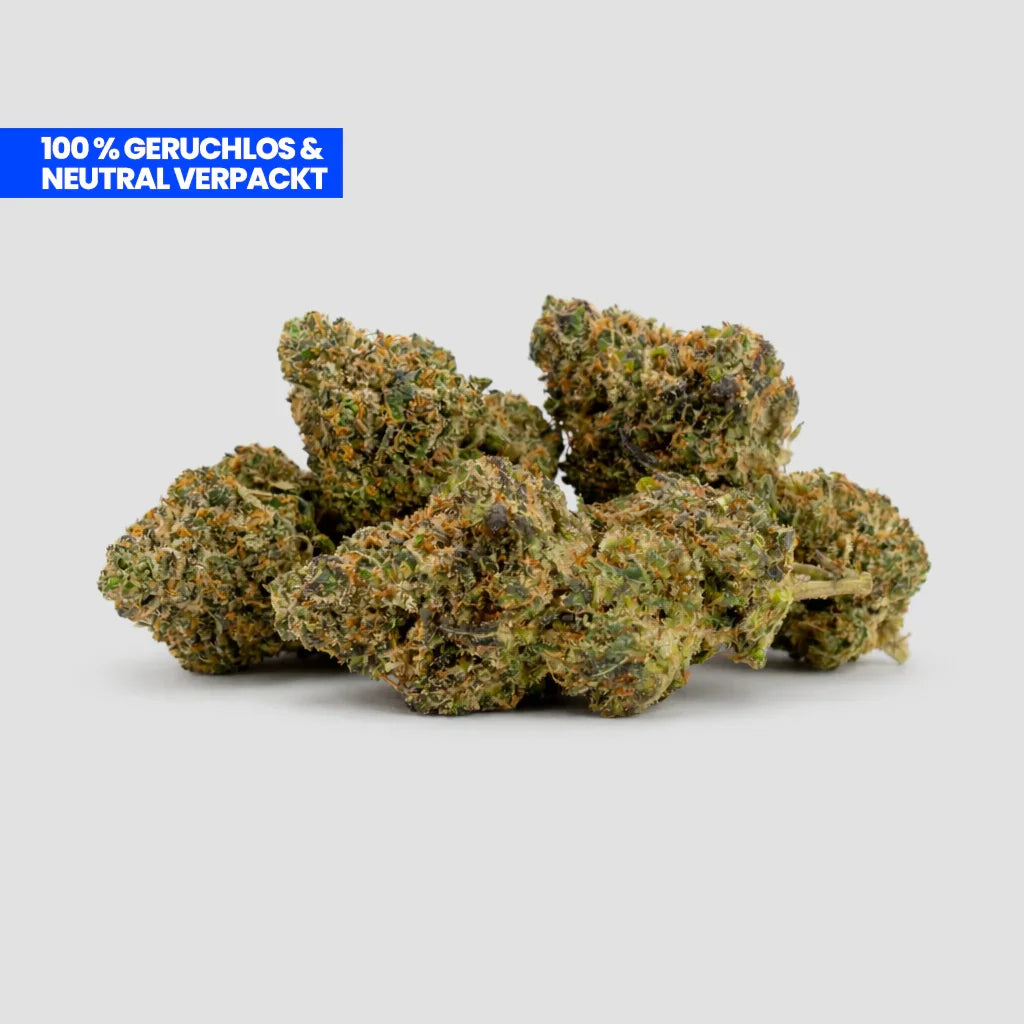
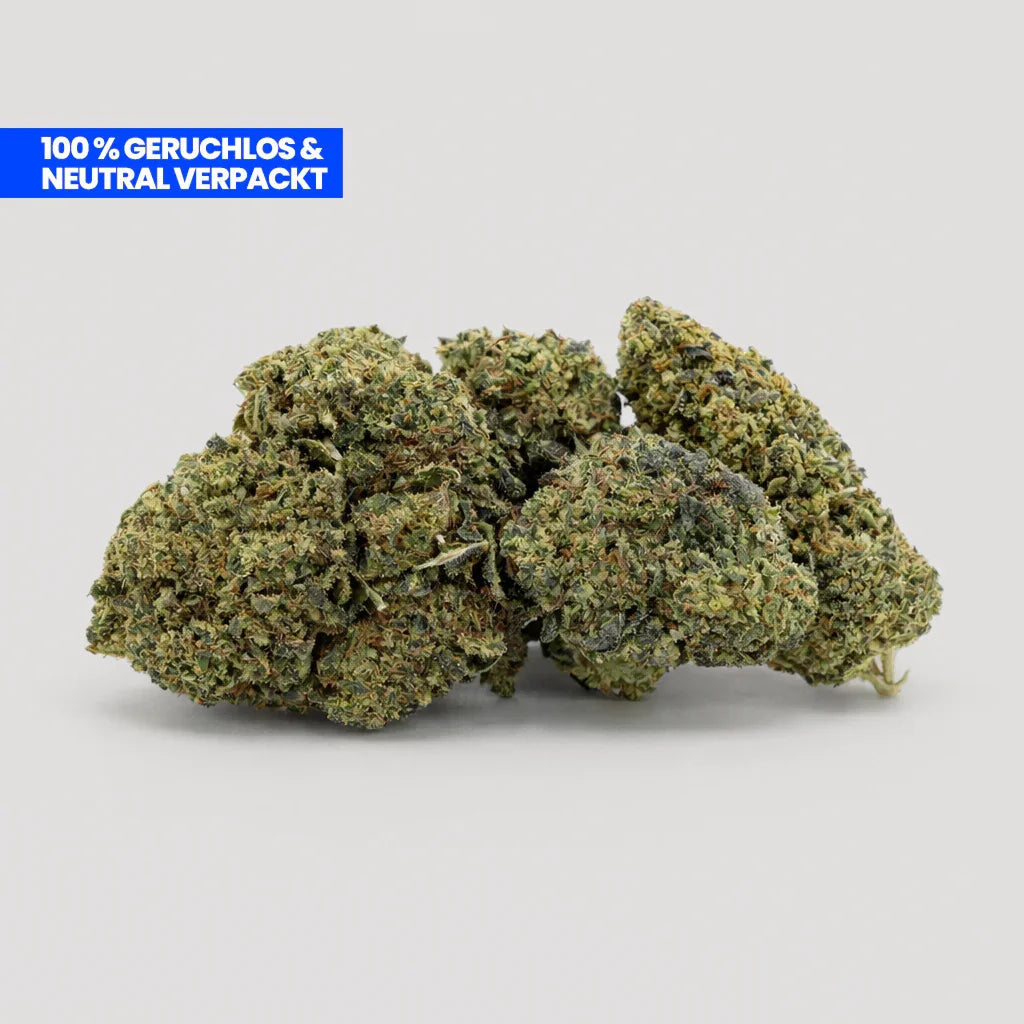
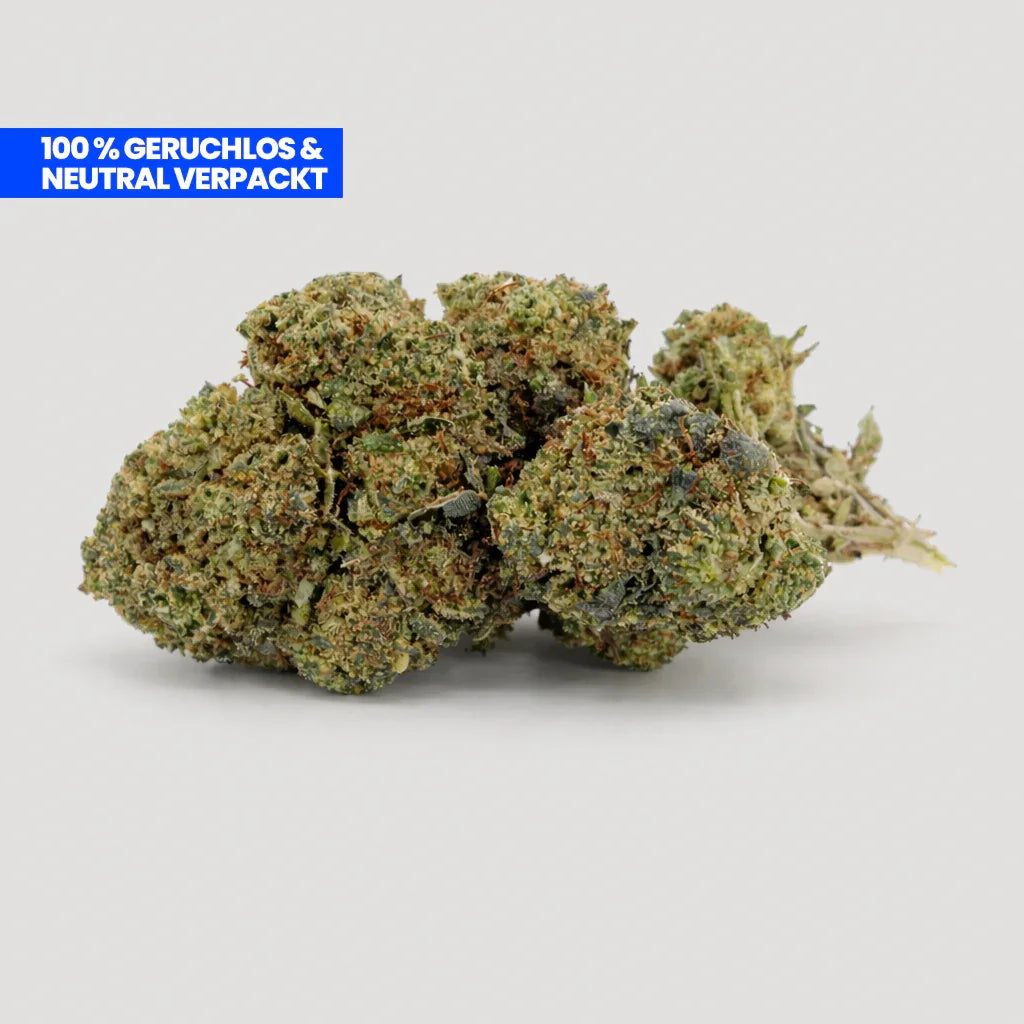
2. Die richtige Sorte wählen: Cannabis ist nicht gleich Cannabis. Die Cannabinoid- und Terpen-Zusammensetzung einer Sorte beeinflusst die Wirkung deutlich. Faustregel: Sativa-lastige Sorten gelten als eher anregend, zerebral und kreativitätsfördernd, während Indica-lastige Sorten eher entspannend und körperlastig wirken . Wenn du also Inspiration suchst, greif lieber zu einer Sativa oder einem Sativa-dominanten Hybrid. Zum Beispiel ist die Sorte Tangie (mit spritzigem Citrus-Aroma) für ihren kreativ stimulierenden Effekt bekannt – perfekt für eine Malsession oder Brainstorming-Runde. Hybride wie Runtz oder Gelato bieten eine ausgewogene Wirkung, die Kopf und Körper gleichermaßen anspricht und sich gut für fokussiertes, aber entspanntes Arbeiten eignet . Informiere dich über das Flavor- und Effektprofil einer Sorte, bevor du sie einsetzt. Im Online-Shop von HappyFlower haben wir eine Kategorie “Kreative Sorten” eingerichtet, wo du eine Auswahl legaler Varianten findest, die für ihren inspirierenden Kick geschätzt werden. Zum Beispiel bekommst du bei uns Tangie PHC Vapes für einen spritzig-kreativen Energieschub oder fruchtige Gelato-Blüten für einen entspannten, inspirierenden Abend.
3. Konsumform und Setting: Überlege, wie du konsumierst. Wenn es um Kreativität geht, schwören viele auf das Vaporisieren (Vape-Pen oder Tisch-Vaporizer), da hierbei kein Verbrennungsrauch entsteht und die Dosierung feinfühliger ausfällt. Ein Vaporizer liefert dir in Sekunden einen spürbaren Effekt – ideal, um punktgenau in eine kreative Session zu starten, ohne lange zu warten. HappyFlower bietet z.B. praktische Vape Pens mit unterschiedlichen Terpen-Profilen an, die sich für kreative Anlässe eignen (schau mal in unserer Vape-Sektion vorbei!). Edibles wie THC-haltige Pralinen oder Gummies können ebenfalls kreativ machen, allerdings ist hier Vorsicht geboten: Die Wirkung setzt spät (oft erst nach 1–2 Stunden) ein und hält lange an, was weniger steuerbar ist. Für eine gezielte Kreativsession sind Edibles daher nur geeignet, wenn du Erfahrung damit hast und die Dosis genau kennst. Egal welche Form du wählst, achte auf ein angenehmes Umfeld: Gestalte deinen Arbeitsplatz oder dein Studio gemütlich, lege inspirierende Musik auf oder sorge für Stille – je nachdem, was dich persönlich in Stimmung bringt.
4. Timing und Workflow: Nutze Cannabis gezielt an passenden Stellen deines kreativen Workflows. Viele Kreative handhaben es so: Ideenfindung mit Cannabis, Ausarbeitung ohne. Das heißt, du kannst z.B. in der Brainstorming-Phase einen kleinen Joint oder Vape genießen, wild Ideen sammeln und skizzieren – und später, in der Revisionsphase, im klaren Kopf filtern und ausarbeiten. Diese Methode verbindet das Beste aus beiden Welten. Achte auch auf das Timing: Direkt nach dem Konsum ist die Phase der größten Euphorie und Fantasie, die du nutzen solltest (das erste 1–2 Stunden Fenster). Plane also deine Session so, dass du in dieser Zeit frei kreativ sein kannst, ohne Ablenkungen oder Meetings.
5. Selbstbeobachtung und Verantwortung: Höre auf dich selbst. Jeder reagiert unterschiedlich auf THC. Führe vielleicht ein kleines Kreativ-Tagebuch, in das du notierst, welche Sorte/Dosis du probiert hast und wie dein kreatives Ergebnis war. So findest du heraus, was für dich am besten klappt. Wenn du merkst, dass dich eine bestimmte Herangehensweise eher behindert (z.B. zu viel Indica macht dich zu träge zum Schreiben), passe entsprechend an. Und ganz wichtig: Bleib verantwortungsbewusst. Stelle sicher, dass du in einem legalen Rahmen konsumierst, und wahre gesunden Menschenverstand – kreatives Arbeiten unter THC sollte in einem sicheren Umfeld stattfinden. Setze dich nicht ans Steuer und treffe keine weitreichenden Entscheidungen, während du berauscht bist.
6. Eigene Rituale entwickeln: Finde heraus, auf welche Weise du mit Cannabis am besten in den kreativen Modus kommst. Vielleicht hilft es dir, nach dem Konsum erst einmal 10 Minuten free zu journaln – schreibe alle Gedanken ungefiltert auf, um die Ideen in Fluss zu bringen. Oder du legst dir eine Inspirations-Playlist bereit, die du immer dann hörst, wenn du einen kreativen Rauchmoment einläutest. Manche schwören auch auf gemeinsame Sessions: Triff dich mit anderen Kreativen zu einem “High Art”-Abend, bei dem ihr zusammen malt, musiziert oder brainstormt. Solche Rituale konditionieren dein Gehirn darauf, in einen bestimmten Modus zu wechseln. Finde das Setting, das sich für dich am stimmigsten anfühlt und dir das beste Gleichgewicht zwischen Entspannung und Fokus gibt.
Zum Schluss laden wir dich ein: Probiere es aus und lass dich inspirieren! Vielleicht wartet eine ganz neue Dimension deiner Kreativität darauf, entdeckt zu werden. Wenn du neugierig geworden bist, schau gerne bei happyflower.io vorbei – wir haben dort nicht nur hochwertige Produkte, sondern auch Beratung und Informationen rund ums Thema Cannabis & Kreativität. All unsere Produkte sind streng geprüft und mit viel Liebe ausgewählt – damit du dich ganz auf dein kreatives Abenteuer konzentrieren kannst. Wir liefern schnell, diskret und mit dem Ziel, dir ein happy und inspirierendes Erlebnis zu bescheren. Vom ersten Microdose-Experiment bis zum Genießen einer künstlerisch angehauchten Sorte stehen wir dir gern zur Seite. Also, viel Spaß beim Experimentieren – möge dein nächstes Projekt nur so vor Ideen sprühen!
Macht THC wirklich kreativer?
Nicht automatisch. Studien zeigen, dass THC vor allem das Gefühl von Kreativität steigert. Niedrige Dosen können das divergente Denken anregen – zu viel THC dagegen mindert Fokus und Struktur. Entscheidend sind Dosis, Stimmung und Setting.
Welche THC-Dosis ist ideal für kreative Arbeit?
Weniger ist mehr. Beginne mit einer Mikrodosis von 1–5 mg THC, um Wahrnehmung und Assoziationen leicht zu öffnen, ohne den Kopf zu vernebeln. Übermäßige Mengen stören Konzentration und Gedächtnis.
Welche Sorten fördern Kreativität am besten?
Sativa-dominante oder Hybrid-Sorten mit aktivierenden Terpenen (z. B. Tangie, Runtz, Gelato) gelten als besonders inspirierend. Sie hellen die Stimmung auf und fördern Fokus – ideal für Brainstorming oder künstlerische Sessions.
Wie wirkt sich THC auf den kreativen Flow aus?
THC kann Hemmungen lösen, Wahrnehmung intensivieren und den inneren Kritiker dämpfen – alles wichtige Faktoren für Flow. Allerdings nur bei moderatem Konsum und in einem entspannten, sicheren Umfeld.
Was ist besser: Vapen oder Edibles?
Für kreative Phasen empfehlen viele Vaporizer oder Vapes: Sie wirken schnell und lassen sich präzise dosieren. Edibles wirken stärker und länger – eher geeignet für späte, introspektive Phasen.


💨 THC Vapes bei Happyflower entdecken
Laborgeprüft · Diskret versandt · ⭐ 4,6/5 (750+ Bewertungen)
Jetzt THC Vapes ansehen →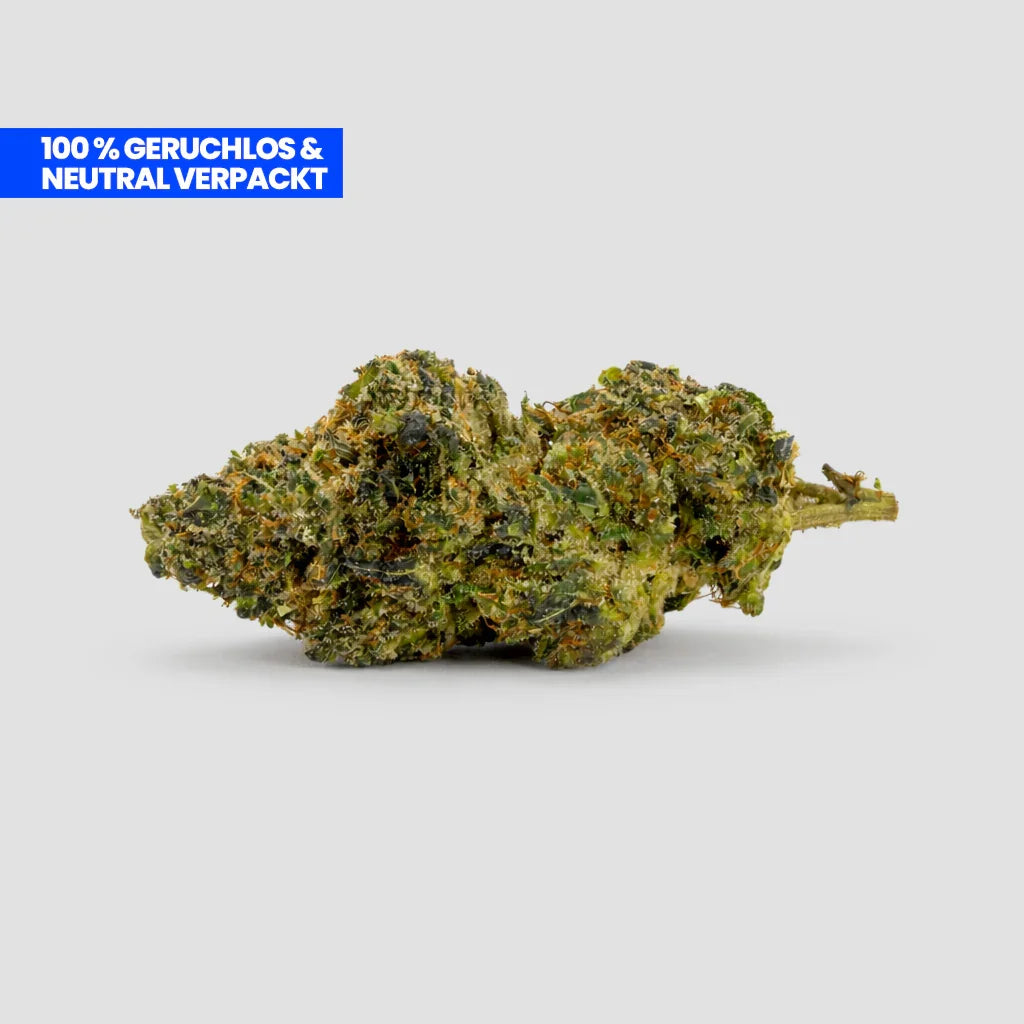
Share:
THC als Abendroutine: Natürliche Einschlafhilfe und Entspannung
Weed kaufen an Black Friday – der smarte Guide für Deals, Recht & Qualität