Eine bewusste Abendroutine hilft vielen Menschen dabei, besser zur Ruhe zu kommen, Stress abzubauen und erholsamen Schlaf zu finden. Studien belegen, dass regelmäßige Schlafzeiten und feste Rituale einen spürbaren Einfluss auf unsere psychische Gesundheit und Schlafqualität haben . Ein Abendritual signalisiert dem Körper: „Jetzt ist Schlafenszeit“. Es bremst das Gedankenkreisen aus und unterstützt die Entspannung . Genau hier setzen manche Menschen auf natürliche Hilfsmittel wie THC (Tetrahydrocannabinol), um das Einschlafen zu erleichtern. Im Folgenden erläutern wir umfassend, wie THC in der Abendroutine wirken kann, welche Vorteile und Risiken es gibt, und wie es sicher angewendet wird.
Key Takeaways – „THC als Abendroutine“
- THC kann den Schlaf fördern. Studien zeigen: Niedrige Dosen verkürzen die Einschlafzeit und fördern die Tiefschlafphasen – ideal für eine entspannte Abendroutine.
- Dosierung entscheidet über Wirkung. Kleine Mengen beruhigen und entspannen, hohe Dosen können dagegen Unruhe oder Angst auslösen.
- Kombination mit Ritualen verstärkt den Effekt. Atemübungen, Musik oder Journaling können die beruhigende Wirkung von THC gezielt unterstützen.
- Indica-Sorten wirken besonders sedierend. Myrcenreiche Strains wie Northern Lights oder Blueberry eignen sich hervorragend für den Abend.
- Vapen oder Edibles – beides möglich. Inhalation wirkt schnell, Edibles wirken langsamer, aber halten länger an – perfekt zum Einschlafen.
- Langfristig ist Vorsicht geboten. Dauerhafter Gebrauch kann die Schlafarchitektur verändern und zu Gewöhnung führen.
- Legalität prüfen! In Deutschland ist Besitz in kleinen Mengen erlaubt, in Österreich bleibt THC weiterhin verboten.
- Start klein, bleib bewusst. Beginne mit niedriger Dosis, kombiniere THC mit gesunden Routinen und höre auf Deinen Körper – so bleibt es wohltuend statt belastend.
- 1. Was ist THC? Wirkung und Unterschied zu CBD
- 2. Konsumformen von Cannabis: Blüten, Edibles, Vapes & Co.
- 3. Wissenschaftliche Hintergründe: Wie wirkt THC auf Schlaf und Stress?
- 4. Potenzielle Vorteile der THC-Abendroutine
- 5. Risiken und Nebenwirkungen von THC am Abend
- 6. Erfahrungsberichte und Anwendungsbeispiele
- 7. Praktische Tipps für eine gelungene THC-Abendroutine
- 8. Rechtlicher Hinweis: Deutschland und Österreich (Stand Oktober 2025)
- 9. Empfehlungen und Produkt-Tipps (inkl. happyflower.io)
- 10. Frequently asked questions (FAQs)
Was ist THC? Wirkung und Unterschied zu CBD
THC (Tetrahydrocannabinol) ist der hauptsächliche psychoaktive Wirkstoff in Cannabis. Im Gegensatz zu CBD (Cannabidiol) führt THC zum typischen „High“-Gefühl, weil es stark an die CB1-Rezeptoren des Endocannabinoid-Systems im Gehirn bindet . Auf dem Endocannabinoid-System basieren viele Effekte von Cannabis: THC wirkt entspannend, kann die Stimmung heben und das Schmerzempfinden beeinflussen . Im Gegensatz dazu ist CBD nicht psychoaktiv : Es entfaltet eher beruhigende, angstlösende und entzündungshemmende Wirkungen, ohne ein Rauschgefühl zu erzeugen.


Der wesentliche Unterschied liegt also in der Wirkung: THC erzeugt ein bewusstseinsveränderndes High und kann bei niedrigen Dosierungen entspannend wirken, bei hohen Dosen jedoch Angst oder Unruhe hervorrufen . CBD hingegen wirkt ohne Rausch, oft eher ausgleichend und unterstützt so Entspannung ohne Nebenwirkung auf die Psyche . Viele Produkte kombinieren beide Cannabinoide oder setzen gezielt auf eines von ihnen, je nach gewünschtem Effekt.
Konsumformen von Cannabis: Blüten, Edibles, Vapes & Co.
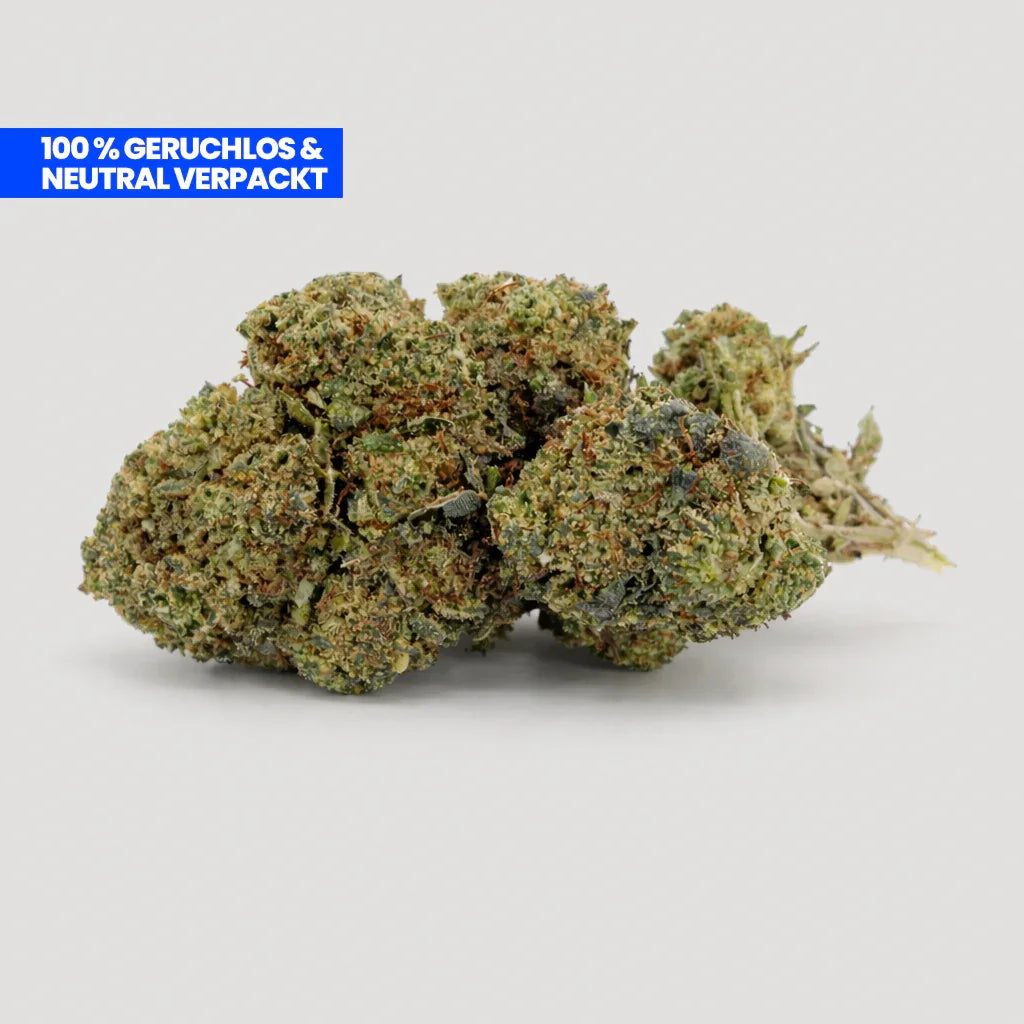
Wer THC verwenden möchte, kann zwischen vielen Konsumformen wählen . Traditionell rauchen Konsument:innen getrocknete Cannabisblüten in einem Joint, einer Bong oder Pfeife. Eine weniger gesundheitsbelastende Alternative ist das Vapen: Hier werden Blüten oder Konzentrate in einem Vaporizer erhitzt, sodass nur die Cannabinoide verdampfen. Das Verdampfen gilt als schonend und effizient .
Neben dem Inhalieren gibt es orale Aufnahmeformen: Esswaren mit THC („Edibles“) wie Gummibärchen, Kekse oder Schokolade, Tinkturen und Öle zum Einnehmen oder Sprühen unter die Zunge, und sogar topische Produkte (Cremes) mit Cannabis. Die Wirkung setzt bei Esswaren verzögert ein (oft 30–90 Minuten) und hält dafür länger an, während Rauchen/Vapen schnell wirkt (innerhalb von Minuten), aber auch schneller abklingt. Generell gilt: Die Wirkungsintensität und -dauer hängen stark von der Konsumform und Dosierung ab .
Im deutschsprachigen Raum gelten weiterhin strenge Regeln: Medizinisches Cannabis ist erlaubt, der Freizeitgebrauch bis zur Legalisierung (siehe unten) nur in engen Grenzen möglich. Wichtig ist: THC-Produkte gibt es nur mit Vorsicht und oft rezeptpflichtig, wohingegen CBD-haltige Produkte legal in Drogerien und Online-Shops erhältlich sind.

Wissenschaftliche Hintergründe: Wie wirkt THC auf Schlaf und Stress?
THC beeinflusst vor allem das Endocannabinoid-System (ECS), das zentrale Funktionen wie Stimmung, Angst, Schmerz und Schlaf-Wach-Zyklen reguliert . THC bindet überwiegend an CB1-Rezeptoren im Gehirn und Nervensystem. Hierdurch kann es akute entspannende und stimmungsaufhellende Effekte auslösen. In niedrigen bis mittleren Dosen wirkt THC daher oft beruhigend . So berichten Nutzer:innen, dass sie nach einer geringen THC-Dosis schneller „abschalten“ und sich entspannter fühlen. Dies kann helfen, Stresshormone zu senken und den Übergang in den Schlaf einzuleiten .
Studienergebnisse zum Schlaf: Kurzfristiger THC-Konsum kann das Einschlafen erleichtern. Untersuchungen zeigen, dass ein einmaliger Gebrauch von THC-haltigem Cannabis die Einschlafzeit verkürzt und die gesamte Schlafdauer erhöht . Ebenso kann der Anteil der Tiefschlafphasen (Slow-Wave-Sleep) zunehmen, während gleichzeitig der REM-Schlaf (Traumschlaf) abnimmt . THC-haltige Präparate wirken also kurzzeitig schlaffördernd. Die Unterdrückung von REM kann allerdings dazu führen, dass man weniger träumt oder die Träume intensiver wahrnimmt – das ist individuell verschieden. In der Summe berichten viele Anwender:innen von einem schnelleren Einschlafen und einem subjektiv erholsameren Schlaf .
Beim Stressabbau spielt THC ebenfalls eine Rolle: Über die CB1-Rezeptoren im limbischen System kann THC Ängste und Anspannung vermindern . Niedrige Dosen THC wirken oft anxiolytisch, d.h. sie lösen innere Anspannung und lassen das Gedankenkarussell langsamer drehen. So hilft es einigen Menschen, Sorgen abzulegen und ruhiger zu werden. Dies bestätigen Anwenderberichte: Konsumenten berichten, dass nach der THC-Einnahme die “tausend Gedanken“ am Abend zur Ruhe kommen .
Allerdings sind diese Effekte sehr individuell und dosisabhängig . Hohe THC-Mengen oder langanhaltender Gebrauch können paradoxerweise das Nervensystem überreizen und Angst oder Unruhe verstärken . Daher ist eine kluge Dosierung entscheidend, wenn man THC gezielt für Entspannung und Schlaf nutzen möchte.
Potenzielle Vorteile der THC-Abendroutine
Wenn THC abends in moderaten Mengen eingesetzt wird, erleben viele Anwender:innen folgende Vorteile:
- Schnelleres Einschlafen: Wie erwähnt kann THC die Einschlafzeit verkürzen . Wer nach einem langen Arbeitstag ruhelos im Bett liegt, kann mit einer niedrigen THC-Dosis in Kombination mit Entspannungstechniken tendenziell schneller in den Schlaf gleiten.
- Tiefe Entspannung: THC kann ein Gefühl tiefer körperlicher und geistiger Entspannung fördern . Manche Menschen berichten, dass nach der Einnahme von THC ein „Druck von den Schultern fällt“ und sich eine wohlige Müdigkeit einstellt. Dadurch lassen sich Stress und Grübeln leichter loslassen.
- Reduziertes Gedankenkarussell: Nutzer:innen schildern oft, dass THC sie davon abhält, abends über belastende Themen nachzugrübeln . Das Gedankenkarussell dreht sich langsamer und man findet leichter in einen ruhigen Gemütszustand. Dieser Effekt erleichtert das mentale Abschalten vor dem Einschlafen.
- Längerer Schlaf: Bei einmaliger Anwendung kann die Gesamtschlafdauer zunehmen . Wer nachts häufig aufwacht, kann mit THC tendenziell seltener die Schlafphasen unterbrechen (weniger WASO – Wake After Sleep Onset). Einige Konsument:innen berichten, sie hätten dadurch seltener Wachphasen.
- Schmerzlinderung: Viele Menschen nutzen THC zur Schmerzlinderung. Chronische Schmerzen, Muskelverspannungen oder andere Beschwerden können den Schlaf stören. THC wirkt oft muskelentspannend und schmerzlindernd – was indirekt zu besserem Durchschlafen beiträgt. Patienten beschreiben beispielsweise, dass eine abendliche Cannabis-Tinktur ihnen half, trotz Schmerzen durchzuschlafen .
- Stimmungsaufhellung: Eine leichte stimmungsaufhellende Wirkung ist ebenfalls möglich. THC kann helfen, Sorgen und Grübeleien ins richtige Licht zu rücken und eine positive Grundstimmung zu fördern, bevor man ins Bett geht. In Kombination mit beruhigenden Ritualen unterstützt es so ein entspanntes Einschlafen.
Ein konkretes Beispiel aus der Praxis: Ein 45-jähriger Patient mit chronischen Gelenk- und Muskelschmerzen berichtet, dass ihm abends 20 Tropfen einer THC/CBD-Tinktur beim Einschlafen und Durchschlafen helfen . Er empfindet diese Dosis als nicht berauschend, aber schmerzlindernd und schlaffördernd. Solche Erfahrungsberichte verdeutlichen, dass eine wohldosierte THC-Abendroutine für manche Menschen einen großen Gewinn an Schlafqualität bringt.

Risiken und Nebenwirkungen von THC am Abend
Trotz der möglichen Vorteile darf man Risiken und Nebenwirkungen nicht unterschätzen. THC ist eine Droge und wirkt stark auf Gehirn und Körper. Insbesondere beim regelmäßigen oder zu hohen Gebrauch können folgende Probleme auftreten:
- Psychische Nebenwirkungen: Hohe THC-Dosen können Angstzustände oder Paranoia auslösen . Menschen mit einer predisponierten ängstlichen Persönlichkeit sollten besonders vorsichtig sein. Akut können Herzrasen, Benommenheit, Schwindel oder Konzentrationsstörungen auftreten . In seltenen Fällen wurden kurzzeitige Halluzinationen oder Panikattacken beschrieben. Deshalb gilt: Niedrige Dosis ist Trumpf – zu viel THC kann schnell kontraproduktiv sein.
- Abhängigkeitspotenzial: Langfristig kann sich eine Gewöhnung an die schlaffördernde Wirkung einstellen . Manche Menschen brauchen mit der Zeit höhere Dosen für denselben Effekt. Etwa 9 von 10 Cannabisabhängigen erleben Entzugserscheinungen beim Absetzen, darunter vor allem Schlafstörungen . Symptome eines Entzugs können z.B. unruhiger Schlaf, Albträume und Ein- sowie Durchschlafprobleme sein . Eine solche Abhängigkeit gilt als psychisch, seltener als körperlich, kann aber stark einschränkend wirken. Daher ist eine Rückfallgefahr beim dauerhaften Gebrauch nicht zu unterschätzen.
- Beeinträchtigung der Schlafqualität bei Langzeitkonsum: Entgegen dem kurzfristigen Effekt zeigen Langzeitstudien, dass regelmäßiger Cannabiskonsum insgesamt die Schlafqualität mindern kann . Langfristige Nutzer:innen berichten oft von weniger gesamt Schlaf und einer schlechteren Schlafarchitektur. So können Tiefschlafphasen abnehmen, und die Einschlafzeit wird mit der Zeit länger . Dies bedeutet: Wer zu oft auf Cannabis als Einschlafhilfe zurückgreift, riskiert, auf lange Sicht schlechter zu schlafen.
- Wechselwirkungen und Abendschlaf: THC kann die Traumphase (REM-Schlaf) verkürzen . Das bedeutet, wer täglich abends THC konsumiert, könnte seltener oder weniger intensiv träumen. Dies hat keine unmittelbaren gesundheitlichen Schäden, aber manche Menschen fühlen sich dadurch weniger erholt oder berichten von „komischen Träumen“ nach Entzug. Außerdem kann THC bei manchen die körpereigene Melatoninproduktion stören und so letztlich den natürlichen Schlaf-Wach-Rhythmus beeinflussen.
- Akute Risiken: Wie bei jedem Rauschmittel besteht beim Führen von Fahrzeugen oder Bedienen von Maschinen akute Gefahr. THC verzögert Reaktionszeiten und beeinträchtigt Aufmerksamkeit. Am Abend nimmt dieser Effekt zwar über Nacht ab, aber wer beispielsweise spätabends dosiert, sollte am nächsten Morgen nicht sofort Auto fahren, wenn er sich noch beeinträchtigt fühlt.
Insgesamt gilt: Sensible Dosierung und Vorsicht sind entscheidend. Beginne mit sehr geringen Mengen, insbesondere wenn du THC noch nicht kennst. Eine Anfänger-Empfehlung sind wenige Milligramm (z.B. 2–3 mg THC) in Form von Esswaren oder ein kurzer Zug an einer THC-Blüte. Beobachte genau, wie dein Körper reagiert. Höre auch auf Nebenwirkungen wie Herzklopfen oder Unruhe. Fachleute betonen, dass gerade bei THC ärztliche Begleitung sinnvoll ist – insbesondere bei psychischen Vorerkrankungen – weil bei zu viel THC gegenteilige Effekte wie Panik oder Schlafstörungen drohen .
Erfahrungsberichte und Anwendungsbeispiele
Zahlreiche Konsument:innen berichten online und in Foren von positiven Abendritualen mit THC. Typische Szenarien sind zum Beispiel: Nach einem stressigen Arbeitstag setzt sich jemand auf das Sofa, trinkt einen beruhigenden Tee (z.B. Kamillentee), nimmt eine kleine Dosis THC-haltigen Esswaren oder ein CBD/CBD-Öl-Spray mit etwas THC und hört ruhige Musik. Innerhalb von 20–30 Minuten spürt er eine angenehme Müdigkeit, die Gedanken beruhigen sich, und er geht gelassener ins Bett.
Ein prominentes Beispiel ist der Fall eines 45-jährigen Landwirts mit Rheuma: Er nutzt abends eine Cannabis-Tinktur mit THC und CBD. Er berichtet: „Jeden Abend 20 Tropfen helfen mir, einzuschlafen und endlich wieder durchzuschlafen.“ . Diese Dosis (entspricht etwa 2,5 mg THC und 5 mg CBD pro 9 Tropfen) löst bei ihm keinen Rausch aus, sondern hebt vor allem die Schmerzen an, so dass er entspannt einschlafen kann. Am nächsten Morgen fühlt er sich erholt und leistungsfähig.
Auch pflanzliche Nutzerberichte auf Blogs und Foren betonen meist die Kombination von THC mit einer ruhigen Atmosphäre. Sie schildern häufig, dass THC die Gedanken zur Ruhe bringt und ein angenehmes Müdigkeitsgefühl erzeugt . So wird das Einschlafen erleichtert. Aber sie warnen auch: „Bei zu viel THC am Abend wird man unruhig und bekommt eher Schlafprobleme.“
Szenario (fiktiv): Maria ist 30 und leidet unter Prüfungsstress. Ihre Abendroutine besteht aus Yoga, Tagebuchschreiben und einem berührenden Leitspruch des Tages. Vor dem Schlafengehen nimmt sie gelegentlich 2 mg THC in Form eines Honigbrots ein. In kleinen Dosen bemerkt sie, dass sie anschließend weniger kreisende Gedanken hat und leichter einschläft. Nach einem Monat berichtet sie jedoch, dass sie sich immer streng an diese kleine Dosis und ihr Ritual halten muss – weicht sie ab, bleibt das Einschlafen schwierig.
Zusammenfassend zeigt die Erfahrung vieler: Die richtige Anwendung von THC am Abend kann tatsächlich helfen, den Kopf freizubekommen und besser zu schlafen . Dennoch betonen Nutzer*innen stets die Bedeutung einer sicheren Routine, das langsame Herantasten an die Dosis und die Beachtung gesetzlicher Regeln.

Praktische Tipps für eine gelungene THC-Abendroutine
Wenn du THC in deine Abendroutine integrieren möchtest, beachte folgende Hinweise und Rituale:
- Dosierung klein halten: Starte mit einer sehr niedrigen Dosis. Bei Esswaren oder Ölen reichen oft schon 1–3 mg THC, um eine beruhigende Wirkung zu spüren. Steigere die Menge nur in Schritten, wenn nötig. Höhere Dosierungen spätabends wirken schnell überdosierend und können den Schlaf stören.
- Passendes Setting schaffen: Achte auf eine ruhige Schlafumgebung. Das Schlafzimmer sollte kühl, dunkel und leise sein . Entferne Störquellen wie heller Bildschirme. Kühle Temperaturen fördern den Tiefschlaf, und eine angenehme Ruhe hilft, ungestört abzuschalten .
- Bildschirmzeit reduzieren: Schalte Smartphones und Computer mindestens eine Stunde vor dem Schlafengehen aus. Das blaue Licht elektronischer Geräte hemmt die Melatonin-Produktion und hält den Geist wach . Nutze die letzte Stunde vor dem Zubettgehen lieber für Entspannung ohne Bildschirme – z.B. lesen, dehnen oder eine kurze Meditation.
- Rituale etablieren: Führe feste Rituale ein. Das kann etwa eine kurze Dankbarkeits-Praxis (Tagebuch), sanfte Yoga-Dehnübungen oder Atemübungen sein. Wiederholende Abläufe senden dem Gehirn das Signal: „Es ist Zeit, langsamer zu werden“ . Ein warmes Fußbad, eine beruhigende Tasse Tee (z.B. aus Melisse oder Baldrian) oder das Sprühen eines Lavendel-Raumsprays können das Einschlafen zusätzlich fördern.
- Aromatherapie: Ätherische Öle wie Lavendel oder Kamille wirken nachweislich entspannend. Ein paar Tropfen Lavendelöl auf das Kopfkissen oder ein beruhigender Kräutertee unterstützen das Wohlgefühl. Auch aromatische Kräuter wie Zitronenmelisse und Johanniskraut sind bekannt für ihre mild sedierenden Effekte.
- Leise Musik oder Naturklänge: Sanfte Klänge können helfen, den Geist zur Ruhe zu bringen. Lege eine ruhige Playlist mit entspannender Musik oder Naturgeräuschen (Regen, Wald, Meeresrauschen) auf und schließe die Augen. Musiktherapie ist ein bewährtes Mittel, um schneller einzuschlafen.
- Tagesjournal führen: Viele Menschen schreiben vor dem Schlafengehen kurz ihre Gedanken auf. Ein „Gute-Nacht-Tagebuch“ kann helfen, Sorgen aus dem Kopf auf Papier zu übertragen. So lastet weniger im Bewusstsein, bevor du die THC-Dosis einnimmst.
- Abendessen und Getränke: Vermeide schwere Mahlzeiten, Nikotin und zu viel Koffein am Abend. Ein leichter Abendimbiss wirkt besser. Alkoholkonsum ist kontraproduktiv: Auch wenn Alkohol schläfrig macht, verhindert er erholsamen Schlaf und verschlechtert die Schlafqualität.
- Kombination mit Melatonin: Manche Menschen kombinieren geringe Mengen THC mit Melatonin (das körpereigene Schlafhormon) oder Nahrungsergänzungsmitteln wie Baldrian. Besprich das am besten mit einem Facharzt. Eine zu hohe Dosierung von Zusatzstoffen kann überflüssig sein, wenn THC alleine schon wirkt.
- Auf Zeichen des Körpers hören: Wenn du nach der Einnahme Herzrasen oder Unwohlsein spürst, solltest du das nächste Mal die Dosis senken oder auf THC verzichten. Dein Körper sagt dir, wenn ihm etwas zu viel ist.
Es hilft, die Routine ein paar Wochen zu probieren und dabei ein Schlaftagebuch zu führen. Notiere, wie viel THC du wann genommen hast und wie gut du geschlafen hast. Oft stellt man so fest, welches Timing und welche Dosis für den eigenen Schlafrhythmus optimal sind. Das Ziel ist, deine innere Uhr zu unterstützen, nicht komplett abhängig von Substanzen zu machen.
Rechtlicher Hinweis: Deutschland und Österreich (Stand Oktober 2025)
Die Rechtslage ist gerade dabei, sich zu verändern – dennoch gilt: In Deutschland und Österreich ist Freizeit-Cannabis (Stand Herbst 2025) nur eingeschränkt legal.
- Deutschland: Seit 1. April 2024 erlaubt das neue Cannabisgesetz den Eigenanbau und Besitz geringer Mengen für Erwachsene. Erwachsene ab 18 dürfen bis zu 25 g Cannabis in der Öffentlichkeit und bis zu 50 g zuhause besitzen. Sie können außerdem drei Pflanzen zum Eigenbedarf anbauen . Gemeinschaftlicher Anbau in Vereinsstrukturen ist unter Auflagen ebenfalls erlaubt . Wichtig bleibt aber: Verkauf und Erwerb beim Händler außerhalb dieser Regelungen sind noch verboten, und THC-reiche Produkte ohne ärztliche Verordnung sind praktisch weiter illegal. Ausnahmen gelten für medizinisches Cannabis, das nur Schwerkranken verschrieben wird.
- Österreich: Im Gegensatz zu Deutschland ist in Österreich der Besitz, Verkauf und Anbau von THC-haltigem Cannabis weiterhin illegal . Kleinmengen für den Eigenbedarf werden manchmal nur mit einer Diversion (Beratung statt Strafe) geahndet, aber grundsätzlich drohen bei Verstößen Geld- oder sogar Gefängnisstrafen . Nur medizinische Präparate (z.B. Dronabinol) sind auf Rezept streng limitiert erlaubt. Fazit: Für den Freizeitgebrauch gibt es (Stand 2025) keine Entwarnung in Österreich.
- Deutschland vs. Österreich: Durch den Legalisierungsschritt in Deutschland ist Österreich stark unter Druck geraten, bleibt aber noch bei einem restriktiven Kurs . Für beide Länder gilt: Informiere dich unbedingt über die aktuellen Gesetze, besorge THC nur legal (in Deutschland evtl. via Eigenanbau oder Verein) und achte auf Mengengrenzen. Bereits im Rahmen der neuen Gesetze ist zum Beispiel das Verschenken oder Weitergeben in Deutschland nur in begrenztem Umfang (max. 25 g pro Tag, 50 g/Monat, etc.) erlaubt .
Empfehlungen und Produkt-Tipps (inkl. happyflower.io)
Für die abendliche Anwendung eignen sich vor allem Entspannungs-Sorten und -Produkte. Klassischerweise werden indica-dominante Cannabis-Sorten empfohlen, da sie oft körperlich sedierender wirken als sativa-dominante Sorten. Beispiele wären bekannte Indicas wie “Northern Lights”, “Blueberry” oder “Granddaddy Purple”, die reich an beruhigenden Terpenen wie Myrcen sind. Diese Sorten unterstützen ein tieferes, ruhigeres Körpergefühl.
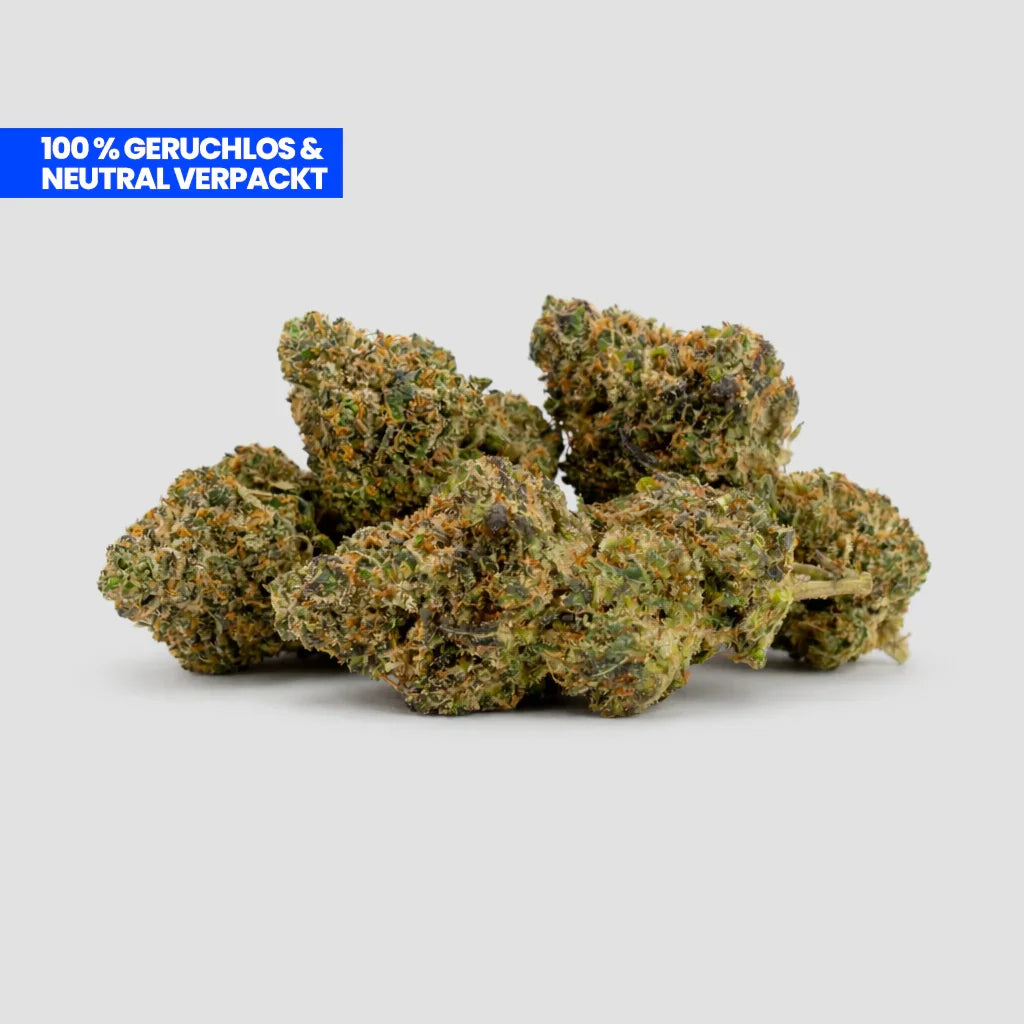
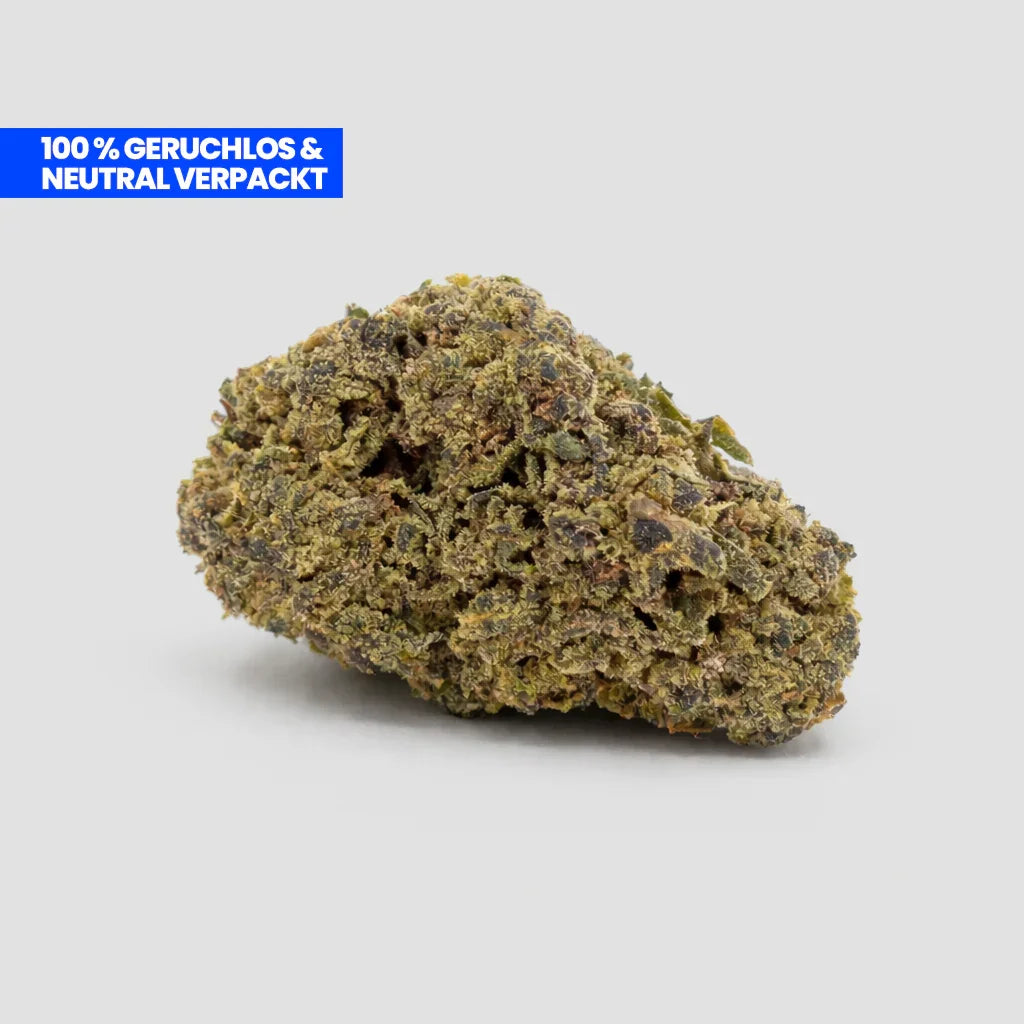
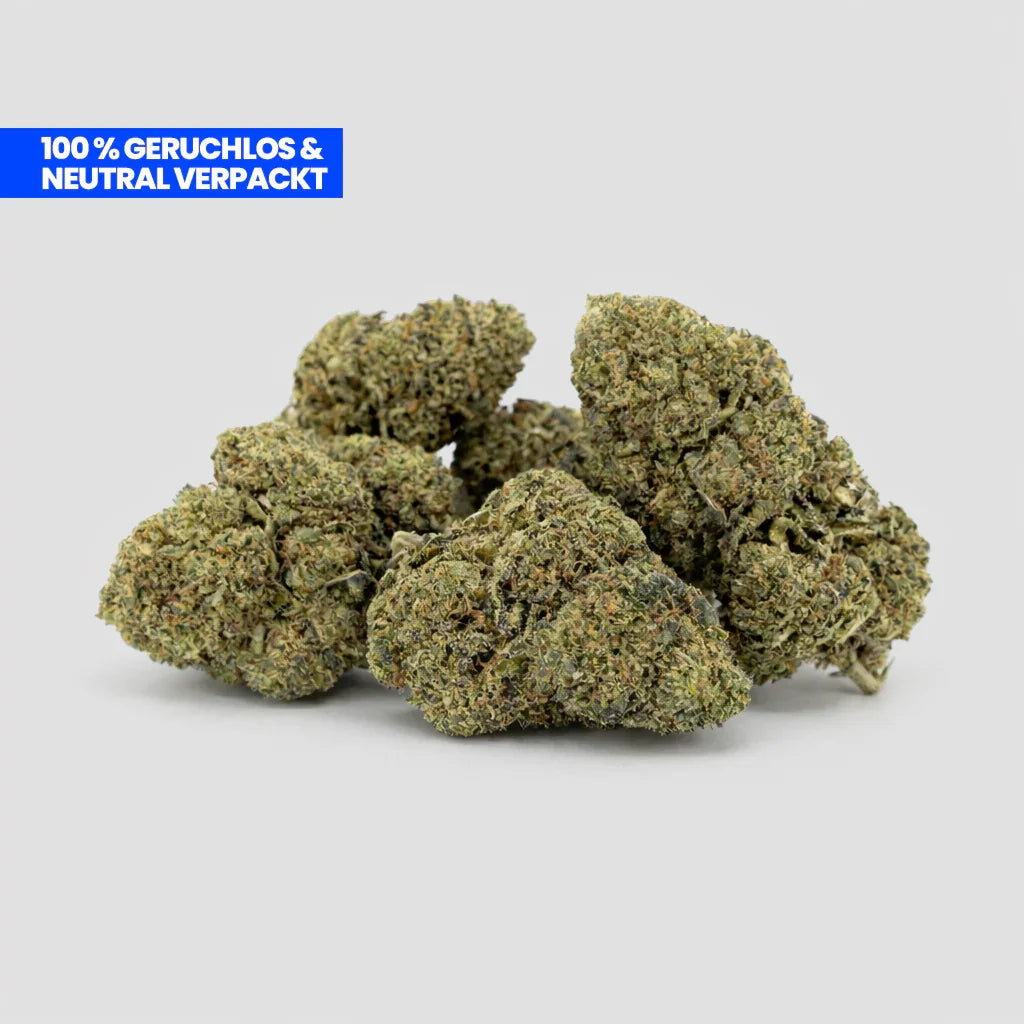
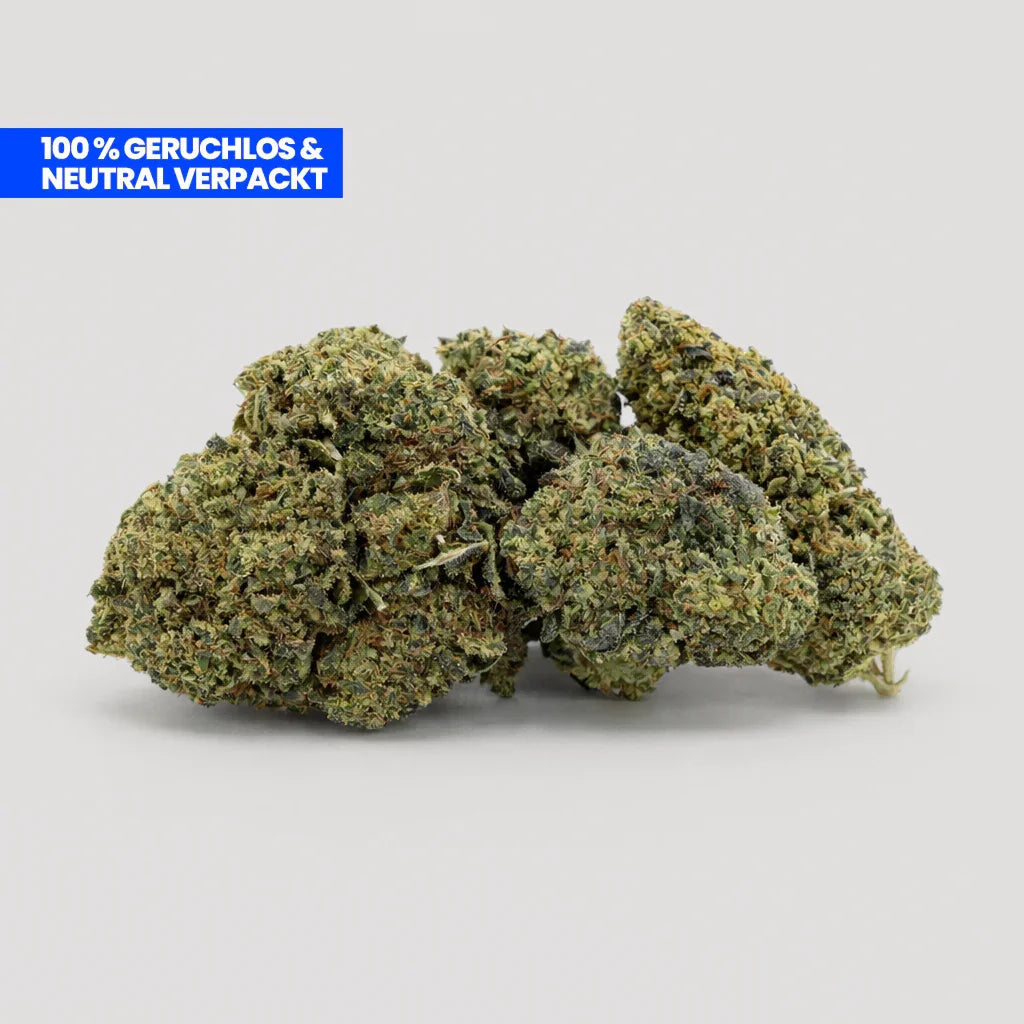
In Online-Shops wie HappyFlower.io (Deutschland) findet man eine Auswahl an geeigneten Produkten. Dort werden neben echten Cannabisblüten vor allem legale Alternativen angeboten: etwa PHC-Vapes (Polyhydrocannabinol, ein analoges Cannabinoid) oder 10-OH-HHC-Blüten . Auch THC-Edibles wie Gummibärchen gibt es. HappyFlower wirbt damit, dass man dort legal und diskret entspannen kann: „legale Alternativen wie PHC-Vapes, 10-OH-HHC-Blüten oder THC-Edibles“ seien verfügbar . Beispiele aus dem Sortiment sind etwa “Blueberry Cake” oder “Gelato” als PHC-Vapes, und “OG Kush 10-OH-HHC” als Blüten; diese sollen ähnliche Effekte wie klassisches THC erzielen.
Achtung: Auch wenn diese Produkte in Deutschland rechtlich anders behandelt werden, gelten sie nicht als harmlose Süßwaren. Sorgfältiger Umgang ist hier ebenfalls Pflicht. Interessierte sollten sich stets über Inhaltstoffe und Dosierung informieren. HappyFlower selbst weist z.B. darauf hin, dass traditionelle THC-Vapes in Deutschland illegal sind und dass ihre PHC-Vapes legal sind, weil PHC formell nicht als BtMG-Stoff gelistet ist .
Unsere allgemeinen Produktempfehlungen für den Abend:
- THC-Edibles: Leichte Gummis oder Tees. Wirkung setzt langsam ein, aber hält lange. Ideal, wenn man Angst vor zu starkem Rausch hat und ein sanftes Einschlafen möchte.
- Tinkturen/Öle: Bei diesen lässt sich die Dosis sehr fein dosieren. Ein Tropfen unter die Zunge wirkt in ~20 Minuten.
- Pre-Rolls oder Blüten (nur in DE nach Umstellung legal): Zum langsamen Rauchen oder Verdampfen. Hier klappt das Dosieren am schwierigsten, weil die Potenz stark variiert. Für Anfänger weniger empfohlen.
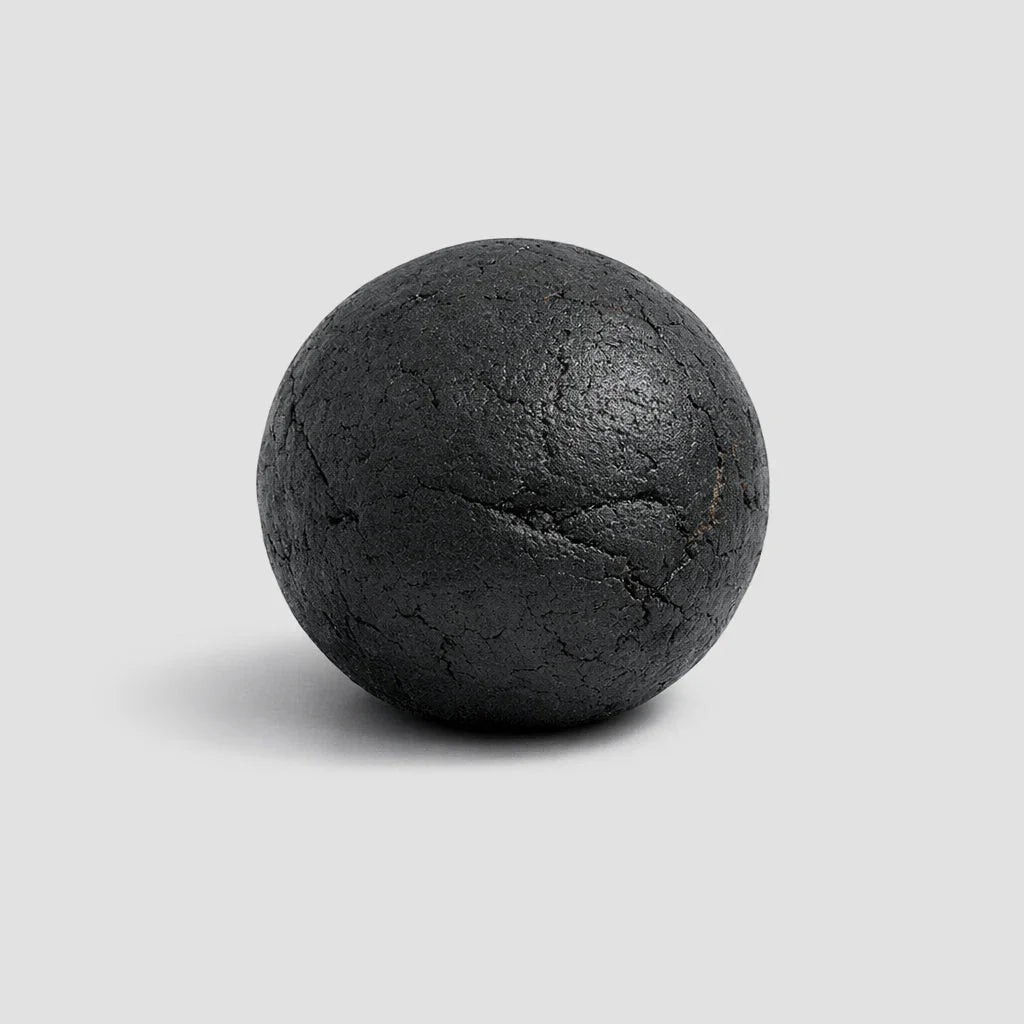
- PHC- oder HHC-Produkte: Für deutschsprechende Länder aktuell oft die einzige „legale“ Wahl. Sie wirken ähnlich wie THC, sind aber rechtlich anders eingestuft . Eine Umrechnung der Dosis ist bei HHC/PHC schwer, daher hier ebenfalls „klein starten“.
- Sorten mit mildem Effekt: Sorten mit moderatem THC- und etwas höherem CBD-Anteil können „die gute Mitte“ bilden: Sie sind entspannend, ohne extrem stark zu wirken.
Schlussendlich kann auch ein Gespräch mit geschultem Fachpersonal (Apotheker, Arzt für Phytotherapie oder Cannabis) helfen, die richtige Sorte und Anwendung zu finden. In jedem Fall gilt: Konsumiere nur dann, wenn es dein Körper signalisiert – und halte dich an allabendliche Rituale, statt spontan und gedankenlos nach einem Joint zu greifen.
Hilft THC wirklich beim Einschlafen?
Viele berichten ja, denn THC verkürzt die Einschlafzeit und entspannt. Kurzfristig führt eine geringe Dosis oft zu einem schnelleren Einschlafen . Langfristig sollte man es aber abwechslungsreich nutzen, um Gewöhnung zu vermeiden. Wichtig: THC ist kein Wundermittel. Wer ständig nervös oder reizbar ist, profitiert eventuell weniger davon.
Wie viel THC sollte ich abends nehmen?
Beginne mit sehr niedrigen Dosen: 2–5 mg in Form von Edibles oder Ölen gelten als minimal therapeutische Menge. Das entspricht etwa 1–2 kleinen Sprühstößen oder Zügen. Steigere nur langsam. Viele Nutzer fanden z.B. 5–10 mg effektiv, 20 mg gelten schon als höher dosiert. Finde deine optimale Menge, bei der du entspannt, aber nicht beeinträchtigt bist. Lieber erst zu wenig als zu viel nehmen.
Ist CBD anstelle von THC besser zum Einschlafen?
CBD allein macht nicht „high“, kann aber indirekt den Schlaf verbessern: Es beruhigt Ängste und Muskelverspannungen. Manchmal wirkt CBD milder, und viele kombinieren tagsüber CBD und abends einen kleinen Anteil THC. Allerdings ist THC der tatsächlich psychoaktive Anteil im Schlafrhythmus . Für eine reine Abendroutine hat eine Mischung aus beiden (z.B. 5 mg THC + 20 mg CBD) oft gute Effekte.
Verändert THC meine Träume oder Schlafphasen?
Ja: THC reduziert den REM-Schlafanteil . In der REM-Schlafphase träumen wir normalerweise. Weniger REM kann heißen: du träumst weniger oder weniger intensiv. Viele empfinden den Schlaf dadurch erholsamer, träumen aber seltener. Nach Absetzen kann es zu intensiveren, lebhaften Träumen (REM-Rebound) kommen.
Darf ich nach dem Konsum direkt Auto fahren?
Nein! Selbst wenn du dich schläfrig fühlst, beeinträchtigt THC deine Reaktionsfähigkeit. Am nächsten Morgen bist du unter Umständen immer noch leicht benebelt. Fahre auf keinen Fall Auto oder bediene Maschinen, solange THC-Spuren nachweisbar und du dich beeinträchtigt fühlst.


🍬 THC Edibles bei Happyflower entdecken
Laborgeprüft · Diskret versandt · ⭐ 4,6/5 (750+ Bewertungen)
Jetzt THC Edibles ansehen →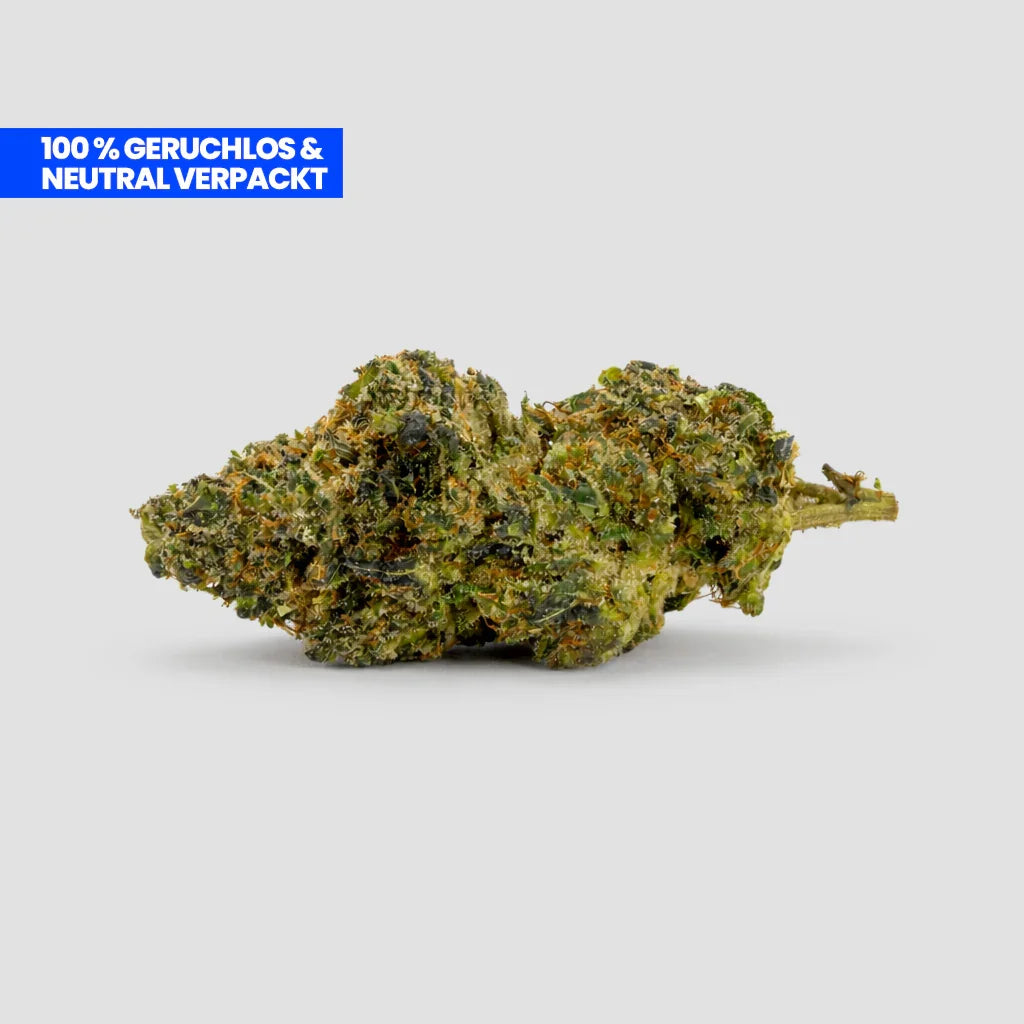

Share:
CBD und THC bei Stress im Körper
THC & Kreativität – Wie Cannabis den kreativen Flow beeinflusst