
Erste Begegnung mit Kratom – Zufällige Neugier
Es war ein Dienstag, und ich hatte keine Eile. Die Welt um mich herum bewegte sich mit der üblichen Rastlosigkeit. Menschen eilten durch Straßen, versunken in Gespräche und ihre Routinen. Ich nicht. Ich saß in einem kleinen Café, das nach gerösteten Bohnen roch, an einem Fenstertisch und beobachtete das Treiben. Ein Wort aus einem vorbeiziehenden Gespräch fesselte mich: Kratom. Es schwebte zwischen den Sätzen, vage vertraut, aber unklar. Ich hätte es ignorieren können – doch stattdessen zog es mich hinein. Ich spürte, dass hier eine Tür zu einer neuen Erfahrung aufgestoßen wurde.
Table of content
Meine Recherche: Was ist Kratom?
Zuhause klappte ich meinen Laptop auf. Kratom – ich gab es in die Suchleiste ein. Was ich fand, war faszinierend: Ein Baum aus Südostasien, dessen Blätter seit Jahrhnderten genutzt werden, um verschiedene Wirkung zu erzielen. In niedriger Dosierung soll es stimulierend und euphorisch wirken, in höherer Dosierung beruhigend und dämpfen. Ich las weiter. Kratom enthält zahlreiche Alkaloide, vor allem Mitragynin und 7-Hydroxy-Mitragynin, die auf Opioidrezeptoren wirken.
Berichte erzählten von gesteigerter Konzentration, einer angenehmen Ruhe und einer klareren Wahrnehmung. Aber auch von Menschen, die es täglich nahmen und nicht mehr darauf verzichten wollten.Einige beschrieben eine tiefe Gelassenheit, andere berichteten von einer fast euphorischen Wachheit. In Thailand werden die Blätter traditionell gekaut, um Müdigkeit bei langen Arbeitszeiten zu bekämpfen. Ein Wort tauchte immer wieder auf: Balance. Die Wirkung schien paradox – sowohl stimulierend als auch beruhigend, je nach Dosis.Je mehr ich las, desto mehr wuchs meine Neugier. Aber ich stieß auch auf Warnungen: Bei häufigem Konsum kann sich schnell eine Abhängigkeit entwickeln.
Entzugserscheinungen wurden beschrieben, ähnlich denen von Opiaten. Die gesundheitlichen Langzeitfolgen sind bislang kaum erforscht. Ein komplexes Bild entstand vor meinen Augen. Kratom – eine Substanz zwischen traditioneller Medizin und modernem "Legal High", zwischen Heilmittel und Rauschmittel. Einige sahen es als nützliche Hilfe im Alltag, andere als eine Substanz, die mit Vorsicht zu genießen war.Ich schloss meinen Laptop, nachdenklich geworden. Die Faszination blieb, aber auch ein Gefühl der Vorsicht.
Kratom schien eine Substanz zu sein, die man nicht leichtfertig unterschätzen sollte.

Erste Kratom Erfahrung – Der Moment der Einnahme
Zwei Tage später lag das unscheinbare Päckchen vor mir. Der Geruch? Erdig, schwer, wie getrocknete Blätter in einer alten Holztruhe. Ich wusste, dass das Setting wichtig war: Kein Stress, keine Ablenkung. Also wartete ich.Die Dämmerung tauchte meine Wohnung in warmes Licht, die Stille zwischen den Minuten wurde breiter. Ich war bereit. Ich rührte einen Teelöffel des Pulvers in ein Glas Wasser. Es schwamm kurz, dann sank es, die Flüssigkeit wurde trüb. Der Geschmack? Bitter, wie trockene Erde oder Regen auf heißem Asphalt. Ich schluckte. Und wartete.
Die Wirkung: Ein Gefühl von Stille
Die ersten Minuten passierte nichts. Dann, ganz langsam, kam es. Nicht wie ein Schlag, sondern wie ein Sonnenaufgang.Eine sanfte Wärme breitete sich in meiner Brust aus. Meine Muskeln, die ich vorher nicht als verspannt wahrgenommen hatte, entspannten sich. Kein High, keine Euphorie. Aber auch keine Müdigkeit. Ich war einfach da.Die Welt klang weicher. Die tickende Uhr war noch da, aber unwichtig. Ich betrachtete meine Hände – alles war wie immer, und doch irgendwie anders.Ich schloss die Augen. Die innere Ruhe war spürbar, als hätte jemand einen leisen Schleier über meine Gedanken gelegt. Ich erinnerte mich an vergangene Momente, in denen ich auf der Suche nach dieser Art von Gelassenheit gewesen war – nach einem Gefühl von Präsenz, ohne Rastlosigkeit.Wie lange saß ich so da?Vielleicht fünf Minuten. Vielleicht eine Stunde. Aber es war mir egal. Ich war nicht mehr in der Zeit.
Die zweite Dosis: Eine veränderte Perspektive
Am nächsten Tag entschied ich mich, Kratom noch einmal zu probieren – diesmal mit einer bewussteren Intention. Ich nahm die gleiche Menge, lehnte mich zurück und versuchte, den Unterschied wahrzunehmen.Dieses Mal war es klarer. Mein Geist war wach, aber nicht gehetzt. Gedanken flossen freier. Ich begann zu schreiben, verlor mich in Worten, die sonst oft stocken.Ich fragte mich, ob es Einbildung war – ob meine Wahrnehmung nur durch die Erwartung geformt wurde. Doch das Gefühl war echt.
Die Balance zwischen Nutzen und Gewohnheit
Ich begann, mehr über die langfristigen Auswirkungen von Kratom zu lesen. Einige Menschen schworen darauf, andere warnten vor einer möglichen Abhängigkeit. Ich fragte mich: Wo lag die Grenze zwischen gelegentlichem Nutzen und täglicher Gewohnheit?Ich entschied, Kratom nur an Tagen zu nutzen, an denen ich bewusst zur Ruhe kommen oder mich konzentrieren wollte – nicht aus Routine. Denn ich wollte nicht, dass dieses Gefühl von Stille zur Selbstverständlichkeit wurde.
War es das wert?
Langsam ließ die Wirkung nach. Kein Absturz, kein Verlust. Nur ein leises Zurückziehen, wie eine sanfte Welle.Ich fragte mich, wie viele Menschen sich jemals aus ihrem rastlosen Alltag gelöst hatten, um wirklich still zu sein.Würde ich Kratom wieder nehmen? Vielleicht. Vielleicht nicht. Aber es hat mir gezeigt, dass es manchmal nur eine kleine Veränderung braucht, um einen Moment wirklich zu erleben.
Hast du selbst eine Kratom Erfahrung gemacht? Teile sie in den Kommentaren! Kratom ist nichts für dich?
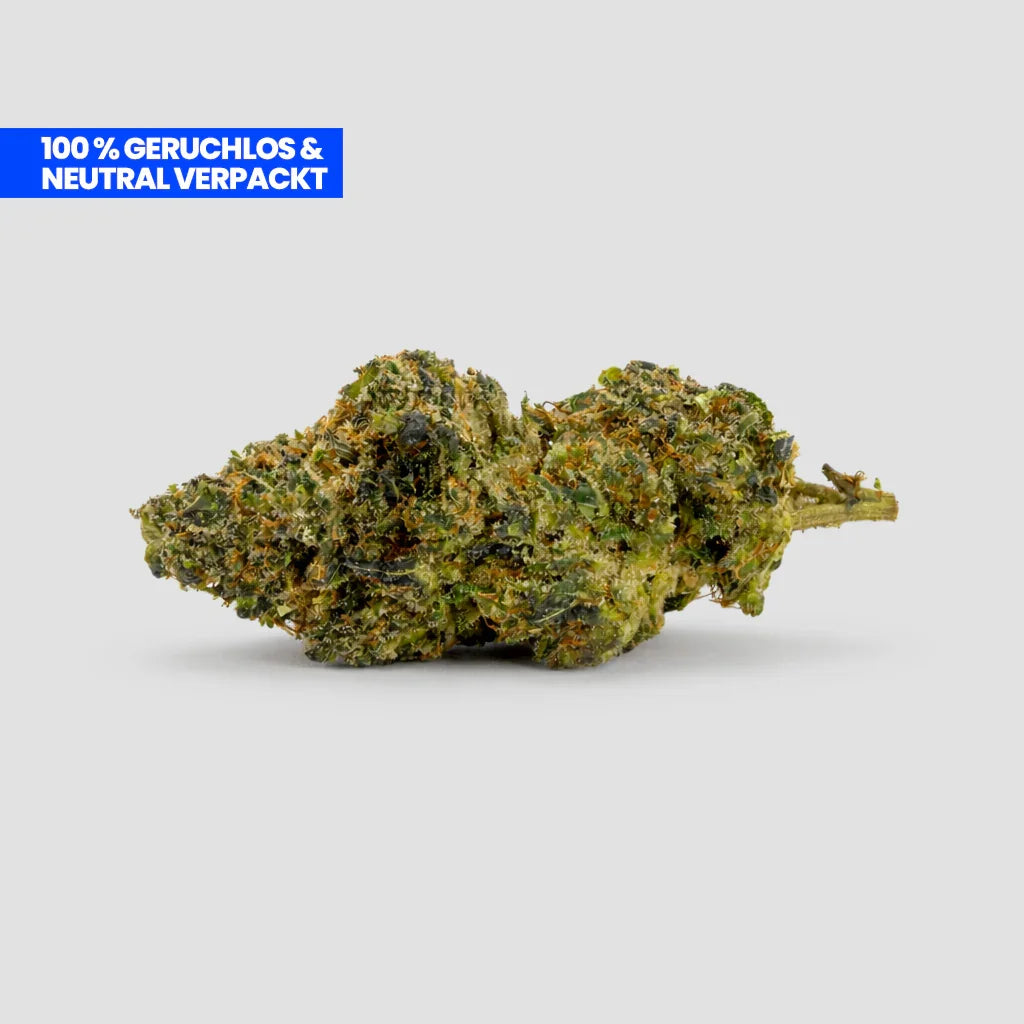
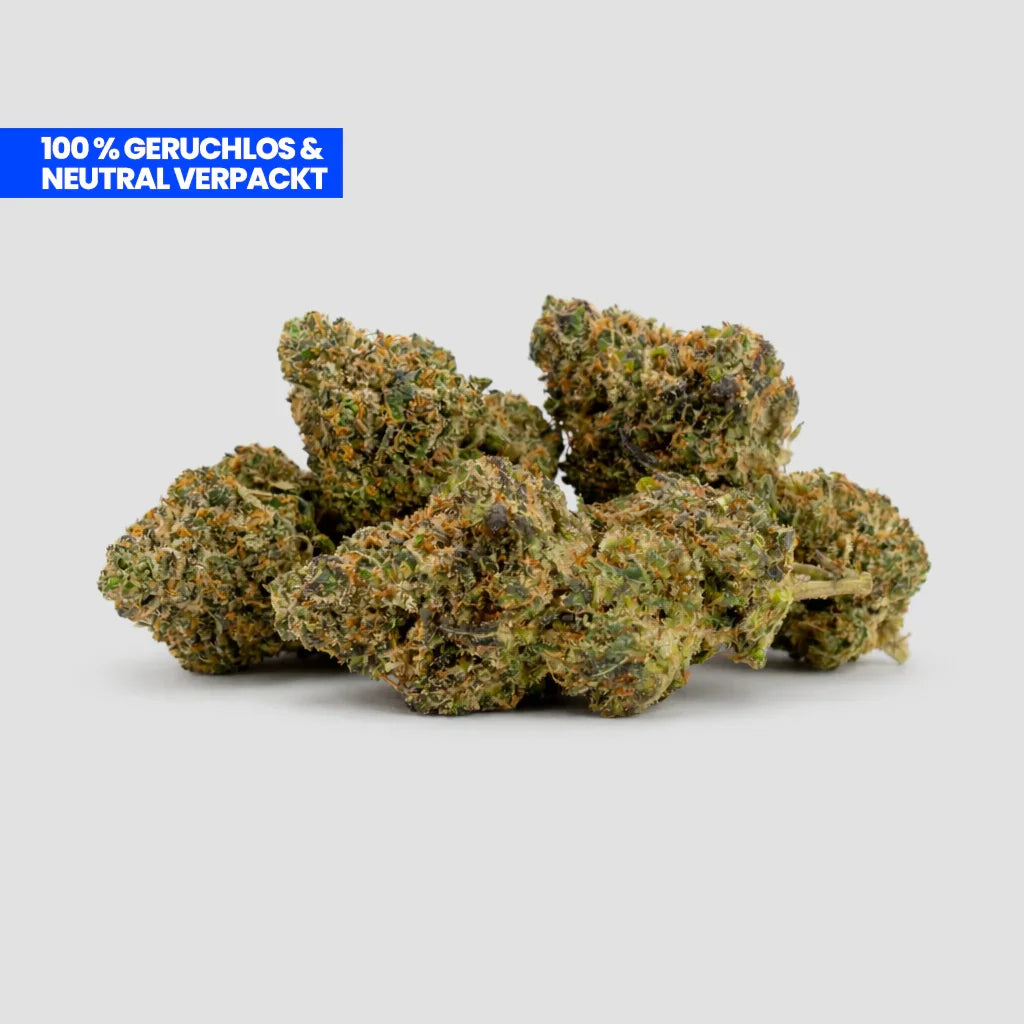
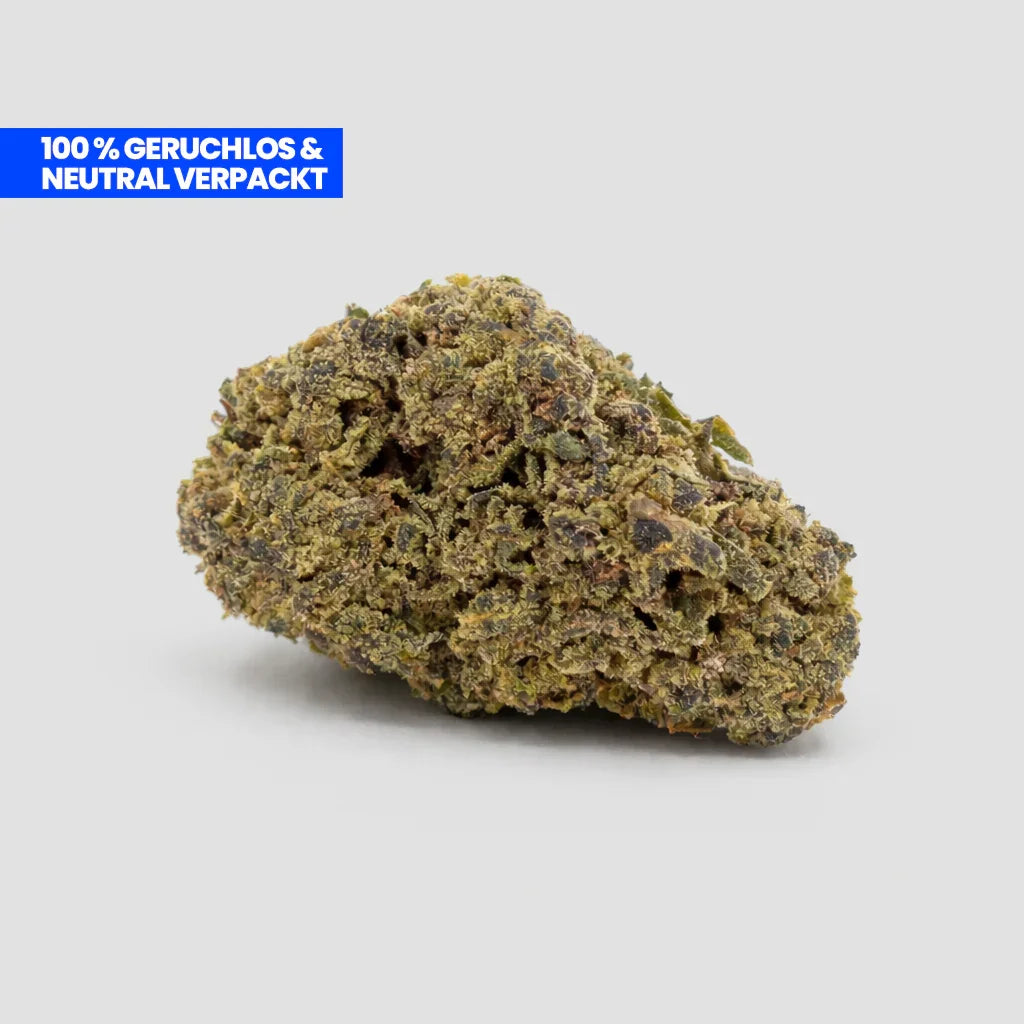
Dann schau dir doch einmal unsere andern Produkte an:






Share:
Die beliebtesten Cannabis Sorten 2025: Ursprung, Entwicklung und Anbau-Tipps
Hexahydrocannabinol (HHC): Aktuelle Studienlage, Sicherheitsbedenken und zukünftige Forschungsrichtungen