

What exactly is HHC?
Okay, imagine you're hanging out with your friends and one of them suddenly brings up something new: HHC. You ask yourself, “What the heck is that?” HHC stands for hexahydrocannabinol. It’s a cannabinoid, similar to the well-known THC, but with a few key differences. While THC comes directly from the cannabis plant, HHC is usually produced in a lab. It’s essentially the result of a scientific experiment in which hydrogen molecules are attached to THC—a process known as hydrogenation. The result? A molecule that’s structurally similar to THC but still has its own unique properties.
Table of Contents
Does HHC have an intoxicating effect?
You’re probably wondering, “Does this stuff get me high?” The short answer: Yes, but in a different way. Like THC, HHC binds to the cannabinoid receptors in your brain. Users report a mild, relaxing effect that isn’t quite as intense as with THC. Some feel chilled and clear-headed, while others describe a mild high. So it seems that HHC could be a gentler alternative to THC, especially for those looking for a relaxing experience without being completely out of it.
Is HHC legal in Germany?
Here’s where it gets interesting: Until June 27, 2024, HHC was in a legal gray area in Germany. But as of that date, the production and sale of HHC are officially banned. Possession and consumption, however, remain legal. This means you can possess and consume it, but you cannot legally buy or sell it. This ban was introduced because authorities had concerns regarding safety and the lack of long-term studies on HHC. So, before you buy your next HHC product, remember that purchasing it in Germany is now illegal. Learn more about HHC alternatives here .
Is HHC harmful to health?
Health comes first, right? Since HHC is still relatively new on the market, there aren’t many studies on its long-term effects. Some users report side effects such as:
- Dizziness
- Nausea
- Vomiting
- Dry cough
There have also been reports of psychotic episodes in adolescents following the use of HHC products. Since research is still in its early stages, caution is advised. It is important to listen to your body and consult a doctor if you experience any unusual symptoms.
Is HHC addictive?
The big question: Can HHC be addictive? Since HHC is a cannabinoid, there is inherently some potential for addiction—similar to THC. However, long-term studies on the specific risk of addiction are currently lacking. It is therefore possible that regular use could lead to psychological dependence. As with everything in life, moderation is key. Check out our blog post on HHC effects here
Will HHC show up on a drug test?
Do you have a drug test coming up and are wondering if HHC is detectable? Most standard drug tests are designed to detect THC or its metabolites. It is currently unclear whether HHC shows up in standard tests. However, specific tests could theoretically detect it. So if you want to play it safe, it’s better to avoid HHC before a test. In what forms is HHC available? Because the detectability of HHC is a topic in its own right, you can find more information here.
In what forms is HHC available?
If you're curious about how to consume HHC, here's an overview:
- HHC Vapes: Liquids that are vaporized and inhaled.
- Oils: Can be taken sublingually (under the tongue) or added to food.
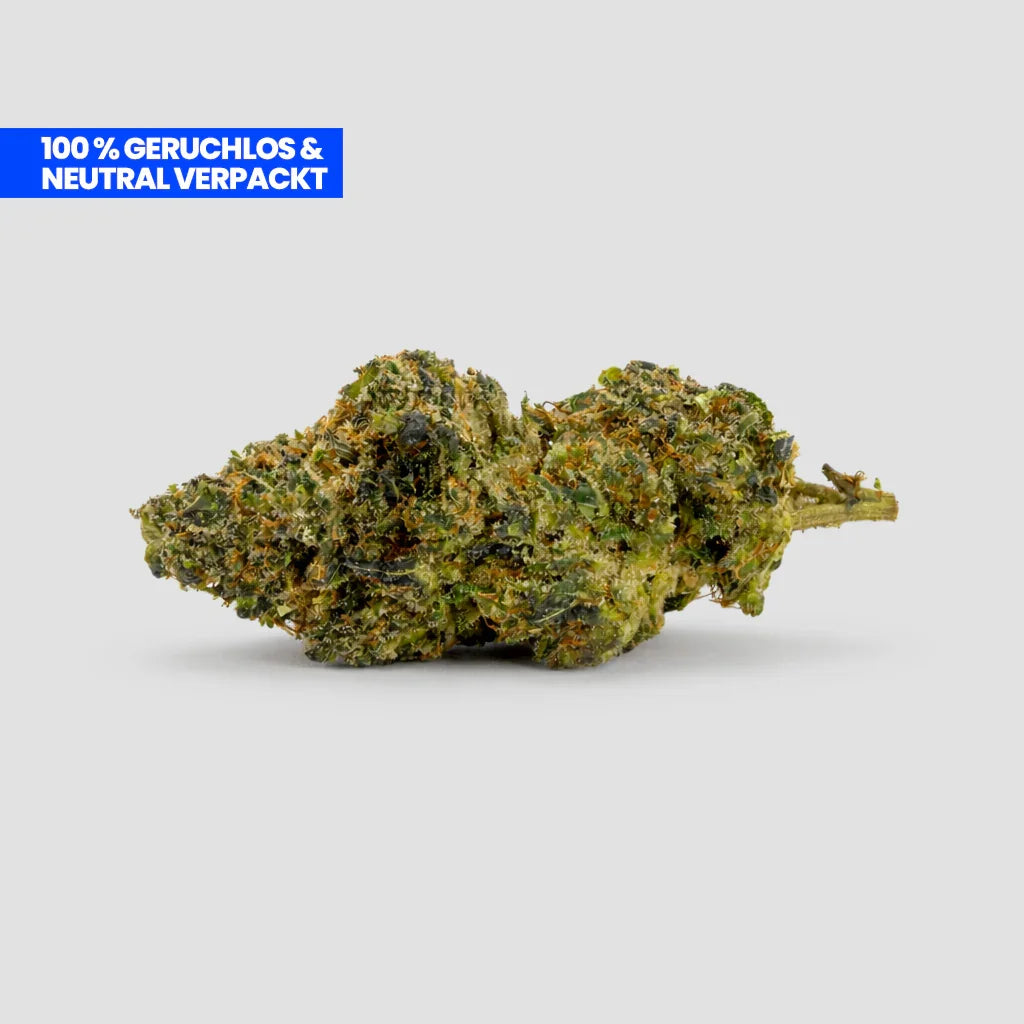
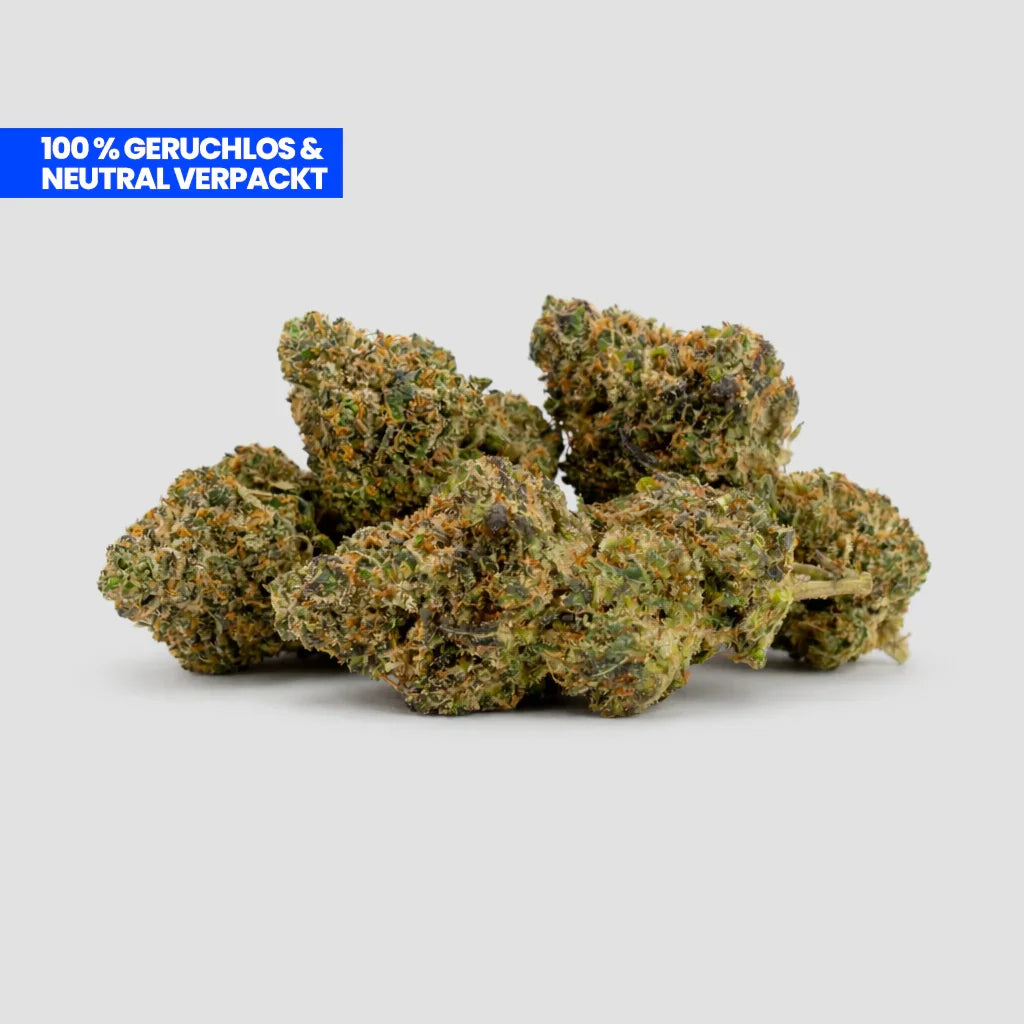
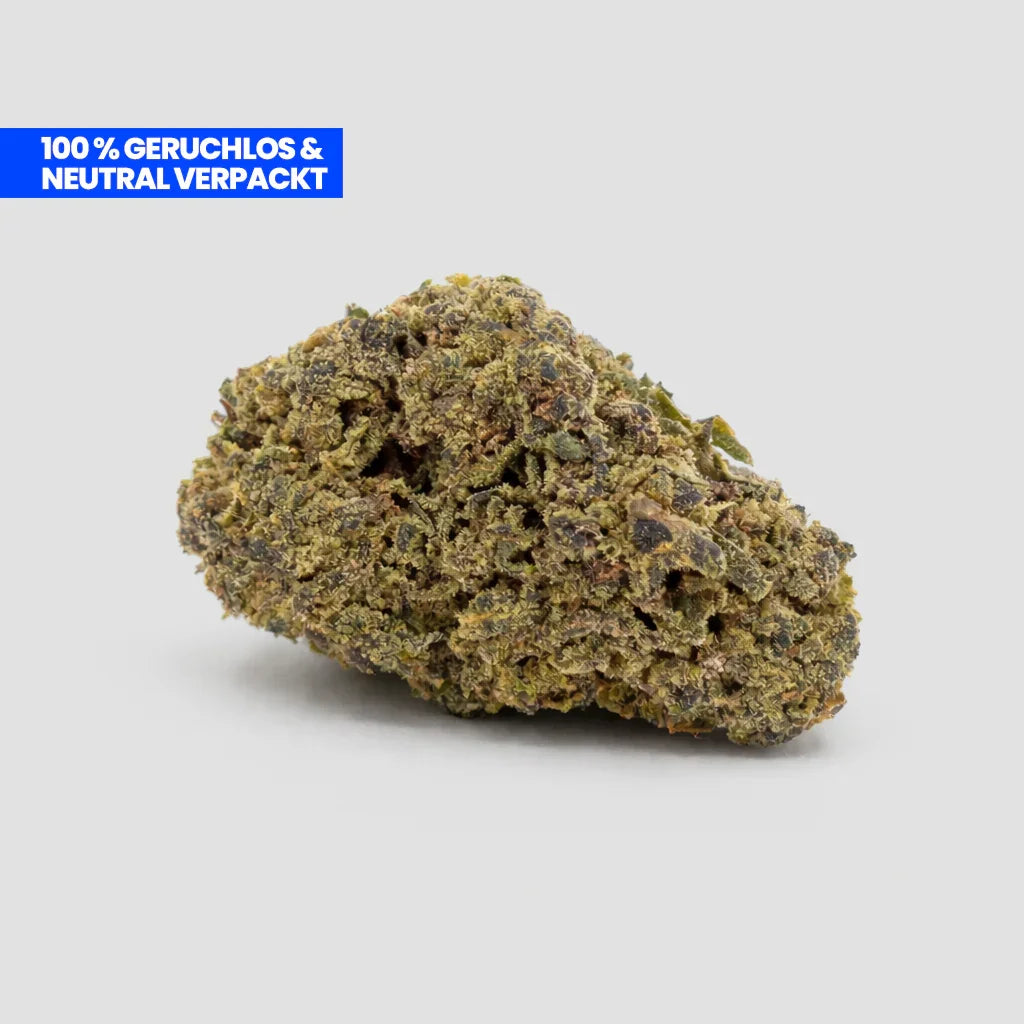
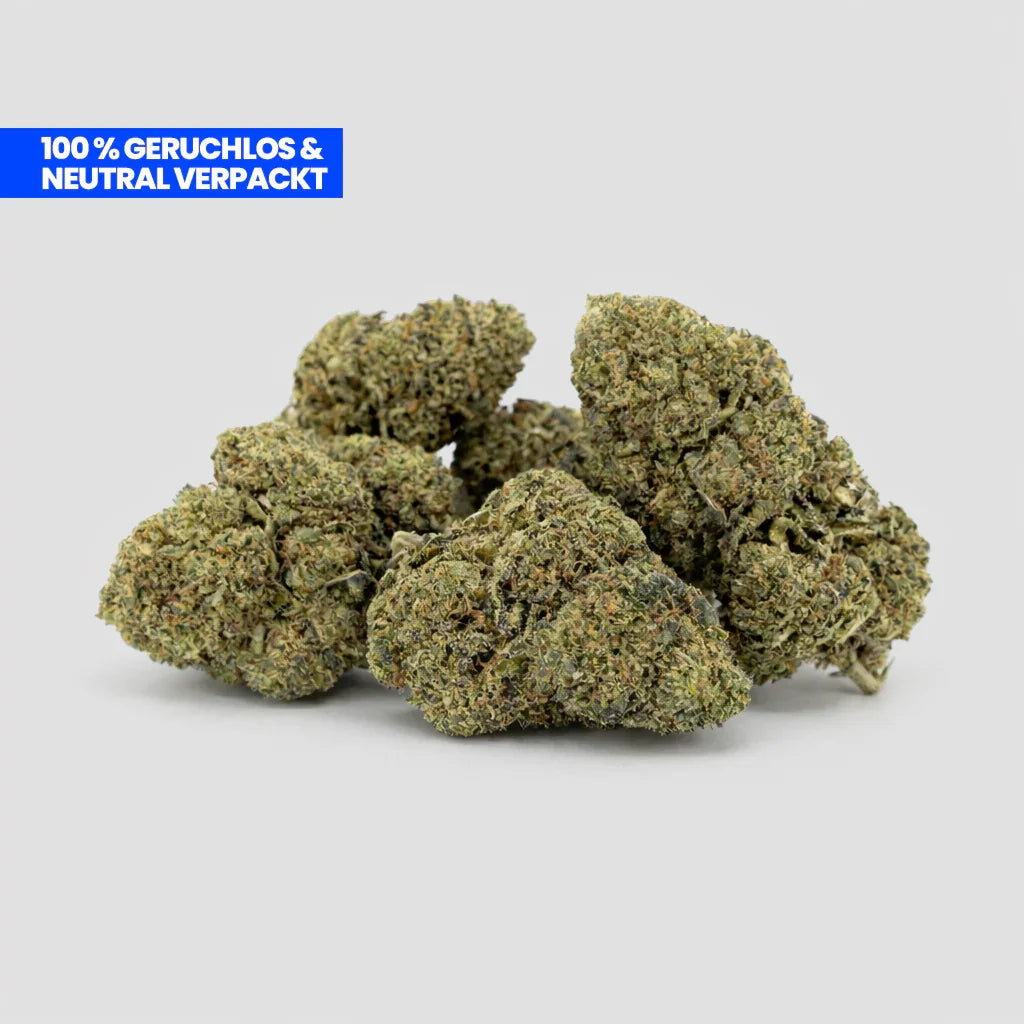
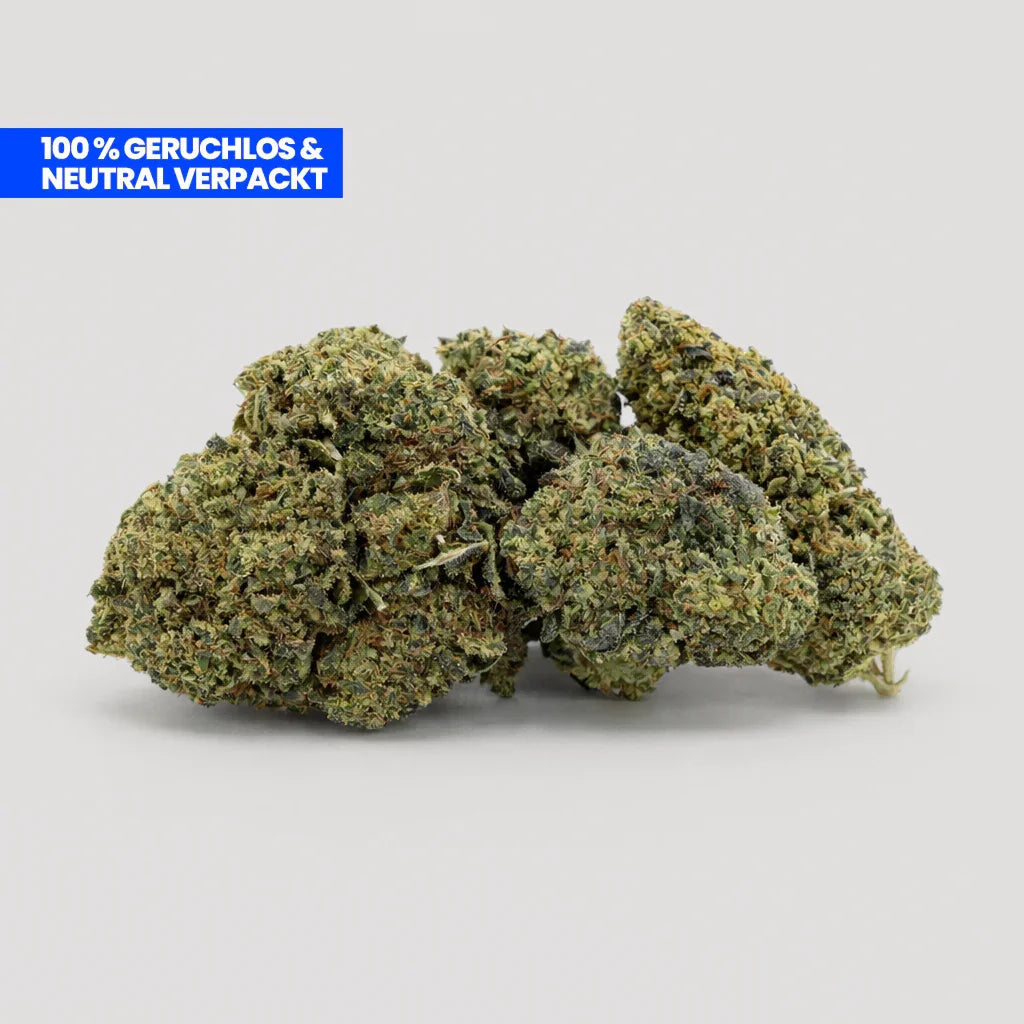
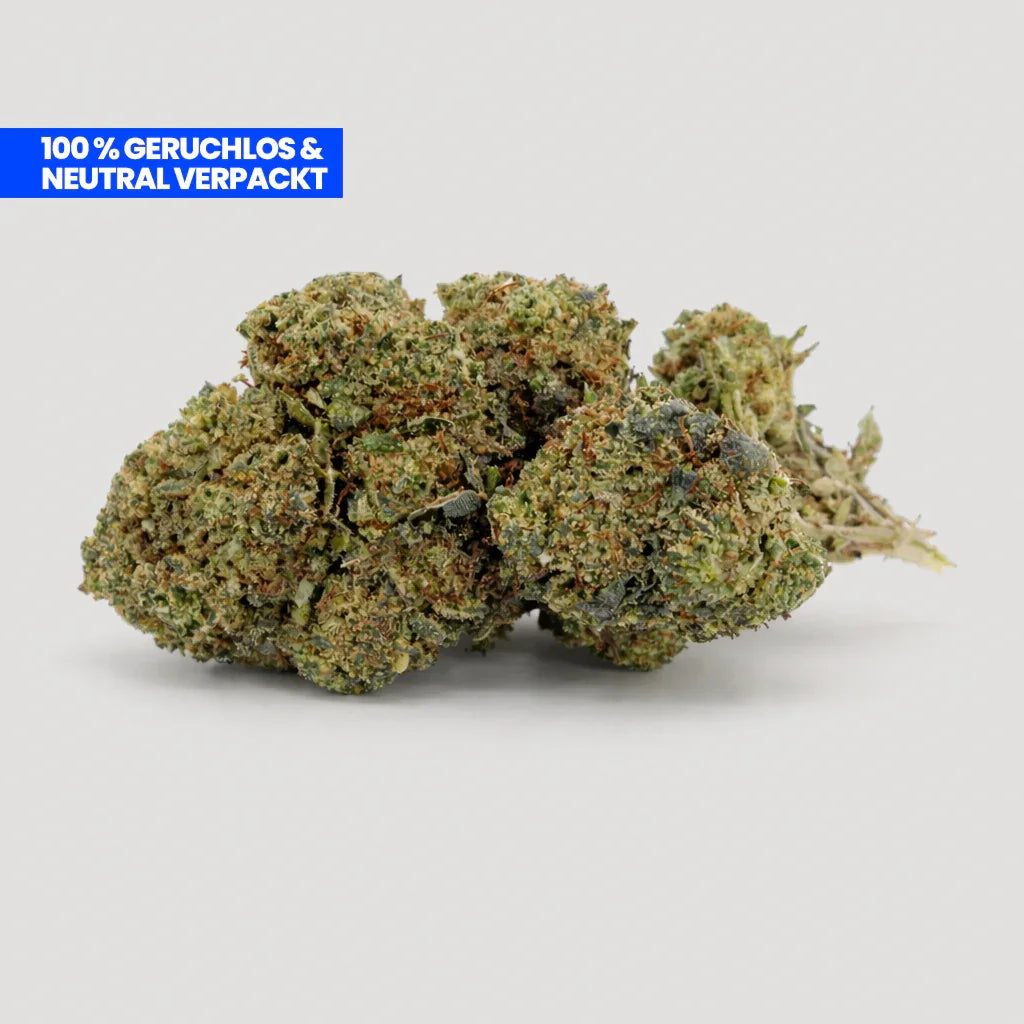
- HHC Flowers: HHC-infused hemp flowers that can be smoked or vaporized.
- Edibles: Edible products such as gummy bears or cookies that contain HHC.


Each form of consumption has its own onset time and intensity. Vapes take effect quickly, while edibles take longer to kick in but also last longer.
Is HHC more dangerous than THC?
A hotly debated topic: Is HHC riskier than THC? Since HHC has not yet been studied as extensively as THC, its potential risks are less well understood. Some experts warn that the lack of research could mean that unknown side effects may occur. Until more studies are available, caution is advised.
Should you try HHC?
Ultimately, the decision is yours. If you’re curious and want to try something new, HHC might be an option. But keep in mind the legal situation and the unknown health risks. Do your research, listen to your body, and use it responsibly.
HHC may seem like an exciting new alternative, but it’s important to be informed and cautious. The legal landscape has changed, and the health effects are not yet fully understood. If you decide to try HHC






Share:
My Kratom Experience: A Leisurely Tuesday
Hexahydrocannabinol (HHC): Current Research, Safety Concerns, and Future Research Directions