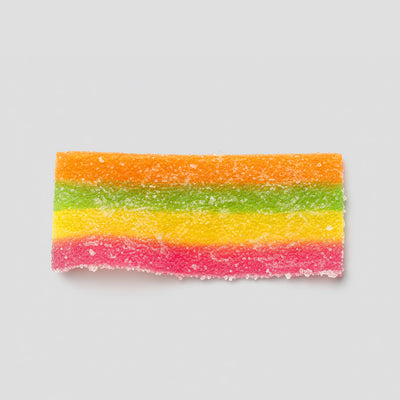
Stand: Juli 2026 · Zuletzt aktualisiert am 09.07.2026
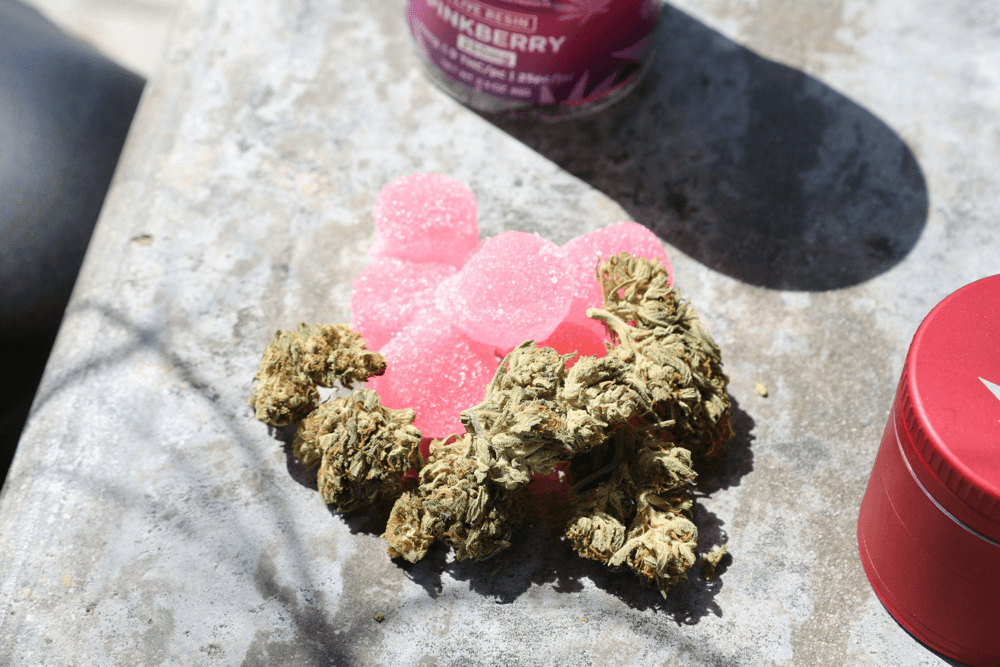
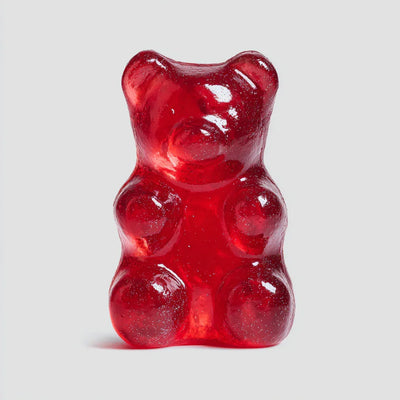
THC-Gummibärchen bei Amazon bestellen? In den USA normal, in Deutschland ein Minenfeld. Edibles legal zu kaufen ist hierzulande komplizierter als in fast jedem anderen westlichen Land. Manche Cannabinoide sind frei verkäuflich, andere seit November 2025 verboten, wieder andere bewegen sich in einer Grauzone, die sich jederzeit schließen kann.
Dieser Guide klärt die wichtigste Frage: Welche Cannabis Edibles sind 2026 in Deutschland legal – und welche nicht? Wir schauen auf THC, CBD, PHC, 9H-HHC und die neuen Verbote durch die 6. NpSG-Änderungsverordnung. Kein Jura-Deutsch, keine Ausreden, keine veralteten Infos.THC Spacegummies
Welche Cannabis Edibles sind in Deutschland legal?
Die kurze Antwort: Es kommt aufs Cannabinoid an. In Deutschland werden Substanzen durch drei verschiedene Gesetze reguliert – das Betäubungsmittelgesetz (BtMG), das Neue-psychoaktive-Stoffe-Gesetz (NpSG) und seit April 2024 das Konsumcannabisgesetz (KCanG). Je nachdem, welcher Wirkstoff in deinem Gummibeerchen steckt, kann das Produkt frei verkäuflich, geduldet oder strafbar sein.
Hier die Übersicht – die wichtigste Tabelle in diesem Artikel:
| Cannabinoid | Edible-Form | Legal in DE? | Seit wann / Status |
|---|---|---|---|
| CBD (<0,3 % THC) | Gummies, Öl, Kapseln | ✅ Legal | Seit jeher (Novel-Food-Grauzone) |
| THC (Eigenbedarf) | Gummies, Brownies | ⚠️ Grauzone | KCanG April 2024 – Besitz ja, Verkauf nein |
| PHC | Gummies, Sterne | ✅ Legal | Nicht reguliert |
| 9H-HHC | Gummies | ⚠️ Grauzone | Nicht im NpSG – Verbot jederzeit möglich |
| CBG-9 | Gummies | ✅ Legal | Nicht reguliert |
| 10-OH-HHC | Gummies | ❌ Verboten | 6. NpSG-ÄndVO, November 2025 |
| HHC | Gummies (ehem.) | ❌ Verboten | NpSG, Juni 2024 |
| 3,4-ETMC | Pellets | ❌ Verboten | 6. NpSG-ÄndVO, November 2025 |
Die Tabelle zeigt: Nicht jedes „Cannabis Edible“ ist gleich. Der entscheidende Faktor ist immer der Wirkstoff – nicht die Form. Ein Gummibärchen mit CBD ist legal. Das gleiche Gummibärchen mit HHC ist eine Straftat (für den Händler). Mehr dazu in unserem umfassenden Cannabinoid Legal Guide 2026.
THC Edibles: Wo die Grenze zwischen legal und illegal verläuft
Seit dem Konsumcannabisgesetz (KCanG) vom 1. April 2024 dürfen Erwachsene in Deutschland bis zu 25 g Cannabis in der Öffentlichkeit und 50 g zu Hause besitzen. Drei Pflanzen Eigenanbau sind erlaubt. Das klingt erstmal entspannt.
Aber: THC-Edibles fallen in eine andere Kategorie. Das KCanG regelt den Umgang mit natürlichem Cannabis – also Blüten und Haschisch. Verarbeitete Produkte wie Brownies, Gummibärchen oder Kekse mit THC gelten als Cannabiszubereitungen. Deren kommerzielle Herstellung und Verkauf sind nach wie vor verboten.
Was heisst das konkret?
- Kaufen im Shop: Nein. Kein Einzelhändler darf THC-Edibles verkaufen. Weder online noch offline.
- Selbst backen aus eigenem Anbau: Rechtliche Grauzone. Das KCanG erlaubt Besitz und Eigenanbau – aber die Verarbeitung zu Lebensmitteln wird von manchen Juristen als unerlaubte Zubereitung gewertet.
- Social Clubs: Geben nur Blüten ab. Edibles sind nicht Teil des Abgabemodells.
- Besitzgrenzen: Die 25-g-Grenze bezieht sich auf getrocknetes Cannabis, nicht auf verarbeitete Produkte. 25 g Haschbrownies könnten anders bewertet werden.
Achtung bei Importen: THC-Edibles aus dem Ausland
Amsterdam lockt mit Space-Cakes und THC-Brownies. Aber wer solche Souvenirs nach Deutschland mitbringt, riskiert eine Strafanzeige beim Zoll. Die Einfuhr von Cannabis in jeglicher Form bleibt verboten – selbst wenn es sich um Mengen innerhalb der KCanG-Grenzen handelt. Das gilt auch für Edibles aus EU-Ländern, in denen der Verkauf geduldet wird.
Online-Bestellungen aus dem Ausland sind ebenfalls riskant. Pakete können beim Zoll geöffnet und beschlagnahmt werden. Bei Substanzen, die unter das NpSG fallen, gibt es allerdings einen Unterschied: Der Erwerb (= Bestellung) ist strafbar, der Besitz zum Eigenkonsum nicht. Bei BtMG-Substanzen (echtes THC) ist beides strafbar.
Fazit bei THC: Wer THC Edibles kaufen will, bekommt in Deutschland keine reinen THC-Produkte im legalen Handel. Die Produkte, die als „THC Edibles“ verkauft werden, enthalten in der Regel semi-synthetische Cannabinoide wie PHC oder 9H-HHC – nicht Delta-9-THC aus der Pflanze. Mehr zur Wirkungsweise findest du in unserem Artikel Wie wirken THC Edibles?

CBD Edibles: Was du wissen musst (Stand 2026)
CBD (Cannabidiol) ist nicht psychoaktiv und fällt nicht unter das Betäubungsmittelgesetz. Trotzdem ist die Lage für CBD-Edibles nicht so klar, wie viele denken.
Das Problem heisst Novel Food. Die EU stuft CBD-Extrakte seit 2019 als neuartiges Lebensmittel ein. Das bedeutet: Bevor ein CBD-Gummibärchen offiziell als Lebensmittel verkauft werden darf, braucht es eine Zulassung der Europäischen Behörde für Lebensmittelsicherheit (EFSA). Stand Juli 2026 wurde diese Zulassung noch immer nicht erteilt – obwohl mehrere Anträge laufen.
In der Praxis bedeutet das:
- CBD-Öle und -Kapseln werden häufig als „Aromaprodukte“ oder Kosmetika deklariert
- Lebensmittel mit CBD (Gummies, Schokolade, Getränke) sind formell nicht verkehrsfähig
- Die Durchsetzung ist gering – der Markt existiert faktisch, aber ohne rechtliche Absicherung
- Seit 2026 gilt die neue THC-Obergrenze von 0,3 % (vorher 0,2 %)
Unser Take: CBD Edibles sind de facto überall erhältlich und werden kaum beanstandet. Rechtlich sauber ist es trotzdem nicht. Wer auf Nummer sicher gehen will, greift zu CBD-Blüten oder -Kosmetik – oder wartet auf die EFSA-Zulassung, die die Situation für alle klarer machen würde.
Die neuen Cannabinoide: PHC, 9H-HHC & CBG-9 Edibles
Nachdem HHC im Juni 2024 verboten wurde, hat sich der Markt verschoben. Die aktuell relevanten Cannabinoide für Edibles sind drei:
PHC – Der Sanfte
PHC (Hydroxy-Hexahydrocannabinol) erzeugt ein mildes, entspannendes Gefühl. Weniger intensiv als 9H-HHC, beliebt für Einsteiger und abends. PHC fällt Stand Juli 2026 weder unter das BtMG noch unter das NpSG. Es ist nicht reguliert und legal erhältlich.
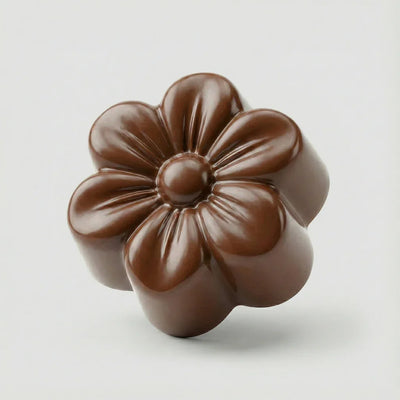
Bei Happy Flower findest du PHC als Cherry Gummies, Lemon Gummies und Schoko Sterne.
9H-HHC – Der Allrounder
9H-HHC ist ein semi-synthetisches Cannabinoid mit psychoaktiver Wirkung, ähnlich wie THC – Euphorie, Entspannung, veränderte Wahrnehmung. Wichtig: 9H-HHC ist nicht identisch mit HHC. Die Molekülstruktur unterscheidet sich, und 9H-HHC fällt aktuell nicht unter die NpSG-Cannabimimetika-Definition.
Rechtslage Juli 2026: Grauzone. Nicht verboten, aber unter Beobachtung. Die 7. NpSG-Änderungsverordnung wird für Herbst 2026 erwartet – 9H-HHC könnte dann betroffen sein.
Unsere THC Gummies mit 9H-HHC gehören zu den beliebtesten Produkten im Shop.
CBG-9 – Fokus ohne High
CBG-9 ist nicht psychoaktiv. Es wird für Fokus und mentale Klarheit geschätzt. Rechtlich ist CBG-9 der einfachste Fall: nicht reguliert, nicht im BtMG, nicht im NpSG. Klar legal.
Probier die CBG-9 Gummibärenbande – perfekt für alle, die Wirkung ohne Rausch suchen.
Und was ist mit THCA?
THCA (Tetrahydrocannabinolsäure) ist die Saureform von THC. Im rohen Zustand nicht psychoaktiv – erst durch Erhitzen (Decarboxylierung) wird es zu THC. Produkte mit THCA sind legal, solange der THC-Gehalt unter 0,3 % liegt. Der Haken: Beim Rauchen oder Backen wird THCA zu THC. Das Endprodukt ist dann de facto eine kontrollierte Substanz. Bisher gibt es keine bekannten Strafverfahren gegen Konsumenten. Mehr dazu: THCA in Deutschland – legal oder nicht?
Welches Cannabinoid passt zu dir?
Von den legalen Optionen sortiert nach Stärke: THCA (nach Decarboxylierung) ist am potentesten, gefolgt von 9H-HHC, dann PHC, dann CBG-9, und schliesslich CBD. Wer ein THC-ähnliches Erlebnis sucht, greift zu 9H-HHC Edibles. Wer es milder mag, wählt PHC. Wer keine psychoaktive Wirkung will, nimmt CBG-9 oder CBD.

NpSG 2025/2026: Was seit November verboten ist
Die 6. NpSG-Änderungsverordnung vom 21. November 2025 war das einschneidendste Ereignis für den Cannabinoid-Markt im letzten Jahr. Mit einem Schlag wurden mehrere Substanzen verboten, die vorher frei verkäuflich waren.
Neu verboten seit November/Dezember 2025:
- 10-OH-HHC und 10-OH-HHCP – Cannabinoid-Derivate, durch erweiterte Stoffgruppen-Definition erfasst
- 3,4-ETMC – Synthetisches Cathinon
- NB-DMT – Tryptamin, durch präzisierte Indol-3-alkylamin-Definition
- 1S-LSD und 1SB-LSD – Ergolin-Derivate
Was bedeutet das für dich als Käufer? Produkte mit diesen Substanzen dürfen nicht mehr gehandelt oder erworben werden. Der Handel ist strafbar. Aber: Eine NpSG-Besonderheit ist, dass der Besitz zum Eigenkonsum nicht strafbar ist. Wer also noch 10-OH-HHC Gummies zu Hause hat, macht sich nicht strafbar – darf sie aber nicht weitergeben.
Das ist relevant, weil der Original-Version dieses Artikels noch 10-OH-HHC und 10-OH-HHCP als legale Alternativen empfohlen hat. Das ist seit November 2025 nicht mehr korrekt.
Was als nächstes kommen könnte: Die 7. NpSG-Änderungsverordnung wird für Herbst 2026 erwartet. Mögliche Kandidaten: 9H-HHC, PHC, 1FE-LSD. CBG-9 gilt als unwahrscheinlich. Details findest du in unserem Cannabinoid Legal Guide 2026.
Edibles kaufen: Worauf du achten musst
Der Markt für Cannabis Edibles ist unübersichtlich. Zwischen seriösen Anbietern und Schrott-Shops liegen Welten. Hier sind die fünf Kriterien, die einen vertrauenswürdigen Anbieter ausmachen:
1. Laboranalysen (COA)
Jedes Produkt sollte unabhängige Labortests vorweisen – Cannabinoid-Gehalt, Reinheit, Schwermetalle, Pestizide. Kein COA = Finger weg.
2. Transparente Inhaltsstoffe
Welches Cannabinoid steckt drin? In welcher Konzentration? Shops, die vage bleiben, haben meistens etwas zu verbergen.
3. Aktuelle rechtliche Einordnung
Ein serioser Shop verkauft keine verbotenen Substanzen und aktualisiert sein Sortiment bei Gesetzesänderungen. Wer im Juli 2026 noch 10-OH-HHC Edibles anbietet, ist entweder uninformiert oder kriminell.
4. Externe Bewertungen
Trustpilot, Google Reviews – nicht nur On-Site-Bewertungen, die gefiltert werden können. Happy Flower hat über 1.300 Bewertungen mit 4,6/5 Sternen.
5. Diskrete Verpackung & schneller Versand
Neutrale Pakete, nachverfolgbare Sendung, Versand am selben Tag. Das klingt selbstverständlich, ist es aber bei vielen Anbietern nicht.
Unsere Empfehlung für Einsteiger: Das Edibles Bundle – du bekommst verschiedene Sorten zum Testen und kannst selbst herausfinden, welches Cannabinoid zu dir passt. Oder stöbre direkt in unserer Edibles Collection.
Dosierung: Start low, go slow
Edibles wirken anders als Vapes oder Blüten. Der Wirkungseintritt dauert 30 Minuten bis 2 Stunden – je nach Mageninhalt, Stoffwechsel und Dosierung. Der häufigste Fehler: zu früh nachlegen, weil man „nichts spürt“.
| Produkttyp | Einsteiger | Erfahrene |
|---|---|---|
| THC/9H-HHC Gummies | 5–10 mg (halbes Gummy) | 20–50 mg |
| PHC Gummies | 10–15 mg | 30–60 mg |
| CBG-9 Gummies | 15–25 mg | 50–100 mg |
| Brownies | 1/4 Stück, 1h warten | 1/2 bis ganzes Stück |
Edibles im EU-Vergleich: Wo ist was legal?
Deutschland ist nicht allein mit seiner komplizierten Edible-Gesetzgebung. Ein Blick über die Grenzen zeigt: Europa ist ein Flickenteppich.
Niederlande: Coffeeshops verkaufen Space Cakes und THC-Edibles an Erwachsene – geduldet, nicht legalisiert. Seit Ende 2023 laufen Pilotprojekte mit staatlich kontrolliertem Anbau. Das beruhmte „Backdoor-Problem“ bleibt: Shops müssen ihre Ware aus dem Graumarkt beziehen.
Malta: Erstes EU-Land mit Cannabis-Legalisierung (2021). Bis zu 7 g Besitz, bis zu 4 Pflanzen Eigenanbau, Cannabis-Clubs erlaubt. Edibles nicht gesondert geregelt, aber Clubs dürfen verarbeitete Produkte an Mitglieder abgeben.
Luxemburg: Seit Juli 2023 ist Eigenanbau von bis zu 4 Pflanzen legal. Geplant: 14 staatliche Verkaufsstellen. THC-Edibles aktuell nicht Teil der Reform.
Spanien: Cannabis Social Clubs dulden den gemeinsamen Anbau und Konsum. Manche Clubs stellen auch Edibles her – nur für Mitglieder. Keine formelle Legalisierung.
Portugal: Alle Drogen seit 2001 entkriminalisiert (Besitz kleiner Mengen = Ordnungswidrigkeit). Aber: Kein legaler Verkauf von Cannabis oder Edibles.
Frankreich, Schweden, Finnland: Strikt. Kein legaler Markt, keine Duldung, keine Edibles.
Tschechien und die Schweiz (kein EU-Mitglied, aber erwähnenswert) diskutieren aktuell eigene Legalisierungsmodelle und führen Pilotversuche durch. In Italien ist medizinisches Cannabis erlaubt, Freizeitkonsum wird in geringen Mengen toleriert, aber es gibt keinen legalen Markt für Edibles.
Das Muster: In Europa sind Edibles fast überall dort verboten oder nicht reguliert, wo Cannabis nicht vollständig legalisiert wurde. Nur die Niederlande (Duldung) und Malta (Social Clubs) haben eine Form von legalem Zugang zu Cannabis-Lebensmitteln. Deutschland steht mit seiner KCanG-Reform mittendrin – fortschrittlicher als die meisten, aber bei Edibles noch restriktiv.
Länder mit vollständig legalem Markt wie Kanada oder viele US-Bundesstaaten haben Edibles längst reguliert – mit THC-Höchstmengen pro Portion (meist 10 mg), kindersicheren Verpackungen und klaren Warnhinweisen. Das könnte ein Modell für Europa sein, wenn die politische Bereitschaft wächst.
Häufige Fragen zu Cannabis Edibles in Deutschland (FAQ)
Sind THC Edibles in Deutschland legal?
Jein. Seit dem KCanG (April 2024) ist der Besitz von bis zu 25 g Cannabis für Erwachsene legal. Aber: THC-Edibles gelten als Cannabiszubereitungen. Deren kommerzieller Verkauf und Herstellung sind verboten. Selbst hergestellte Edibles aus eigenem Anbau bewegen sich in einer Grauzone. Die Produkte, die im Handel als „THC Edibles“ verkauft werden, enthalten meistens semi-synthetische Cannabinoide wie PHC oder 9H-HHC – nicht natürliches Delta-9-THC.
Welche Cannabis Gummies kann man legal kaufen?
Legal erhältlich sind Gummies mit CBD (unter 0,3 % THC), PHC, CBG-9 und aktuell noch 9H-HHC (Grauzone). Verboten sind seit 2024 HHC-Gummies und seit November 2025 10-OH-HHC-Gummies. Bei Happy Flower findest du ausschliesslich Edibles mit aktuell legalen Cannabinoiden – das Sortiment wird bei jeder Gesetzesänderung angepasst.
Wie lange wirken Edibles?
Edibles brauchen 30 Minuten bis 2 Stunden bis zum Wirkungseintritt – deutlich länger als Vapes (1–5 Minuten). Dafür hält die Wirkung 4 bis 6 Stunden an, manchmal länger. Der genaue Zeitrahmen hängt von Mageninhalt, Stoffwechsel, Dosierung und dem spezifischen Cannabinoid ab. Mehr Details: Wie wirken THC Edibles?
Kann man Edibles im Drogentest nachweisen?
Ja. Die meisten Cannabis-Edibles enthalten Cannabinoide, die im Körper zu THC-ähnlichen Metaboliten abgebaut werden. Standard-Drogentests (Urin, Blut) können diese nachweisen. Das gilt für THC-Edibles genauso wie für 9H-HHC oder PHC Produkte. Die Nachweisbarkeit hängt von Häufigkeit, Dosierung und individuellem Stoffwechsel ab – bei einmaligem Konsum in der Regel 2–5 Tage im Urin, bei regelmäßigem Konsum deutlich länger.
Wo kann man legale Edibles kaufen?
Online-Shops mit Laboranalysen, transparenter Inhaltsstoffangabe und Impressum sind die sicherste Option. Wichtig: Der Shop sollte sein Sortiment aktiv pflegen und verbotene Substanzen sofort entfernen. Bei Happy Flower bekommst du laborgeprüfte Edibles mit aktuellem Rechtsstatus – von THC Gummies bis Edibles Bundles. Versand am selben Tag, diskrete Verpackung.
Darf ich Space Cakes aus Amsterdam mit nach Deutschland nehmen?
Nein. Die Einfuhr von Cannabis-Edibles nach Deutschland ist verboten und wird beim Zoll als Straftat verfolgt, auch bei kleinen Mengen aus den Niederlanden und auch innerhalb der KCanG-Besitzgrenzen. Die legale Alternative: Edibles mit legalen Cannabinoiden wie PHC oder 9H-HHC direkt aus Deutschland bestellen, zum Beispiel in der Edibles Collection bei Happy Flower.
Kann man THC Gummibärchen legal nach Deutschland bestellen?
Ja, wenn zwei Bedingungen stimmen: Der Shop versendet aus Deutschland und die Gummies enthalten legale Cannabinoide (9H-HHC, PHC, CBG-9 oder CBD) statt klassischem Delta-9-THC. Bestellungen aus dem Ausland riskieren Zoll-Beschlagnahme und bei BtMG-Substanzen eine Anzeige. THC Gummibärchen bei Happy Flower werden aus Deutschland versandt, laborgeprüft und mit aktuellem Rechtsstatus.
Fazit
Die Edible-Landschaft in Deutschland 2026 ist ein Mosaik aus Verboten, Grauzonen und echten Möglichkeiten. THC-Edibles mit natürlichem Delta-9-THC sind kommerziell nicht legal. CBD-Edibles hängen an der Novel-Food-Zulassung. Die spannenden Alternativen – PHC, 9H-HHC, CBG-9 – sind aktuell erhältlich, könnten aber durch die nächste NpSG-Änderung betroffen sein.
Wer Cannabis Edibles legal geniessen will, sollte drei Dinge tun:
- Informiert bleiben. Die Rechtslage ändert sich. Dieser Artikel wird bei jeder Änderung aktualisiert.
- Beim seriösen Anbieter kaufen. Laboranalysen, transparente Inhaltsstoffe, aktuelles Sortiment.
- Dosierung respektieren. Start low, go slow. Edibles brauchen Zeit.
Lust auf legale Edibles?
Laborgeprüfte THC Gummies, Schokolade & mehr – ab 14,99 €. Lieferung in 1–3 Werktagen nach Zahlungseingang.
Edibles entdecken →Weiterlesen

Quellen: Konsumcannabisgesetz (KCanG), Neue-psychoaktive-Stoffe-Gesetz (NpSG), BMG NpSG-Info, 6. NpSG-Änderungsverordnung (21.11.2025), EU Novel-Food-Verordnung 2015/2283. Stand: Juli 2026.
Dieser Artikel stellt keine Rechtsberatung dar. Die Rechtslage kann sich jederzeit ändern. Bei Unsicherheiten wende dich an einen Anwalt. Alle Angaben beziehen sich auf den Stand Juli 2026.
Share:
Cannabis Edibles: Grundlagen, Wirkung und Arten
Cannabis konsumieren: Edibles vs. Rauchen – Ein umfassender Vergleich