

Viele Menschen suchen nach natürlichen Wegen, ihr Immunsystem zu unterstützen. In diesem Kontext ist Cannabidiol (CBD) aus der Hanfpflanze in den letzten Jahren immer populärer geworden. Als nicht-psychoaktiver Bestandteil von Cannabis verspricht CBD Entspannung und Wohlbefinden – doch was ist dran an der Idee, dass es auch Deine Abwehrkräfte stärken kann?
In diesem Artikel gehen wir der Frage auf den Grund, wie CBD und das Immunsystem zusammenwirken. Wir betrachten wissenschaftliche Erkenntnisse ebenso wie Erfahrungsberichte, erklären die biochemischen Hintergründe und geben praktische Hinweise zur Anwendung. Dabei erfährst Du, warum CBD eher als Immunmodulator denn als Wunder-Booster zu verstehen ist und worauf Du beim Kauf qualitativ hochwertiger CBD-Produkte achten solltest.
Key Take-Aways
- CBD wirkt nicht als klassischer Immunbooster, sondern als Immunmodulator: Es kann überaktive Abwehrprozesse beruhigen und Entzündungen regulieren.
- Gesunde Menschen profitieren vor allem indirekt – etwa durch weniger Stress und besseren Schlaf, die das Immunsystem entlasten.
- Entzündungshemmende Effekte von CBD sind gut dokumentiert; besonders interessant ist es bei chronischen Entzündungen oder Autoimmunerkrankungen.
- Qualität ist entscheidend: Nur laborgeprüfte, reine Produkte verwenden; auf THC-Gehalt und Herkunft achten.
- CBD ist in Deutschland legal, solange der THC-Gehalt unter 0,2 % liegt und es aus Nutzhanf stammt.
- Nebenwirkungen sind selten, können aber bei hohen Dosen auftreten (z. B. Müdigkeit, Verdauungsprobleme, Wechselwirkungen mit Medikamenten).
- CBD ersetzt keine medizinische Behandlung, kann aber eine sinnvolle natürliche Ergänzung im Alltag sein.
- Langzeitdaten fehlen noch – wer CBD nutzt, sollte auf bewussten, maßvollen Konsum achten und ärztlichen Rat einholen, wenn Medikamente im Spiel sind.


- 1. Key Take-Aways
- 2. Wie funktioniert das Immunsystem – und wo greift CBD an?
- 3. Das Endocannabinoid-System: Schlüsselstelle zwischen Nerven und Abwehr
- 4. Wie CBD mit dem Immunsystem interagiert
- 5. CBD und Entzündungsprozesse – der natürliche Balancer
- 6. CBD als Immunbooster? Was Studien wirklich zeigen
- 7. CBD bei Autoimmunerkrankungen und chronischen Entzündungen
- 8. CBD richtig anwenden – Dosierung und Einnahmeformen
- 9. CBD-Dosierung: Start low – go slow
- 10. Wichtige Hinweise bei Anwendung und Kombination
- 11. Risiken und Nebenwirkungen von CBD
- 12. Wichtige Vorsichtsmaßnahmen
- 13. Rechtliche Lage: Ist CBD in Deutschland legal?
- 14. Qualitätsmerkmale: Worauf Du beim CBD-Kauf achten solltest
- 15. CBD und Sicherheit: Verantwortungsvoller Konsum zählt
- 16. Cannabidiol – kein Wundermittel, aber ein vielseitiger Immun-Modulator
- 17. Frequently asked questions (FAQs)
Wie funktioniert das Immunsystem – und wo greift CBD an?
Um zu verstehen, welche Rolle CBD im Immunsystem spielt, lohnt ein kurzer Blick auf die Grundlagen unseres körpereigenen Abwehrsystems. Dein Immunsystem schützt Dich vor Krankheitserregern wie Viren, Bakterien oder Pilzen. Es besteht aus zwei Hauptkomponenten:
1. Die angeborene Immunabwehr – Deine erste Schutzlinie
Diese unspezifische Abwehr reagiert schnell und generell auf Eindringlinge. Dazu gehören zum Beispiel Fresszellen (Makrophagen) und natürliche Killerzellen, Entzündungsbotenstoffe sowie das Komplementsystem – ein Netzwerk aus Proteinen, das Erreger markiert und beseitigt.
2. Die erworbene Immunabwehr – Dein individuelles Schutzgedächtnis
Diese spezifische Abwehr entwickelt sich im Laufe des Lebens. T- und B-Lymphozyten erkennen gezielt bestimmte Krankheitserreger und produzieren Antikörper. Nach überstandenen Infektionen „merkt“ sich das Immunsystem die Erreger und kann beim nächsten Kontakt schneller reagieren – das ist Immunität.
Wenn Entzündungen aus dem Ruder laufen
Entzündungen sind eine natürliche Waffe des Immunsystems. Bei einer akuten Infektion verursacht die Abwehr gezielt Entzündungsreaktionen, um Erreger zu bekämpfen und geschädigtes Gewebe zu reparieren. Problematisch wird es, wenn Entzündungen chronisch werden oder überschießend ausfallen – dann können sie dem Körper mehr schaden als nützen. Ein überaktives Immunsystem kann etwa Allergien oder Autoimmunerkrankungen auslösen, bei denen körpereigenes Gewebe angegriffen wird.
Das Endocannabinoid-System: Schlüsselstelle zwischen Nerven und Abwehr
Hier kommt das Endocannabinoid-System (ECS) ins Spiel – ein körpereigenes Signalsystem, das eng mit dem Nerven- und Immunsystem verknüpft ist. Das ECS besteht aus:
- Endocannabinoiden, also körpereigenen Cannabinoiden,
- Cannabinoid-Rezeptoren (CB1 und CB2)
- sowie Enzymen, die diese Botenstoffe auf- und abbauen.
CB1 und CB2 – zwei Rezeptoren, zwei Wirkorte
CB1-Rezeptoren sitzen vor allem im zentralen Nervensystem (Gehirn, Rückenmark) und beeinflussen Schmerzempfinden, Stimmung und Appetit. CB2-Rezeptoren hingegen finden sich hauptsächlich auf Zellen des Immunsystems – etwa auf B- und T-Lymphozyten, Makrophagen und in Organen wie Milz und Mandeln.
Über die CB2-Rezeptoren kann das Endocannabinoid-System Immunreaktionen und Entzündungsprozesse direkt mitsteuern. Die körpereigenen Endocannabinoide (z. B. Anandamid) docken an diese Rezeptoren an und helfen, ein Gleichgewicht – die sogenannte Homöostase – aufrechtzuerhalten.

Wie CBD mit dem Immunsystem interagiert
Phytocannabinoide wie CBD (Cannabidiol) und THC (Δ9-Tetrahydrocannabinol), die aus der Hanfpflanze stammen, können ebenfalls mit dem ECS interagieren.
CBD vs. THC – der feine Unterschied
Anders als THC, das ein direkter Aktivator (Agonist) vor allem am CB1-Rezeptor ist und berauschende Wirkung hat, bindet CBD nicht stark an diese Rezeptoren. Stattdessen wirkt CBD indirekt modulierend auf das System.
Studien deuten darauf hin, dass CBD das Enzym FAAH hemmt – dieses Enzym baut normalerweise das Endocannabinoid Anandamid ab. Durch diese Hemmung steigen Anandamid-Spiegel, was die Aktivierung von CB1- und CB2-Rezeptoren im Körper erhöhen kann.
Darüber hinaus interagiert CBD mit einer Vielzahl weiterer molekularer Ziele, darunter:
- Serotonin-Rezeptoren (5-HT1A)
- Vanilloid-Rezeptoren (TRPV1)
- GPR55-Rezeptoren
- Adenosin-Rezeptoren
Diese Vielfalt erklärt, warum CBD so unterschiedliche Effekte haben kann – von angstlösend und entkrampfend bis hin zu entzündungshemmend.
CBD und Entzündungsprozesse – der natürliche Balancer
Im Kontext des Immunsystems ist insbesondere der CB2-Rezeptor relevant. CBD beeinflusst über CB2 die Freisetzung sogenannter Zytokine – Signalstoffe, mit denen Immunzellen miteinander kommunizieren.
Vereinfacht gesagt: CBD kann entzündungsfördernde Zytokine herunterregulieren und dadurch überschießende Entzündungsreaktionen dämpfen. Gleichzeitig wurde beobachtet, dass CBD die Aktivität bestimmter Immunzellen beeinflusst – etwa, indem es T-Zellen weniger aggressiv reagieren lässt oder den programmierten Zelltod (Apoptose) von aktivierten Immunzellen wie Makrophagen fördern kann.
Das klingt nach einer Bremswirkung auf das Immunsystem – was in Situationen eines überaktiven, entzündeten Systems wünschenswert sein kann. Doch heißt das auch, dass CBD gesunde Menschen vor Infektionen schützt?
CBD als Immunbooster? Was Studien wirklich zeigen
Viele Nutzer hoffen, dass CBD das Immunsystem „stärken“ und etwa Erkältungen vorbeugen kann. Die Forschung zeigt jedoch ein differenzierteres Bild:
CBD stärkt ein gesundes Immunsystem nicht pauschal. Es gibt bislang keine belastbaren Belege dafür, dass CBD die Abwehrkräfte bei gesunden Menschen erhöht. Stattdessen wirkt es regulierend – es bringt ein überaktives Immunsystem zurück ins Gleichgewicht, ohne ein gesundes zu „überdrehen“.
Experten betonen: Ein intaktes Immunsystem braucht keine „Booster“. Vielmehr geht es darum, schädliche Einflüsse zu vermeiden – etwa Stress, Schlafmangel oder Nährstoffdefizite –, damit die Abwehr optimal funktionieren kann.
CBD als Immunmodulator statt Immun-Booster
Immunmodulatoren können das Immunsystem je nach Bedarf entweder bremsen oder anregen. Im Falle von CBD zeigen die meisten Studien, dass es dämpfend auf ein überaktives Immunsystem wirkt.
Untersuchungen, vor allem an Tieren oder in Zellkulturen, weisen darauf hin, dass CBD entzündungshemmende und immununterdrückende Eigenschaften besitzt. Das klingt zunächst nach einer Schwächung, ist aber in Wirklichkeit ein Schutzmechanismus gegen übermäßige Entzündungen – wie sie bei Autoimmunerkrankungen auftreten.
CBD bei Autoimmunerkrankungen und chronischen Entzündungen
Bei Autoimmunerkrankungen wie rheumatoider Arthritis, Multipler Sklerose oder chronisch-entzündlichen Darmerkrankungen richtet sich das fehlgesteuerte Immunsystem gegen den eigenen Körper. Gängige Behandlungen setzen hier auf Immunsuppressiva, also Medikamente, die die Immunreaktion abschwächen.
CBD als begleitende Option bei Autoimmunprozessen
Studien deuten an, dass CBD hier unterstützend wirken kann: Durch die Reduktion entzündlicher Prozesse könnten Schmerzen gelindert, Schwellungen gemindert und das Fortschreiten der Gewebeschädigung verlangsamt werden.
In Tiermodellen von Multipler Sklerose zeigte sich beispielsweise, dass CBD die Neuroinflammation abschwächt. Erste kleine Studien an Menschen mit Arthritis berichten über weniger Schmerzen und Morgensteifigkeit.
Wichtig ist: Diese Forschung steht noch am Anfang. Große klinische Studien am Menschen sind selten, und CBD ist keineswegs ein offiziell zugelassenes Medikament gegen Autoimmunerkrankungen – mit Ausnahme bestimmter Epilepsieformen.
CBD schützt nicht automatisch vor Infekten
Bisher gibt es keine Hinweise darauf, dass CBD bei gesunden Personen das Immunsystem aktiv stimuliert, um Infekte besser abzuwehren. Manche positive Effekte von CBD auf die allgemeine Gesundheit könnten indirekt zustande kommen:
- CBD reduziert Stress und Angst,
- es verbessert den Schlaf,
- und es unterstützt Regeneration und Balance.
Chronischer Stress und Schlafmangel schwächen nachweislich die Immunabwehr. Insofern könnte CBD auf Umwegen zu einer robusteren Gesundheit beitragen. Wer entspannter ist und besser schläft, ist oft auch weniger infektanfällig.
CBD: Kein Wundermittel, sondern ein Balancer
CBD ist kein magischer Stoff, der Dich „nie wieder krank“ macht. Vielmehr scheint Cannabidiol dann besonders nützlich, wenn das Immunsystem überreagiert. Es bringt die Abwehr zurück ins Gleichgewicht.
Forscher untersuchen CBD deshalb als mögliche Begleittherapie bei Erkrankungen, die mit chronischen Entzündungen einhergehen – etwa Lupus, Psoriasis (Schuppenflechte) oder Asthma.
Eine umfassende Übersicht aus jüngster Zeit beschreibt CBD als Substanz mit potenten entzündungshemmenden und immunmodulatorischen Eigenschaften. Es beeinflusst T-Zellen, induziert den Zelltod bestimmter Immunzellen und unterdrückt proinflammatorische Zytokine.
Dadurch zeigte CBD in präklinischen Studien vielversprechende Wirkungen bei Typ-1-Diabetes, Multipler Sklerose, Arthritis und entzündlichen Darmerkrankungen. Parallel wird erforscht, ob CBD auch bei akuten Entzündungsreaktionen helfen könnte – etwa bei der gefürchteten „Zytokinsturm“-Reaktion.
Grenzen der Forschung
Trotz aller positiven Hinweise betonen Wissenschaftler: Immunsysteme sind komplex, und Menschen reagieren individuell sehr unterschiedlich. Was im Labor vielversprechend aussieht, muss sich erst in großen Humanstudien bestätigen.
Zudem gibt es bislang kaum Langzeitdaten, wie sich eine regelmäßige CBD-Einnahme über Jahre auf die Immunfunktion auswirkt. Besonders bei Menschen mit geschwächter Abwehr – etwa nach Organtransplantationen oder unter starker Immunsuppression – ist Vorsicht geboten.

CBD richtig anwenden – Dosierung und Einnahmeformen
Wenn Du Dich entscheidest, CBD auszuprobieren – sei es zur allgemeinen Gesundheitsvorsorge oder begleitend bei einer bestimmten Problematik –, stellt sich die Frage nach der richtigen Anwendung.
Die beliebtesten Darreichungsformen
CBD gibt es in vielen Varianten. Jede Form hat Vor- und Nachteile:
1. CBD-Öle und Tinkturen
CBD-Öl wird meist aus Hanfextrakt in einem Trägeröl (z. B. Hanfsamen- oder MCT-Öl) hergestellt. Man tropft es unter die Zunge, wo es über die Schleimhäute aufgenommen wird.
- Wirkungseintritt: nach 15–45 Minuten
- Vorteil: präzise Dosierung, schnelle Aufnahme
- Tipp: Ideal für den täglichen Gebrauch
2. CBD-Kapseln und Tabletten
Hier ist CBD-Öl in Kapselhüllen verpackt oder als Pressling verarbeitet.
- Vorteil: geschmacksneutral, einfach einzunehmen
- Nachteil: Wirkungseintritt erst nach 1–2 Stunden
- Tipp: Praktisch für unterwegs
3. Edibles (essbare Produkte)
Gummibärchen, Schokolade oder Getränke mit CBD sind diskret und angenehm.
- Nachteil: geringere Bioverfügbarkeit durch den Verdauungsweg
- Vorteil: lange, gleichmäßige Wirkung
- Tipp: Für Einsteiger gut geeignet, um Dosierung langsam zu steigern
4. Inhalation (Vaporizer)
Das Verdampfen von CBD-Liquid oder Blüten ermöglicht die schnellste Aufnahme. Schon wenige Minuten nach dem Inhalieren gelangt CBD ins Blut.
- Vorteil: Soforteffekt, Dosis gut steuerbar
- Nachteil: erfordert Gerät (Vape oder Verdampfer)
- Tipp: Lieber vaporisieren statt rauchen, da beim Rauchen Verbrennungsstoffe entstehen
5. Topische Anwendung
Cremes, Salben oder Balsame mit CBD wirken lokal auf der Haut.
- Ideal bei: entzündeter Haut, Muskelschmerzen, Gelenkbeschwerden
- Hinweis: Für systemische Effekte weniger geeignet
CBD-Dosierung: Start low – go slow
Einen allgemeinen Standard gibt es nicht – die optimale Dosis hängt von vielen Faktoren ab:
- Körpergewicht
- individueller Stoffwechsel
- Schwere der Symptome
- Produktart und Bioverfügbarkeit
So tastest Du Dich an Deine Dosis heran
Das Motto lautet: „Start low – go slow.“
Beginne mit einer niedrigen Dosis (z. B. 5–10 mg CBD pro Tag) und steigere Dich langsam, bis Du den gewünschten Effekt spürst.
Viele Anwender liegen im Bereich von 20–50 mg täglich. Bei chronischen Beschwerden können auch 100 mg oder mehr sinnvoll sein. In klinischen Studien zu Epilepsie wurden sogar Dosen bis 300 mg eingesetzt – solche Mengen sind jedoch nur unter ärztlicher Aufsicht empfehlenswert.
Bereits moderate Mengen unter 100 mg/Tag können biologisch aktiv sein.
Wann Du Wirkung erwarten kannst
Manche spüren CBD sofort – z. B. eine leichte Entspannung oder besseren Schlaf. Andere bemerken subtile Effekte erst nach mehrtägiger, kontinuierlicher Einnahme.
CBD kann kurweise oder dauerhaft eingenommen werden. Viele berichten, dass sie in der kalten Jahreszeit täglich niedrige Dosen nutzen, um Stress zu reduzieren und indirekt ihre Abwehr zu unterstützen.
Wichtige Hinweise bei Anwendung und Kombination
Wer unter einer Autoimmunerkrankung oder chronischen Entzündung leidet, sollte CBD immer mit dem behandelnden Arzt besprechen. CBD kann begleitend zu klassischen Therapien eingesetzt werden, ersetzt diese aber nicht.
Die Weltgesundheitsorganisation (WHO) stuft CBD als gut verträglich und sicher ein. Es gilt als nicht süchtig machend und nicht berauschend. Dennoch gibt es einige Punkte, die Du beachten solltest – dazu im nächsten Abschnitt mehr.
Risiken und Nebenwirkungen von CBD
So natürlich CBD auch ist – eine Garantie für völlige Nebenwirkungsfreiheit gibt es nicht. Die gute Nachricht: Die meisten Menschen vertragen CBD sehr gut, selbst in höheren Mengen.
Mögliche Nebenwirkungen (meist mild)
- Müdigkeit
- Durchfall
- Übelkeit
- Appetit- oder Gewichtsschwankungen
Diese Effekte treten vor allem bei hohen Dosen auf und sind meist vorübergehend. Besonders Müdigkeit kann zu Beginn auftreten – hier hilft es, mit kleineren Mengen zu starten.

Wichtige Vorsichtsmaßnahmen
1. Wechselwirkungen mit Medikamenten
CBD kann bestimmte Leberenzyme (CYP3A4 und CYP2C19) hemmen. Diese Enzyme sind am Abbau vieler Medikamente beteiligt. Dadurch können andere Arzneimittel langsamer abgebaut werden, was ihre Wirkung verstärken oder verlängern kann.
Betroffen sind unter anderem:
- einige Antibiotika
- Cholesterinsenker
- Antidepressiva
- Blutverdünner
- Immunsuppressiva
Wenn Du regelmäßig Medikamente einnimmst, solltest Du CBD nur nach Rücksprache mit einem Arzt oder Apotheker verwenden.
2. Leberwerte im Blick behalten
Sehr hohe Dosen können in seltenen Fällen die Leberenzyme erhöhen. Das wurde vor allem in Studien mit Epilepsiepatienten beobachtet. Wer langfristig CBD nutzt, kann seine Leberwerte (GPT, GOT) gelegentlich kontrollieren lassen – vor allem in Kombination mit Medikamenten, die die Leber belasten.
In dieser Zeit raten Fachleute vorsorglich von CBD ab. Es gibt zu wenige Daten zur Sicherheit für Mutter und Kind. Bis mehr Studien vorliegen, gilt: lieber verzichten.
4. Herz-Kreislauf und Blutdruck
CBD kann in seltenen Fällen den Blutdruck leicht senken. Menschen mit niedrigem Blutdruck oder schweren Herz-Kreislauf-Erkrankungen sollten vor der Einnahme Rücksprache mit ihrem Arzt halten.
Rechtliche Lage: Ist CBD in Deutschland legal?
Die rechtliche Situation von CBD in Deutschland ist vergleichsweise klar – jedenfalls im Unterschied zu seinem „berauschenden Bruder“ THC. CBD fällt nicht unter das Betäubungsmittelgesetz, solange es aus zertifizierten Nutzhanfsorten mit weniger als 0,2 % THC gewonnen wird und kein Missbrauch zu Rauschzwecken möglich ist.
Was das in der Praxis bedeutet
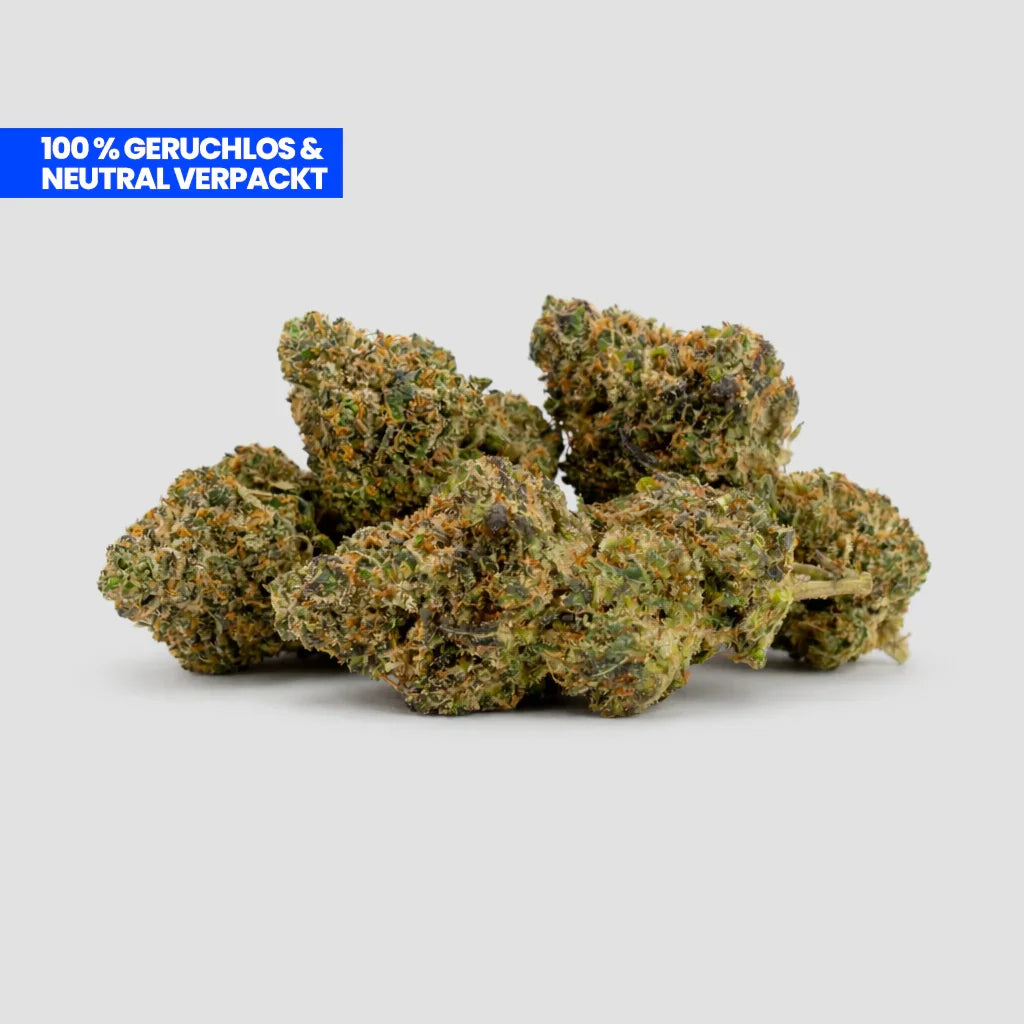
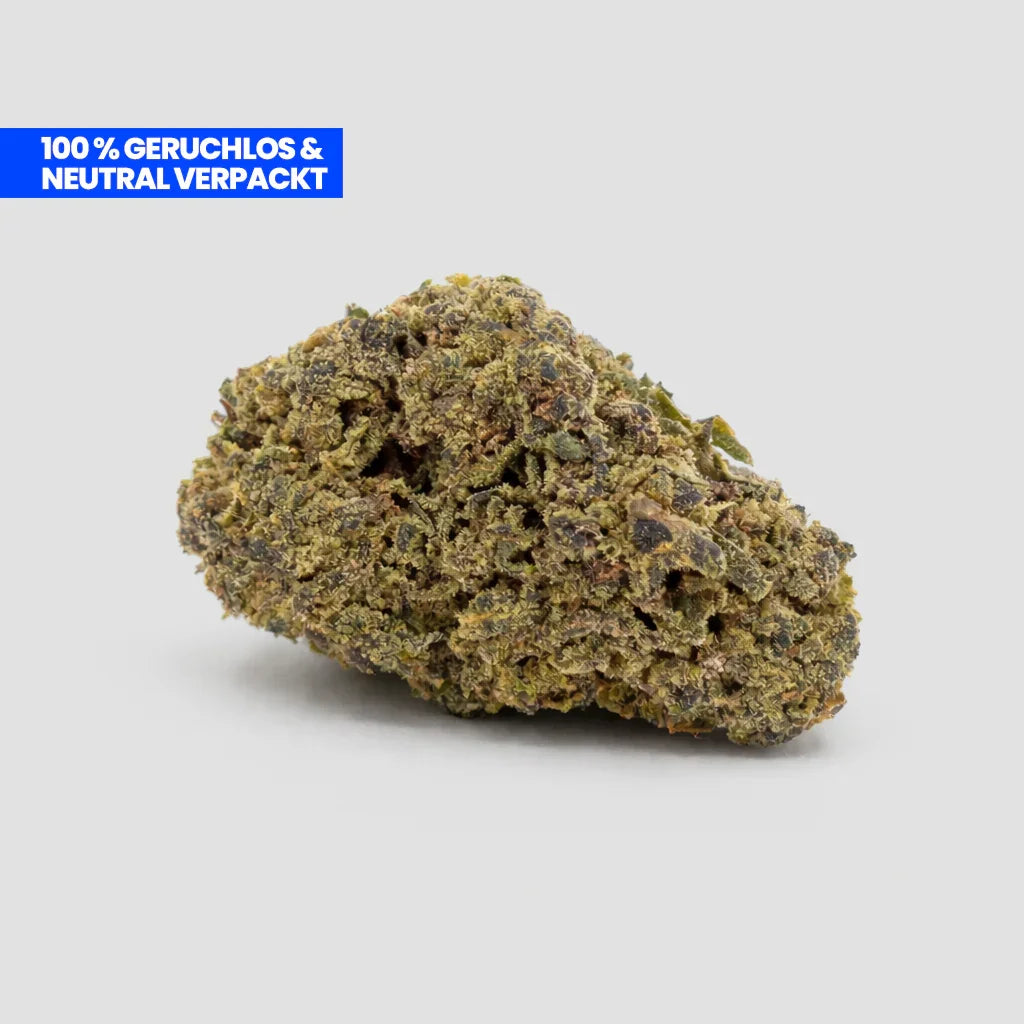
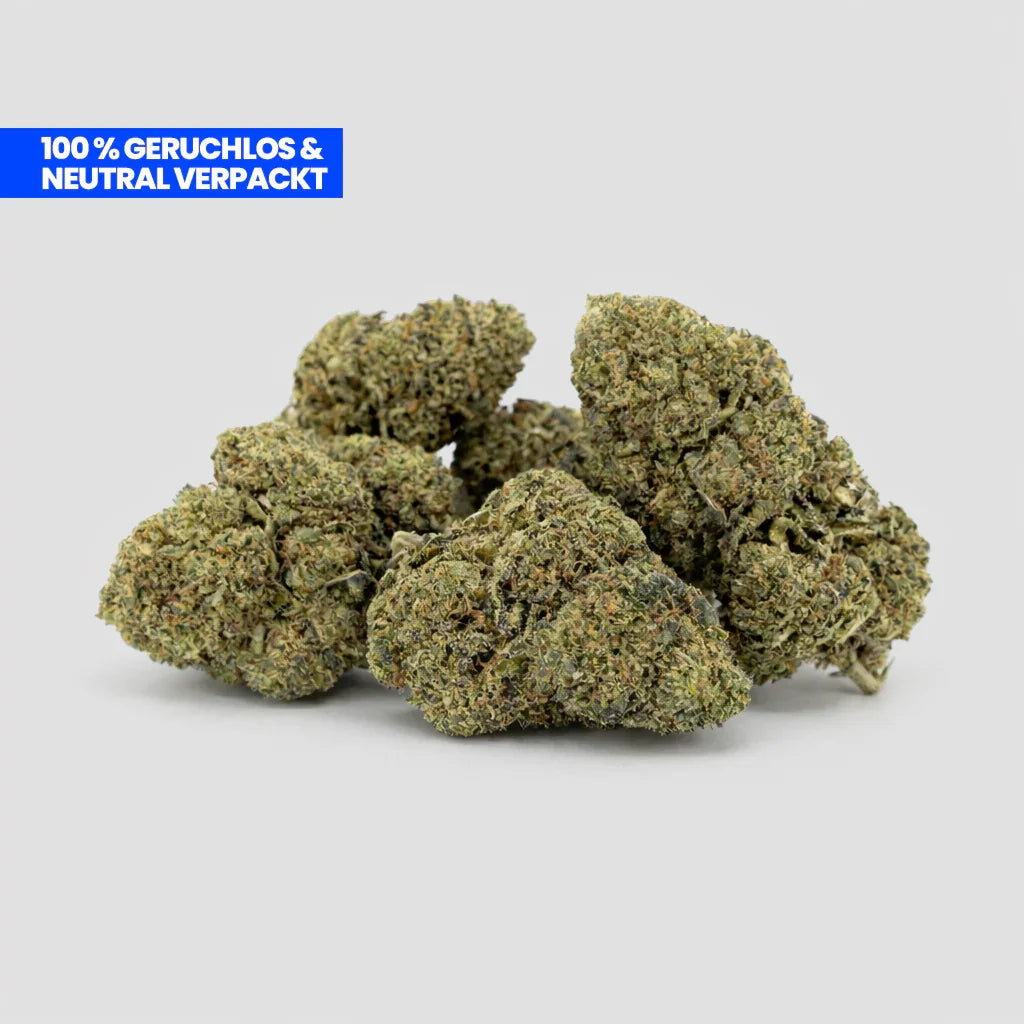
CBD-Öle, -Kapseln, -Blüten oder -Vapes sind legal im Handel erhältlich, wenn der THC-Gehalt unter 0,2 % liegt. Seriöse Anbieter lassen ihre Produkte im Labor prüfen und veröffentlichen die Analysen.
Eine gewisse Grauzone bleibt dennoch: Die EU stuft isoliertes Cannabidiol als „Novel Food“ ein – ein neuartiger Lebensmittelzusatz, der eigentlich eine spezielle Zulassung benötigt. Diese liegt bislang nicht flächendeckend vor. In Deutschland wird CBD trotzdem verkauft, solange keine Gesundheitsgefahr besteht und die THC-Grenze eingehalten wird.
Für Dich als Konsument heißt das:
👉 Du darfst CBD-Produkte kaufen, besitzen und verwenden, solange sie legalen Grenzwerten entsprechen.
Was gilt für THC, HHC & Co.?
THC-haltiges Cannabis ist in Deutschland nach wie vor rezeptpflichtig und fällt unter das Betäubungsmittelgesetz. Medizinisches Cannabis darf nur mit ärztlicher Verordnung genutzt werden.
Parallel tauchen auf dem Markt neue Cannabinoide wie HHC, PHC oder THC-O auf – Substanzen, die zeitweise als legale Alternativen zu THC beworben wurden. Inzwischen wurden viele dieser Stoffe verboten oder streng reguliert.
Für alle, die CBD zur Gesundheitsunterstützung nutzen möchten, sind diese psychoaktiven Alternativen ohnehin keine Option: Sie wirken berauschend, haben stärkere Nebenwirkungen und sind rechtlich unsicher.
CBD hingegen bleibt legal, nicht psychoaktiv und gut verträglich – das macht es so attraktiv für Wellness- und Gesundheitszwecke.


Qualitätsmerkmale: Worauf Du beim CBD-Kauf achten solltest
Der boomende CBD-Markt bringt eine enorme Produktvielfalt, aber auch Qualitätsunterschiede mit sich. Gerade wenn Du CBD gezielt für Dein Immunsystem nutzen willst, ist Sorgfalt beim Kauf entscheidend.
1. Laborgeprüfte Produkte
Verlässliche Anbieter legen unabhängige Laboranalysen offen. Die Zertifikate zeigen den tatsächlichen CBD-Gehalt, das Cannabinoidprofil und mögliche Rückstände.
Nur so weißt Du genau, was Du konsumierst.
2. Reines Cannabinoidprofil
Hochwertige CBD-Produkte sind frei von:
- Pestiziden
- Schwermetallen
- Lösungsmittelrückständen
Achte außerdem auf den THC-Gehalt unter 0,2 % und darauf, ob andere wertvolle Cannabinoide wie CBG, CBDa oder CBN enthalten sind.
3. Vollspektrum, Breitband oder Isolat?
Diese Unterscheidung ist zentral:
- Vollspektrum-CBD enthält alle natürlichen Inhaltsstoffe der Hanfpflanze, inklusive minimalem THC. Viele Experten sehen darin den sogenannten Entourage-Effekt – die Bestandteile wirken synergetisch zusammen.
- Breitband-CBD bietet denselben Effekt, aber ohne THC.
- CBD-Isolat liefert reines Cannabidiol (99 %+), ideal für Menschen, die kein THC wünschen, etwa Leistungssportler.
Für eine immunmodulatorische Wirkung sind Voll- oder Breitbandprodukte meist empfehlenswert, da auch Terpene entzündungshemmend wirken können.
4. Transparente Anbieterinformationen
Ein vertrauenswürdiger Anbieter informiert offen über:
- Herkunft des Hanfs
- Herstellungsverfahren
- Prüfberichte und Inhaltsstoffe
Fehlen diese Angaben oder werden unrealistische Heilversprechen gemacht, solltest Du vorsichtig sein.
5. Kundenbewertungen und Erfahrungsaustausch
Kundenmeinungen geben Einblick in die tatsächliche Wirkung, Qualität und den Service eines Shops. Achte auf verifizierte Bewertungen und konsistente Erfahrungsberichte.
Viele Anwender berichten, dass sie mit CBD besser schlafen, Stress abbauen und Entzündungen lindern konnten – Hinweise, dass das Produkt hält, was es verspricht.
6. Preis-Leistungs-Verhältnis
Qualität hat ihren Preis, muss aber nicht überteuert sein. Zu günstige Angebote sind oft verdächtig, da die Herstellung hochwertiger Extrakte kostenintensiv ist.
Ein realistischer Preis und transparente Kommunikation sind gute Indikatoren für Seriosität.
CBD und Sicherheit: Verantwortungsvoller Konsum zählt
Nur weil CBD natürlich ist, heißt das nicht, dass man es grenzenlos einsetzen sollte. Ein bewusster Umgang ist der Schlüssel.
- Halte Dich an empfohlene Dosierungen.
- Beobachte, wie Dein Körper reagiert.
- Kombiniere CBD nicht leichtfertig mit Medikamenten.
- Lies Produktangaben sorgfältig durch.
Verantwortungsbewusster Konsum bedeutet, Nutzen und Risiken abzuwägen und die Einnahme an Deine persönliche Situation anzupassen.
Cannabidiol – kein Wundermittel, aber ein vielseitiger Immun-Modulator
CBD und das Immunsystem – die wissenschaftlichen Erkenntnisse zeigen ein komplexes, aber vielversprechendes Bild.
Cannabidiol ist kein Superbooster, der Dein Immunsystem unbesiegbar macht. Es besitzt jedoch die Fähigkeit, Ungleichgewichte im Körper auszugleichen.
Als Immunmodulator kann CBD über das Endocannabinoid-System in überaktive Abwehrprozesse beruhigend eingreifen. Menschen mit chronischen Entzündungen oder Autoimmunerkrankungen können davon besonders profitieren.
Die entzündungshemmenden Effekte sind wissenschaftlich gut belegt, und viele Anwender berichten von besserem Wohlbefinden, Regeneration und Stressabbau.
CBD als Teil eines ganzheitlichen Lebensstils
Ein gesundes Immunsystem entsteht nicht durch ein einziges Produkt, sondern durch Balance:
- Ausreichend Schlaf
- Nährstoffreiche Ernährung
- Bewegung
- Stressmanagement
CBD kann in diesem Zusammenspiel ein natürlicher Unterstützer sein – ein Baustein, kein Ersatz für medizinische Therapie.
Nebenwirkungen sind selten und meist mild. Dennoch sollten Menschen mit bestehenden Erkrankungen oder Medikamenteneinnahme ärztlichen Rat einholen.
Die rechtliche Lage in Deutschland ermöglicht glücklicherweise einen legalen, sicheren Gebrauch von CBD, sofern man auf Qualität und THC-Grenzen achtet.
Am Ende bleibt: CBD ist kein Hokuspokus, sondern ein facettenreiches Naturprodukt mit großem Potenzial – aber auch mit Grenzen. Ob es Dir hilft, Deine Abwehrkräfte zu stabilisieren, kannst Du nur herausfinden, indem Du es bewusst ausprobierst.
Taste Dich langsam heran, beobachte Deinen Körper – und genieße die Vorteile verantwortungsvoll.
1. Stärkt CBD wirklich das Immunsystem?
CBD stärkt das Immunsystem nicht im klassischen Sinn, sondern wirkt regulierend. Bei überaktiver Abwehr dämpft es Entzündungsprozesse, bei Stress oder Schlafmangel kann es indirekt stabilisierend wirken. Kurz gesagt: CBD sorgt für Balance statt Turbo.
2. Wie wirkt CBD auf Entzündungen?
CBD beeinflusst Rezeptoren im Endocannabinoid-System und senkt die Ausschüttung entzündungsfördernder Zytokine. So kann es chronische Entzündungen beruhigen, ohne die natürliche Abwehrreaktion völlig zu blockieren.
3. Kann CBD bei Autoimmunerkrankungen helfen?
Es gibt Hinweise, dass CBD bei Autoimmunerkrankungen symptomlindernd wirken kann – etwa bei Arthritis, Multipler Sklerose oder Psoriasis. Es ersetzt jedoch keine medizinische Therapie, sondern kann begleitend eingesetzt werden.
4. Macht CBD anfälliger für Infekte?
Nein. Normale Dosierungen führen nicht zu einer erhöhten Infektanfälligkeit. Im Gegenteil: Durch Stressabbau und besseren Schlaf kann CBD die allgemeine Widerstandskraft sogar indirekt stärken.


🌱 CBD Produkte bei Happyflower entdecken
Laborgeprüft · Diskret versandt · ⭐ 4,6/5 (750+ Bewertungen)
Jetzt CBD Produkte ansehen →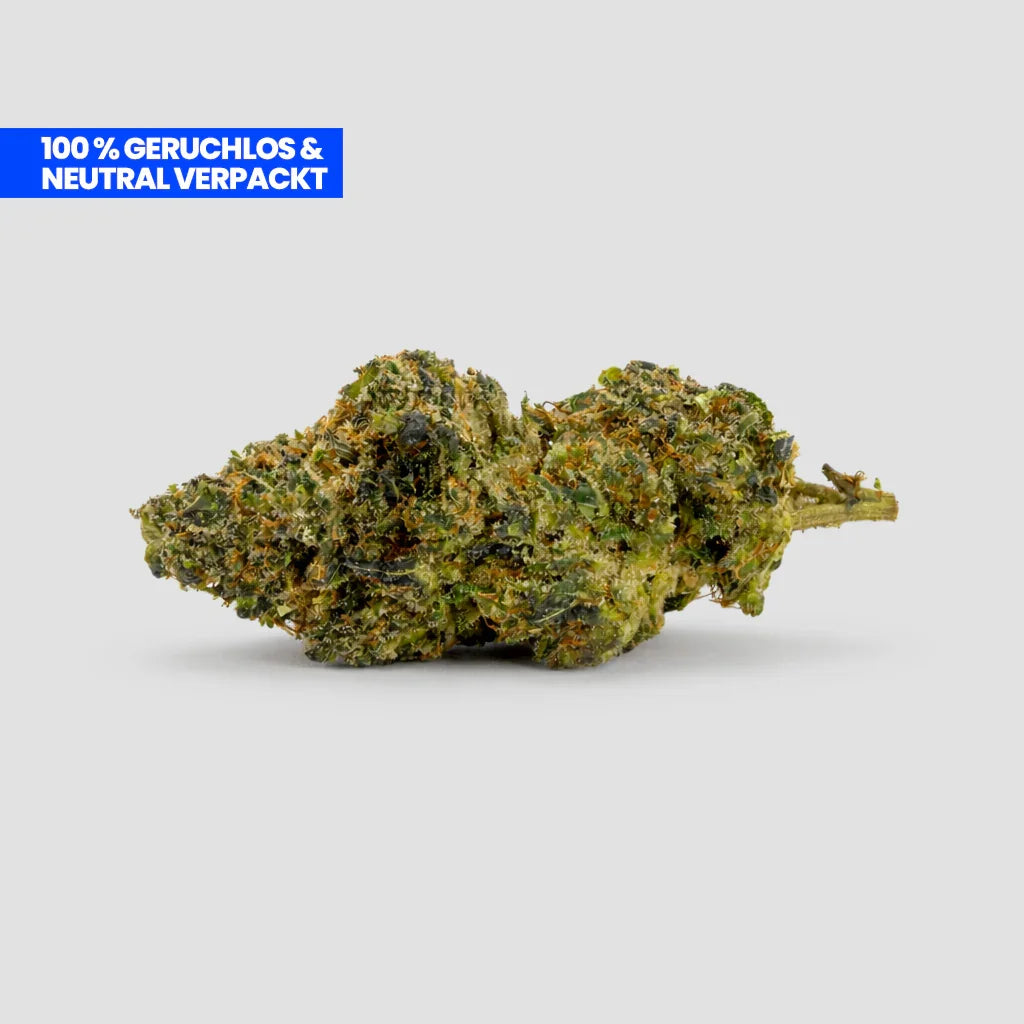



Share:
THC gegen Regelschmerzen – Wie Cannabis bei Periodenbeschwerden helfen kann
CBD bei Neurodermitis: Natürliche Hilfe gegen Juckreiz, Entzündungen & Stress