
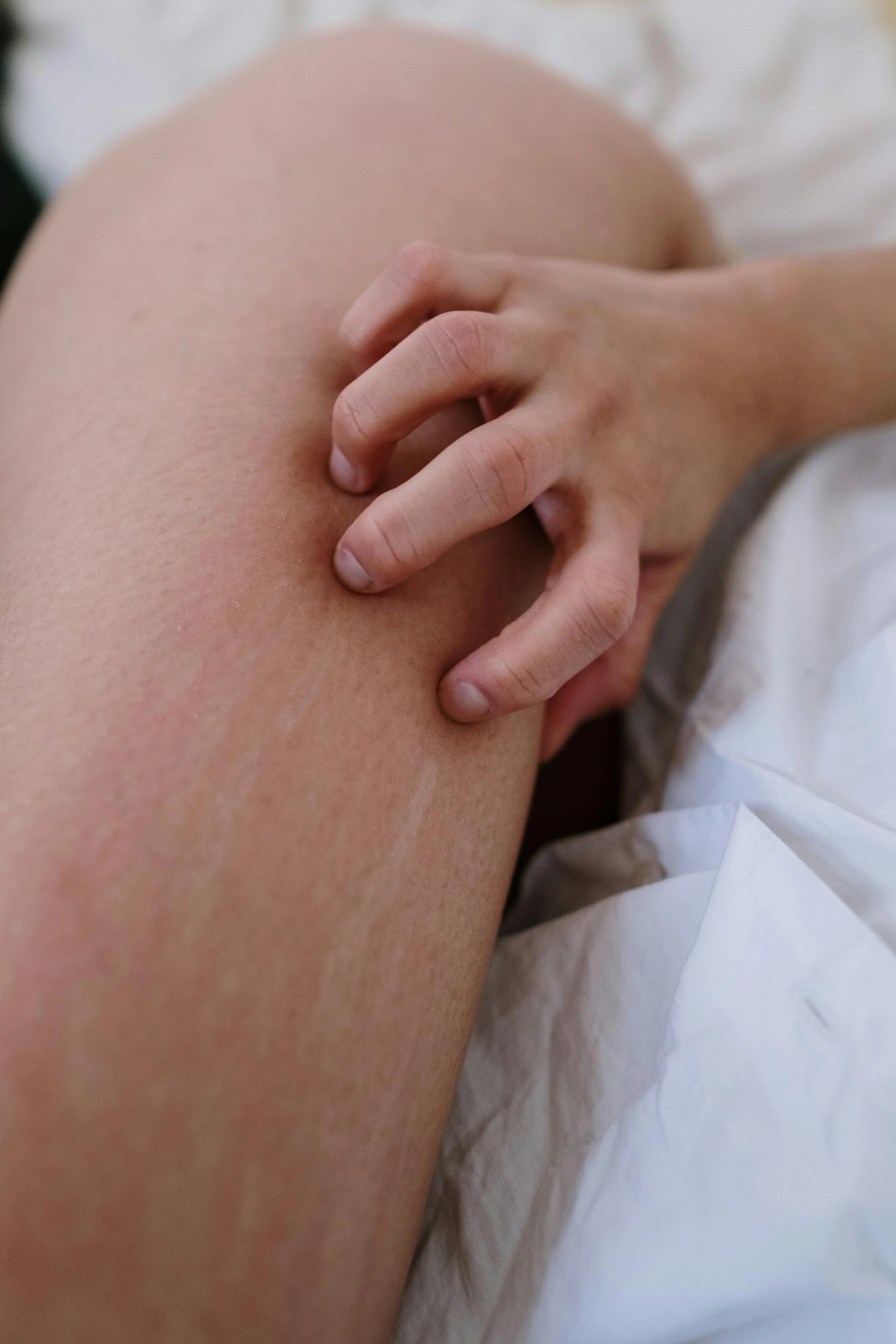
Mitten in der Nacht wachst Du auf, weil Deine Haut wieder unerträglich juckt. Neurodermitis – medizinisch atopische Dermatitis – kann Menschen buchstäblich wahnsinnig machen: trockene, gerötete, brennende Haut, die schubweise aufflammt und häufig so intensiv juckt, dass man sich blutig kratzt. Viele Betroffene greifen in akuten Phasen zu Kortisoncremes oder anderen Medikamenten, doch die Linderung hält oft nur kurz an. Deshalb wächst das Bedürfnis nach sanften, natürlichen Alternativen. Eine davon ist CBD – ein Cannabinoid der Hanfpflanze, das keine berauschende Wirkung hat und zunehmend im Kontext chronischer Hauterkrankungen diskutiert wird.
Kann CBD bei Neurodermitis wirklich helfen? Dieser Artikel erklärt verständlich und wissenschaftlich: wie CBD im Körper und in der Haut wirkt, welche Symptome der Neurodermitis es potenziell lindern kann, wie man CBD äußerlich und innerlich richtig anwendet und welche Chancen, Risiken und Grenzen es gibt.
CBD ist kein Wundermittel und ersetzt keine medizinische Therapie. Aber vieles deutet darauf hin, dass Cannabidiol für manche Betroffene ein wertvoller Baustein bei der Behandlung ihrer Haut sein kann – ganz ohne Rausch und ohne Kortison.
Key Takeaways
CBD bietet ein spannendes Potenzial bei Neurodermitis. Es wirkt entzündungshemmend, juckreizlindernd und antioxidativ – drei zentrale Faktoren bei atopischer Dermatitis.
CBD unterstützt die Hautbarriere. Durch die Kombination aus Cannabidiol und pflegenden Ölen kann trockene, gereizte Haut langfristig stärker und widerstandsfähiger werden.
Juckreiz kann spürbar nachlassen. CBD interagiert mit Rezeptoren, die Juckreizsignale modulieren, wodurch die Kratzspirale unterbrochen werden kann.
Stressreduktion spielt eine große Rolle. CBD wirkt innerlich beruhigend, hilft vielen Menschen beim Schlafen und kann dadurch stressbedingte Schübe abmildern.
Anwendung von innen und außen kann sinnvoll sein. Topische CBD-Cremes beruhigen lokale Entzündungen, während Öl, Tee oder Blüten systemisch Stress und Entzündungsbereitschaft beeinflussen.
CBD ist gut verträglich – aber kein Wundermittel. Es kann Symptome lindern und die Lebensqualität verbessern, ersetzt aber keine medizinische Therapie bei schweren Formen der Neurodermitis.


- 1. Key Takeaways
- 2. Was ist Neurodermitis eigentlich?
- 3. Konventionelle Behandlung und warum viele nach Alternativen suchen
- 4. Was ist CBD und warum könnte es der Haut helfen?
- 5. Wie CBD bei Neurodermitis wirken kann
- 6. Stress als Neurodermitis-Trigger – und wie CBD hier helfen kann
- 7. Anwendung von CBD bei Neurodermitis – äußerlich & innerlich
- 8. CBD äußerlich anwenden – Cremes, Salben und Öle
- 9. CBD innerlich – Öl, Kapseln, Tee oder Blüten
- 10. Dosierung, Wirkungseintritt und Dauer
- 11. Risiken und Nebenwirkungen – was Du wissen solltest
- 12. Qualitätsmerkmale – worauf Du achten solltest
- 13. Frequently asked questions (FAQs)
Was ist Neurodermitis eigentlich?
Neurodermitis ist eine chronisch-entzündliche Hauterkrankung, die häufig schon im Kindesalter beginnt und viele Menschen ein Leben lang begleitet. Typisch sind trockene, schuppige Hautareale, die stark jucken und zu Rötungen, Knötchen oder nässenden Ekzemen neigen. Die Erkrankung verläuft in Schüben: Zeiten mit relativ unauffälliger Haut wechseln sich mit akuten Phasen intensiven Juckreizes ab.
Obwohl Neurodermitis nicht ansteckend ist, belastet sie Betroffene enorm – körperlich und psychisch. Schlaflosigkeit durch nächtliches Kratzen, Scham wegen sichtbarer Hautstellen und ständige Einschränkungen im Alltag gehören für viele dazu.
Die Ursachen sind komplex. Eine geschwächte Hautbarriere spielt eine zentrale Rolle. Häufig fehlt ein wichtiges Strukturprotein, sodass die Haut nicht genug Feuchtigkeit halten kann. Dadurch dringen Reizstoffe, Allergene und Keime leichter ein und lösen Entzündungen aus. Das Immunsystem überreagiert, selbst auf eigentlich harmlose Auslöser wie Stress, Pollen oder bestimmte Stoffe. Was bei einem Betroffenen Schübe auslöst, lässt den nächsten möglicherweise kalt – Neurodermitis ist hoch individuell.
Das Hauptsymptom ist der quälende Juckreiz. Menschen kratzen, weil sie es nicht anders aushalten, wodurch die Haut verletzt wird und sich weiter entzündet. Dieser Teufelskreis ist einer der Gründe, warum ergänzende, hautberuhigende Methoden wie CBD so interessant sind.
Konventionelle Behandlung und warum viele nach Alternativen suchen
Die klassische Neurodermitistherapie beruht auf mehreren Säulen. Eine regelmäßige rückfettende Hautpflege ist die Basis. In akuten Schüben verschreiben Ärzte häufig Kortisoncremes, da sie Entzündungen kurzfristig sehr effektiv reduzieren. Bei schweren Verläufen kommen immunmodulierende Medikamente zum Einsatz, die das überaktive Immunsystem bremsen.
Diese Mittel können enorm hilfreich sein, haben aber auch Grenzen: Kortison darf nicht dauerhaft eingesetzt werden, da es langfristig Nebenwirkungen auf die Hautstruktur hat. Viele Betroffene wünschen sich daher zusätzliche, natürliche Methoden, um die Haut langfristig stabil zu halten.
Hier rückt CBD in den Fokus. In der dermatologischen Forschung und in Erfahrungsberichten häufen sich Hinweise darauf, dass Cannabidiol entzündete, juckende Haut positiv beeinflussen könnte – sowohl äußerlich angewendet als auch innerlich eingenommen.

Was ist CBD und warum könnte es der Haut helfen?
CBD steht für Cannabidiol, ein nicht psychoaktives Cannabinoid der Hanfpflanze. Es beeinflusst das Endocannabinoid-System (ECS) – ein körpereigenes Netzwerk aus Rezeptoren und Botenstoffen, das im gesamten Körper vorkommt und zahlreiche Prozesse reguliert, darunter Entzündungen, Schmerzempfinden, Juckreiz, Stress und die Hautfunktion.
Die Haut selbst enthält eine Vielzahl dieser Rezeptoren. CBD wirkt nicht berauschend, gilt als gut verträglich und hat ein breites Spektrum potenzieller Effekte: entzündungshemmend, antioxidativ, schmerzlindernd, beruhigend und stressreduzierend. Diese Eigenschaften machen es zu einem spannenden Kandidaten für die Anwendung bei Neurodermitis.
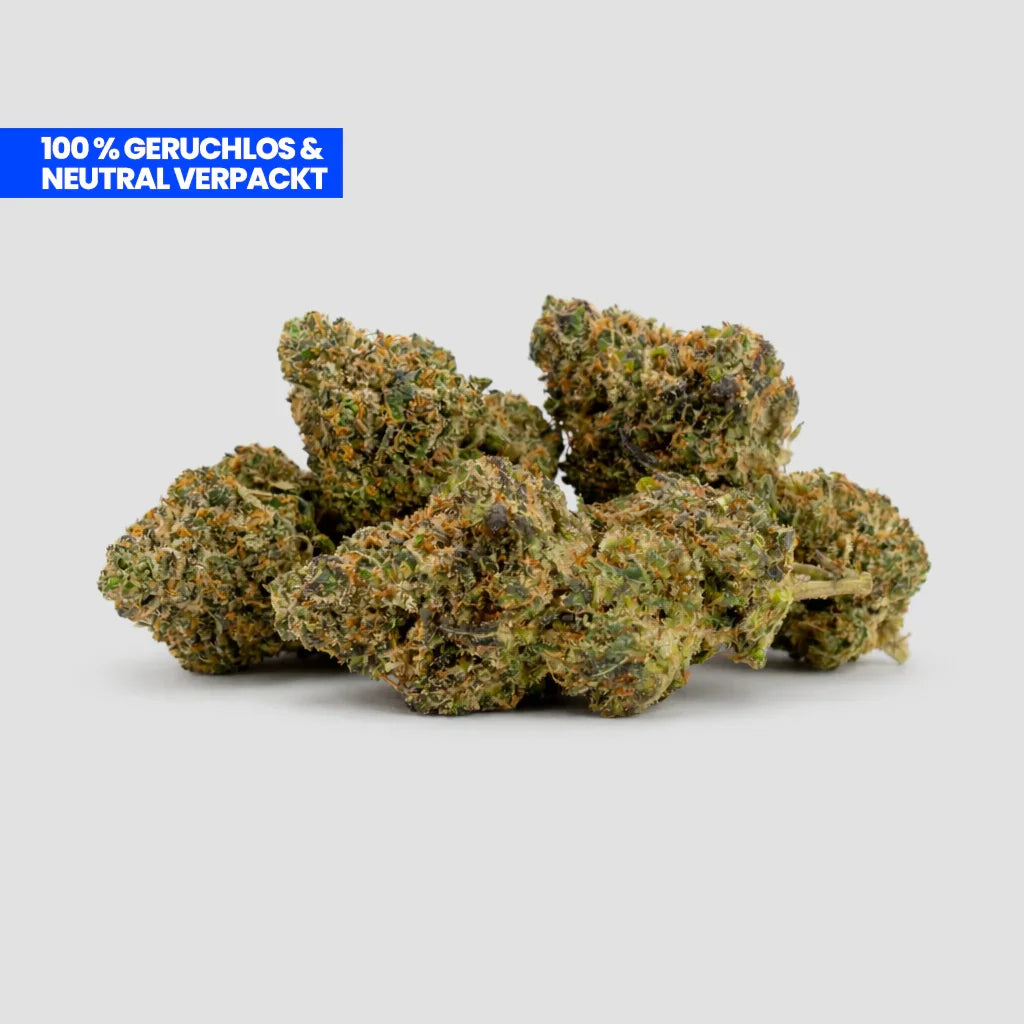
Während klassisches CBD-Öl aus Hanfextrakten gewonnen wird, enthalten CBD-Blüten die natürliche Form des Wirkstoffs in getrockneter Pflanzenform – oft kombiniert mit Terpenen und weiteren Pflanzenstoffen, die synergistische Effekte haben können.
Wie CBD bei Neurodermitis wirken kann
Neurodermitis ist in großen Teilen eine Entzündungserkrankung. Rötung, Schwellung, Hitzegefühl und Ekzemstellen sind sichtbare Zeichen dieser Entzündung. CBD hemmt entzündungsfördernde Prozesse auf mehreren Ebenen: Es reduziert die Ausschüttung bestimmter Botenstoffe, moduliert Immunzellen und beeinflusst Rezeptoren in der Haut, die für die Regulierung der Entzündungsreaktion verantwortlich sind.
Auch der antioxidative Effekt von CBD schützt Hautzellen vor Stress und unterstützt sie bei der Regeneration. Besonders interessant ist, dass natürliche Hanfextrakte neben CBD häufig Terpene enthalten, die ebenfalls entzündungshemmende und antimikrobielle Eigenschaften haben.
Zusammengefasst kann CBD dazu beitragen, entzündliche Hautreaktionen abzuschwächen und gereizte Areale zu beruhigen.
1. CBD kann Juckreiz beeinflussen – einer der größten Vorteile
Der Juckreiz ist für viele Neurodermitiker das schlimmste Symptom. Körperlich wie psychisch ist er enorm belastend. CBD wirkt über verschiedene Mechanismen juckreizlindernd. Es erhöht körpereigene Endocannabinoide wie Anandamid, die das neuronale Juckreizsignal abschwächen können. Außerdem interagiert es mit Rezeptoren, die sowohl Schmerz- als auch Juckreizreize vermitteln.
Viele Anwender berichten, dass der Juckreiz nach dem Auftragen einer CBD-Creme spürbar nachlässt. Die Haut beruhigt sich, die Kratzspirale wird unterbrochen – ein entscheidender Schritt, um Entzündungen langfristig abklingen zu lassen.
2. CBD stärkt die Hautbarriere und unterstützt die Regeneration
Ein weiterer Vorteil: CBD wirkt antioxidativ und hilft der Haut, sich vor freien Radikalen und Umwelteinflüssen zu schützen. Zusätzlich enthalten viele CBD-Öle pflegende Trägeröle wie Hanfsamenöl, das reich an essentiellen Fettsäuren ist und die trockene Neurodermitis-Haut intensiv nährt.
Weniger Entzündung, weniger Kratzen und mehr Nährstoffe bedeuten: Die Hautbarriere kann sich stabilisieren, was langfristig zu weniger Schüben führen kann.

Stress als Neurodermitis-Trigger – und wie CBD hier helfen kann
Stress verschlimmert Neurodermitis häufig erheblich. CBD wirkt innerlich eingenommen beruhigend, angstlösend und schlaffördernd. Wer besser schläft und weniger innere Unruhe empfindet, kratzt nachts weniger und erlebt häufig weniger stressbedingte Hautreaktionen.
Viele berichten, dass sie mit CBD abends leichter zur Ruhe kommen und über die Zeit auch tagsüber weniger sensibel auf Stress reagieren. Dieser psychische Effekt wird in seiner Bedeutung für Hautkrankheiten oft unterschätzt.
Anwendung von CBD bei Neurodermitis – äußerlich & innerlich
CBD kann äußerlich direkt auf die Haut aufgetragen oder innerlich eingenommen werden. Beide Methoden haben Vorteile, und viele Betroffene kombinieren sie, um Synergieeffekte zu erreichen.
CBD äußerlich anwenden – Cremes, Salben und Öle
Topische Anwendung ist der direkteste Weg, CBD dorthin zu bringen, wo die Entzündung sitzt. CBD-Cremes oder Öle können ein- bis mehrmals täglich auf die betroffenen Stellen aufgetragen werden. Besonders nach dem Duschen, wenn die Haut noch leicht feucht ist, können die Wirkstoffe gut einziehen.
Topische CBD-Anwendung wirkt lokal, ohne systemische Effekte – ideal für gereizte Areale, bei denen man Entzündungen gezielt beruhigen möchte.


CBD innerlich – Öl, Kapseln, Tee oder Blüten
Die innere Einnahme wirkt systemisch und kann damit auch Stress, Schlafstörungen und die allgemeine Entzündungsbereitschaft des Körpers beeinflussen.
CBD-Öl Eine der beliebtesten Formen. Es wird unter die Zunge getropft und über die Schleimhäute aufgenommen.
Kapseln oder essbare Produkte
Geschmacksneutral und praktisch – die Wirkung setzt später ein, hält aber länger.
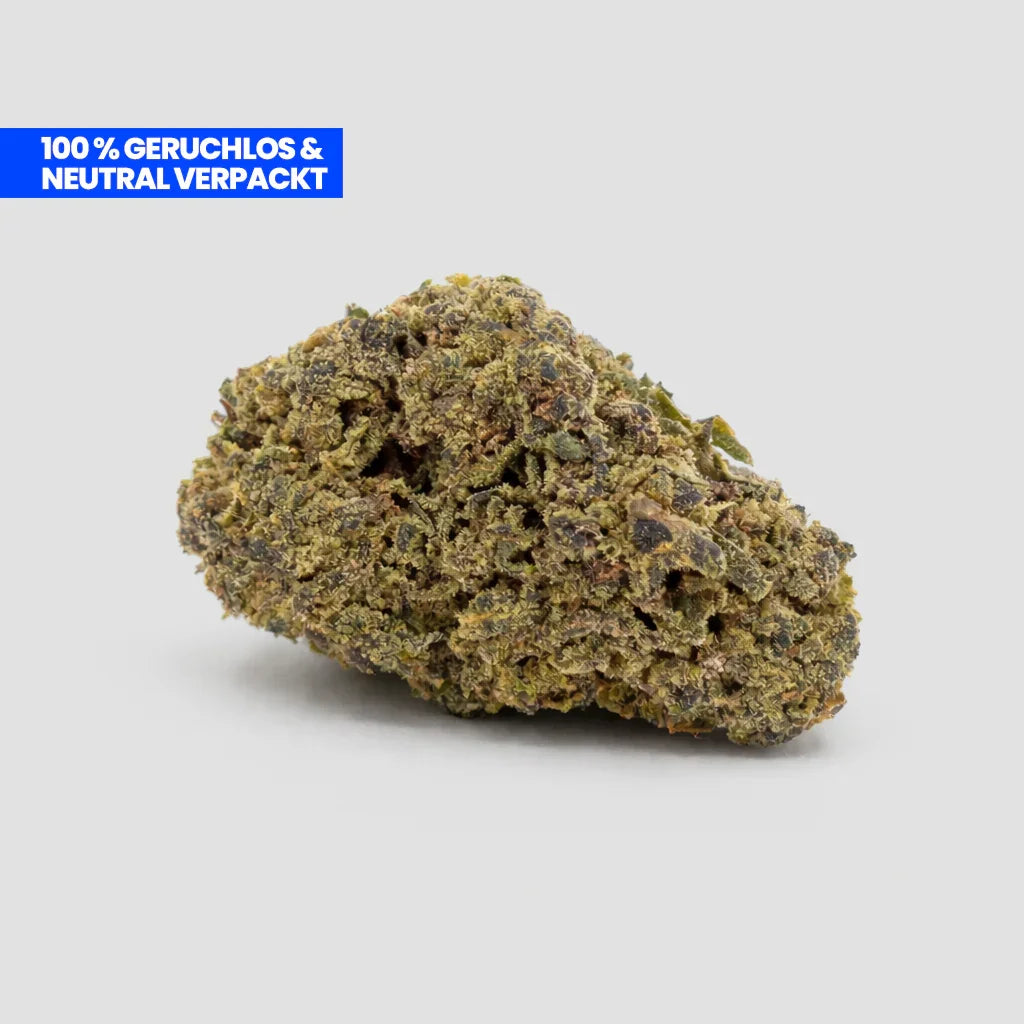
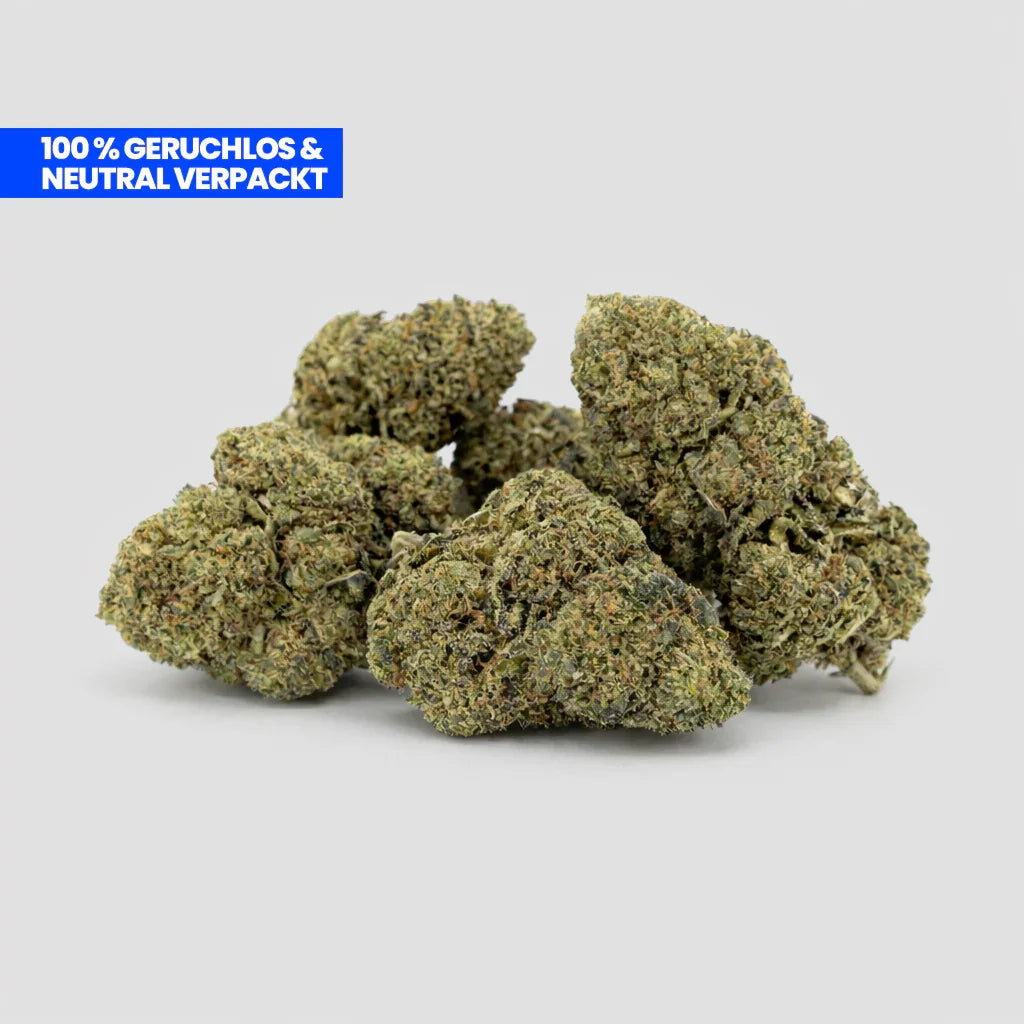
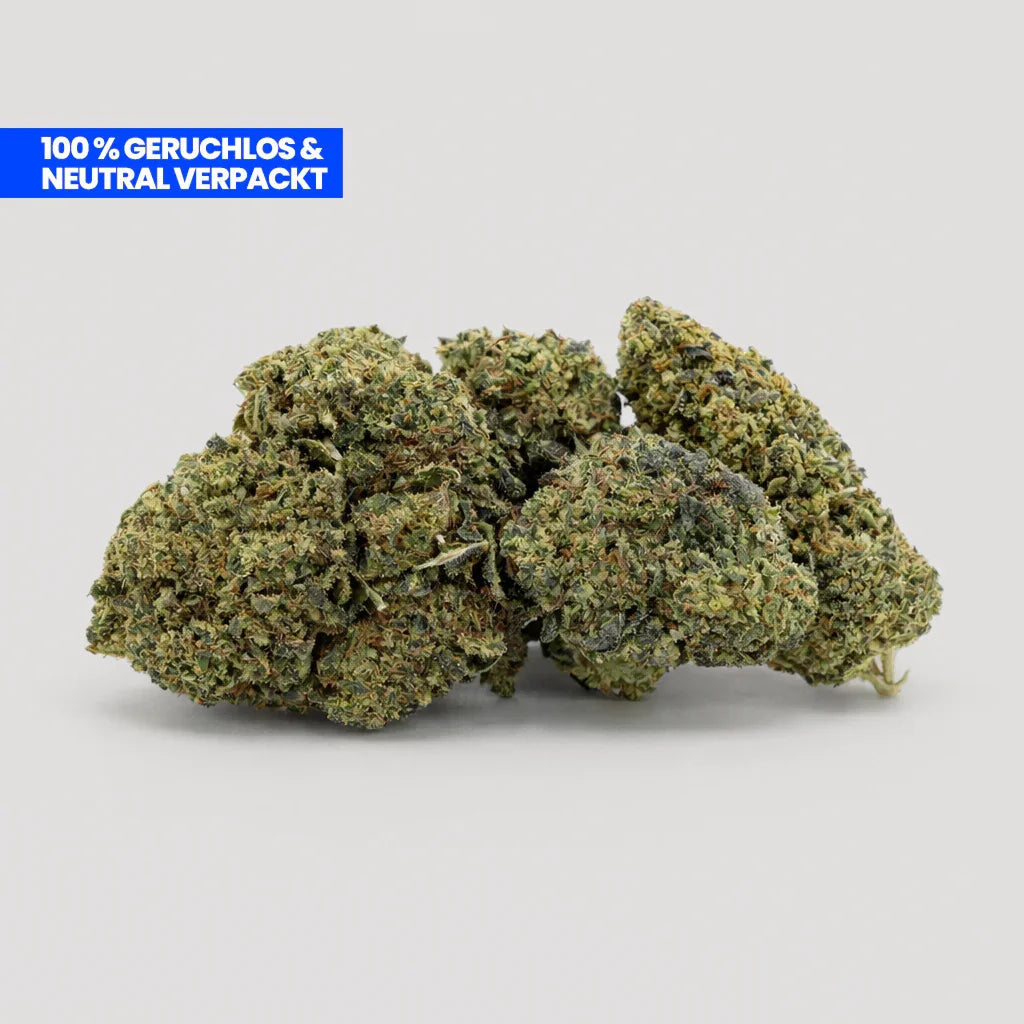
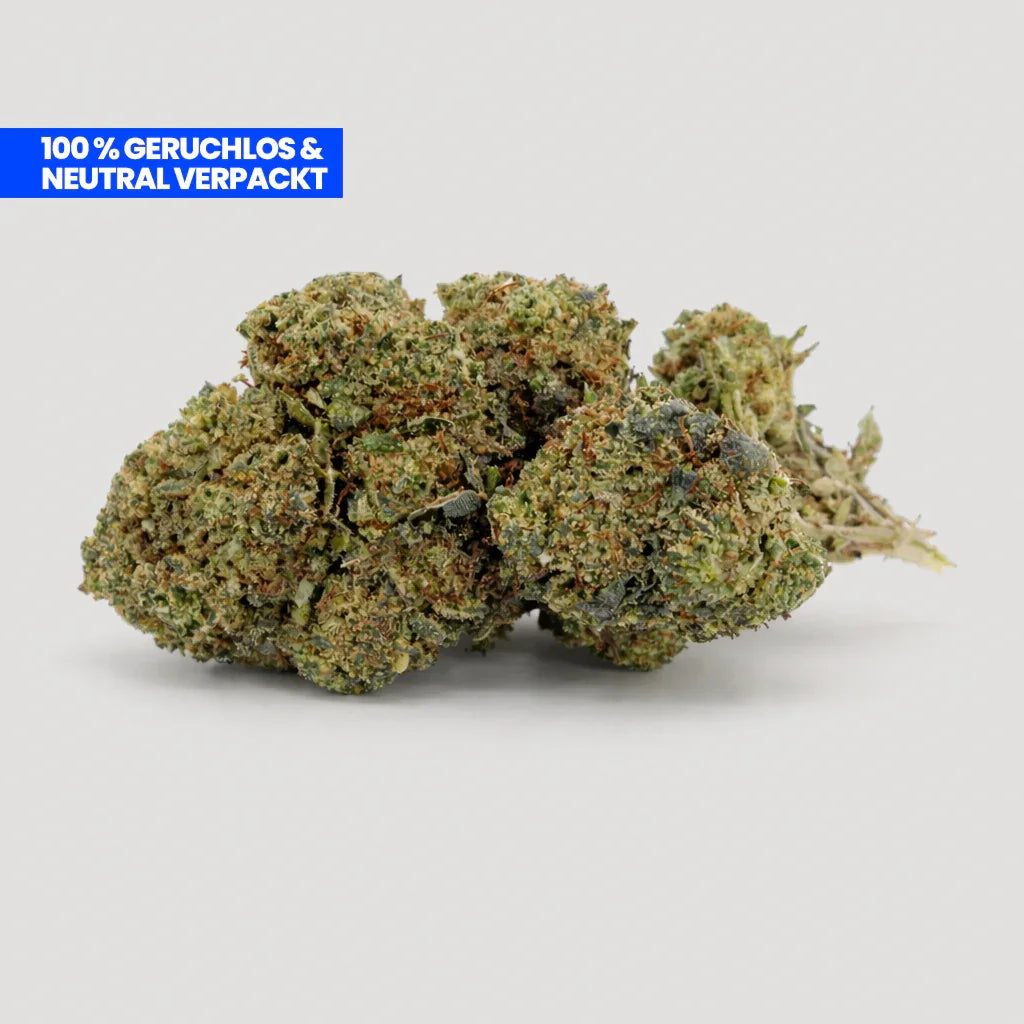
CBD-Blüten als Tee oder im Vaporizer Viele nutzen CBD-Blüten klassisch als Tee oder – besonders schnell wirksam – im Vaporizer. Wichtig ist bei Tee die Zugabe eines kleinen Fettanteils, damit CBD gelöst wird.
Innere Anwendung kann besonders sinnvoll sein, wenn die Neurodermitis großflächig ist oder stark stressbedingt auftritt.

Dosierung, Wirkungseintritt und Dauer
CBD wirkt bei jedem Menschen etwas anders. Grundsätzlich gilt: langsam starten und behutsam steigern. Für topische Anwendung sind ein bis zwei Anwendungen pro Tag üblich. Bei innerlicher Anwendung beginnen viele mit niedrigen Mengen und erhöhen nach einigen Tagen.
Akute Juckreizlinderung kann teilweise schnell eintreten, während tiefere Hautverbesserungen mehrere Wochen regelmäßiger Anwendung benötigen. Es lohnt sich, CBD mindestens vier bis sechs Wochen konsequent anzuwenden, bevor man ein Fazit zieht.
Risiken und Nebenwirkungen – was Du wissen solltest
CBD ist generell gut verträglich. Mögliche Nebenwirkungen bei innerlicher Einnahme sind leichte Müdigkeit, trockener Mund oder in seltenen Fällen Verdauungsbeschwerden. Sehr hohe Dosen können Blutdruck, Appetit oder Müdigkeit beeinflussen. Die topische Anwendung verursacht nur in Ausnahmefällen Hautreaktionen – meist dann aufgrund anderer Cremestoffe, nicht wegen CBD selbst.
Wer dauerhaft Medikamente einnimmt, sollte vor innerlicher CBD-Einnahme mit dem Arzt Rücksprache halten, da CBD den Abbau bestimmter Medikamente beeinflussen kann.
CBD macht nicht high und nicht abhängig.
Qualitätsmerkmale – worauf Du achten solltest
Wenn Du CBD verwendest, achte auf:
- laborgeprüfte Produkte
- klare Deklaration von CBD- und THC-Gehalt
- frei von Schadstoffen
- hochwertige Trägeröle
- möglichst Vollspektrum-Produkte mit natürlichem Terpenprofil
Gerade bei empfindlicher Neurodermitis-Haut ist Qualität entscheidend.
1. Kann CBD Neurodermitis heilen?
Nein, Neurodermitis kann nicht geheilt werden. CBD kann aber Symptome lindern und Schübe abschwächen.
2. Wie schnell wirkt CBD gegen Juckreiz?
Topisch kann die Wirkung von Minuten bis Stunden dauern. Innerlich meist 30–90 Minuten.
3. Kann ich CBD und Kortison kombinieren?
Ja. Aber trage die Produkte getrennt auf und nutze CBD eher zur Pflege außerhalb akuter Schübe.
4. Hilft CBD auch gegen stressbedingte Schübe?
Viele Betroffene berichten, dass CBD ihnen beim Entspannen und Schlafen hilft – was indirekt die Haut verbessert.


🌱 CBD Produkte bei Happyflower entdecken
Laborgeprüft · Diskret versandt · ⭐ 4,6/5 (750+ Bewertungen)
Jetzt CBD Produkte ansehen →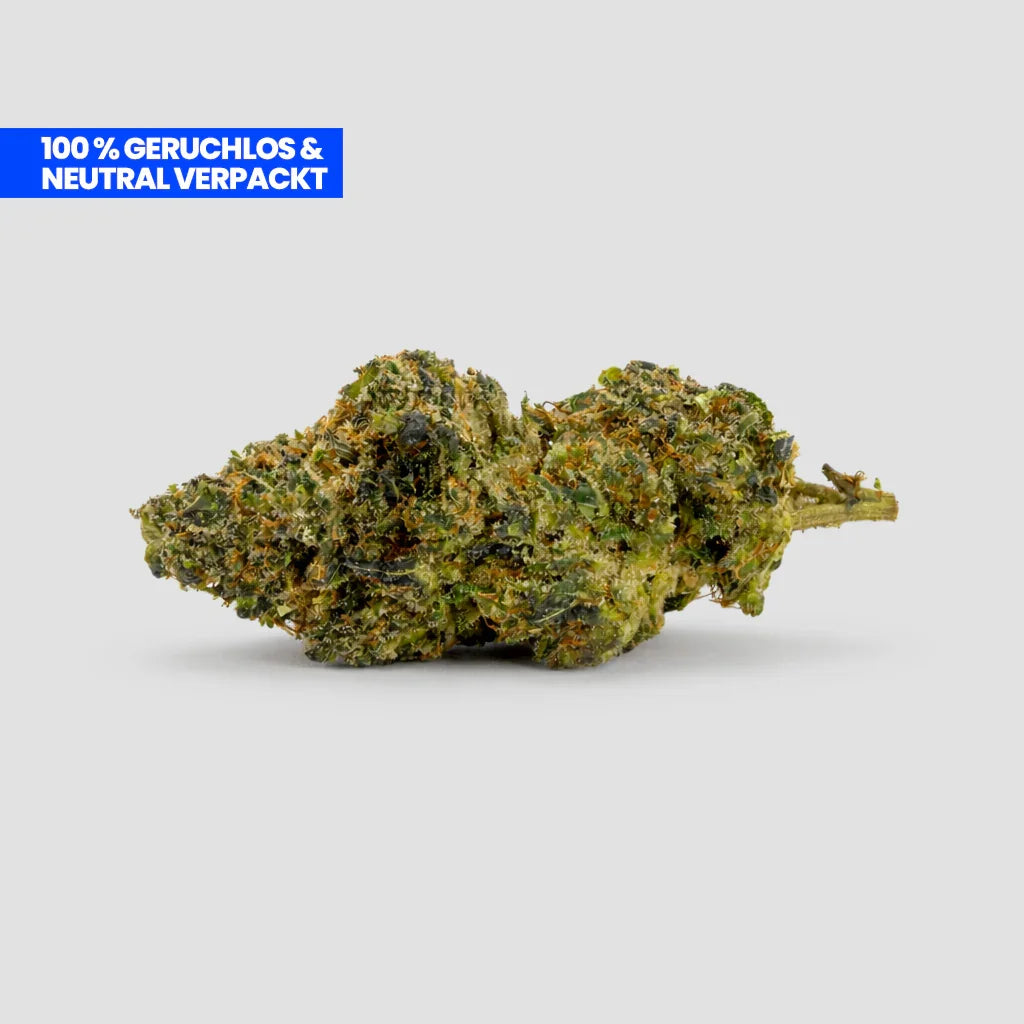

Share:
CBD und das Immunsystem: Kann Cannabidiol Deine Abwehrkräfte stärken?
THC und Herzgesundheit: Wirkung, Risiken & Studien – Was Du wirklich wissen musst