
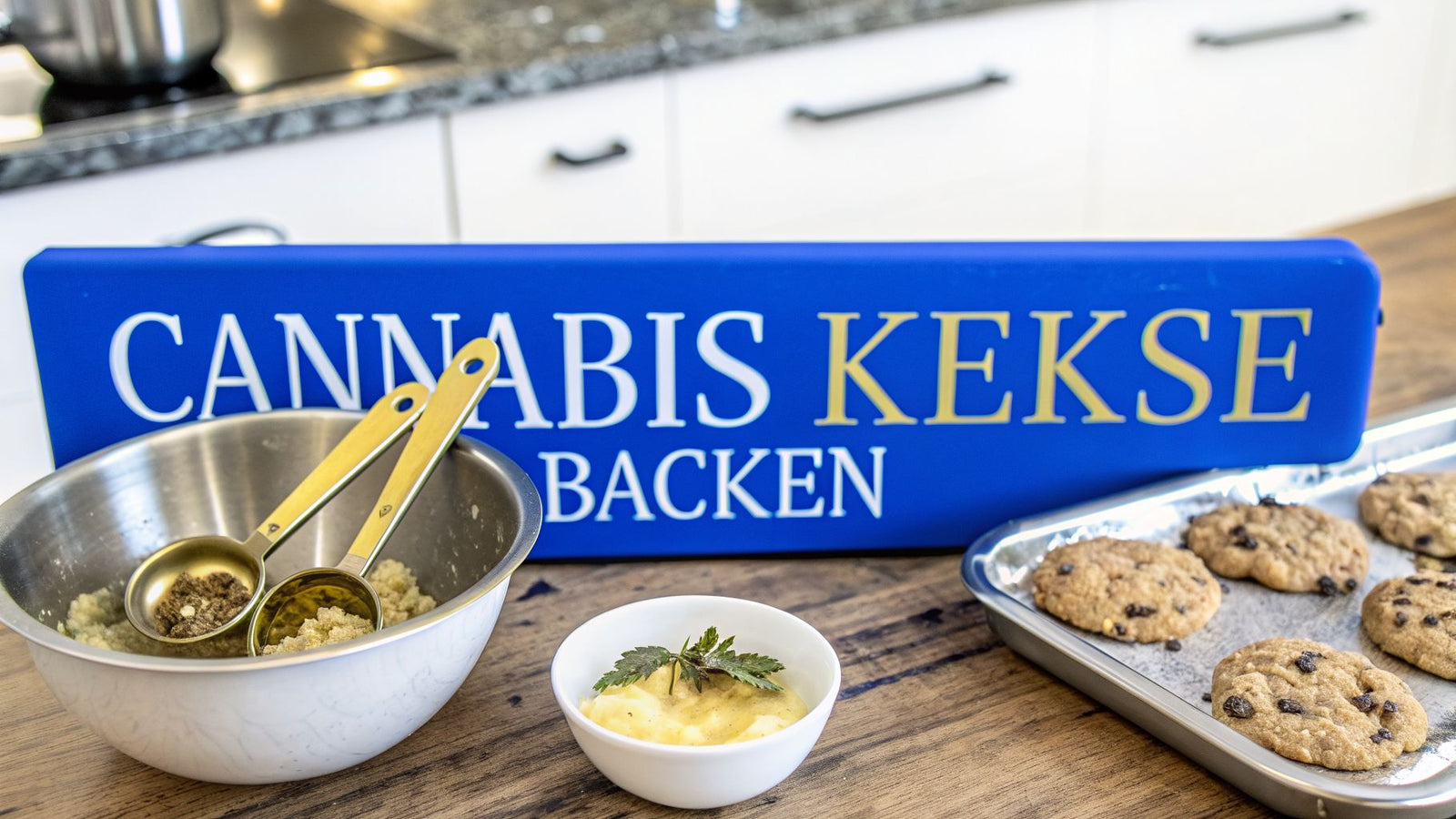
Cannabis-Kekse zu backen, ist viel einfacher, als du vielleicht denkst. Das ganze Geheimnis sind eigentlich nur zwei simple Schritte: Zuerst musst du dein Cannabis durch Hitze aktivieren und es danach in einem Fett wie Butter oder Öl auflösen. Wenn du diese beiden Basics verinnerlicht hast, wird dir jedes Rezept gelingen.
Dein Einstieg ins Cannabis-Kekse-backen
Willkommen in der wunderbaren Welt der selbstgemachten Edibles! Wenn du hier gelandet bist, fragst du dich wahrscheinlich, wie du aus einem normalen Keks eine richtig entspannte Erfahrung zaubern kannst. Die gute Nachricht: Du musst dafür kein Chefkoch sein. Aber eine goldene Regel gibt es: Wirf deine Cannabisblüten niemals einfach so roh in den Teig. Das wäre die reinste Verschwendung.
Pflanzliches Cannabis enthält nämlich hauptsächlich THCA, eine nicht-psychoaktive Vorstufe. Erst durch einen Prozess namens Decarboxylierung – was fancy klingt, aber nur kontrolliertes Erhitzen bedeutet – wird es in das aktive THC umgewandelt. Und genau das ist für die bekannte Wirkung verantwortlich. Dieser Schritt ist also nicht verhandelbar; er ist das Fundament für potente und vor allem verlässliche Kekse.
Die richtigen Zutaten sind entscheidend
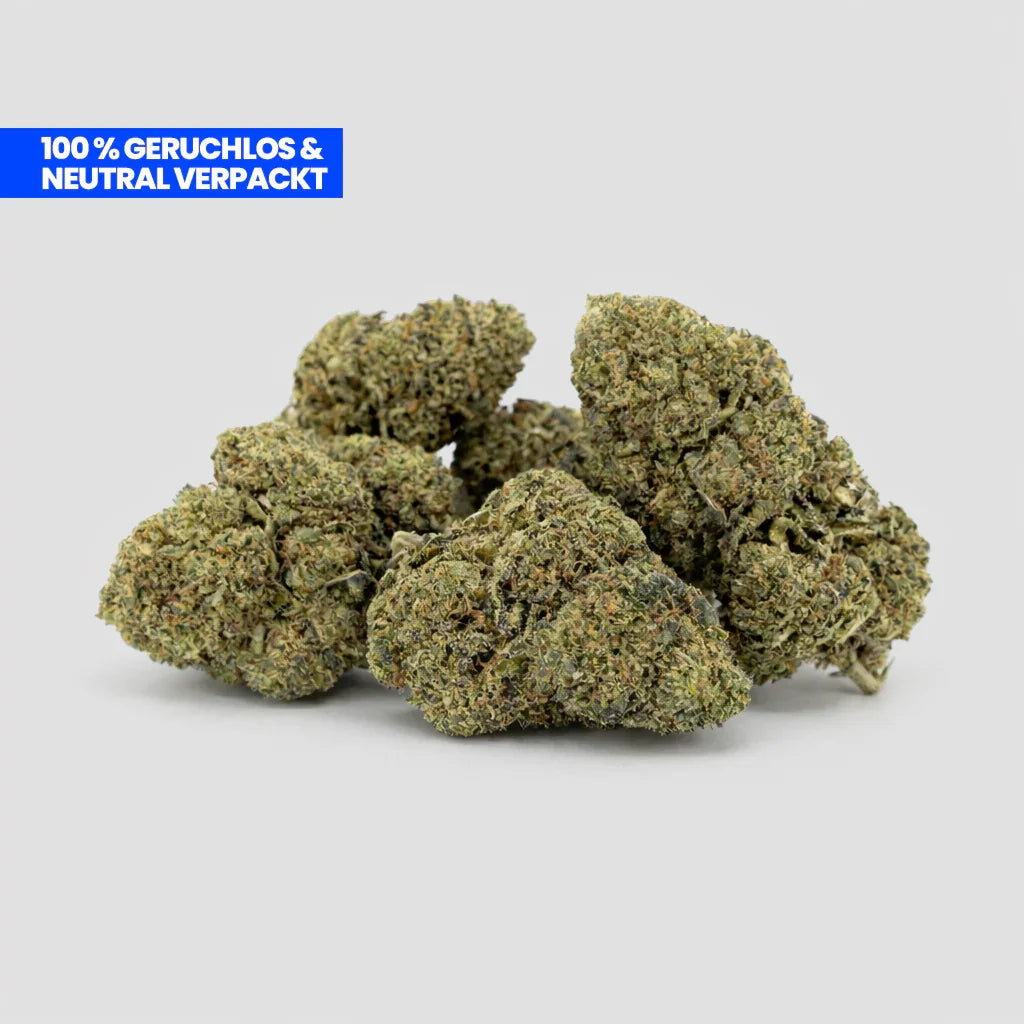
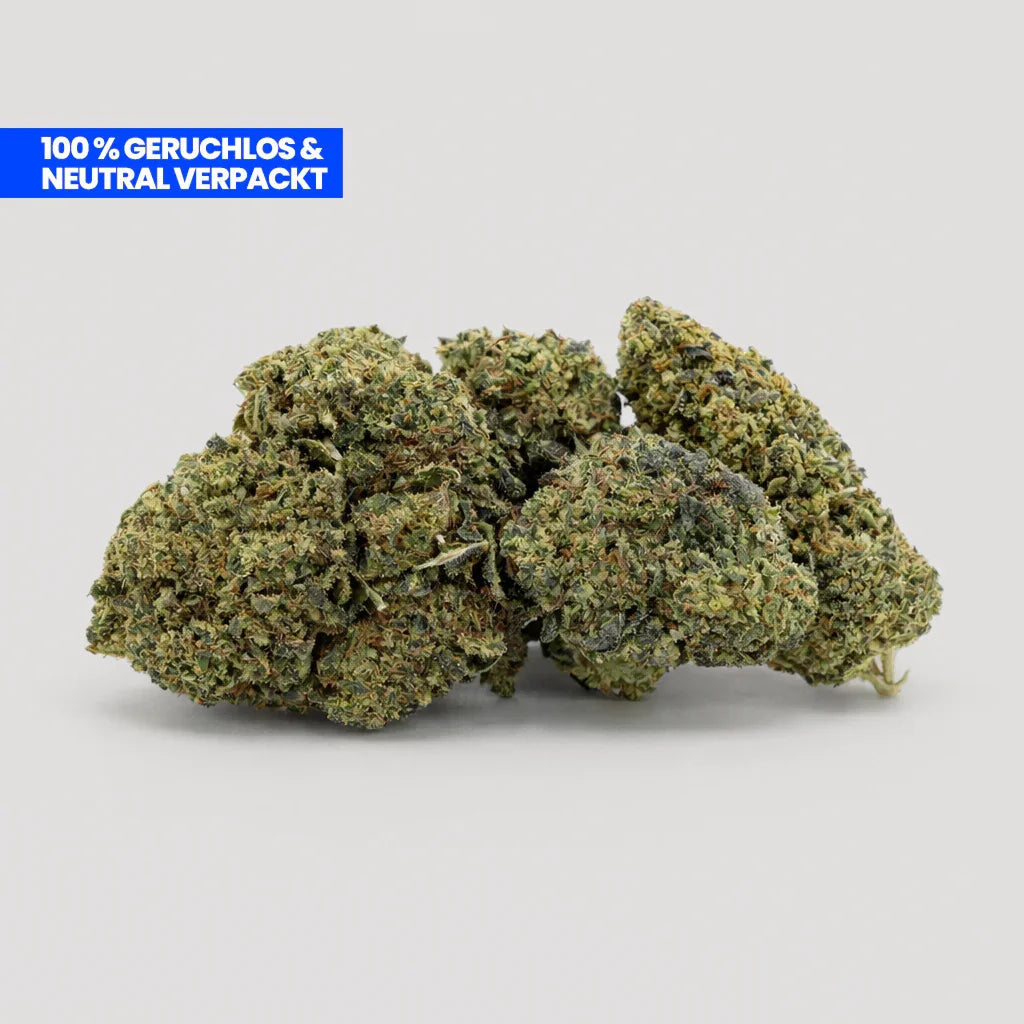
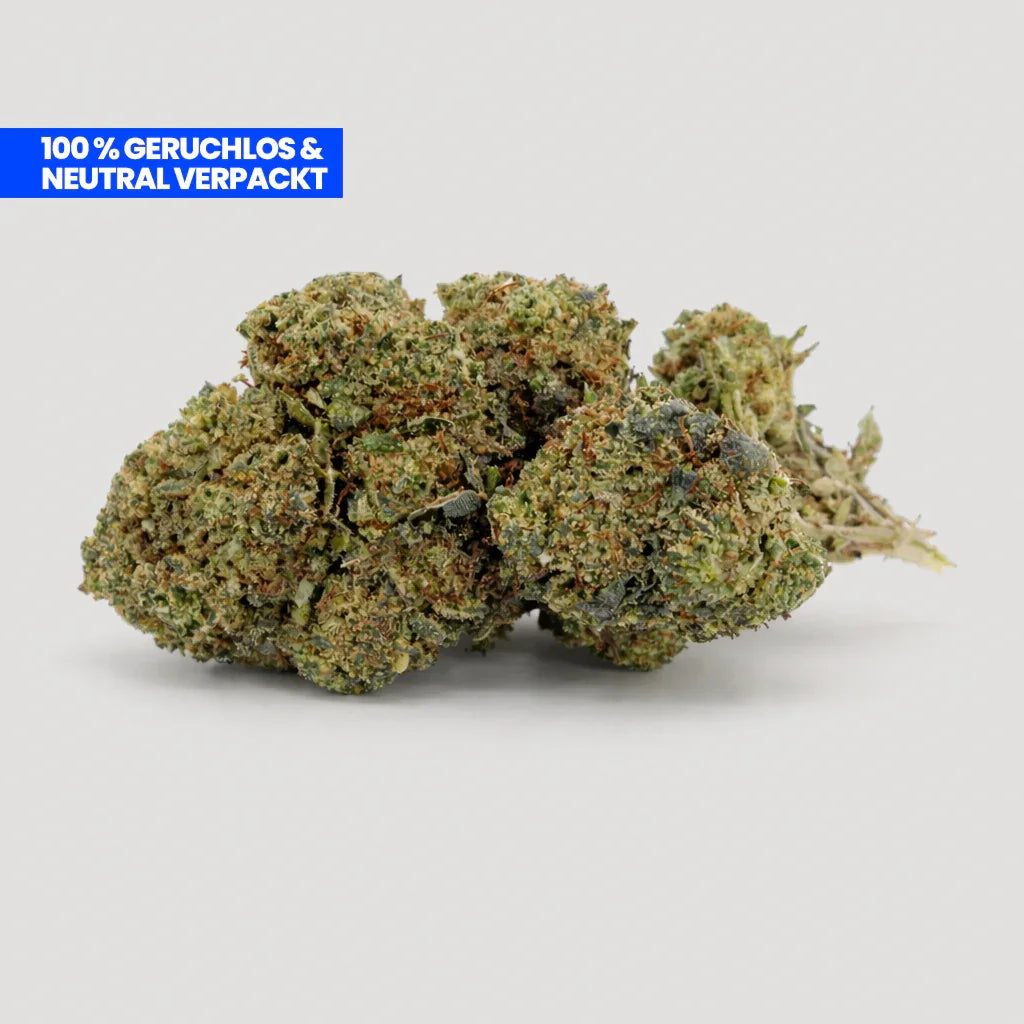
Bevor wir den Ofen anwerfen, lass uns kurz über die wichtigste Zutat reden: dein Cannabis. Die Qualität deiner Blüten hat einen riesigen Einfluss auf das Endergebnis. Achte darauf, dass du gut getrocknete, aromatische Blüten ohne jegliche Anzeichen von Schimmel verwendest.
Für den Anfang reicht eine kleine Menge völlig aus. Viele Einsteiger machen den Fehler, es direkt zu gut zu meinen und zu viel zu nehmen. Behalt einfach im Kopf:
- Starte mit wenig: Für deine erste Back-Session sind 1 bis 2 Gramm Blüten für ein ganzes Blech Kekse ein super sicherer Richtwert.
- Qualität vor Quantität: Lieber eine kleine Menge gutes Material als ein Haufen minderwertiges Zeug. Der THC-Gehalt ist später entscheidend für die Dosierung.
- Respektiere die Wirkung: Edibles wirken komplett anders als andere Konsumformen – oft intensiver und vor allem mit ordentlicher Zeitverzögerung.
Wichtiger Hinweis: Dieser Guide dient rein zu Aufklärungszwecken und richtet sich an einen verantwortungsvollen Umgang im gesetzlichen Rahmen. In Deutschland dürfen nur Produkte mit einem THC-Gehalt von unter 0,3 % verwendet werden. Wir geben keine Rechtsberatung und raten dir dringend, dich selbst über die aktuelle Gesetzeslage zu informieren.
Deine Grundausstattung fürs Backen
Du brauchst keine teure Profiküche, um loszulegen. Das meiste, was du benötigst, hast du wahrscheinlich schon in deinen Schubladen. Diese kleine Checkliste gibt dir einen schnellen Überblick.
Deine Grundausstattung fürs Backen Eine schnelle Checkliste der Utensilien, die du für die Zubereitung von Cannabis-Keksen wirklich brauchst.
| Arbeitsschritt | Benötigtes Equipment | Mein persönlicher Tipp |
|---|---|---|
| Zerkleinern | Grinder oder scharfes Messer | Ein Grinder ist Gold wert. Er sorgt für eine gleichmäßige Konsistenz, was bei der Aktivierung im Ofen enorm hilft. |
| Aktivieren | Backofen, Backblech, Backpapier | Ein günstiges Ofenthermometer ist eine super Investition. Damit stellst du sicher, dass die Temperatur wirklich exakt stimmt. |
| Infusion | Topf oder kleine Pfanne, feines Sieb, Tuch | Nimm ein Käsetuch oder einen Kaffeefilter zum Abseihen. So bekommst du auch kleinste Pflanzenreste raus und der Geschmack wird viel reiner. |
| Backen | Rührschüssel, Mixer/Löffel, Keksblech | Die Klassiker, die in keiner Küche fehlen dürfen. Hier brauchst du nichts Besonderes. |
Mit diesem Basiswissen bist du bestens gewappnet. Wir legen hier das Fundament für richtig leckere Cannabis-Kekse, bei denen du die Wirkung kontrollieren kannst, statt dich dem Zufall auszusetzen.
Wenn du noch tiefer in die Materie eintauchen und mehr über die Wirkung und Besonderheiten von Edibles erfahren willst, schau dir unbedingt auch unseren ausführlichen Guide zu Cannabis Edibles an. Im nächsten Schritt widmen wir uns jetzt dem wichtigsten Prozess von allen: der richtigen Decarboxylierung.
Erst die Aktivierung, dann das Vergnügen: So geht Decarboxylierung richtig
Bevor wir auch nur einen Gedanken an Teig verschwenden, kommt der wichtigste Schritt von allen: die Decarboxylierung. Klingt kompliziert, ist aber im Grunde nur kontrolliertes Erhitzen im Ofen. Dieser Schritt ist absolut entscheidend, denn er wandelt das nicht-psychoaktive THCA deiner Blüten in das aktive THC um. Ohne diesen Prozess bleiben deine Kekse einfach nur… Kekse.
Viele überspringen diesen Schritt und wundern sich, warum ihre Edibles keine Wirkung zeigen. Ohne die richtige Hitze bleibt dein Cannabis quasi „ausgeschaltet“. Stell es dir wie einen Schlüssel vor, der erst geschliffen werden muss, bevor er ins Schloss passt.
Temperatur und Zeit: Der schmale Grat zum Erfolg
Die größte Hürde bei der Decarboxylierung ist der perfekte Sweet Spot. Du brauchst genug Hitze, um das THCA zu aktivieren, aber nicht so viel, dass du die wertvollen Cannabinoide und Terpene (die für Aroma und die feinen Nuancen der Wirkung zuständig sind) einfach verbrennst. Das Problem? Die meisten Backöfen sind schockierend ungenau. Eine Einstellung von 120 °C kann in der Realität locker zwischen 110 °C und 130 °C schwanken.
Dein bester Freund hier ist ein simples Ofenthermometer. Das kostet nur ein paar Euro und gibt dir die volle Kontrolle. Es ist die beste Investition, um Frust und verschwendetes Material zu vermeiden.
Mein persönlicher Pro-Tipp: Setz auf die „Low-and-Slow“-Methode. Sie schont die Terpene, maximiert die Umwandlung von THCA zu THC und sorgt für ein rundes, volles Wirkungsprofil. Ich habe jahrelang damit experimentiert und erziele damit die mit Abstand besten Ergebnisse.
Die folgende Infografik gibt dir einen schnellen Überblick über den gesamten Vorbereitungsprozess, vom Zerkleinern bis zur fertigen Infusion.

Hier siehst du die drei Kernphasen auf einen Blick: erst das Mahlen der Blüten, dann die Hitze-Aktivierung und zum Schluss das Binden der Wirkstoffe an ein Fett deiner Wahl.
Die Low-and-Slow-Methode für maximale Potenz
Für diese Methode heizt du deinen Ofen auf exakt 110 °C bis 115 °C vor (Ober-/Unterhitze ist ideal). Zerkleinere deine Blüten mit einem Grinder nur grob – es sollte kein feines Pulver sein, sondern eher die Konsistenz von getrocknetem Oregano haben.
- Verteile das zerkleinerte Gras gleichmäßig auf einem Backblech, das du mit Backpapier ausgelegt hast.
- Forme aus Alufolie eine lockere Haube oder eine Art Zelt über dem Cannabis. Das hilft, die Hitze gleichmäßiger zu verteilen und die flüchtigen Terpene ein wenig einzufangen.
- Schieb das Blech für 30 bis 45 Minuten in den Ofen. Ungefähr zur Halbzeit kannst du das Blech vorsichtig schütteln, damit alles schön gleichmäßig durchgeröstet wird.
Du weißt, dass du fertig bist, wenn die Blüten eine leicht geröstete, goldbraune Farbe haben und deine Küche herrlich nach gerösteten Nüssen und… nun ja, Cannabis duftet. Willst du noch tiefer in die Materie eintauchen? Dann schau dir unbedingt unseren ausführlichen Guide zur perfekten Cannabis-Decarboxylierung an.
Wie du den Geruch beim Decarboxylieren in den Griff bekommst
Apropos Geruch: Die Decarboxylierung ist alles andere als diskret. Der intensive Duft kann sich schnell in der ganzen Wohnung festsetzen. Hier sind meine bewährten Tricks, um das Aroma unter Kontrolle zu halten:
- Die Einmachglas-Methode: Fülle deine zerkleinerten Blüten in ein hitzebeständiges Einmachglas, schließe den Deckel nur locker (nicht fest zudrehen!) und stelle das Glas auf das Backblech. Das fängt einen Großteil des Geruchs ab.
- Der Bratschlauch-Trick: Alternativ funktioniert auch ein Bratschlauch. Fülle das Material hinein, verschließe ihn an beiden Enden und lege ihn direkt aufs Blech.
- Lüften ist alles: Fenster auf, Dunstabzugshaube auf die höchste Stufe und für ordentlich Durchzug sorgen. So einfach, so effektiv.
Für absolute Perfektionisten gibt es noch die Sous-Vide-Methode. Dabei wird das vakuumversiegelte Cannabis in einem Wasserbad erhitzt, was maximale Präzision und quasi null Geruch bedeutet. Das erfordert aber spezielle Geräte und ist eher etwas für Enthusiasten, die ihr Cannabis Kekse backen auf das nächste Level heben wollen. Mit der Ofenmethode und den genannten Tipps bist du aber für den Anfang bestens aufgestellt.
Die Wirkstoffe ins Fett bringen: Cannabutter oder Cannabisöl
Okay, die harte Arbeit der Decarboxylierung ist geschafft, deine Blüten sind aktiviert. Jetzt kommt der wirklich spannende Teil: die Infusion. Wir müssen die aktivierten Cannabinoide – allen voran das THC – an ein Fett binden. Warum? Ganz einfach: THC ist fettlöslich (lipophil) und hasst Wasser. Ohne ein fettes Trägermedium wie Butter oder Öl würden die Wirkstoffe einfach durch deinen Körper rauschen, ohne je anzukommen.

Die beiden gängigsten Methoden sind die gute alte Cannabutter und das etwas modernere Cannabis-Öl. Beide funktionieren super, haben aber ihre eigenen kleinen Vor- und Nachteile. Lass uns mal schauen, was für dich am besten passt.
Butter oder Öl – was kommt in deine Kekse?
Die Entscheidung hängt eigentlich nur von deinem persönlichen Geschmack und dem Rezept ab, das du im Kopf hast. Cannabutter ist der absolute Klassiker, die erste Wahl für traditionelle Keksrezepte. Ihr kleiner Wasseranteil von ca. 15-20 % ist übrigens kein Nachteil – er kann beim Backen sogar helfen, die Temperatur im Teig etwas zu puffern und das wertvolle THC vor zu viel Hitze zu schützen.
Cannabis-Öl, allen voran Kokosöl, ist eine geniale Alternative. Es ist die Rettung für alle veganen Backprojekte und oft deutlich länger haltbar. Außerdem ist Kokosöl vollgepackt mit gesättigten Fettsäuren. Die sind quasi die perfekten Taxis für Cannabinoide und sorgen für eine extrem effiziente Infusion.
Hier ein schneller Überblick, der dir bei der Wahl hilft:
| Eigenschaft | Cannabutter | Cannabis-Öl (z.B. Kokosöl) |
|---|---|---|
| Geschmack | Cremig, butterig – perfekt für klassisches Gebäck. | Eher neutral bis leicht nussig, super vielseitig. |
| Vielseitigkeit | Ideal für Kekse und Brownies, aber auch super auf Toast. | Top für Backwaren, aber auch für Gummibärchen oder Kapseln. |
| Vegan? | Nein (außer du greifst zu einer veganen Alternative). | Ja, die beste pflanzliche Option. |
| Haltbarkeit | Hält sich im Kühlschrank etwa 2-3 Wochen. | Bleibt im Kühlschrank locker mehrere Monate frisch. |
| Effizienz | Gute Infusion, aber das Wasser löst keine Cannabinoide. | Sehr hohe Effizienz, danke der gesättigten Fettsäuren. |
Am Ende gibt es kein klares „Besser“ oder „Schlechter“. Es kommt wirklich darauf an, was du vorhast. Für das klassische Cannabis Kekse backen greifen die meisten zur Butter, während Öl dir mehr Freiheiten für andere Experimente lässt.
So gelingt dir die perfekte Infusion
Egal ob Butter oder Öl, das Grundprinzip ist dasselbe: langsam und schonend erhitzen. Wir wollen die Cannabinoide sanft aus dem Pflanzenmaterial locken und im Fett einfangen, ohne sie durch zu hohe Temperaturen gleich wieder zu zerstören.
Was du dafür brauchst:
- Dein vorbereitetes, decarboxyliertes Cannabis
- 250 g Butter oder 250 ml Kokosöl (oder ein anderes gutes Pflanzenöl)
- Ein Topf oder eine tiefe Pfanne
- Ein feines Sieb und ein Käsetuch (zur Not tut's auch ein Kaffeefilter)
Die wichtigste Regel ist: niedrige Hitze und viel Geduld. Eine Temperatur zwischen 70 °C und 90 °C ist dein Ziel. Alles, was deutlich darüber liegt, fängt an, das THC und die leckeren Terpene zu zersetzen.
Mein persönlicher Tipp: Hol dir ein billiges Küchenthermometer. Das Ding kostet fast nichts und nimmt das ganze Rätselraten aus dem Prozess. Du siehst genau, ob du im perfekten Temperaturbereich bist und läufst nicht Gefahr, deine ganze Vorarbeit aus der Decarboxylierung zu ruinieren.
Lass die Butter oder das Öl also ganz entspannt bei niedriger Hitze schmelzen. Dann gibst du dein zerkleinertes, aktiviertes Cannabis dazu und rührst alles gut unter. Die Mischung darf jetzt für mindestens 2 bis 3 Stunden ganz sanft vor sich hin simmern – auf keinen Fall kochen oder wild blubbern lassen. Ab und zu mal umrühren, damit sich die Wirkstoffe gleichmäßig verteilen.
Filtern wie ein Profi – für sauberen Geschmack
Nachdem die Zeit um ist, kommt der Schritt, der gute von großartigen Edibles trennt: das Filtern. Niemand hat Bock, auf kratzigen Pflanzenresten herumzubeißen. Also trennen wir jetzt das flüssige Gold vom ausgelaugten Grünzeug.
Spann ein Käsetuch oder ein paar Lagen Mullbinde über ein feines Sieb und stell das Ganze auf eine hitzebeständige Schüssel. Gieß die noch warme Mischung langsam durch das Tuch und lass die Flüssigkeit einfach durchtropfen.
Der häufigste Fehler hierbei? Das Tuch mit aller Kraft auszuwringen. Bitte nicht! Damit presst du nur bitteres Chlorophyll und anderen Pflanzenschmodder ins Fett, was den Geschmack deiner Kekse komplett versaut. Ein leichtes Andrücken mit dem Löffelrücken ist okay, aber widerstehe dem Drang, den letzten Tropfen herauszuquetschen.
Deine fertige Cannabutter oder dein Öl hat jetzt eine schöne grünliche bis goldbraune Farbe. Lass alles abkühlen und füll es dann in ein sauberes, luftdichtes und klar beschriftetes Glas. Ab in den Kühlschrank damit!
Wenn du noch tiefer in die verschiedenen Infusionsmethoden eintauchen willst, schau dir unbedingt unseren ausführlichen Guide zur Herstellung von Cannabutter an. Da gibt’s noch mehr Expertentipps.
Die richtige Dosierung? Dein Ticket für ein entspanntes Erlebnis
So, jetzt mal Butter bei die Fische – wir kommen zum wichtigsten Punkt beim Cannabis Kekse backen: der Dosierung. Genau hier entscheidet sich, ob du eine geniale, entspannte Zeit hast oder eine Erfahrung machst, die du am liebsten direkt wieder vergessen würdest. Die goldene Regel, die du dir am besten tätowieren lässt: Starte niedrig und warte ab!
Anders als beim Rauchen oder Vapen nehmen Edibles den Umweg über deinen Magen und die Leber. Das hat zwei entscheidende Folgen: Die Wirkung kickt deutlich später – oft erst nach 30 bis 90 Minuten – und sie ist in der Regel viel intensiver und hält länger an. Ungeduld ist hier dein absoluter Endgegner.
Wie viel THC steckt wirklich in meinen Keksen? Eine Schätzung für die Praxis
Ganz ehrlich: Ohne Laboranalyse ist die genaue Potenz deiner Kekse reine Spekulation. Aber keine Sorge, wir können uns mit einer simplen Formel behelfen, um zumindest eine grobe Hausnummer zu bekommen. Das gibt dir eine Ahnung, wie stark ein einzelner Keks ungefähr sein könnte.
Die Formel ist ganz einfach: (Menge Cannabis in Gramm x THC-Gehalt in %) x 1000 = Gesamt-THC in mg
Machen wir das mal an einem Beispiel fest:
- Du nimmst 1 Gramm Cannabis mit einem geschätzten THC-Gehalt von 15 %.
- Die Rechnung lautet: (1 g x 0,15) x 1000 = 150 mg THC in deiner gesamten Butter oder deinem Öl.
Wenn du aus diesem Teig jetzt 30 Kekse formst, teilst du das Ganze einfach auf:
- 150 mg THC / 30 Kekse = 5 mg THC pro Keks.
Wichtig: Das ist und bleibt eine Schätzung! Bei der Decarboxylierung und der Infusion geht immer ein bisschen Wirkstoff flöten, aber die Formel gibt dir einen super Anhaltspunkt.
Mein größter Anfängerfehler, ganz ehrlich: Ich wurde nach 45 Minuten ungeduldig, weil ich "nichts gespürt" habe, und hab direkt nachgelegt. Genau in dem Moment, als der zweite Keks zu wirken begann, hat auch der erste voll eingesetzt. Das Ergebnis? Alles andere als entspannt. Gib deinem Körper Zeit – mindestens 90 Minuten, besser sogar zwei volle Stunden –, bevor du auch nur drüber nachdenkst, noch einen zu nehmen.
Dosierung für Einsteiger und die goldenen Regeln
Für alle, die neu in der Welt der Edibles sind oder eine niedrige Toleranz haben: Eine Dosis von 2,5 mg bis 5 mg THC ist perfekt, um sich langsam heranzutasten. Selbst erfahrene Konsumenten finden, dass 10 mg THC bei Edibles schon eine ordentliche Ansage sind.
Die folgende Tabelle gibt dir eine grobe Orientierung, wie sich verschiedene Mengen auf die Dosis pro Keks auswirken können.
Dosierungsbeispiele für Einsteiger (Schätzwerte) Eine grobe Orientierung für die Dosierung pro Keks, basierend auf dem THC-Gehalt und der Menge der Blüten.
| THC-Gehalt (Blüten) | Verwendete Menge | Anzahl der Kekse | Geschätztes THC pro Keks |
|---|---|---|---|
| 10 % | 1 Gramm | 25 Stück | ca. 4 mg |
| 15 % | 1 Gramm | 30 Stück | ca. 5 mg |
| 15 % | 2 Gramm | 40 Stück | ca. 7,5 mg |
| 20 % | 1 Gramm | 40 Stück | ca. 5 mg |
Diese Zahlen sind eine super Starthilfe, aber vergiss nie, dass die Wirkung von vielen persönlichen Faktoren abhängt:
- Deine Toleranz: Jeder Körper tickt anders. Was für den einen kaum spürbar ist, kann für den anderen schon zu viel sein.
- Dein Mageninhalt: Auf leeren Magen wirkt es meist schneller und intensiver.
- Dein Stoffwechsel: Auch der spielt eine riesige Rolle dabei, wie schnell und stark die Wirkung einsetzt.
Der sicherste Weg ist, mit einem halben Keks anzufangen und geduldig zu sein. Lerne über mehrere Versuche deine persönliche Wohlfühldosis kennen. In unserem persönlichen Guide zur Edible-Dosierung gehen wir noch viel tiefer auf die Details und Fallstricke ein. Edibles sollen schließlich eine verlässliche Quelle der Entspannung sein, kein unkontrollierbares Abenteuer. Nimm dir die Zeit, deinen Körper und seine Reaktionen kennenzulernen.
Das ultimative Rezept für deine Cannabis Kekse

Okay, das flüssige Gold ist fertig. Deine Cannabutter (oder dein Öl) steht bereit und du fragst dich: Und jetzt? Jetzt kommt der beste Teil – wir backen endlich die legendären Cannabis Kekse.
Vergiss komplizierte Anleitungen. Ich zeige dir hier mein Go-to-Rezept, das immer funktioniert. Es ist super einfach und das Ergebnis ist genau das, was du willst: klassische Chocolate Chip Cookies, die außen knusprig, innen weich und einfach perfekt sind, um die Wirkung entspannt auf sich zukommen zu lassen.
Die Zutaten für deine perfekten Kekse
Wir backen hier keine Hexenküche, sondern einen einfachen, aber genialen Keksteig. Der einzige Twist: Wir tauschen normale Butter gegen deine frisch infundierte Kreation.
- 125 g deiner Cannabutter (oder Cannabis-Kokosöl), schön weich bei Raumtemperatur
- 150 g brauner Zucker (der Trick für saftige Kekse mit Karamell-Note!)
- 50 g weißer Zucker
- 1 großes Ei
- 1 TL Vanilleextrakt
- 225 g Weizenmehl (Typ 405 ist Standard, 550 geht auch)
- 1/2 TL Backpulver
- 1/2 TL Natron
- Eine kräftige Prise Salz
- 200 g dunkle Schokostückchen oder grob gehackte Schokolade
Mein Pro-Tipp, den du nicht überspringen solltest: Kühl den fertigen Teig für mindestens 30 Minuten. Das verhindert, dass die Kekse im Ofen zu flachen Fladen zerlaufen und sorgt für diese geile, dichte Textur. Ernsthaft, dieser simple Schritt macht einen riesigen Unterschied.
Schritt für Schritt zum Keks-Glück
Jetzt wird’s entspannt. Das Backen selbst ist kinderleicht. Wenn du dich an diese paar Schritte hältst, kann eigentlich nichts mehr schiefgehen.
Erst mal die Vorbereitung: Heiz den Ofen auf 175 °C Ober-/Unterhitze vor und leg ein Backblech mit Backpapier bereit. In einer kleinen Schüssel mischst du schon mal Mehl, Backpulver, Natron und Salz.
Cremig rühren: In einer großen Schüssel schlägst du jetzt deine weiche Cannabutter zusammen mit dem braunen und weißen Zucker richtig schön cremig auf. Das dauert ein paar Minuten, aber die Mischung sollte am Ende hell und luftig sein.
Die nassen Zutaten: Klatsch das Ei und den Vanilleextrakt dazu und rühr alles kurz unter, bis es eine glatte Masse ist.
Trocken trifft nass: Gib jetzt die Mehlmischung dazu. Wichtig: Rühre nur so lange, bis sich alles gerade so zu einem Teig verbindet. Zu langes Kneten macht die Kekse zäh und das will niemand.
Das Schoko-Finale: Heb die Schokostückchen vorsichtig unter. Jetzt kommt der Teig für die besagte halbe Stunde in den Kühlschrank.
Formen und ab in den Ofen: Mit zwei Teelöffeln oder einem Eisportionierer formst du walnussgroße Kugeln. Setz sie mit ordentlich Abstand zueinander auf das Backblech, die laufen noch etwas auseinander. Dann schiebst du sie für 10–12 Minuten in den Ofen. Die Ränder sollten goldbraun sein, die Mitte darf aber noch weich aussehen – die ziehen noch nach.
Geduld beim Abkühlen: Lass die Kekse nach dem Backen noch ein paar Minuten auf dem heißen Blech liegen. Danach hebst du sie vorsichtig auf ein Kuchengitter, damit sie komplett auskühlen können.
Geschmack tunen und den Cannabis-Vibe verstecken
Seien wir ehrlich: Der erdige Geschmack von Cannabis ist nicht immer ein Highlight. Aber keine Sorge, den kriegen wir gut in den Griff. Kräftige Aromen sind hier deine besten Freunde.
- Dunkle Schokolade: Ist nicht ohne Grund im Rezept. Ihre Bitternoten überdecken den Cannabis-Geschmack extrem gut.
- Nüsse: Gehackte Walnüsse oder Pekannüsse bringen nicht nur Crunch, sondern auch ein starkes Eigenaroma mit, das super harmoniert.
- Gewürze: Spiel ein bisschen rum! Eine Prise Zimt, etwas Kardamom oder der Abrieb einer Bio-Orange können geschmackliche Wunder wirken.
- Andere Fette: Falls du Cannabis-Öl statt Butter nimmst, versuch’s mal mit unraffiniertem Kokosöl. Die exotische Note passt oft überraschend gut zum Hanf-Aroma.
Du hast jetzt das Grundrezept gemeistert und willst mehr? In unserem ultimativen Guide für Edible-Rezepte findest du noch mehr Inspiration, zum Beispiel für Brownies oder Gummibärchen. Sieh diese Anleitung als deine Leinwand – jetzt bist du dran, kreativ zu werden und dein eigenes Meisterwerk zu backen.
Die häufigsten Fragen rund um Cannabis Kekse
Selbst mit der besten Anleitung tauchen beim Backen fast immer noch ein paar Fragen auf. Das ist absolut normal, denn das Thema Cannabis Kekse hat seine eigenen kleinen Tücken. Hier habe ich die häufigsten Stolpersteine und Unsicherheiten gesammelt, die mir immer wieder begegnen – kurz und knackig beantwortet, damit du entspannt und sicher loslegen kannst.
Wie lagere ich Cannabis Kekse richtig und wie lange sind sie haltbar?
Deine selbstgebackenen Schätze sind, genau wie normale Kekse, nicht für die Ewigkeit gemacht. Richtig gelagert halten sie sich aber locker 1 bis 2 Wochen. Der Trick ist ein luftdichter Behälter an einem kühlen, dunklen Ort. Deine Speisekammer ist dafür perfekt, der Kühlschrank geht natürlich auch.
Willst du sie länger aufbewahren, friere sie einfach ein. So bleiben sie über Monate frisch und potent, ohne an Wirkung zu verlieren.
Sicherheit hat oberste Priorität: Beschrifte den Behälter unmissverständlich. Ein Aufkleber wie „Vorsicht, Cannabis Kekse!“ mit dem Datum und der ungefähren Dosis pro Stück ist Pflicht. Lagere sie absolut unzugänglich für Kinder, Haustiere oder ahnungslose Mitbewohner. Das ist keine nette Empfehlung, sondern ein absolutes Muss.
Meine Kekse wirken nicht – was ist schiefgelaufen?
Das ist der frustrierendste Moment überhaupt und hat fast immer eine von drei ziemlich einfachen Ursachen. Lass uns das mal durchgehen:
- Fehler bei der Decarboxylierung: Das ist der Klassiker. Wenn dein Gras nicht heiß genug oder zu kurz im Ofen war, konnte das inaktive THCA nicht in psychoaktives THC umgewandelt werden. Ergebnis: ein leckerer, aber wirkungsloser Keks.
- Probleme bei der Infusion: Auch hier kann was schiefgehen. War die Temperatur bei der Herstellung deiner Cannabutter zu niedrig oder die Ziehzeit zu kurz? Dann haben sich nicht genug Wirkstoffe an das Fett gebunden.
- Timing und ein voller Magen: Hast du die Kekse direkt nach einer großen, fettigen Mahlzeit gegessen? Das kann die Aufnahme der Wirkstoffe im Körper stark verlangsamen oder sogar abschwächen. Manchmal dauert es dann einfach deutlich länger, als du erwartest.
Geh diese drei Punkte nochmal durch. Meistens findest du den Fehler im Prozess und weißt genau, was du beim nächsten Mal anders machen musst.
Wie werde ich den starken Cannabis-Geschmack los?
Nicht jeder feiert das erdige, manchmal recht dominante Aroma von Cannabis im Gebäck. Zum Glück lässt sich dieser Geschmack ziemlich gut in den Hintergrund drängen, wenn man weiß, wie. Das Geheimnis sind starke Aromen, die als Gegenspieler auftreten.
Meine persönlichen Favoriten dafür sind:
- Kräftige Schokolade: Dunkle Schokolade oder ein Löffel extra Backkakao im Teig sind absolute Meister im Überdecken.
- Erdnussbutter: Der intensive, nussige Geschmack von Erdnussbutter harmoniert super und übernimmt schnell die Führung.
- Starke Gewürze: Eine ordentliche Prise Zimt, etwas Muskatnuss oder Kardamom können Wunder wirken und dem Keks eine ganz neue Note geben.
- Kaffee: Ein Teelöffel Instant-Espressopulver verstärkt nicht nur den Schokogeschmack, sondern schiebt auch das Cannabis-Aroma elegant zur Seite.
Ein weiterer Profi-Trick ist das „Waschen“ deiner Cannabutter. Dafür mischst du die fertige, noch flüssige Butter mit der gleichen Menge Wasser, lässt alles im Kühlschrank aushärten und gießt das Wasser danach einfach ab. Das Wasser zieht viele bittere Pflanzenstoffe wie Chlorophyll raus, was den Geschmack deutlich milder macht.
Was sagt das Gesetz in Deutschland zum Backen von Cannabis Keksen?
Dieser Punkt ist super wichtig und sorgt oft für Unsicherheit. Daher direkt vorab der Hinweis: Das hier ist keine Rechtsberatung. Informiere dich immer selbst über die aktuell gültigen Gesetze.
Durch die Teil-Legalisierung in Deutschland sind der private Besitz und der Eigenanbau von Cannabis für den persönlichen Konsum unter klaren Auflagen erlaubt. Das schließt im Prinzip auch die Weiterverarbeitung zu Edibles wie Keksen für den reinen Eigenbedarf mit ein.
Was du aber unbedingt auf dem Schirm haben musst:
- Die Weitergabe oder der Verkauf von selbstgemachten Cannabis-Edibles an andere ist strikt verboten.
- Der Schutz von Minderjährigen hat höchste Priorität. Jede Abgabe an sie ist eine schwere Straftat.
- Halte dich penibel an die erlaubten Besitzmengen für Cannabis.
Verantwortungsvoller Umgang heißt, die Spielregeln zu kennen und zu respektieren. Backe nur für dich und stell sicher, dass niemand sonst versehentlich an deine Kekse gelangt.
Bereit, mit Zutaten loszulegen, bei denen Qualität und Transparenz an erster Stelle stehen? Bei Happy Flower findest du alles für dein nächstes Back-Abenteuer – mit dem Versprechen, dass wir nichts verkaufen, was wir nicht auch selbst nutzen würden. Entdecke unser Sortiment und starte dein nächstes Küchenprojekt auf https://happyflower.io.
🍪 Edibles bei Happyflower entdecken
Laborgeprüft · Diskret versandt · ⭐ 4,6/5 (750+ Bewertungen)
Jetzt Edibles ansehen →


Share:
Afghan Hasch vs. Dry Sift – Was ist der Unterschied?
Der ultimative Guide zur Bubble Hash Maschine für 2026