
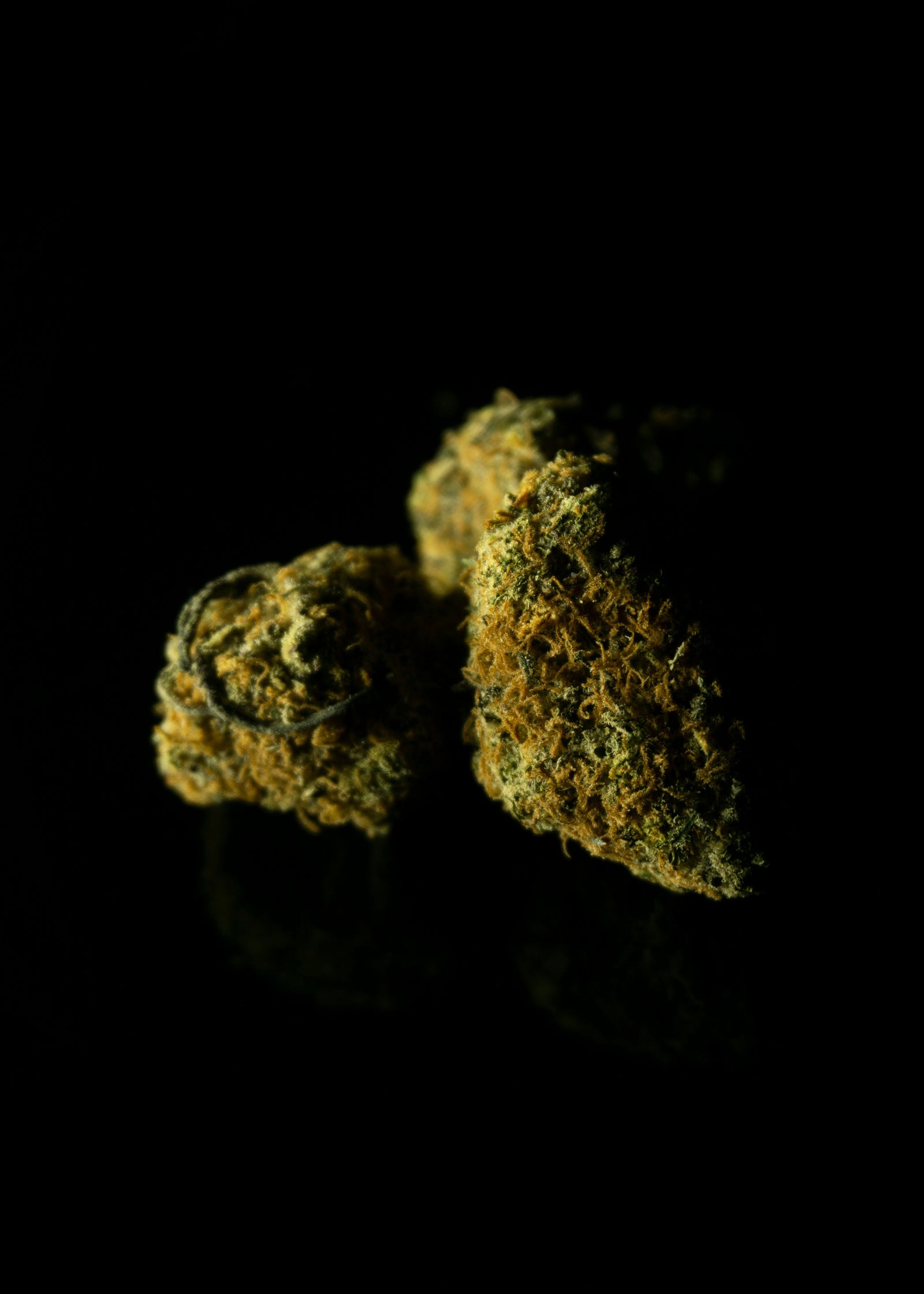
Cannabinoide können komplex sein, doch kaum ein Begriff sorgt für so viel Stirnrunzeln wie 9H-THC. Der Name klingt täuschend vertraut: Er erinnert an Delta-9-THC, den primären psychoaktiven Stoff der Cannabispflanze. Viele Konsumenten gehen deshalb davon aus, dass 9H-THC eine besondere oder veränderte Form von THC ist – vielleicht stärker, vielleicht milder, vielleicht „legal“. Tatsächlich bezeichnet die chemische Bezeichnung 9H-THC jedoch kein psychoaktives Cannabinoid, sondern eine nomenklatorische Strukturform, die in der Literatur für verschiedene inaktive Grundformen von THC verwendet wird, meist vor einer Doppelbindungsverschiebung.
Damit wird sofort klar: 9H-THC ist kein konsumrelevantes Cannabinoid, kein Trendstoff, kein neues High und kein Produkt, das auf dem Cannabinoidmarkt wie CBD, HHC, PHC oder 10-OH-HHC auftaucht. Stattdessen handelt es sich um einen chemischen Sammelbegriff, der den Zustand eines Moleküls beschreibt, bevor es in seine aktiven Isomere wie Delta-9-THC oder Delta-8-THC übergeht. Genau deshalb taucht der Begriff in wissenschaftlichen Artikeln auch als temporäre Zwischennotation auf – nicht als Substanz, die Du konsumieren könntest.
Doch warum existiert dieser Begriff überhaupt? War 9H-THC je relevant? Wie unterscheidet es sich biochemisch von bekannten Cannabinoiden? Und warum wird es manchmal dennoch in Foren oder Shops erwähnt?
Dieser Artikel bietet eine präzise, wissenschaftlich fundierte Erklärung, räumt Mythen aus und ordnet 9H-THC korrekt ein – biochemisch, pharmakologisch, rechtlich.


Key Takeaways
- 9H-THC ist kein konsumierbares Cannabinoid, sondern eine chemische Strukturbezeichnung ohne psychoaktive Wirkung.
- Es bindet nicht an CB1-Rezeptoren und zeigt daher keinerlei typische THC-Effekte wie Rausch, Entspannung oder Euphorie.
- 9H-THC ist nicht Delta-9-THC – trotz ähnlichem Namen bestehen große chemische und pharmakologische Unterschiede.
- Rechtlich ist 9H-THC unproblematisch, da es weder psychoaktiv ist noch in aktive THC-Isomere umgewandelt werden kann.
- Produkte mit angeblichem 9H-THC sind meist falsch gelabelt, da der Stoff im Markt keine Rolle spielt.
- 9H-THC kommt nicht natürlich in wirksamen Mengen vor und wird in der Forschung nur als theoretische oder strukturelle Zwischenform erwähnt.
- Für Konsumenten irrelevant: Wer nach echten Effekten sucht, muss auf aktive Cannabinoide wie CBD, HHC, 10-OH-HHC, PHC oder klassische THC-Isomere zurückgreifen.
- 1. Key Takeaways
- 2. Die chemische Grundlage von 9H-THC
- 3. Wie wirkt 9H-THC?
- 4. Warum verwechseln Menschen 9H-THC mit Delta-9-THC?
- 5. Unterschied zu anderen Cannabinoiden
- 6. Rechtliche Lage von 9H-THC
- 7. Risiken und Sicherheit
- 8. Warum 9H-THC nicht als Produkt auf dem Markt erscheint
- 9. Was Konsumenten über 9H-THC unbedingt wissen sollten
- 10. Frequently asked questions (FAQs)
Die chemische Grundlage von 9H-THC
Einordnung in die THC-Nomenklatur
In der Chemie werden Moleküle oft über die Stellung bestimmter Atome und Doppelbindungen benannt. Bei THC-Molekülen ist die Lage der Doppelbindung im Cyclohexenring entscheidend:
- Delta-9-THC: Doppelbindung zwischen C9 und C10
- Delta-8-THC: Doppelbindung zwischen C8 und C9
- Delta-10-THC: Doppelbindung im anderen Ringsegment
- Delta-6a(10a)-THC: weiteres seltenes Isomer
Wenn jedoch keine Doppelbindung beschrieben werden soll, weil sie entweder nicht vorhanden ist oder irrelevant für die Darstellung ist, wird der Begriff „9H“ verwendet. Bedeutet:
9H-THC ist eine Bezeichnung für die gesättigte Grundstruktur, in der am C9-Atom ein Wasserstoff sitzt, nicht eine Doppelbindung.
Diese Struktur ist nicht psychoaktiv, weil ihr die typische Ring-Elektronenkonfiguration fehlt, die THC mit den CB1-Rezeptoren verbindet.
Viele Chemiker verwenden diese Bezeichnung ausschließlich zur Darstellung des „Basisskeletts“, ähnlich wie bei Prototypen eines Moleküls, die später in aktive Isomere überführt werden.
Wie 9H-THC in der Literatur auftaucht
9H-THC erscheint typischerweise in drei Kontexten:
- Theoretische Modellierung von THC-Isomeren
- Synthesewege, bei denen kurzzeitig ein 9H-Zustand beschrieben wird
- Strukturformeln, die die Benennung vereinheitlichen sollen
Nie jedoch als eigenständige, konsumierbare Substanz.
Keine Bindung an Rezeptoren
Psychoaktive Cannabinoide wirken, weil sie:
- eine bestimmte räumliche Form besitzen
- eine Doppelbindung am richtigen Ort haben
- eine passende elektronische Dichte aufweisen
Nur so docken sie effektiv an CB1-Rezeptoren im Gehirn an.
Da 9H-THC diese Strukturmerkmale nicht erfüllt, kann es keine psychoaktiven Effekte auslösen.

Wie wirkt 9H-THC?
Kurze Antwort: gar nicht.
Lange Antwort: Die Grundform 9H-THC ist pharmakologisch inaktiv, weil ihr die Merkmale fehlen, die psychoaktive THC-Isomere auszeichnen.
Warum keine Wirkung?
-
Kein passender stereochemischer Schlüssel
Die Molekülgeometrie passt nicht in den CB1-Rezeptor. -
Fehlende Stabilität
9H-Konfigurationen neigen dazu, in andere Formen überzugehen, wenn sie unter Hitze oder in Lösungsmitteln stehen. -
Fehlende Lipid-Rezeptor-Interaktion
Psychoaktive Cannabinoide müssen fettlöslich und receptor-aktiv sein. 9H-THC verhält sich beim Transport im Körper neutral.
Keine dokumentierten psychoaktiven Effekte
Bis heute enthält keine pharmakologische Studie Hinweise, dass 9H-THC:
- Bewusstsein verändert
- Schmerzen lindert
- Entzündungen beeinflusst
- psychoaktive Symptome verstärkt oder abschwächt
Es existiert nicht als Wirkstoff im Körper und nicht in natürlichen Cannabispflanzen, zumindest nicht in relevanten Mengen.

Warum verwechseln Menschen 9H-THC mit Delta-9-THC?
Der Grund ist simpel: Die Namen ähneln sich extrem.
Viele Konsumenten interpretieren „9H“ als:
- eine neue, synthetische Form von THC
- eine besonders starke Variante
- eine legale Alternative zu Delta-9
Doch diese Annahmen sind falsch.
Shop- oder Foren-Fehler
In manchen Ländern taucht der Begriff in:
- falsch übersetzten Produktbeschreibungen
- automatischen Nomenklaturen
- Fehlklassifizierungen bei Laboranalysen
Beispiel: Wenn ein Labor ein unreines oder undefiniertes THC-Derivat findet und nicht weiß, welches Isomer vorliegt, taucht in seltenen Fällen „9H-THC“ in Datenbanken als Fallback-Bezeichnung auf.
Das führt zu Missverständnissen – besonders in Online-Communities.
Unterschied zu anderen Cannabinoiden
9H-THC vs. HHC
- HHC ist hydriert (gesättigt), aber psychoaktiv
- 9H-THC fehlt die nötige räumliche Struktur
- HHC bindet schwach bis moderat an CB1
- 9H-THC bindet gar nicht
9H-THC vs. 10-OH-HHC, PHC, CBD
Diese modernen Cannabinoide weisen:
- definierte Rezeptorbindung
- konsistente Konsumeffekte
- dokumentierbare pharmakologische Profile
auf, während 9H-THC nicht als psychoaktiver Wirkstoff fungiert.


Rechtliche Lage von 9H-THC
Da 9H-THC keine konsumrelevante Substanz ist, wird es rechtlich selten eigenständig behandelt.
Deutschland
9H-THC fällt in Deutschland nicht unter das BtMG, weil es kein psychoaktives THC-Isomer ist.
Aber:
Wenn ein Stoff in Delta-9 umgewandelt werden kann, wäre er rechtlich relevant. 9H-THC ist dazu nicht in der Lage. Somit besteht kein BtMG-Bezug.
EU-weit
Ähnliche Regelung: 9H-THC ist kein aktives Betäubungsmittel und wird daher nicht gesondert gelistet.
Internationale Lage
In vielen Ländern existiert die Bezeichnung ebenfalls nur in der chemischen Literatur.

Risiken und Sicherheit
Da 9H-THC nicht konsumiert wird, existieren keine spezifischen Risiken für Konsumenten.
Das relevante Risiko liegt ausschließlich in Verwechslungen:
- Produkte, die angeblich „9H-THC“ enthalten, könnten tatsächlich Delta-9-THC enthalten
- Irreführende Shopangaben können Konsumenten in rechtliche Schwierigkeiten bringen
- Unklare Laborberichte könnten Missverständnisse auslösen
Wenn Du Produkte kaufst, die „THC“ im Namen tragen, solltest Du unbedingt:
- Lab-Reports (COAs) prüfen
- Isomer-Benennung kontrollieren
- auf transparente Händler achten
Bei Happy Flower gilt: Jedes Produkt wird mit klaren Analysen, genauer Isomerbezeichnung und vollständiger Transparenz angeboten.
Warum 9H-THC nicht als Produkt auf dem Markt erscheint
Ein Stoff wird nur dann in den modernen Cannabinoidmarkt aufgenommen, wenn er:
- psychoaktiv wirkt
- therapeutische Potenziale besitzt
- legal relevant ist
- sich isolieren oder synthetisieren lässt
Für 9H-THC trifft nichts davon zu.
Kein Konsumwert
Da 9H-THC nicht psychoaktiv, nicht stabil und nicht rezeptoraktiv ist, wäre ein Produkt auf Basis dieses Moleküls sinnlos.
Kein Marktwert
Kein Hersteller hat einen Grund, ein inaktives Molekül anzubieten.
Kein Trendmaterial
Im Gegensatz zu HHC, 10-OH-HHC, PHC oder THCJD gibt es keine Szene, die 9H-THC testet oder diskutiert.
Was Konsumenten über 9H-THC unbedingt wissen sollten
- 9H-THC ist kein Cannabinoid für den Konsum
- Es ist nicht psychoaktiv
- Es ist nicht legal relevant
- Es ist keine Alternative zu THC oder HHC
- Produkte, die mit 9H-THC werben, sind wahrscheinlich falsch gelabelt
Gerade deshalb ist echte Transparenz essenziell – und genau deshalb setzen seriöse Händler auf klare Deklarationen, Reinheit und unabhängige Analysen.
9H-THC ist kein psychoaktives Cannabinoid und auch kein Wirkstoff, der auf dem Markt eine Rolle spielt. Es handelt sich um einen chemischen Strukturbegriff, der vor allem in wissenschaftlichen Veröffentlichungen eine Funktion hat, jedoch nicht im Konsum. Viele Missverständnisse entstehen, weil der Name an Delta-9-THC erinnert, doch biochemisch existieren zwischen beiden Welten enorme Unterschiede, die jede Wirkung ausschließen.
Für Dich bedeutet das: Wenn Du auf der Suche nach Cannabinoiden bist, die tatsächlich Effekte besitzen, spielen CBD, HHC, 10-OH-HHC, PHC, THCP, Edibles oder Vapes eine Rolle – nicht jedoch 9H-THC. Eine sorgfältige Produktauswahl, geprüfte Lab-Reports und seriöse Händler bleiben der sicherste Weg, um verantwortungsvoll zu konsumieren und fundierte Kaufentscheidungen zu treffen.
1. Ist 9H-THC psychoaktiv?
Nein. 9H-THC besitzt keine Struktur, die an CB1-Rezeptoren bindet. Es gilt als vollständig inaktiv.
2. Ist 9H-THC das Gleiche wie Delta-9-THC?
Nein. Die Namen sind ähnlich, aber chemisch und pharmakologisch gibt es keinerlei Übereinstimmung.
3. Kommt 9H-THC natürlich in der Cannabispflanze vor?
Nur in theoretisch irrelevanten Spuren–nicht in Mengen, die eine Wirkung hätten.
4. Ist 9H-THC legal?
Ja. Da es nicht psychoaktiv ist und nicht zu Delta-9 konvertiert, fällt es nicht unter das BtMG.


⚡ 9H-THC Produkte bei Happyflower entdecken
Laborgeprüft · Diskret versandt · ⭐ 4,6/5 (750+ Bewertungen)
Jetzt 9H-THC Produkte ansehen →


Share:
Was ist 9H-HHC? Ein umfassender Leitfaden zu Wirkung, Chemie und Anwendung
1FE-LSD: Der ultimative Guide zu Wirkung, Legalität und Anwendung des neuen LSD-Derivats