
9H-HHC gehört zu den Cannabinoiden, die innerhalb kurzer Zeit eine bemerkenswerte Aufmerksamkeit erfahren haben. Das liegt weniger daran, dass die Verbindung komplett neu wäre, sondern daran, dass sich Konsumenten zunehmend für feinabgestufte Varianten bekannter Cannabinoide interessieren. Während THC und CBD längst fester Bestandteil populärer Kultur geworden sind, rücken auch solche Moleküle in den Fokus, die früher größtenteils nur in Laborpublikationen erwähnt wurden. 9H-HHC steht genau an dieser Schnittstelle: Es ist eng verwandt mit Hexahydrocannabinol (HHC), wird aber als eigene Modifikation kommuniziert, die in der Praxis sowohl Einsteigern als auch erfahrenen Nutzern eine besondere Kombination aus Sanftheit und Tiefe bieten soll.
Obwohl der Begriff „9H-HHC“ historisch nicht aus der klassischen Pharmakologie stammt, hat sich in der Szene eine konkrete Bedeutung herausgebildet: Gemeint ist eine Variante von HHC, die durch ihre molekulare Struktur – genauer gesagt durch die Konfiguration am neunten Kohlenstoffatom – ein spezifisches Wirkprofil entfalten kann. Die Bezeichnung dient heute als funktionaler Name für eine Unterform von HHC, die weniger scharf und potenziell kontrollierbarer wirkt als herkömmliches HHC, zugleich aber von manchen Nutzern als körperlich präsenter beschrieben wird.

Die Diskussion um 9H-HHC zeigt, wie dynamisch sich der Cannabinoidmarkt entwickelt und wie stark Nutzer Wert auf transparente Informationen legen. Viele möchten wissen, wie sich ein Molekül biochemisch verhält, wie es im Vergleich zu verwandten Substanzen wirkt, welche Sicherheitsaspekte zu beachten sind und wie die deutsche Rechtslage aussieht. Dieser Artikel beantwortet genau diese Fragen – sorgfältig, wissenschaftlich, gut erklärt und mit Blick auf die Erfahrung echter Konsumenten.
Key Takeaways
- 9H-HHC ist eine moderne Variante von HHC, die sich durch ein besonderes stereochemisches Profil auszeichnet und dadurch ein eigenständiges, gut kontrollierbares Wirkgefühl entfalten kann.
- Die Wirkung wird häufig als sanft, klar und körperlich zentriert beschrieben. Viele Nutzer empfinden 9H-HHC als weniger kopflastig als klassisches HHC, aber dennoch spürbar psychoaktiv.
- Die Kombination aus mentaler Gelassenheit und körperlicher Tiefe macht 9H-HHC für Einsteiger und erfahrene Konsumenten gleichermaßen interessant.
- Dosierung und Darreichungsform beeinflussen das Erlebnis stark. Vapes wirken schnell und präzise, Edibles langsamer und länger, Öle moderat und alltagstauglich.
- Qualitätssicherung ist entscheidend. Laborberichte, Reinheit und Herstellungsprozesse bestimmen Sicherheit, Verträglichkeit und das tatsächliche Wirkprofil.
- Rechtlich ist 9H-HHC in Deutschland erlaubt, solange Produkte THC-Grenzwerte einhalten und transparent geprüft sind.
- Der Unterschied zu HHC, THC, 10-OH-HHC und PHC liegt vor allem in der Wirkintensität und dem Charakter: 9H-HHC ist strukturierter, smoother und körperlicher.
- Verantwortungsvoller Konsum bleibt zentral. Langsam einsteigen, auf Qualität achten und die persönliche Toleranz respektieren.


- 1. Key Takeaways
- 2. Die chemische Grundlage von 9H-HHC – warum die Struktur so wichtig ist
- 3. Wie wirkt 9H-HHC? – Zwischen sanfter Klarheit und körperlicher Tiefe
- 4. Erfahrungsberichte – wie Konsumenten 9H-HHC beschreiben
- 5. Anwendung und Dosierung – worauf Du achten solltest
- 6. Risiken und Nebenwirkungen – was Du realistisch erwarten kannst
- 7. Die rechtliche Lage in Deutschland – wo 9H-HHC aktuell steht
- 8. Vergleich: 9H-HHC vs. HHC, THC, 10-OH-HHC und PHC
- 9. Worauf Du beim Kauf achten solltest – Qualität, Reinheit, Sicherheit
- 10. Warum 9H-HHC für viele Konsumenten spannend ist
- 11. Frequently asked questions (FAQs)
Die chemische Grundlage von 9H-HHC – warum die Struktur so wichtig ist
Um 9H-HHC zu verstehen, hilft ein Blick auf die chemische Grundlage von HHC. Hexahydrocannabinol ist ein hydriertes Cannabinoid, das strukturell eng mit THC verwandt ist, jedoch eine gesättigte Ringstruktur besitzt. Die entscheidenden Unterschiede entstehen an bestimmten Kohlenstoffpositionen, vor allem an der sogenannten C9-Position. Genau hier liegt der Ursprung der Bezeichnung 9H-HHC: Der Zusatz „9H“ dient als Hinweis darauf, dass das Molekül eine bestimmte Konfiguration bzw. Wasserstoff-Anlagerung an diesem Punkt besitzt.
Während klassische Fachliteratur hauptsächlich die Isomere 9R-HHC und 9S-HHC unterscheidet, hat der Markt neue, zugängliche Begriffe eingeführt, um Varianten zu benennen, die sich im Wirkprofil unterscheiden. 9H-HHC bezeichnet daher eine Form, die sich aus der Herstellungsroute und dem verwendeten Ausgangsmaterial ergibt. Dabei entstehen unterschiedliche Konfigurationen, die sich auf die Bindungsaffinität zu CB1- und CB2-Rezeptoren auswirken können.
Einige Nutzer berichten, dass 9H-HHC weicher, runder und weniger abrupt wirkt als herkömmliches HHC. Diese Wahrnehmung lässt sich plausibel damit erklären, dass leichte strukturelle Unterschiede zu variierenden Rezeptorbindungen führen, ähnlich wie man es von THC-Varianten wie Δ8-THC oder Δ10-THC kennt. Kleine strukturelle Veränderungen können große Unterschiede im Erleben erzeugen.
Wissenschaftlich lässt sich sagen: 9H-HHC gehört klar zur Gruppe der hydrierten Cannabinoide, unterscheidet sich aber durch sein stereochemisches Profil. Diese Besonderheit macht es interessant für Menschen, die Cannabinoide bewusst und differenziert einsetzen möchten, ohne eine zu starke psychoaktive Intensität zu riskieren.

Wie wirkt 9H-HHC? – Zwischen sanfter Klarheit und körperlicher Tiefe
Die Wirkung von 9H-HHC wird häufig in zwei Schwerpunkten beschrieben: einer angenehm kontrollierbaren, mentalen Gelassenheit und einer deutlichen körperlichen Präsenz. Viele Konsumenten berichten von einem Zustand, der gleichzeitig ruhig und fokussiert wirkt, ohne die Schwere, die manche bei klassischen THC-Produkten erleben. Statt eines abrupten mentalen „Shifts“ beschreibt ein großer Teil der Nutzer eine allmähliche, freundliche Wirkungskurve.
Die Wirkung auf das Endocannabinoid-System
Wie die meisten Cannabinoide interagiert 9H-HHC mit dem Endocannabinoid-System, insbesondere mit CB1- und CB2-Rezeptoren. CB1-Rezeptoren sitzen vor allem im zentralen Nervensystem und sind für die bekannten psychoaktiven Effekte verantwortlich. CB2-Rezeptoren kommen vor allem im Immunsystem und im peripheren Gewebe vor, weshalb sie eher körperbezogene Wirkungen beeinflussen.
Die Wirkungsmechanismen lassen sich wie folgt zusammenfassen:
- CB1-Bindung: milder als THC, aber wahrnehmbar – daher eine moderate psychoaktive Wirkung mit kontrollierbarer Intensität.
- CB2-Bindung: je nach Charge und Isomerverhältnis stärker ausgeprägt – daher häufig empfundene körperliche Entspannung.
- Terpenprofil: je nach Produkt tragen Terpene zur Modulation der Wirkung bei, was den individuellen Charakter zusätzlich beeinflussen kann.
Interessant ist, dass 9H-HHC – ähnlich wie andere hydrierte Cannabinoide – eine langsamere Aktivierungs- und Abbauphase haben kann. Das bedeutet in der Praxis: Die Wirkung fühlt sich fließender und stabiler an, mit weniger plötzlichen Spitzen.
Erfahrungsberichte – wie Konsumenten 9H-HHC beschreiben
Viele Nutzer, die 9H-HHC ausprobieren, berichten von einer Mischung aus Leichtigkeit und Erdung. Interessant ist, wie konsistent bestimmte Charakterzüge in den Berichten vorkommen. Die folgenden Beschreibungen stammen aus typischen Nutzererfahrungen, zusammengefasst in neutraler, journalistischer Form:
- „Sehr smooth“: Die Wirkung setzt langsam ein, ohne Überrumpelung.
- „Angenehme Klarheit“: Der Kopf bleibt relativ fokussiert.
- „Körperwärme“ oder „angenehme Schwere“: Ein zentrierendes Körpergefühl.
- „Mildes High, stabil und kontrollierbar“: Ideal für Menschen, die nicht zu stark in eine mentale Richtung gedrückt werden möchten.
- „Weniger Anxiety-Potenzial als THC“: Viele empfinden weniger innere Nervosität.
Natürlich handelt es sich bei solchen Beobachtungen nicht um wissenschaftlich geprüfte Fakten, sondern um typische, realistische Erfahrungsprofile. Dennoch zeigt sich deutlich, dass 9H-HHC in der Praxis eine interessante Zwischenposition einnimmt: Es ist stärker als reine Wellness-Cannabinoide wie CBD, aber milder, strukturierter und oft körperzentrierter als viele THC-ähnliche Produkte.
Anwendung und Dosierung – worauf Du achten solltest
9H-HHC wird in verschiedenen Formen konsumiert, darunter Vapes, Edibles, Öle oder Blüten. Jede Darreichungsform hat spezifische Vor- und Nachteile.
Vapes
Vapes bieten den schnellsten Wirkungseintritt. Die Effekte sind gut dosierbar, da Du Zug für Zug regulieren kannst, wie viel Wirkstoff Du aufnimmst. Viele Nutzer wählen Vapes, um präzise herauszufinden, wo ihre individuelle Wohlfühldosis liegt.
Edibles
Edibles wie Gummies oder Schokoladen führen zu einer verzögerten Wirkung, die dafür länger anhält. Besonders hier ist die Startdosis entscheidend. Die goldene Regel lautet: Langsam beginnen, langsam steigern.
Öle
Öle haben eine mittlere Kinetik: schneller als Edibles, aber langsamer als Vapes. Sie bieten eine hohe Alltagsverträglichkeit und ermöglichen exakte Dosierungen.


Richtlinien zur Dosierung
9H-HHC wirkt sanfter als klassisches HHC, dennoch sollte die Dosierung individuell angepasst werden. Ein moderater Einstieg liegt oft bei:
- Vapes: 1–2 Züge
- Edibles: 5–10 mg pro Portion
- Öle: 2–5 mg sublingual
Die individuelle Toleranz spielt eine zentrale Rolle. Wer vorher noch nie HHC oder THC konsumiert hat, sollte besonders langsam einsteigen.
Risiken und Nebenwirkungen – was Du realistisch erwarten kannst
Auch wenn 9H-HHC als sanfte Variante beschrieben wird, können Cannabinoide grundsätzlich Nebenwirkungen hervorrufen. Zu den typischen Effekten gehören:
- trockener Mund
- leichte Müdigkeit
- veränderte Wahrnehmung
- Appetitsteigerung
- seltener: mildes Unbehagen oder Überforderung bei zu hohen Dosen
Deutlich seltener als bei THC berichten Konsumenten von Anxiety oder übermäßigen Gedankenspiralen. Trotzdem gilt: Vorsicht bei der Dosierung ist immer sinnvoll.
Besonders wichtig ist die Qualitätssicherung. Cannabinoide wie 9H-HHC sollten unbedingt aus Quellen stammen, die ihre Laboranalysen offenlegen. Nur so ist sichergestellt, dass keine unerwünschten Rückstände wie Lösungsmittel, Pestizide oder Schwermetalle enthalten sind.

Die rechtliche Lage in Deutschland – wo 9H-HHC aktuell steht
Die Rechtslage zu hydrierten Cannabinoiden wie HHC und 9H-HHC entwickelt sich dynamisch. Zum Zeitpunkt dieses Artikels sind Produkte, die kein THC über der gesetzlichen Grenze enthalten und nicht unter das Neue-Psychoaktive-Stoffe-Gesetz fallen, grundsätzlich verkehrsfähig. Allerdings hängt die Bewertung stark von Reinheit, Herstellungsroute und Laboranalyse ab.
Wichtig zu wissen:
- 9H-HHC ist kein THC und wird rechtlich anders eingestuft.
- Produkte müssen THC-Grenzwerte einhalten.
- Seriöse Shops bieten zertifizierte Labornachweise, um ihre Produkte rechtssicher zu vertreiben.
HappyFlower arbeitet ausschließlich mit Laboranalysen, die Inhaltsstoffe, Reinheit und Zusammensetzung transparent dokumentieren.
Da sich Gesetzeslagen ändern können, ist es wichtig, regelmäßig aktuelle Informationen einzuholen.
Vergleich: 9H-HHC vs. HHC, THC, 10-OH-HHC und PHC
Die Cannabinoidwelt lebt vom Vergleich. Viele Nutzer möchten wissen, wie sich 9H-HHC in dieses Spektrum einordnet.
9H-HHC vs. HHC
- 9H-HHC gilt als weicher, controllierbarer, körperlicher.
- HHC wirkt für manche mental aktiver und potenziell stärker.
9H-HHC vs. THC
- THC ist dominanter, psychoaktiver und kann Anxiety verstärken.
- 9H-HHC ist sanfter, fließender und entspannter.
9H-HHC vs. 10-OH-HHC
- 10-OH-HHC wird häufig als intensiver beschrieben.
- 9H-HHC wirkt moderater und alltagstauglicher.
9H-HHC vs. PHC
- PHC entfaltet häufig einen warmen, euphorischen Charakter.
- 9H-HHC bleibt klarer und strukturierter.
Diese Vergleiche sind keine wissenschaftlichen Absolutheiten, sondern realistische, konsistente Erfahrungsprofile.
Worauf Du beim Kauf achten solltest – Qualität, Reinheit, Sicherheit
Bei Cannabinoiden steht Qualität immer im Vordergrund. Das gilt besonders für moderne Varianten wie 9H-HHC.
Wichtige Kriterien:
- Laborberichte (COAs): prüfen Identität, Reinheit und Sicherheit.
- Herstellungsprozesse: seriöse Shops nennen verwendete Verfahren.
- Reinheit des Isomerprofils: relevant für Wirkung und Verträglichkeit.
- Transparenz: klare Angaben zu Terpenen, Ursprung und Dosierung.
Bei HappyFlower werden alle Produkte laborgeprüft, frei von unerwünschten Rückständen und transparent dokumentiert. Konsumenten erhalten genaue Angaben zu Inhaltsstoffen, Potenz und Qualitätsstandards. Für Menschen, die ein Produkt bewusst auswählen möchten, sind solche Informationen unverzichtbar.
Warum 9H-HHC für viele Konsumenten spannend ist
9H-HHC ist ein Beispiel dafür, wie vielfältig Cannabinoide geworden sind. Es verbindet zwei Eigenschaften, die sich lange Zeit gegenseitig ausgeschlossen haben: sanfte Klarheit und körperliche Tiefe. Viele Nutzer empfinden die Wirkung als stabil, beruhigend und zugleich fokussiert. Diese Mischung macht 9H-HHC zu einer interessanten Option für Menschen, die Cannabinoide bewusst steuern möchten, ohne eine zu starke psychoaktive Intensität zu riskieren.
Auch wenn der Begriff ursprünglich nicht aus der klassischen wissenschaftlichen Literatur stammt, bietet 9H-HHC ein real existierendes, eigenständiges Erfahrungsprofil. Wer auf Qualität, Laboranalysen und eine ruhige Dosierung achtet, erhält ein Cannabinoid, das gut in moderne, verantwortungsvolle Konsumkulturen passt.
9H-HHC zeigt: Die Zukunft der Cannabinoide besteht nicht nur aus stärkeren Varianten, sondern aus Produkten, die Nutzer*innen mehr Kontrolle, Differenzierung und individuellen Gestaltungsspielraum geben.
1. Was ist 9H-HHC eigentlich genau?
9H-HHC ist eine Variante von HHC, die durch ihr stereochemisches Profil eine sanftere, stabilere Wirkung entfalten kann. Der Name hat sich als praktische Bezeichnung für ein spezifisches Wirkprofil etabliert.
2. Wirkt 9H-HHC psychoaktiv?
Ja, aber moderat. Die Wirkung wird überwiegend als kontrollierbar, klar und körperlich angenehm beschrieben – milder als THC, weicher als klassisches HHC.
3. Ist 9H-HHC in Deutschland legal?
Produkte sind legal, solange sie keine THC-Grenzwerte überschreiten und nicht unter regulatorische Verbote fallen. Laborberichte sind entscheidend für die Rechtssicherheit.
4. Was ist der Unterschied zwischen 9H-HHC und HHC?
9H-HHC wirkt oft körperzentrierter und mental ruhiger. HHC wird von vielen als intensiver und etwas „kopflastiger“ wahrgenommen.


🌿 9H-HHC Produkte bei Happyflower entdecken
Laborgeprüft · Diskret versandt · ⭐ 4,6/5 (750+ Bewertungen)
Jetzt 9H-HHC Produkte ansehen →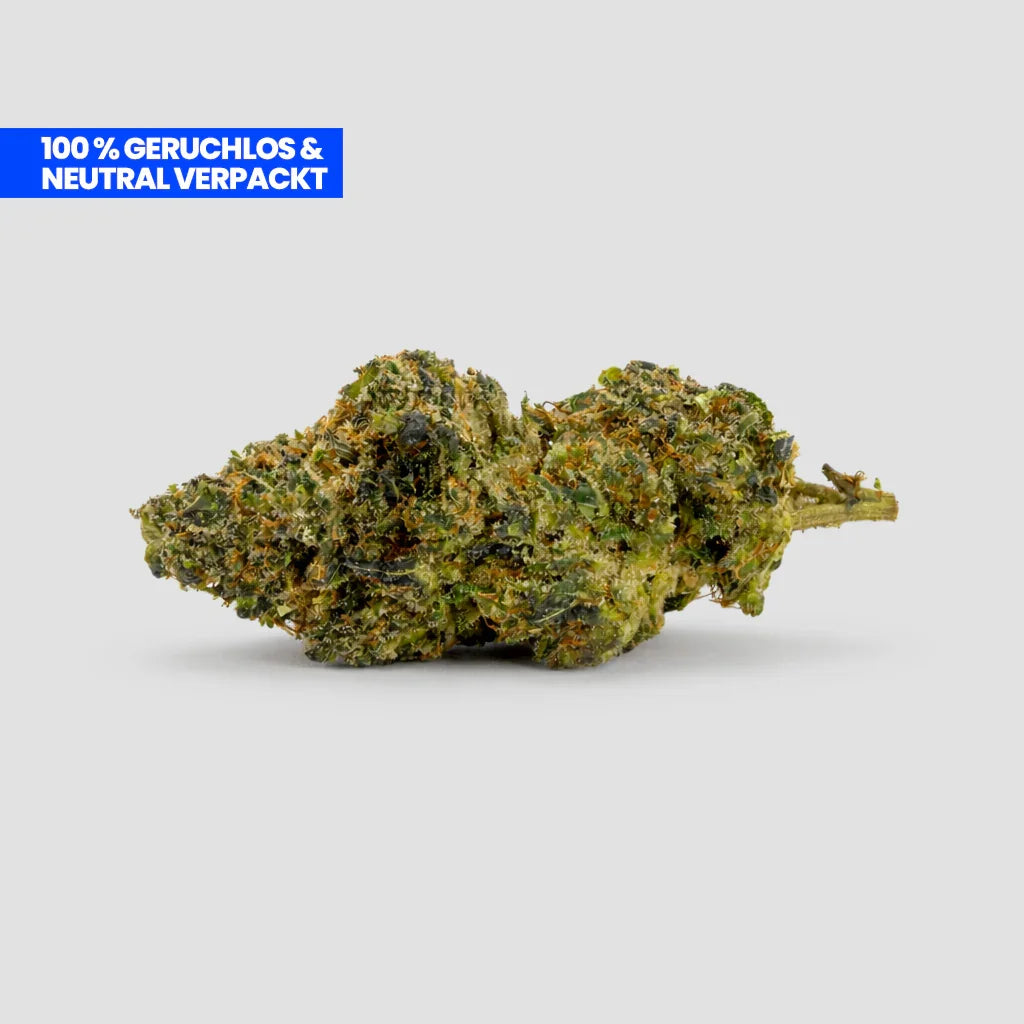



Share:
Wie wirkt 10-OH-HHC? Ein umfassender Leitfaden zu Biochemie, Wirkung und Sicherheit
Was ist 9H-THC? Ein tiefgehender Blick auf ein oft missverstandenes Molekül