THC lässt sich auf verschiedene Arten konsumieren – doch welche Methode passt am besten zu Dir? THC Vape, Cannabis-Edibles oder der klassische Joint – jede THC-Konsumform hat ihre Besonderheiten in Anwendung, Wirkung, Dauer und Risiken. In diesem umfassenden Vergleich betrachten wir Vapes (Verdampfer), Edibles (Esswaren) und Joints im Detail. Sowohl Einsteiger als auch Gelegenheits- und erfahrene Konsumenten erhalten hier wertvolle Informationen, um die Vor- und Nachteile von THC Vapes, Edibles und Joints besser zu verstehen. Dabei legen wir besonderes Augenmerk auf Punkte wie Wirkungseintritt, Wirkungsdauer, Bioverfügbarkeit, Diskretion, Dosierbarkeit, Nebenwirkungen und Alltagstauglichkeit. Zudem erfährst Du, warum happyflower.io als Quelle für hochwertige THC-Produkte eine hervorragende Wahl ist – von modernen Vaporizern bis hin zu potenten Edibles und erstklassigen Blüten.
Am Ende dieses Artikels wirst Du genau wissen, welche Konsumform in welcher Situation die beste ist und welche Empfehlungen es für Anfänger, Gelegenheitsnutzer und erfahrene Nutzer gibt. Lies weiter für den großen THC Vape vs. Edible vs. Joint-Vergleich!


Key Takeaways
- THC Vapes = moderne, kontrollierbare Inhalation: Wirkung setzt in Sekunden bis Minuten ein und flacht nach ~2–3 h ab – ideal für schnelle, planbare Sessions.
- Edibles = lang & körperbetont: Start nach 30–90 min, Peak nach ~2–3 h, Gesamtdauer 4–12 h – perfekt für lange Abende, aber geduldig dosieren.
- Joint vs. Vape (Gesundheit): Vaporisieren reduziert im Vergleich zum Rauchen die Exposition gegenüber CO und Verbrennungs-Toxinen; weniger Atemwegsbeschwerden.
- Bioverfügbarkeit & Effizienz: Inhalation (Rauchen/Vapen) erreicht grob 10–35 %, oral meist ~4–12 % – deshalb braucht man bei Edibles oft mehr mg für ähnliche Effekte.
- Dosierbarkeit: Vapes erlauben Zug-für-Zug-Titration (leicht zu stoppen). Edibles erfordern „start low, go slow“ wegen verzögertem Eintritt.
- Diskretion im Alltag: Vapes und Edibles sind geruchsarm/geruchslos; Joints fallen durch Rauch und Geruch deutlich auf. (Allgemein konsistente Befunde zu Geruch/Verbrennung)
- Warum Edibles oft „stärker“ wirken: Durch First-Pass-Metabolismus entsteht 11-Hydroxy-THC, das potenter und länger wirksam sein kann.
- Safety-Reminder: Vapes sind zwar emissionsärmer, die Qualität der Liquids ist entscheidend (EVALI-Fälle bei verunreinigten Produkten). Nur laborgeprüfte Produkte nutzen.
- Pragmatische Wahl:Schnell & kontrolliert? → THC Vape. Langanhaltend & rauchfrei? → Edibles (vorsichtig dosieren). Ritual & klassischer Geschmack? → Joint (mit Rauch-Risiken).
- Schnell & kontrolliert? → THC Vape.
- Langanhaltend & rauchfrei? → Edibles (vorsichtig dosieren).
- Ritual & klassischer Geschmack? → Joint (mit Rauch-Risiken).
- 1. Key Takeaways
- 2. THC Vape vs. Edibles vs. Joints – Kurzüberblick
- 3. Was ist ein THC Vape (Verdampfer)?
- 4. Was sind Cannabis Edibles (Esswaren)?
- 5. Was ist ein Joint?
- 6. Wirkungseintritt und Wirkungsdauer
- 7. Bioverfügbarkeit und Effizienz
- 8. Dosierbarkeit und Kontrolle des Highs
- 9. Diskretion und Geruch
- 10. Risiken und Nebenwirkungen
- 11. Alltagstauglichkeit und Anwendungsbereiche
- 12. Verfügbarkeit, Rechtslage und Aufwand
- 13. Welche Konsumform passt zu wem? (Einsteiger, Gelegenheitsnutzer, Erfahrene)
- 14. Frequently asked questions (FAQs)
THC Vape vs. Edibles vs. Joints – Kurzüberblick
Im Folgenden findest Du eine tabellarische Übersicht der wichtigsten Unterschiede zwischen THC Vapes, Edibles und Joints:
| Kriterium | THC Vape (Verdampfer) | Edibles (Esswaren) | Joints (Rauchen) |
| Wirkungseintritt | Sehr schnell: Nach 1–5 Minuten spürbar (fast sofortige Wirkung) . | Verzögert: 30–90 Minuten bis zum Einsetzen (Geduld nötig) . | Sehr schnell: Nach 1–5 Minuten spürbar (ähnlich wie beim Vapen) . |
| Wirkungsdauer | Kurz bis mittel: Hält ca. 2–3 Stunden an . | Lang: Wirkt 6–8 Stunden, in Einzelfällen bis zu ~12 Stunden (stärker und länger anhaltend) . | Kurz bis mittel: Hält ca. 2–3 Stunden an . |
| Bioverfügbarkeit | Hoch: Ca. 10–35 % des THC werden aufgenommen (bei Vaporizern teils bis 50+ %) . | Niedrig: Nur ca. 4–12 % des THC gelangen ins Blut (First-Pass-Effekt im Magen/Darm) . | Mittel: Etwa 20 % des THC im Rauch werden aufgenommen (durch Verbrennung und Nebenrauch gehen Wirkstoffe verloren ). |
| Diskretion/Geruch | Sehr hoch: Kaum Geruch, der Dampf verfliegt schnell; unauffällige E-Zigaretten-Optik. Ideal für diskreten Konsum unterwegs . | Sehr hoch: Kein Rauch oder Cannabisgeruch beim Verzehr, sieht aus wie normales Essen. Extrem unauffällig. | Niedrig: Deutlicher Cannabisgeruch und sichtbarer Rauch beim Rauchen eines Joints. Kaum zu verbergen, Geruch haftet an Kleidung/Umgebung. |
| Dosierbarkeit | Gut kontrollierbar: Dosierung Zug für Zug – Wirkung tritt sofort ein, daher leicht abzubrechen, sobald gewünschter Effekt erreicht ist. | Schwierig: Verzögerter Wirkeintritt verleitet leicht zum Nachlegen, bevor die Wirkung spürbar ist . Exakte Dosierung in mg nötig; Überdosierung bei Ungeduld möglich. | Mittel: Wirkung tritt nach ein paar Zügen ein, Joint kann jederzeit ausgemacht werden. Allerdings ungenaue Dosierung pro Zug; Verbrennung führt zu Wirkstoffverlust. |
| Risiken/Gesundheit | Schonender für die Lunge: Kein Verbrennungsprozess, deutlich weniger Schadstoffe als beim Rauchen . Achtung: Qualität der Liquids muss stimmen (keine Verunreinigungen, z.B. Vitamin-E-Acetat). | Kein Lungenschaden: Oraler Konsum vermeidet Atemwegsreizungen. Allerdings höheres Risiko akuter Überdosierung: Kann zu starker Sedierung, Angst oder Herzrasen führen . Wirkung schwer vorhersehbar, Unfallgefahr bei zu hoher Dosis. | Lungenschädlich: Joint-Rauch enthält Teer und Toxine, schädigt die Atemwege (v.a. mit Tabak) . Längerer regelmäßiger Konsum kann Husten, Bronchitis und andere Atemwegsprobleme begünstigen. |
| Geschmack/Genuss | Aroma-Varianten: Vaporizer-Liquids können mit Terpenen unterschiedlich schmecken, oft mild und angenehm, ohne verbrannten Beigeschmack. Kaum Rauchgeruch. | Kulinarisch: Edibles gibt es in vielen Formen (z.B. süße Gummies, Kekse, Schokolade). Schmecken oft lecker, nur leichte Cannabis-Note. Kein Rauchgeschmack. | Klassisch intensiv: Typischer Cannabisgeschmack und -geruch beim Rauchen. Viele schätzen das „rituelle“ Raucherlebnis, andere empfinden den Rauch als kratzig oder unangenehm. |
| Alltagstauglichkeit | Sehr hoch: Schnell einsetzbar und abklingend – geeignet für kurze Entspannungspausen. Diskrete Anwendung nahezu überall möglich, kein Geruch in Wohnung oder Kleidung. | Mittel: Eher für geplante Sessions geeignet, da lange Wirkungsdauer. Nicht ideal, wenn man spontan noch Auto fahren oder arbeiten muss. Dafür einfach zu konsumieren (wie ein Snack) und geruchlos. | Niedrig: Erfordert Zeit und passenden Ort (nicht am Arbeitsplatz oder in Öffentlichkeit wegen Rauch/ Geruch). Wirkung hält Stunden an. Für den täglichen Gebrauch weniger diskret oder praktikabel, v.a. wegen gesundheitlicher Aspekte. |
| Geeignet für | Alle Nutzertypen: Anfänger profitieren von einfacher Dosierung und geringerem Schadstoffgehalt; gelegentliche Nutzer schätzen Diskretion und Effizienz; erfahrene Nutzer nutzen Vapes für unterwegs oder zur Schonung der Lunge. | Erfahrene und medizinische Nutzer: Ideal für Erfahrene, die langanhaltende Wirkungen wünschen, oder medizinische Anwender, die dauerhafte Linderung brauchen. Anfänger sollten vorsichtig dosieren (Start mit 2,5–5 mg THC) wegen schwer einschätzbarer Wirkung. | Traditionelle Konsumenten: Für Genießer, die das Ritual und den Geschmack schätzen. Eher geeignet für gelegentliche Nutzer in geselliger Runde. Anfänger laufen Gefahr, beim Mischen mit Tabak Nikotin aufzunehmen – Gesundheitsrisiko beachten. |
| Produkte @ happyflower.io | Hochwertige Vape-Pens & Cartridges: Laborgeprüfte Liquids (z.B. HHC/PHC Vapes) mit natürlichen Terpen-Aromen . Sofort einsatzbereit, diskreter Versand. | THC-/HHC-Edibles: Leckere, potente Esswaren im Sortiment (z.B. THC Spacegummies). Garantiert echte Terpenprofile und präzise Dosierung. Ideal für alle, die rauchfrei high werden wollen. | Premium-Blüten & Pre-Rolls: Happyflower bietet legal verfügbare HHC-Blüten und vorgerollte Joints-Alternativen. Qualität aus der EU, diskrete Lieferung, für ein klassisches Raucherlebnis ohne rechtlichen Stress. |
Hinweis: In Deutschland sind THC-haltige Produkte nur im Ausnahmefall (z.B. als Medizin) legal. Happyflower.io bietet legale Alternativen wie HHC- oder PHC-Vapes und -Edibles an, die 100 % rechtskonform sind und ähnlich wirken, aber nicht dem BtMG unterliegen . So kannst Du die Vorteile moderner THC-Vapes & Co. genießen, ohne gesetzliche Bedenken.
Im nächsten Schritt schauen wir uns die drei Konsumformen einzeln und im Detail an, bevor wir die Vergleichskriterien wie Wirkung, Bioverfügbarkeit, etc. ausführlich besprechen.
Was ist ein THC Vape (Verdampfer)?
THC Vape (Verdampfer): Ein THC Vape ist ein elektronischer Verdampfer, der THC-haltige Cannabisprodukte erhitzt, ohne sie zu verbrennen. Dadurch entsteht ein inhalierbarer Dampf statt Rauch. Vapes gibt es als Vape Pens (kleine E-Zigaretten-ähnliche Geräte, oft mit Kartuschen/Cartridges) oder als größere stationäre Vaporizer. Sie funktionieren entweder mit flüssigen Konzentraten (Öl/Destillat) oder mit trockenen Cannabisblüten. Durch das Erhitzen auf moderate Temperaturen werden die Cannabinoide verdampft und können eingeatmet werden, ohne Verbrennungsprodukte wie Teer oder Kohlenmonoxid .
Ein THC-Vape zeichnet sich durch einfache Anwendung und schnellen Wirkungseintritt aus. Meist genügt ein Knopfdruck oder Ziehen am Gerät, um den Dampf zu inhalieren. Die Wirkung setzt fast sofort ein – ähnlich wie beim Rauchen, aber ohne die negativen Begleitstoffe von Rauch. Viele schätzen an Vapes die Diskretion (kaum Geruch, unauffälliges Gerät) und die Effizienz: Da keine Verbrennung stattfindet, wird weniger Wirkstoff verschwendet. Laut einer Studie liegt die THC-Aufnahme beim Inhalieren (Rauchen/Vapen) bei 10–35 %, teils sogar höher – deutlich mehr als bei oraler Einnahme. Zudem benötigt man weniger Pflanzenmaterial als für einen Joint, um eine vergleichbare Wirkung zu erzielen . Moderne Vape-Liquids enthalten oft Terpene für authentischen Geschmack und kommen ohne schädliche Zusatzstoffe aus . Bei happyflower.io findest Du z.B. laborgeprüfte THC- und HHC-Vapes mit natürlichen Terpenprofilen, die ein intensives Aroma und eine verlässliche Wirkung bieten .
Fazit (THC Vape): Vapes sind eine moderne, inhalative Konsumform, die besonders gesundheitsschonend und benutzerfreundlich ist. Sie eignen sich hervorragend für alle, die eine diskrete, schnelle Wirkung wünschen und auf das klassische Rauchen verzichten möchten. Im weiteren Verlauf dieses Artikels werden wir noch genauer auf die Eigenschaften von Vapes in den einzelnen Kategorien eingehen.
Was sind Cannabis Edibles (Esswaren)?
Edibles (essbare Cannabisprodukte): Unter Edibles versteht man alle THC-haltigen Lebensmittel oder Getränke. Typische Beispiele sind Haschkekse/Brownies, Cannabis-Gummibärchen oder mit THC versetzte Schokolade und Getränke. Bei Edibles wird der Wirkstoff THC oral aufgenommen, d.h. über den Verdauungstrakt. Der Konsum ist denkbar einfach: Man isst oder trinkt das Produkt, und nach einer Weile setzt die Wirkung ein. Wichtig: Vor der Verarbeitung zu Edibles muss das Cannabis decarboxyliert werden (durch Erhitzung aktiviert man das THC). In legalen Märkten werden Edibles meist fertig dosiert verkauft (z.B. 5 mg oder 10 mg THC pro Stück), was die Dosierung erleichtert. In Deutschland sind THC-Edibles im freien Handel nicht legal erhältlich, sodass Nutzer sie hier oft selbst herstellen oder auf alternative Cannabinoid-Edibles (z.B. HHC) zurückgreifen.
Das Besondere an Edibles ist die verzögerte, aber langanhaltende Wirkung. Beim Essen muss das THC erst den Magen und die Leber passieren (Stichwort First-Pass-Effekt), bevor es ins Blut und zum Gehirn gelangt . Dadurch dauert es 30 bis 90 Minuten, manchmal bis zu 2 Stunden, bis erste Effekte spürbar sind . Dieser späte Wirkeintritt birgt die Gefahr, dass Ungeduldige zu früh nachlegen und dann eine zu hohe Gesamtmenge konsumieren – eine Überdosierung ist bei Edibles daher ein häufiges Problem . Ist die Wirkung einmal da, kann sie dafür sehr intensiv und körperbetont sein. Viele Konsumenten berichten von einem starken Body-High (bis hin zum sogenannten „Couch-Lock“, also dem Gefühl, in die Couch gedrückt zu werden) bei Edibles . Die Wirkungsdauer übertrifft inhalative Methoden deutlich: Das High erreicht seinen Höhepunkt oft nach ~2–3 Stunden und hält insgesamt 6–8 Stunden oder länger an . Barmer berichtet, dass ein Edible-High in Einzelfällen sogar bis zu 12 Stunden andauern kann – abhängig von Dosis und individueller Verstoffwechselung. Ein Grund für die stärkere und länger anhaltende Wirkung ist der Metabolit 11-Hydroxy-THC, in den Delta-9-THC bei der oralen Aufnahme umgewandelt wird. 11-Hydroxy-THC wirkt im Körper potenter und kann die Blut-Hirn-Schranke leichter überwinden, was das High intensiviert .
Die Bioverfügbarkeit (Aufnahmequote) von oralem THC ist relativ gering – etwa 4–12 % . Viel THC geht bei der Verdauung verloren oder wird abgebaut, bevor es psychoaktiv wirken kann. Das bedeutet: Von z.B. 10 mg in einem Keks kommen effektiv vielleicht nur ~1 mg in Deinem Gehirn an. Trotzdem fühlen sich Edibles stärker an, weil die metabolisierten Verbindungen wirkungsvoll sind. Wichtig bei Edibles ist die Dosierungskontrolle: Anfänger sollten mit kleinen Mengen (2,5–5 mg THC) starten und mindestens 2 Stunden warten, bevor nachdosiert wird.
Edibles sind äußerst diskret – niemand erkennt von außen, dass es sich um Cannabis handelt (außer vielleicht am grünen Hanfblatt-Symbol auf der Packung). Es entsteht keinerlei Geruch oder Rauch. Das macht Edibles ideal für alle, die ohne Aufsehen THC konsumieren möchten. Geschmacklich können Edibles sehr attraktiv sein; moderne Produkte schmecken oft wie normale Süßigkeiten oder Snacks, mit minimalem Hanfaroma.
Fazit (Edibles): Cannabis-Esswaren bieten ein rauchfreies, langanhaltendes High und eignen sich besonders für erfahrene Nutzer oder medizinische Zwecke, wo eine dauerhafte Wirkung gewünscht ist. Allerdings erfordern sie Geduld und Vorsicht bei der Dosierung, da die Wirkung verspätet eintritt und schlecht steuerbar ist. Für Einsteiger sind Edibles nur mit niedrigen Dosen und Zurückhaltung zu empfehlen. Wer jedoch eine intensive Ganzkörper-Wirkung und maximale Diskretion sucht, findet in Edibles eine passende Konsumform. Happyflower.io bietet beispielsweise legale HHC-Edibles („Spacegummies“) mit präziser Dosierung und starker Wirkung – ideal, um das Edible-Erlebnis ohne rechtliche Bedenken auszuprobieren.

Was ist ein Joint?
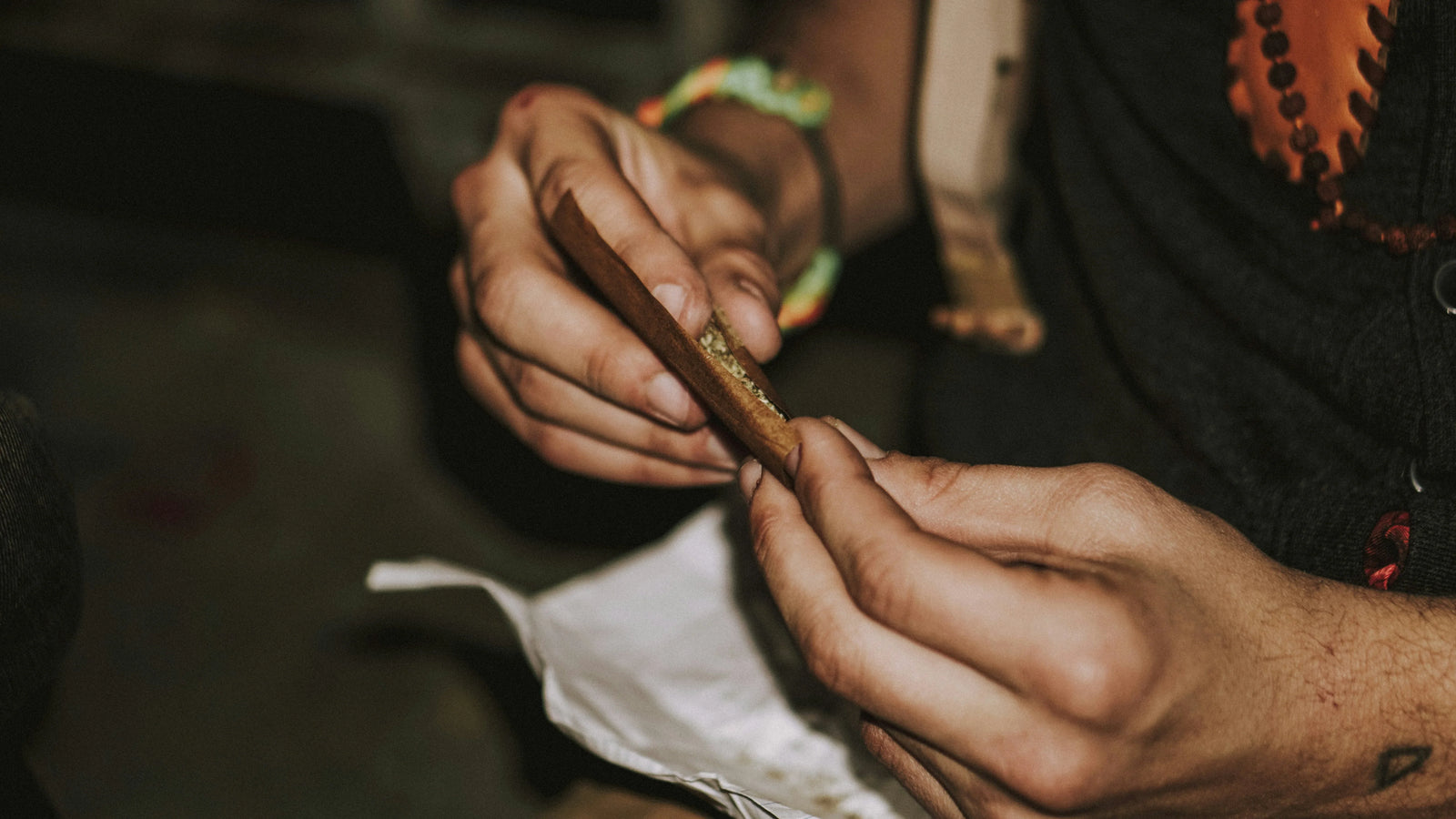
Joint (Cannabis-Joint rauchen): Der Joint ist der Klassiker unter den Konsumformen. Hierbei wird getrocknetes Cannabis (meist Blüten, umgangssprachlich Weed oder Gras) zerkleinert und in Zigarettenpapier eingerollt – oft zusammen mit Tabak, insbesondere in Europa. Man entzündet den Joint und inhaliert den entstehenden Rauch. Ein Joint ist im Prinzip eine handgerollte Cannabis-Zigarette. Alternativ kann man Cannabis auch aus Pfeifen, Bongs oder vorgefertigten „Pre-Rolls“ rauchen, aber der Effekt ist vergleichbar.
Die Wirkung beim Rauchen eines Joints setzt sehr schnell ein: Innerhalb von einigen Minuten spürt man das High, da das THC über die Lungenbläschen rasch ins Blut geht . Typischerweise erreicht das Raucher-High nach etwa 30–60 Minuten seinen Höhepunkt und klingt nach rund 2–3 Stunden wieder ab . Somit ist die Wirkungsdauer kürzer als bei Edibles, was es einfacher macht, die Intensität abzuschätzen und sich zeitlich darauf einzustellen. Viele schätzen am Joint das unmittelbare Feedback – man merkt fast sofort, wann man genug hat.
Allerdings hat das Rauchen von Cannabis einige Nachteile. Zum einen werden beim Verbrennen der Pflanze Teer, Kohlenmonoxid und andere gesundheitsschädliche Verbrennungsstoffe frei, die beim Inhalieren die Atemwege belasten . Lungenschäden wie chronische Bronchitis oder Husten können die Folge regelmäßigen Joint-Konsums sein. Besonders das Mischen mit Tabak (um den Joint gleichmäßiger brennen zu lassen oder den Rausch zu strecken) erhöht die Schädlichkeit erheblich , da zusätzlich Nikotin und weitere Toxine inhaliert werden – mit allen Risiken wie Abhängigkeit oder Herz-Kreislauf-Schäden. Rein technisch ineffizient ist ein Joint auch: Durch die Verbrennung und Nebenrauchen geht ein Teil des Wirkstoffs verloren. Nur etwa 20 % des im Joint enthaltenen THC gelangen tatsächlich ins Blut . Der Rest verbrennt buchstäblich in Rauch. Vaporizer schneiden hier besser ab, da sie kein THC durch offene Flamme zerstören.
Ein Joint ist außerdem wenig diskret. Der Geruch von Cannabisrauch ist intensiv und unverkennbar – und er haftet an Kleidung, Haaren und im Raum. Öffentlich einen Joint zu rauchen fällt auf und ist in vielen Ländern (auch in Deutschland) illegal. Aus gesellschaftlicher und rechtlicher Sicht ist das Rauchen die am schwierigsten zu verbergende Konsumform.
Dennoch hat der Joint auch seine Anhänger: Das Ritual des Drehens und Anzündens, der Geschmack der Blüte und das gesellige Weitergeben („teilen“) eines Joints gehören zur Cannabis-Kultur dazu. Viele erfahrene Konsumenten bevorzugen den Joint wegen dieser traditionellen Konsumerfahrung. Außerdem benötigt er (abgesehen vom Cannabis selbst) nur wenig Zubehör – etwas Papier und optional Filtertips genügen. Das macht Joints flexibel, sofern man sich an einem Ort befindet, an dem Rauchen möglich ist.
Fazit (Joint): Der Joint ist die klassische Konsumform, die schnell wirkt und ohne viel Technik auskommt. Er eignet sich vor allem für Nutzer, die den typischen Cannabisrauch-Geschmack mögen und kein Problem mit dem Rauchen an sich haben. Aufgrund der Gesundheitsrisiken (Rauchinhalation) und der auffälligen Geruchsentwicklung ist der Joint jedoch die am wenigsten „moderne“ Methode im Vergleich. Wer regelmäßig Cannabis konsumiert, sollte über Umstieg auf Verdampfen nachdenken, um die Lunge zu schonen . Für gelegentliche traditionelle Runden oder das besondere Flair ist ein Joint aber weiterhin für viele die erste Wahl. Happyflower.io bietet übrigens hochwertige Cannabis-Blüten (z.B. HHC-Blüten) an, mit denen sich Joints ganz legal drehen lassen – so kommt auch der klassische Genuss nicht zu kurz, jedoch mit einem moderneren, legalen Twist.
Nachdem wir nun geklärt haben, was THC Vapes, Edibles und Joints sind, wollen wir diese Konsumformen direkt miteinander vergleichen. Im Folgenden gehen wir die wichtigsten Aspekte Schritt für Schritt durch.

Wirkungseintritt und Wirkungsdauer
Ein entscheidender Unterschied zwischen Vapes, Edibles und Joints liegt darin, wie schnell und wie lange die Wirkung von THC anhält.
- THC Vape (Verdampfer): Beim Inhalieren von verdampftem THC tritt die Wirkung quasi sofort ein – meist innerhalb von Sekunden bis wenigen Minuten . Ähnlich wie beim Rauchen gelangt das THC über die Lunge direkt ins Blut und erreicht schnell das Gehirn . Nutzer spüren die Effekte daher fast unmittelbar nach ein oder zwei Zügen am Vape-Pen. Die Peak-Wirkung (Höhepunkt des Highs) stellt sich typischerweise nach etwa 30 Minuten ein . Die Gesamtdauer des Rauschs ist relativ begrenzt: Nach ungefähr 2–3 Stunden klingt die Wirkung deutlich ab . Manche leichte Nachwirkungen können noch etwas länger spürbar sein, aber in der Regel ist man nach 3 Stunden weitgehend wieder nüchtern. Diese kürzere Wirkdauer hat Vor- und Nachteile: Einerseits ist das High gut kontrollierbar und man ist schneller wieder „clear“ (praktisch, wenn man danach noch Verpflichtungen hat), andererseits muss man – will man länger high sein – häufiger nachlegen/vapen. Viele schätzen an Vapes gerade die Kurzzeitwirkung, weil sie dadurch z.B. in Arbeitspausen oder abends vor dem Schlafen etwas THC genießen können, ohne den ganzen nächsten Tag beeinträchtigt zu sein.
- Edibles: Bei Esswaren dauert es deutlich länger, bis die Wirkung einsetzt, und das High hält viel länger vor. Der Wirkeintritt liegt meist bei 30–90 Minuten nach Einnahme . Diese große Spannbreite hängt von vielen Faktoren ab: Art des Edibles (z.B. flüssiges Getränk vs. fester Brownie), ob man es auf vollen oder leeren Magen konsumiert, individueller Stoffwechsel etc. Es kann in Einzelfällen sogar bis zu 2 Stunden dauern, bis man etwas merkt . Hat die Wirkung jedoch einmal begonnen, steigert sie sich über weitere Stunden hinweg. Der Wirkungs-Höhepunkt tritt oft erst 2–4 Stunden nach Konsum auf – das heißt, das High baut sich sehr langsam auf. Insgesamt kann ein Edible-High 6–8 Stunden andauern, teilweise auch länger. Barmer gibt an, dass der Rausch bei hohen Dosen bis zu 12 Stunden spürbar bleiben kann . Vice berichtet von typischerweise 4–6 Stunden intensiver Wirkung bei Edibles . Diese lange Dauer ist Fluch und Segen zugleich: Für medizinische Anwender oder Leute, die einen gesamten Abend/Nacht high sein möchten, sind Edibles ideal. Für jemanden, der z.B. nur kurz abschalten will, sind sie weniger geeignet, weil man das High nicht so einfach „beenden“ kann. Nachlegen ist bei Edibles ebenfalls riskant: Da die Wirkung so spät einsetzt, neigen viele dazu, nach 30–45 Minuten Ungeduld nochmal etwas zu essen – und erleben dann 2 Stunden später einen übermäßig starken Rausch, weil die Dosen sich kumulieren. Edibles fordern daher viel Selbstkontrolle. Ist man aber einmal erfahren im Umgang, schätzen viele Nutzer die konstante, langanhaltende Wirkung ohne große Peaks und Abfälle. Für z.B. Schlafstörungen oder chronische Schmerzen bieten Edibles den Vorteil, stundenlange Linderung über die Nacht zu verschaffen.
- Joints (Rauchen): Das Rauchen eines Joints liefert vom zeitlichen Verlauf her ein ähnliches Profil wie das Vapen. Die Wirkung tritt sehr schnell (innerhalb von Minuten) ein – oft merkt man bereits beim Rauchen des halben Joints, wie stark der Effekt wird, und kann entscheiden aufzuhören oder weiterzurauchen. Der Rausch erreicht sein Maximum meist nach 30–60 Minuten und hält insgesamt etwa 2–3 Stunden an . Danach klingt er merklich ab. Manche erfahrene Konsumenten beschreiben, dass ein gewisses „Nachglimmen“ (leichte Entspannung oder Müdigkeit) auch noch 4–6 Stunden nach dem Rauchen spürbar ist, aber die Hauptwirkung ist nach wenigen Stunden vorbei. Somit sind Joints wie Vapes eher für kurzzeitige Highs geeignet. Der Vorteil gegenüber Edibles ist klar: Man hat schnell Gewissheit über den Rausch und kann auch relativ schnell wieder runterkommen. Allerdings neigen manche dazu, bei Joints mehrmals hintereinander zu rauchen (z.B. in Gesellschaft), was dann die Dauer natürlich verlängert – aber das liegt im eigenen Steuerungsvermögen.
Warum wirken Edibles anders (Stichwort 11-Hydroxy-THC)? An dieser Stelle lohnt ein kurzer Exkurs: Viele fragen sich, warum Edibles länger und teilweise stärker wirken, wo doch beim Rauchen/Vapen eigentlich mehr THC ins Blut gelangt . Der Hauptgrund ist der Stoffwechselweg. Beim oralen Konsum wandelt die Leber einen Teil des THC in 11-Hydroxy-THC um . Diese Substanz ist psychoaktiv und potenter als das ursprüngliche THC. Sie kann leichter ins Gehirn gelangen und hat dort eine stärkere Wirkung pro mg . Beim Rauchen oder Vapen entsteht 11-OH-THC nur in geringen Mengen, da das THC direkt ins Gehirn geht und weniger über die Leber metabolisiert wird . Deshalb erzeugt ein Edible, obwohl netto weniger THC im Blut ankommt, oft ein intensiveres High, das zudem körperlastiger ist (weil 11-OH-THC im ganzen Körper wirkt). Dieses unterschiedlich Verhältnis der Cannabinoide erklärt den subjektiven Unterschied: Viele empfinden den Rauch/Vape-Rausch als „klarer“ oder kopflastiger, während Edibles eher ein „stoned“ Körpergefühl und stärkere Sedierung erzeugen können. Dazu kommt natürlich, dass Edibles meist höhere Dosen beinhalten als man in einer einzelnen Vape-Session konsumiert.
Zusammenfassung: Vapes und Joints punkten mit sofortiger Wirkung und kürzerer Wirkdauer, was die Dosierung einfach macht und die Erlebniskontrolle erhöht. Edibles brauchen deutlich länger bis zum Kick, liefern dann aber ein intensives, langanhaltendes High, das weniger leicht steuerbar ist. Welche Dauer bevorzugt wird, hängt vom Anwendungsfall ab: Für einen schnellen Effekt zwischendurch sind Vapes/Joints ideal; für eine lange anhaltende Entspannung (z.B. auf einem Festival oder zur Nacht) sind Edibles geeignet – vorausgesetzt man plant genug Zeit ein und dosiert vorsichtig.
Bioverfügbarkeit und Effizienz
Unter Bioverfügbarkeit versteht man den Anteil des Wirkstoffs, der tatsächlich im Körper ankommt und aktiv wird. Je höher die Bioverfügbarkeit, desto effizienter nutzt eine Konsumform das enthaltene THC aus. Hier gibt es deutliche Unterschiede zwischen Inhalation und oraler Einnahme.
- THC Vape/Joints (Inhalation): Inhalative Konsumformen haben eine relativ hohe Bioverfügbarkeit, da der Wirkstoff den Verdauungstrakt umgeht und direkt über die Lunge ins Blut geht. Studien geben einen Bereich von ca. 10 % bis 35 % an, der beim Rauchen oder Vapen von THC letztlich im Körper ankommt . Mit anderen Worten: Aus z.B. 100 mg THC in einem Vaporizer-Liquid werden effektiv um die 10–35 mg vom Körper aufgenommen und erreichen die Rezeptoren. Der Wert variiert je nach individueller Inhalationstechnik, Lungenvolumen, Produkt usw. Interessanterweise deuten manche Untersuchungen an, dass Vaporizer effizienter sind als Joints. So wurde in einer Studie mit speziellen Vaporizern eine THC-Bioverfügbarkeit von bis zu 50–80 % gemessen – allerdings unter Laborbedingungen und bei Geräten, die Blüten optimal verdampfen (keine Alltagsgeräte). Der Grund: Beim Vaporizer geht kaum Wirkstoff durch Verbrennen verloren, während beim Joint ein Teil des THC durch die hohe Hitze zerstört wird oder mit dem Rauch in die Luft entweicht, ohne inhaliert zu werden . Zudem wird ein Joint oft zwischen Zügen weiter abgebrannt (Side-stream smoke), was ungenutztes THC bedeutet. Unterm Strich kann man sagen: Vapen liefert etwas mehr THC pro konsumierter Menge als Rauchen . Auch das Gefühl mag effizienter sein – viele berichten, dass sie mit weniger Material auskommen, um den gewünschten Effekt zu erzielen, wenn sie verdampfen statt rauchen . Bei happyflower.io wird z.B. darauf hingewiesen, dass Verdampfer weniger Blütenmaterial benötigen, um eine bestimmte Wirkung zu erreichen . Nichtsdestotrotz bleibt beim Inhalieren die Bioverfügbarkeit begrenzt durch die Physik: Man atmet nie 100% des Wirkstoffs ein (ein Teil bleibt in der Ausatemluft oder im Gerät), und nicht alles Eingezogene gelangt ins Blut (ein Teil wird ausgeatmet, bevor es absorbiert wird). Werte um 20–30% sind in realen Nutzungsszenarien typisch . Das ist aber verglichen mit Edibles immer noch hoch.
- Edibles (Oral): Die orale Bioverfügbarkeit von THC ist deutlich geringer. Durch den oben erwähnten First-Pass-Metabolismus in Leber und Magen kommt nur ein Bruchteil des verzehrten THC ins zentrale Blut. Studien beziffern die orale Bioverfügbarkeit auf etwa 4 % bis 12 % . Das heißt, 90–96 % des THC gehen verloren, bevor sie psychoaktiv wirken können. Einige Quellen sprechen – je nach Zubereitung – von bis zu 20 % in bestimmten Fällen , aber selbst das ist noch weit unter den inhalativen Werten. Praktisch bedeutet das: Isst man z.B. ein 10 mg THC-Gummibärchen, kommen vielleicht nur ~1 mg tatsächlich im Gehirn an, der Rest wird abgebaut. Allerdings werden, wie bereits besprochen, dabei auch wirksamere Metaboliten erzeugt, die das geringe THC teilweise überkompensieren. Trotzdem gelten Edibles generell als ineffizienter in der THC-Ausnutzung verglichen mit Rauchen/Vapen. Interessant ist, dass Hersteller versuchen, die Bioverfügbarkeit von Edibles zu steigern, z.B. durch Nano-Emulsionen (ultrafeine THC-Partikel) oder durch die Kombination mit fetthaltigen Lebensmitteln (da THC fettlöslich ist) . Ein Tipp: Wenn Du ein Edible isst, nimm es am besten zu oder nach einer Mahlzeit, die Fette enthält – das kann laut Erfahrungsberichten die Aufnahme etwas verbessern . Aber Wunder sollte man nicht erwarten: Oraler Konsum bleibt der „ineffizienteste“ Weg, was den Anteil angeht, der tatsächlich genutzt wird.
Was bedeuten diese Zahlen für Dich als Konsument? Im Grunde, dass Vapes/Joints pro Gramm Cannabis mehr High liefern als Edibles. Man kann es auch ökonomisch sehen: Wer Wert darauf legt, aus seinem Material das Maximum herauszuholen, ist mit einem Verdampfer gut beraten. Gerade teure Konzentrate will man effizient nutzen – da sind Vapes ideal. Bei Edibles dagegen muss man höhere Dosen ansetzen, um die gleiche Wirkung zu erzielen, was kostspielig sein kann. Allerdings gleicht sich das teilweise aus, weil Edible-Wirkungen länger anhalten – man konsumiert seltener nach. Es ist also auch eine Frage der Perspektive: Effizienz pro Menge vs. Effizienz pro Zeit.
Noch ein Punkt: Verträglichkeit und Toleranz. Durch die unterschiedliche Bioverfügbarkeit und Wirkungskinetik kann es sein, dass jemand mit hoher Rauchtoleranz von Edibles trotzdem sehr stark betroffen ist (weil es ein anderer „Trip“ ist), oder umgekehrt. Viele regelmäßige Raucher berichten, dass schon 10 mg Edibles sie sehr high machen – deutlich mehr, als ein Joint es tun würde. Das liegt nicht daran, dass plötzlich mehr THC im Blut wäre, sondern an der Art des Rausches (11-OH-THC etc.). Umgekehrt kann jemand, der oft Edibles nimmt, beim Rauchen überrascht werden, wie schnell und hart es hitten kann, obwohl die Dosis gefühlt klein war. Es ist also immer ratsam, beim Wechsel der Konsumform vorsichtig zu dosieren.
Zusammengefasst: Vapen und Rauchen bieten eine höhere Bioverfügbarkeit und somit effizientere Nutzung des THC-Gehalts – speziell Vaporizer gelten als am effizientesten (mehr Wirkstoff, weniger Abfall) . Edibles haben eine niedrige Bioverfügbarkeit, wodurch viel Wirkstoff ungenutzt bleibt, allerdings produzieren sie einen sehr wirksamen Metaboliten. In der Praxis sollte man bei Edibles entsprechend höher dosieren und geduldig sein, während man bei Vapes/Joints mit relativ wenig Material bereits starke Effekte erzielen kann. Für kostenbewusste Konsumenten oder medizinische Anwender, die den Materialverbrauch minimieren wollen, sind Verdampfer ideal. Happyflower.io setzt z.B. auf hochreine, laborsichere Vape-Produkte, um maximale Effizienz und Wirkung pro Zug zu gewährleisten .

Dosierbarkeit und Kontrolle des Highs
Die Kontrollierbarkeit der Dosis – also wie gut man die konsumierte THC-Menge steuern und anpassen kann – ist für viele Nutzer ein entscheidendes Kriterium. Hier unterscheiden sich die Konsumformen erheblich:
- Vapes: Verdampfer bieten eine sehr gute Dosierbarkeit. Da die Wirkung beim Inhalieren sofort spürbar ist, kann man in kleinen Schritten dosieren: z.B. erst einen Zug nehmen, einige Minuten warten, Wirkung fühlen, und dann entscheiden, ob man einen weiteren Zug möchte. Das ermöglicht ein schrittweises Herantasten an die gewünschte Intensität. Zudem liefern viele Vape-Geräte pro Zug eine recht gleichmäßige Menge Wirkstoff (besonders E-Liquid-Cartridges mit standardisiertem THC-Gehalt). Einige Vaporizer haben auch Dosierkammern oder Temperaturregler, die beeinflussen, wie viel THC verdampft wird. Somit hat man die volle Kontrolle in Echtzeit. Wenn man merkt „das Level reicht“, hört man einfach auf zu ziehen – der Effekt steigt nicht weiter an. Ein weiterer Vorteil: Sollte man doch einmal einen Zug zu viel erwischen und das High wird unangenehm, klingt es (wie oben beschrieben) relativ schnell wieder ab, meist innerhalb von 1–2 Stunden. Die kurze Latenz und Wirkdauer machen Vapes zu einer der sichersten Konsumformen hinsichtlich Dosierbarkeit, insbesondere für Einsteiger. Anfänger können wirklich mit einem minimalen Zug starten und schauen, was passiert. Bei Bedarf geht es Schritt für Schritt weiter. Überdosierungen im klassischen Sinne (also dass man viel zu high ist) lassen sich so gut vermeiden – vorausgesetzt, man vapt konzentrierte Extrakte nicht in zu großen Zügen. Insgesamt gilt: Microdosing ist mit dem Vape sehr gut möglich. Auch medizinische Anwender schätzen Vaporizer, weil sie damit exakte Dosen inhalieren können (ein Spraystoß, ein Zug etc. entspricht X mg THC) und die Wirkung reproduzierbar schnell eintritt, was z.B. bei Schmerzpatienten wichtig ist.
- Edibles: Esswaren sind am schwierigsten zu dosieren. Hier hat man es mit einer verzögerten und langen Wirkung zu tun, was die Selbstkontrolle erschwert. Zwar sind gekaufte Edibles oft genau portioniert (z.B. 10 mg THC pro Keks), aber das Gefühl, das diese Dosis erzeugt, kann stark variieren. Außerdem isst man manchmal unbewusst mehr (weil es gut schmeckt, oder man die Wirkung unterschätzt). Das größte Problem ist der verzögerte Eintritt: Man nimmt z.B. 10 mg, wartet 30 Minuten, spürt nichts und denkt „Hm, wohl zu wenig, ich nehme nochmal 10 mg“. Nach weiteren 30 Minuten fängt das erste an zu wirken – vielleicht schon intensiv – und später kommt noch der Nachschlag dazu. Überdosierung bei Edibles ist so verbreitet, dass es den sprichwörtlichen „Maureen-Dowd-Vorfall“ gibt (eine Journalistin, die in Colorado einen ganzen Edible-Schokoriegel aß, nichts merkte, nachlegte und dann in Panik endete). Laut einer in den USA durchgeführten Studie verleitet der verzögerte Wirkeintritt tatsächlich viele Nutzer zu einer zu hohen Einnahme, was in Notaufnahmen zu einem überproportionalen Anteil von akuten Überdosierungsfällen durch Edibles führte . Konkret hatten dort 18 % der Patienten mit Edible-Konsum psychische Symptome (Angst, Panik, Verwirrtheit) versus 11 % bei Rauchern ; Herzprobleme traten bei 8 % der Edible-Fälle auf vs. 3 % bei Rauchern – ein Hinweis darauf, dass Edible-Überdosierungen häufiger zu heftigen Reaktionen führen. Einmal gegessen, kann man die Dosis nicht mehr „ausmachen“ wie einen Joint. Man ist dem Ritt ausgeliefert. Daher rührt der Grundsatz „Start low, go slow“ – starte niedrig, steigere langsam. Wer Edibles dosiert, sollte im Idealfall mit einer kleinen Menge beginnen (z.B. 5 mg THC), 2 Stunden warten, und erst dann entscheiden, ob mehr nötig ist . Eine weitere Schwierigkeit: Die Gefühlsintensität eines Edible-Highs kann tagesformabhängig sein – je nach Stoffwechsel, was man gegessen hat, etc., wirkt dieselbe Dosis verschieden stark . Das macht es für Konsumenten schwerer, die perfekte Dosis immer gleich zu treffen. Zusammengefasst: Edibles bieten wenig unmittelbare Kontrolle. Man muss vorher die gewünschte Dosis festlegen und dann darauf „vertrauen“, anders als bei Inhalation, wo man schrittweise steigern kann. Unerfahrenen wird deshalb dringend empfohlen, mit sehr kleinen Mengen zu beginnen und ausreichend Zeit einzuplanen. Der einzige „Trick“, wenn man doch zu viel erwischt hat: Ruhe bewahren, Hydrieren, evtl. CBD einnehmen zur Abmilderung , und abwarten – es geht vorbei, braucht aber Zeit.
- Joints: Rauchen bietet mittlere Dosierbarkeit. Ähnlich wie beim Vapen setzt die Wirkung schnell ein, sodass man beim Rauchen eines Joints bereits währenddessen spürt, wann es genug ist. Man kann den Joint jeder Zeit ausdrücken oder pausieren. Das gibt einem eine gewisse Kontrolle: Viele rauchen z.B. einen halben Joint, legen ihn weg, und schauen, wie sie sich fühlen. Falls gewünscht, zündet man später den Rest an. Allerdings gibt es auch Unterschiede: Ein Joint brennt kontinuierlich, was einen etwas „unter Druck“ setzt, ihn zügig zu rauchen (sonst verbrennt er ungenutzt). Das verleitet einige dazu, vielleicht doch mehr zu ziehen, als nötig, bevor sie ihn ausmachen. Zudem ist die Dosierung in einem Joint weniger präzise bekannt – man weiß vielleicht, wie viel Gramm Cannabis drin sind und welchen THC-Gehalt die Sorte ungefähr hat, aber nicht exakt, wie viel mg THC man gerade konsumiert hat. Bei standardisierten Vape-Carts steht z.B. oft „X mg THC pro Zug“, solche Angaben fehlen beim Joint natürlich. Für Fortgeschrittene ist das kein großes Problem, sie kennen ihre Pflanze und merken nach ein paar Zügen, wo es hingeht. Anfänger tun sich schwerer – hier kann es schneller passieren, dass man noch zwei Züge nimmt („wird schon passen“), obwohl die Wirkung kurz darauf exponentiell zunimmt. Trotzdem: Im Vergleich zu Edibles ist die Kontrolle beim Rauchen deutlich besser, weil man eben nicht blind konsumiert, sondern zeitnahes Feedback bekommt. Microdosing (Mikrodosierung) ist mit einem Joint etwas tricky, aber man kann beispielsweise nur einen kleinen „One-Hit“ aus einer Pfeife nehmen oder den Joint nur sehr kurz ziehen, um minimal THC aufzunehmen. Ganz präzise ist das nicht, aber erfahrbare Praxis. Die Herausforderung ist eher, dass beim Verbrennen immer eine gewisse Mindestmenge umgesetzt wird. Insgesamt bieten Joints eine gute Steuerbarkeit für alle, die mit Rauchen vertraut sind – aber es erfordert etwas Erfahrung, seine perfekte Dosis per Joint abzuschätzen.
Zusammenfassung: In puncto Dosierbarkeit sind Vaporizer/Vapes die Gewinner: Sie ermöglichen einen schrittweisen Konsum mit sofortigem Feedback, was Überdosierung praktisch ausschließt, solange man langsam vorgeht. Joints erlauben ebenfalls ein fließendes Dosieren (durch Ziehen und Pausieren), sind aber etwas ungenauer und bringen die Schwierigkeiten des Verbrennens mit sich. Edibles schneiden am schlechtesten ab – hier entscheidet man sich vorab für eine Dosis und muss dann damit leben, was kommt, ohne eingreifen zu können. Für Kontrollfreaks und Vorsichtige sind Edibles deshalb die größere Herausforderung. Wichtig ist, dass man seine eigene Sensitivität kennt und bei Edibles konservativ bleibt. Ein gut dosiertes Edible kann wunderbar sein, aber ein überdosiertes kann leicht den Spaß verderben. Bei happyflower.io gibt es übrigens Edibles mit klar ausgewiesenen Dosierungen, sodass man zumindest weiß, wie viel man zu sich nimmt – was die halbe Miete ist, um das High im Griff zu haben.
Diskretion und Geruch
Viele Konsumenten legen Wert darauf, THC möglichst unauffällig zu konsumieren – sei es, um Mitmenschen nicht zu belästigen, aus rechtlichen Gründen oder einfach für die eigene Privatsphäre. In Sachen Diskretion unterscheiden sich Vape, Edible und Joint erheblich:
- Vapes: Verdampfer sind sehr diskret. Äußerlich sehen Vape Pens oft aus wie normale E-Zigaretten oder kleine technische Gadgets – es fällt in der Öffentlichkeit kaum auf. Geruch: Beim Vapen entsteht zwar ein Geruch, aber dieser ist viel schwächer und verfliegt schneller als klassischer Cannabisrauch. Zudem riecht der Dampf eher nach dem Aroma des Liquids (manche sind fruchtig oder neutral) als nach verbranntem Gras. Ein kurzer Zug an einem THC-Vape kann in einem Raum oft unbemerkt bleiben, vor allem wenn man den Dampf nicht in dichten Wolken ausbläst. Im Freien ist es nahezu unsichtbar. Kein Rauch, kein Feuer, keine Asche – allein das macht Vaping so unauffällig. Wer z.B. in einer Mietwohnung konsumiert, verursacht mit einem Vape kaum dauerhaften Geruch an Wänden oder Möbeln, während Joints den Raum nachhaltig „parfümieren“. Auch kein Zubehör-Lärm: Das nervöse Klicken eines Feuerzeugs oder der Anblick von Grinder & Co. entfällt. Kurz gesagt, Vapes sind optimal für diskreten Konsum in der Öffentlichkeit oder wenn man unterwegs ist . Allerdings sollte man bedenken: In vielen Nichtraucherzonen ist auch E-Zigaretten-Dampf nicht erlaubt, selbst wenn er kaum riecht. Aber das ist eher eine rechtliche Formalie. In der Praxis nehmen viele Leute an, es handle sich beim Vape um normales E-Liquid mit Nikotin, falls sie es überhaupt bemerken. Geruchstechnisch hat Vapen also die Nase vorn.
- Edibles: Maximale Diskretion, könnte man sagen. Ein Laie kann einen normalen Brownie nicht von einem mit THC unterscheiden. Edibles erzeugen keinen Geruch beim Konsum, kein Dampf, keinen Rauch. Man isst einfach etwas – diskreter geht es nicht. Selbst das „High sein“ fällt für die Umgebung weniger auf, weil man nicht nach Rauch riecht und keinen Joint in der Hand hat. Allerdings gibt es einen Aspekt: Beim Kochen/Backen von Edibles (falls man es selbst macht) kann durchaus starker Cannabisgeruch entstehen – z.B. beim Herstellen von Cannabutter dünstet das ganze Haus nach Weed. Aber wenn man fertige Produkte nutzt, entfällt das. Edibles sind perfekt, um z.B. in einer Umgebung zu konsumieren, wo Rauchen unmöglich oder unpassend ist (Kino, Restaurant, öffentliche Events etc.), vorausgesetzt es ist legal und man verhält sich verantwortungsvoll. Nachteil Diskretion: Der einzige Nachteil ist indirekt – weil Edibles wie normale Süßigkeiten aussehen, besteht die Gefahr, dass Unbeteiligte (Kinder, Haustiere) unwissentlich davon naschen. Daher gilt: Edibles immer sicher wegschließen, um Unfälle zu vermeiden. Für den Konsumenten selbst aber sind Edibles geruchlos und absolut unauffällig. Selbst am Verhalten erkennt man es erst, wenn die Person wirklich high ist – und das kann Stunden später sein, dann aber auch ähnlich wie bei anderen Methoden.
- Joints: Joints sind am wenigsten diskret. Der Geruch von brennendem Cannabis ist intensiv, weitreichend und unverkennbar. Schon das Anzünden eines Joints setzt eine Duftwolke frei, die (je nach Wind) viele Meter weit riechbar ist. In Innenräumen hält sich der Geruch sehr lange – Nicht-Konsumenten nehmen ihn meist sehr stark wahr. Für Nachbarn z.B. ist Joint-Geruch oft störend. Außerdem verrät der sichtbare Rauch sofort, dass hier etwas geraucht wird. Selbst wer Cannabis nicht erkennt, sieht zumindest, dass geraucht wird (und wundert sich ggf. über den ungewohnten Geruch). Ein Joint ist somit praktisch unmöglich zu konsumieren, ohne dass es jemand merkt, es sei denn man ist völlig allein im Freien. Dazu kommt: Das ganze Zubehör (Blättchen, Grinder, Filter, Feuerzeug) und das Drehen sind auffällige Handlungen. In der Öffentlichkeit kann man einen Joint kaum tarnen – er sieht aus wie eine Zigarette, aber der Geruch verrät es schnell. Auch bleibt oft Asche und ein Filterrest („Roach“) übrig, was Spuren hinterlässt. Kurz: Wer Wert auf Diskretion legt, findet im Joint die schlechteste Option. In vielen Situationen (Wohnheim, Hotel, bei Familienfeiern etc.) ist Joint-Rauchen völlig unangebracht, während man mit einem Gummibärchen (Edible) keine solchen Konflikte hat.
In der Alltagstauglichkeit spielt Diskretion eine große Rolle: Vapes und Edibles ermöglichen es z.B., medizinische Anwender ihre Dosis zu nehmen, ohne aufzufallen oder andere zu belästigen. Ein Patient, der in der Mittagspause ein paar Züge vom Vape nimmt, hat vermutlich keine Probleme mit Kollegen, da kein nachhaltiger Geruch bleibt. Ein Joint in der Mittagspause hingegen würde Kleidung und Atem verraten, was im Beruf untragbar ist. Ebenso können Eltern oder Mitbewohner Edibles konsumieren, ohne Kinder/Mitbewohner dem Passivrauch oder -geruch auszusetzen. Bei Joints hingegen ist Passivrauchen ein Thema – der Rauch verbreitet sich und Nichtkonsumenten könnten mitrauchen, was aus Gesundheits- und rechtlicher Sicht problematisch ist.
Zusammenfassung: Edibles sind am diskretesten – kein Geruch, keine äußeren Anzeichen (solange die Verpackung weg ist, sieht niemand den Unterschied zu normalem Naschwerk). Vapes sind ebenfalls sehr unauffällig, vor allem geruchlich viel dezenter als Rauchen. Ein geübter Konsument kann einen Vape-Hit so nehmen, dass kaum sichtbar Dampf entweicht (z.B. lange inhalieren und wenig auspusten). Joints sind extrem auffällig durch den intensiven Cannabisrauch – sie eignen sich nur dort, wo es erlaubt ist und niemanden stört. In einer legalen Umgebung unter Gleichgesinnten mag das okay sein, aber in allen anderen Kontexten muss man wissen: Ein Joint „petzt“ immer durch seinen Geruch. Daher greifen heute viele, die diskret konsumieren wollen, zu Vaporizern. Happyflower.io bewirbt seine Vapes auch explizit mit Vorteilen wie „schnelle Wirkung, diskret und ideal für unterwegs“ . Das fasst es gut zusammen: Für unauffälligen Genuss sind Verdampfer und Esswaren klar vorzuziehen.
Risiken und Nebenwirkungen
Keine Konsumform ist völlig ohne Risiken – allerdings unterscheiden sich die Arten von Risiken deutlich zwischen Vapen, Essen und Rauchen. Hier ein Überblick über gesundheitliche und sonstige Nebenwirkungen:
- Rauchen (Joint): Das Rauchen von Cannabis ist pharmakologisch gesehen die riskanteste Methode für die körperliche Gesundheit, vor allem wegen der Rauchinhaltsstoffe. Jeder Zug an einem Joint enthält neben THC und anderen Cannabinoiden auch Verbrennungsprodukte: Teer (eine klebrige Masse aus hunderten Chemikalien), Kohlenmonoxid, Feinstaub und krebserregende Stoffe wie Benzol, Formaldehyd und polyzyklische aromatische Kohlenwasserstoffe (PAKs). Viele dieser Stoffe entstehen auch beim Tabakrauchen – mischt man Cannabis mit Tabak, kommen noch Nikotin und zusätzliche Toxine hinzu. Die Folgen können chronische Bronchitis, Reizung der Atemwege, Raucherhusten und bei jahrelangem starkem Konsum evtl. eine Verminderung der Lungenfunktion sein. Studien haben interessanterweise keinen eindeutigen Zusammenhang zwischen moderatem Cannabiskonsum und Lungenkrebs gefunden (vermutlich weil Cannabisraucher meist weniger rauchen als Zigarettenraucher). Dennoch: Es ist unbestreitbar, dass das Inhalieren von verbranntem Pflanzenmaterial die Lunge belastet – „Rauchen schädigt die Lunge“ trifft auch hier zu . Zudem erhöht Rauchen die Herzfrequenz und kann bei empfindlichen Personen Herz-Kreislauf-Stress verursachen (besonders in Kombination mit Tabak). Psychische Nebenwirkungen wie akute Angst/Panik oder Paranoia können durch THC ausgelöst werden, sind aber nicht an die Rauchart gebunden – sie können bei jedem Konsum auftreten, wenn die Dosis hoch ist oder der Nutzer disponiert ist. Allerdings berichten manche, dass Rauchen ein „klareres“ High erzeugt als Edibles, was weniger Verwirrung stiften kann. Nicht zu vergessen: Suchtpotenzial. Cannabis hat ein moderates psychisches Abhängigkeitspotenzial. Beim Rauchen mit Tabak kommt noch das starke Nikotin-Abhängigkeitspotenzial hinzu. Wer also immer mit Tabak mischt, kann eine Nikotinsucht entwickeln (inkl. all ihrer Risiken). Auch das Ritual des Rauchens selbst kann abhängig machen (Gewohnheit). Ein weiteres Risiko von Joints ist Passivrauchen: Andere inhalieren den Rauch mit – was insbesondere bei Kindern oder Nichtkonsumenten gesundheitlich und rechtlich bedenklich ist.
- Vapes: Das Vaporisieren von Cannabis gilt als weitaus weniger schädlich für die Atemwege als das Rauchen . Da nichts verbrannt wird, fehlen Teer und viele Giftstoffe praktisch vollständig. Studien mit Vaporizer-Nutzern zeigen deutlich weniger Atemwegsbeschwerden als bei Rauchern. ABER: Vaping ist noch relativ neu, und man muss zwischen zwei Formen unterscheiden: Blüten-Vaporizer (die einfach die Pflanze erhitzen) und Liquid-Vapes (Öl-Kartuschen). Bei Blütenvaporizern inhaliert man primär die Wirkstoffe und aromatischen Terpene, ohne Verbrennungsstoffe – das ist vermutlich die reinste Form. Bei Liquid-Vapes hängt viel von der Qualität des Liquids ab. In der Vergangenheit (2019) gab es in den USA Fälle von schweren Lungenverletzungen (EVALI), die auf gepanschte illegale THC-Liquids mit dem Zusatzstoff Vitamin-E-Acetat zurückgeführt wurden. Seriöse Hersteller verwenden so etwas nicht; dennoch: Man vertraut beim Liquid auf die Inhaltsangaben. Deshalb ist es wichtig, nur laborgeprüfte Produkte zu verwenden (wie sie z.B. bei happyflower.io angeboten werden, mit Reinheitszertifikaten ). Kurzzeitnebenwirkungen beim Vapen entsprechen denen des Rauchens in Bezug auf THC: Beschleunigter Puls, Mundtrockenheit, gerötete Augen, Koordinationsstörungen etc. können auftreten. Da die Wirkung schnell einsetzt, kann auch mal Schwindel oder Kreislauf passieren, wenn man zu viel/zu schnell vapet – ähnlich wie ein kräftiger Zug am Joint. Langzeitrisiken: Hier ist noch Forschungsbedarf. Es ist aber anzunehmen, dass reines Vapen von Cannabis deutlich weniger atemwegsschädlich ist als Rauchen. Es fehlen im Dampf viele Karzinogene. Allerdings atmet man immer noch erhitzte Gase ein, was bei exzessiver Nutzung evtl. Reizungen auslösen kann. Insgesamt überwiegen bei Vapes die Vorteile: Kein Verbrennungsrauch, daher schonender für Lunge und Rachen . Nichtsdestotrotz ist auch THC an sich nicht komplett harmlos: Es kann bei dafür anfälligen Personen Psychosen begünstigen, das Reaktionsvermögen mindern (Unfallgefahr, z.B. im Straßenverkehr) und bei regelmäßig hohem Konsum zu Konzentrationsstörungen oder Amotivationssyndrom beitragen. Diese Risiken bestehen jedoch unabhängig von der Konsumform – Vapes machen es nur wahrscheinlicher, dass man aus Gesundheitsgründen länger konsumieren kann, weil es die Lunge nicht so ruiniert.
- Edibles: Bei Edibles entfallen alle rauchbedingten Schäden – keine Belastung für Lunge oder Rachen, was sie in dieser Hinsicht zur gesündesten Konsumform macht. Allerdings haben Edibles eigene Risiken, vor allem im Bereich Überdosierung und akute psychische Wirkungen. Da Edibles so leicht zu viel genommen werden können, kommt es häufiger zu extremen High-Erlebnissen: starke Desorientierung, Angstzustände, paranoide Gedanken, in seltenen Fällen sogar Halluzinationen. Beispielsweise ergab eine Untersuchung in Colorado, dass Notaufnahme-Patienten nach Edible-Konsum signifikant häufiger unter akuten Psychosesymptomen litten (18% der Fälle) als nach Rauchkonsum (11%) . Kreislauf und Herz können durch ein heftiges Edible-High ebenfalls stärker beansprucht werden: Herzrasen, Blutdruckanstieg und in seltenen Fällen Auslöser von Herzproblemen wurden berichtet . Dies betrifft vor allem Personen mit bereits bestehenden Herz-Kreislauf-Erkrankungen – für diese kann ein starkes Edible tatsächlich gefährlich werden (daher Vorsicht in solchen Fällen, lieber inhalativ in geringerer Dosis oder ganz vermeiden). Physische Toxizität: An sich ist THC selbst nicht tödlich – es gibt praktisch keine letale Dosis beim Menschen, man müsste unrealistisch große Mengen essen. Leber und Organe werden durch THC kaum geschädigt (die Verbrennungsstoffe beim Rauchen sind das Problem, nicht das THC). Bei Edibles könnte höchstens der Zucker/Fett in den Süßigkeiten ein ungesunder Faktor sein, aber das ist trivial im Vergleich. Risiko für Kinder/Tiere: Edibles sind bunt und lecker – für Kinder ein großes Risiko. Es gibt immer wieder Berichte von Kindern, die versehentlich THC-Gummibärchen gegessen haben und ins Krankenhaus mussten. Auch Hunde, die herumliegende Hash-Brownies fressen, sind ein bekanntes Problem. Das ist natürlich kein inhärentes Risiko der Konsumform, sondern eine Frage der sicheren Aufbewahrung. Trotzdem: Hier lauert Gefahr, die es beim Rauchen (wegen des Geruchs und Feuer) so nicht gibt. Abhängigkeitsgefahr: Edibles können ebenfalls abhängig machen, aber manche Studien deuten an, dass aufgrund der schwer steuerbaren Effekte viele tägliche Nutzer eher zum Vapen/Rauchen tendieren. Edibles werden oft seltener eingesetzt, was vielleicht etwas geringeres Suchtpotenzial in der Praxis bedeutet – aber das ist individuell.
Kognitive und soziale Auswirkungen: Egal ob geraucht, verdampft oder gegessen – THC beeinträchtigt kurzfristig das Gedächtnis, die Konzentration und die Koordinationsfähigkeit . Während des Rausches sollte man nicht fahren oder Maschinen bedienen. Bei Edibles ist diese Phase nur viel länger. Einige Nutzer berichten, dass Edibles mehr zu Sedierung/Müdigkeit führen, was toll zum Schlafen ist, aber unangenehm, wenn man es nicht erwartet hat. Vapes/Joints haben eher eine kürzere Spitze, nach der man sich wieder fängt.
Fazit zu Risiken: Rauchen birgt die höchsten physischen Gesundheitsrisiken (Lunge, evtl. Herz bei Tabak, Krebsrisiko durch Verbrennungsstoffe) – daher raten Gesundheitsexperten meist dazu, lieber zu verdampfen statt zu rauchen . Vapen gilt als deutlich weniger schädlich physisch, allerdings muss man auf reine, sichere Produkte achten und hat noch begrenzte Langzeitdaten. Edibles schonen zwar den Körper in vielerlei Hinsicht, bringen aber das größte Risiko für akute Überdosierungs-Erlebnisse, was zu sehr unangenehmen – wenn auch meist vorübergehenden – Zuständen führen kann . Langfristig scheinen Edibles dem Körper nicht zu schaden (abgesehen von evtl. Gewichtszunahme durch die Süßigkeiten), aber der Trip an sich kann intensiver sein.
Letztlich sollte jeder Konsument die Risiken kennen: Wer Atemwegsprobleme hat, meidet Joints und greift eher zu Vapes oder Edibles. Wer psychisch labil ist oder Angst vor Kontrollverlust hat, sollte vorsichtig mit Edibles sein und ggf. lieber ganz kleine Vape-Dosen nehmen. Happyflower.io trägt dem übrigens Rechnung, indem sie laborgeprüfte, qualitativ hochwertige Produkte anbieten – z.B. ohne schädliche Streckmittel in Vapes – und in ihrem Ratgeberbereich auf verantwortungsvollen Konsum hinweisen. So kann man die Risiken minimieren und die positiven Wirkungen von THC sicherer genießen.
Alltagstauglichkeit und Anwendungsbereiche
Unter Alltagstauglichkeit verstehen wir hier, wie gut sich die jeweilige Konsumform in den Tagesablauf integrieren lässt und für welche Situationen sie besonders (un)geeignet ist. Dabei spielen Faktoren wie Diskretion, Dauer, Vorbereitung und Nachwirkungen eine Rolle. Schauen wir uns an, welche Form wann am besten passt:
- THC Vape im Alltag: Vapes sind extrem flexibel und schnell einsetzbar, was sie für spontane Anwendungen ideal macht. Beispiel: Jemand hat nach der Arbeit Stress und möchte sich kurz entspannen – ein, zwei Züge am Vape und binnen Minuten setzt ein kontrollierbares High ein, das nach kurzer Zeit wieder abflaut. Man kann also gezielt kurze High-Phasen einplanen, etwa abends zum Abschalten, ohne den ganzen restlichen Abend „außer Gefecht“ zu sein. Auch können Microdoses am Vape z.B. bei kreativer Arbeit oder zum Musikgenießen genommen werden, ohne dass man stundenlang raus ist. Dank der Diskretion (kein Geruch, kaum Vorbereitung nötig) kann man Vapes im Alltag relativ unauffällig verwenden: Sei es im eigenen Zimmer, auf dem Balkon, beim Spaziergang oder sogar (mit Vorsicht) in einer Raucherzone am Rande einer Veranstaltung. Viele medizinische Nutzer (mit Cannabis-Rezept) bevorzugen Vaporizer im Alltag, da sie damit ihre Symptome (z.B. Schmerzen oder Übelkeit) schnell lindern können, ohne stark berauscht zu sein oder Aufmerksamkeit zu erregen. Außerdem entfällt bei Vapes die Sorge um Geruchsbelästigung oder peinliche Rauchschwaden – das schont das soziale Umfeld. Die Alltagstauglichkeit zeigt sich auch im Handling: Ein Vape-Pen ist klein, passt in die Tasche, und ist in Sekundenschnelle startklar (kein Drehen, kein Feuer). Nach dem Zug gibt es keinen Ascherest, man steckt das Gerät weg, fertig. Wer also ein THC-Gefühl „on demand“ will – kurz, präzise dosiert und dann weiter im Tag – für den sind Vapes optimal. Einschränkungen: In rauchfreien Büros darf man natürlich auch nicht einfach vapen. Und man sollte nicht vergessen, dass man auch vom Vapen high wird – also Tätigkeiten wie Autofahren oder Arbeiten unter Einfluss sind tabu. Aber in Pausen oder Feierabend etc. sind Vapes sehr praktisch.
- Edibles im Alltag: Edibles sind weniger flexibel, da sie viel Planung erfordern. Spontan mal schnell high werden ist mit Edibles unmöglich – man muss mindestens ~1 Stunde vorplanen. Dafür sind Edibles gut, wenn man lange High sein will, ohne nachzulegen. Beispielsweise auf einem langen Flug, einem Festivalabend, einem ganzen Sonntag Zuhause oder zur Nacht. Im Alltag, wo man Verpflichtungen hat, sind Edibles eher hinderlich: Hat man z.B. um 20 Uhr noch einen Termin und isst um 18 Uhr ein potentes Edible, könnte es sein, dass man um 20 Uhr erst richtig high wird – ungünstig. Auch morgens vor der Arbeit ein Edible zu nehmen wäre unverantwortlich, weil es einen guten Teil des Tages beeinträchtigen würde. Edibles passen besser in feste, längere Auszeiten: z.B. gemütlicher Abend, man nimmt um 19 Uhr etwas, um 20:30 Uhr fängt es an, wirkt dann bis nach Mitternacht, man schläft, nächsten Tag ist alles ok. Für Schlafzwecke sind Edibles übrigens sehr alltagstauglich: Viele medizinische Nutzer mit Schlafstörungen nehmen ein Edible 2 Stunden vor dem Schlafengehen – dann setzt zur Bettzeit wohlig die Müdigkeit ein und hält die Nacht über an. Für tagsüber sind Edibles problematisch, weil man je nach Dosis stark sediert oder geistig verpeilt sein kann. Positiv wiederum: Edibles sind unauffällig einnehmbar, d.h. falls man z.B. auf Reisen ist, kann man einen Keks essen, ohne jemandes Aufmerksamkeit zu wecken, und ist dann stundenlang unauffällig berauscht (solange man sich im Griff hat). Nachwirkungen: Durch die lange Wirkzeit kann ein starkes Edible sogar am nächsten Morgen noch leichte „Hangover“-Effekte haben (Mattigkeit, Nachnebeln). Das sollte man bedenken – es ist ähnlich wie Alkohol, der in höherer Menge noch am nächsten Tag spürbar sein kann. Insgesamt sind Edibles also weniger alltagstauglich für spontane oder kurze Einsätze, aber sehr geeignet, wenn man z.B. an einem freien Tag langfristig entspannen möchte. Für Menschen, die kein Interesse am Rauchen haben und lieber selten konsumieren, kann der Edible-Samstagabend ein Highlight sein, ohne dass man ansonsten an Wochentagen überhaupt konsumiert.
- Joints im Alltag: Joints sind für den modernen hektischen Alltag am wenigsten kompatibel – hauptsächlich wegen Diskretion und Rauch. In vielen Situationen kann man schlicht keinen Joint rauchen (Arbeit, öffentliche Räume, bei der Familie etc.), ohne sofort Probleme zu bekommen. Zudem bleibt nach einem Joint der Geruch an einem haften, was einen „outed“. Wer z.B. in der Mittagspause heimlich einen Joint raucht, wird nachher im Büro vermutlich skeptische Blicke ernten. Daher sind Joints eher was für gezielte Auszeiten: Etwa abends auf dem Balkon, mit Freunden im Park, auf Partys oder Festivals (wo es toleriert wird) oder natürlich in legalen Settings. Zeitlich sind Joints durchaus spontan nutzbar – man ist ja wie beim Vapen schnell high und nach 2–3 Stunden wieder fit. Insofern könnte man theoretisch einen Joint an einem freien Abend einplanen, der bis zum Schlafen wieder abgeklungen ist. Allerdings muss man dafür den Ort haben, wo es niemanden stört. Vorbereitung: Einen Joint zu drehen erfordert zudem etwas Muße und Geschick. Im Alltagsstress mal eben einen bauen ist machbar, aber manch einer greift dann lieber zu einem vorgedrehten – die gibt es in legalen Märkten als „Pre-Rolls“. Hierzulande müsste man selbst vorher drehen und mitnehmen, was aber bei illegalem Status heikel ist. Nachteil im Alltag: Rauchen kann die Kondition beeinträchtigen – wer z.B. sportlich ist, merkt dauerhaften Joint-Konsum eventuell an der Fitness. Und wer jeden Tag mehrere Joints raucht, könnte im Alltag mit chronischem Husten zu kämpfen haben. Insofern sind Joints weniger alltagstauglich bei regelmäßigem Gebrauch. Als gelegentlicher Genuss an freien Tagen oder am Feierabend in geschützter Umgebung sind sie aber okay, wenn einen der Rauch nicht stört. Viele „Feierabend-Kiffer“ rollen sich zuhause nach erledigter Arbeit einen Joint zur Entspannung – das kann durchaus in den Alltag integriert sein, ähnlich wie andere ihr Feierabendbier trinken. Nur sollte man Lüften, um Mitbewohner nicht zu belästigen, und bedenken, dass das Nikotin im Tabak (falls man mischt) einen auch abends noch wachhalten kann.
Besondere Anwendungsfälle:
- Medizinischer Einsatz: Patienten greifen oft zu Öl/Tropfen oder verdampfen Blüten, da exakte Dosierung und Inhalation bevorzugt werden (Rauchen wird aus Gesundheitsgründen kaum empfohlen) . Edibles spielen in der deutschen Medizin kaum eine Rolle (auch weil keine fertigen zugelassen sind). Für regelmäßige, planbare Einnahme (z.B. jede Nacht) können Edibles jedoch sinnvoll sein.
- Party/Sozial: In geselligen Runden werden nach wie vor gerne Joints geteilt. Das Gemeinschaftserlebnis des „Herumreichens“ ist kulturell verwurzelt. Vapes kann man zwar auch herumreichen, aber das Feeling ist anders. Edibles auf Partys sind eine heikle Sache, weil man schwer einschätzen kann, wie die Gruppendynamik damit umgeht (alle sind unterschiedlich zeitversetzt high). Viele bleiben hier beim altbewährten Joint oder neuerdings Vaporizer, den man reihum gibt.
- Reisen: Auf Reisen in Ländern, wo es legal ist, sind Vapes super für unterwegs (kein verräterischer Geruch im Hotelzimmer). Joints riskieren Ärger mit Rauchmeldern oder Hotelpersonal. Edibles sind praktisch, um z.B. einen langen Flug erträglich zu gestalten – man isst sie vor dem Boarding und wird im Flugzeug entspannt, ohne rauchen zu müssen. Allerdings Vorsicht: Wirkung nicht unterschätzen in ungewohnter Umgebung!
Fazit Alltag: Vapes gewinnen in Sachen Alltagstauglichkeit – sie sind schnell, flexibel und (fast) überall einsetzbar, wo Konsum an sich erlaubt ist. Edibles erfordern Planung und sind eher etwas für lange, geplante High-Phasen, weniger für den spontanen Kick zwischendurch. Joints sind am unpraktischsten im modernen Alltag, außer man hat einen Lebensstil, der das zulässt (z.B. arbeitet von zu Hause, tolerantem Umfeld etc.). Für die meisten Berufstätigen oder in öffentlichen Settings kommen Joints kaum infrage. Daher verwundert es nicht, dass in Umfragen immer mehr Konsumenten – gerade jüngere – auf Vapes und Edibles umsteigen. Eine US-Statistik aus 2022 zeigt z.B., dass zwar ~79 % der aktuellen Cannabisnutzer noch rauchen, aber bereits ~30 % vapen und ~42 % Edibles essen – Tendenz steigend für die Alternativen. Das heißt, viele nutzen kombiniert verschiedene Formen je nach Anlass (z.B. Wochentags vapen, am Wochenende mal ein Edible, in Gesellschaft einen Joint) . Diese Multi-Modal-Strategie erlaubt es, in jeder Situation die passende Konsumform parat zu haben.
Verfügbarkeit, Rechtslage und Aufwand
Ein praktischer Aspekt ist auch: Wie leicht kommt man an die jeweilige Konsumform? Was braucht man dafür? Und wie sieht die rechtliche Situation aus? Hier ein kurzer Überblick (basierend auf Deutschland, Stand 2025):
- THC-Vapes: In Deutschland sind reine THC-Vape-Cartridges (mit Δ9-THC) im freien Handel illegal, da THC dem Betäubungsmittelgesetz (BtMG) unterliegt. Erlaubt sind nur medizinische Cannabisprodukte auf Rezept. Allerdings gibt es legale Alternativen: z.B. HHC- oder PHC-Vapes, die ähnlich wirken und (noch) nicht im BtMG gelistet sind . Happyflower.io spezialisiert sich genau auf solche Produkte – also Vapes mit neuen cannabinoiden Wirkstoffen, die legal vertrieben werden dürfen, aber dem Konsumenten ein analoges Erlebnis zu THC bieten. Das heißt, für deutsche Verbraucher sind HHC/PHC-Vapes faktisch eine Möglichkeit, in den Genuss eines „THC-Vape“-ähnlichen Effekts zu kommen, ohne gegen das Gesetz zu verstoßen. Solche Produkte sind online verfügbar (happyflower.io liefert z.B. schnell und diskret nach Hause ) und erfordern kein Rezept. In Regionen mit legalem Cannabis (etwa einigen US-Staaten, Kanada) kann man natürlich original THC-Vapes in Dispensaries kaufen. Aufwand/Zubehör: Man benötigt entweder einen vorgefüllten Einweg-Vape oder eine Cartridge + Akku-Pen. Diese Geräte sind aber leicht erhältlich (teils sogar frei verkäuflich, da sie ja auch für CBD oder Nic-Liquids genutzt werden können). Die Bedienung ist einfach, kein großer Aufwand. Preislich sind Vapes zunächst teurer in der Anschaffung (Gerät), aber die Konzentrate sind ergiebig. Wichtig: Nur qualitativ hochwertige Vapes verwenden (siehe Risikoabschnitt), am besten mit Prüfsiegel. Fazit Verfügbarkeit: Legal in DE nur als Alternativprodukte (HHC etc.), die jedoch im Kommen sind. Happyflower.io bietet hier Premium-Auswahl an Vapes , sodass interessierte Konsumenten einen legalen Weg haben.
- Edibles: THC-Edibles sind in Deutschland ebenfalls illegal (kein legales Angebot, außer man backt privat mit legal erworbenem medizinischem Cannabis, was sehr selten ist). Auch hier gibt es aber legale Derivate: z.B. HHC- oder CBD-Edibles. CBD-Edibles sind legal, machen aber nicht high. HHC-Edibles hingegen können berauschend wirken und werden ähnlich wie HHC-Vapes verkauft. Happyflower.io hat beispielsweise THC-freie Spacegummies mit HHC im Sortiment . In legalisierten Märkten weltweit sind Edibles sehr verbreitet – dort kann man sie in Apotheken/Dispensaries kaufen mit genauer THC-Angabe. In DE hingegen bleibt dem geneigten Konsumenten nur DIY: mit Cannabisblüten oder Hasch (illegal beschafft) zu Hause backen, was rechtlich natürlich riskant ist und außerdem in der Wohnung riecht. Zubehör/Aufwand: Fertige Edibles bedürfen keiner Vorbereitung außer Auspacken. Selbstgemachte erfordern Kochen/Backen, was durchaus zeit- und materialaufwendig ist (Decarboxylierung, in Butter/Fett lösen, Rezept zubereiten). Die meisten Nicht-Profis können dabei die Dosierung nur grob abschätzen, was wieder zu Dosierschwierigkeiten führt. Speicherbarkeit: Edibles kann man portioniert lagern (Kekse, Gummis halten sich eine Weile). Der Aufwand liegt also eher in der Herstellung, weniger im Konsum. Fazit Verfügbarkeit: Ohne Legalmarkt sind Edibles schwer erhältlich – legal nur in Form von cannabinoiden Alternativen (die aber an Popularität gewinnen). Wer bis zur erwarteten Cannabis-Legalisierung in Deutschland (geplant in Stufen) nicht warten will, kann HHC-Edibles probieren, die happyflower.io z.B. anbietet. Vorteil: Kein zusätzliches Zubehör nötig, direkt verzehrfertig.
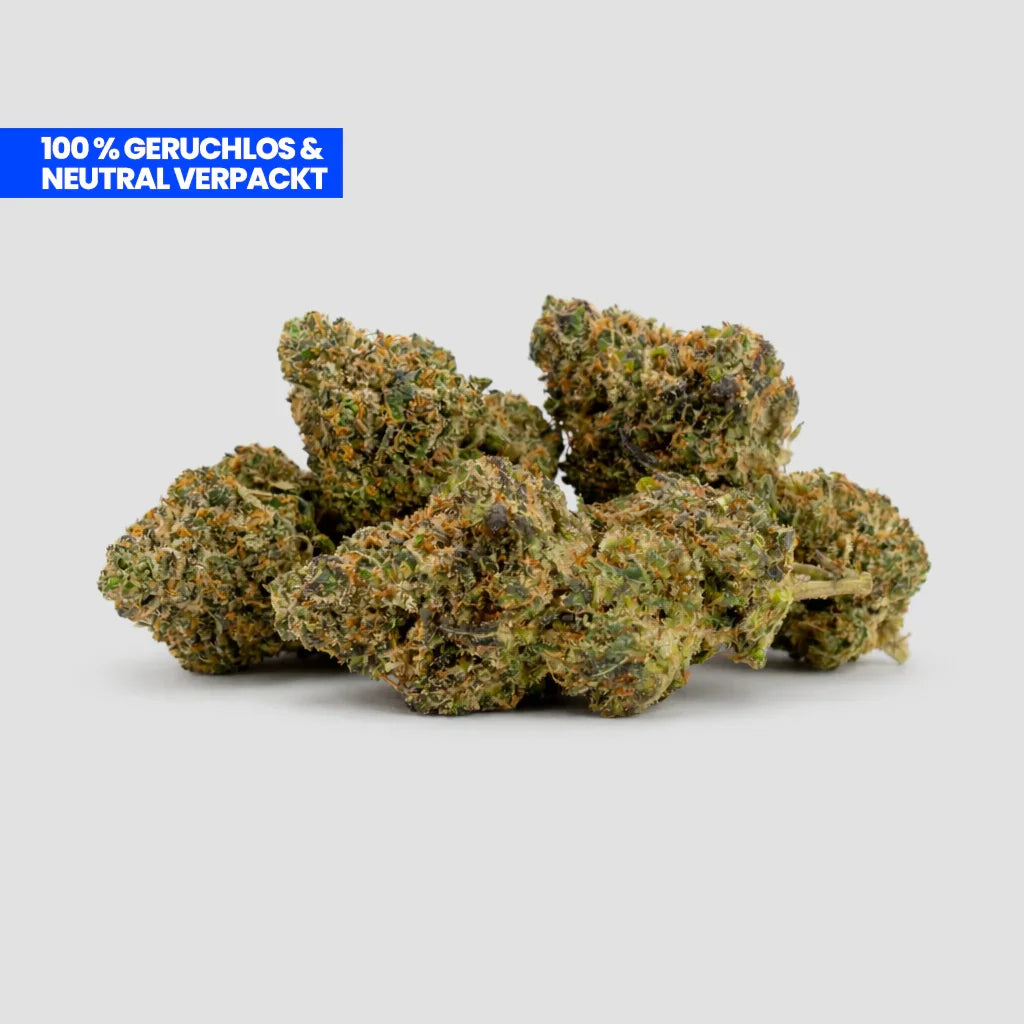
- Joints (Blüten): Cannabisblüten mit relevantem THC-Gehalt sind in Deutschland (noch) illegal außer auf Rezept. Jedoch ist dies die am weitesten verbreitete illegale Bezugsquelle – der klassische „Dealer“ oder Club. Die Qualität auf dem Schwarzmarkt variiert (es gibt Risken von Verunreinigungen, z.B. gestrecktes Gras). Erfreulicherweise gibt es seit einiger Zeit CBD-Blüten legal zu kaufen, die aussehen und riechen wie Cannabis, aber nur <0,2% THC enthalten. Die bringen psychoaktiv nichts, taugen aber manchen als Tabakersatz oder Placebo-Joint. Legale Alternative mit High: HHC-Blüten sind handelsüblich geworden: Das sind Hanfblüten, die mit HHC angereichert wurden (z.B. besprüht), wodurch sie konsumiert ein High erzeugen, rechtlich aber (noch) nicht verboten sind. Happyflower.io hat z.B. 10-OH-HHC-Premium-Blüten im Angebot . Damit kann man sich tatsächlich legal einen Joint drehen, der einen Rausch bewirkt – ein interessanter Workaround. Zubehör/Aufwand: Für Joints braucht man Dreher-Skills oder fertige Cones/Pre-Rolls. Man braucht Blättchen, Filter, Feuerzeug, ggf. Grinder. Das erfordert etwas Vorbereitung und „Know-how“. Anfänger tun sich oft schwer, gut zu drehen. Es gibt aber Hilfsmittel (Joint Roller Maschinen etc.). Rauchen produziert dann Asche, Rauch, die man beseitigen muss. Insgesamt der höchste „Handling-Aufwand“ im Vergleich zu Vape (Knopf drücken) oder Edible (auspacken). Fazit Verfügbarkeit: Noch illegal, aber wohl am einfachsten über Schwarzmarkt beschafft, was natürlich nicht empfohlen werden kann. Perspektivisch könnte die Legalisierung 2024/25 Abhilfe schaffen, dann wären Fachgeschäfte geplant. Bis dahin bieten legale HHC-Blüten eine Option, die in Joints verwendet werden können, ohne Gesetzeskonflikt – verfügbar bei spezialisierten Shops wie happyflower.io .
Rechtlicher Hinweis: Unabhängig von der Konsumform gilt: THC beeinflusst die Fahrtüchtigkeit. Im Straßenverkehr ist es illegal, unter THC-Einfluss zu fahren, und es drohen empfindliche Strafen, auch wenn das Cannabis an sich legal erworben wurde. THC ist zudem lange im Blut nachweisbar. In Deutschland liegt ein sehr niedriger Grenzwert, sodass praktisch jede Rauschsituation (auch am nächsten Tag) problematisch sein kann. Dies betrifft Vapes, Edibles und Joints gleichermaßen. Also – im Alltag bedenken: wer konsumiert, sollte nicht mehr aktiv am Verkehr teilnehmen.
Kosten: Der Preis hängt stark von Produkt und Markt ab. Ganz allgemein:
- Joints/Blüten: Straßencannabis in DE kostet ca. 10 € pro Gramm (mit ~150 mg THC bei 15%). Ein geübter Nutzer rollt daraus ~2 Joints. Also ~5 € pro Joint. HHC-Blüten liegen ähnlich oder etwas darüber im Preis.
- Vapes: Eine 1 ml Cartridge mit z.B. 90% HHC kostet rund 30–50 €. Darin stecken 900 mg Wirkstoff, was vielen Zügen entspricht – man kommt damit länger hin als mit 1 g Blüte. Allerdings initial Anschaffung Gerät usw.
- Edibles: Kommerzielle Edibles kosten je nach THC-Gehalt. Ein 10 mg Gummy könnte ~2–5 € kosten. Selbstgebacken hängt es vom Preis der eingesetzten Blüten ab (und wie viele Portionen rauskommen).
Interessant ist, dass durch die hohe Bioverfügbarkeit-Verluste Edibles pro Rauscherlebnis oft teurer kommen, weil man mehr THC verbraucht. Vapes sind eventuell am kosteneffektivsten, da hoher Wirkungsgrad. Aber diese Rechnung variiert stark.
Aufwand & Vorbereitung: Zusammenfassend:
- Vape: Geringster Aufwand (aufknopfdruck bereit), aber man muss das Gerät laden und Kartuschen kaufen.
- Edible: Gering beim Konsum (essen), hoch bei DIY-Herstellung.
- Joint: Mittlerer bis hoher Aufwand (Drehen, Zubehör, Raucherumgebung schaffen).


Welche Konsumform passt zu wem? (Einsteiger, Gelegenheitsnutzer, Erfahrene)
Zum Schluss möchten wir konkrete Handlungsempfehlungen für verschiedene Nutzertypen geben. Jede Konsumform hat Stärken und Schwächen, die je nach Erfahrung und Anlass unterschiedlich ins Gewicht fallen:
- Einsteiger: Wenn Du noch wenig oder keine Erfahrung mit THC hast, ist Dosierbarkeit und Sicherheit das A und O. Für Dich empfehlen sich THC-Vapes oder alternativ sehr niedrig dosierte Edibles, aber keine Joints mit unbekannter Potenz. Vapes ermöglichen Dir, vorsichtig Zug für Zug zu testen, wie THC wirkt, ohne Dich zu überfordern. Du kannst jederzeit stoppen, wenn Du merkst es reicht. Außerdem vermeidest Du beim Vapen die starken Rauchreize – als Neuling kann ein heftiger Joint-Hit die Lunge regelrecht umhauen. Ein weiterer Vorteil: Vapes enthalten keinen Tabak (im Gegensatz zu vielen Joints), somit kein erstes Kennenlernen mit Nikotin (was Du lieber vermeiden solltest, um keine Doppelsucht zu riskieren). Edibles sind für Neulinge nur geeignet, wenn sehr klein dosiert (z.B. 2,5 mg THC) und Du viel Geduld mitbringst. Bedenke, dass Du die Wirkung nicht gewohnt bist und Dich ein zu starkes Edible in Panik versetzen könnte. Viele Anfänger haben mit Edibles schlechte Erfahrungen gemacht, weil sie die lange Wartezeit falsch eingeschätzt haben. Also: Wenn Edible, dann extrem vorsichtig und am besten mit jemand Erfahrenem dabei. Joints sind für Einsteiger schwierig zu dosieren und auch das Inhalieren will gelernt sein (Tipp: Nicht wie eine Zigarette paffen, sondern tief inhaliert, sonst wirkt es kaum – aber das reizt die Lunge). Ein weiterer Punkt: Geschmack. Manche Neulinge mögen den herben Rauchgeschmack gar nicht; da sind Vapes/Edibles deutlich angenehmer. Insgesamt können wir Einsteigern raten: Starte lieber mit ein paar sanften Zügen an einem Vape (oder einer Vaporizer-Blüte, wenn vorhanden) – damit bekommst Du einen Eindruck, ohne Dich zu übernehmen. Happyflower.io hat z.B. auch Probierpakete mit milden PHC-Vapes, die für Anfänger geeignet sind . Wenn Dir das liegt, kannst Du später andere Formen ausprobieren.
- Gelegenheitsnutzer: Du konsumierst ab und zu zu besonderen Anlässen oder an Wochenenden? Dann wähle die Form nach dem Anlass! Für einen gemütlichen Filmabend oder Festival könnte ein Edible reizvoll sein, weil es lange anhält und Du nicht ständig nachlegen musst. Wenn Du z.B. nur alle paar Wochen mal Lust hast, high zu sein, und das richtig auskosten willst, sind Edibles eine spannende Option – aber bitte kenn Deine Grenze (wenn Du selten konsumierst, ist Deine Toleranz niedrig, also Edible-Dosis entsprechend gering halten, 5–10 mg könnten schon viel sein). Für gesellschaftliche Runden mit Freunden bleiben Joints oder ein gemeinsamer Vaporizer ein schönes Ritual – es fördert das Gemeinschaftsgefühl, wenn man etwas teilt. Als gelegentlicher Nutzer wirst Du auch nicht so sehr unter den Rauchfolgen leiden, da es nicht täglich ist. Allerdings: Wenn Dein Umfeld das Rauchen nicht mag (oder Du vielleicht selbst Nichtraucher bist außer Cannabis), nimm ruhig den Vaporizer mit in die Runde. Der Genuss ist ähnlich, aber alle können leichter durchatmen. Für unterwegs (z.B. beim Wandern, Konzert) eignet sich ein Vape-Pen hervorragend, weil Du diskret ein paar Züge nehmen kannst, ohne andere zu stören oder Dich verraten zu müssen. Gelegenheitsnutzer schätzen oft auch die Variation: Mal ein edibles Schokokuchen am Urlaubstag, mal ein Vape am Feierabend. Dir steht prinzipiell alles offen, weil Du nicht in einer festen Routine bist. Achte nur darauf, dass Du bei Edibles nicht die Toleranz von Vielrauchern überschätzt – Deine Pausen halten Deine Empfindsamkeit hoch, was ja gut ist (wenig reicht für Effekt), aber das musst Du bei Dosierung bedenken. Und plane Edible-Sessions so, dass keine Termine folgen.
- Erfahrene Nutzer: Du konsumierst regelmäßig (täglich oder fast täglich) und kennst Deine Reaktionen gut. Bei Dir spielen oft Langzeit-Aspekte eine Rolle. Viele erfahrene Konsumenten steigen im Laufe der Zeit vom Joint auf den Vaporizer um, um die Lunge zu schonen, insbesondere wenn sich Husten oder Atemprobleme bemerkbar machen. Falls Du also bislang vor allem Joints geraucht hast, könnte ein Umstieg auf THC-Vapes oder ein Tisch-Vaporizer für Blüten Deine Lebensqualität verbessern – Du bekommst denselben Effekt mit weniger gesundheitlicher Belastung . Erfahrene Nutzer neigen zu höherer Toleranz, das heißt, Du benötigst größere Mengen für die gleiche Wirkung. Hier können Edibles interessant sein, um mal wieder ein intensiveres High zu erleben, da Edibles auch bei Toleranz oft kräftig wirken (allerdings baust Du auch dort Toleranz auf, aber viele Viel-Raucher berichten, Edibles „hauen sie trotzdem um“ – vorsichtig angehen!). Wenn Du täglich konsumierst, sind Vapes im Alltag am effizientesten und unauffälligsten. Allerdings besteht bei starker Gewöhnung die Gefahr, dass man ständig am Vape nuckelt – hier hilft Selbstdisziplin oder bewusste Pausen. Als erfahrener Nutzer weißt Du auch, dass Mischkonsum (mit Alkohol etc.) zusätzliche Risiken birgt – Edibles + Alkohol z.B. kann sehr heftig werden. Also auch mit Erfahrung: Kenne Deine Grenzen. In Sachen Kosten: Erfahrene schwören oft auf Bulk-Beschaffung von Blüten oder hochkonzentrierten Extrakten, was dann per Vaporizer oder Dab rig konsumiert wird – diese Aspekte gehen über unseren Vergleich hinaus, aber sei erwähnt, dass extrem hochpotente Konzentrate (Dabs/Shatter) zwar inhalativ sind, aber nochmals ein anderes Level an Unerfahrenheitsrisiko darstellen. Für die meisten regelmäßigen Nutzer werden Vapes (Konzentrat oder Blüte) die beste Balance bieten, weil sie auf Dauer günstiger und sauberer sind als Joints. Edibles können als gelegentliches Highlight oder zum Schlafen eingesetzt werden. Und natürlich: Selbst erfahrene Cannabisfreunde genießen hin und wieder den guten alten Joint – weil er etwas Kultiges hat. Das ist legitim, aber du kannst Dir die Joints ja für besondere Momente aufheben (z.B. am Lagerfeuer mit Freunden), und im Alltag sonst Vaporizer nutzen – Deine Lunge wird es Dir danken.
Was wirkt schneller: THC Vape, Edible oder Joint?
THC Vapes und Joints wirken nahezu sofort – meist innerhalb von 1–5 Minuten, weil das THC direkt über die Lunge ins Blut gelangt.
Edibles dagegen brauchen 30–90 Minuten, da das THC erst im Verdauungstrakt verarbeitet werden muss.
Welche Konsumform hält am längsten an?
Edibles liefern die längste Wirkungsdauer: 6–8 Stunden, manchmal sogar bis zu 12 h.
Vapes und Joints wirken deutlich kürzer – meist 2–3 Stunden.
Welche Methode ist am gesündesten?
Verdampfen (Vape) gilt als deutlich schonender als Rauchen.
Beim Verdampfen entstehen keine Verbrennungsstoffe wie Teer oder Kohlenmonoxid.
Edibles belasten die Lunge gar nicht, können aber bei Überdosierung zu starker Wirkung führen.
Warum wirken Edibles oft stärker als erwartet?
Weil der Körper das THC in der Leber in 11-Hydroxy-THC umwandelt – ein Metabolit, der stärker psychoaktiv ist als normales THC.
Das erklärt das intensivere und körperlichere „Body-High“.


💨 THC Vapes bei Happyflower entdecken
Laborgeprüft · Diskret versandt · ⭐ 4,6/5 (750+ Bewertungen)
Jetzt THC Vapes ansehen →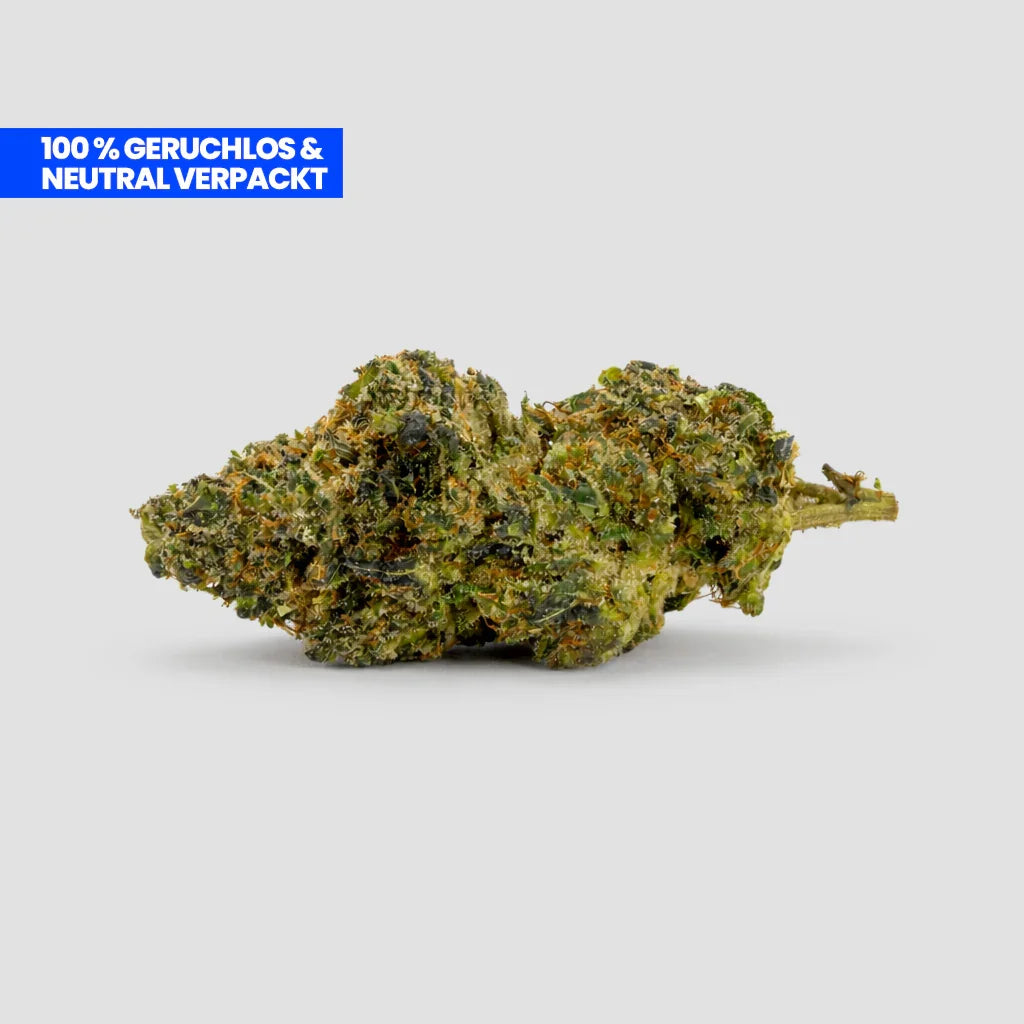

Share:
THC Vape – Der moderne Cannabis-Genuss ohne Kompromisse
THC gegen Regelschmerzen – Wie Cannabis bei Periodenbeschwerden helfen kann