Key Takeaways: Was ist Hanf im Überblick?
- Was ist Hanf? Cannabis sativa, ne krasse Nutzpflanze mit fast null THC.
- Warum ist Hanf wichtig? Nachhaltig, vielseitig, perfekt für uns junge Leute.
- Was macht Hanf besonders? Wächst schnell, rettet die Umwelt, liefert alles von Shirts bis Beton.
- Ist Hanf legal? Yup, Nutzhanf mit unter 0,2 % THC ist safe – checkt Happyflower.io!
- Zukunft: Hanf ist der Boss für ne grüne Welt – seid dabei!


Inhaltsverzeichnis
- 1. Key Takeaways: Was ist Hanf im Überblick?
- 2. Was ist Hanf und warum ist er so besonders?
- 3. Wie wurde Hanf früher eingesetzt?
- 4. Warum gilt Hanf als nachhaltige Ressource?
- 5. Wie unterscheidet sich Nutzhanf von psychoaktivem Cannabis?
- 6. Darf man Hanf legal anbauen?
- 7. Welche Produkte entstehen aus Hanf?
- 8. Welche Nährstoffe stecken in Hanf?
- 9. Kann Hanf medizinisch helfen?
- 10. Wie funktioniert der Anbau von Hanf?
- 11. Warum ist Hanf manchmal umstritten?
- 12. Welche Rolle spielt Hanf in der Textilindustrie?
- 13. Wie beeinflusst Hanf die Baubranche?
- 14. Was sind die wirtschaftlichen Chancen von Hanf?
- 15. Welche Hindernisse gibt es beim Hanfanbau?
- 16. Wie könnte Hanf die Zukunft gestalten?
Was ist Hanf und warum ist er so besonders?
Yo, Leute, habt ihr euch schon mal gefragt, was Hanf eigentlich ist? Nicht nur die Pflanze, die euch vielleicht ab und zu mal nen entspannten Abend beschert, sondern dieses grüne Wunder, das irgendwie alles kann? Hanf ist wie der Alleskönner unter den Pflanzen – ein echter Gamechanger, der schon seit Jahrtausenden die Welt rockt. In diesem Artikel nehmen wir euch mit auf eine Reise durch die Welt des Hanfs: Wo kommt er her, was geht mit ihm ab, und warum ist er für uns junge Leute so spannend? Egal, ob ihr schon Fans seid oder einfach mal checken wollt, was die Jungs von Happyflower.io so anbieten – hier kriegt ihr die volle Ladung Infos, ohne langweiligen Schulbuch-Vibe. Lasst uns loslegen!
Was genau ist Hanf botanisch gesehen?
Okay, fangen wir mal basic an: Hanf ist im Grunde Cannabis sativa – klingt fancy, oder? Aber keine Sorge, wir bleiben entspannt. Diese Pflanze ist ein echter Hingucker: schlanke, gezackte Blätter, die wie kleine grüne Hände in die Luft ragen, ein stabiler Stängel, der richtig was aushält, und Samen, die wie Mini-Powerpacks voller Nährstoffe sind. Wissenschaftlich gesehen gehört Hanf zur Familie der Cannabaceae, aber das ist uns erstmal egal – wichtig ist, dass diese Pflanze mehr draufhat als nur gut auszusehen. Sie wächst schnell, ist robust und liefert alles, von Fasern bis Öl. Also, kein Wunder, dass sie seit Ewigkeiten im Einsatz ist!
Wo hat Hanf seinen Ursprung?
Stellt euch vor, wir reisen zurück – weit zurück. Hanf kommt ursprünglich aus Asien, genauer gesagt aus China, wo die Leute schon vor über 10.000 Jahren gecheckt haben, dass die Pflanze ein Volltreffer ist. Archäologen haben Hanfsamen in alten Tonscherben gefunden – das Zeug war damals schon ein Star! Von dort hat sich Hanf über Indien, den Nahen Osten und Europa verbreitet, immer mit im Gepäck: seine Skills als Textil-Lieferant, Nahrungsquelle und sogar als Heilpflanze. Die alten Chinesen haben daraus Seile geknüpft, die Ägypter haben’s für Medizin genutzt – Hanf war quasi der OG der Multitasker.

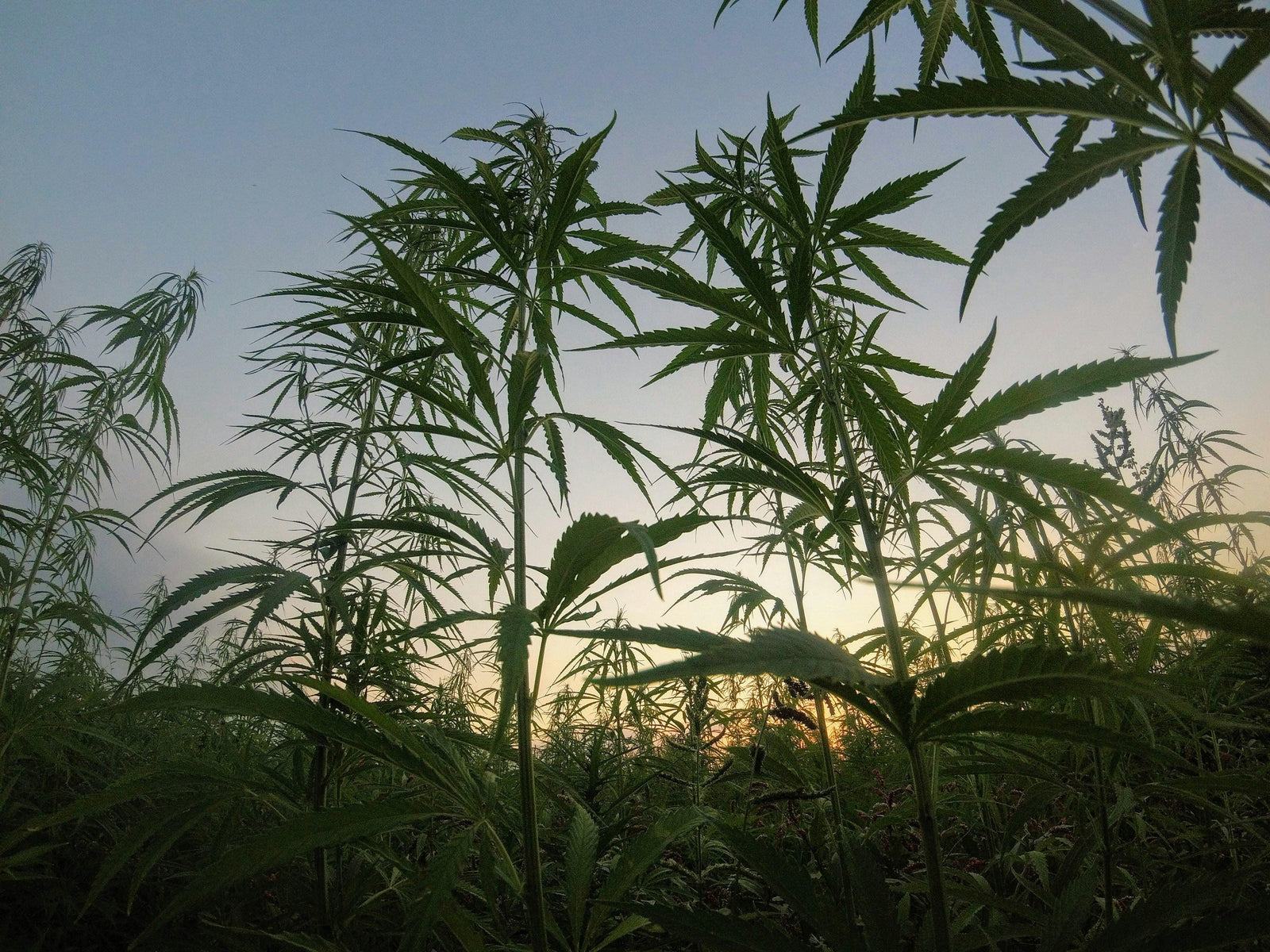
Foto von Joel Muniz auf Unsplash
Welche Unterschiede gibt es zwischen Hanfarten?
Jetzt wird’s interessant, vor allem für euch Weed-Fans da draußen. Hanf ist nicht gleich Hanf. Es gibt den sogenannten Nutzhanf – der mit fast null THC, also dem Stoff, der euch high macht – und dann das psychoaktive Cannabis, auch Marihuana genannt, das ordentlich THC mitbringt. Nutzhanf hat maximal 0,2 % THC, während Marihuana locker mal 20 % oder mehr haben kann. Der Unterschied? Nutzhanf macht euch nicht breit, sondern liefert Rohstoffe für krasse Sachen wie Klamotten oder Öl. Marihuana ist eher was für den Kopf. Bei Happyflower.io könnt ihr übrigens checken, wie die legalen Hanf-Produkte abgehen – kein Stress, alles safe!
Wie wurde Hanf früher eingesetzt?
Hört mal, wie cool das ist: Früher war Hanf der Boss. Die alten Chinesen haben daraus Seile und Netze fürs Fischen gemacht – stabiler als alles andere. In Europa hat man im Mittelalter Papier aus Hanf gekloppt, lange bevor Bäume dafür herhalten mussten. Sogar die Segel von Christoph Kolumbus’ Schiffen? Hanf! Die Samen wurden als Snack geknabbert, und in der Medizin hat man Hanf gegen Schmerzen und schlechte Vibes eingesetzt. Kurzum: Hanf war damals schon der Bro, der immer liefert – vielseitig und zuverlässig.
Wozu dient Hanf in der modernen Welt?
Heute ist Hanf zurück und besser denn je. Die Industrie hat ihn wiederentdeckt, und das zurecht. Aus den Fasern kommen krasse Klamotten – atmungsaktiv und langlebig. Hanfsamen landen in Smoothies oder als Öl in der Küche, und CBD-Produkte sind der Renner für alle, die mal entspannen wollen, ohne gleich high zu werden. Bauunternehmen mischen Hanfbeton für Häuser, die warm bleiben und die Umwelt schonen. Bei Happyflower.io gibt’s übrigens ne fette Auswahl an Hanf-Goodies – von Ölen bis Snacks, alles legal und easy zu bestellen. Hanf ist 2025 einfach überall!
Warum gilt Hanf als nachhaltige Ressource?
Wenn du auf Nachhaltigkeit abfährst, ist Hanf dein neuer bester Freund. Die Pflanze wächst wie verrückt – in 3-4 Monaten ist sie erntereif, während Bäume Jahre brauchen. Sie schluckt CO₂ wie ein Staubsauger und macht den Boden sogar besser, weil sie Nährstoffe zurücklässt. Plus: Hanf braucht kaum Wasser oder Pestizide. Das ist doch mal ne Ansage gegen Klimawandel und Co., oder? Kein Wunder, dass die jungen Leute bei Happyflower.io so auf Hanf abgehen – grün leben war noch nie so easy.
Wie unterscheidet sich Nutzhanf von psychoaktivem Cannabis?
Klären wir mal den Mythos: Nutzhanf und Marihuana sind wie Cousins, aber mit total anderem Lifestyle. Nutzhanf hat fast kein THC – maximal 0,2 %, also nix los im Kopf. Marihuana dagegen ist die Party-Version mit THC-Werten, die euch abheben lassen. CBD, das entspannende Zeug, gibt’s in beiden, aber Nutzhanf ist der brave Typ, den ihr legal anbauen könnt. Viele denken immer noch, Hanf ist gleich Weed, aber nope – Nutzhanf ist der chillige Alltagsheld, und bei Happyflower.io kriegt ihr genau das Zeug, das safe ist.
Darf man Hanf legal anbauen?
Ja, kann man – aber mit Regeln. In Deutschland und der EU ist Nutzhanf mit unter 0,2 % THC erlaubt, wenn ihr’s anmeldet. Bauern müssen Sorten aus einem offiziellen Katalog nehmen und den THC-Gehalt checken lassen. Marihuana anbauen? Nope, das bleibt illegal, außer für medizinische Zwecke mit Sondergenehmigung. Weltweit sieht’s unterschiedlich aus: In den USA z. B. ist Nutzhanf seit 2018 bundesweit okay, während Kanada sogar Freizeit-Weed freigegeben hat. Bei Happyflower.io bleibt alles entspannt legal – keine Sorgen, nur gute Vibes.
Welche Produkte entstehen aus Hanf?
Hanf ist wie ein Zauberer – er macht einfach alles. Checkt das mal:
- Klamotten: T-Shirts und Hosen aus Hanffasern, super bequem und haltbar.
- Essen: Hanfsamen für Müsli, Öl für Salate – gesund und lecker.
- Bau: Hanfbeton für Wände, die isolieren und die Umwelt retten.
- Kosmetik: Cremes und Shampoos mit Hanföl, die eure Haut lieben.
Und das ist nur der Anfang! Es gibt sogar Biokunststoffe aus Hanf, die Plastikmüll den Mittelfinger zeigen. Bei Happyflower.io könnt ihr die coolsten Hanf-Produkte shoppen – alles, was ihr für den entspannten Lifestyle braucht.
Welche Nährstoffe stecken in Hanf?
Hanfsamen sind kleine Nährstoff-Bomben, perfekt für uns junge Leute. Die Dinger sind voll mit Omega-3 und -6 – gut fürs Herz und den Kopf. Dazu kommt Protein, fast wie in Fleisch, aber vegan. Magnesium, Zink und Vitamin E sind auch drin, also echt ne Powermischung. Studies aus 2024 zeigen, dass Hanfsamen sogar den Cholesterinspiegel chillen können. Ob im Smoothie oder als Snack – das Zeug hält euch fit, ohne viel Aufwand. Happyflower.io hat da übrigens richtig gute Optionen im Angebot.
Kann Hanf medizinisch helfen?
Ja, kann er! CBD aus Hanf ist der Star hier. Es macht nicht high, sondern entspannt – perfekt nach nem stressigen Tag. Studien aus 2025 sagen: CBD kann bei Angst, Schlafproblemen und sogar chronischen Schmerzen helfen. THC kommt nur in medizinischem Cannabis vor, aber das ist ne andere Story. Hanföl aus den Samen pflegt die Haut und wirkt entzündungshemmend. Die Wissenschaft ist noch am Ball, aber die Vibes sind gut. Bei Happyflower.io gibt’s CBD-Produkte, die ihr easy testen könnt – ohne Risiko, nur Relax.
Wie funktioniert der Anbau von Hanf?
Hanf anbauen ist simpler, als ihr denkt. Die Pflanze mag Sonne, aber kommt auch mit kargem Boden klar. In 100-120 Tagen ist sie ready – kein langes Warten. Wasser braucht sie wenig, und Schädlinge sind kein Ding, weil sie robust ist. Nach der Ernte werden die Stängel getrocknet, die Samen rausgeholt und die Fasern verarbeitet. Moderne Bauern nutzen Maschinen, aber früher ging’s per Hand. Das Beste? Hanf macht den Boden besser für die nächste Runde. Easy, nachhaltig, effektiv.
Warum ist Hanf manchmal umstritten?
Hanf hat nen schlechten Ruf, und das nur wegen seinem Cousin Marihuana. Viele denken: „Hanf = Drogen“, aber das stimmt nicht. Nutzhanf macht euch nicht high – das ist Fakt. Trotzdem gibt’s Vorurteile, vor allem bei älteren Leuten oder Behörden. Die Prohibition in den 1930ern hat’s verschlimmert – damals wurde Hanf mit Weed in einen Topf geworfen. Heute klärt die junge Generation auf: Hanf ist cool, legal und nützlich. Happyflower.io zeigt, wie entspannt das Thema sein kann.
Welche Rolle spielt Hanf in der Textilindustrie?
Hanf rockt die Modewelt! Die Fasern sind stärker als Baumwolle und halten ewig. Ein Hanf-Shirt atmet, kratzt nicht und wird mit jedem Waschen weicher – perfekt für uns, die Wert auf Style legen. Dazu ist die Produktion grüner: weniger Wasser, keine Chemie. Marken wie Patagonia setzen schon drauf, und kleine Labels machen mit. Hanf könnte Baumwolle echt den Rang ablaufen – nachhaltig und fresh zugleich.

Foto von CRYSTALWEED cannabis auf Unsplash
Wie beeinflusst Hanf die Baubranche?
Stellt euch vor: Häuser aus Hanf. Klingt crazy, ist aber real. Hanfbeton – eine Mischung aus Hanffasern und Kalk – ist leicht, stabil und isoliert wie ein Boss. Es hält warm im Winter und kühl im Sommer, plus es speichert CO₂. In Frankreich und Kanada bauen sie schon ganze Siedlungen damit. Dämmstoffe aus Hanf sind auch im Kommen – leise, umweltfreundlich, effektiv. Hanf macht Bauen grün, und das ist genau unser Ding.
Was sind die wirtschaftlichen Chancen von Hanf?
Hanf ist ein Goldmine, Leute. Der Markt wächst – 2024 lag er global bei über 5 Milliarden Euro, und 2025 wird’s noch mehr. Jobs entstehen: Bauern, Verarbeiter, Shops wie Happyflower.io. Besonders CBD und Lebensmittel boomen. Klar, es gibt Hürden – Regeln, Konkurrenz – aber das Potenzial ist riesig. Wer jetzt einsteigt, ist vorne mit dabei. Hanf ist nicht nur chill, sondern auch Cash.
Welche Hindernisse gibt es beim Hanfanbau?
Nicht alles läuft smooth. Der Anbau ist legal, aber die Bürokratie nervt – Genehmigungen, THC-Checks, Papierkram. Dazu kommt der Markt: Hanf ist noch nicht überall akzeptiert, und Baumwolle oder Beton sind billiger. Startkapital für Farmer ist auch ne Sache. Aber die Szene wächst, und mit jedem Jahr wird’s leichter. Die Community pusht – Hanf hat Zukunft.
Wie könnte Hanf die Zukunft gestalten?
Hanf ist bereit für die große Bühne. Forschung aus 2025 zeigt: Neue Sorten mit noch besseren Fasern, mehr CBD-Anwendungen, sogar Hanf-Batterien sind in Arbeit. Die Welt will grün werden, und Hanf liefert die Antworten – von Mode bis Medizin. Bei Happyflower.io könnt ihr den Trend schon jetzt mitnehmen: legale Produkte, die Spaß machen und was bewegen. Hanf ist nicht nur ne Pflanze – es ist ne Revolution.
Das könnte dich auch interessieren


🌱 CBD Produkte bei Happyflower entdecken
Laborgeprüft · Diskret versandt · ⭐ 4,6/5 (750+ Bewertungen)
Jetzt CBD Produkte ansehen →
Share:
Edibles Lagerung: 10 Tipps für deine Cannabis Edibles 2025
PHC Cannabinoid kaufen 2025: Top Guide für 8h High