THCA vs THC – Der komplette Vergleich 2026
Gleiche Buchstaben, eine kleine Abkürzung, ein riesiger Unterschied – zumindest chemisch. THCA vs THC ist nicht nur eine Frage der Potenz, sondern eine grundlegende Frage darüber, wie Cannabinoide entstehen, sich verändern und wie Gesetze darauf reagieren. Wer die Hanfpflanze wirklich versteht, versteht diesen Unterschied. Und wer ihn versteht, versteht auch, warum THCA-Blüten gerade so ein Thema sind.
Was ist THCA?

THCA steht für Tetrahydrocannabinolsäure (englisch: Tetrahydrocannabinolic Acid). Es ist die natürlich in der frischen, lebenden Cannabispflanze vorkommende Form des Cannabinoids. THCA ist die inaktive, nicht-psychoaktive Säureform von THC – ein sogenanntes Precursor-Molekül.
In der lebenden Pflanze wird über den Biosyntheseweg zunächst CBGA (Cannabigerolsäure) gebildet, die dann zu THCA umgewandelt wird. Erst wenn die Pflanze getrocknet, erhitzt oder gelagert wird, decarboxyliert THCA – verliert also eine Carboxylgruppe (–COOH) – und wird zu aktivem THC.
Das ist keine Randnotiz: Frisch geerntete Cannabisblüten enthalten fast ausschließlich THCA, kaum freies THC. Der THC-Gehalt entsteht erst durch Wärme oder Zeit. Dieser Prozess ist als Decarboxylierung bekannt.
Chemisch hat THCA die Molekülformel C₂₂H₃₀O₄ – das zusätzliche „A" in THCA steht für die Carboxylgruppe, die THC fehlt (C₂₁H₃₀O₂).
Steckbrief THCA:
- Vollständiger Name: Δ9-Tetrahydrocannabinolsäure
- Vorkommen: Frische Cannabispflanze, rohe Blüten
- Psychoaktivität: Keine (in rohem Zustand)
- Wird zu THC durch: Hitze oder Zeit (Decarboxylierung)
- Legalstatus DE 2026: Differenziert – siehe unten
Was ist THC?
THC – Delta-9-Tetrahydrocannabinol – ist das bekannteste und am stärksten psychoaktive Cannabinoid. Es bindet mit hoher Affinität an den CB1-Rezeptor im Endocannabinoidsystem des menschlichen Gehirns und ist für die typischen Wirkungen verantwortlich, die mit Cannabis assoziiert werden.
THC entsteht natürlicherweise aus THCA – entweder spontan durch Lagerung (langsam) oder durch Hitzeeinwirkung (schnell). Beim Erhitzen auf etwa 100–120 °C findet die Decarboxylierung statt. Ab dieser Temperatur verliert THCA seine Carboxylgruppe und wird zu psychoaktivem THC.
THC ist in Deutschland nach dem BtMG als Betäubungsmittel eingestuft. Für den privaten Besitz und Konsum von Cannabis gelten seit der Teillegalisierung 2024 begrenzte Mengen für Erwachsene – allerdings nur für in Deutschland angebautes oder über autorisierte Kanäle bezogenes Cannabis. Im klassischen Handel – etwa für THC-reiche Blüten ohne medizinische Verschreibung – ist THC nach wie vor stark reguliert.
Steckbrief THC:
- Vollständiger Name: Δ9-Tetrahydrocannabinol
- Wirkmechanismus: CB1-Agonist (stark)
- Psychoaktivität: Ja, stark
- Entsteht aus: THCA (durch Decarboxylierung)
- Legalstatus DE 2026: Reguliert (BtMG), begrenzte Ausnahmen
THCA vs THC – Der direkte Vergleich
| Merkmal | THCA | THC |
|---|---|---|
| Chemische Formel | C₂₂H₃₀O₄ | C₂₁H₃₀O₂ |
| Psychoaktivität (roh) | Keine | Ja, stark |
| CB1-Rezeptorbindung | Gering (roh) | Stark |
| Vorkommen | Rohe/frische Pflanze | Erhitzte/getrocknete Pflanze |
| Umwandlung | → THC durch Hitze/Zeit | Endform (kein Vorläufer) |
| Legalstatus DE 2026 | Differenziert (Graubereich) | Stark reguliert (BtMG) |
| Drogentest-Reaktion | Nach Decarboxylierung: positiv | Positiv (THC-Metabolite) |
| Hauptmerkmal | Nicht-psychoaktive Vorstufe | Primäres Psychoaktivum |
Wirkung im Vergleich
THCA in seiner rohen Form ist nicht psychoaktiv. Das liegt daran, dass die Carboxylgruppe des Moleküls verhindert, dass es effizient an den CB1-Rezeptor bindet. Wer also rohe Cannabisblüten mit hohem THCA-Gehalt konsumiert (z. B. als Kaltextrakt oder Saft), erlebt keine THC-typische Wirkung.
Sobald THCA erhitzt wird – ab etwa 100–120 °C – wandelt es sich in THC um. Das passiert beim klassischen Erhitzen von Hanfblüten, beim Backen von Edibles oder bei jedem Erhitzungsprozess. Das resultierende THC ist dann vollständig psychoaktiv.
Vereinfacht ausgedrückt: THCA und THC sind zwei Zustände desselben Moleküls. THCA ist der inaktive Rohzustand, THC ist der aktivierte Zustand nach Wärme. Wer THCA-Blüten kauft und erhitzt, hat im Ergebnis THC-Effekte.
Legalität in Deutschland (Stand 2026)
Das ist der rechtlich interessanteste Teil: THCA selbst ist nicht im BtMG als Betäubungsmittel gelistet – das Gesetz bezieht sich auf THC. Da THCA in rohem Zustand nicht psychoaktiv ist, befindet es sich in einem rechtlichen Graubereich.
Allerdings gibt es einen entscheidenden Punkt: THCA-Blüten haben oft einen sehr hohen Gesamt-THC-Gehalt (nach Decarboxylierung). Wenn Behörden oder Gerichte den Gesamt-THC-Gehalt (THCA + THC nach Decarboxylierung) bewerten, können THCA-reiche Blüten als THC-haltige Produkte eingestuft werden.
In Deutschland gilt außerdem: Seit dem Cannabis-Gesetz 2024 dürfen Erwachsene bis zu 25 g Cannabis bei sich tragen und zu Hause maximal 50 g besitzen – aber nur Cannabis, das über legale Kanäle (Social Clubs, eigener Anbau) bezogen wurde. Für Produkte aus Drittstaat-Quellen bleibt die Rechtslage unklar.
THCA-Produkte aus dem CBD-Markt (mit niedrigem THC-Gesamtgehalt nach Decarboxylierung ≤ 0,3 %) sind potenziell legal – aber auch hier gilt: eigene Recherche und Vorsicht sind wichtig.
Unser Sortiment umfasst verschiedene THC-verwandte Produkte sowie CBD-Blüten für den legalen Bereich.
Für wen eignet sich was?
THCA-Produkte könnten interessant sein, wenn du:
- Die chemische Vorstufe zu THC erforschen möchtest
- Interesse an rohen Cannabinoidprofilen hast
- Die rechtliche Grauzone kennst und für dich bewertest
THC-Produkte sind relevant, wenn:
- Du innerhalb des deutschen Rechtsrahmens Cannabis konsumierst (z. B. über Social Clubs)
- Du medizinisches Cannabis mit Verschreibung nutzt
- Du die psychoaktive Wirkung des klassischen Cannabinoids kennst und schätzt
FAQ – THCA vs THC
Ist THCA dasselbe wie THC?
Nein. THCA ist die nicht-psychoaktive Säurevorstufe von THC. Sie unterscheiden sich durch eine Carboxylgruppe (-COOH). Diese wird durch Hitze abgespalten (Decarboxylierung), wodurch aus THCA aktives THC entsteht.
Was passiert, wenn man THCA erhitzt?
Durch Erhitzen über ca. 100–120 °C verliert THCA seine Carboxylgruppe und wird zu Delta-9-THC. Das Verhältnis der Umwandlung beträgt grob 87 % (0,877 g THC pro 1 g THCA) – der Rest geht als CO₂ verloren.
Ist THCA in Deutschland legal?
THCA selbst ist nicht explizit im BtMG gelistet. Allerdings bewerten Behörden Produkte häufig nach dem Gesamt-THC-Gehalt nach Decarboxylierung – weshalb THCA-reiche Blüten trotzdem als THC-haltig eingestuft werden können. Die Rechtslage ist komplex und sollte individuell geprüft werden.
Werden THCA-Produkte im Drogentest erkannt?
Wenn THCA zu THC decarboxyliert wurde (z. B. durch Erhitzen), entstehen dieselben THC-Metabolite wie bei direktem THC-Konsum. Ein Drogentest würde dann positiv anschlagen.
Wie hoch ist der THCA-Gehalt in typischen Cannabisblüten?
In Hochpotenz-Cannabissorten können frische Blüten THCA-Gehalte von 20–30 % erreichen. Nach vollständiger Decarboxylierung ergibt das einen THC-Gehalt von etwa 17–26 %.
Fazit
THCA und THC sind zwei Seiten einer Medaille – oder präziser: zwei Zustände desselben Moleküls. THCA ist die ruhende, inaktive Form in der frischen Pflanze. THC ist das aktivierte, psychoaktive Endprodukt, das durch Wärme entsteht.
Der Unterschied ist nicht nur chemisch relevant, sondern hat direkte Auswirkungen auf Legalität, Wirkung und die Art, wie Produkte am Markt positioniert werden. Wer das versteht, hat einen echten Wissensvorteil – egal ob es um den Kauf von Blüten, Vapes oder anderen Cannabinoid-Produkten geht.
Neugierig geworden?
Stöber durch unser Sortiment an CBD-Blüten und Cannabinoid-Produkten – alles transparent und mit vollständiger Deklaration.
CBD Blüten entdecken →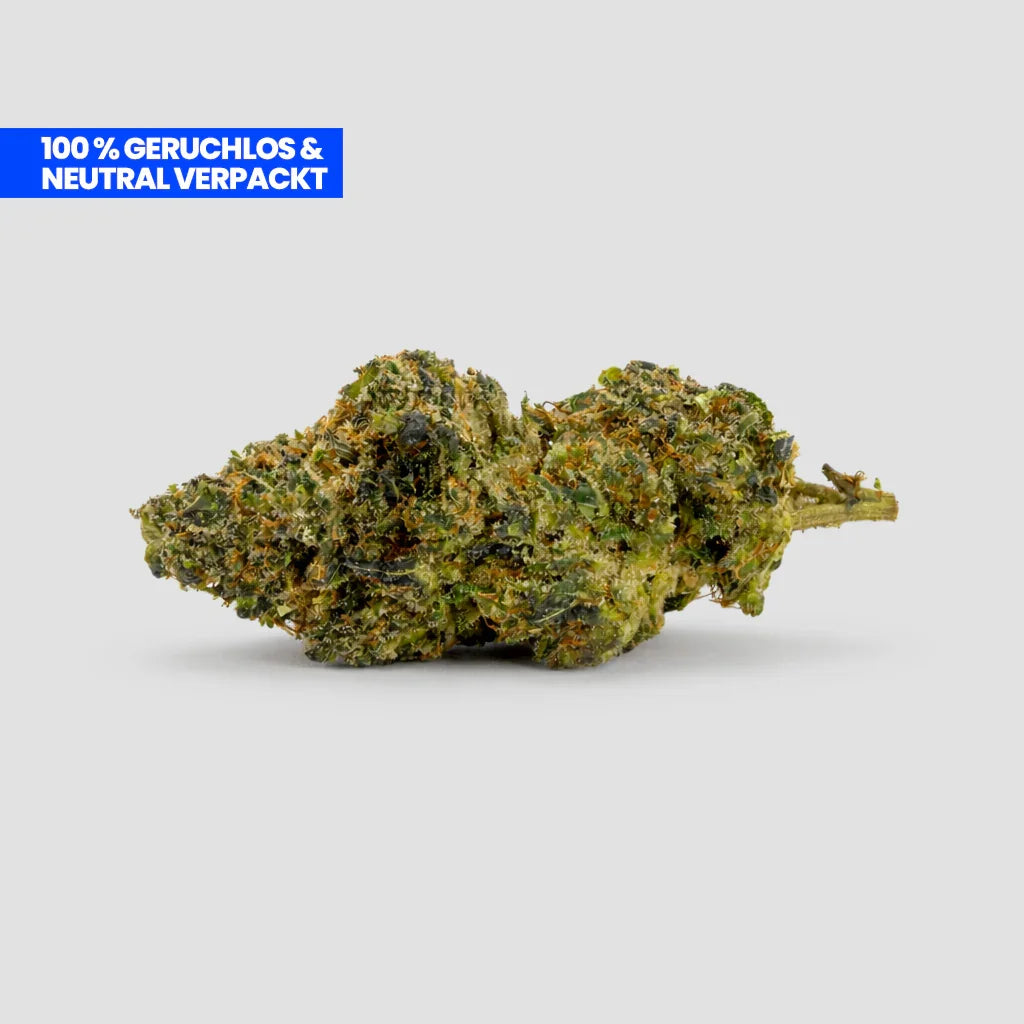


Share:
9H-HHC vs HHC – Wirkung, Legalität & Vergleich
HHC Gummies Wirkung – Onset, Dauer, Dosierung & ehrliche Erfahrungen