Du willst wissen, was hinter HHC, PHC, THCP & Co. steckt – ohne Chemie-Vorlesung, aber mit echten Fakten, rechtssicherem Überblick und klaren Empfehlungen? Genau darum geht’s hier. Alles knackig, gut lesbar und ohne Schönfärberei.
- 1. Warum sind HHC, PHC & Co. plötzlich überall – und was zählt 2025 wirklich?
- 2. Was sind „neue Cannabinoide“ überhaupt – natürlich, halbsynthetisch oder synthetisch?
- 3. Was ist HHC – und wie fühlt es sich an im Vergleich zu THC?
- 4. Ist PHC ein „echtes“ Cannabinoid – oder nur Marketing?
- 5. PHC vs. THC – was ist der reale Unterschied (Wirkung, Onset, Risiken)?
- 6. Welche neuen Cannabinoide sind 2025 noch relevant – und wie stark sind sie wirklich?
- 7. In welchen Produkten tauchen HHC, PHC & Co. auf – und was ist 2025 in DE realistisch?
- 8. Wie dosiere ich neue Cannabinoide sinnvoll – ohne mich wegzuschießen?
- 9. Welche Risiken & Nebenwirkungen sind real – und was ist Mythos?
- 10. Ist HHC in Deutschland legal – und was ist mit PHC & Co.?
- 11. 10-OH-HHCP legal? Was du 2025 wirklich wissen musst
- 12. Welche Unterschiede gibt’s international (EU/USA) – und warum betrifft dich das?
- 13. Wie kaufst du 2025 clever ein – ohne rechtliche Kopfschmerzen?
- 14. Was sind realistische „Use-Cases“ – und wo wird’s riskant?
- 15. Key Takeaways – HHC, PHC & Co.: Der ultimative Guide zu neuen Cannabinoiden
Warum sind HHC, PHC & Co. plötzlich überall – und was zählt 2025 wirklich?
Kurzfassung: Der Markt ist in Bewegung, weil semi-synthetische/„neue“ Cannabinoide seit 2022 europaweit auftauchen – oft als „legale Alternativen“ zu THC. Die EU-Drogenbehörde meldet bis Ende 2024 24 identifizierte semi-synthetische Cannabinoide im Umlauf. Gleichzeitig ziehen Regulierungen spürbar an. Ergebnis: verwirrende Produktnamen, wechselnde Legalität, unterschiedliches Risiko. EUDA
Was sind „neue Cannabinoide“ überhaupt – natürlich, halbsynthetisch oder synthetisch?
- Natürlich: kommen so in der Pflanze vor (z. B. CBD, THC – und extrem selten THCP).
- Halbsynthetisch: aus natürlichen Cannabinoiden umgebaut (z. B. HHC aus CBD).
-
Synthetisch: reine Labor-Designs ohne natürliches Vorbild.
Warum es dich kümmern sollte: Die Herstellungsroute beeinflusst Recht & Risiko (NpSG in DE erfasst ganze Stoffgruppen/Derivate). BMG
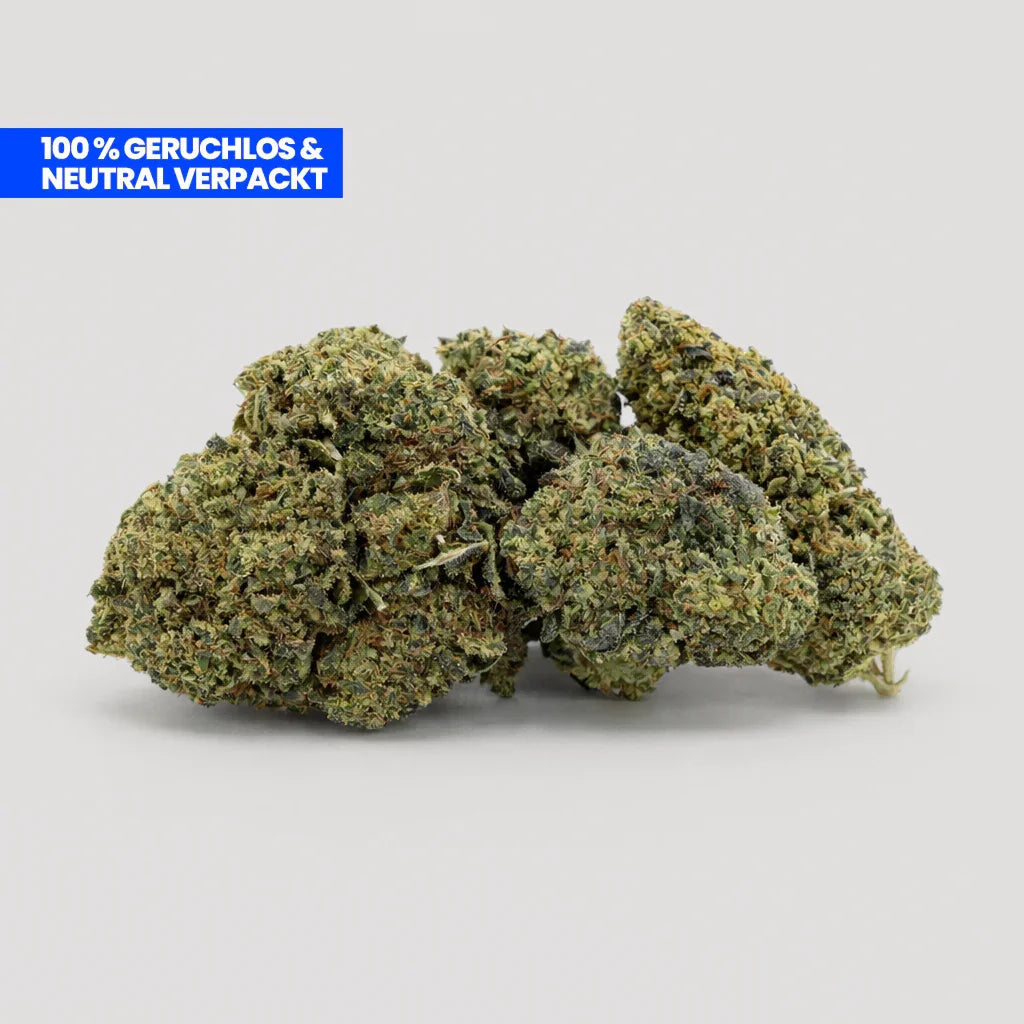
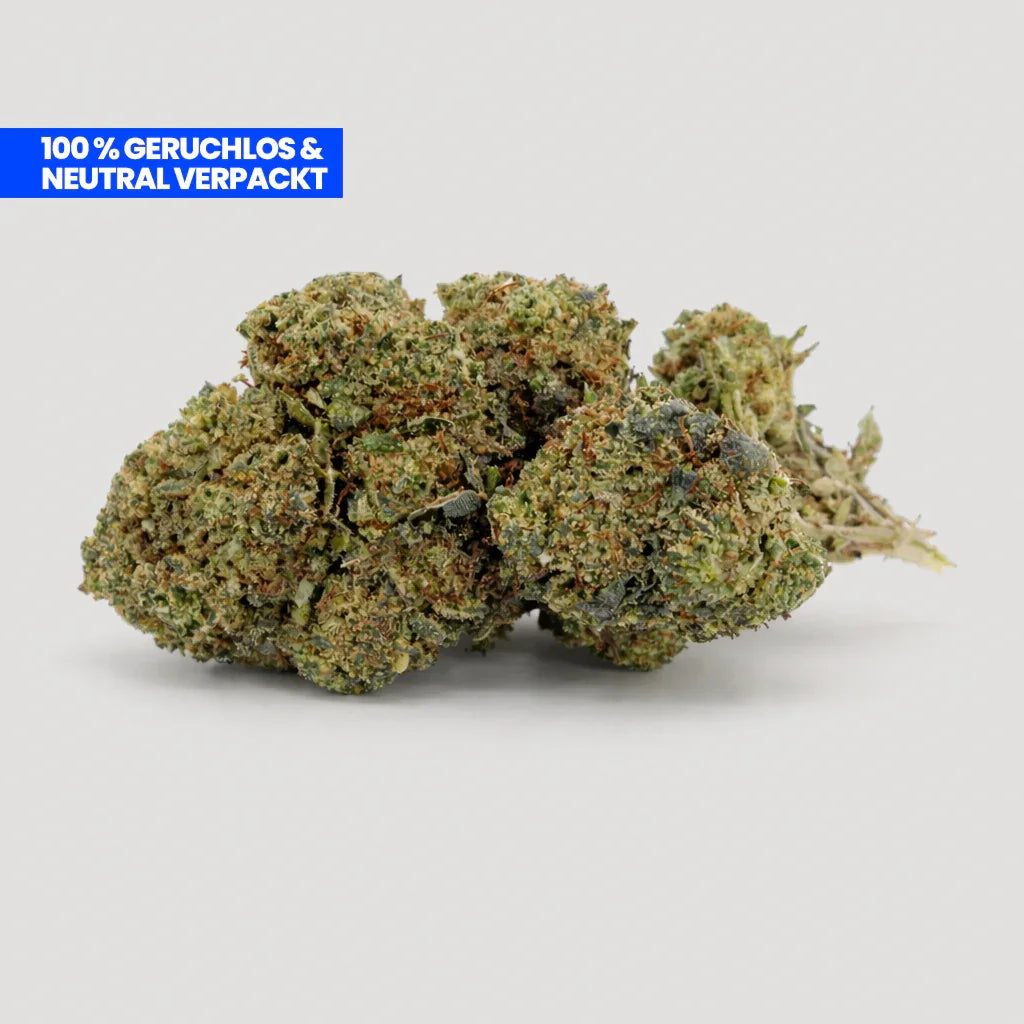
Das beste Weed Europas!
Was ist HHC – und wie fühlt es sich an im Vergleich zu THC?
Was ist HHC? Hexahydrocannabinol ist die hydrierte Form von THC; natürlich nur in Spuren, im Handel aber meist halbsynthetisch aus CBD. Die Wirkung wird von Usern oft als etwas klarer/ruhiger beschrieben als klassisches THC – wissenschaftlich ist die Datenlage noch dünn. Das deutsche Bundesinstitut für Risikobewertung (BfR) bewertet HHC klar: psychoaktiv; bei handelsüblichen Dosierungen hohe Wahrscheinlichkeit für spürbare Effekte; bei höheren Mengen mögliche schwere Vergiftungen.
Aber: Rechtlich ist HHC in Deutschland seit 27.06.2024 unter dem NpSG: Herstellung, Handel, Kauf, Besitz – verboten. Das gilt auch für Derivate wie HHC-AC, HHC-H und HHC-P. Kurz: In DE ist HHC kein „grauer“ Bereich mehr.
Ist PHC ein „echtes“ Cannabinoid – oder nur Marketing?
Gute Frage, berechtigter Skepsis-Boost: PHC wird im Markt uneinheitlich benutzt. Einige nennen damit para-Hydroxy-Cannabinol (ein selten berichtetes Minor-Cannabinoid), andere meinen Prodrug-Formen von THC (z. B. THC-O-Phosphat), wieder andere nutzen PHC als Sammelbegriff für gemischte/umgebaute THC-Derivate. Es gibt keine einheitliche, wissenschaftlich etablierte Definition im Handel. Seriöse Beobachter warnen deshalb vor Namenschaos & rechtlichen Fallstricken.
Warum das zählt: In Deutschland greift das NpSG bei synthetisch/halbsynthetisch erzeugten, THC-ähnlichen Stoffen sehr schnell. Ein „PHC“-Label schützt nicht vor Einordnung als verbotenes Cannabimimetikum – besonders seit 2024 die Stoffgruppen erweitert wurden. Fazit: Vorsicht bei Produkten, die „PHC“ sagen, aber keine klare Substanzangabe liefern.


PHC vs. THC – was ist der reale Unterschied (Wirkung, Onset, Risiken)?
- THC: gut erforscht, klassischer Rausch; rechtlich im Freizeitbereich nur über Clubs/Eigenanbau (kein Online-Retail).
- „PHC“: je nach Anbieter verschiedene Moleküle/Prodrugs; verzögerter Wirkungseintritt möglich (Prodrug-Mechanismus), stärkere oder anders verlaufende Rauscherfahrung wird teils behauptet – aber: wenig belastbare Studien, unklare Sicherheit und unklare Legalität. Und ja, bestimmte Prodrug-Klassen (z. B. Acetate/Phosphate) sind in DE sehr wahrscheinlich nicht verkehrsfähig.
Health-Note: Für Acetat-Derivate (THC-O-Acetat, HHCP-O-Acetat etc.) zeigte Uni-Forschung, dass beim Vapen das toxische Gas Ketene entstehen kann. Das ist ein echter Red Flag für Inhalationsprodukte mit „-O-Acetat“.
Welche neuen Cannabinoide sind 2025 noch relevant – und wie stark sind sie wirklich?
- THCP: In vitro sehr hohe CB1-Bindungsaffinität (Ki ≈ 1,2 nM) vs. THC (≈ 40 nM). Heißt: stärkerer Rezeptor-Fit – nicht automatisch „33× stärker“ im Alltag, aber potent und oft länger anhaltend. Real-World hängt stark von Dosis, Reinheit & Matrix ab.
- Delta-8 etc.: synthetisch/halbsynthetisch herstellbar; in DE rechtlich problematisch, in vielen EU-Ländern streng reguliert.
- H4CBD & Co.: chemisch modifizierte CBD-Derivate; rechtlich unsicher, wissenschaftlich noch dünn.
Merke: Bindungsdaten ≠ Konsum-Potenz. Lass dich nicht von „x-mal stärker“-Claims flashen; schau auf Seriosität, Analysezertifikate, klare Substanzbenennung.
In welchen Produkten tauchen HHC, PHC & Co. auf – und was ist 2025 in DE realistisch?
- Vapes: häufigste Form – aber Vorsicht bei Acetat-Formen (Ketene-Risiko beim Erhitzen). PubMed
- Gummies/Edibles: beliebt, aber in DE Lebensmittelrecht/Novel-Food macht vieles nicht verkehrsfähig; HHC in Lebensmitteln ist laut BfR problematisch. Bundesinstitut für Risikobewertung
- Blüten-Sprays/Coats: rechtlich heikel (veränderte Hanfprodukte).
- Öle/Dabs: stark schwankende Qualität; ohne saubere Analytik no go.
Deutschland-Realität 2025: HHC & klar genannte HHC-Derivate (inkl. HHC-P/HHCP) sind NpSG-verboten (Handel, Besitz, Ein-/Ausfuhr). Viele „neue“ Produkte verschwinden oder werden in Shops außerhalb DE beworben – Import nach DE ist ebenfalls untersagt. Zoll
Wie dosiere ich neue Cannabinoide sinnvoll – ohne mich wegzuschießen?
Wenn überhaupt, dann:
- Start low, go slow: besonders bei hochpotenten Kandidaten (z. B. THCP).
- Kein Mischkonsum (Alkohol + Cannabinoid = schlechte Idee).
- Wartezeiten beachten (Prodrugs/Edibles brauchen länger).
- Keine Acetate vapen (Ketene-Risiko). PubMed
Und ganz ehrlich: In Deutschland 2025 liegt der Fokus seriöser Anbieter auf legalen Bereichen (CBD-Nahes, Zubehör, Wissen). Wenn etwas „zu gut klingt“, ist es oft rechtlich/gesundheitlich fragwürdig.
Welche Risiken & Nebenwirkungen sind real – und was ist Mythos?
- HHC: psychoaktiv mit klaren Gesundheitsrisiken laut BfR; bei höherer Dosis schwere Vergiftungen möglich. Datenlage weiterhin lückenhaft. Bundesinstitut für Risikobewertung
- Acetat-Derivate (THC-O-Acetat, HHCP-O-Acetat): Ketene beim Erhitzen nachweisbar – Finger weg vom Inhalieren solcher Acetate. pdxscholar.library.pdx.edu
- THCP: stark am Rezeptor; reale Effekte variieren; Überdosierung bei Ungeübten möglich. Nature
- Allgemein: wie bei THC – Angst, Herzrasen, Übelkeit, unsaubere Produkte können Verunreinigungen enthalten. Seriöse Labore raten zu Transparenz & Analysen. Cleveland Clinic
Ist HHC in Deutschland legal – und was ist mit PHC & Co.?
- HHC: Seit 27.06.2024 im NpSG – Herstellung, Handel, Kauf, Besitz verboten. Gilt ausdrücklich auch für Derivate wie HHC-AC, HHC-H, HHC-P/HHCP. Ein-, Aus- und Durchfuhr: ebenfalls verboten. Zoll
- PHC: kein einheitlicher Stoff – je nach konkreter Chemie sehr wahrscheinlich NpSG-relevant (synthetisch/halbsynthetisch, THC-ähnlich). Ein „PHC“-Label macht’s nicht legal.
- THC-O/THC-O-Phosphat & Acetate: in DE nicht verkehrsfähig; gesundheitliche Risiken zusätzlich belegt (Ketene).
Wichtig: Die Bundesregierung schärft das NpSG weiter nach (2025 Kabinettsbeschluss zu zusätzlichen Stoffgruppen). Trend ist eindeutig: Weniger Lücken, mehr Klarheit, mehr Verbote bei Designer-Cannabinoiden.
10-OH-HHCP legal? Was du 2025 wirklich wissen musst
Kurzantwort: Sehr unsicher.
- Warum? HHCP/HHC-P selbst ist als HHC-Derivat seit 2024 in DE erfasst. 10-OH-HHCP ist eine weitere Strukturvariante. Offizielle Listen nennen explizit HHC-P; Gruppenerfassungen können aber analoge Derivate treffen. Explizite Behörden-Statements zu 10-OH-HHCP sind rar – Vorsicht vor Shop-Blogs, die „grün“ geben. Zoll
- EU-Praxis: 10-OH-HHC (ohne „P“) taucht bereits in RASFF-Meldungen als nicht zugelassener neuartiger Lebensmittel-Bestandteil auf. Das zeigt: Schnelle behördliche Intervention ist real. Europäische Kommission
- Ausblick: Mit den NpSG-Nachschärfungen 2025 steigt das Risiko, dass weitere Abwandlungen erfasst werden. Rechtssicher ist das nicht. Noerr
Bottom line: Wer 10-OH-HHCP als „safe legal“ bewirbt, ignoriert den Kurs der Behörden. Für Konsumierende heißt das: rechtliches & gesundheitliches Risiko – und im Zweifel Ärger bei Import/Versand. Zoll
Welche Unterschiede gibt’s international (EU/USA) – und warum betrifft dich das?
Europa bewegt sich seit 2022/23 weg von Lücken: Immer mehr Länder reglementieren HHC & Co. In den USA ist der Markt für hemp-derived Derivate fragmentiert, aber auch dort sehen Gerichte/Behörden zunehmend kritisch, besonders bei künstlich erzeugten Prodrugs. Für dich heißt das: Was im Ausland beworben wird, ist nicht automatisch DE-konform – Einfuhr kann stressig/teuer enden. EUDA
Wie kaufst du 2025 clever ein – ohne rechtliche Kopfschmerzen?
- Finger weg von HHC/HHCP/HHC-O & Co. (in DE verboten). Zoll
- Keine Acetate vapen (Gesundheitsrisiko Ketene).
- Setz auf Legal-Basics: CBD-nahe Produkte im zulässigen Rahmen, Zubehör, seriöse Infos.
- Transparenz: echtes COA/Laborzertifikat pro Charge, klare Substanzbenennung, keine Fantasienamen.
- Happyflower.io: Wir konzentrieren uns auf rechtssichere Produkte und Aufklärung – kein Grauzonen-Hype. Wenn sich etwas ändert, updaten wir Guides & FAQs regelmäßig – inkl. Quellen.
Was sind realistische „Use-Cases“ – und wo wird’s riskant?
- Du willst „funktional“ bleiben (Uni/Job) → Produkte mit niedriger Potenz, klare Dosierung, keine neuen Chemie-Derivate.
- Du suchst „neu & stark“ → Genau hier lauern rechtliche und gesundheitliche Minenfelder (THCP, Prodrugs, Acetate). Wenn du’s trotzdem probieren willst: nicht in DE kaufen und niemals Acetate inhalieren. pdxscholar.library.pdx.edu
- Du willst safe & simpel → CBD-nah, Vaporizer/Hardware, Know-how. Und für THC: gesetzliche Wege (Clubs/Eigenanbau) – kein Online-Handel für THC in DE.
Key Takeaways – HHC, PHC & Co.: Der ultimative Guide zu neuen Cannabinoiden
- HHC in Deutschland: Seit 27.06.2024 unter NpSG, inkl. HHC-Derivate (HHC-AC/HHC-H/HHC-P) → Herstellung, Handel, Kauf, Besitz verboten; Ein-/Ausfuhr ebenso. Kein „Grau“ mehr. Zoll
- PHC vs. THC: „PHC“ ist kein einheitlicher Stoff. Ohne klare Chemie-Angabe ist’s rechtlich unsicher; Prodrugs/Acetate sind in DE nicht verkehrsfähig und teils gesundheitlich riskant.
- Was ist HHC? Halbsynthetisches THC-Derivat, psychoaktiv, mit Risiken laut BfR – und in DE verboten (NpSG). Bundesinstitut für Risikobewertung+1
- Potenz-Hype (THCP & Co.): Hohe CB1-Affinität in vitro ≠ automatisch „x-mal stärker“ im Alltag. Vorsicht bei Dosierung & Marketingclaims. Nature
- 10-OH-HHCP legal? Unklar/hochriskant: HHCP ist Derivat von HHC und fällt in DE in die NpSG-Schutzzone; analoge Varianten wie 10-OH-HHCP sind rechtlich gefährdet – keine sichere Wette. Zoll
- Health-First: Kein Vapen von Acetaten (Ketene-Risiko). Prüfe COAs, meide Fantasienamen, und halte dich an rechtssichere Produkte/Wege. PubMed
- Markt-Trend: EU/DE ziehen Regularien an; NpSG-Nachschärfungen 2025 in Arbeit. „Lücken“ schließen sich. Noerr
Transparenz & Hinweis: Das ist keine Rechtsberatung. Wir verlinken auf offizielle Quellen und Peer-Review (BfR, Zoll, EU, Fachjournale), damit du alles selbst verifizieren kannst. Wenn du’s ultra-konkret brauchst (z. B. Verfahren, Grenzfälle), sprich mit einem Fachanwalt.


🌿 9H-HHC Produkte bei Happyflower entdecken
Laborgeprüft · Diskret versandt · ⭐ 4,6/5 (750+ Bewertungen)
Jetzt 9H-HHC Produkte ansehen →
Share:
Cannabis-Legalisierung 2025: Was ändert sich in Deutschland?
THC-Gummibärchen dosieren: So vermeidest du Anfängerfehler