

Hasch ist eine der ältesten Cannabisformen der Welt – und gleichzeitig eine der vielseitigsten. Ob Joint, Pfeife, Bong oder Vaporizer: jede Methode hat eigene Vor- und Nachteile, bringt das Aroma anders zur Geltung und liefert eine leicht andere Erfahrung. Dieser Guide führt dich durch alle gängigen Konsummethoden und gibt praktische Tipps für einen angenehmen Einstieg.
Was ist Hasch – kurzer Überblick
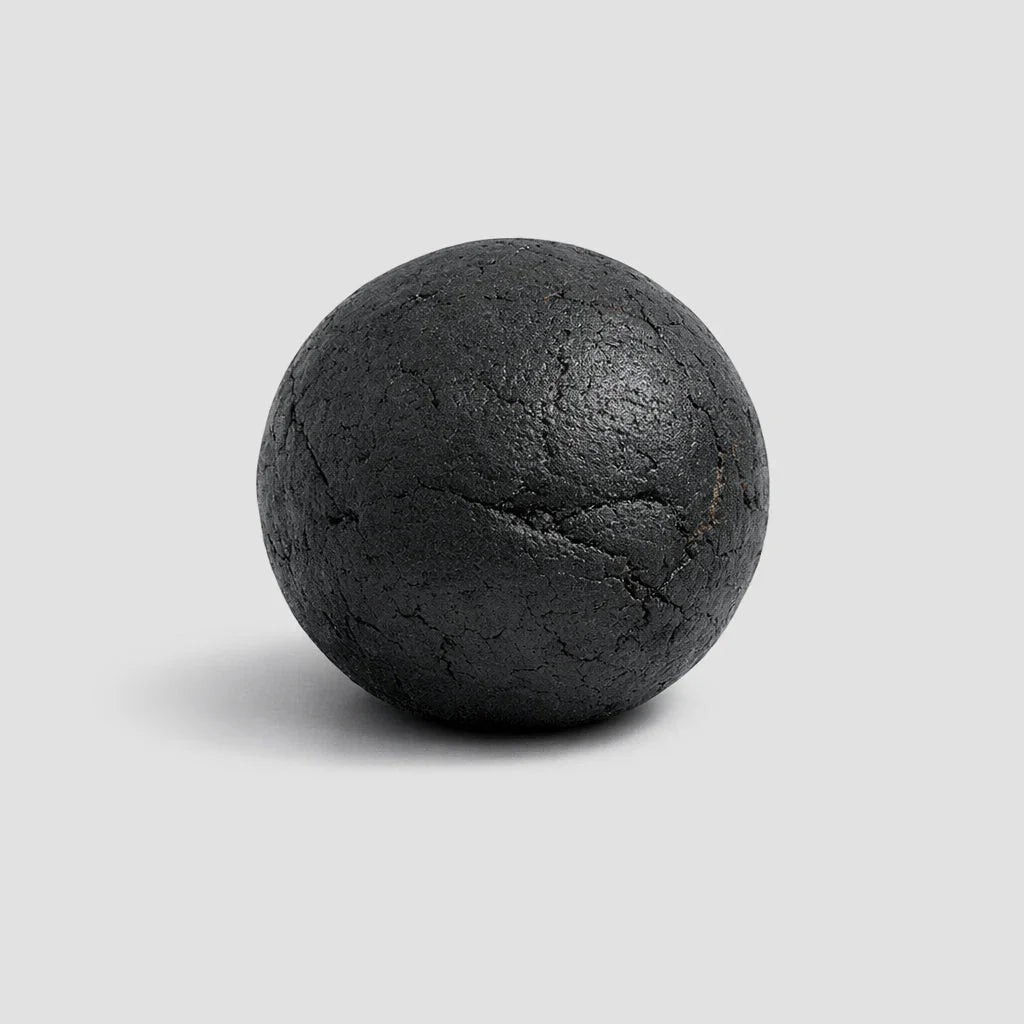
Haschisch entsteht aus den Trichomen (Drüsenhärchen) der Cannabispflanze. Diese werden von den Blüten getrennt, gesammelt und dann zu einem Extrakt gepresst. Je nach Herstellungsverfahren entstehen unterschiedliche Hasch-Typen: traditioneller Handreib-Hasch aus Afghanistan oder Marokko, Dry Sift aus mechanisch gesiebten Trichomen, oder modernere Bubble-Hash-Varianten.
Im Vergleich zu Blüten hat Hasch in der Regel eine konzentriertere Wirkstoffzusammensetzung. Das Aroma ist oft erdiger, würziger und komplexer als bei Blüten. Die Wirkung ist bei gleicher Menge meist intensiver.
Hasch im Joint – die klassischste Methode
Der Joint ist die bekannteste Konsummethode für Hasch – und hat eine lange Tradition. Allerdings unterscheidet sich das Drehen eines Hasch-Joints vom klassischen Blüten-Joint.
Hasch vorbereiten
Hasch ist bei Raumtemperatur meist fest und spröde. Es gibt zwei gängige Methoden, um es in eine jointtaugliche Konsistenz zu bringen: Anwärmen oder Krümeln. Beim Anwärmen hältst du ein kleines Stück Hasch zwischen Daumen und Zeigefinger und rollst es, oder du hältst es kurz (2–3 Sekunden) über eine Feuerzeugflamme. Das macht es weich und formbar. Dann krümelst du es fein über deine Tabak- oder Kraut-Basis.
Mischen und drehen
Hasch alleine lässt sich kaum rauchen – es hat keinen stabilen „Zug". Als Basis nutzt du entweder Tabak (klassisch, aber ungesünder) oder getrocknete Cannabidiol-Hanfblüten (tabakfrei). Das Mischungsverhältnis: grob ein Teil Hasch auf zwei bis drei Teile Basis. Die Hasch-Krümel gleichmäßig verteilen – Klumpen führen zu ungleichmäßigem Abbrand.
Häufige Fehler beim Hasch-Joint
Zu groß krümeln: Große Stücke glühen schlecht durch und erschweren einen gleichmäßigen Zug. Fein ist besser. Zu viel Hasch: Hasch verbrennt anders als Tabak oder Blüten – zu viele Harzklumpen lassen den Joint schlecht ziehen. Falsche Temperatur: Hasch braucht etwas mehr Hitze als Blüten. Ein langer, gleichmäßiger Zug ist besser als viele kurze.
Hasch in der Pfeife – einfach und effektiv
Die Pfeife (auch „Pipe") ist eine der direktesten Methoden für Hasch-Konsum: kompakt, schnell, ohne Papier oder Tabak. Besonders für reine Hasch-Konsumenten ohne Tabak ist die Pfeife oft die erste Wahl.
Vorbereitung
Lege ein kleines Hasch-Stück (erbsengroß als Startwert) in den Pfeifenkopf. Du kannst es auf ein kleines Bett aus getrockneten Hanfblüten oder Hanfgranulat legen, damit es besser Luft bekommt. Einige legen eine kleine Siebeinlage ein, damit kein Material in die Pfeife gesogen wird.
Konsum
Halte die Flamme seitlich an das Hasch, nicht direkt drauf. Hasch verbrennt schnell, wenn die Flamme zu nah ist. Mit leichtem Zug die Glut aufrechterhalten. Das „Carb-Loch" (kleines Loch am Pfeifenkopf) mit dem Daumen abdecken beim Inhalieren und loslassen am Ende des Zugs – das erlaubt frische Luft und reinigt den Rauchkanal.
Reinigung
Hasch hinterlässt Harz-Rückstände in der Pfeife. Nach jeder Session mit einem Pfeifenreiniger oder Wattestäbchen grob reinigen. Regelmäßig in Isopropylalkohol einlegen für eine gründliche Reinigung.
Hasch in der Bong – für ein intensiveres Erlebnis
Die Bong ist für viele Hasch-Enthusiasten die bevorzugte Methode: Das Wasser filtert und kühlt den Rauch, die Züge sind glatter als beim Joint oder der Pfeife, und die Wirkung setzt schneller und intensiver ein.
Setup
Befülle die Bong mit frischem Wasser bis knapp über den Unterteil des Downstems. Lege ein kleines Hasch-Stück in den Bongkopf. Für Hasch lohnt sich ein Sieb, damit keine Rückstände in das Wasser fallen.
Konsum
Halte die Flamme seitlich an das Hasch, ziehe gleichmäßig und langsam. Du siehst den Rauch sich in der Bong aufbauen. Wenn du genug Rauch aufgebaut hast, entferne den Bongkopf (oder öffne das Loch) und inhaliere den gesamten Rauch in einem Zug. Für Einsteiger gilt: kleinere Züge zu Beginn. Bong-Hits sind intensiver als Joint-Züge.
Wasserpflege
Bong-Wasser sollte nach jeder Session oder spätestens täglich gewechselt werden. Altes Bong-Wasser enthält Harzrückstände und Bakterien – riecht und schmeckt entsprechend unappetitlich und ist auch nicht gesund.
Hasch im Vaporizer – das schonenste Verfahren
Vaporizer gelten als die gesundheitlich schonendste Konsummethode. Statt Verbrennung findet Verdampfung statt – keine Teer-Entstehung, kein Kohlenmonoxid. Das gilt auch für Hasch-Konsum, aber hier gibt es wichtige Einschränkungen.
Welche Vaporizer sind für Hasch geeignet?
Nicht alle Vaporizer können Hasch verarbeiten. Standard-Krautvaporizer sind auf getrocknetes Pflanzenmaterial ausgelegt. Hasch hat eine andere Konsistenz und Zusammensetzung – es kann Heizflächen beschädigen oder verstopfen. Für Hasch eignen sich: Hybridvaporizer die sowohl Kraut als auch Konzentrate verarbeiten, Pad-Vaporizer mit spezieller Hasch-Unterlage, oder Geräte mit Keramikheizung die gut zu reinigen sind.
Temperaturempfehlung
Für Hasch sind etwas höhere Temperaturen als für Blüten optimal: 190–210°C. Bei niedrigeren Temperaturen bleiben viele Terpene und Cannabinoide unvollständig verdampft. Ein Wärmeprofil-Gerät, das langsam aufheizt, zeigt bei Hasch besonders gute Ergebnisse.
Dosierung und Einsteiger-Tipps
Hasch ist konzentrierter als Blüten – das bedeutet: lieber weniger starten und nach Bedarf anpassen. Besonders wenn du von Blüten-Konsum zu Hasch wechselst, ist die erste Erfahrung oft intensiver als erwartet.
Anfänger-Faustregeln: Starte mit einer erbsengroßen Menge (ca. 0,1–0,2g). Warte nach dem ersten Konsum mindestens 20–30 Minuten, bevor du mehr nimmst. Die Wirkung von Hasch im Joint oder der Pfeife kommt innerhalb von 5–10 Minuten. In der Bong schneller, im Vaporizer leicht verzögerter. Trinke ausreichend Wasser – Hasch macht den Mund besonders trocken.
Set & Setting spielen eine große Rolle: Starte in einer angenehmen, vertrauten Umgebung. Angenehme Musik, entspannte Atmosphäre, vertraute Personen um dich – all das trägt zu einer positiven Erfahrung bei.
Häufige Fragen zum Hasch-Konsum
Kann man Hasch auch essen?
Ja, Hasch lässt sich für Edibles verwenden – aber es muss erst decarboxyliert werden (erhitzt auf ca. 120°C für 30–45 Minuten), damit die enthaltenen Cannabinoide aktiviert werden. Rohes Hasch einfach essen hat kaum psychoaktive Wirkung. Am einfachsten: Hasch in Butter schmelzen und damit backen.
Riecht Hasch beim Konsum stärker als Blüten?
Beim Konsum ist der Geruch ähnlich intensiv. Beim Lagern ist Hasch diskreter – gut verpackt in einer luftdichten Dose ist der Geruch kaum wahrnehmbar.
Was bedeutet „Qualitäts-Hasch" genau?
Gutes Hasch löst sich bei Wärme weich auf, hat kein Grün-Schimmer (wäre Pflanzenrückstand) und verbrennt gleichmäßig ohne zu spritzen oder stark zu stinken. Es hat ein klares, typisches Terpenprofil je nach Herkunft (Afghan: erdig-würzig, Dry Sift: blumig-harzartig).
Wie bewahrt man Hasch am besten auf?
Luftdicht, kühl, dunkel. Eine Glasdose im Schrank ist ideal. Hasch ist deutlich lagerstabiler als Blüten – durch den reduzierten Sauerstoffkontakt in der Harzstruktur hält es sich bei guter Lagerung deutlich länger ohne Qualitätsverlust.
Hasch und seine Wirkung auf verschiedene Konsumtypen
Nicht jeder Mensch reagiert gleich auf Hasch. Das liegt an mehreren Faktoren: individuelle Cannabinoid-Rezeptor-Dichte, Körpergewicht und -fettanteil (Cannabinoide sind lipophil), persönliche Toleranz durch vorherigen Konsum, Stimmungslage und Set & Setting, sowie das spezifische Terpenprofil des konsumierten Hasch.
Wer bisher wenig oder nie Cannabis konsumiert hat, sollte besonders vorsichtig starten. Die Wirkung kann erheblich intensiver sein als erwartet. Empfehlung: Erst mit einer sehr kleinen Menge testen (0,05–0,1g), die Reaktion beobachten, und erst bei angenehmer Erfahrung schrittweise steigern.
Wer bereits Erfahrung mit Blüten hat, sollte bei Hasch trotzdem neu einschätzen: Hasch ist pro Gramm konzentrierter als Blüten. Was du bei Blüten als "normale Dosis" kennst, kann bei Hasch zu einem deutlich intensiveren Erlebnis führen.
Hasch-Typen und ihre Unterschiede im Konsum
Nicht jeder Hasch ist gleich – und das merkt man beim Konsum. Die Herkunft und Herstellungsweise beeinflusst Konsistenz, Geschmack und Handhabung:
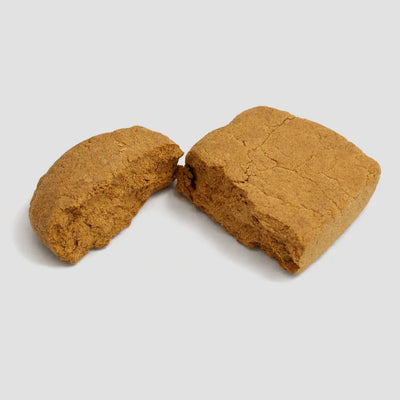
Afghan Hasch (traditionell): Weich bis mittelhart, dunkel, fettig, formt sich leicht unter Wärme. Klassisch für Joint-Konsum. Erdiges, würziges Aroma mit leicht süßlichem Finish. Verbrennt gleichmäßig.
Marokkanischer Hasch (Pollen): Leichter, sandiger in der Konsistenz. Hellbraun bis beige. Leichter zu bröseln, gut für Joint und Pfeife. Mildes, leicht nussiges Aroma.
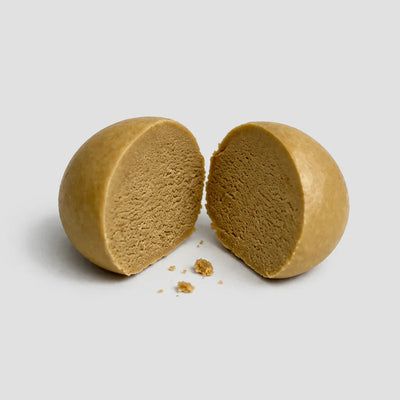
Dry Sift Hasch: Modern, reiner, oft hellgelblich bis bernsteinfarben. Entstanden durch mechanisches Sieben der Trichome. Weniger Pflanzenmaterial, mehr Reinheit. Ideal für Vaporizer oder Pfeife.
Bubble Hash / Water Hash: Durch Eiswasser gewonnenes Extrakt, sehr rein. Kann von sandartig bis crème-artig in der Konsistenz reichen. Für Vaporizer besonders gut geeignet.
Hasch kombiniert mit anderen Cannabinoiden – was geht?
Manche Nutzer kombinieren verschiedene Cannabis-Produkte miteinander. Für Hasch gibt es einige sinnvolle Kombinationen:
Hasch + CBD-Blüten: Eine klassische tabakfreie Basis. CBD kann die psychoaktive Wirkung von THC in gewissem Maße modulieren und das Erlebnis für manche Nutzer angenehmer machen.
Hasch + andere Blüten: Das Mischen verschiedener Cannabinoid-Profile in einem Joint ist gängige Praxis. Das Terpenprofil beider Sorten beeinflusst das Gesamterlebnis.
Hasch pur im Vaporizer: Die reinste Form des Hasch-Erlebnisses – du bekommst nur das, was im Hasch enthalten ist, ohne Fremdeinflüsse. Für Menschen, die das volle Terpenprofil erleben wollen, die erste Wahl.
Vergleich: Welche Konsummethode passt zu dir?
| Methode | Aufwand | Geschmack | Intensität | Gesundheit | Ideal für |
|---|---|---|---|---|---|
| Joint | Mittel | ⭐⭐⭐ | Mittel | ⚠️ | Geselligkeit, unterwegs |
| Pfeife | Gering | ⭐⭐⭐ | Mittel–hoch | ⚠️ | Solo, pur ohne Tabak |
| Bong | Mittel | ⭐⭐ | Hoch | ⚠️ | Intensives Erlebnis, zu Hause |
| Vaporizer | Gering | ⭐⭐⭐⭐⭐ | Mittel | ✅ | Geschmack, gesundheitsbewusst |
| Edibles (Hasch-Butter) | Hoch | ⭐⭐⭐ | Sehr hoch | ✅ | Lange Wirkung, kein Rauch |
Unsere Hasch-Empfehlungen bei Happyflower
Welches Hasch passt zu welcher Methode? Hier unsere Empfehlungen:
- Für den Joint: Afghan Hasch 9H-HHC → – weiche Konsistenz, leicht zu krümeln, gleichmäßiger Abbrand
- Für Pfeife & Bong: Dry Sift Hasch 9H-THC → – reines Trichom-Konzentrat, intensives Aroma
- Für den Vaporizer: Dry Sift ist hier die erste Wahl – weniger Pflanzenreste, reinere Verdampfung
- Für Edibles: Beide Sorten eignen sich. Afghan Hasch löst sich etwas leichter in Butter auf.
Beide Sorten sind laborgeprüft auf Cannabinoid-Gehalt, Pestizide und Schwermetalle. Alle Details findest du auf den Hasch-Produktseiten →
Weiterführende Artikel: Afghan Hasch im Detail · Dry Sift Hasch Guide · Hasch kaufen Guide · Moonrocks Guide
🟤 Hasch bei Happyflower entdecken
Laborgeprüft · Diskret versandt · ⭐ 4,6/5 (750+ Bewertungen)
Jetzt Hasch ansehen →

Share:
Cannabis Vape kaufen – So findest du die richtige Kartusche für dich
Moonrocks kaufen – Was sind sie, wie wirken sie, wie konsumiert man sie?