Kurz beantwortet: Cannabis Wax ist ein hochkonzentriertes Cannabis-Extrakt mit wachsartiger Konsistenz. Klassisches THC-Wax ist in Deutschland nicht legal erhältlich, es gibt aber legale Konzentrat-Alternativen. Welche Arten es gibt, wie Wax wirkt und was legal ist, klärt dieser Guide. Legale Konzentrate und Hasch-Sorten findest Du hier: Hasch kaufen.
Direkt im Shop
Legale Konzentrate – laborgeprüft & lösungsmittelfrei


Cannabis Wax kaufen – Alles über Wax, Dabs und legale Konzentrate in Deutschland (2026)
60 bis 90 Prozent Wirkstoffgehalt. Goldgelb, wachsartig, intensiver als alles, was du aus der Tüte kennst. Cannabis Wax polarisiert wie kaum ein anderes Produkt auf dem Markt. Wer sich damit beschäftigt, stößt schnell auf Fragen: Was genau steckt drin? Welche Arten gibt es? Und vor allem – kann man Cannabis Wax in Deutschland überhaupt legal kaufen? Dieser Guide räumt auf mit Halbwissen, erklärt die Unterschiede zwischen Crumble, Budder und Shatter und zeigt dir, welche Konzentrate du 2026 tatsächlich bestellen kannst.
📋 Inhalt
- Was ist Cannabis Wax?
- Crumble, Budder, Shatter – die Wax-Arten im Detail
- Wie wirkt Cannabis Wax?
- So wird Cannabis Wax hergestellt
- Wax vs. Rosin vs. Hasch – der ehrliche Vergleich
- Ist Cannabis Wax in Deutschland legal?
- Legale Konzentrate: Was du 2026 wirklich kaufen kannst
- Cannabis Wax Preis – Was kostet 1 Gramm?
- Qualitätsmerkmale – Woran erkennst du gutes Wax?
- Häufige Fragen
- Fazit
Was ist Cannabis Wax?
Cannabis Wax – auch THC Wax, Weed Wax oder einfach Wax – ist ein hochkonzentriertes Cannabis-Extrakt. Der Name kommt von der wachsartigen Konsistenz. Chemisch betrachtet handelt es sich um eine Mischung aus Cannabinoiden (hauptsächlich THC oder CBD), Terpenen und pflanzlichen Lipiden, die aus Cannabisblüten extrahiert wurde.
Der entscheidende Punkt: Während normale Cannabisblüten einen Wirkstoffgehalt von 15 bis 25 Prozent erreichen, liegt Cannabis Wax bei 60 bis über 90 Prozent. Das macht es zu einem der potentesten Cannabis-Konzentrate überhaupt – vergleichbar mit Shatter, Live Resin oder Rosin, aber mit einer eigenen Textur und Konsistenz.
In der Szene werden Konzentrate wie Wax oft pauschal als „Dabs" bezeichnet. Der Begriff leitet sich vom Konsumverfahren ab – dem Dabbing, bei dem eine kleine Menge des Konzentrats auf eine erhitzte Oberfläche aufgebracht und der entstehende Dampf inhaliert wird. Ein Dab wiegt typischerweise zwischen 0,02 und 0,1 Gramm. Klingt nach wenig, reicht aber bei 80 Prozent THC-Gehalt für eine Wirkung, die erfahrene Blüten-Nutzer überrascht.
Wax unterscheidet sich von anderen Konzentraten vor allem durch seine Textur. Wo Shatter glasartig und brüchig ist, fühlt sich Wax cremig bis krümelig an. Diese Konsistenz entsteht durch den Herstellungsprozess – genauer gesagt durch das Aufschlagen oder Rühren des Extrakts während der Aushärtung. Die dabei eingeschlossene Luft verändert die Struktur, nicht aber den Wirkstoffgehalt.
Crumble, Budder, Shatter – die Wax-Arten im Detail
Wax ist ein Oberbegriff. Dahinter verbergen sich mehrere Unterarten, die sich in Konsistenz, Handhabung und Geschmacksprofil unterscheiden. Die Unterschiede sind nicht nur kosmetisch – sie beeinflussen, wie leicht sich das Konzentrat dosieren und verdampfen lässt.
Crumble
Trocken, porös, leicht zerreibbar. Crumble lässt sich gut portionieren und gleichmäßig verdampfen. Viele Einsteiger in die Konzentrat-Welt starten hier, weil die Dosierung vergleichsweise einfach ist. Der Name ist Programm: Es zerbröselt zwischen den Fingern wie trockener Keksteig. Terpenmäßig ist Crumble solide – nicht so aromatisch wie Budder, aber intensiver als Shatter.
Budder
Weich, geschmeidig, fast wie aufgeschlagene Butter. Budder entsteht, wenn das Extrakt nach der Reinigung intensiv aufgeschlagen wird. Dadurch bekommt es eine cremige Textur, die sich gut auf einen Dab-Nail oder in einen Vaporizer laden lässt. Budder hat in der Regel ein besonders reiches Terpenprofil, weil die niedrigeren Verarbeitungstemperaturen die Aromastoffe schonen. Viele Kenner halten Budder für die geschmacklich überlegene Wax-Variante.
Honeycomb
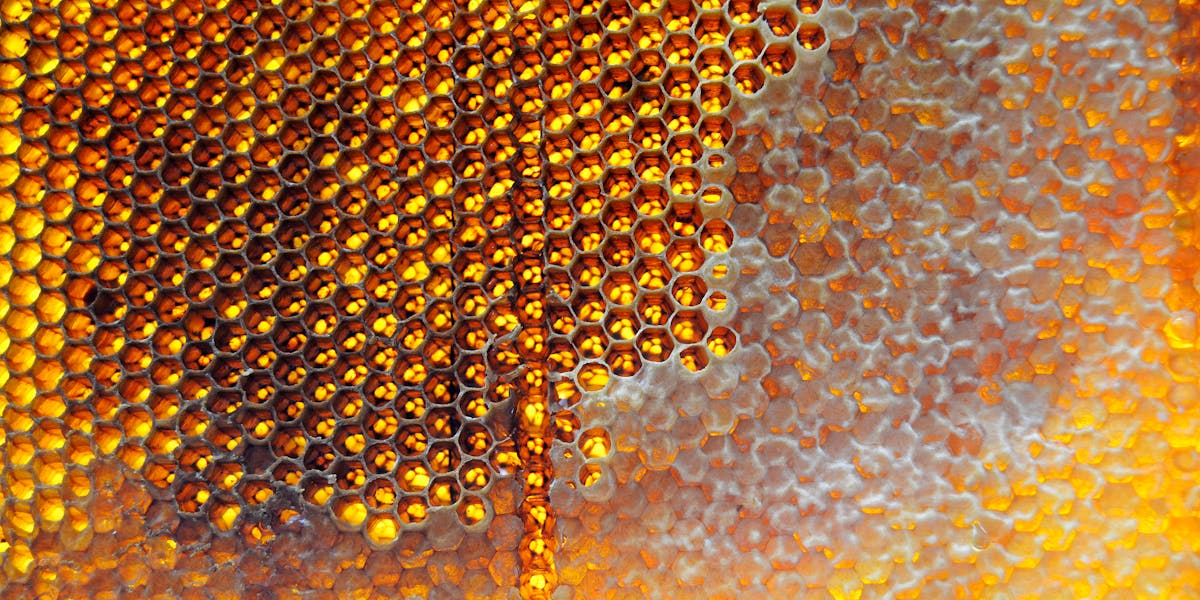
Wabenartige Struktur mit feinen Lufteinschlüssen. Optisch erinnert es an Honigwaben – daher der Name. Honeycomb liegt konsistenzmäßig zwischen Crumble und Budder: fester als Budder, aber nicht so trocken wie Crumble. Es bricht eher, als dass es zerbröselt.
Sugar Wax
Körnig, kristallin, an braunen Zucker erinnernd. Sugar Wax entsteht häufig durch natürliche Nukleation – die Cannabinoide kristallisieren aus und bilden eine granulatartige Textur. Manche Hersteller provozieren diesen Effekt gezielt durch kontrollierte Temperaturschwankungen während der Aushärtung. Das Ergebnis: ein Konzentrat, das sich leicht dosieren lässt und optisch an feuchten Kristallzucker erinnert.
Shatter
Glasartig, durchsichtig, brüchig. Shatter ist technisch gesehen kein Wax, wird aber oft in einem Atemzug genannt. Es entsteht, wenn das Extrakt ohne Aufschlagen aushärtet – so bildet sich eine harte, transparente Schicht, die bei Druck splittert. Shatter verlangt Erfahrung: Zu kalt lässt es sich kaum vom Pergamentpapier lösen, zu heiß werden Terpene zerstört. Der Sweet Spot liegt bei den meisten Sorten zwischen 180 und 220 Grad Celsius.
Wie wirkt Cannabis Wax?
Kurz und ehrlich: intensiv. Cannabis Wax wirkt schneller, stärker und kürzer als Blüten. Ein einzelner Dab kann innerhalb von Sekunden eine Wirkung auslösen, die über klassisches Rauchen deutlich hinausgeht.
Das liegt an der Kombination aus hohem Wirkstoffgehalt und der Konsummethode. Beim Dabbing wird das Konzentrat bei Temperaturen zwischen 150 und 300 Grad Celsius verdampft und in einem Zug inhaliert. Die Lunge nimmt die Wirkstoffe dabei nahezu vollständig auf – im Gegensatz zum Joint, bei dem ein Großteil des THC durch Verbrennung verloren geht.
Die typischen Effekte variieren je nach Sorte, Dosierung und individueller Toleranz:
- Indica-lastige Wax-Sorten: Starke körperliche Entspannung, Couch-Lock-Gefühl, Schmerzlinderung (häufig bei Sorten wie Afghan oder Hindu Kush).
- Sativa-dominante Sorten: Gesteigerte Kreativität, Euphorie, mentaler Fokus – allerdings bei Überdosierung auch Unruhe und Racing Thoughts.
- Hybrid-Sorten: Balance zwischen Körper und Kopf, je nach genetischem Profil.
Was viele unterschätzen: Die Toleranzentwicklung bei regelmäßigem Konzentrat-Konsum ist erheblich. Wer täglich dabbt, braucht nach wenigen Wochen deutlich größere Mengen für denselben Effekt. Zurück zu Blüten wechseln fühlt sich dann an wie alkoholfreies Bier nach Whisky. Unsere Erfahrung zeigt: Eine Toleranzpause von 7 bis 14 Tagen reicht meistens aus, um die Empfindlichkeit zurückzusetzen.
Wissenschaftlich ist die Datenlage zu Wax dünn. Es existieren kaum klinische Studien, die sich spezifisch mit der Wirkung hochkonzentrierter Extrakte beschäftigen. Eine Fallstudie aus 2016 beschreibt akute psychotische Episoden nach Dabbing von THC-Wax – allerdings bei Personen mit psychischer Vorbelastung. Fachleute warnen vor allem vor der Kombination aus hoher Potenz und schwer kontrollierbarer Dosierung.
So wird Cannabis Wax hergestellt
Die Herstellung von Cannabis Wax ist kein Küchenprojekt. Es handelt sich um einen chemisch-technischen Prozess, der Fachwissen, Ausrüstung und Sicherheitsvorkehrungen erfordert.
Butangasextraktion (BHO)
Das mit Abstand verbreitetste Verfahren. Flüssiges Butan wird durch Cannabisblüten oder Trim (harzreiche Blätter um die Blüte) geleitet. Das Lösungsmittel löst THC, CBD, Terpene und Lipide aus dem Pflanzenmaterial. Anschließend wird die Lösung gefiltert und das Butan unter Vakuum und kontrollierter Wärme verdampft.
Was übrig bleibt, ist ein goldgelbes, zähflüssiges Rohkonzentrat. Durch Aufschlagen, Rühren oder kontrolliertes Abkühlen wird daraus Budder, Crumble oder Honeycomb – je nach gewünschter Textur.
Das Problem: Butan ist hochentzündlich. Bei offenen Systemen können explosive Gas-Luft-Gemische entstehen. In den USA sind DIY-BHO-Labore regelmäßig in Brand geraten – mit teils schweren Verletzungen. Professionelle Hersteller arbeiten deshalb ausschließlich mit geschlossenen Extraktionssystemen und führen Laboranalysen auf Lösungsmittelrückstände durch.
CO2-Extraktion
Schonender, aber teurer. Überkritisches CO2 wird als Lösungsmittel eingesetzt. Der Vorteil: Es hinterlässt keine Rückstände und lässt sich präzise auf bestimmte Cannabinoide und Terpene abstimmen. Der Nachteil: Die Anlagen kosten sechsstellige Beträge. Deshalb findet man CO2-Extrakte eher im pharmazeutischen Bereich oder bei Premium-Herstellern.
Ethanol-Extraktion
Ethanol löst ein breites Spektrum an Pflanzenstoffen – Cannabinoide, Terpene, aber auch Chlorophyll und Wachse. Das Ergebnis ist ein Vollspektrum-Extrakt, der nach der Reinigung (Winterization) in verschiedene Konsistenzen gebracht werden kann. Ethanol ist weniger gefährlich als Butan, aber die Extrakte benötigen mehr Nachbearbeitung.

Wax vs. Rosin vs. Hasch – der ehrliche Vergleich
Drei Konzentrate, drei Philosophien. Wer sich fragt, welches Produkt zu ihm passt, braucht Fakten statt Marketing-Sprech. Rosin wird lösungsmittelfrei hergestellt – Cannabisblüten, Hasch oder Kief werden unter Hitze und Druck gepresst, bis sich das Harz als goldgelbes Konzentrat löst. Hasch ist der Klassiker: mechanisch gewonnen durch Sieben (Dry Sift) oder Wasserextraktion (Bubble Hash), mit Wirkstoffgehalten zwischen 20 und 60 Prozent.
| Eigenschaft | Cannabis Wax (BHO) | Rosin | Hasch (Dry Sift / Bubble) |
|---|---|---|---|
| Wirkstoffgehalt | 60–90 % | 50–80 % | 20–60 % |
| Herstellung | Lösungsmittel (Butan/CO2) | Hitze + Druck | Mechanisch (Sieben/Wasser) |
| Lösungsmittelrückstände | Möglich (bei schlechter Qualität) | Keine | Keine |
| Terpenprofil | Gut bis sehr gut | Exzellent | Gut (sortenabhängig) |
| Preis pro Gramm | 30–80 € | 40–100 € | 5–40 € |
| Konsumform | Dabbing, Vaporizer | Dabbing, Vaporizer | Vaporizer, Joint, Pfeife |
| Einsteigerfreundlich? | Nein | Bedingt | Ja |
| Legal in DE (2026)? | Nur als CBD-Variante | Nur als CBD-Variante | Legale Cannabinoid-Varianten verfügbar |
Unser Fazit zum Vergleich: Wax und Rosin liefern die höchste Potenz, aber Hasch bietet das beste Gesamtpaket für die meisten Nutzer – einfachere Handhabung, geringeres Risiko, mehr Sortenvielfalt und in legalen Varianten tatsächlich erhältlich. Wer Konzentrate ausprobieren will, ohne sich direkt ins Dabbing-Universum zu stürzen, fährt mit hochwertigem Hasch besser.
Ist Cannabis Wax in Deutschland legal?
Die kurze Antwort: THC-haltiges Cannabis Wax ist in Deutschland nicht legal zu kaufen. Es fällt unter das Betäubungsmittelgesetz (BtMG), da THC ab einem Grenzwert von 0,3 Prozent als kontrollierte Substanz gilt.
Die etwas längere Antwort: Seit der Teillegalisierung durch das Cannabisgesetz (CanG) im April 2024 dürfen Erwachsene zwar bis zu 25 Gramm Cannabis besitzen und bis zu drei Pflanzen anbauen – aber Konzentrate wie Wax fallen in eine Grauzone. Das Gesetz spricht von „Cannabis", nicht explizit von Extrakten. Juristisch wird Wax als Cannabis-Produkt eingestuft, aber der extrem hohe THC-Gehalt kann bei Gewichtsberechnungen schnell die erlaubten Grenzen sprengen.
Die Konsequenz: Finger weg von THC-Wax im Onlinehandel. Wer solche Produkte auf dubiosen Plattformen oder über Telegram-Gruppen bestellt, riskiert nicht nur strafrechtliche Konsequenzen, sondern auch gesundheitliche. Gestreckte oder verunreinigte Konzentrate sind auf dem Schwarzmarkt eher die Regel als die Ausnahme.
Was hingegen legal ist:
- CBD Wax: Konzentrate mit maximal 0,3 Prozent THC und hohem CBD-Gehalt (oft 60–85 Prozent) sind frei verkäuflich. Sie eignen sich für Dabbing und Vaporizer, liefern aber keinen Rausch.
- Legale Cannabinoid-Konzentrate: Produkte auf Basis von 9H-HHC, PHC oder 10-OH-HHCP sind 2026 in Deutschland legal erhältlich – als Blüten, Hasch oder Vape-Kartuschen. Sie bieten eine legale Alternative mit spürbarer Wirkung.
Legale Konzentrate: Was du 2026 wirklich kaufen kannst
Klassisches THC-Wax bekommst du in Deutschland nicht legal. Aber der Markt hat sich weiterentwickelt. Mittlerweile gibt es legale Konzentrate, die sich in Sachen Wirkung und Qualität nicht verstecken müssen.
Legales Hasch mit alternativen Cannabinoiden
Dry Sift und Bubble Hash auf Basis von 9H-HHC oder PHC liefern ein Erlebnis, das dem klassischen Hasch nahekommt. Die Herstellung erfolgt ohne Lösungsmittel – mechanisch durch Sieben oder Wasserextraktion. Bei Happyflower gibt es verschiedene Haschsorten in Eigenproduktion, vom cremigen Afghan bis zum feinen Dry Sift. Preise starten bei 4,99 €/g – deutlich günstiger als Schwarzmarkt-Wax.
Vape-Kartuschen als Konzentrat-Alternative
Wer die Intensität eines Konzentrats sucht, aber kein Dab-Rig anschaffen will, findet in Vape-Kartuschen eine alltagstaugliche Alternative. Die Kartuschen enthalten konzentrierte Cannabinoid-Extrakte in flüssiger Form und werden über einen Akku-Pen verdampft. Kein Aufwand, keine Temperaturdiskussion, kein Equipment für 200 Euro. Vapes sind zudem deutlich diskreter als ein Dab-Rig – praktisch für unterwegs oder Situationen, in denen Geruch eine Rolle spielt.
Blüten mit hohem Cannabinoid-Gehalt
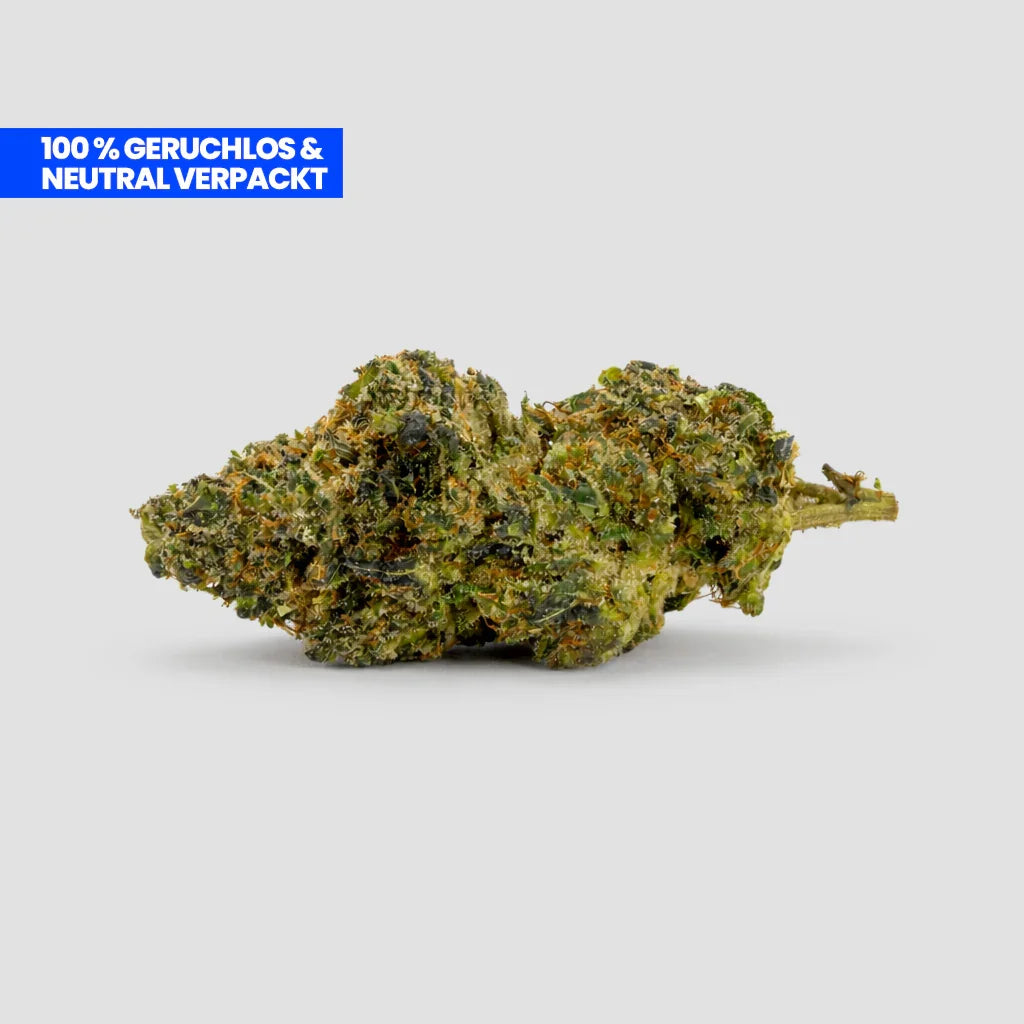
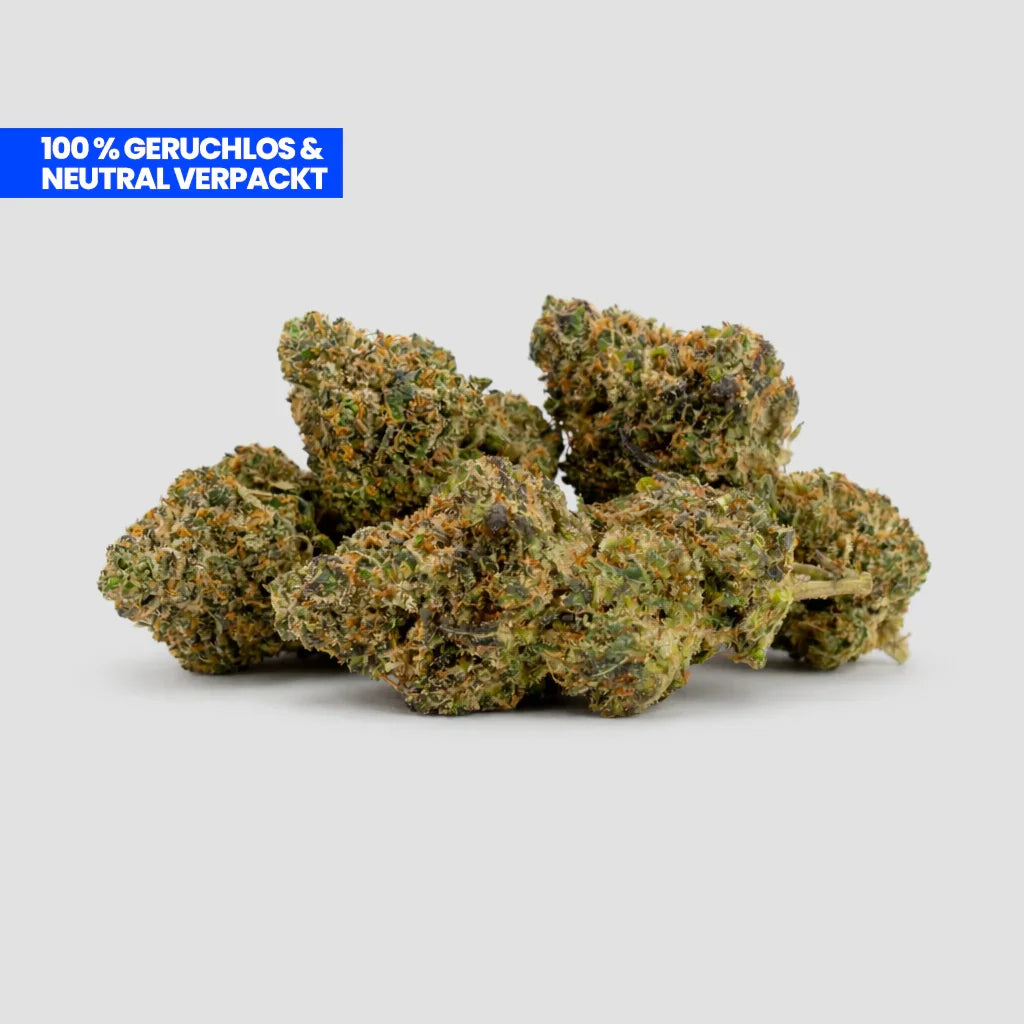
Für alle, die beim Pflanzenmaterial bleiben wollen: Legale Cannabis-Blüten mit 9H-HHC oder PHC liefern mittlerweile Wirkstoffgehalte, die an die untere Grenze von Konzentraten heranreichen. Besonders Sorten wie Amnesia oder Wedding Cake sind bei erfahrenen Nutzern beliebt – durch ihr starkes Terpenprofil und die gleichmäßige Wirkung.
Edibles für den langsamen Einstieg
Wer Cannabis-Konzentrate ohne Inhalation erleben möchte, findet in Edibles eine weitere Option. THC-Gummibärchen und Edibles wirken langsamer (30–90 Minuten), dafür deutlich länger als Dabs. Die Dosierung ist durch standardisierte Portionsgrößen einfacher zu kontrollieren als bei einem Dab-Rig.
Cannabis Wax Preis – Was kostet 1 Gramm?
Die Preise für Cannabis Wax schwanken stark – je nach Markt, Qualität und Herkunft.
- CBD Wax (legal, Deutschland): 10–20 € pro Gramm für Standard-Qualität, 25–40 € für Premium-Extrakte mit 80+ Prozent CBD.
- THC Wax (Schwarzmarkt, Deutschland): 30–80 € pro Gramm. Die Qualität ist völlig unkontrolliert – Lösungsmittelrückstände, falsche THC-Angaben und gestreckte Produkte sind die Regel, nicht die Ausnahme.
- THC Wax (legale Märkte, USA/Kanada): 15–50 USD pro Gramm, laborgetestet und reguliert.
- Legales Hasch (Deutschland, 2026): 4,99–15 € pro Gramm bei seriösen Anbietern wie Happyflower. Laborgetestet, eigene Produktion, diskreter Versand.
Die Rechnung ist simpel: Für den Preis von einem Gramm Schwarzmarkt-Wax zweifelhafter Qualität bekommst du 5 bis 10 Gramm legales Premium-Hasch – mit bekanntem Inhalt und ohne Risiko.
Qualitätsmerkmale – Woran erkennst du gutes Wax?
Ob legal oder nicht: Konzentrat-Qualität zu beurteilen ist nicht trivial. Hier die wichtigsten Indikatoren, die auch für CBD Wax und andere legale Extrakte gelten:
- Farbe: Hochwertiges Wax ist goldgelb bis bernsteinfarben. Dunkle, grünliche oder schwarze Verfärbungen deuten auf Verunreinigungen, Chlorophyll-Reste oder minderwertiges Ausgangsmaterial hin.
- Geruch: Gutes Wax riecht aromatisch nach Terpenen – je nach Sorte fruchtig, erdig, harzig oder zitronig. Kein Geruch oder ein chemischer Geruch sind Warnsignale.
- Konsistenz: Gleichmäßig, ohne Flüssigkeitsansammlungen oder ungewöhnliche Einschlüsse. Budder sollte cremig sein, Crumble gleichmäßig porös.
- Laboranalysen: Seriöse Hersteller veröffentlichen Analysezertifikate (COA) mit Angaben zu Cannabinoid-Profil, Terpenen und Rückstandstests. Fehlen diese Daten, ist Vorsicht geboten.
- Rückstandstest: Bei BHO-Extrakten immer nach dem Restlösungsmittel-Wert fragen. Professionelle Labore testen auf Butan, Propan und andere flüchtige Stoffe. Der Grenzwert sollte unter 5000 ppm liegen – idealerweise unter 500 ppm.
Häufige Fragen
Wie viel kostet 1 Gramm Cannabis Wax?
Auf dem deutschen Schwarzmarkt zwischen 30 und 80 Euro, wobei die Qualität nicht überprüfbar ist. Legales CBD Wax kostet 10 bis 40 Euro pro Gramm. Legale Hasch-Alternativen mit spürbarer Wirkung gibt es schon ab 4,99 Euro pro Gramm – deutlich günstiger und sicherer.
Ist Cannabis Wax in Deutschland erlaubt?
THC-haltiges Wax fällt unter das Betäubungsmittelgesetz und ist nicht legal zu kaufen. CBD Wax mit maximal 0,3 Prozent THC ist hingegen frei verkäuflich. Konzentrate auf Basis legaler Cannabinoide wie 9H-HHC oder PHC sind ebenfalls legal erhältlich und bieten eine Alternative mit Wirkung.
Was ist der Unterschied zwischen Wax und Shatter?
Beide sind Cannabis-Konzentrate aus demselben Extraktionsprozess. Der Unterschied liegt in der Nachbearbeitung: Wax wird aufgeschlagen oder gerührt, wodurch es eine weiche, wachsartige Textur bekommt. Shatter härtet ohne Rühren aus und wird glasartig und durchsichtig. In Sachen Wirkstoffgehalt sind beide vergleichbar – 60 bis 90 Prozent THC. Shatter gilt als schwieriger in der Handhabung, Wax als einsteigerfreundlicher.
Kann man Cannabis Wax selber machen?
Technisch ja, praktisch: bitte nicht. Die BHO-Extraktion mit Butan ist extrem gefährlich – explosive Gasgemische, Brandgefahr, Lösungsmittelrückstände im Endprodukt. Auch rechtlich ist die Herstellung von THC-Konzentraten in Deutschland verboten. Wer sich für Extraktion interessiert, kann stattdessen Rosin pressen – das funktioniert lösungsmittelfrei mit einer Rosinpresse und legalem Ausgangsmaterial.
Wie wird Cannabis Wax konsumiert?
Die gängigste Methode ist Dabbing: Ein kleiner Klecks Wax wird auf eine erhitzte Oberfläche (Banger oder Nail) in einem Dab-Rig aufgebracht und der entstehende Dampf inhaliert. Alternativ eignen sich Konzentrat-Vaporizer oder Dab-Pens. Wax wird nicht geraucht – das Verbrennen zerstört einen Großteil der Wirkstoffe und Terpene.
Welche Cannabis-Wax-Art ist für Anfänger geeignet?
Crumble und Sugar Wax gelten als einsteigerfreundlichste Varianten. Sie lassen sich leicht dosieren, gut portionieren und verdampfen gleichmäßig. Shatter ist für Anfänger eher ungeeignet – die Handhabung erfordert Übung. Generell empfehlen wir Konzentrat-Neulingen aber eher den Einstieg über Vape-Kartuschen oder hochwertiges Hasch, bevor sie sich Equipment für Dabbing anschaffen.
Wie lagert man Cannabis Wax richtig?
Kühl, dunkel, luftdicht. Am besten in einem Silikonbehälter oder auf Pergamentpapier in einem verschließbaren Glasgefäß. Direkte Sonneneinstrahlung und Wärme über 25 Grad Celsius zersetzen Terpene und können die Konsistenz verändern. Im Kühlschrank hält sich Wax mehrere Monate. Bei Raumtemperatur sollte es innerhalb von 4 bis 6 Wochen aufgebraucht werden.
Ist CBD Wax eine echte Alternative zu THC Wax?
Kommt darauf an, was du suchst. CBD Wax liefert keinen Rausch, sondern wirkt entspannend und entzündungshemmend. Wer die Ritual-Erfahrung des Dabbings genießen möchte, ohne psychoaktive Effekte, ist mit CBD Wax gut bedient. Wer hingegen eine spürbare Wirkung sucht, findet in legalen Cannabinoid-Produkten wie 9H-HHC-Hasch oder PHC-Vapes eine bessere Alternative.
Fazit
Cannabis Wax ist das stärkste Konzentrat, das der Cannabismarkt zu bieten hat. Aber „stark" heißt nicht automatisch „besser" – schon gar nicht in Deutschland, wo THC-Wax illegal ist und der Schwarzmarkt keine Qualitätsgarantie liefert.
Die gute Nachricht: Du musst nicht auf Konzentrate verzichten. Der legale Markt bietet 2026 echte Alternativen – von CBD Wax über hochwertiges Hasch bis zu Vape-Kartuschen mit legalen Cannabinoiden. Laborgetestet, aus Eigenproduktion, ohne die Risiken von Schwarzmarkt-Produkten.
Unser Tipp: Starte mit einem legalen Hasch oder Vape und arbeite dich von dort hoch. 750+ Kundenbewertungen und 4,6 Sterne bei Happyflower zeigen, dass Qualität und Zufriedenheit auch ohne illegale Konzentrate funktionieren.
Legale Konzentrate statt Schwarzmarkt-Risiko – jetzt bei Happyflower entdecken
Hasch-Sortiment ansehen →Alle Produkte bei Happyflower stammen aus eigener Produktion und werden in Deutschland verpackt und versendet. Diskreter Versand in neutraler Verpackung. Produkte sind nicht zum Verzehr bestimmt und dienen ausschließlich als Aromaprodukt zu Forschungs- und Sammlerzwecken.


Share:
Rosin kaufen – Flower, Hash & Live Rosin im Vergleich (2026 Guide)
THC Sirup kaufen – Wirkung, Dosierung und der ehrliche Vergleich (2026 Guide)