
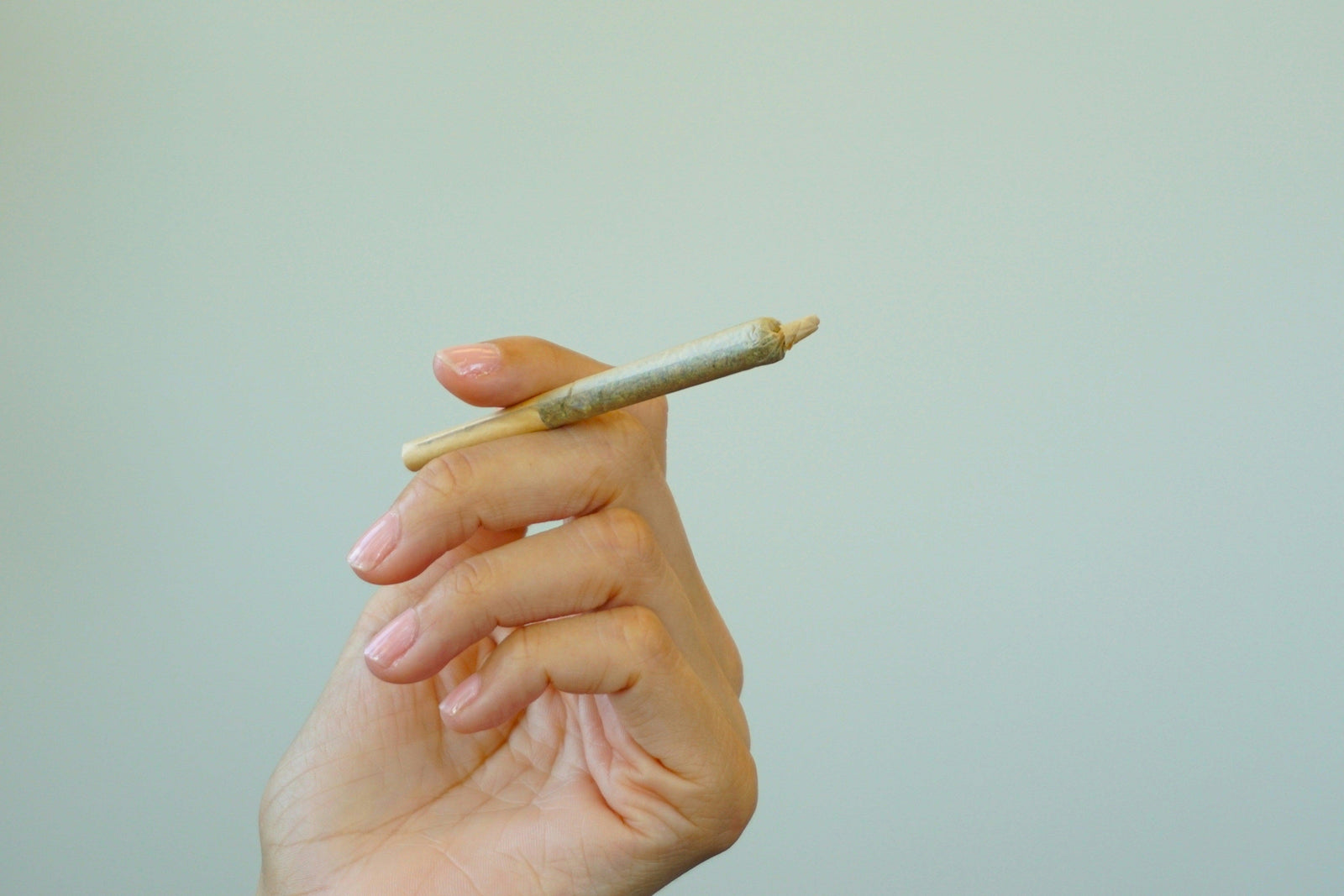
Was ist 10-OH-HHC und warum ist die Nachweisbarkeit wichtig?
Also, du hast vielleicht schon von HHC gehört, vielleicht sogar probiert. Aber was ist dann 10-OH-HHC? Kurz gesagt: eine weiterentwickelte Form von HHC, die angeblich eine intensivere Wirkung hat. Es handelt sich um ein halbsynthetisches Cannabinoid, das durch chemische Modifikationen von HHC entsteht. Das bedeutet, dass sich seine Eigenschaften und auch sein Verhalten im Körper leicht von denen anderer Cannabinoide unterscheiden können.
Und genau hier wird es spannend: Viele Nutzer fragen sich, ob 10-OH-HHC genauso in Drogentests auftaucht wie THC. Die Frage ist besonders relevant für Leute, die regelmäßig auf Drogen getestet werden – sei es im Job, im Straßenverkehr oder aus anderen Gründen. Denn ein positiver Test kann ernsthafte Konsequenzen haben, auch wenn man sich eigentlich auf der „sicheren Seite“ wähnt. Aber ist die Sorge berechtigt? Finden wir’s raus!
Table of content
- 1. Was ist 10-OH-HHC und warum ist die Nachweisbarkeit wichtig?
- 2. Wird 10-OH-HHC bei einem Drogentest erkannt?
- 3. Wie lange ist 10-OH-HHC im Körper nachweisbar?
- 4. Kann 10-OH-HHC zu einem positiven THC-Test führen?
- 5. Wie kann man den Abbau von 10-OH-HHC beschleunigen?
- 6. Ist 10-OH-HHC legal und beeinflusst das Drogentests?
- 7. Muss man sich wegen 10-OH-HHC Sorgen machen?
Key Takeaways: 10-OH-HHC Nachweisbarkeit auf einen Blick
- Standard-Drogentests suchen nicht gezielt nach 10-OH-HHC, aber Kreuzreaktionen sind möglich.
- Die Nachweisbarkeit hängt von mehreren Faktoren ab, u.a. Stoffwechsel und Konsumhäufigkeit.
- Im Urin kann 10-OH-HHC mehrere Tage nachweisbar sein, im Blut meist nur wenige Stunden.
- Schnellerer Abbau ist möglich durch Flüssigkeitszufuhr, Bewegung und gesunde Ernährung.
- Die rechtliche Lage ist unklar, daher sollte man vor Drogentests vorsichtig sein.
Neugierig geworden? Dann check Happyflower.io – dein Shop für hochwertiges HHC & mehr!
Wird 10-OH-HHC bei einem Drogentest erkannt?
Die meisten Drogentests funktionieren nicht nach dem Prinzip „Scannen und alles finden“. Sie sind gezielt auf bestimmte Substanzen ausgelegt, vor allem auf THC und seine Abbauprodukte. Bedeutet das, dass 10-OH-HHC sicher ist? Nicht unbedingt – die Nachweisbarkeit hängt von mehreren Faktoren ab, darunter die Testmethode und eventuelle chemische Ähnlichkeiten mit THC.
Welche Drogentests gibt es und wonach suchen sie?
- Urin-Test: Dieser ist der am häufigsten eingesetzte Drogentest, weil er kostengünstig, einfach und relativ zuverlässig ist. Er weist meist THC-COOH nach, ein Stoffwechselprodukt von THC.
- Blut-Test: Wird oft im medizinischen Bereich oder bei Verkehrskontrollen genutzt. Er zeigt an, ob eine Substanz aktuell im Blutkreislauf aktiv ist, aber die Nachweiszeit ist meist viel kürzer als beim Urintest.
- Speichel-Test: Häufig bei Verkehrskontrollen eingesetzt. Speicheltests haben eine kürzere Nachweisbarkeit als Urintests, zeigen aber den jüngsten Konsum sehr zuverlässig an.
- Haaranalyse: Die härteste Methode. Haare speichern Substanzen monatelang, wodurch sogar ein vergangener Konsum festgestellt werden kann. Diese Tests werden oft bei Gerichtsfällen oder in der Arbeitswelt genutzt.

Foto von National Cancer Institute auf Unsplash
Können Standard-Tests für THC auch 10-OH-HHC erkennen?
Rein technisch betrachtet, suchen diese Tests nach spezifischen Stoffwechselprodukten von THC, und da sich 10-OH-HHC strukturell von THC unterscheidet, sollte es theoretisch nicht erfasst werden. Die Realität sieht aber oft anders aus. Besonders günstige oder unsaubere Tests haben eine hohe Fehlerquote und können 10-OH-HHC möglicherweise fälschlicherweise als THC identifizieren.
Wie lange ist 10-OH-HHC im Körper nachweisbar?
Die Nachweisbarkeit einer Substanz hängt von vielen Faktoren ab, einschließlich deiner persönlichen Physiologie und deines Konsumverhaltens. Ein Gelegenheitskonsument wird die Substanz schneller los als jemand, der regelmäßig konsumiert.
Welche Faktoren beeinflussen die Abbauzeit?
- Häufigkeit des Konsums: Wer täglich konsumiert, hat eine längere Nachweiszeit als jemand, der es nur einmal ausprobiert hat.
- Stoffwechsel: Je schneller dein Körper Substanzen verarbeitet, desto kürzer bleibt 10-OH-HHC nachweisbar.
- Konsumform: Vapen führt zu einer schnelleren Verarbeitung als Edibles, die über den Verdauungstrakt aufgenommen werden.
- Körperfettanteil: Da Cannabinoide fettlöslich sind, bleiben sie in Fettgewebe gespeichert und können je nach Körperbau länger nachweisbar sein.
Richtwerte für die Nachweisbarkeit
- Blut: 2–12 Stunden nach Konsum. Bluttests zeigen meist nur den akuten Konsum an.
- Urin: 1–5 Tage, je nach Menge und Häufigkeit. Bei Dauerkonsum können es auch mehr als 7 Tage sein.
- Speichel: Bis zu 24 Stunden, manchmal auch länger, wenn häufig konsumiert wurde.
- Haar: Theoretisch mehrere Monate, aber Haaranalysen sind selten und sehr teuer.
Kann 10-OH-HHC zu einem positiven THC-Test führen?
Ein echtes Problem, denn viele Tests sind nicht perfekt und können falsch-positive Ergebnisse liefern.
Gibt es Kreuzreaktionen zwischen 10-OH-HHC und THC-Tests?
Theoretisch nicht, aber in der Praxis gibt es Berichte, dass manche minderwertige Tests 10-OH-HHC mit THC verwechseln. Auch die Art der Verarbeitung im Körper spielt eine Rolle, denn manche Abbauprodukte ähneln sich.
Wie genau sind handelsübliche Drogentests in Bezug auf HHC-Derivate?
- Günstige Schnelltests: Können unsauber sein und falsch-positive Ergebnisse liefern.
- Labortests: Differenzieren meist genauer, aber wenn du Pech hast, fällt auch hier 10-OH-HHC auf.
Wie kann man den Abbau von 10-OH-HHC beschleunigen?
Manchmal will man einfach auf Nummer sicher gehen und das Zeug schnell loswerden.
Natürliche Wege, den Körper zu entgiften
- Viel Wasser trinken: Spült die Abbauprodukte aus dem Körper.
- Sport & Bewegung: Kann helfen, da Cannabinoide in Fett gespeichert werden.
- Ballaststoffreiche Ernährung: Unterstützt die Verdauung und hilft, Rückstände auszuleiten.
Helfen Detox-Produkte wirklich?
Viele Detox-Produkte versprechen Wunder, aber die Wissenschaft dahinter ist schwach. Die besten Methoden sind immer noch natürliche Wege, um den Körper zu reinigen.
Ist 10-OH-HHC legal und beeinflusst das Drogentests?
Die Gesetzeslage ist unklar und könnte sich jederzeit ändern.
- Arbeitsplatz: Ein positiver Test kann auch bei legalen Substanzen Konsequenzen haben.
- Führerschein: In Deutschland kann ein positiver Test auf THC zu Problemen mit der Fahrerlaubnis führen.


Muss man sich wegen 10-OH-HHC Sorgen machen?
- Standard-Tests suchen nicht gezielt danach, aber Kreuzreaktionen sind möglich.
- Die Nachweisbarkeit variiert je nach Körper, Konsum und Testart.
- Wenn ein Test droht, lieber auf Nummer sicher gehen.




Share:
Mein 10 OH HHC Erfahrungsbericht – Wirkung, Erlebnisse & Risiken
Muscimol: 8 Fakten die du in 2025 über die psychoaktive Substanz wissen musst