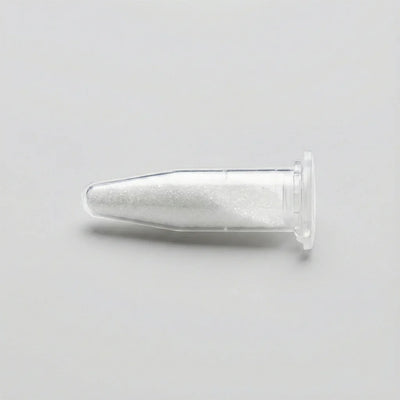
Kurz beantwortet: Ja, NB-DMT ist in Deutschland verboten. Die 6. NpSG-Änderungsverordnung (in Kraft seit Ende November/Anfang Dezember 2025) hat die Tryptamin-Stoffgruppe präzisiert und erfasst seitdem auch NB-DMT – damit sind Herstellung, Handel und Versand untersagt. Was das Verbot konkret bedeutet, liest Du hier und im Detail-Artikel Was das NB-DMT-Verbot bedeutet. Für die Forschung bleiben nicht erfasste Tryptamine wie 4-Pro-MET relevant (Stand: Juli 2026), ausschließlich für Forschungszwecke.
Machen wir’s kurz: Du willst wissen, ob NB-DMT (N-Benzyl-DMT) in Deutschland verboten ist, was das rechtlich heißt, was Gerüchte wert sind – und wie du seriös prüfst, was Sache ist. Wir holen dich sauber ab, ohne Fachgesimpel, aber mit echten Belegen. Und ja, wir bleiben locker – schließlich liest du hier nicht das Bundesgesetzblatt am Frühstückstisch.
- 1. Key Takeaways
- 2. Was ist NB-DMT genau und wie unterscheidet es sich von DMT und NBoc-DMT?
- 3. Ist NB-DMT in Deutschland Stand heute verboten – oder sind das (noch) unbestätigte Gerüchte?
- 4. Welche offiziellen Quellen würden ein NB-DMT-Verbot bestätigen – und wie prüfst du das korrekt?
- 5. Würde ein NB-DMT-Verbot eher über das NpSG oder über das BtMG laufen – und warum?
- 6. Fällt klassisches DMT bereits unter das BtMG – und warum ist die Abgrenzung zu NB-DMT entscheidend?
- 7. Erfasst die NpSG-Stoffgruppe „Tryptamine“ NB-DMT potenziell – oder sprechen definitorische Details dagegen?
- 8. Welche Handlungen sind seit dem Verbot betroffen – und wie sieht das in der Praxis aus?
- 9. Welche Strafen oder Maßnahmen wären realistisch (NpSG vs. BtMG), und worin liegt der Unterschied?
- 10. Wie gehen Zoll & Ermittlungsbehörden mit Online-Bestellungen um?
- 11. Wie beeinflusst ein mögliches Verbot Drug-Checking, Schadensminderung und öffentliche Gesundheit?
- 12. Wie ist die Lage in EU-Nachbarländern, CH & AT – und was bedeutet das für grenzüberschreitende Bestellungen?
- 13. Wie wird NB-DMT (bzw. Tryptamin-NPS) außerhalb Europas eingeordnet – und gibt es relevante US-Präzedenzfälle?
- 14. Warum verbreiten Shops, Foren und Social Posts so oft widersprüchliche Aussagen – und wie filterst du belastbare Infos?
- 15. Welche Begriffe werden am häufigsten verwechselt (NB-DMT vs. DMT vs. NBoc-DMT vs. 1S-LSD)?
- 16. Unter welchen Bedingungen könnten Forschungseinrichtungen NB-DMT verwenden?
- 17. Gibt es religiöse oder medizinische Ausnahmen – und wären die auf NB-DMT übertragbar?
- 18. Welche gesetzlichen Änderungen 2024/2025 sind relevant – und betreffen sie NB-DMT direkt?
- 19. Wie erkennst du frühzeitig, ob ein NB-DMT-Verbot offiziell wird (Ablauf: Entwürfe → Beschluss → Verkündung → Inkrafttreten)?
- 20. Welche rechtlichen Vorsichtsmaßnahmen sollten Konsument:innen beachten – selbst solange nur Gerüchte bestehen?
- 21. Was sind konkrete Do’s & Don’ts, um Rechtsrisiken zu minimieren, bis eine offizielle Rechtslage klar ist?
- 22. FAQs zzum NB-DMT Verbot
- 23. Mini-Service-Teil: So bleibst du effortless up-to-date (ohne Jurastudium)
Key Takeaways
- NB-DMT Verbot – Stand 08.10.2025: Kein offiziell veröffentlichtes, explizites NB-DMT-Verbot; es kursieren Gerüchte. Prüfe BGBl, BMG und Gesetze-im-Internet – nicht Foren.
- BtMG vs. NpSG: DMT ist Anlage I BtMG (klar verboten). Ob NB-DMT über NpSG-Tryptamine miterfasst ist, hängt von der Gruppendefinition ab – hier liegt der Streit.
- § 3 NpSG – was wäre betroffen: Handel, Inverkehrbringen, Herstellen, Ein-/Ausfuhr, Erwerb und Besitz – sprich: alles. Ausnahmen nur eng (Forschung/Behörde).
- 2024/2025-Lage: 2024 wurde die NpSG-Anlage erweitert (Lücken schließen), 2025 fokussiert die Novelle Lachgas/GBL/BDO – kein offizieller NB-DMT-Fokus erkennbar.
- Zoll & Ausland: Online-Bestellung im Ausland schützt nicht; Zoll, Labor und Zahlungsflüsse sind harte Fakten.
- Wie du’s verifizierst: 1) BGBl durchsuchen, 2) BMG-Presse/Seiten checken, 3) Gesetze-im-Internet (NpSG/BtMG/Anlagen) öffnen und Wortlaut lesen. Wenn’s nicht dort steht, ist’s (noch) kein Gesetz.


Was ist NB-DMT genau und wie unterscheidet es sich von DMT und NBoc-DMT?
NB-DMT ist vereinfacht gesagt ein DMT-Derivat: Statt dem „normalen“ DMT-Stickstoff hängt am Molekül noch eine N-Benzyl-Gruppe dran. Das ist chemisch relevant, weil deutsche Gesetze nicht nur „Stoff X“ listen, sondern teils Stoffgruppen (Familien ähnlicher Verbindungen). Wenn ein Gesetz also z. B. „Tryptamine“ in bestimmten Varianten verbietet, ist entscheidend, ob NB-Substitutionen (wie Benzyl) mitgemeint sind – oder eben nicht. Für dich heißt das: NB-DMT ist nicht automatisch gleich DMT, und die Rechtslage kann anders sein. (Zu DMT gleich mehr.)
Kurzübersicht:
- DMT (N,N-Dimethyltryptamin) ist der „klassische“ Tryptamin-Psychedelika-Stoff.
- NB-DMT hat eine N-Benzyl-“Kappe“ – klingt nerdy, ist aber rechtlich wichtig.
- NBoc-DMT ist wieder eine andere Baustelle (Carbamate/Schutzgruppen) und wird online gern in einen Topf geworfen – was dauernd für Verwirrung sorgt.
Warum du das wissen solltest: In DE ist DMT klar geregelt (streng), NB-DMT wird nicht explizit im Gesetzestext genannt. Ob es über Stoffgruppen „mit reingezogen“ wird, ist die eigentliche Frage – und genau da entstehen die Gerüchte.
Ist NB-DMT in Deutschland Stand heute verboten – oder sind das (noch) unbestätigte Gerüchte?
Stand heute (08.10.2025): Ein explizites „NB-DMT“-Verbot, also eine klare Nennung des Stoffnamens im Bundesgesetzblatt oder in einer Anlage, ist nicht amtlich bekannt gemacht. Es kursieren Gerüchte (Foren, Shop-Blogs, Social), aber amtliche Primärquellen – Bundesgesetzblatt (BGBl.), BMG (Gesundheitsministerium), “Gesetze im Internet” – haben keine eindeutige NB-DMT-Listung veröffentlicht. Wenn sich das ändert, steht’s zuerst in diesen Quellen.
Wichtig: Auch ohne „hartes“ NB-DMT-Wort im Gesetz kann es theoretisch über Stoffgruppen (z. B. Tryptamine im NpSG) erfasst sein – wenn die Definition entsprechend greift. Das ist genau der Punkt, an dem die Meinungen auseinandergehen. Deshalb: Nur Primärtexte zählen – keine Händler-Posts, keine Insta-Slides.
Welche offiziellen Quellen würden ein NB-DMT-Verbot bestätigen – und wie prüfst du das korrekt?
- Bundesgesetzblatt (BGBl.): Hier wird’s offiziell verkündet. Jede neue Verordnung/Änderung taucht dort auf. Such dort nach „NpSG“ oder „Anlage“.
- BMG-Seite zum NpSG: Übersicht, Hintergründe, Presseinfos zu Novellen (z. B. Lachgas/GBL/BDO). Wenn’s ernst wird, liest du hier das „Warum“.
- Gesetze-im-Internet: Der konsolidierte Gesetzestext von NpSG (inkl. § 3-Verbote) und BtMG (inkl. Anlagen). DMT ist z. B. dort klar in Anlage I BtMG gelistet.
Praktisch: Schau dir bei Änderungen immer Titel, Datum, Inkrafttreten an. Und lies den Anhang/Anlage – da verstecken sich Stoffgruppen-Definitionen.

Würde ein NB-DMT-Verbot eher über das NpSG oder über das BtMG laufen – und warum?
- BtMG (Betäubungsmittelgesetz): Listet konkret z. B. DMT in Anlage I (nicht verkehrsfähig). Das ist die harte Schiene. NB-DMT ist dort nicht namentlich gelistet.
- NpSG (Neue-psychoaktive-Stoffe-Gesetz): Verbietet ganze Stoffgruppen (z. B. Tryptamine) pauschal. § 3 macht dann u. a. Erwerb/Besitz/Handel/Ein- und Ausfuhr illegal. Frage: Fällt NB-DMT unter die dort definierte Tryptamin-Gruppe? Das hängt an der Gruppendefinition.
In 2024 wurde die Anlage zum NpSG angepasst (5. Änderungs-VO) – Ziel: neue NPS-Varianten besser zu erfassen. Aber: keine amtliche Stelle hat „NB-DMT“ explizit herausgehoben. Heißt: Ob NB-DMT juristisch unter die Tryptamin-Definition fällt, ist die Streitfrage.
Fällt klassisches DMT bereits unter das BtMG – und warum ist die Abgrenzung zu NB-DMT entscheidend?
Ja. DMT (N,N-Dimethyltryptamin) steht klar in Anlage I BtMG – damit ist Herstellung, Handel, Besitz etc. ohne Erlaubnis verboten. Punkt. NB-DMT ist chemisch nicht dasselbe und steht als Name nicht dort. Deshalb braucht es entweder eine Stoffgruppen-Erfassung (NpSG) oder eine explizite Aufnahme in eine Anlage, damit NB-DMT genauso klar verboten wäre.
Erfasst die NpSG-Stoffgruppe „Tryptamine“ NB-DMT potenziell – oder sprechen definitorische Details dagegen?
Das NpSG arbeitet mit Struktur-Schablonen für Stoffgruppen. Bei Tryptaminen geht es um die Indol-3-Ethyl-“Backbone” mit bestimmten Substitutionsmustern. Ob eine N-Benzyl-Substitution (also eine aromatische Benzyl-Gruppe am Stickstoff) darunter fällt, ist nicht trivial – genau hier entstehen die Gerüchte. Einige Chem-Blogs/Foren behaupten „ja, safe drin“, andere sagen „nee, nicht von der Schablone abgedeckt“. Der einzige verlässliche Weg ist: Wortlaut der Anlage lesen und im Zweifel amtliche Begründungen der Änderungsverordnung checken. 2024er-Begründungen sprechen allgemein davon, Lücken zu schließen – aber NB-DMT wird nicht namentlich herausgestellt.
Update (Dezember 2025): Genau diese Lücke wurde inzwischen geschlossen. Die 6. NpSG-Änderungsverordnung (Bundesrat 21.11.2025, in Kraft seit Ende November/Anfang Dezember 2025) präzisiert die Tryptamin-Stoffgruppe um Schutzgruppen-Varianten und erfasst damit auch NB-DMT. Herstellung, Handel und Versand sind seitdem untersagt.
Welche Handlungen sind seit dem Verbot betroffen – und wie sieht das in der Praxis aus?
Wenn NB-DMT (jetzt oder künftig) unter NpSG fällt, gilt § 3 NpSG:
- Verboten: Handel, Inverkehrbringen, Herstellen, Verbringen in/aus/durch DE, Erwerb, Besitz, Verabreichen.
- Kein „Nur-für-mich-daheim“-Schlupfloch: Besitz & Erwerb sind explizit umfasst.
- Ausnahmen: wissenschaftlich/industriell/behördlich – aber das ist streng und genehmigungspflichtig.
Wenn es statt NpSG über BtMG geregelt wäre (wie DMT), wäre es sogar noch härter: Anlage I-Stoffe sind nicht verkehrsfähig; Erlaubnisse gibt’s nur in sehr engen Fällen via BfArM.
Welche Strafen oder Maßnahmen wären realistisch (NpSG vs. BtMG), und worin liegt der Unterschied?
- NpSG: § 3 i. V. m. Straf-/Bußgeldvorschriften – Handel/Inverkehrbringen/Verabreichen etc. können strafbar sein (Freiheitsstrafe bis zu drei Jahren oder Geldstrafe), Besitz/Erwerb ist verboten und kann je nach Konstellation als Ordnungswidrigkeit oder im Zusammenhang mit Straftatbeständen verfolgt werden. Details hängen vom Einzelfall ab (Menge, Zweck, Einfuhr u. s. w.).
- BtMG (Anlage I wie DMT): deutlich härtere Strafrahmen, je nach Tatbild und Menge. Hier bewegen wir uns in klassischen BtM-Delikten. DMT fällt darunter.
Praxis: Ermittler schauen auf Online-Bestellungen, Zahlungsströme, Laboranalysen. Zoll kann Sendungen öffnen und Proben an Labore geben; kommt ein Verbot zum Tragen, wird beschlagnahmt – und ja, Post-/Zollakten werden zur Sache.


Wie gehen Zoll & Ermittlungsbehörden mit Online-Bestellungen um?
- Zoll arbeitet mit Stichproben, Risiko-Profilen, Röntgen und Labor-Checks.
- Beweise: Verpackung, Absender, Chat/Bestellnachweise, Labor-Analytik der Substanz.
-
Folge: Beschlagnahme, Einleitung von Verfahren – je nach Rechtsgrundlage NpSG oder BtMG.
Das ist kein Horror-Märchen, sondern Tagesgeschäft. Und es wird tendenziell strenger, sobald die Politik (z. B. 2025) bestimmte chemische Felder priorisiert (Lachgas/GBL/BDO).
Wie beeinflusst ein mögliches Verbot Drug-Checking, Schadensminderung und öffentliche Gesundheit?
- Drug-Checking: Rechtlicher Rahmen wird enger, Analytik-Projekte brauchen belastbare Genehmigungen.
- Schadensminderung: Je weniger valide Infos am Markt, desto mehr Fehlinformation – ein klassischer Bumerang.
- ÖGD/Prävention: Behörden argumentieren, Stoffgruppen-Verbote sollen „Hinterherlaufen“ hinter immer neuen Derivaten beenden. BMG betont genau diesen Gruppenansatz beim NpSG.
Wie ist die Lage in EU-Nachbarländern, CH & AT – und was bedeutet das für grenzüberschreitende Bestellungen?
Kurz: Uneinheitlich.
- Viele Staaten haben DMT hart gelistet oder Tryptamin-NPS breit geregelt.
- Reisen/Import: Wenn Herkunft, Transit oder Zielland etwas verbieten, kann schon die Durchfuhr Ärger machen.
- Online-Shops im Ausland schützen dich nicht vor deutschem Recht – und umgekehrt kann ausländisches Recht schon bei der Absendung greifen. (Genau deshalb sind Foren-“Tipps” oft Quatsch.)
Für DE-Leser am wichtigsten: Deutsches Recht am Ende zählt – egal, ob der Shop in XY „keine Probleme“ verspricht.
Wie wird NB-DMT (bzw. Tryptamin-NPS) außerhalb Europas eingeordnet – und gibt es relevante US-Präzedenzfälle?
In den USA ist DMT unter dem Controlled Substances Act Schedule I (strengste Stufe). Das heißt: keine akzeptierte medizinische Nutzung, hohes Missbrauchspotenzial, harte Strafen. NB-DMT ist als Name nicht das gleiche wie DMT; die Einordnung von NB-Derivaten kann kompliziert sein, aber für dich entscheidend ist: DMT ist Schedule I – Punkt.
Religiöse Ausnahmen? Der Supreme Court hat 2006 in Gonzales v. O Centro entschieden, dass eine Kirche Ayahuasca (mit DMT) unter engen RFRA-Bedingungen verwenden darf. Das ist kein genereller Freifahrtschein und schon gar nicht auf NB-DMT übertragbar. Es zeigt nur: Es gibt enge Sonderfälle – mit reichlich Papierkram und Gericht.

Warum verbreiten Shops, Foren und Social Posts so oft widersprüchliche Aussagen – und wie filterst du belastbare Infos?
- Incentives: Shops wollen verkaufen, Foren wollen Klicks.
- Ketten-Gerüchte: Einer schreibt’s, zehn übernehmen’s.
- Lösung: Immer auf Primärquellen gehen: BGBl., BMG, „Gesetze im Internet”, ggf. Bundestag/Bundesrat-Drucksachen. Was da nicht steht, ist rechtlich erstmal nicht amtlich. 2024/25 gab’s echte NpSG-Bewegung (Lachgas/GBL/BDO), aber kein offizielles „NB-DMT ist jetzt explizit verboten“ als eigene Ansage.
Welche Begriffe werden am häufigsten verwechselt (NB-DMT vs. DMT vs. NBoc-DMT vs. 1S-LSD)?
- DMT ≠ NB-DMT. Ersteres ist BtMG-Anlage I, zweiteres nicht explizit gelistet.
- NBoc-DMT ist wieder anders (Carbamat/Schutzgruppe) und wird in Foren gern in denselben Topf geworfen.
- 1S-LSD: anderes Kapitel (Ergoline-Derivate) – dass darüber viel gesprochen wurde, führt oft zu „Alles wird jetzt verboten“-Kurzschlüssen. Bleib bei Amtstexten. (NpSG-Anlagen und Begründungen checken.)
Unter welchen Bedingungen könnten Forschungseinrichtungen NB-DMT verwenden?
Sowohl BtMG als auch NpSG lassen enge Ausnahmen zu – z. B. wissenschaftliche Nutzung. Praktisch heißt das: Genehmigungen, Auflagen, Dokumentation. Für Privatpersonen ist das kein Weg. Für Unis/Institute kann es – wenn NB-DMT tatsächlich erfasst wäre – einen legalen Rahmen geben, aber nur nach vorheriger Erlaubnis.
Gibt es religiöse oder medizinische Ausnahmen – und wären die auf NB-DMT übertragbar?
- Medizinisch (DE): Bei Anlage-I-Stoffen (BtMG) gibt’s keine Anwendung im Regelfall. Forschung/Industrie/Behörde sind Sonderfälle mit Erlaubnis. NB-DMT ist nicht explizit Anlage I – aber das hilft dir nicht, wenn es über NpSG fällt.
- Religiös (USA): Siehe oben O Centro – extrem enger Sonderfall, nicht pauschal übertragbar und schon gar nicht auf NB-DMT in Deutschland.
Welche gesetzlichen Änderungen 2024/2025 sind relevant – und betreffen sie NB-DMT direkt?
- 2024: 5. VO zur Änderung der NpSG-Anlage – Ziel: neue NPS struktur-basiert besser abdecken (Lücken schließen). NB-DMT wurde nicht namentlich hervorgehoben.
- 2025: Bundesregierung/Kabinett treibt NpSG-Novelle v. a. zu Lachgas, GBL, BDO voran (erste Lesung 09.10.2025). Fokus: psychoaktive Industriechemikalien – kein offizieller Schwerpunkt „NB-DMT“.
Wie erkennst du frühzeitig, ob ein NB-DMT-Verbot offiziell wird (Ablauf: Entwürfe → Beschluss → Verkündung → Inkrafttreten)?
- Entwürfe/Begründungen: BMG veröffentlicht oft Referentenentwürfe mit Begründung.
- Bundesrat/Bundestag: Drucksachen (Sitzungswochen, Tagesordnungen).
- Verkündung: Bundesgesetzblatt – hier steht die gültige Endfassung.
-
Inkrafttreten: meist mit Datum im Text.
Wenn du also irgendwo „Breaking: NB-DMT verboten“ liest, such dir genau den BGBl-Eintrag und die Anlage raus. Ohne die – sorry – ist’s Gerede.
Welche rechtlichen Vorsichtsmaßnahmen sollten Konsument:innen beachten – selbst solange nur Gerüchte bestehen?
- Keine falsche Sicherheit: „Nicht explizit gelistet“ ≠ „erlaubt“. Stoffgruppen können greifen.
- Verwechslungsgefahr: DMT ist klar verboten (BtMG Anlage I). Verwechsel das nicht mit NB-DMT.
- Grenzen & Versand: Auslandsbestellungen retten dich nicht – Zoll/Strafrecht sind real.
- Informiert bleiben: Folge BGBl, BMG, Gesetze-im-Internet – nicht Foren-Hot-Takes.
Was sind konkrete Do’s & Don’ts, um Rechtsrisiken zu minimieren, bis eine offizielle Rechtslage klar ist?
Do:
- Primärquellen prüfen (BGBl., BMG, Gesetze-im-Internet). Screenshots speichern, Datum notieren.
- Begriffe sauber trennen: DMT vs. NB-DMT vs. NBoc-DMT.
- Gesetzesupdates tracken (erste Lesung, Ausschuss, Verkündung). Deutscher Bundestag
Don’t:
- Shop-Posts als „Beweis“ behandeln.
- Auslandsversand als legalen Hack missverstehen.
- „Wenn’s im Shop ist, wird’s schon okay sein“ – das ist Wunschdenken, keine Rechtslage.
Ist NB-DMT heute verboten?
Ein explizites Verbot (Namensnennung) ist nicht amtlich veröffentlicht; ob es gruppenbasiert (NpSG) miterfasst ist, hängt von der Anlagendefinition ab – dazu gibt’s Gerüchte, aber keine eindeutige amtliche Bestätigung.
Darf ich NB-DMT besitzen oder bestellen?
Wenn NB-DMT unter die NpSG-Tryptamin-Gruppe fällt, wären Besitz/Erwerb verboten (§ 3 NpSG); klärt man das nicht, spielt man rechtlich Roulette.
Was droht bei Bestellungen aus dem Ausland?
Beschlagnahme, Verfahren, je nach Rechtsgrundlage NpSG oder BtMG; Zoll + Labor + Zahlungsnachweise sind Standard.
Wo sehe ich zuerst, wenn ein NB-DMT-Verbot offiziell wird?
Im Bundesgesetzblatt (Verkündung) und bei BMG (Presse/Erklärseiten); danach konsolidiert bei Gesetze-im-Internet.
Mini-Service-Teil: So bleibst du effortless up-to-date (ohne Jurastudium)
- Speicher dir die drei Links als Lesezeichen: BGBl, BMG-NPSG-Seite, Gesetze-im-Internet (NpSG/BtMG). Lies nur die Kästen „Inkrafttreten“ und Anlagen/Anhänge.
- Datum draufschreiben (wirklich!): „Stand: TT.MM.JJJJ“. So merkst du, ob die Info frisch ist.
- Wenn Social schreit „Verbot ab morgen!!“ – such die BGBl-Fundstelle. Ohne die ist es nur Lärm.
- Bei echten Gesetzes-Moves (erste Lesung/Plenardebatten): Kurz die Bundestag-Seite checken.


🧪 Smartshop bei Happyflower entdecken
Laborgeprüft · Diskret versandt · ⭐ 4,6/5 (750+ Bewertungen)
Jetzt Smartshop ansehen →

Share:
Kanna Wirkung: Alles über Sceletium tortuosum — Wirkungsprofil, Dauer, Formen und was du 2026 wissen musst
CBG vs CBD – Wirkung, Unterschied & was die Forschung wirklich sagt